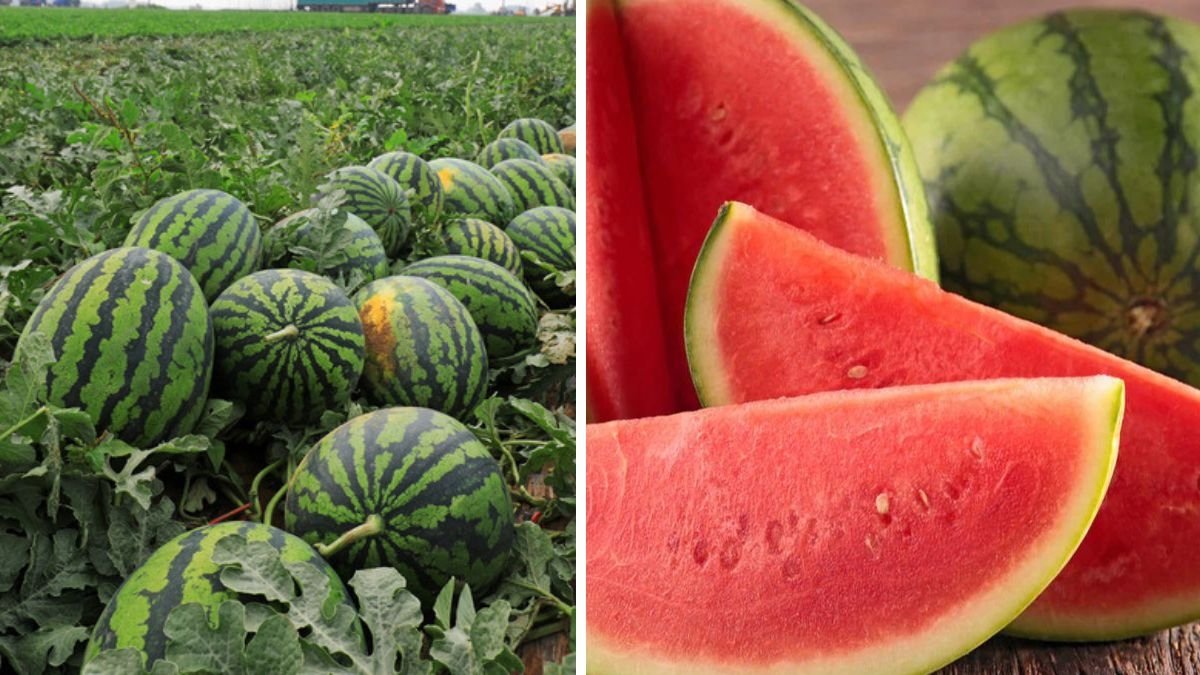
Watermelon, with its juicy sweetness and refreshing flavor, is one of the most beloved fruits globally, especially during hot summer months. Known for its vibrant red flesh, high water content, and subtle sweetness, watermelon is not just a delicious snack—it is also packed with hydration, vitamins, and antioxidants.
But when it comes to global production, which country leads the world in growing watermelons? In this article, we’ll explore the top producer, why it dominates watermelon cultivation, and the significance of this fruit in agriculture and economy worldwide.
The Global Appeal of Watermelons
Watermelon (scientifically called Citrullus lanatus) is a vine-like flowering plant that produces large, sweet, and juicy fruits. With over 90% water content, watermelon is a natural hydrator and an ideal summer fruit.
Nutritional Benefits
- High in water and electrolytes – Helps hydration
- Rich in vitamins A and C – Supports vision and immunity
- Contains lycopene – A powerful antioxidant
- Low in calories – Perfect for healthy diets
- Provides fiber – Supports digestion
Because of these benefits, watermelon is consumed fresh, juiced, or in salads, desserts, and beverages worldwide.
Watermelon Varieties
Globally, there are hundreds of watermelon varieties with different sizes, shapes, and colors:

- Seedless Watermelon – Convenient and popular for snacking
- Sugar Baby – Small, dark green, very sweet
- Crimson Sweet – Medium-sized, striped skin
- Yellow Flesh Watermelon – Sweet with a yellow or golden interior
- Picnic Watermelon – Large fruits, ideal for family gatherings
The wide variety of watermelon types allows different countries to grow fruits suited to climate, soil, and market demand.
Which Country Produces the Most Watermelons?
China — The Global Leader in Watermelon Production
China is by far the largest watermelon producer in the world, contributing nearly 60% of the global supply.
- Annual production: Over 70 million tonnes
- Major watermelon-growing regions: Henan, Shandong, Hebei, and Guangdong
- Watermelon is cultivated year-round in certain areas using greenhouses and controlled environments
China’s dominance in watermelon production is attributed to favorable climate, vast arable land, advanced farming techniques, and domestic demand.
Why China Excels in Watermelon Production
Several factors contribute to China’s leadership in watermelon cultivation:
1. Ideal Climate and Soil
Watermelons thrive in warm climates with plenty of sunlight. China offers:

- Long growing seasons in many regions
- Fertile, well-draining soil suitable for vine crops
- Mild winters in southern regions allowing year-round cultivation
These conditions enable farmers to grow multiple crops per year, increasing total production.
2. Large Cultivation Area
China dedicates millions of hectares to watermelon farming. Large-scale cultivation ensures high output and consistent supply to both domestic and international markets.
3. Advanced Agricultural Practices
China has adopted modern farming techniques to boost yield:
- Use of greenhouses and plastic tunnels for early planting
- Precision irrigation and fertilization
- Pest management and disease control practices
- Selection of high-yield varieties
These measures contribute to both quantity and quality of watermelon production.
4. Domestic Demand
China has a huge domestic market, which drives production:
- Watermelon is a popular summer fruit for families
- Commonly sold in local markets, supermarkets, and street stalls
- Used in desserts, juices, and traditional dishes
The combination of domestic demand and export potential ensures China’s dominance in production.
Other Major Watermelon-Producing Countries
While China leads globally, several other countries contribute significantly to watermelon production:
Turkey
- Annual production: Around 4 million tonnes
- Major regions: Adana, Antalya, and Mersin
- Turkey exports watermelons to Europe and the Middle East
Brazil
- Annual production: 3–4 million tonnes
- Popular varieties: Crimson Sweet, Seedless
- Primarily consumed domestically with some exports to neighboring countries
United States
- Annual production: Around 2–3 million tonnes
- Major states: Florida, Texas, California, Georgia
- Seedless watermelons dominate production
Egypt
- Annual production: 2–2.5 million tonnes
- Major regions: Nile Delta and Valley
- Egypt exports watermelons to Europe and the Middle East
India
- Annual production: 2 million tonnes
- Major states: Karnataka, Maharashtra, Gujarat
- India grows mainly for domestic consumption, with small exports
Global Watermelon Production Statistics (Approximate)
| Country | Annual Production (Tonnes) |
|---|---|
| China | 70,000,000+ |
| Turkey | 4,000,000+ |
| Brazil | 3,500,000+ |
| United States | 2,500,000+ |
| Egypt | 2,200,000+ |
| India | 2,000,000+ |
| Others | 5,000,000+ |
China’s production far exceeds other countries, making it the undisputed global leader.
Popular Watermelon Varieties in China
China grows several watermelon varieties, catering to both domestic and export markets:
- Jubilee – Striped, large, sweet, popular in domestic markets
- Icebox Watermelon – Small to medium-sized, ideal for household consumption
- Seedless Varieties – Gaining popularity in urban areas for convenience
- Yellow Flesh Varieties – Cultivated for niche markets
The diversity of varieties ensures year-round availability and high consumer satisfaction.

Benefits of Watermelon Cultivation
Watermelon farming has several advantages:
- Economic growth – Generates income for farmers and boosts local economies
- Employment opportunities – From planting to harvesting and transport
- Export revenue – Provides income through international trade
- Food security – Offers a nutritious, hydrating fruit for millions
With proper cultivation techniques, watermelon farming can be highly profitable and sustainable.
Fun Facts About Watermelons
- Watermelons are over 90% water, making them highly hydrating
- China produces more watermelons than any other country combined
- Watermelon seeds are also edible and nutritious
- There are over 1,200 varieties of watermelon worldwide
- Watermelon festivals are held in many producing countries to celebrate the harvest
Final Answer: Largest Watermelon Producer
China is the largest watermelon producer in the world, producing over 70 million tonnes annually. Its favorable climate, vast farming area, advanced cultivation practices, and high domestic demand make it the unrivaled leader in watermelon production.
Conclusion
Watermelon is not just a refreshing fruit—it is a vital agricultural product with nutritional, economic, and cultural significance. China’s dominance in watermelon production ensures that this juicy fruit is available year-round for domestic consumption and global markets.
From backyard gardens to commercial farms, watermelon cultivation combines tradition, innovation, and sustainability, making it a fruit that quenches thirst, delights taste buds, and supports economies worldwide.

So, the next time you enjoy a sweet, juicy slice of watermelon, remember that it likely comes from the world’s top producer: China, a country that continues to lead in both quantity and quality of this beloved fruit.

Leave A Comment