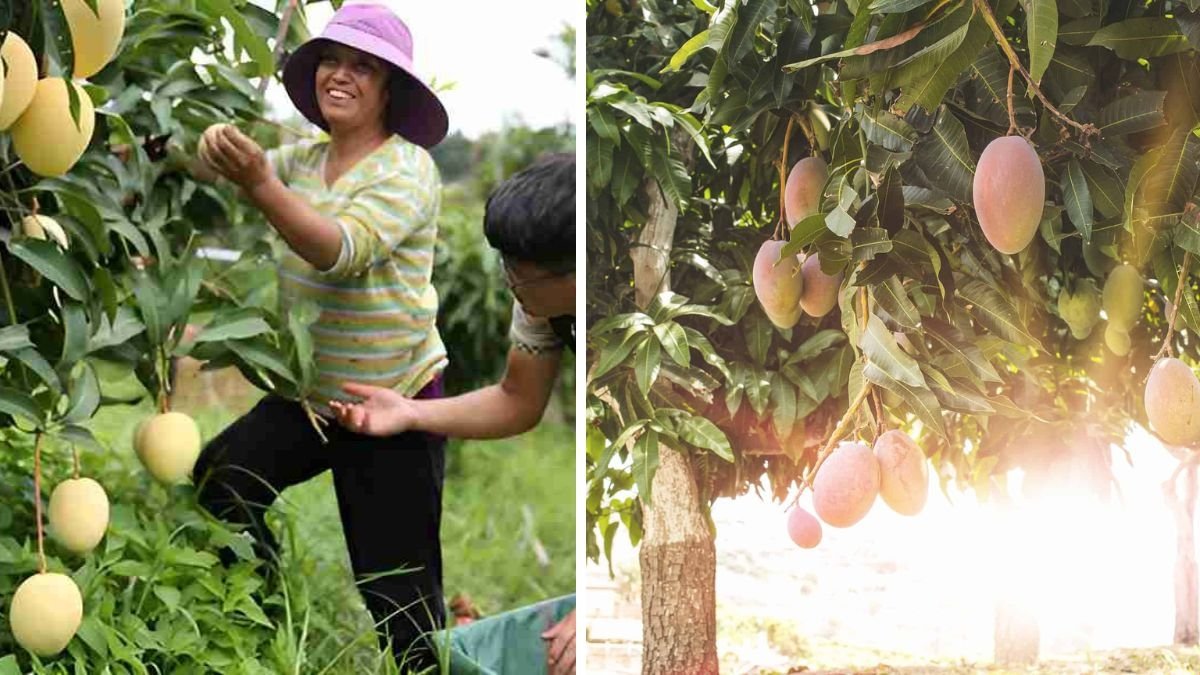
Mangoes, often called the “king of fruits”, are cherished across the globe for their juicy sweetness, tropical aroma, and vibrant colors. From smoothies and desserts to chutneys and salads, mangoes are versatile and universally loved. But when it comes to global production, the question arises: which country produces the most mangoes in the world?
In this article, we will explore the leading mango-producing country, the reasons behind its dominance, the varieties it cultivates, and the economic, cultural, and culinary significance of mangoes.
The Global Importance of Mangoes
Mangoes are more than just a fruit; they play an essential role in agriculture, economy, and culture.
Nutritional Benefits of Mangoes
- Rich in Vitamin C – Boosts immunity and promotes healthy skin
- High in Vitamin A – Supports eye health
- Source of Fiber – Aids digestion and prevents constipation
- Antioxidants – Helps combat oxidative stress
- Natural Energy – Sugars provide a quick energy boost
Their nutritional value makes mangoes a staple in diets worldwide, especially in tropical and subtropical regions.
Mango Varieties Around the World
There are over 500 varieties of mangoes cultivated globally, each with unique flavors, sizes, and colors. Popular varieties include:

- Alphonso – Known for sweetness and aroma, mainly in India
- Haden – Common in the Americas
- Kent – Large, juicy, with minimal fiber
- Tommy Atkins – Widely exported variety
- Kesar – Sweet, golden-yellow mango, India
These varieties are cultivated based on climate, soil type, and market demand.
Which Country Produces the Most Mangoes?
India — The Global Leader in Mango Production
India is the largest mango producer in the world, contributing nearly 40% of global production.
- Annual production: over 20 million tonnes
- Cultivation area: Around 2.5 million hectares
- Major mango-growing states: Uttar Pradesh, Maharashtra, Andhra Pradesh, Karnataka, Gujarat, and Tamil Nadu
India produces mangoes primarily for domestic consumption, but also exports several varieties to countries worldwide, including the Middle East, Europe, and North America.
Why India Excels in Mango Production
India’s mango production leadership is a combination of ideal climate, fertile soil, diverse varieties, and centuries of cultivation expertise.
1. Favorable Climate and Geography
Mango trees flourish in:

- Tropical and subtropical climates
- Well-draining soil with slightly acidic to neutral pH
- Annual rainfall of 750–2500 mm
- Temperatures ranging from 24°C to 30°C
India’s diverse geography—from the plains of Uttar Pradesh to the coastal regions of Maharashtra and Gujarat—provides the perfect environment for different mango varieties.
2. Diversity of Varieties
India grows hundreds of mango varieties catering to different tastes and purposes:
- Alphonso (Hapus) – Popular for exports due to sweetness and aroma
- Dasheri – Widely grown in northern India
- Langra – Famed for its tangy flavor in northern India
- Kesar – Cultivated in Gujarat for sweetness and bright golden color
- Banganapalli – A favorite in Andhra Pradesh for domestic consumption
This variety ensures India can cater to both domestic and international markets.
3. Traditional Expertise
India has a long history of mango cultivation, dating back thousands of years. Generations of farmers have perfected grafting, pruning, and harvesting techniques, ensuring high yields and quality fruit.
4. Economic Significance
Mango production plays a crucial role in India’s economy:
- Employment: Millions of farmers, laborers, and traders depend on mango cultivation
- Exports: Generates significant revenue from international trade
- Agro-industry: Supports processing industries producing pulp, juices, pickles, and jams
Mango cultivation is both a livelihood and an economic backbone for many rural regions.
Other Major Mango-Producing Countries
While India leads by a wide margin, several other countries are also key players in global mango production:
China
- Annual production: 4–5 million tonnes
- Major growing regions: Hainan, Guangxi, and Yunnan
- Focused mainly on domestic consumption with some exports
Indonesia
- Annual production: 3–4 million tonnes
- Varieties grown: Arumanis, Gedong Gincu
- Mangoes are popular in local markets and culinary dishes
Pakistan
- Annual production: 2–3 million tonnes
- Famous varieties: Sindhri, Chaunsa, Anwar Ratol
- Exports mangoes mainly to Middle East and Europe
Mexico
- Annual production: 2–3 million tonnes
- Focus on export-oriented varieties like Ataulfo
- Exports mainly to the United States and Canada
Bangladesh
- Annual production: 1–2 million tonnes
- Major varieties: Himsagar, Langra
- Primarily consumed domestically
Global Mango Production Statistics (Approximate)
| Country | Annual Production (Tonnes) |
|---|---|
| India | 20,000,000+ |
| China | 4,500,000+ |
| Indonesia | 3,500,000+ |
| Pakistan | 2,800,000+ |
| Mexico | 2,500,000+ |
| Bangladesh | 1,500,000+ |
Mango Cultivation Practices
Successful mango cultivation requires careful planning and care:
1. Soil Preparation
- Loamy, well-draining soil enriched with organic compost
- Avoid waterlogged areas
2. Planting
- Can be grown from seeds or grafted saplings
- Spacing: 10–12 meters between trees for optimal growth
3. Watering
- Young trees need regular watering
- Mature trees are drought-tolerant but benefit from irrigation during dry spells
4. Fertilization
- Balanced fertilizers with nitrogen, phosphorus, and potassium
- Organic manure to improve soil health
5. Pest and Disease Control
- Common pests: Mango hoppers, mealybugs, fruit flies
- Diseases: Anthracnose, powdery mildew
- Control with organic sprays or fungicides as needed
6. Harvesting
- Mangoes are harvested when partially mature for exports
- Fully ripe mangoes are consumed locally
- Careful handling prevents bruising
Cultural Significance of Mangoes
Mangoes are not just a fruit; they hold immense cultural value in India:
- Festivals: Mango leaves are used in decorations for weddings and religious ceremonies
- Mythology: Considered sacred and mentioned in ancient Indian texts
- Cuisine: Integral to desserts, pickles, chutneys, and beverages
This deep cultural attachment ensures that mango cultivation is cherished and preserved.

Fun Facts About Mangoes
- India produces almost half of the world’s mangoes
- The Alphonso variety is known as the “King of Mangoes”
- Mango trees can live and produce fruit for over 100 years
- Mangoes are the national fruit of India, Pakistan, and the Philippines
- Mango festivals celebrate seasonal harvests and local varieties
Final Answer: Largest Mango Producer
India is the largest mango producer in the world, contributing nearly 40% of global production. Its favorable climate, diverse varieties, cultural importance, and centuries of cultivation expertise make India the undisputed leader in mango production.
Conclusion
Mangoes are more than just a sweet tropical fruit—they are an essential part of culture, economy, and cuisine in many countries. While countries like China, Pakistan, and Mexico contribute to global production, India dominates the world’s mango market.
From delicious Alphonso to juicy Dasheri, mangoes grown in India delight taste buds worldwide and sustain millions of farmers. Growing mangoes is not just about agriculture; it’s a tradition, a source of income, and a celebration of nature’s bounty.
Whether you enjoy mangoes fresh, in desserts, or as pickles, knowing that India leads global production gives a deeper appreciation for this king of fruits.


Leave A Comment