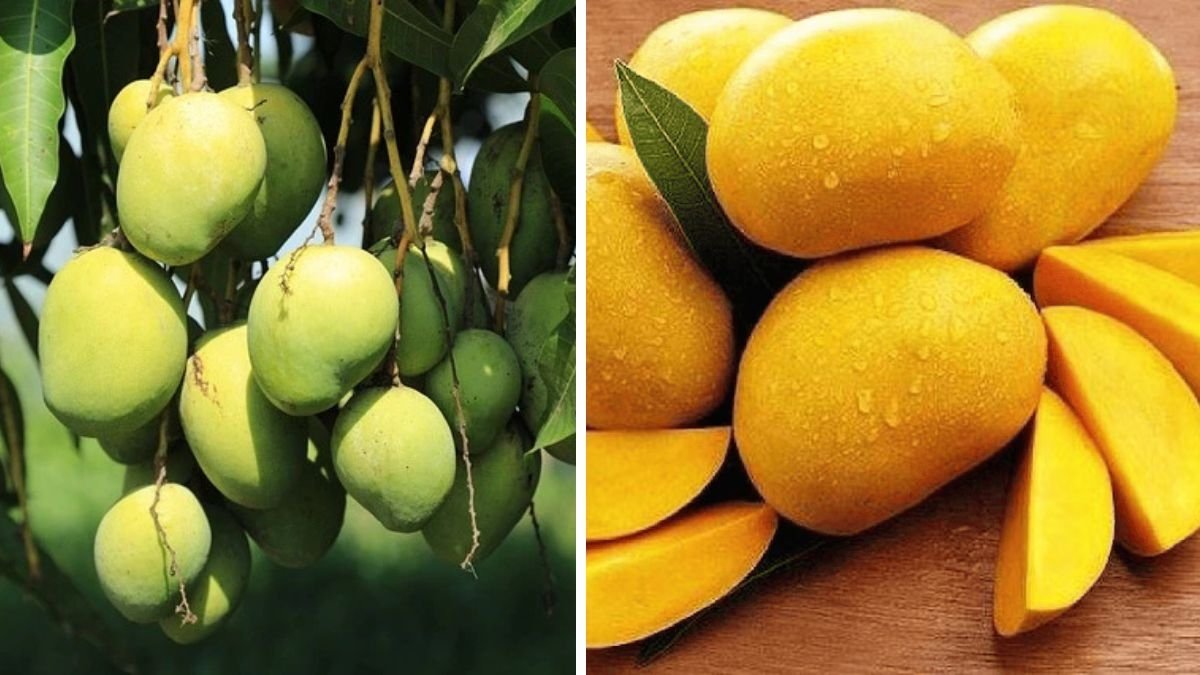
Mangoes, known as the “king of fruits”, are cherished globally for their juicy sweetness, tropical aroma, and vibrant color. Beyond being a popular fruit, mangoes are a significant agricultural commodity, contributing substantially to the economy of mango-growing countries. While India is the largest mango producer in the world, producing almost 40% of global output, the largest mango exporter is a different story.
In this article, we explore which country leads the world in mango exports, why it dominates the market, the global demand for mangoes, and the economic and cultural significance of this tropical treasure.
The Global Demand for Mangoes
Mangoes are in high demand worldwide due to their:
- Delicious taste – Sweet, tangy, and aromatic
- Versatility – Used in desserts, smoothies, jams, chutneys, and pickles
- Nutritional value – Rich in vitamin C, vitamin A, fiber, and antioxidants
Mangoes are exported in both fresh and processed forms, including:
- Fresh whole fruit
- Mango pulp and juice
- Dried mango slices
- Mango preserves and jams
The increasing global popularity of tropical fruits has made mango export a lucrative business for producing countries.

Factors Determining Mango Export Leadership
The country that exports the most mangoes globally usually excels in:
- High-quality mango production – Growing varieties that are suitable for international markets
- Efficient supply chains – Proper storage, packaging, and cold-chain logistics
- Trade agreements – Free trade agreements and export incentives
- Stable climate – Predictable production seasons
- Processing capabilities – Ability to produce mango pulp, concentrates, and value-added products
Which Country Exports the Most Mangoes?
India – The Largest Mango Exporter in the World
India, besides being the largest mango producer, is also the world’s leading mango exporter, supplying millions of tonnes of this fruit to countries across Asia, Europe, North America, and the Middle East.
- Annual exports: over 500,000 tonnes
- Major export destinations: United States, United Arab Emirates, Saudi Arabia, United Kingdom, and European Union
- Popular export varieties: Alphonso, Kesar, Dasheri, Banganapalli, Langra
India’s leadership in mango exports is fueled by its world-class varieties, advanced processing, and global recognition of the fruit’s quality.
Why India Dominates Mango Exports
Several factors contribute to India’s dominance in mango exports:
1. Diverse Mango Varieties
India grows hundreds of mango varieties suitable for international export:

- Alphonso (Hapus) – Known for its sweetness and aroma; in high demand globally
- Kesar – Sweet, golden-yellow mango, highly prized
- Dasheri – Medium-sized, flavorful mango popular in South Asia
- Banganapalli – Large and juicy, widely exported
- Langra – Tangy-sweet mango, mainly exported to Middle Eastern countries
This diversity allows India to cater to different consumer preferences across the world.
2. Ideal Climate and Geography
Mango trees thrive in tropical and subtropical climates, and India offers:
- Abundant sunlight and rainfall
- Fertile, well-drained soil
- Favorable temperatures between 24–30°C
- Large-scale cultivation in states like Maharashtra, Gujarat, Uttar Pradesh, Andhra Pradesh, and Karnataka
The combination of climate and geography ensures consistent quality and yield, making Indian mangoes highly exportable.
3. Advanced Export Infrastructure
Exporting mangoes requires careful handling due to their perishable nature:
- Cold storage facilities – Maintain freshness during transport
- Modified atmosphere packaging – Reduces spoilage
- Air cargo and refrigerated containers – Ensure mangoes reach international markets in prime condition
India has developed robust infrastructure to meet the strict quality and safety standards of importing countries.

4. Government Support and Trade Agreements
The Indian government has supported mango exports through:
- Subsidies for exporters
- Establishing export promotion councils
- Signing trade agreements that facilitate smoother exports
- Ensuring compliance with international phytosanitary standards
These measures have strengthened India’s position as the top mango exporter.
Other Major Mango Exporters
While India leads, several other countries are significant exporters of mangoes:
Mexico
- One of the largest exporters of Ataulfo and Tommy Atkins mangoes
- Major markets: United States, Canada
- Annual export: Over 300,000 tonnes
- Known for quality and consistency
Thailand
- Exports mango varieties like Nam Dok Mai and Keo Savoy
- Major markets: China, Japan, Middle East
- Annual export: 100,000–150,000 tonnes
Pakistan
- Famous for Chaunsa and Sindhri varieties
- Exports mainly to Middle East and Europe
- Annual export: 50,000–80,000 tonnes
Brazil
- Exports mangoes to North America and Europe
- Popular varieties: Tommy Atkins, Palmer
- Annual export: 50,000–70,000 tonnes
Chile
- Smaller but growing mango exporter
- Focus on off-season exports to the northern hemisphere
Global Mango Export Statistics (Approximate)
| Country | Annual Mango Exports (Tonnes) |
|---|---|
| India | 500,000+ |
| Mexico | 300,000+ |
| Thailand | 120,000+ |
| Pakistan | 80,000+ |
| Brazil | 70,000+ |
| Others | 100,000+ |
India clearly stands at the top, with exports far exceeding any other country.
Popular Export Mango Varieties
- Alphonso (India) – Golden, aromatic, premium quality
- Kesar (India) – Sweet and juicy
- Chaunsa (Pakistan) – Tangy-sweet, aromatic
- Ataulfo (Mexico) – Small, buttery texture
- Tommy Atkins (Mexico/Brazil) – Firm, long shelf life
- Nam Dok Mai (Thailand) – Sweet, fragrant
Benefits of Mango Exports
Exporting mangoes brings numerous benefits:

- Economic growth – Generates revenue for farmers, exporters, and governments
- Employment opportunities – Supports millions of people in cultivation, packaging, and transportation
- Global recognition – Enhances the reputation of mango-growing countries
- Value addition – Mango pulp, juice, dried mangoes, and jams contribute to agro-industry growth
Fun Facts About Mango Exports
- India exports mangoes to over 100 countries worldwide
- Alphonso mangoes are often called the “King of Mangoes” due to high demand
- Mangoes are exported both fresh and as processed pulp
- Global mango exports have grown steadily over the past decade due to rising demand for tropical fruits
Final Answer: Largest Mango Exporter
India is the largest mango exporter in the world, supplying over 500,000 tonnes annually. With its rich diversity of mango varieties, favorable climate, strong infrastructure, and government support, India dominates the global mango market.
While countries like Mexico, Thailand, and Pakistan are significant exporters, India’s premium varieties like Alphonso, Kesar, and Dasheri continue to capture international attention and demand.
Conclusion
Mangoes are more than just a delicious tropical fruit—they are a source of nutrition, culture, and economic growth. India’s leadership in mango exports ensures that its premium varieties reach consumers worldwide, delighting taste buds and strengthening global trade.
From sweet Alphonsos in Europe to juicy Chaunsa mangoes in the Middle East, India’s mango export dominance is a testament to its agricultural expertise, favorable climate, and centuries-old mango cultivation traditions.
Whether you enjoy mangoes fresh, in smoothies, or as jams, the next time you savor a slice of tropical sweetness, remember that it most likely came from the country that rules the mango world: India.


Leave A Comment