
Peppers are among the most versatile and rewarding plants to grow, whether you’re cultivating them in a backyard garden, balcony containers, or a small urban plot. From sweet bell peppers to fiery chili varieties, these plants can thrive with proper care and management. Understanding how to plant, transplant, fertilize, and increase production is key to achieving healthy, high-yielding pepper plants. This comprehensive guide will walk you through everything you need to know to grow peppers successfully.
Choosing the Right Pepper Variety
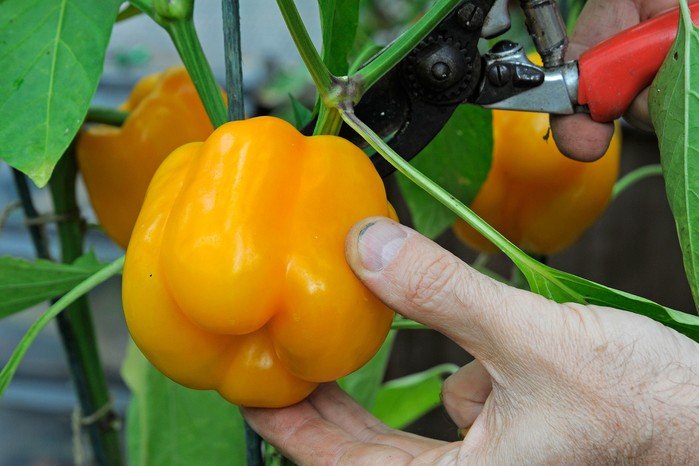
Before planting, it’s essential to select the pepper variety that best suits your climate, taste, and space:
- Bell Peppers: Sweet and mild, perfect for salads and cooking.
- Chili Peppers: Spicy varieties for those who love heat in their dishes.
- Compact Varieties: Ideal for container gardening or small spaces.
Consider your region’s climate and growing season when selecting varieties, as some peppers require long, warm seasons to produce fruit effectively.
Preparing Seeds and Seedlings
Peppers are usually started from seeds indoors 8–10 weeks before the last frost. Proper seed starting ensures healthy, vigorous seedlings ready for transplanting.
Steps to Prepare Seeds:
- Soak Seeds: Soaking seeds in warm water for a few hours can speed up germination.
- Use a Seed Tray: Fill a tray or small pots with a well-draining seed-starting mix.
- Planting Depth: Sow seeds about 1/4 inch deep and gently cover them with soil.
- Watering: Keep the soil consistently moist but not waterlogged.
- Light: Place the tray in a warm, bright area or under grow lights. Peppers need 12–16 hours of light daily for strong seedlings.
- Temperature: Maintain 20–25°C (68–77°F) for optimal germination.
Seeds usually sprout in 7–14 days, depending on the variety. Once seedlings develop 2–3 true leaves, they are ready for transplanting into larger pots to strengthen their root system.
Transplanting Peppers
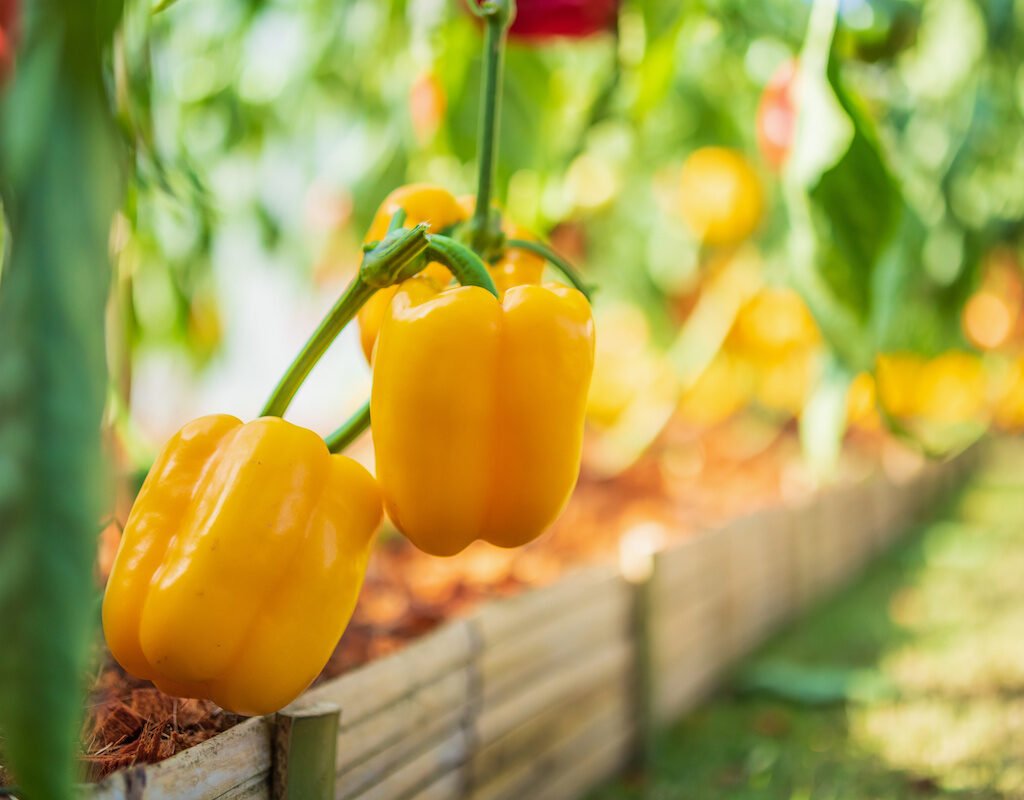
Transplanting is a critical stage that ensures your pepper plants establish well in the garden or larger containers.
Steps for Successful Transplanting:
- Harden Off Seedlings: Before moving seedlings outdoors, gradually expose them to outdoor conditions over 7–10 days to prevent transplant shock.
- Choose the Right Location: Peppers require full sun, ideally 6–8 hours daily. Soil should be well-draining and rich in organic matter.
- Spacing: Plant peppers 18–24 inches apart to allow airflow and reduce disease risk.
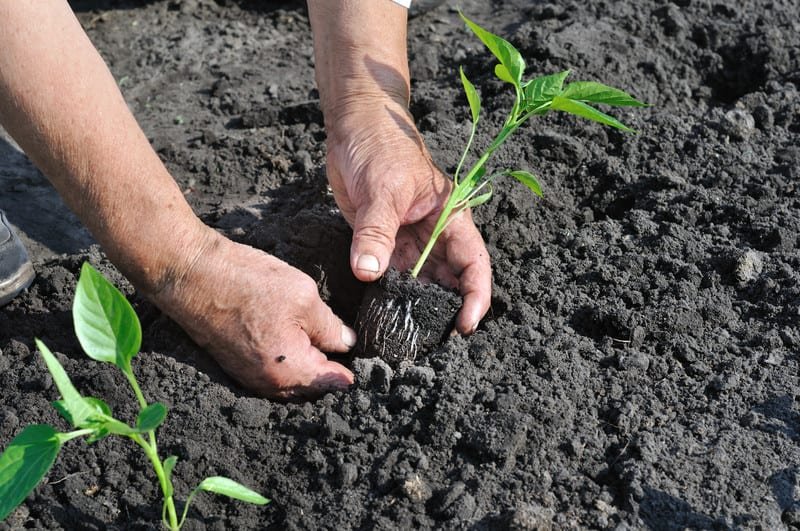
- Dig Proper Holes: Make a hole slightly larger than the seedling’s root ball.
- Plant Deep: Set seedlings slightly deeper than they were in their pots to encourage strong root development.
- Watering: Water immediately after transplanting to settle the soil and eliminate air pockets.
Soil Preparation and Fertilization
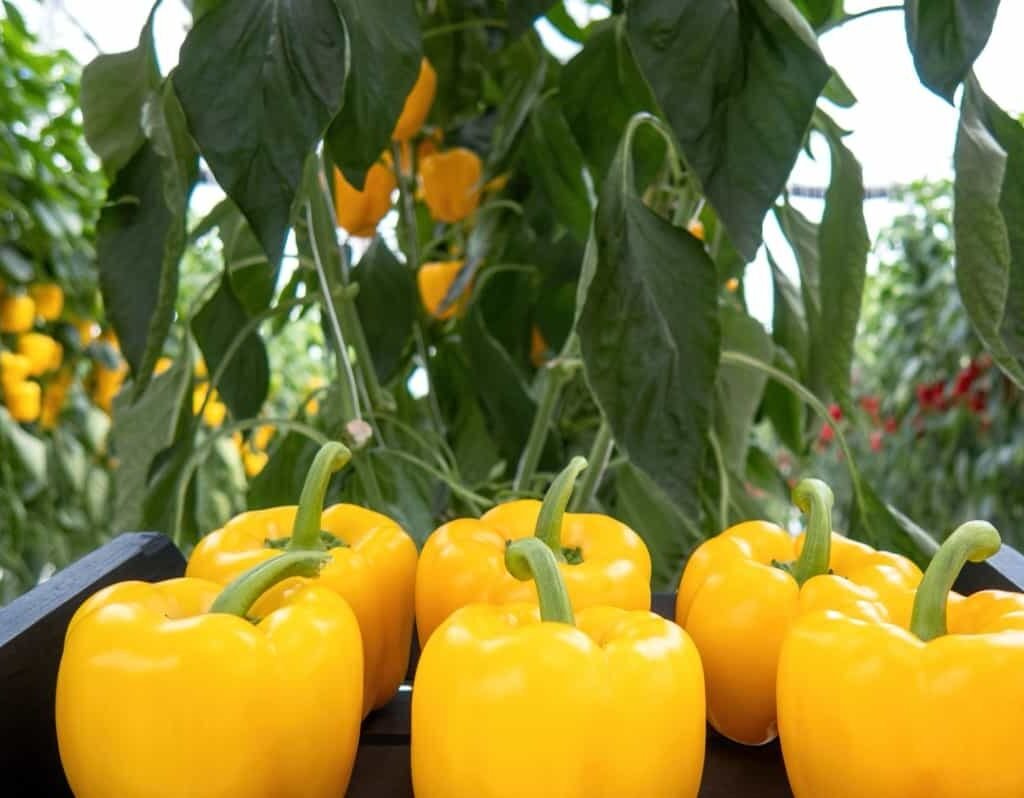
Peppers thrive in nutrient-rich, slightly acidic to neutral soil (pH 6.0–7.0). Proper soil preparation and fertilization promote vigorous growth and fruit production.
Soil Preparation Tips:
- Organic Matter: Incorporate compost, well-rotted manure, or peat moss to improve fertility and drainage.
- Loosen Soil: Loosen soil to a depth of 12–18 inches to help roots penetrate easily.
- Mulching: Apply organic mulch around the base of plants to retain moisture and suppress weeds.
Fertilization Schedule:
- At Planting: Use a balanced fertilizer (10-10-10) or organic alternatives like compost tea.
- Early Growth Stage: Apply nitrogen-rich fertilizer to encourage leafy growth.
- Flowering and Fruiting Stage: Switch to a phosphorus- and potassium-rich fertilizer (5-10-10) to boost flowering and fruit set.
- Foliar Feeding: A foliar spray of seaweed extract or liquid fertilizer can enhance nutrient uptake and stress resistance.
Watering and Care
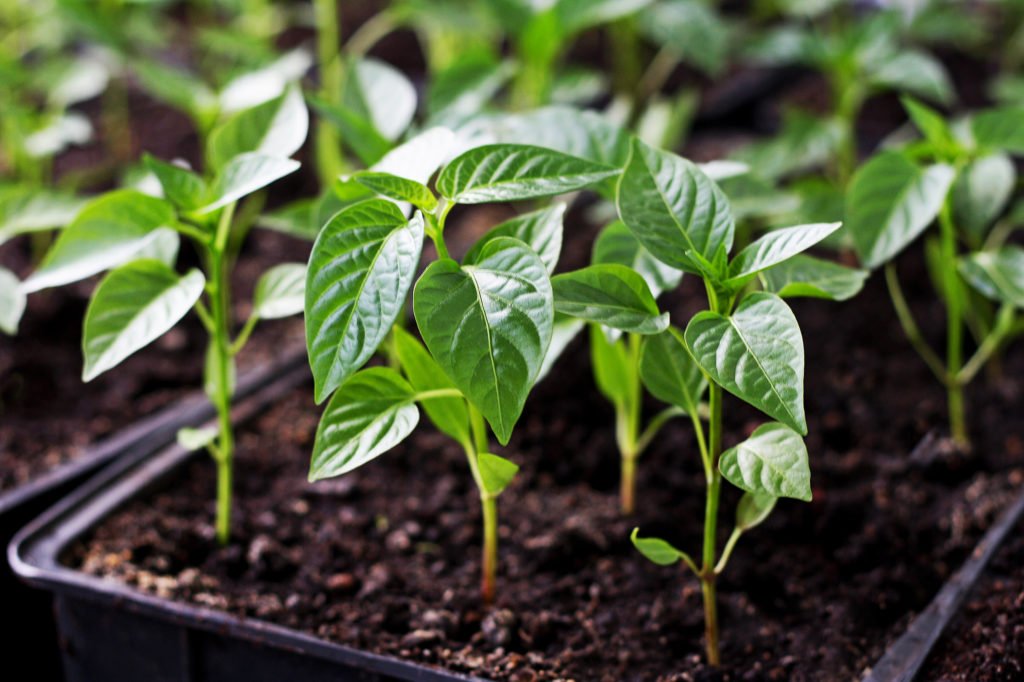
Consistent watering is crucial for healthy peppers, but overwatering can lead to root rot or disease.
Watering Guidelines:
- Keep soil evenly moist, especially during flowering and fruit development.
- Avoid wetting the leaves to reduce the risk of fungal infections.
- Drip irrigation or soaker hoses work best for maintaining consistent soil moisture.
Additional Care:
- Staking: Taller varieties may require support to prevent bending under the weight of fruits.
- Pruning: Remove lower leaves and suckers to improve airflow and focus energy on fruit production.
- Pest Control: Watch for aphids, thrips, and caterpillars. Neem oil or insecticidal soap works well for control.
- Disease Prevention: Rotate crops annually and avoid planting peppers in the same soil as tomatoes, eggplants, or potatoes to prevent soil-borne diseases.
Maximizing Pepper Production
Increasing yield requires attention to plant health, pollination, and nutrient management.
Tips to Boost Production:
- Proper Spacing and Sunlight: Ensure plants receive adequate sunlight and air circulation.
- Consistent Fertilization: Adjust fertilizer based on growth stage to promote flowering and fruit set.
- Pollination Assistance: Encourage pollinators like bees or hand-pollinate using a soft brush for indoor or greenhouse plants.
- Pruning and Training: Remove excessive foliage and non-fruiting branches to channel energy into fruiting.
- Temperature Management: Peppers thrive in temperatures between 21–29°C (70–85°F). Protect plants from extreme heat or cold.
- Regular Harvesting: Pick mature peppers promptly to stimulate continuous flowering and fruiting.
Troubleshooting Common Problems
Even with the best care, peppers may face challenges:
- Blossom End Rot: Often caused by calcium deficiency and inconsistent watering. Apply calcium-rich fertilizer and maintain even moisture.
- Yellowing Leaves: Could indicate nitrogen deficiency or overwatering. Adjust fertilization and drainage accordingly.
- Poor Flowering: May result from low temperatures, insufficient sunlight, or excess nitrogen. Correct environmental conditions and reduce nitrogen input.
- Pests: Aphids, whiteflies, and spider mites are common. Regular inspection and organic pest control can prevent damage.
Container Gardening for Peppers
For gardeners with limited space, peppers grow well in containers:
- Use pots at least 12 inches deep with good drainage.
- Fill with high-quality potting mix enriched with compost.
- Fertilize regularly, as container plants deplete nutrients faster.
- Ensure the pot receives full sun and water consistently.
Final Thoughts
Growing peppers successfully requires careful attention to planting, transplanting, fertilization, and ongoing care. By selecting the right varieties, preparing healthy seedlings, and providing optimal soil, water, and nutrients, you can enjoy abundant harvests of flavorful peppers. Regular pruning, pest management, and proper harvesting practices ensure your plants remain productive throughout the season.
Whether you aim to grow sweet bell peppers for salads or hot chili peppers for culinary adventures, mastering these techniques will help you achieve a bountiful and rewarding pepper garden. Start with quality seeds, follow the steps outlined, and watch your peppers flourish from tiny seedlings into vibrant, fruit-bearing plants that enhance your meals and garden alike.

Leave A Comment