Mint is one of the most fragrant and versatile herbs you can grow at home. Its refreshing aroma and vibrant green leaves make it a favorite for teas, salads, desserts, and even home remedies. The best part? Mint is incredibly easy to grow—even for beginners. With just a few simple steps, you can have a thriving mint plant in pots, gardens, or even indoors. In this guide, we’ll cover everything you need to know about growing mint at home, from selecting the right variety to harvesting and caring for your plants.
1. Why Grow Mint at Home?
Before diving into planting, let’s understand why mint is worth growing:
- Fresh flavor anytime: No more buying wilted store-bought mint; enjoy fresh leaves whenever you need.
- Aromatic and decorative: Its lush green foliage adds beauty to your garden, balcony, or kitchen windowsill.
- Health benefits: Mint is packed with antioxidants and can help digestion, reduce stress, and boost immunity.
- Easy to propagate: Mint grows quickly and spreads, giving you abundant harvests year-round.
Growing mint at home is not only practical but also therapeutic, as the scent alone can uplift your mood.
2. Choosing the Right Mint Variety
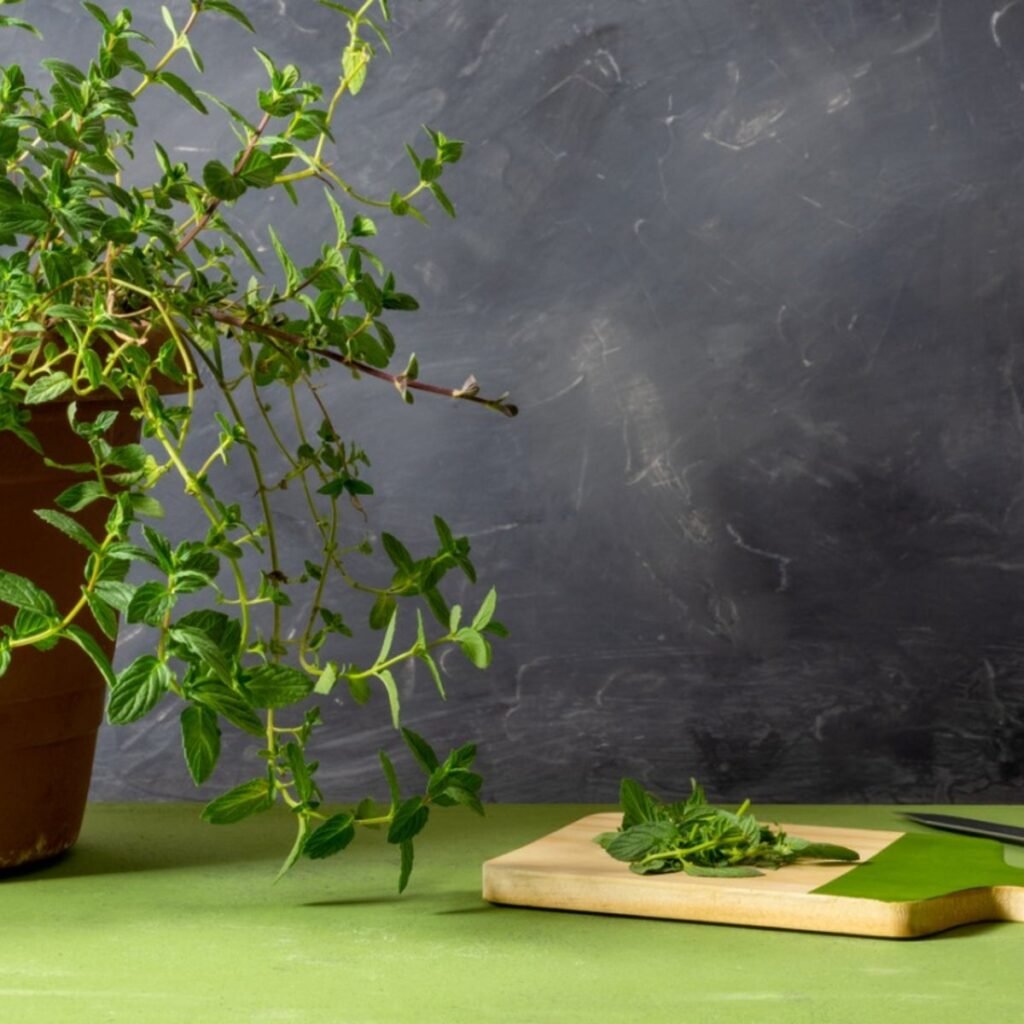
There are dozens of mint varieties, each with unique flavors and uses. Beginners can start with popular, easy-to-grow types:
- Spearmint: Sweet and mild, ideal for teas, salads, and cocktails.
- Peppermint: Strong and aromatic, perfect for desserts and medicinal use.
- Chocolate mint: Has a subtle chocolate flavor, fun for drinks and desserts.
- Apple mint: Mild and fruity, great for garnishes and salads.
Choose one or two varieties to start. Once comfortable, you can expand your mint garden with other types.

3. Selecting a Container or Garden Spot
Mint is a hardy plant, but it spreads rapidly. To prevent it from taking over your garden:
- Containers: Pots, planters, or grow bags are perfect for controlling growth. A 10–12 inch deep pot works well.
- Garden beds: If planting in the garden, use barriers or plant in isolated areas to contain its spread.
- Indoor spaces: Mint thrives on windowsills with indirect sunlight or under grow lights.
Good drainage is key, as mint doesn’t like soggy soil. Make sure containers have drainage holes to prevent root rot.
4. Preparing Soil for Mint
Mint prefers rich, moist, and well-draining soil. Here’s what you need:
- Soil mix: A mix of garden soil, compost, and sand or perlite works best.
- pH level: Mint grows well in slightly acidic to neutral soil (pH 6.0–7.0).
- Enrichment: Add organic compost or well-rotted manure to support vigorous growth.
Healthy soil ensures strong roots, rapid growth, and aromatic leaves.
5. Planting Mint
Mint can be grown from seeds, cuttings, or nursery plants. Here’s the beginner-friendly approach:

- From seeds: Sow seeds 1/4 inch deep in a seed-starting tray or pot. Keep the soil moist and cover lightly. Seeds germinate in 10–15 days.
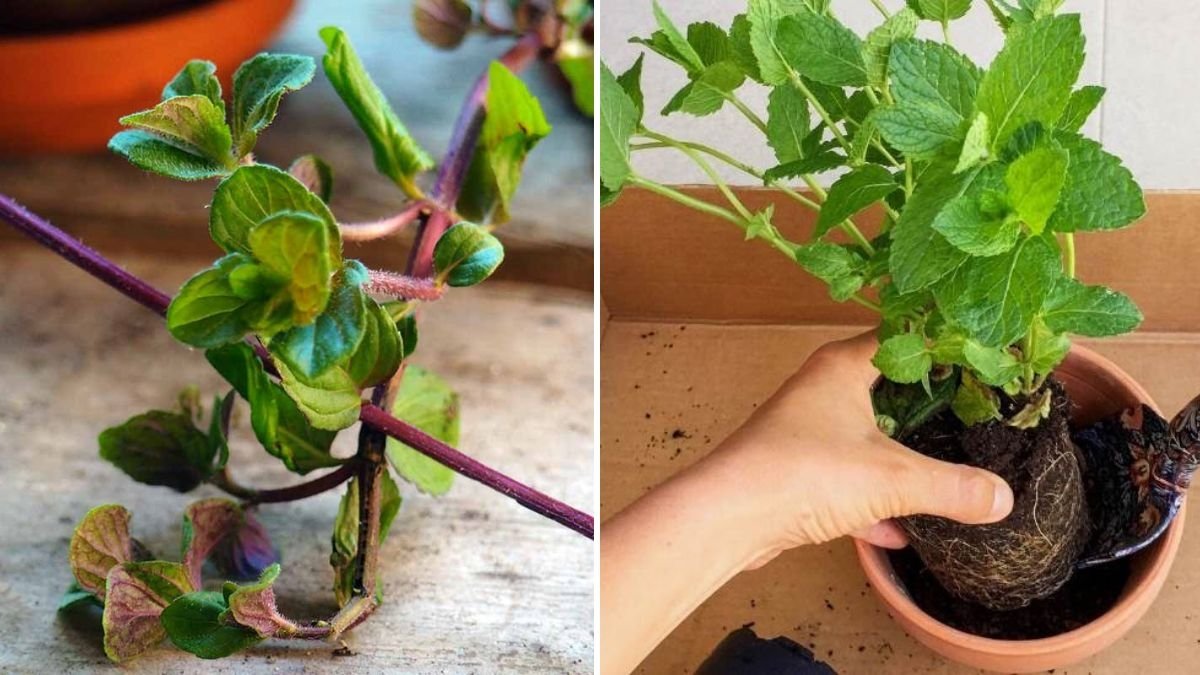
- From cuttings: Take a 4–6 inch stem from a healthy mint plant. Remove lower leaves and place in water or moist soil. Roots develop in 1–2 weeks.
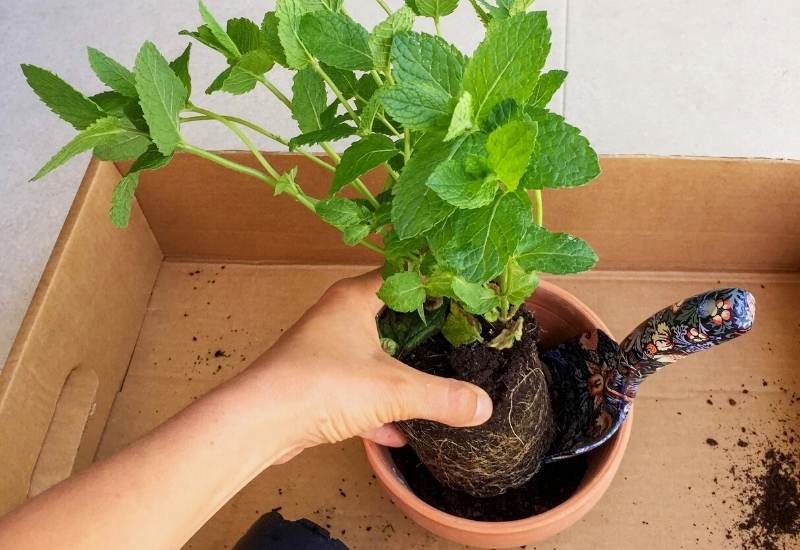
- From nursery plants: Dig a hole in prepared soil and place the plant, covering roots with soil. Water immediately.
Cuttings and nursery plants are faster and easier for beginners than starting from seeds.
6. Watering and Light Requirements
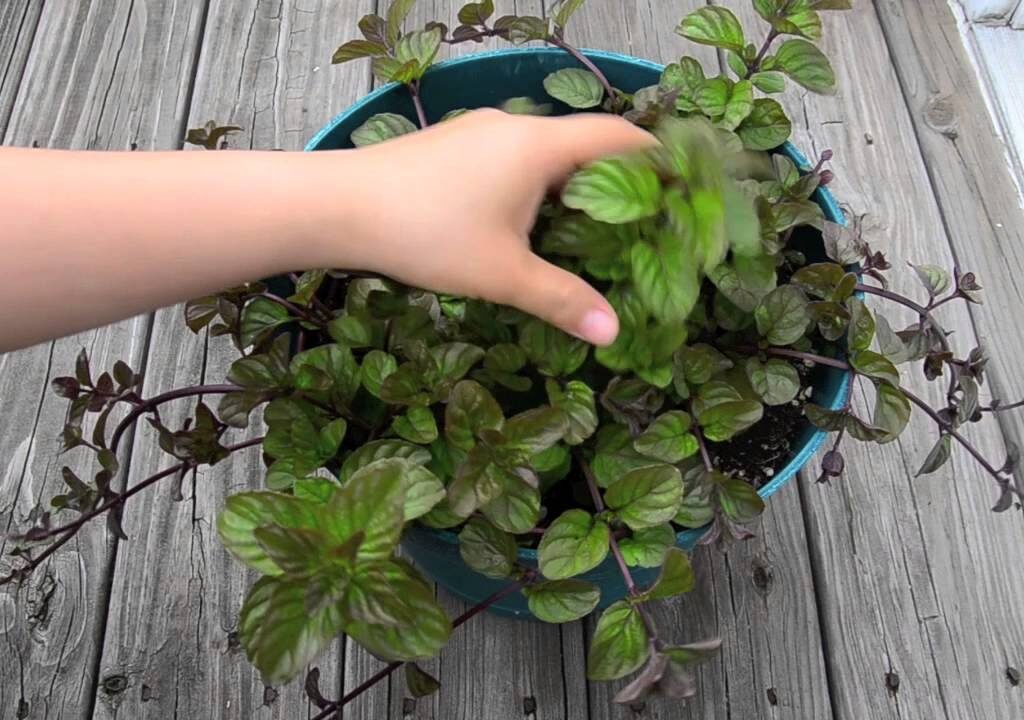
Mint loves water but hates being waterlogged. Proper care is essential for fast growth:
- Watering: Keep the soil consistently moist, especially during hot weather. Water the base of the plant to avoid wetting leaves.
- Sunlight: Mint grows best in partial to full sunlight. 4–6 hours of indirect sunlight daily is ideal.
- Indoor light: Place pots near a bright window or use grow lights for 12–16 hours daily.
Consistent watering and sufficient light encourage rapid growth and healthy leaves.
7. Fertilizing Mint
Mint is a fast-growing herb that benefits from light feeding:
- Organic fertilizer: Use compost or worm castings every 3–4 weeks.
- Liquid fertilizer: A diluted liquid fertilizer every 2–3 weeks supports leafy growth.
- Avoid over-fertilizing: Too much nitrogen promotes leaf growth but reduces aroma and flavor.
Regular feeding ensures lush, flavorful leaves for your culinary and medicinal needs.

8. Pruning and Harvesting
Pruning is crucial to encourage bushy growth and prevent mint from becoming leggy:
- Pinch tips regularly: Remove the top 2–3 inches of stems every few weeks. This stimulates side shoots.
- Harvesting: Begin harvesting once the plant has 6–8 leaves. Harvest leaves in the morning when oils are most concentrated.
- Cutting for propagation: Use cuttings from harvested stems to grow new plants.
Pruning and harvesting not only control growth but also improve flavor and aroma.
9. Pest and Disease Management
Mint is generally hardy but may face some pests or diseases:
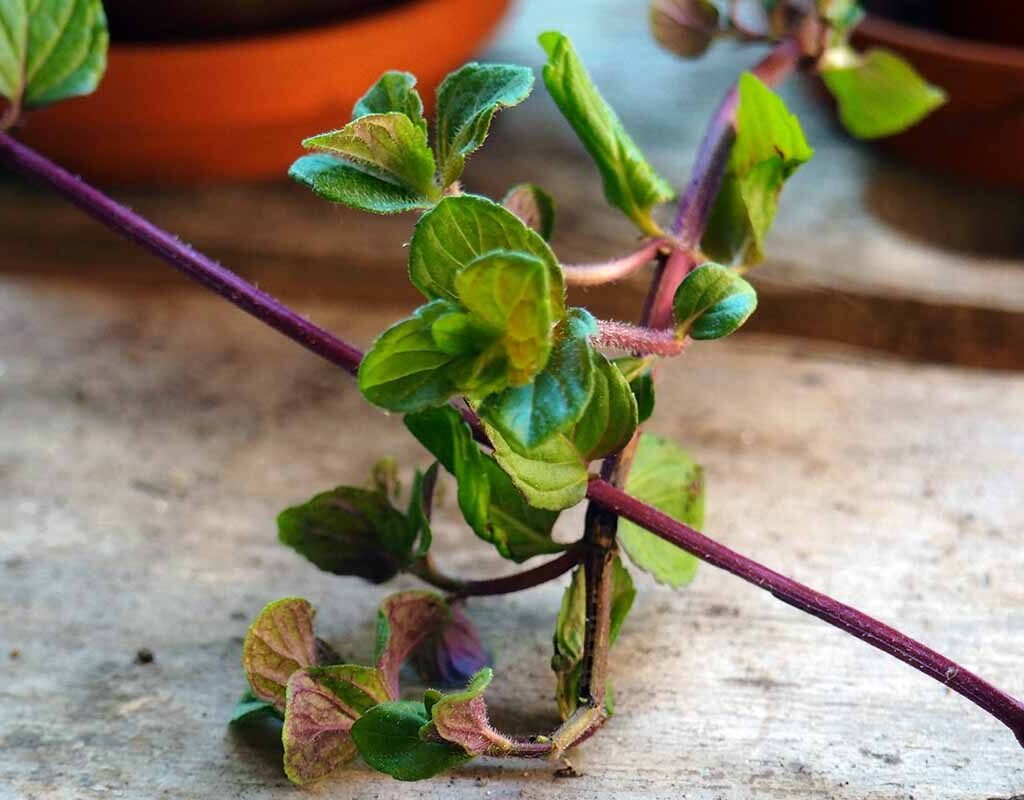
- Aphids and spider mites: Spray with a mild soap solution or neem oil.
- Powdery mildew: Ensure good air circulation and avoid overhead watering.
- Root rot: Avoid waterlogged soil and ensure proper drainage.
Healthy soil, proper spacing, and regular monitoring keep mint plants thriving and pest-free.
10. Tips for Growing Mint Indoors
Indoor mint gardening is rewarding and convenient:

- Use a saucer: Place a tray under the pot to catch excess water.
- Rotate pots: Rotate pots every few days for even light exposure.
- Control growth: Trim regularly to keep the plant compact.
- Hydroponics: Mint grows well in water-based systems. Place cuttings in water and refresh every 5–7 days.
Indoor mint ensures fresh leaves year-round, even during winter.
11. Propagating Mint for Continuous Supply
Mint grows rapidly and can be propagated easily:
- Division: Dig up the plant, separate roots, and replant in new pots.
- Cuttings: Place cuttings in water until roots form, then transplant.
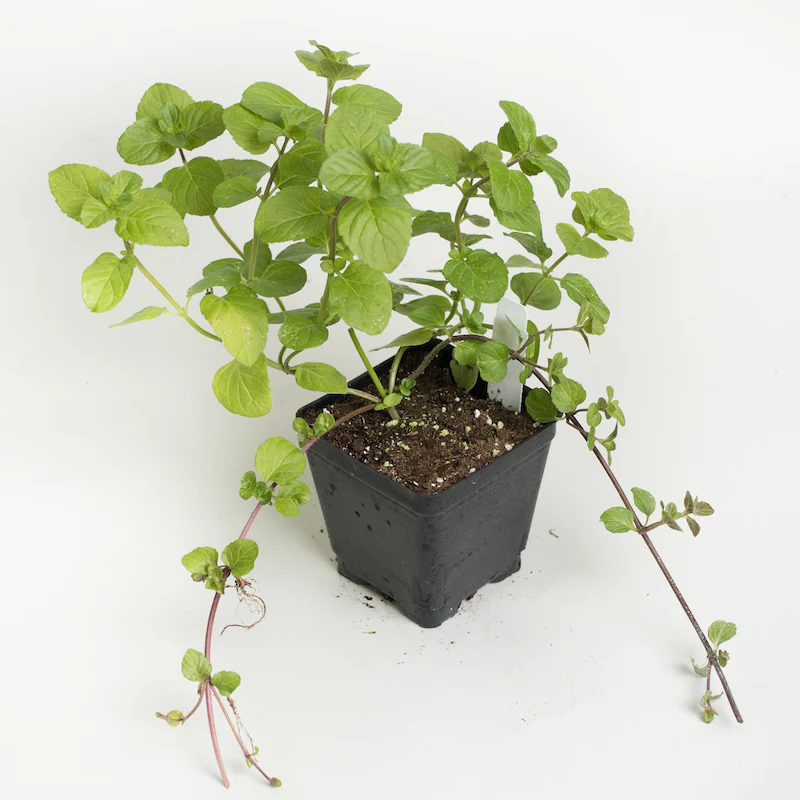
- Layering: Bury a stem in soil while it’s still attached to the parent plant. Roots form, and you can cut it later.
Propagation allows beginners to expand their mint garden without buying new plants.
12. Common Mistakes to Avoid
Even beginners can have success by avoiding common pitfalls:
- Overcrowding: Mint spreads quickly, so give each plant enough space.
- Neglecting pruning: Unpruned mint becomes leggy and loses flavor.
- Waterlogging: Too much water causes root rot.
- Ignoring pests: Regularly check leaves for pests or disease.
By following these simple rules, mint plants will thrive and provide endless harvests.

Conclusion
Growing mint at home is simple, fun, and highly rewarding. With minimal effort, beginners can enjoy a continuous supply of fresh, aromatic leaves for cooking, beverages, and home remedies. By selecting the right variety, planting in suitable soil, providing proper light and water, and practicing regular pruning and harvesting, your mint plants will flourish year-round.
Mint gardening not only adds freshness to your meals but also creates a fragrant and calming atmosphere in your home or garden. Start your mint-growing journey today, and experience the magic of homegrown mint right at your fingertips!

Leave A Comment