Succulents are among the most rewarding plants to grow, thanks to their low maintenance, striking shapes, and adaptability. However, what truly excites plant enthusiasts is propagating them—turning a single plant into a thriving collection. Whether you are a beginner or an experienced gardener, learning how to propagate succulents like a pro can transform your plant hobby into a satisfying, creative, and cost-effective venture. This comprehensive guide will walk you through everything you need to know about succulent propagation, step by step.
Why Propagate Succulents?
Propagating succulents isn’t just about expanding your collection—it’s also about developing patience, understanding plant biology, and experimenting with different methods to find what works best. Propagation allows you to:
- Save Money: Instead of buying new plants, you can grow them from your existing collection.
- Preserve Rare Varieties: Some succulents are hard to find in nurseries. Propagation ensures you can enjoy and share rare varieties.
- Experiment with Creativity: By propagating succulents, you can experiment with arrangements, pot designs, and landscape projects.
- Enhance Your Gardening Skills: Propagation teaches you the nuances of plant care, soil types, and watering schedules.
Understanding Succulent Propagation Methods
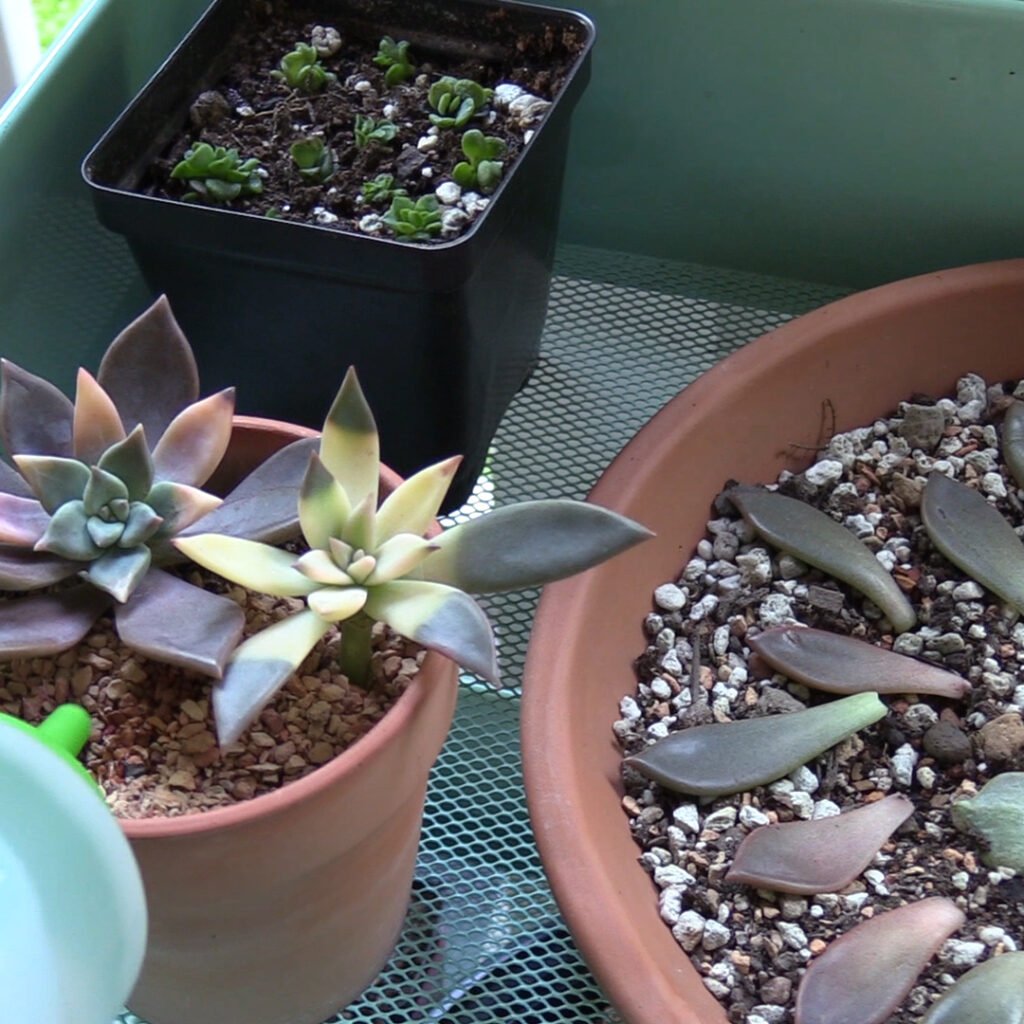
There are three primary ways to propagate succulents: leaf cuttings, stem cuttings, and offsets/pups. Each method has its unique process and suitability depending on the type of succulent.
1. Leaf Cuttings
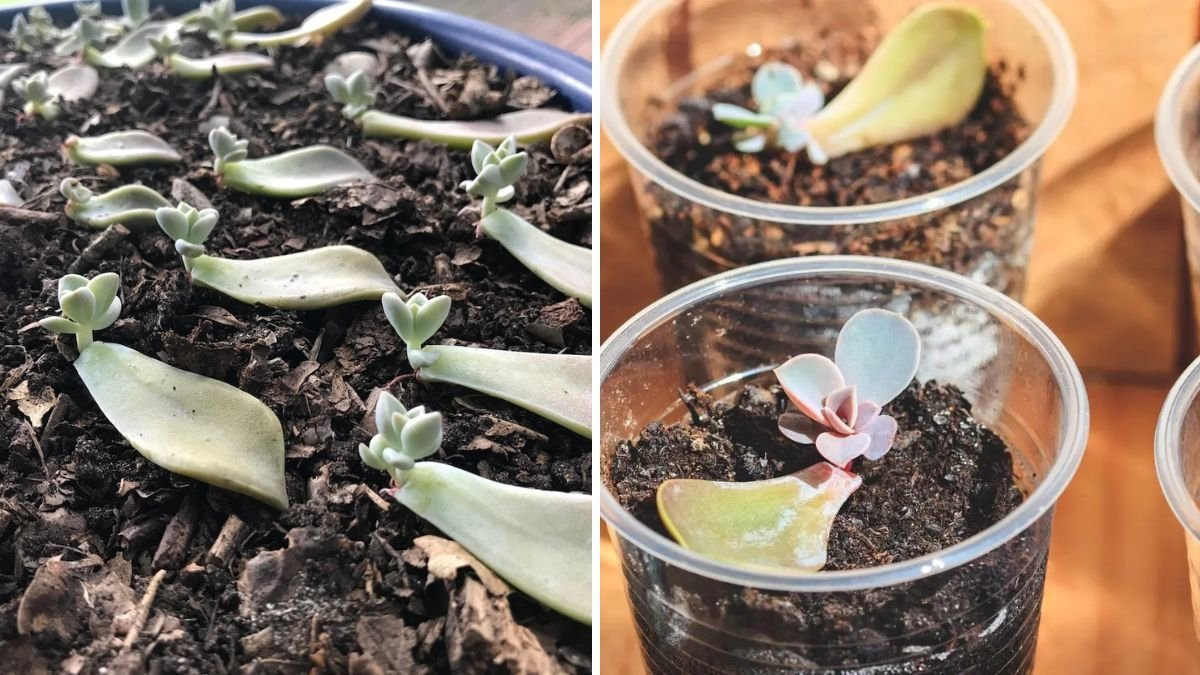
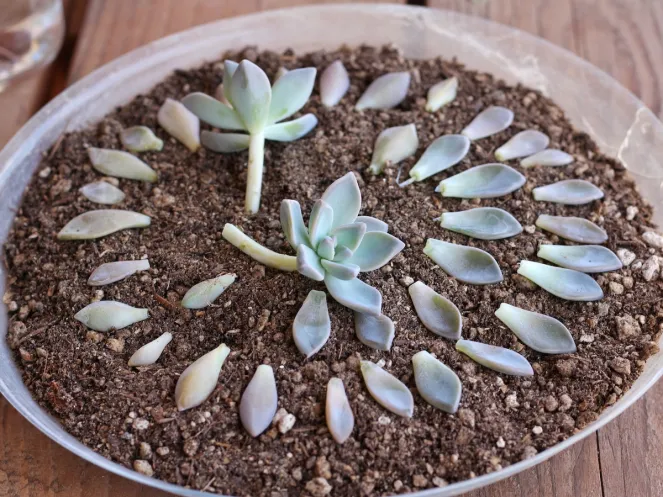
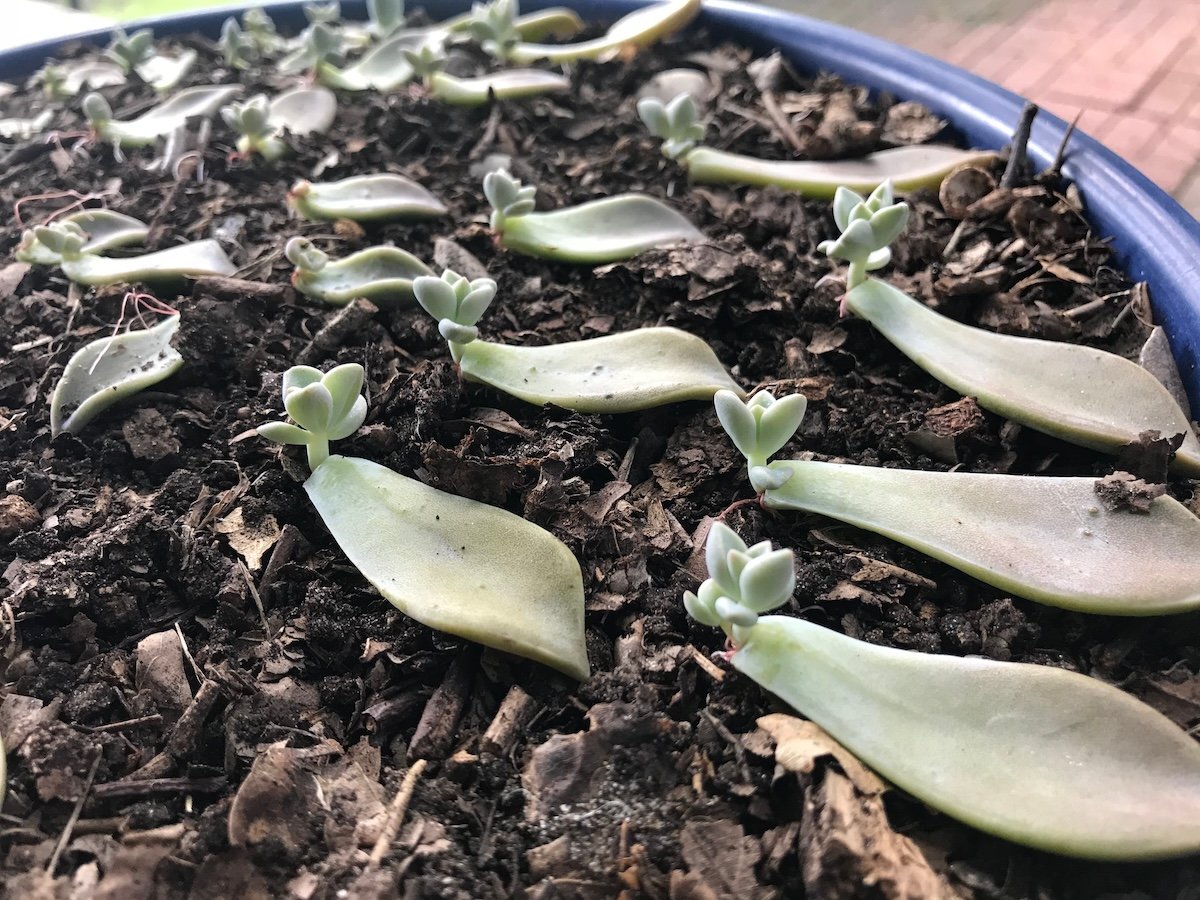
Leaf propagation is one of the easiest and most popular methods. This works best for succulents like Echeveria, Graptopetalum, and Sedum.

Steps:
- Gently twist a healthy leaf from the base of the plant, ensuring the entire leaf comes off.
- Allow the leaf to dry for a few days until the cut end forms a callus. This helps prevent rotting.
- Place the leaf on top of well-draining soil, without burying it.
- Mist the leaf lightly every few days. Avoid overwatering.
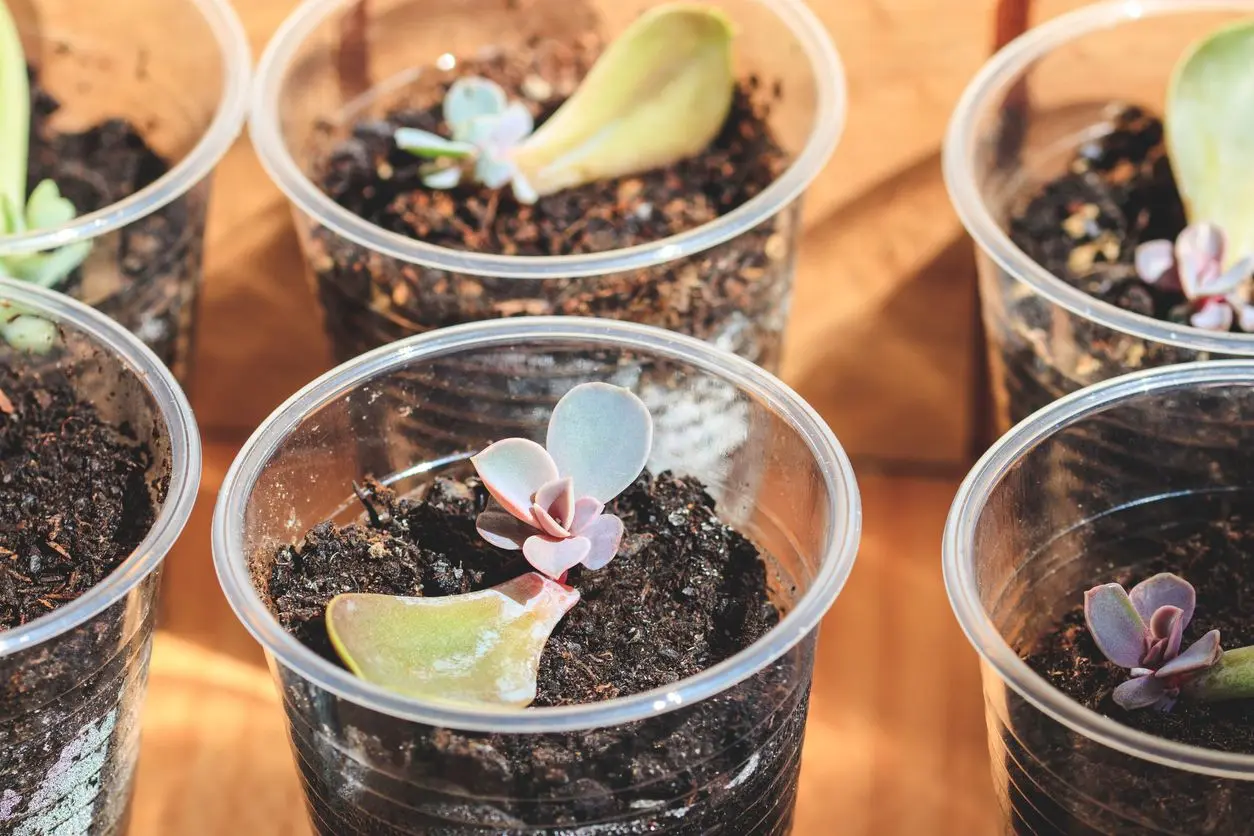
- Within a few weeks, roots and tiny baby plants will start to form.
Tips for Success:
- Use bright, indirect light.
- Avoid waterlogging; too much moisture can cause the leaf to rot.
- Be patient—some leaves take longer to sprout than others.
2. Stem Cuttings
Stem propagation works well for succulents like Crassula, Kalanchoe, and Aeonium. It’s particularly effective for plants with long, leggy growth.
Steps:

- Cut a healthy stem from the parent plant with a sterilized knife.
- Remove the lower leaves to expose a few inches of the stem.
- Allow the cutting to callus for several days.
- Plant the stem in well-draining soil, and water sparingly.
- Roots will begin to form within a few weeks, and new growth will appear at the top.
Tips for Success:
- Ensure the cutting is healthy and free of pests or disease.
- Position in bright but indirect sunlight.
- Avoid overwatering during the initial rooting period.
3. Offsets (Pups)
Some succulents, like Aloe, Haworthia, and Agave, naturally produce offsets, also known as pups. This is the fastest method for propagation.
Steps:
- Gently remove the pup from the base of the parent plant, making sure it has some roots attached.
- Let the pup dry for a day or two to form a callus.
- Plant in a separate pot with well-draining soil.
- Water lightly and gradually increase as roots establish.
Tips for Success:

- Remove any damaged leaves before planting.
- Avoid planting directly in heavy or water-retentive soil.
- Ensure proper airflow to prevent fungal infections.
Choosing the Right Soil and Containers
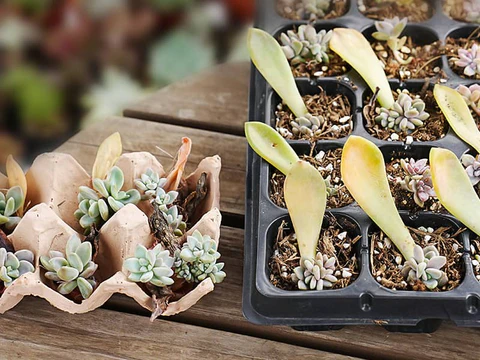
A crucial factor in successful propagation is the soil and container. Succulents require well-draining soil to prevent root rot. A mix of cactus soil, sand, and perlite works best. Avoid regular garden soil as it retains too much moisture.
Containers with drainage holes are essential. Terracotta pots are ideal because they absorb excess moisture and provide airflow. Shallow containers work best for leaf cuttings, while deeper pots support stem cuttings and pups.
Watering and Light Tips
Watering is the trickiest part of succulent propagation. Here’s how to do it correctly:
- During the Callus Stage: Avoid watering. Let cuttings dry completely.
- After Planting: Water lightly once roots start forming, usually after 2–4 weeks.
- Avoid Overwatering: Too much water can cause rot and fungal infections.
Light is equally important:

- Provide bright, indirect sunlight for new cuttings.
- Avoid harsh direct sunlight, which can burn tender leaves.
- Once roots are established, gradually introduce them to more sunlight.
Common Problems and How to Solve Them
Even experienced gardeners face challenges when propagating succulents. Here are some common issues and solutions:
- Leaf Rot: Caused by excess water. Solution: Reduce watering, improve soil drainage.
- Leggy Growth: Caused by insufficient light. Solution: Move the plant to a brighter area.
- Slow Rooting: Some succulents take longer to root. Solution: Be patient and maintain proper humidity and light.
- Pests: Aphids, mealybugs, and fungus gnats may attack young plants. Solution: Inspect regularly and use natural insecticides if needed.
Advanced Tips for Pro-Level Propagation
Once you’re comfortable with the basics, you can try some advanced techniques:
- Grafting: Combine two succulent species for unique shapes and colors.
- Water Propagation: Some succulents can root in water before being transferred to soil.
- Propagation Towers: Create vertical succulent arrangements using stacked cuttings.
- Propagation Journals: Track progress for each plant to understand what works best.
Conclusion
Propagating succulents is both an art and a science. By understanding the different methods, using proper soil and containers, and carefully managing water and light, you can multiply your succulent collection like a pro. Start small with a few cuttings or pups, and as your confidence grows, experiment with new techniques to create a lush, thriving garden. Remember, patience is key—succulents may grow slowly, but the reward is a beautiful, diverse collection you nurtured yourself.
With these tips, tricks, and techniques, you’re ready to propagate succulents like a professional. Whether for your home, garden, or gifts, your succulent propagation skills will ensure that your green thumb shines brightly!


Leave A Comment