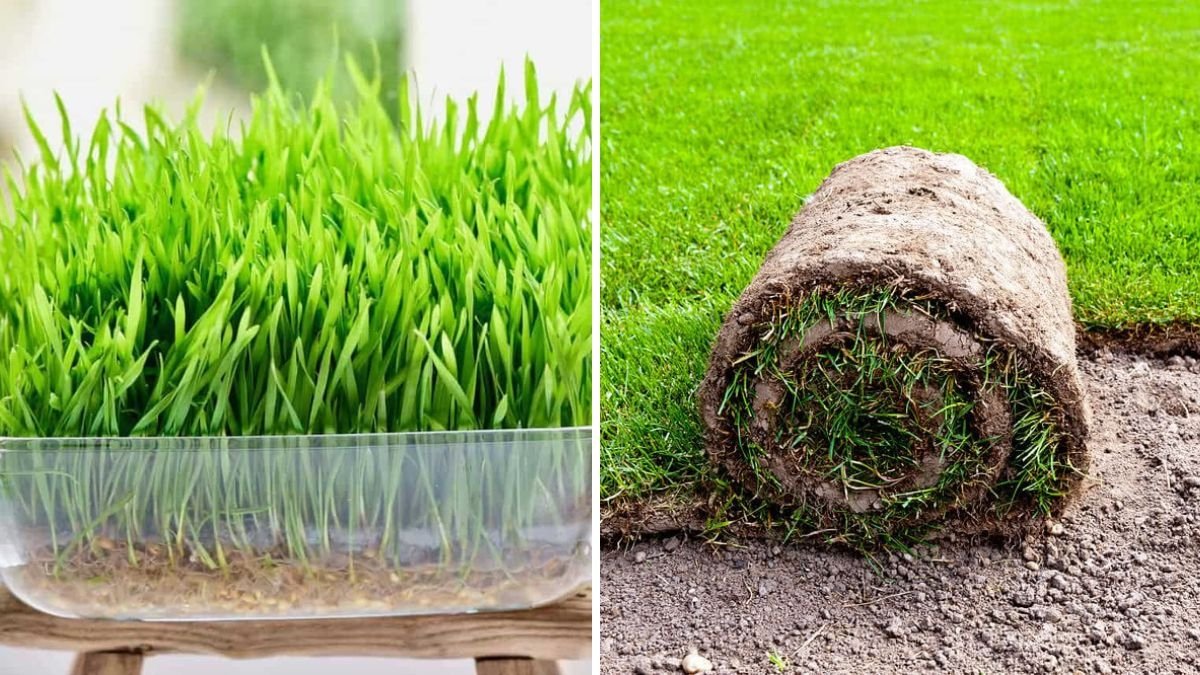
Grass lawns add a refreshing, natural feel to any home — even if you don’t have a big yard. Whether it’s for a balcony patch, terrace, small yard, or indoor tray-garden, you can grow grass at home with minimal cost if you use seeds and a bit of effort. This guide gives you full information — from preparing soil, sowing seeds, nurturing sprouts to maintaining a soft carpet green — all without spending much.
Why Grow Grass at Home (Even Without a Lawn)
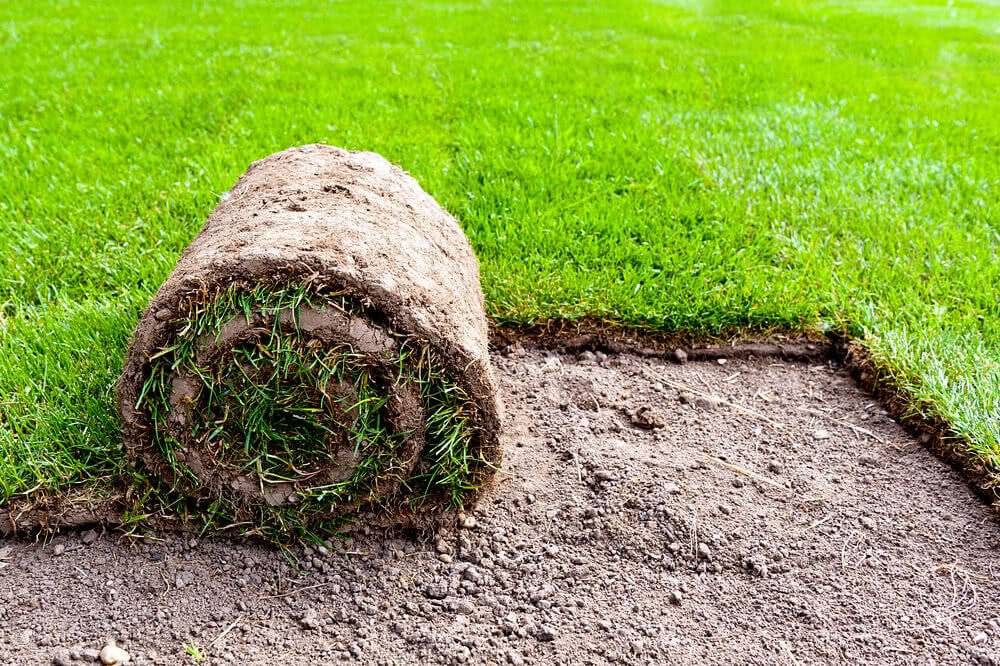
Growing grass at home is becoming very popular, especially for people living in cities. Here’s why:
- Low cost: Grass seeds are extremely cheap compared to buying turf.
- Space-efficient: You can grow grass in trays, pots, balcony boxes or small ground areas.
- Eco-friendly DIY: Only soil, seeds, water and sunlight — no chemicals needed.
- Quick greenery: You start seeing fresh green in just 7–10 days.
- Easy maintenance: Once established, a homemade lawn survives with minimum care.
What You’ll Need: Seeds, Soil, Container & Prep
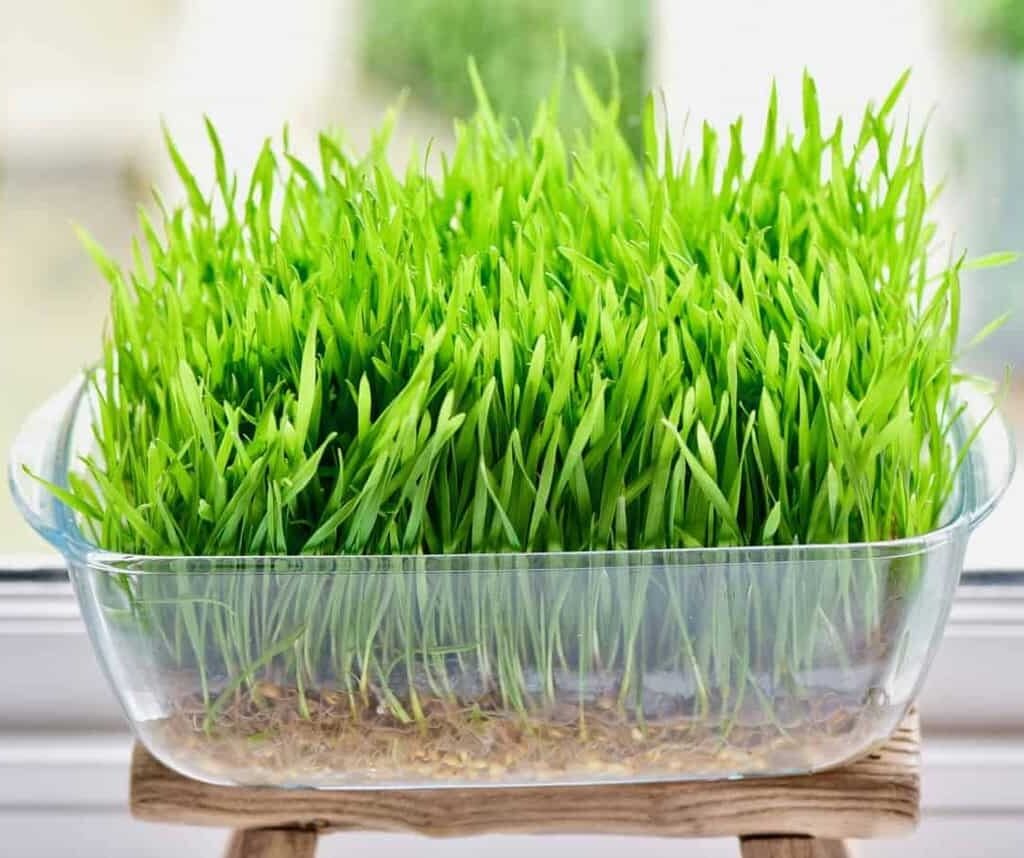
1. Choose Good Grass Seeds
Use fresh grass seeds for the best germination. Old seeds often fail or produce patchy growth. Choose seeds suitable for your climate (sunny, shady, or mixed).
2. Select a Container or Growing Space
You can grow grass in:
- Trays
- Wide balcony planters
- Plastic tubs with holes
- Wooden boxes
- Any flat container with drainage
If you have ground space, simply clear weeds and level the soil.

3. Prepare the Soil
Grass grows best in nutrient-rich, moisture-holding soil. For best results:
- Mix topsoil + compost (70:30 ratio).
- Ensure soil is well-draining.
- Level the surface before sowing.
Avoid sterile potting soil — it drains too fast and lacks nutrients for grass roots.
Important: Grass seeds need consistent moisture till germination. Never let the top layer dry out completely.
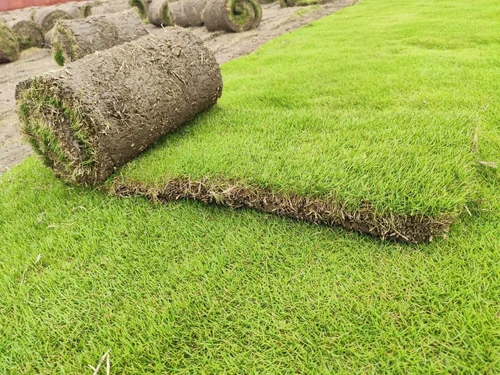
Sunlight, Watering & Early Growth
- Grass needs 4–6 hours of direct sunlight or bright light.
- For balconies or indoor spots, choose windows that get maximum sun.
- After seeds sprout (usually 7–10 days), shift from daily light watering to deep watering 2–3 times a week.
- Avoid waterlogging — it rots the seeds and roots.
- Start in a mild season (avoid extreme heat or winter cold) for best results.
First Few Weeks: Growth Timeline
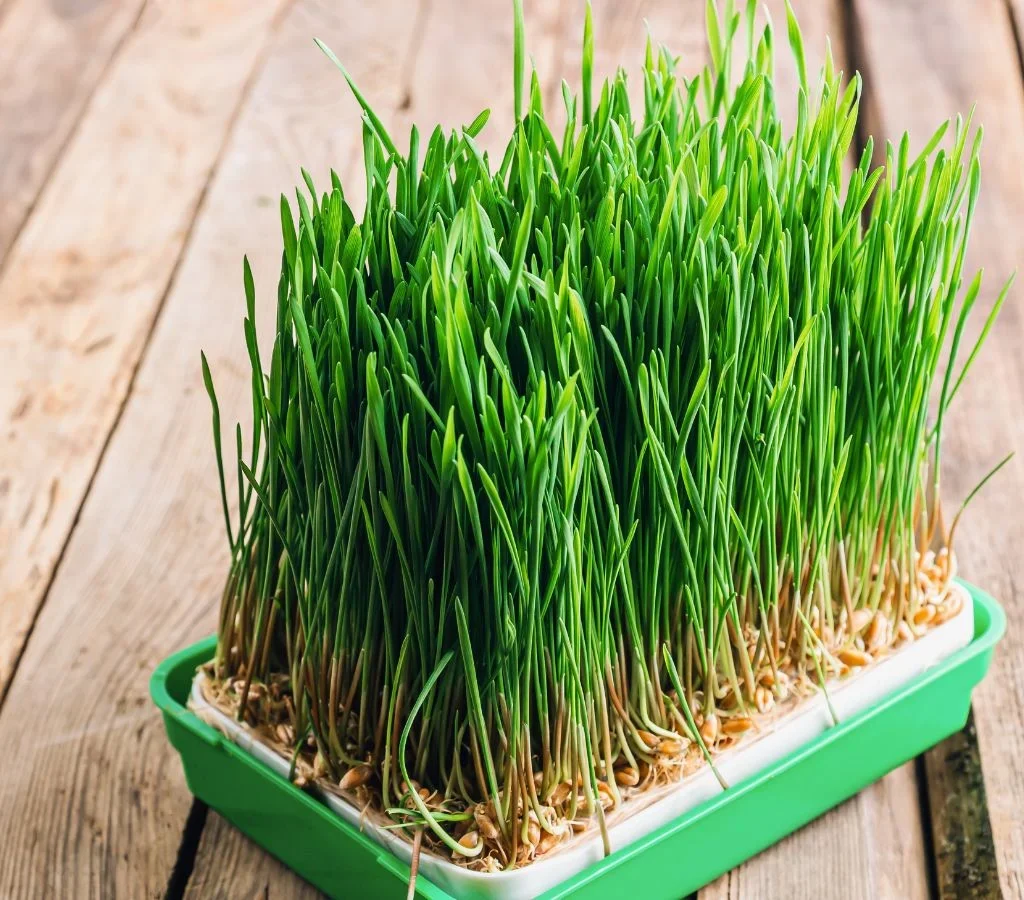
Days 5–10
Tiny green shoots appear. Soil must stay moist.
Week 2
Grass reaches 1 inch. Continue gentle watering.

Week 3
Grass thickens into a carpet. You can start trimming if needed.
Week 4–6
Roots become strong. Reduce watering frequency slightly.
The lawn now looks dense, green and soft.
Maintenance Tips for a Healthy Home Lawn
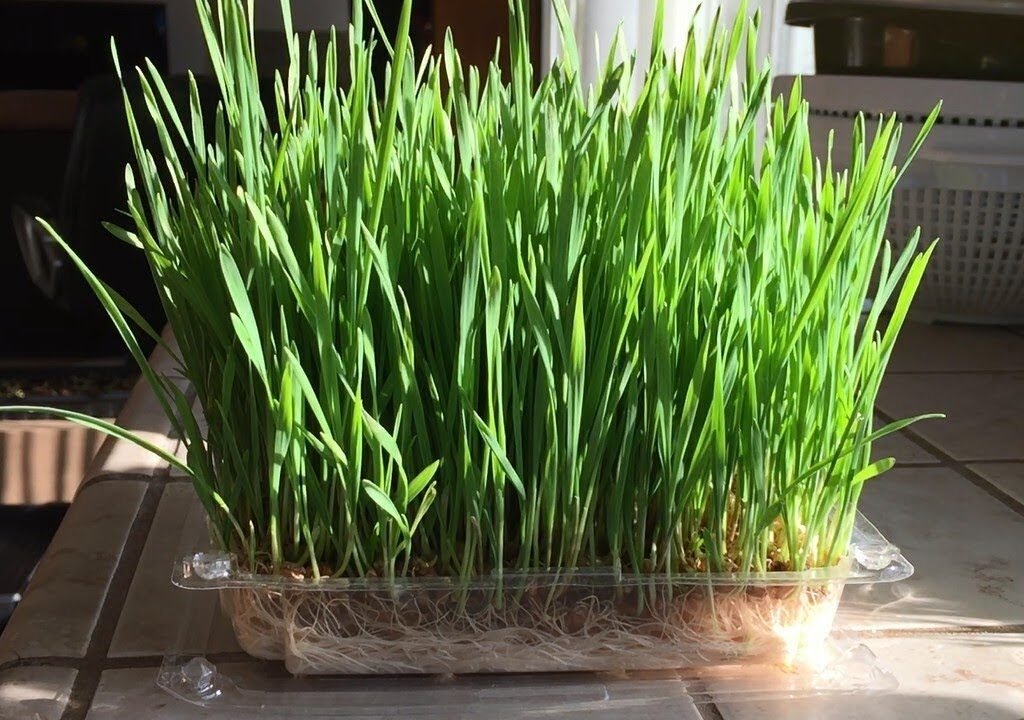
- Trim regularly: Use scissors or a small cutter. Don’t cut more than 1/3 of height at once.
- Fertilize organically: Sprinkle compost every 4–6 weeks for lush growth.
- Remove weeds: Pull weeds early before they spread.
- Avoid overwatering: Grass dislikes soggy soil.
- Aerate soil: Poke holes occasionally using a stick to help air reach roots.
- Use cut grass as mulch: Helps retain moisture.
How to Grow Grass in Different Spaces
Balcony Grass Patch
Use shallow trays or wide planters. Perfect for apartments. Offers a beautiful green corner even in limited space.
Terrace Grass Patch
Cover a section with soil and grow a full mini-lawn. Helps reduce heat and adds beauty to the terrace.
Backyard or Ground Patch
Clear soil, add compost, level it and sow seeds. Offers the most natural, uniform lawn.

FAQs & Troubleshooting
1. Seeds not germinating?
Possible reasons:
- Soil drying out
- Old seeds
- Soil too cold/hot
- Poor seed-to-soil contact
Keep soil moist and ensure proper coverage.
2. Grass turning yellow?
Usually due to:
- Overwatering
- Poor drainage
- Lack of sunlight
- Nutrient deficiency
Fix the above conditions for recovery.
3. Can grass grow indoors?
Yes — in trays near sunny windows. Use grow lights if sunlight is weak.

4. Why is grass patchy?
Uneven seed spreading or uneven watering.
Resow seeds in empty areas to fill gaps.
Final Thoughts: Grow a Mini Lawn for Free
You don’t need a big backyard, expensive turf, or gardening expertise to grow grass at home. With proper soil, fresh seeds, good sunlight, and regular care during the first 3–4 weeks, you can create your own fresh, clean, green patch — completely budget-friendly.
Grass is one of the easiest plants to grow, making it perfect for beginners. Once established, it becomes a soft, beautiful carpet that enhances any corner of your home.
If you want, I can also create a “Month-by-Month Grass Care Calendar” specially for Indian climate.


Leave A Comment