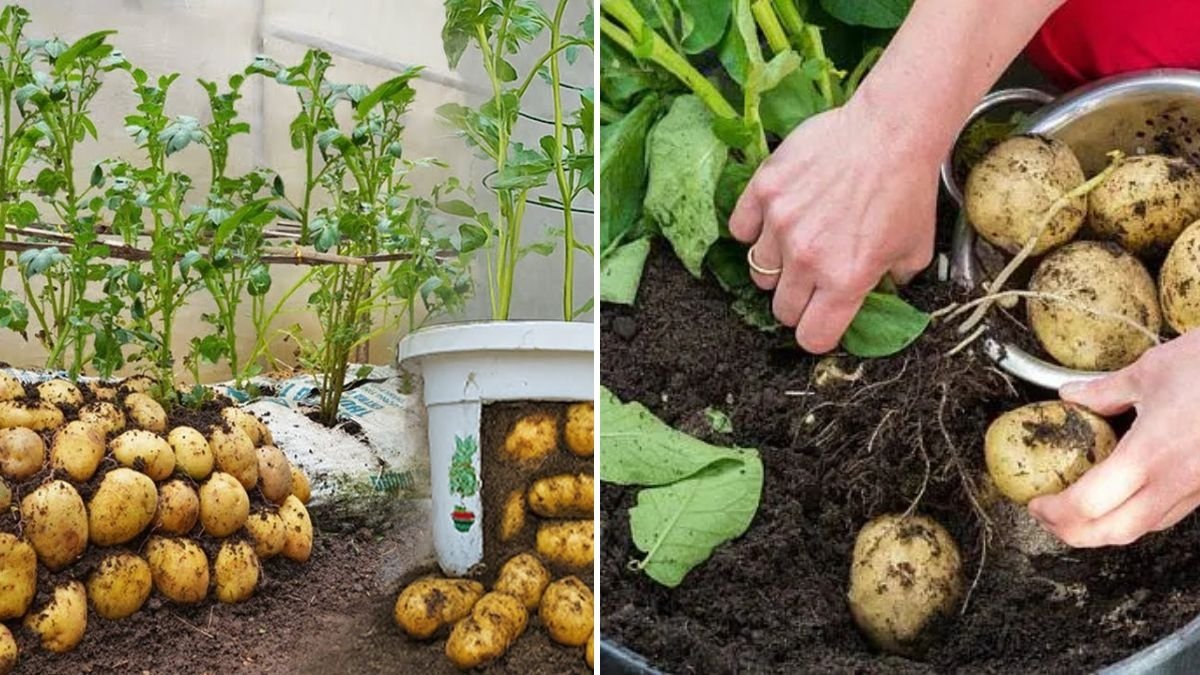
Potatoes are one of the most versatile and widely loved vegetables worldwide. They can be roasted, boiled, fried, or mashed, and nothing tastes better than homegrown potatoes fresh from your garden. Growing potatoes at home may seem challenging at first, but with the right techniques, even beginners can enjoy a bountiful harvest. In this guide, we’ll cover everything from selecting the right potato variety to harvesting and storing your crop, with full updates and tips for the best results.
1. Choosing the Right Potato Variety
The first step in successful potato gardening is selecting the right variety. Potatoes are broadly classified into three types:
- Early potatoes: These mature quickly (60–90 days) and are ideal for small spaces or short growing seasons. Examples include ‘Yukon Gold’ and ‘Red Norland.’
- Mid-season potatoes: Take 90–110 days to mature and produce larger yields. Varieties like ‘Kennebec’ are popular.
- Late potatoes: These take 110–135 days but store well for winter use. Examples include ‘Russet Burbank’ and ‘Maris Piper.’
For beginners, early or mid-season varieties are easier to manage and provide quick results.
2. Preparing Seed Potatoes
Potatoes are grown from seed potatoes, not seeds. These are small tubers or pieces of tubers with at least one “eye” (sprouting point). Proper preparation helps ensure healthy growth:
- Choose disease-free seed potatoes: Avoid supermarket potatoes treated with sprout inhibitors.
- Cut large seed potatoes: Each piece should have 1–2 eyes and be about 2 inches in size. Let cut pieces dry for 1–2 days to form a protective callus. This reduces the risk of rotting when planted.
- Chitting (optional but recommended): Place seed potatoes in a bright, cool spot for 2–3 weeks until sprouts appear. This encourages faster growth when planted.
3. Selecting the Right Growing Medium
Potatoes grow best in loose, well-draining soil. Here’s what to keep in mind:
- Soil type: Sandy loam or loamy soil with a pH of 5.0–7.0 is ideal. Heavy clay soils can hinder tuber formation.
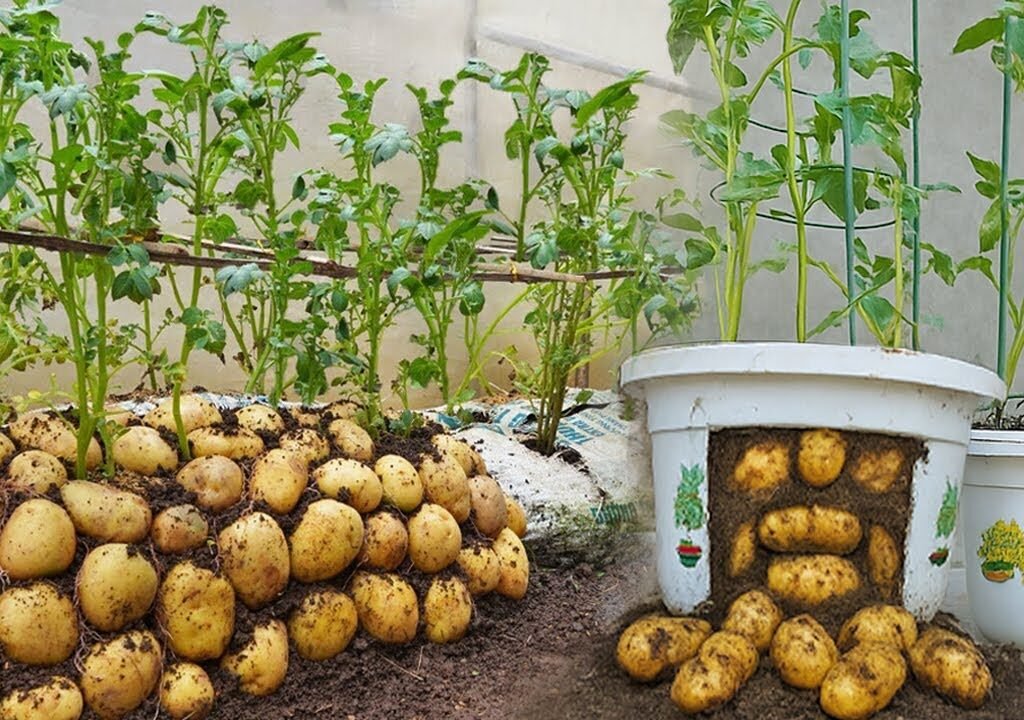
- Containers or garden beds: Potatoes can be grown in raised beds, large containers, or even grow bags. Ensure at least 12 inches depth for tuber development.
- Soil enrichment: Mix compost, well-rotted manure, or organic fertilizer into the soil to provide nutrients. Potatoes are heavy feeders and benefit from nutrient-rich soil.
4. Planting Potatoes
The proper planting technique ensures strong plants and higher yields:

- Planting depth: Dig holes or trenches 4–6 inches deep. Place seed potato pieces with eyes facing up.
- Spacing: Maintain 12 inches between plants and 2–3 feet between rows. Crowding can reduce yield.
- Covering: Cover seeds with 2–3 inches of soil. As sprouts grow, gradually hill soil around the stems to protect tubers from sunlight and encourage more tuber formation.
Plant potatoes in early spring when the soil temperature is around 10–15°C (50–60°F). In warmer climates, planting in late winter is also possible.
5. Watering and Care
Potatoes need consistent care to produce healthy tubers:
- Watering: Keep soil evenly moist but not waterlogged. Irregular watering can cause tuber defects like cracking.
- Mulching: Add straw or dry leaves around plants to retain moisture, suppress weeds, and maintain soil temperature.
- Hilling: As stems grow, mound soil around the base to cover developing tubers. Repeat this process every 2–3 weeks until flowering begins.
- Fertilizing: Use a balanced fertilizer or compost tea every 3–4 weeks. Avoid excessive nitrogen, as it encourages leafy growth over tuber development.
6. Pest and Disease Management
Potatoes are susceptible to pests and diseases, but early attention prevents serious problems:

- Common pests: Aphids, potato beetles, and wireworms. Handpick beetles or use organic sprays like neem oil.
- Common diseases: Late blight, scab, and blackleg. Rotate crops, avoid waterlogged soil, and remove infected plants promptly.
- Preventive tips: Use certified seed potatoes, keep foliage dry, and maintain good air circulation around plants.
7. Harvesting Potatoes
Knowing when and how to harvest is crucial for quality potatoes:
- New potatoes: Harvest small, tender potatoes about 2–3 weeks after flowering. These are perfect for fresh eating.
- Mature potatoes: Wait until the foliage turns yellow and dies back, usually 2–3 months after planting (varies by variety).
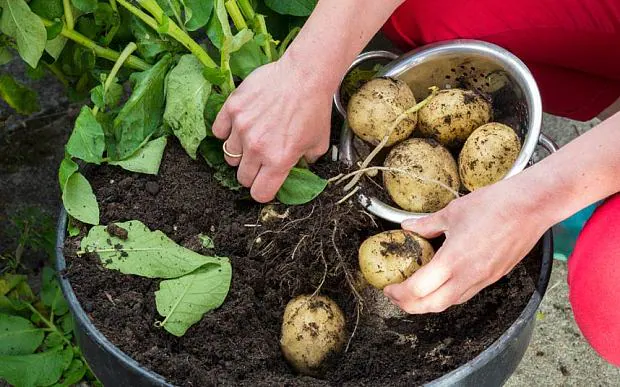
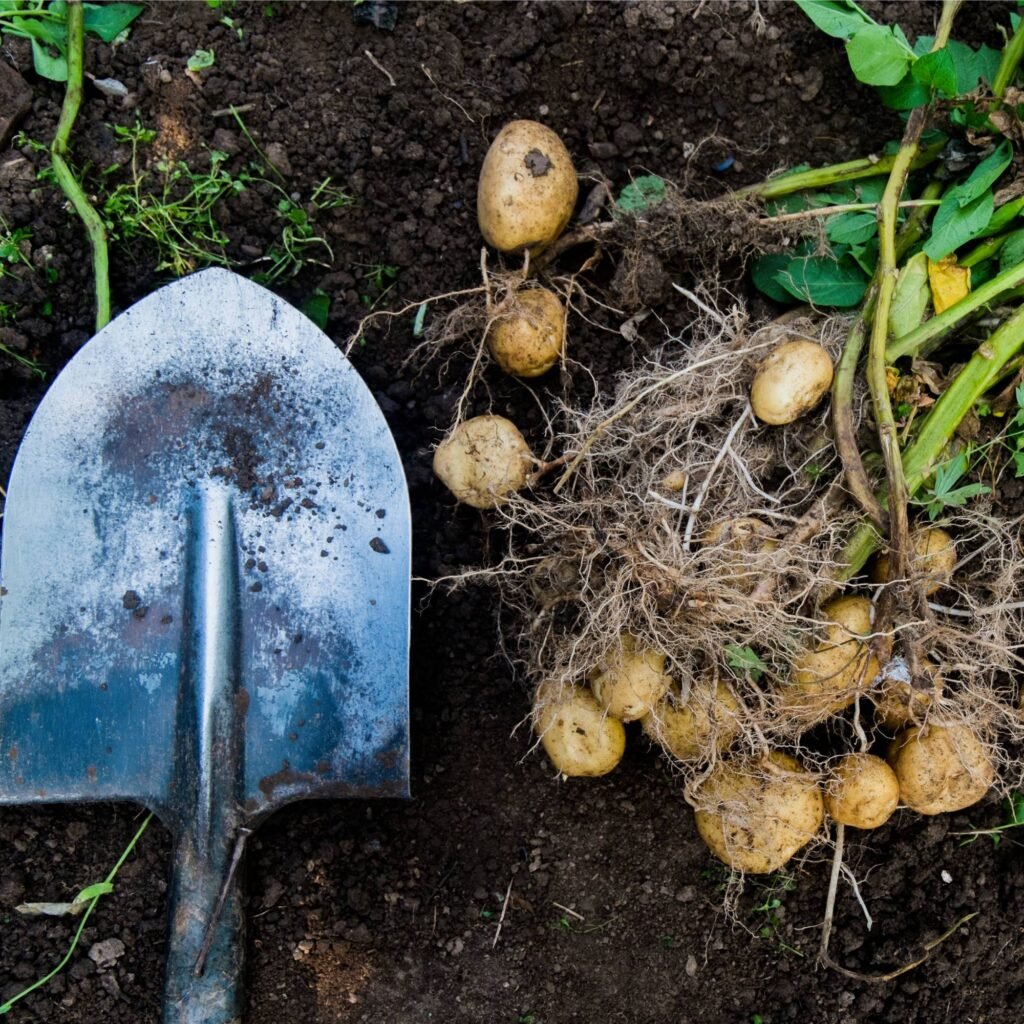
- Harvest carefully: Use a garden fork or trowel to lift tubers gently. Avoid cutting or bruising them, as damaged potatoes spoil faster.
8. Storing Homegrown Potatoes
Proper storage ensures your potatoes last for months:
- Curing: Allow freshly harvested potatoes to dry in a dark, cool, and ventilated area for 1–2 weeks. This toughens the skin and increases shelf life.
- Storage conditions: Store in a dark, cool, and humid environment (7–10°C or 45–50°F). Avoid direct sunlight to prevent greening and bitterness.
- Check regularly: Remove any rotting or sprouting potatoes promptly to prevent spread.
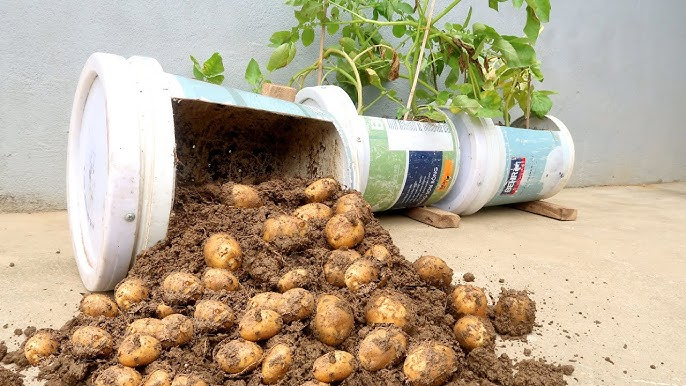
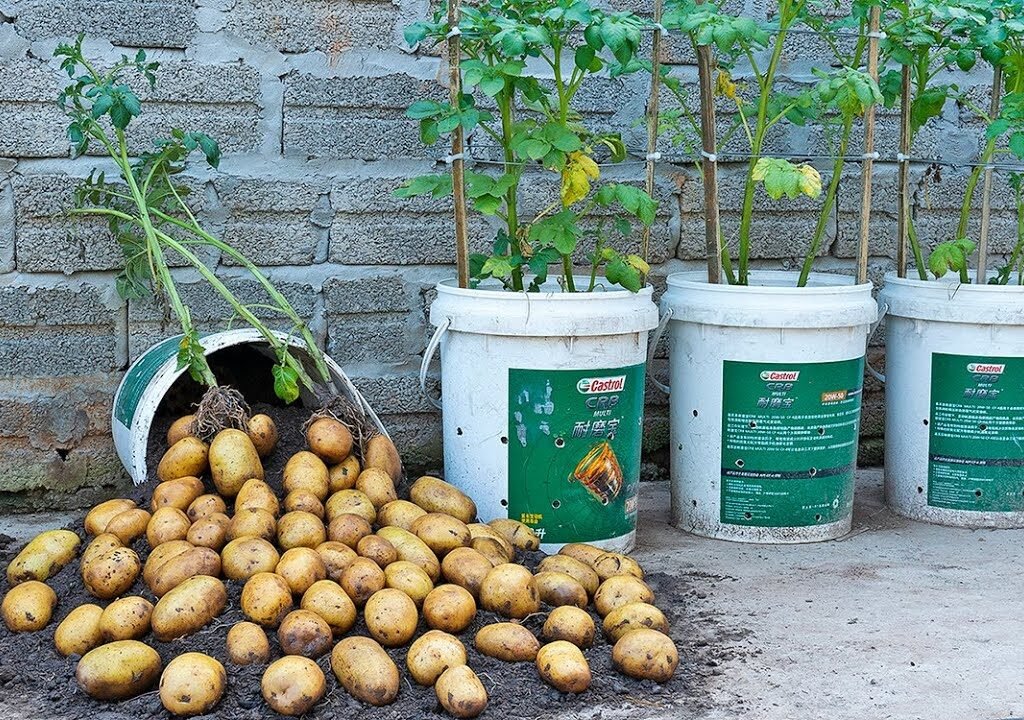
9. Tips for Growing Potatoes in Containers
Container gardening is perfect for small spaces or urban homes:
- Choose a large container: Minimum 15–20 gallons per plant. Ensure good drainage holes.
- Layering technique: Start with 4–6 inches of soil, place seed potatoes, then cover. As plants grow, add soil or compost in layers.
- Sunlight: Place containers in a sunny spot with 6–8 hours of sunlight daily.
Growing potatoes in containers reduces pest risk and allows for easy harvest.
10. Common Mistakes to Avoid
Even beginners can avoid pitfalls with a little care:
- Planting too deep: Can slow sprout growth and reduce yield.
- Overwatering: Leads to rot and disease.
- Neglecting hilling: Exposed tubers turn green and bitter.
- Planting diseased seeds: Always use certified seed potatoes to prevent crop loss.
By following these guidelines, beginners can enjoy a successful potato harvest year after year.

Conclusion
Growing potatoes at home is both fun and rewarding. With careful selection of seed potatoes, proper planting techniques, consistent care, and attention to pests and diseases, anyone can enjoy a bountiful harvest. Whether you have a backyard garden or a few containers on a balcony, homegrown potatoes provide unmatched freshness and flavor that store-bought potatoes can’t match.
By following this complete guide with full updates, beginners can confidently grow potatoes at home, turning their gardening efforts into a delicious, satisfying harvest. Start your potato-growing journey today and enjoy the pride of harvesting your very own nutritious tubers!

Leave A Comment