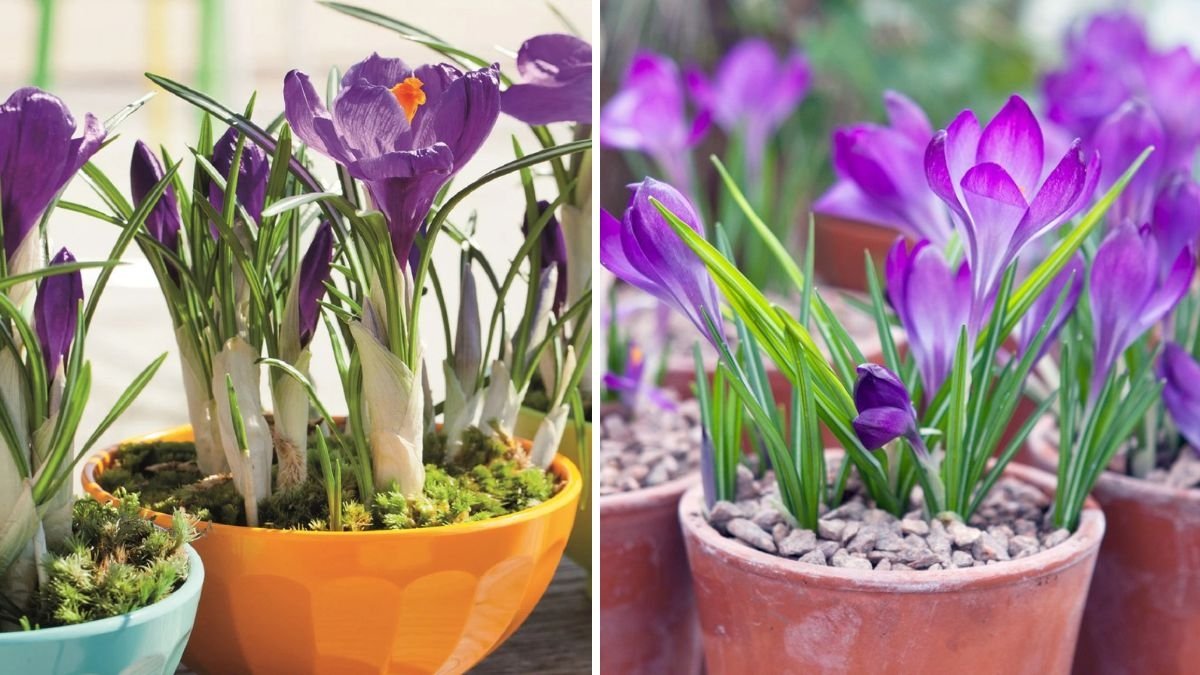
Saffron—also known as Kesar—is one of the most precious spices in the world. Known for its rich aroma, deep golden color, and immense medicinal value, saffron often seems too exotic or difficult to grow at home. But the truth is surprising: you can successfully grow saffron in pots, containers, or even small backyard spaces, as long as you follow the correct methods.
In this full, step-by-step guide with detailed updates, you will learn exactly how to grow saffron at home—from choosing bulbs to planting, care, flowering, harvesting, and long-term maintenance.
Why Grow Saffron at Home?
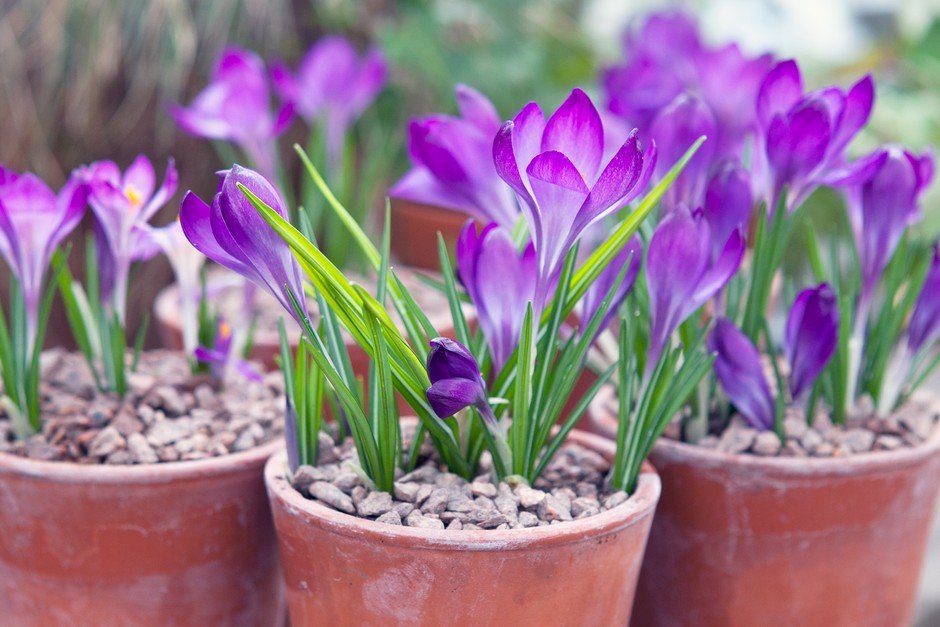
Growing saffron at home has several benefits:
- Pure, chemical-free saffron for daily use
- Saves money—market saffron is extremely expensive
- Easy to grow even in small spaces
- Requires minimal water and care
- Adds beauty—purple flowers look stunning
- Provides your own organic family-grown spice
Once you understand the simple cycle of saffron bulbs, you’ll realize it is easier than growing many common vegetables!
Understanding the Saffron Plant
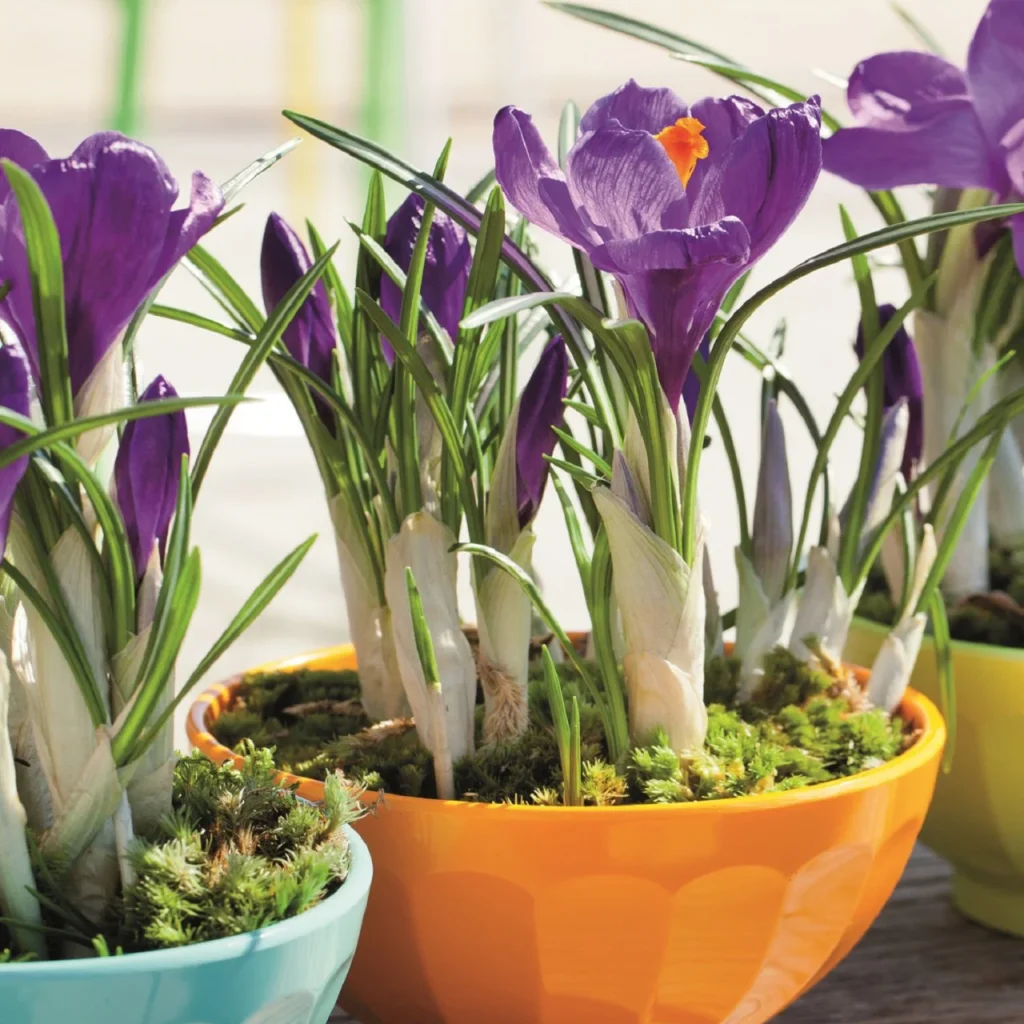
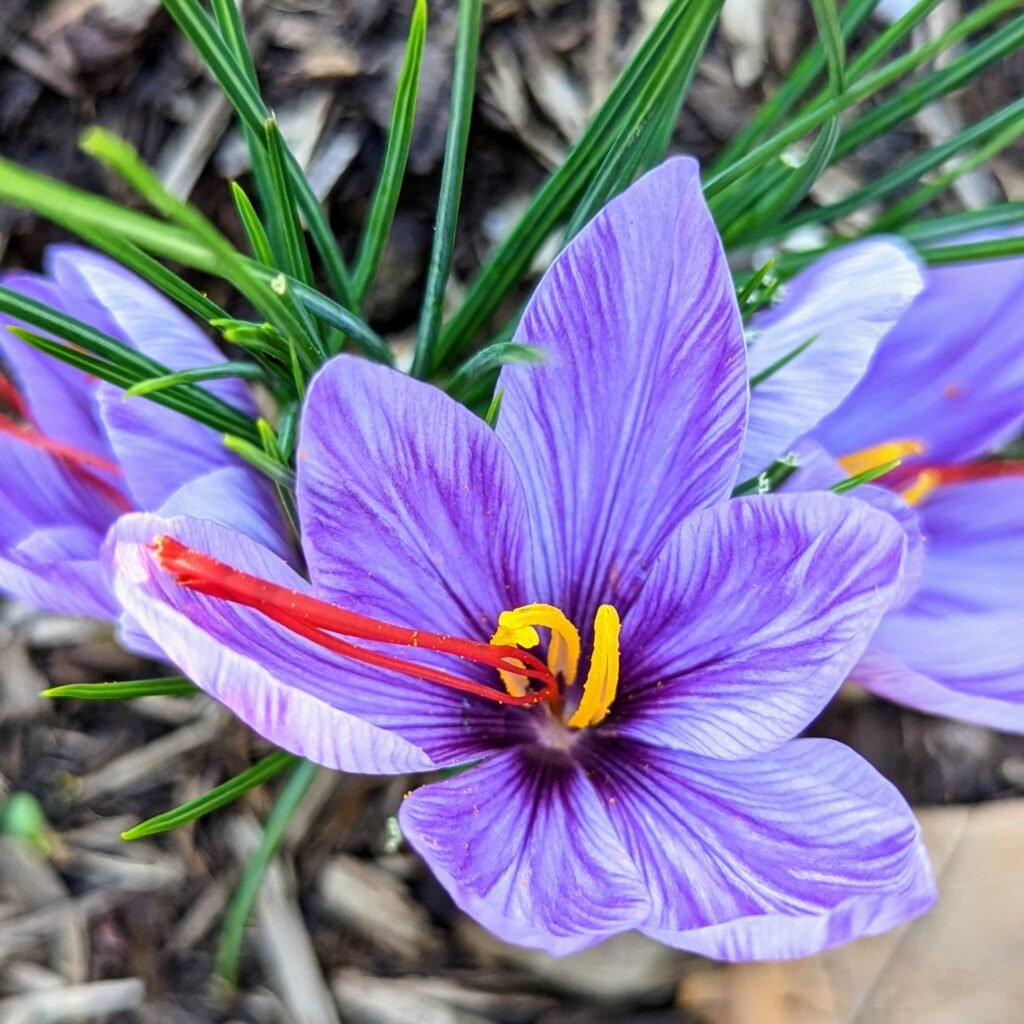
Saffron comes from the Crocus sativus flower. Each flower contains only three red stigmas, which are dried to become saffron threads. Because each bulb produces only a few threads, saffron is rare and costly.
Key Characteristics:
- Grows from bulbs (corms)
- Flowers once a year, usually October–November
- Loves cold winters and dry summers
- Needs well-draining soil
- Does not tolerate waterlogging
If your climate has hot summers and cool winters (like many parts of India), saffron can grow wonderfully.
Step 1: Choosing the Best Saffron Bulbs (Corms)
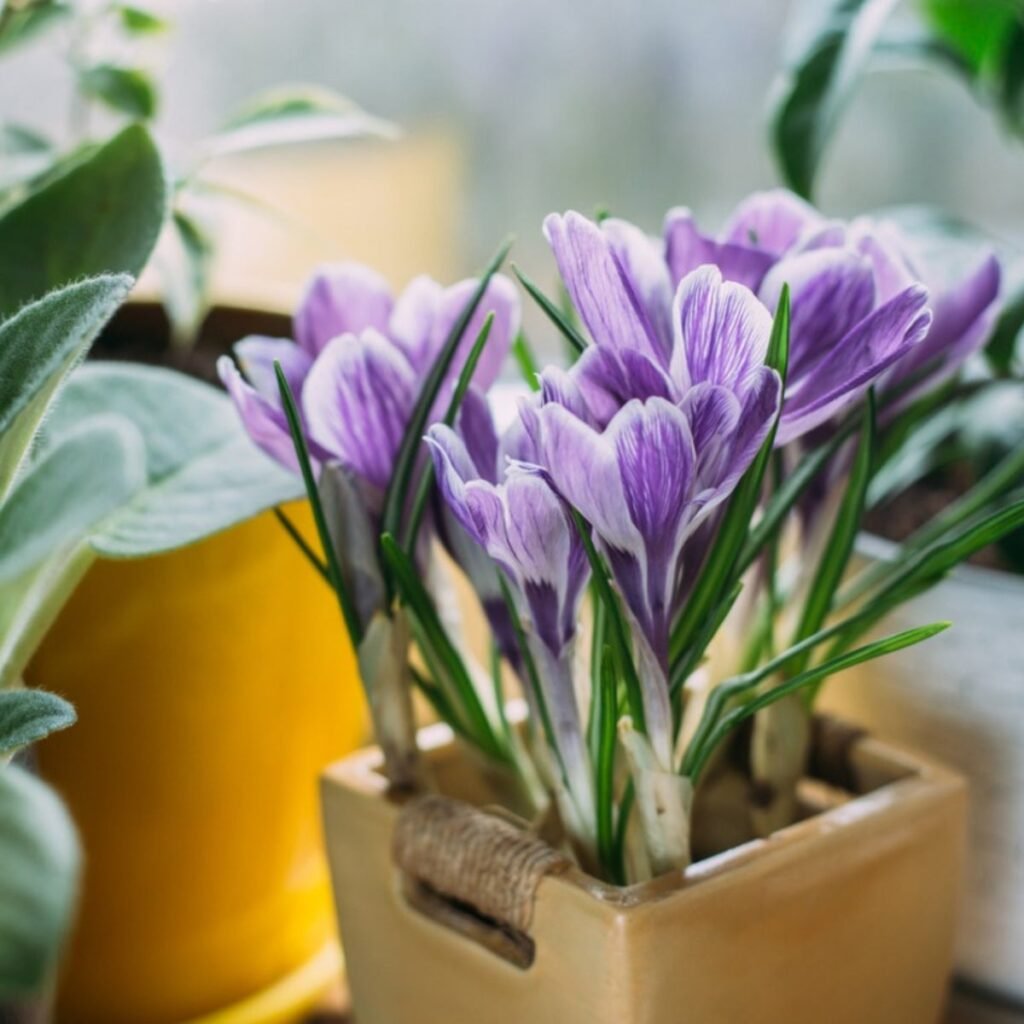
The most important part of growing saffron is choosing the right size and quality of bulbs.
Recommended Bulb Size:
- Larger bulbs (14/15 or 16+ mm)
- Bigger bulbs = more flowers = more saffron
Ensure the bulbs are:
- Firm and healthy
- Free from mold
- Not sprouting heavily
- Imported from Kashmir, Iran, or Europe (if purchasing online)
Good-quality saffron bulbs will reward you with more flowers in the first year itself.
Step 2: Best Pots & Containers for Growing Saffron
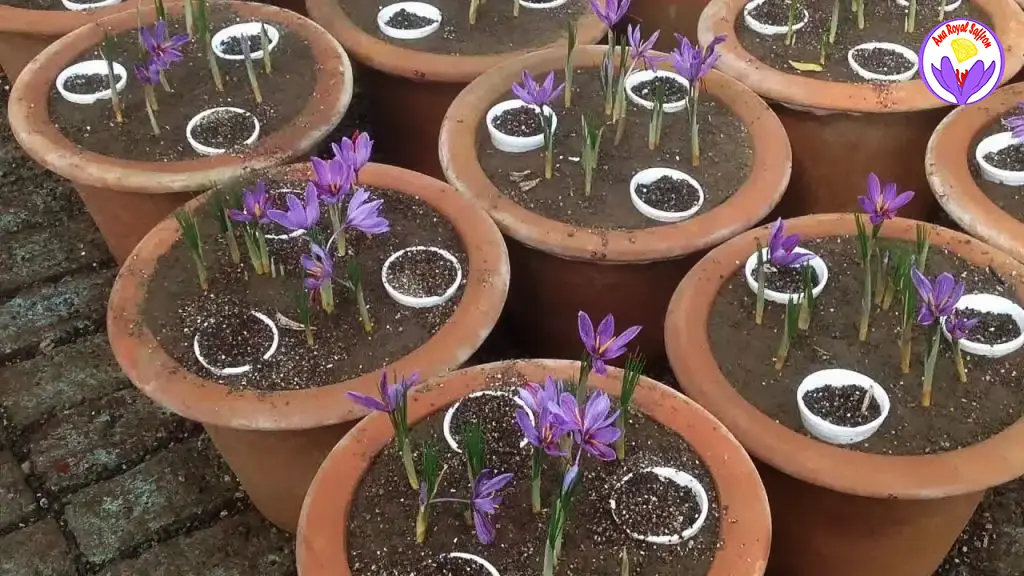
Saffron loves space and depth.
Best Container Options:
- 8–12 inch deep pots
- Grow bags (10–15 inches deep)
- Raised beds
- Large trays for mass planting
Good drainage holes are essential.
Never plant saffron in containers without holes.
Step 3: Preparing the Perfect Soil Mix
Saffron needs loose, well-draining, mildly fertile soil.
Ideal Soil Mix:
- 40% garden soil
- 30% river sand
- 20% compost (vermicompost or cow manure)
- 10% cocopeat (optional)
Soil Tips:
- Soil should be dry and airy, not sticky
- Adjust sand ratio depending on drainage
- Avoid chemical fertilizers
Saffron naturally grows in rocky, dry soils—so don’t overfeed the plant.
Step 4: Planting Saffron Bulbs
Plant bulbs in late July to September, depending on your climate.
Planting Method:
- Keep bulbs pointed side upward
- Plant 3–4 inches deep
- Maintain 2–3 inches spacing
- Cover with loose soil
- Do not press soil too hard
First Watering:
Water lightly only once after planting.
After that, avoid watering until shoots appear.

Step 5: First Growth Update (Week 2–4)
After 2–4 weeks, you will see:
- Thin green shoots
- Multiple leaves from each bulb
- No flowers yet
Do not worry—this is normal.
Saffron flowers appear only when night temperatures drop.
Step 6: Flowering Update (October–November)
This is the most exciting stage!
Flowering Signs:
- Purple buds appear close to the soil
- Flowers emerge early morning
- Each flower lasts only 2–3 days
Tips During Flowering:
- Do not water until flowers finish blooming
- Pick flowers early morning before sun becomes strong
- Keep soil dry for best flowering
In the first year, expect 2–6 flowers per 10 bulbs depending on bulb size.
Step 7: Harvesting Your Saffron (Kesar)
Carefully open each flower.
Inside, you’ll find:
- 3 red stigmas (this is the saffron)
- 3 yellow stamens (discard these—not edible saffron)
Harvesting Guide:
- Use clean dry fingers or tweezers
- Gently pull out the red stigmas
- Place them on a clean paper towel to dry
Step 8: Drying Saffron Perfectly
Drying intensifies the aroma, color, and flavor.
Methods:
- Keep stigmas on paper in a dry room for 2–3 days
- OR warm them under sunlight for 1–2 hours
- OR dry near a warm lamp or gas stove (not too close)
When completely dry, your saffron threads become stiff and light.
Step 9: Storing Saffron Properly
Store dried saffron in:
- An airtight glass container
- A dark, cool place
- Away from moisture
Properly stored saffron remains usable for 2–3 years.
Step 10: Post-Flowering Update (December–February)
After flowering:
- Leaves grow longer (up to 30 cm)
- The plant starts storing energy in bulbs
- This strengthens next year’s flowering
Care Tips:
- Allow leaves to grow naturally
- Light watering once every 12–15 days
- Keep the pot in sunlight
- Do not cut leaves
Leaves are essential for bulb development.
Step 11: Dormancy Period (March–June)
Saffron naturally goes dormant in summer.
What Happens:
- Leaves turn yellow
- Plant dries up completely
- Soil becomes dry and plant appears dead
- This is normal
Do Not:
- Do not water
- Do not disturb bulbs
- Do not expose pot to rain
Let the bulbs “sleep” during summer.

Step 12: Bulb Multiplication Update (End of Summer)
By June–July, each original bulb produces:
- 2–6 baby bulbs
- Larger bulbs that will flower next season
- Smaller bulbs that need 1–2 more years to flower
You may take bulbs out, separate them, and replant in fresh soil—or leave them in the same pot for 2–3 years.
Ideal Weather Conditions for Saffron
Saffron thrives in:
- Cold winters
- Dry summers
- Temperatures between 5°C to 20°C during flowering
If your region has too much rainfall, keep pots under shade.
Watering Rules for Saffron (Very Important!)
Saffron hates too much water.
Watering Schedule:
- Water lightly after planting
- No watering until shoots appear
- Water every 12–15 days during leaf growth
- Stop watering after March
Overwatering = rotting bulbs.
Sunlight Requirement
- 5–6 hours of sunlight daily
- Avoid heavy rains and shade during flowering
Tips for Maximum Flowers
- Use large bulbs
- Ensure soil drains well
- Give full sunlight
- Avoid overwatering
- Use wide pots for more bulbs
- Allow leaves to complete their lifecycle
Final Update: Your Home-Grown Saffron
By following these steps, you will successfully harvest:

- Pure red saffron threads
- Beautiful purple flowers
- Multiplying bulbs for next year
- Chemical-free, organic Kesar from your own home
Growing saffron is incredibly satisfying and surprisingly easy when done correctly.

Leave A Comment