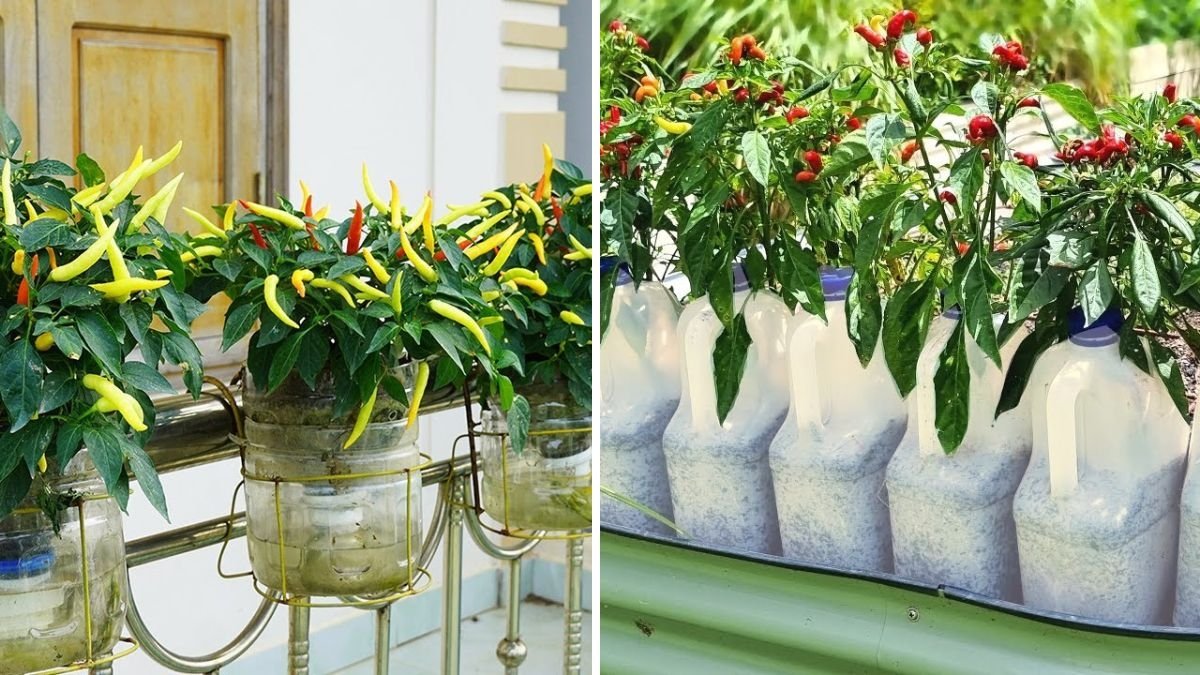
Growing chillies at home is one of the most rewarding experiences for any gardener. These vibrant, spicy plants grow beautifully in small spaces, making them perfect for balconies, terraces, windowsills, and small home gardens. But one common problem almost every gardener faces is flower dropping or buds falling off before turning into chillies.
This complete guide teaches you exactly how to grow chillies in containers—from seed to harvest—while completely preventing flower and bud drop using simple, natural, and effective methods. Whether you’re a beginner or an experienced grower, this article will help you achieve heavy flowering and maximum fruiting. Let’s start!
Why Chillies Are Perfect for Container Gardening
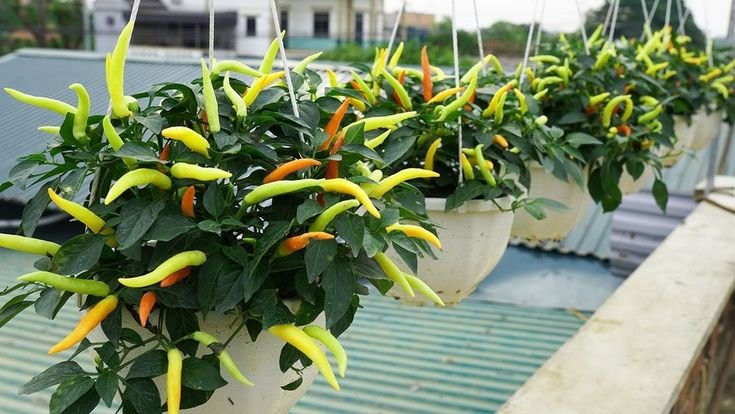
Chillies are hardy, compact, and forgiving plants. With just a little care, they can produce continuously for 8–10 months, and sometimes even longer. Container gardening makes them even easier to grow because:
- You can move plants based on sunlight
- Pest control becomes easier
- Soil quality stays in your control
- They grow well even in 10–12 inch pots
- Harvesting is simple and fun
And best of all—home-grown chillies have more flavor, better aroma, and more heat than store-bought ones!
Best Container Size for Growing Chillies
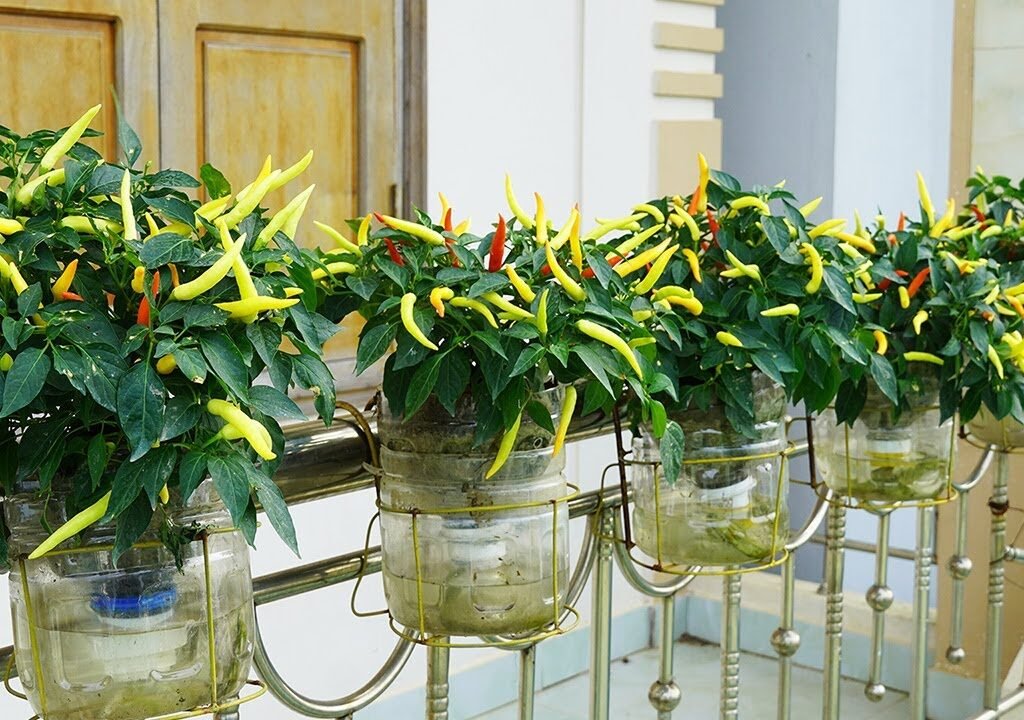
Chillies don’t need huge containers, but they do need enough depth. Here’s the perfect size:
- 10–12 inch pot (round or square)
- 12–20L grow bag
- 10–14 inch clay pots (excellent for hot climates)
Make sure your container has minimum 4–6 drainage holes. Chillies HATE sitting in soggy soil—this is one of the leading causes of flower drop.
Best Soil Mix for Chillies (Prevents Flower Drop)
Chillies thrive in nutrient-rich, loose, well-draining soil. Here’s the perfect recipe:
Chilli Soil Mix (Ideal for Containers)
- 40% garden soil
- 30% compost (vermicompost/cow dung)
- 20% cocopeat
- 10% sand/perlite
- 1 tbsp neem cake powder
Why This Mix Works
- Compost → slow, steady nutrition
- Cocopeat → moisture retention without waterlogging
- Sand/perlite → improves drainage
- Neem cake → prevents root pests & fungal issues
This combination prevents overwatering stress, keeps the roots healthy, and supports heavy flowering.
Sunlight Requirements
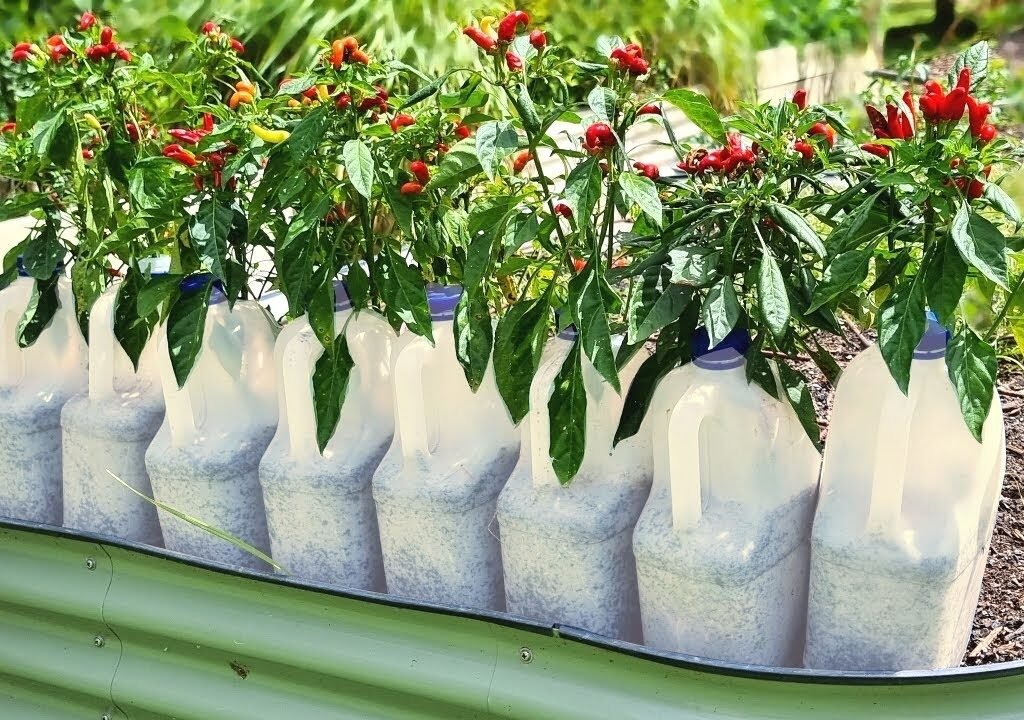
Chillies are sun-loving plants. They need:
- 6–8 hours of direct sunlight daily
- Morning sunlight is best
- Avoid keeping them in full-day harsh summer light without mulch
Without enough sunlight, chillies produce weak flowers that drop easily.
Watering Schedule (Critical for Zero Flower Drop)
Overwatering and underwatering are the MAIN reasons chillies drop buds.
Follow this simple rule:
Water only when the top 1 inch of soil looks dry
- In summer: every 1–2 days
- In winter/rainy season: every 2–3 days
- Always water deeply until it drains from the bottom
NEVER Do This
Do not water daily without checking soil
Do not let water stand in the tray
Do not wet the flowers while watering
Proper watering = strong plants + no bud drop.
Seed to Harvest: FULL GROWTH UPDATES
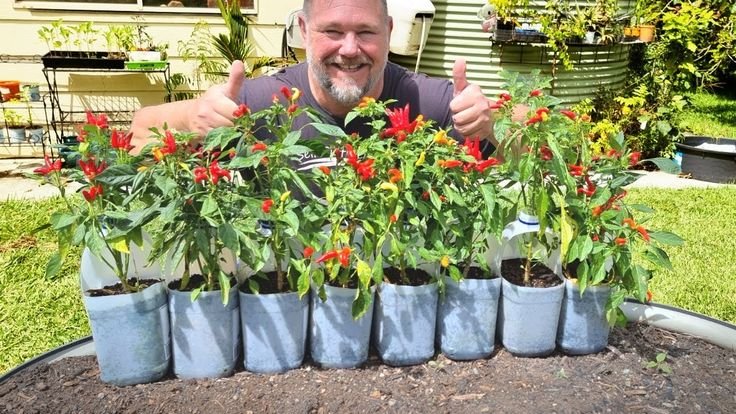
Week 1: Sowing the Seeds
- Choose good-quality chilli seeds
- Sow them 0.5 cm deep in moist soil
- Keep in bright shade
- Germination starts in 6–10 days
Keep soil evenly moist—never soggy.
Week 2–3: Seedling Stage
- Move seedlings to full sun
- Water lightly
- Start giving very mild nutrition:
- 1 spoon seaweed extract in 1 liter water (optional)
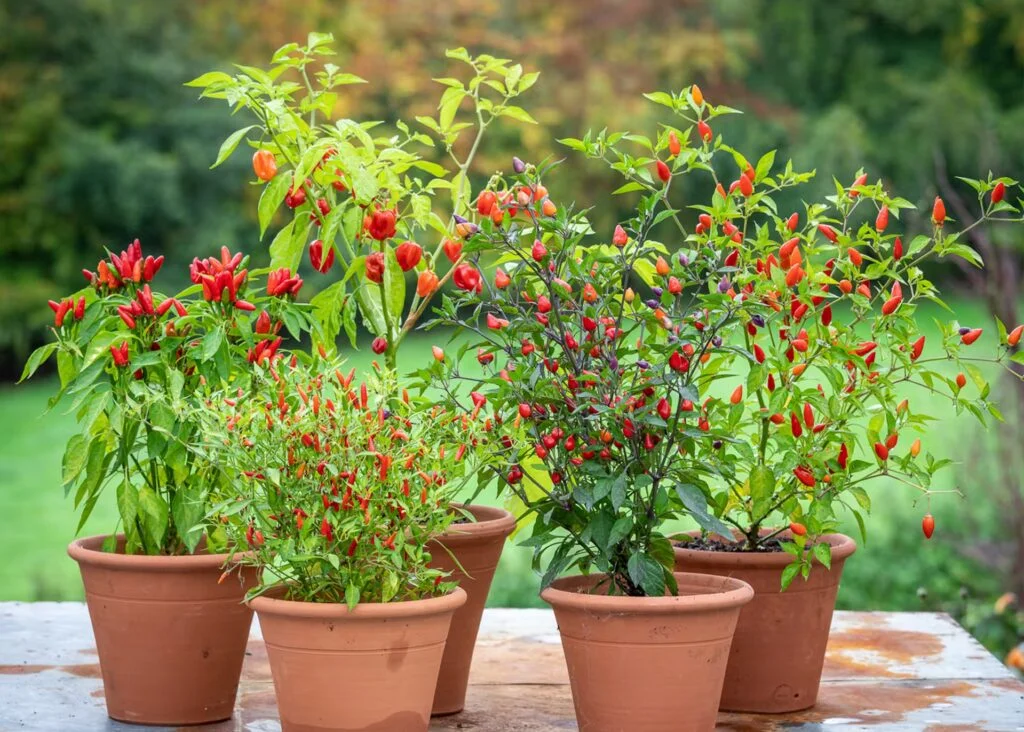
Plants grow 2–3 inches tall.
Week 4–5: Transplanting
Once seedlings have 5–6 leaves:
- Shift them to final 10–12 inch pots
- Bury them slightly deeper to encourage stronger stem
- Water immediately after transplanting
- Provide partial shade for 2–3 days
Roots begin developing strongly.
Week 6–8: Bushy Growth Stage
- Plants reach 10–12 inches
- Add 2 handfuls compost
- Pinch the top tip (optional) to make plant bushier
- Give neem oil spray weekly
Healthy bushes support more fruit later.
Week 9–10: Flowering Begins
This is the MOST IMPORTANT PHASE.
To prevent flower drop:
- Do NOT overwater
- Do NOT apply too much nitrogen fertilizer
- Ensure at least 6 hours sunlight
Add 1 tbsp bone meal or banana peel fertilizer to boost flowering.
Week 11–13: Fruit Development
Flowers now turn into tiny chilli pods.
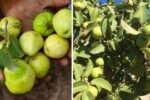
- Give potash-rich fertilizer
- Support branches if needed
- Remove yellow leaves
Plants look strong, full of buds, and ready to produce heavily.
Week 14 Onwards: Harvest Time
Chillies can be harvested:
- Green: at 45–60 days after flowering
- Red: at 80–90 days
- Regular harvesting encourages more production
You can expect hundreds of chillies from each plant if maintained well!
The REAL REASON Chillies Drop Flowers (And Solutions)
Overwatering
The biggest cause!
Solution: Water only when soil dries 1 inch below surface.
Lack of Sunlight
Low light = weak flowers.
Solution: Minimum 6–8 hours sunlight.
High Nitrogen Fertilizer
Nitrogen grows leaves, not flowers.
Solution: After flowering starts, use potash-rich fertilizer.
Temperature Stress
Too hot or too cold can drop buds.
Solution:

- Use mulch in summer
- Avoid waterlogging in monsoon
- Move pots to warmer spots in winter
Pests (Especially Thrips & Aphids)
They suck sap from buds and flowers.
Solution:
- Spray neem oil every 7–10 days
- For heavy attack: use soap water spray
Overcrowded Soil / Root Bound
Roots need space to grow.
Solution: Use minimum 10–12 inch containers.
Best Fertilizers for Heavy Fruiting (No Bud Drop)
Use these natural boosters:
During Flowering
- Banana peel fertilizer
- Bone meal
- Seaweed extract
- Wood ash (1 tbsp per plant)
During Fruiting
- Vermicompost
- Cow dung compost
- Potassium-rich liquid fertilizer
Monthly Routine
- Compost: every 20 days
- Neem cake: every 30 days
- Liquid fertilizer: every 10 days
Common Pests & Organic Solutions
Aphids / Thrips
- Causes leaf curling & bud drop
- Solution: Neem oil + soap spray weekly
Whiteflies
- Stick to leaves, weaken plant
- Solution: Yellow sticky traps (homemade possible)
Mealybugs
- White cotton-like pests
- Solution: Dab alcohol on a cotton swab and wipe
Caterpillars
- Eat leaves and flowers
- Solution: Handpick or use organic BT spray
Healthy plants = maximum yield + no flower drop.
Pro Tips for Zero Flower Drop
Keep soil slightly moist, never soggy
Ensure full sunlight
Give potash-rich fertilizer during flowering
Avoid nitrogen-heavy products
Prune lightly to promote bushy growth
Use neem oil weekly
Keep plants pest-free
Maintain good airflow around plants
Follow these and your chilli plant will be loaded with flowers AND fruits—no dropping at all!
Final Thoughts
Growing chillies in containers is easy, productive, and incredibly rewarding. With the right soil mix, sunlight, and a careful watering routine, you can grow healthy chilli plants that produce abundantly without losing flowers or buds.

Whether you’re gardening on a balcony, terrace, or small corner, chillies adapt beautifully and reward you with hundreds of fresh, glossy, home-grown chillies.
So grab your pots, prepare the soil, sow those seeds, and enjoy the magic of growing your own spicy harvest!

Leave A Comment