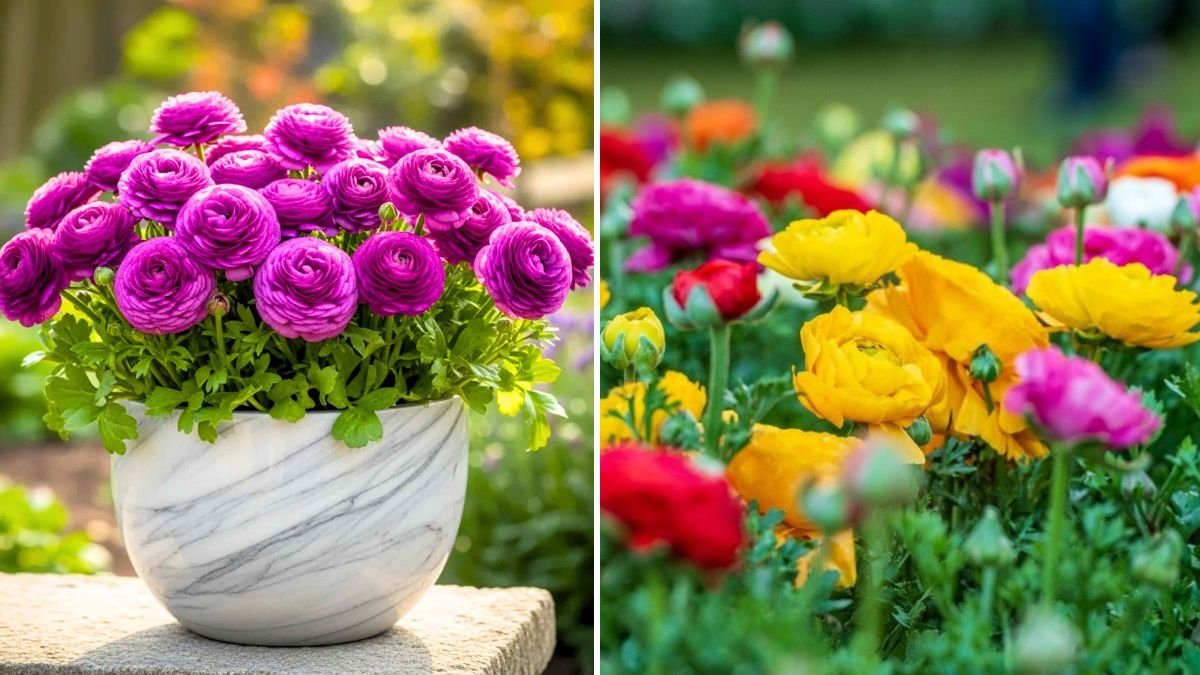
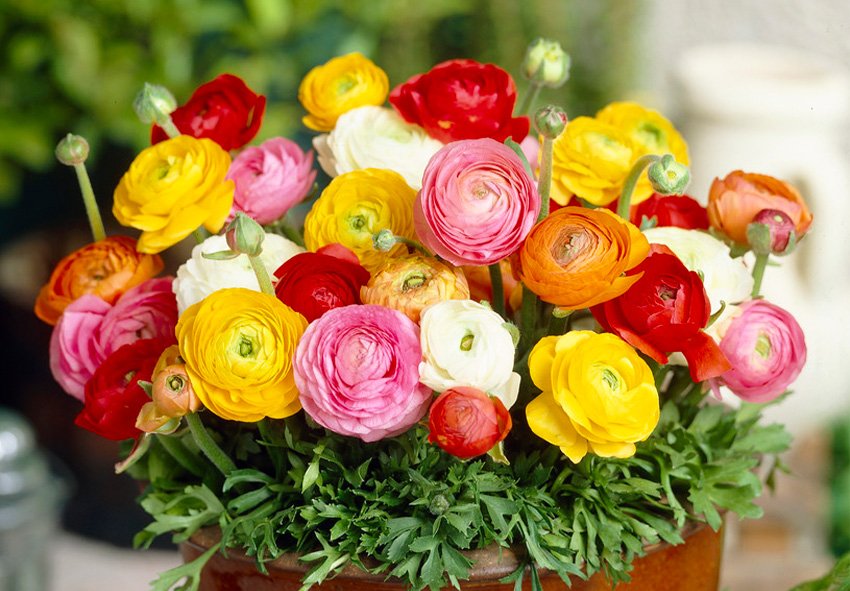
Ranunculus—often called the rose of spring—is one of the most breathtaking flowers you can grow. With layers of soft, paper-like petals in vibrant shades of pink, orange, white, yellow, and red, these blooms look almost unreal. They’re a favorite among florists, wedding decorators, and home gardeners who love romantic, lush flowers.
The great news? Ranunculus may look delicate, but they’re surprisingly easy to grow when you know the right method. Whether you’re growing them in the garden or containers, this detailed guide will help you succeed—from choosing bulbs to enjoying full blooms.
What Makes Ranunculus Special?
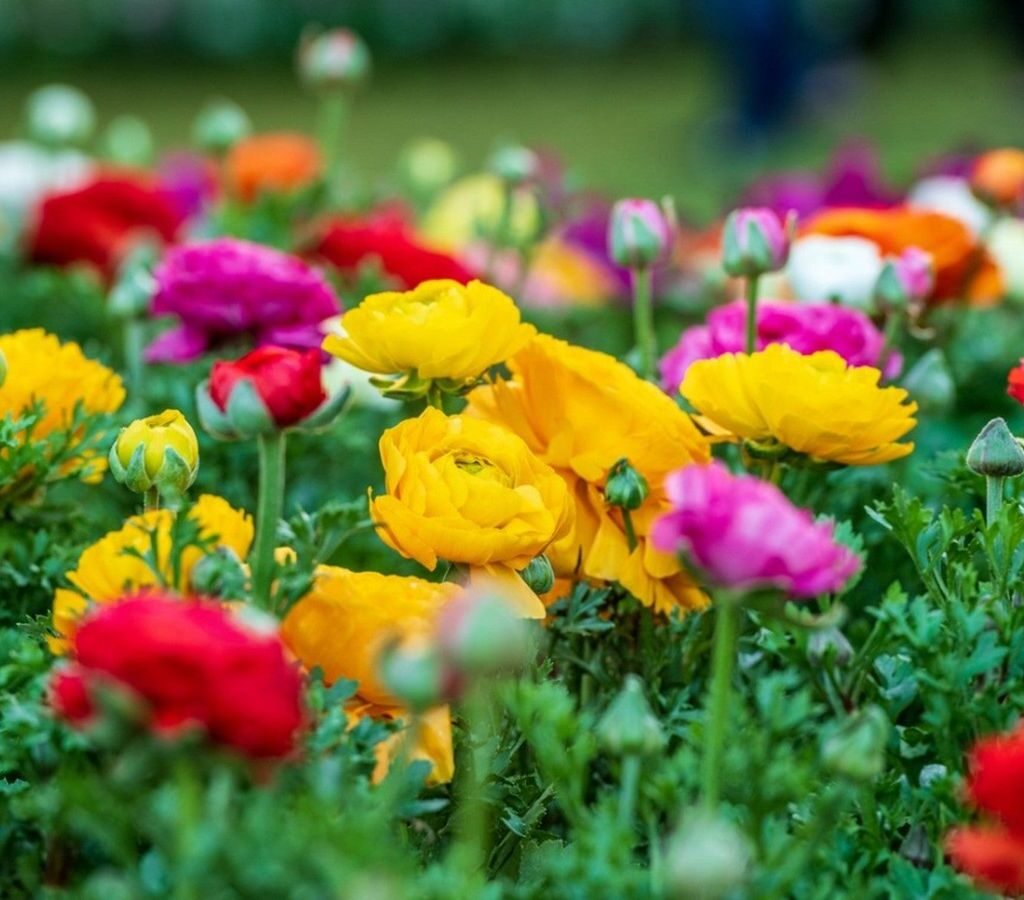
Ranunculus flowers are famous for their:
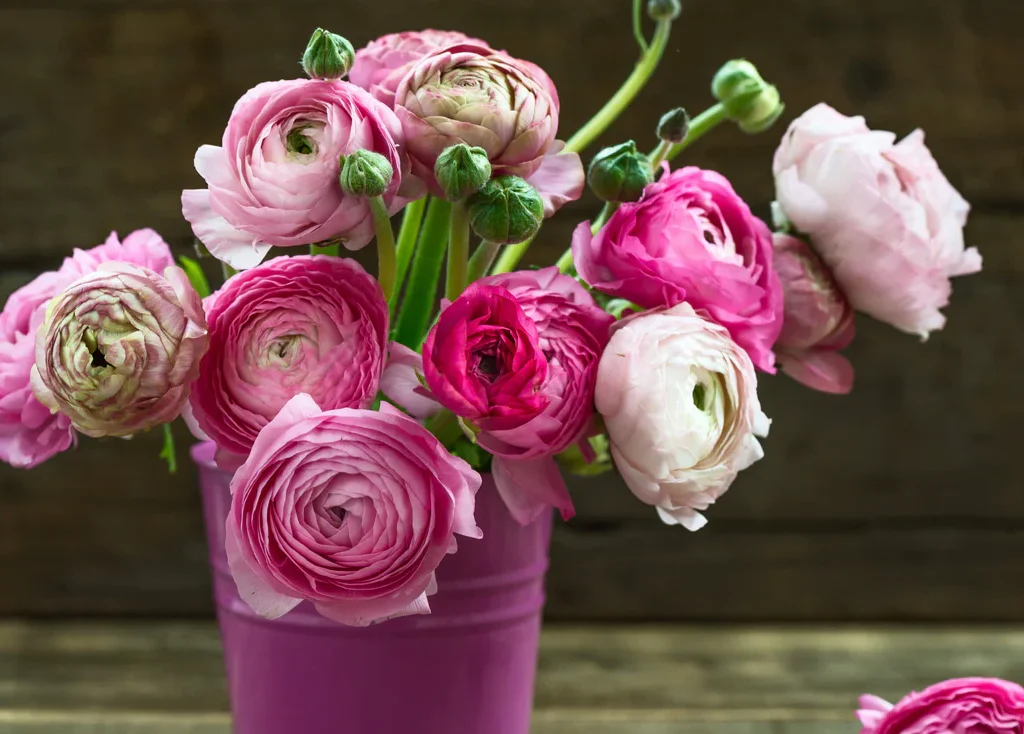
- Long-lasting blooms (up to 2 weeks in vases)
- High petal count and perfect spiral shape
- Wide range of colors
- Cold tolerance and ease of cultivation
They’re often considered affordable alternatives to peonies and roses—especially for bouquets.
Understanding Ranunculus Tubers
Ranunculus grows from tubers, often called claws because of their crab-like shape.
A healthy tuber should be:
Firm
Dry
Plump
Golden-brown
The bigger the tuber, the more flowers it will produce.

When to Plant Ranunculus
Ranunculus loves cool weather. The planting time depends on your climate:
| Region Type | Best Planting Time |
|---|---|
| Cold areas (snow/ frost) | Plant in early spring after frost |
| Mild climates | Plant in late fall or early winter |
| Tropical/warm climates | Plant in late winter or early spring |
Ideal temperature for growing: 10°C to 16°C (50°F–60°F).
Extreme heat stops blooming, so avoid summer planting.
Step 1: Soak and Pre-Sprout Tubers
Before planting, soak the tubers to wake them up.
Soaking Process
- Place tubers in room-temperature water for 3–4 hours.
- Change the water every hour to avoid rot.
- The tubers will swell and look plumper.
Optional Step: Pre-Sprouting
Pre-sprouting gives an early start and improves success.
- Fill a tray with slightly damp peat moss or cocopeat.
- Place tubers claws-down.
- Keep in a cool dark area for 7–10 days until tiny white root tips appear.
Step 2: Prepare Soil
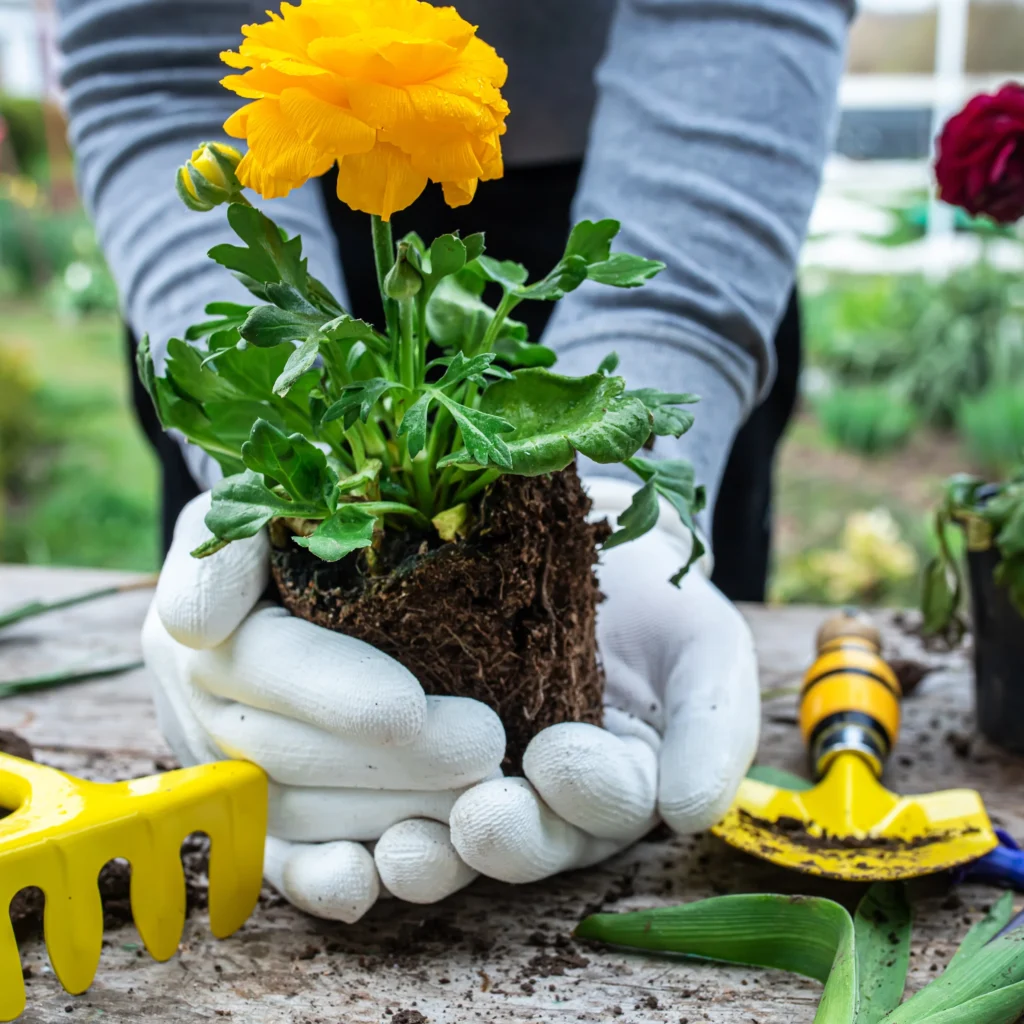
Ranunculus must have well-drained, loose soil. They rot easily in wet ground.
Best Soil Mix:
- 50% garden soil
- 30% compost
- 20% sand or perlite
pH should be: 6–7 (slightly acidic to neutral).

Add organic fertiliser like bone meal for strong rooting.
Step 3: Planting
Once tubers have soaked or sprouted, plant them outdoors or in containers.
How Deep to Plant
Plant tubers 5–7 cm (2–3 inches) deep
The claws should face downward
Spacing
- Small tubers: space 10–12 cm (4–5 inches) apart
- Large tubers: 15–20 cm (6–8 inches) apart
Patience is required—sprouts may take 2–3 weeks to appear.
Step 4: Watering Carefully
Water immediately after planting to settle the soil.
Watering Rules:
- Never let the soil stay soggy
- Water only when the top layer feels dry
- Reduce watering once blooming starts
Mulching helps retain moisture and reduces weeds.
Step 5: Sunlight Requirements
Ranunculus thrives in:

☀ Full sun — at least 6 hours daily
More sunlight = bigger blooms and longer stems.
If you grow indoors, choose a bright balcony or south-facing window.
Step 6: Fertilizing for Strong Blooms
Feed every 2–3 weeks with:
- Balanced fertiliser (10-10-10) during growth
- High phosphorus fertiliser (like bone meal or bloom booster) when buds form
Avoid too much nitrogen—it makes leaves grow, not flowers.
Step 7: Supporting Growth
Tall varieties may need support. Use:
- Garden stakes
- Bamboo sticks
- Plant ring support
This prevents stems from bending during wind or heavy blooms.
Step 8: Blooming Time and Harvesting
Ranunculus typically blooms around 90 days after planting.

You’ll know they’re ready when:
- Buds swell and color becomes visible.
- Petals unfurl slightly (marshmallow stage).
For cut flowers:
Cut stems early morning
Use clean shears
Place stems in cool water immediately
Cutting flowers encourages the plant to produce more.
Common Problems and Solutions
| Problem | Cause | Solution |
|---|---|---|
| Rotting tubers | Overwatering | Improve drainage; water less |
| Weak growth | Too much shade | Provide full sunlight |
| No flowers | Excess nitrogen or heat | Switch to bloom fertiliser, plant during a cooler season |
| Yellow leaves | Poor soil nutrition | Add compost and fertiliser |
Luckily, ranunculus rarely suffers from pests.
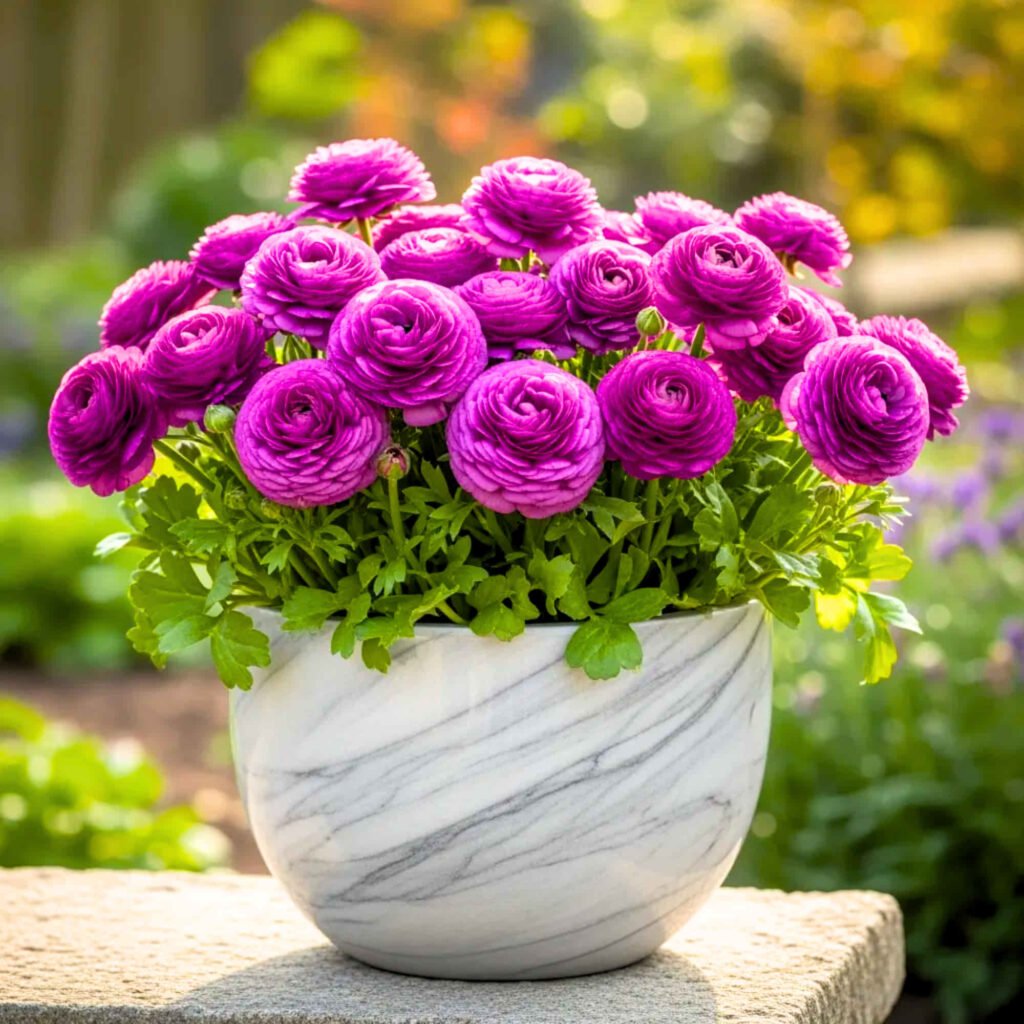
Growing Ranunculus in Pots
Ranunculus thrives in containers if:
- Pot is at least 8–12 inches deep
- Has good drainage holes
Choose multiple tubers for a fuller pot.
After Flowering: What to Do?
Once heat arrives and leaves yellow:

- Stop watering.
- Allow tubers to dry in soil.
- Dig them out gently.
- Clean and store in a cool, dry, dark place.
Replant next season!
Final Tips for Success
Choose high-quality tubers
Plant at the right season
Avoid soggy soil
Give full sunlight
Feed regularly
With the right care, ranunculus will reward you with stunning, layered blooms that feel like living artwork.
Conclusion
Growing ranunculus may seem intimidating at first, but it’s incredibly rewarding once you understand their needs. From the moment the first buds appear to the time you enjoy them in a vase, every step feels magical.
Whether you’re a beginner gardener or an experienced plant lover searching for something truly beautiful, ranunculus is a must-grow flower. With this complete guide, you’re now fully ready to grow your own garden full of vibrant, luxurious blooms.

Leave A Comment