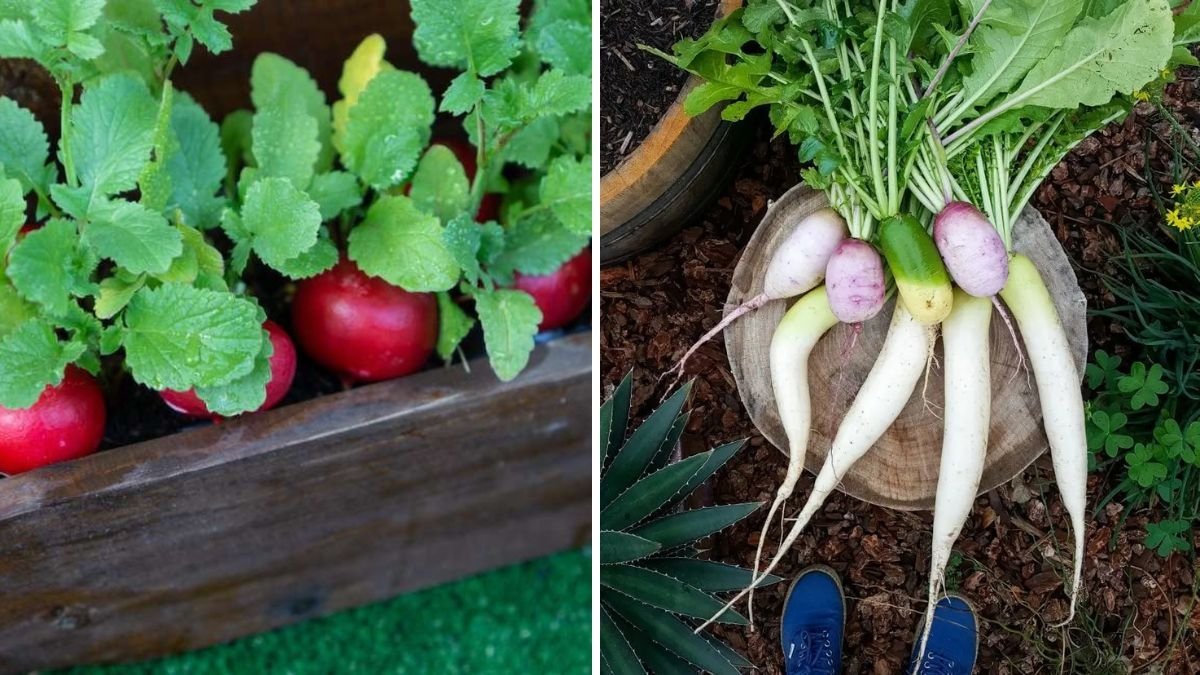
Radish is one of the fastest and easiest vegetables you can grow at home. Whether you have a backyard, terrace garden, balcony space, or just a few pots, radishes thrive almost anywhere. They grow quickly, require very little maintenance, and reward you with crisp, juicy roots in as little as 25–35 days. For beginners and busy gardeners, radish is the perfect crop to start your home vegetable journey.
In this comprehensive guide, we’ll walk you through every step—from choosing the right seeds, preparing soil, sowing techniques, to harvesting delicious radishes. Let’s dive into how you can grow a plentiful radish harvest at home!
1. Why You Should Grow Radish at Home
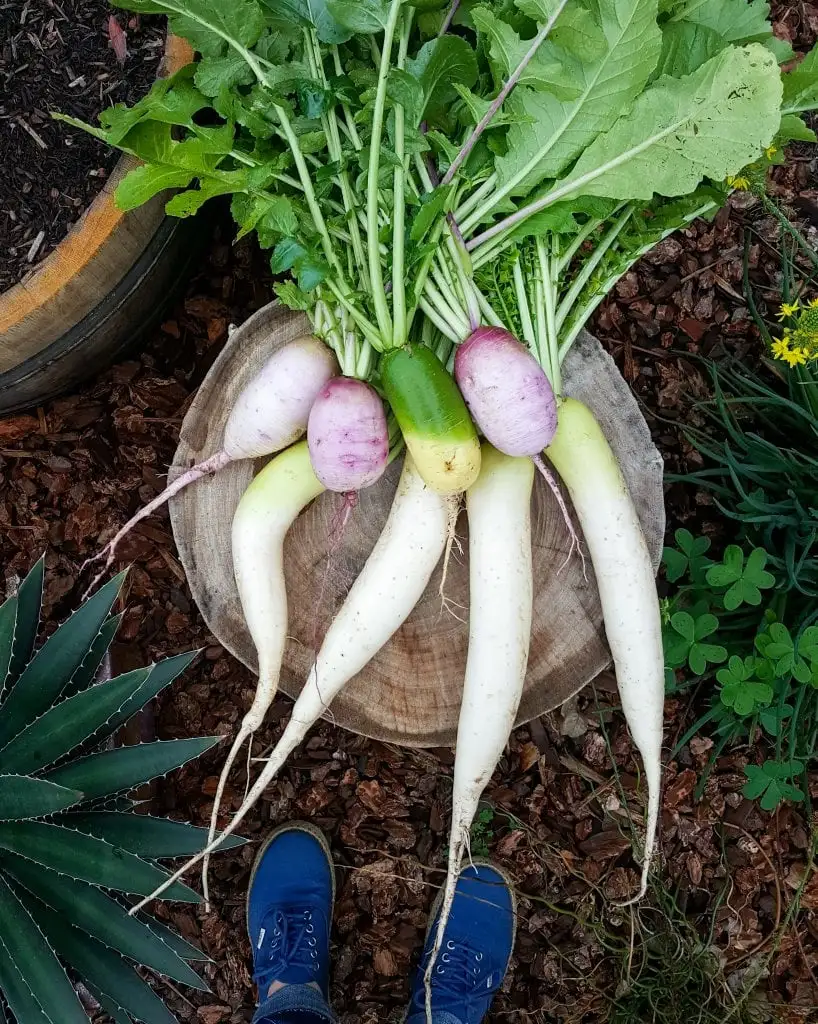
Radish is more than just a quick-growing vegetable. Here are a few reasons why it’s ideal for home gardeners:
Fast-growing crop
It matures in less than a month, giving you quick results and boosting gardening confidence.
Perfect for small spaces
You can grow radishes in pots, grow bags, plastic containers, or even recycled buckets.
Low maintenance
They don’t need complicated care or heavy fertilizing.
Nutritious and fresh
Home-grown radishes are crisp, juicy, and packed with vitamins, minerals, and antioxidants.
Great for continuous harvest
You can sow seeds every 10–12 days for an endless supply.
2. Best Radish Varieties for Home Gardening
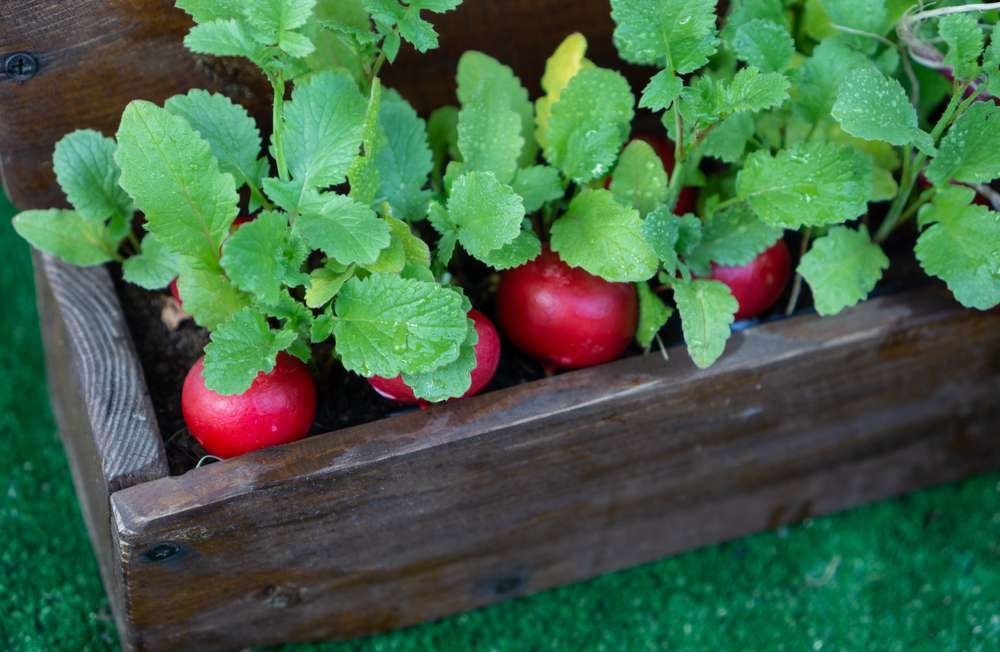
Choosing the right variety ensures a successful harvest. Here are some home-gardener-friendly options:
• Cherry Belle
Round, red, fast-growing, and widely grown.
• White Icicle Radish
Slender, mildly spicy, and grows well in loose soil.
• Daikon / White Radish
Long, tender roots—popular in Indian households.
• Scarlet Globe
Crisp and ideal for salads.
Select varieties depending on your pot size and climate. Most radishes thrive in cool weather, but many modern hybrids grow well even in warmer regions.
3. Ideal Growing Conditions
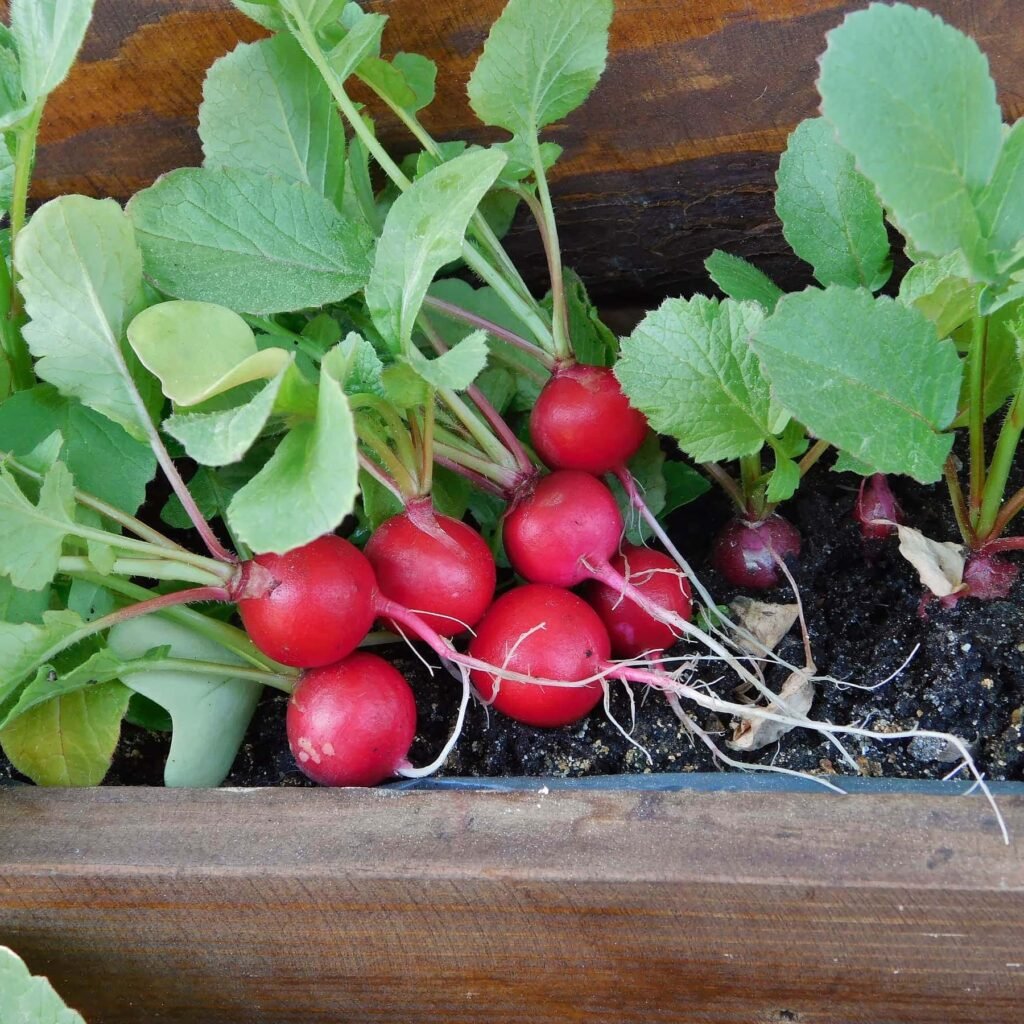
Radish grows best when the right environmental conditions are met.
Temperature
Radish prefers cool weather (10–25°C).
Grow in winter months in India (October–February).
In warmer climates, choose heat-tolerant varieties.

Sunlight
Radish needs 4–6 hours of direct sunlight daily.
Insufficient sunlight leads to leafy growth but small roots.
Growing duration
Most varieties mature in 25–45 days, depending on the type.
4. Preparing Soil for Radish (The Most Important Step)
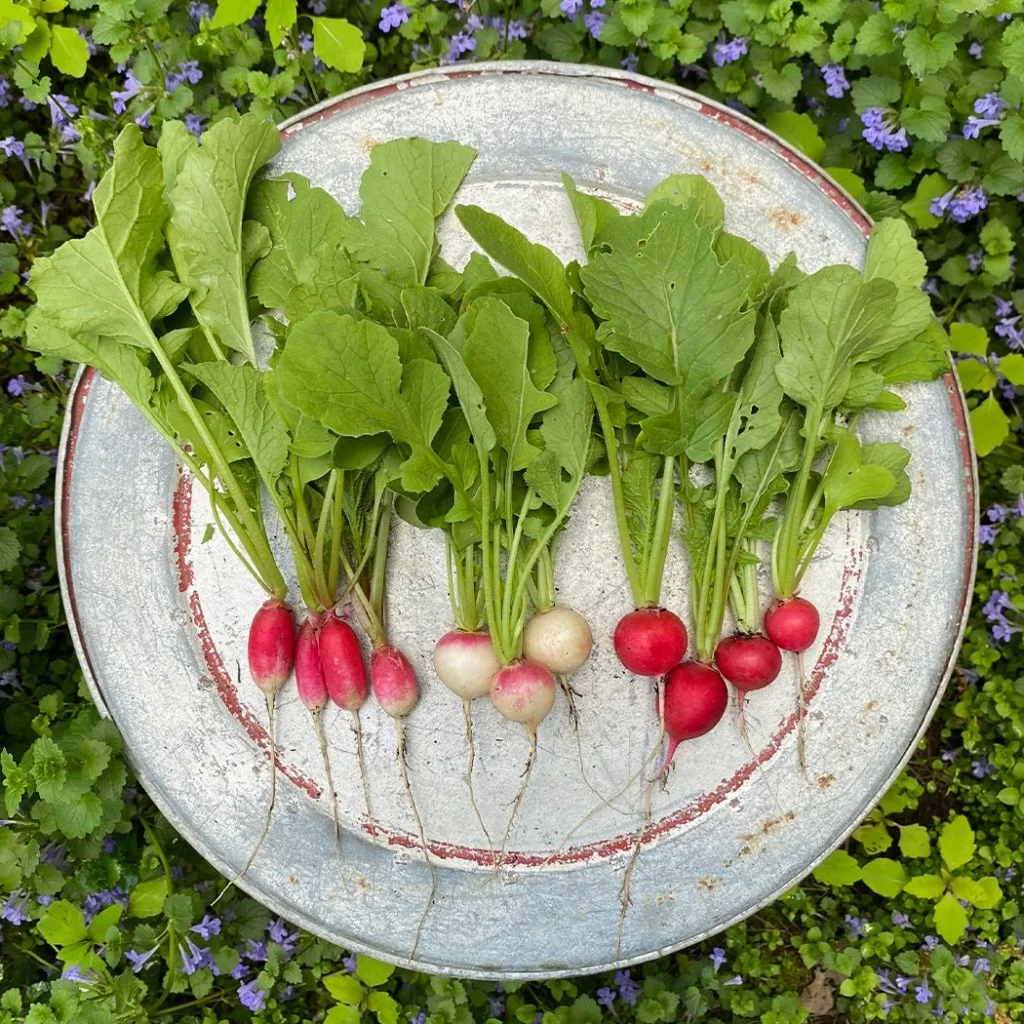
The secret to growing perfect radishes lies in the soil. Radishes are root vegetables, so they need loose, airy soil to expand.
Best Soil Mix for Radish in Pots:
- 40% garden soil
- 30% compost/vermicompost
- 20% cocopeat
- 10% sand (for looseness)
Tips for Perfect Soil:
Avoid heavy clay soil—it prevents root development.
Add compost but avoid too much nitrogen as it promotes leafy growth.
Ensure good drainage to avoid root rot.
Sift the soil to remove stones, sticks, or lumps.
5. Choosing the Right Pot or Container
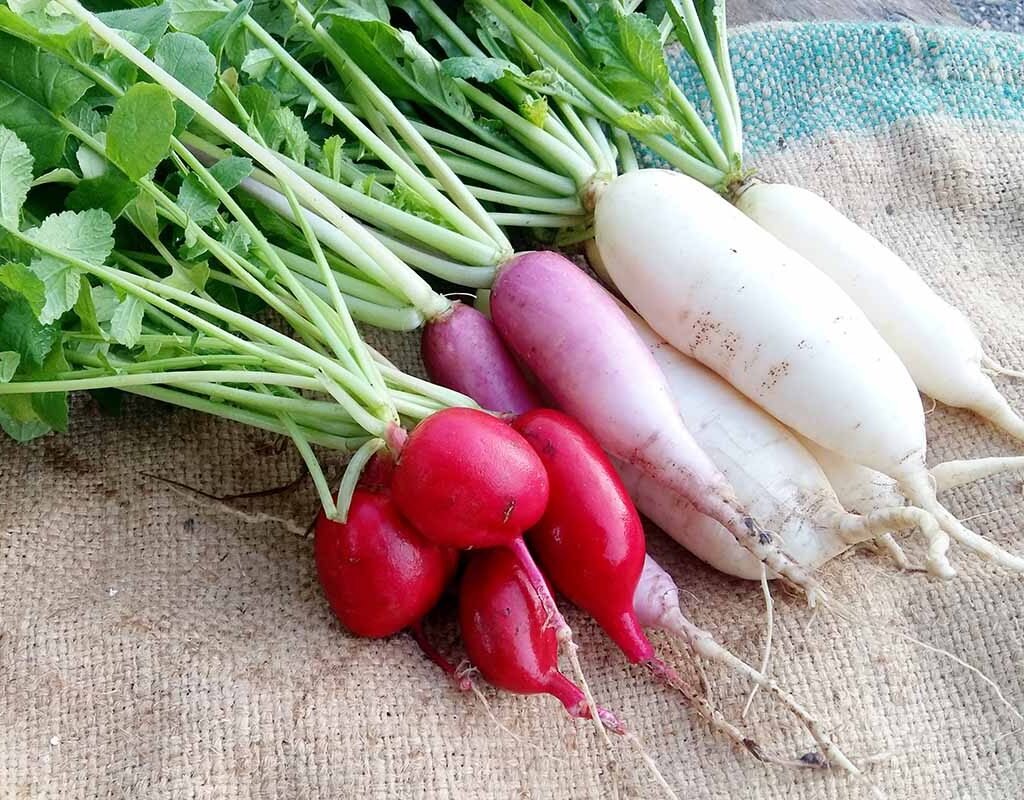
Radish doesn’t require deep pots for round varieties, but long varieties like Daikon need more depth.
Container size guidelines:
- Small, round radishes: 6–8 inches deep pot
- Long radishes (Daikon): 12–18 inch deep container
- Use wide containers to grow more plants in a single pot.
Always choose containers with drainage holes at the bottom.
6. How to Sow Radish Seeds Correctly
Growing radish from seeds is extremely simple.
Step-by-step seed sowing:
- Fill the pot with prepared soil mix.
- Make shallow furrows about ½ inch deep.
- Sow seeds 1 inch apart.
- Cover lightly with soil.
- Water gently using a sprayer.
- Keep the pot in a sunny location.
Germination time:
Radish seeds germinate in 3–5 days in ideal conditions.

Tip:
Do not overcrowd the seeds. Crowding leads to small, deformed radishes.
7. Caring for Radish Plants (Very Low Maintenance)
Radish plants don’t need heavy feeding or constant attention. But a few simple care steps ensure a great harvest.
Watering
Radish needs consistent moisture for crisp roots.
- Water every 1–2 days, depending on weather.
- Never let the soil dry completely.
- Avoid waterlogging.
Thinning the Plants
This is crucial for large, healthy radishes.
- When seedlings are 2–3 inches tall, remove extra plants.
- Maintain 2 inches spacing between each plant.
Fertilizing
Radish doesn’t need heavy fertilization.
- Add a handful of compost after 15 days (only once).
- Avoid nitrogen-rich fertilizers like urea (promotes leaves, not roots).
Mulching
Adding dried leaves or straw on soil surface helps:
- Retain moisture
- Prevent crack formation
- Reduce weeds
8. Common Problems and How to Avoid Them
Even though radish is easy to grow, some issues can arise.
1. Radish grows leaves but no roots
Reason: Too much nitrogen, poor sunlight, overcrowding.
Fix: Increase sunlight, thin plants, avoid nitrogen fertilizers.

2. Cracked radishes
Reason: Irregular watering.
Fix: Keep soil evenly moist.
3. Radishes are too spicy or woody
Reason: Over-maturity or hot weather.
Fix: Harvest on time; grow during cooler months.
4. Pests
Aphids and flea beetles may attack.
Solution:
- Spray neem oil (5 ml per liter) weekly.
- Maintain cleanliness around the pot.
9. Harvesting: The Most Exciting Part!
Radishes grow fast, and it’s easy to know when they’re ready.
How to check readiness:
- Gently move the soil near the base.
- If you see the top of the radish root popping out, it’s ready.
- Round varieties: 25–30 days
- Long varieties: 35–45 days
Harvesting technique:
- Water lightly before harvesting—it loosens the soil.
- Hold the plant base and pull gently upward.
- Wash roots in clean water.
Tip:
Do not leave radishes in soil after maturity—they become woody and lose taste.
10. How to Re-sow for Continuous Harvest
To enjoy radishes all season:
- Sow a new batch of seeds every 10–12 days.
- This ensures a regular supply throughout the winter.
11. Using Homegrown Radishes
Radishes can be used in many delicious ways:

- Fresh salads
- Parathas
- Stir fry
- Pickles
- Soups
- Garnishing
The leaves can be used in Sabzi or Dal—they’re packed with nutrients too!
12. Final Tips for Growing Perfect Radishes
- Grow them in cool months for best flavor.
- Keep soil loose and well-drained.
- Avoid chemical fertilizers.
- Harvest on time.
- Maintain consistent moisture.
Conclusion
Growing radishes at home is one of the most rewarding gardening experiences. They are fast-growing, easy to care for, and require minimal space. With just a pot, some loose soil, and a handful of seeds, you can enjoy fresh, crunchy, home-grown radishes in a few weeks. Whether you’re a beginner or an experienced gardener, radish is a must-have crop in every home garden.

Leave A Comment