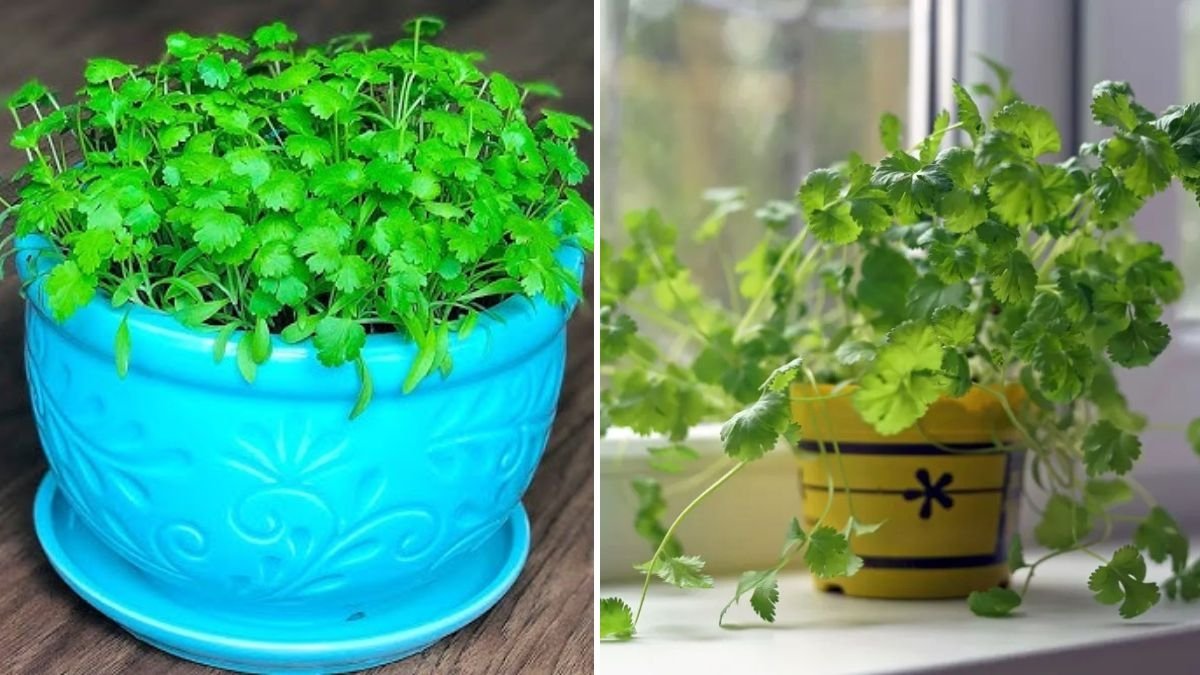
Growing fresh, nutritious greens at home is one of the most satisfying experiences for gardeners, even beginners. What if you could maximize space and harvest two healthy herbs in the same pot? Coriander and spinach are perfect companions—they share similar growing requirements, making them ideal for container gardening. This guide provides step-by-step instructions, tips, and full updates to grow coriander and spinach together successfully in a single pot, ensuring a continuous supply of fresh leaves for your kitchen.
1. Why Grow Coriander and Spinach Together?
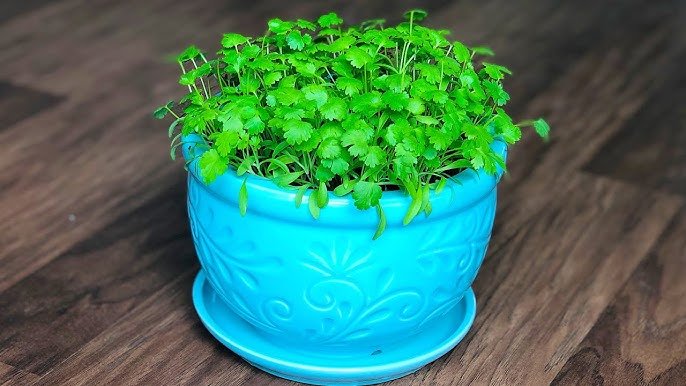
There are several reasons to pair coriander and spinach in one pot:
- Space-saving: Perfect for small gardens, balconies, or windowsills.
- Nutrient synergy: Both plants thrive in nutrient-rich soil and benefit from similar watering and sunlight conditions.
- Continuous harvest: Spinach grows quickly, while coriander takes slightly longer, allowing you to stagger harvesting.
- Fresh, homegrown flavor: Enjoy fresh herbs for salads, soups, smoothies, and garnishes anytime.
Companion planting not only optimizes space but also makes gardening more efficient and enjoyable.
2. Selecting the Right Container
A suitable pot is crucial for healthy growth:
- Size: A pot of at least 12–14 inches in diameter and 8–10 inches deep provides enough space for roots.
- Material: Plastic, clay, or ceramic pots work well, as long as they have proper drainage.
- Drainage: Ensure multiple drainage holes at the bottom to prevent waterlogging.
If you want a long-term supply, consider using a rectangular planter to allow more plants per container.

3. Preparing the Soil
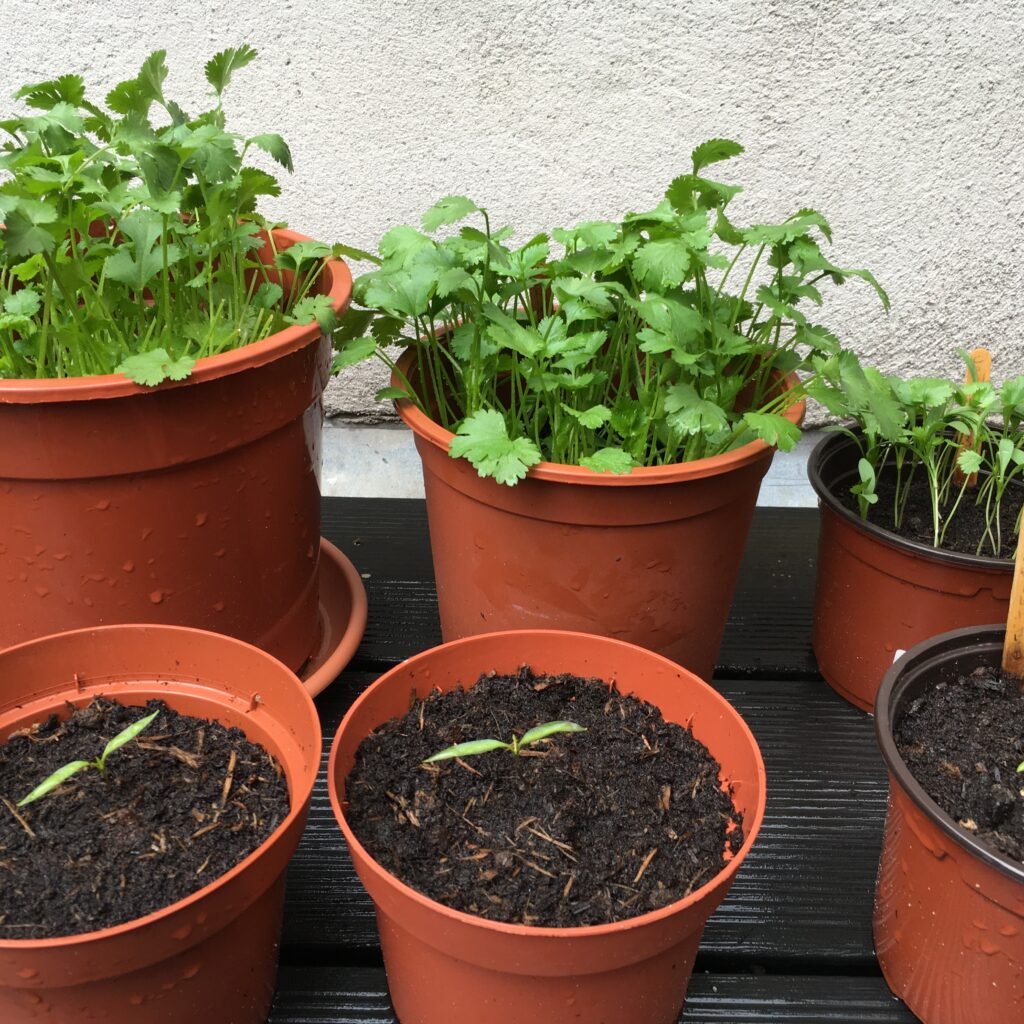
Both coriander and spinach prefer rich, well-draining soil. Here’s what to do:
- Mix: Combine garden soil, compost, and a little sand or perlite for aeration.
- pH level: Aim for a slightly acidic to neutral soil (pH 6.0–7.0).
- Nutrients: Add organic compost or a balanced fertilizer to support rapid leafy growth.
Good soil preparation ensures strong roots and healthy leaves for both plants.
4. Choosing Seeds
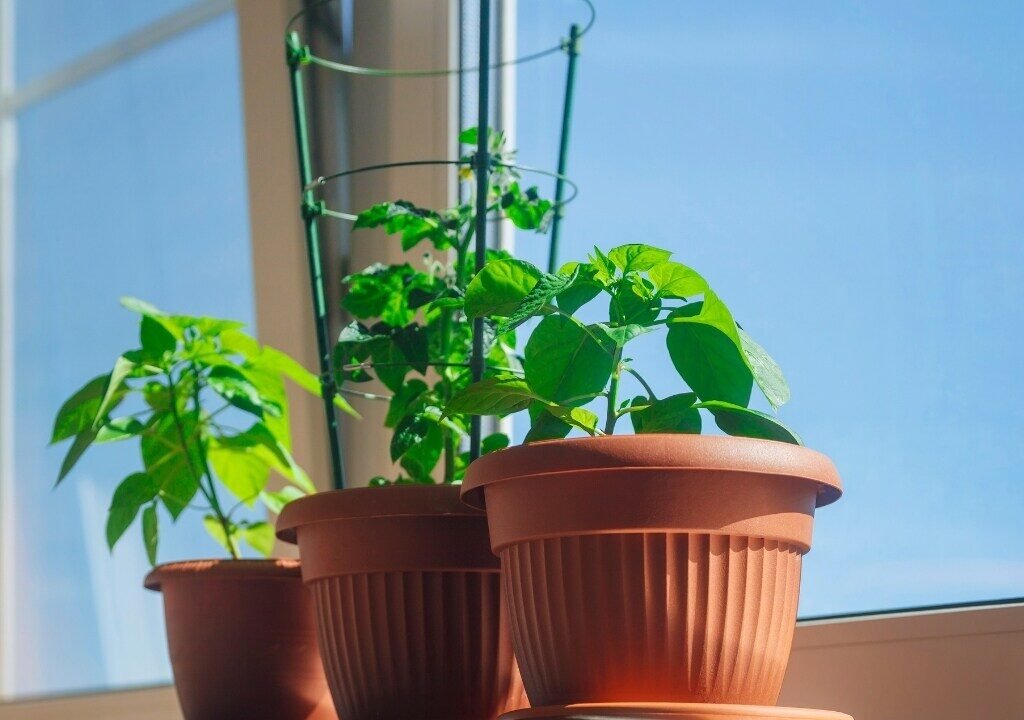
Selecting quality seeds increases the success rate:
- Coriander: Choose fast-growing varieties like ‘Santo’ or ‘Desi’ for abundant leaves and seeds later.
- Spinach: Varieties like ‘Bloomsdale’ or ‘Malabar’ are ideal for container growth.
- Freshness: Always use fresh seeds for better germination rates.
Starting with good seeds ensures healthy seedlings and higher yields.
5. Planting Coriander and Spinach Together
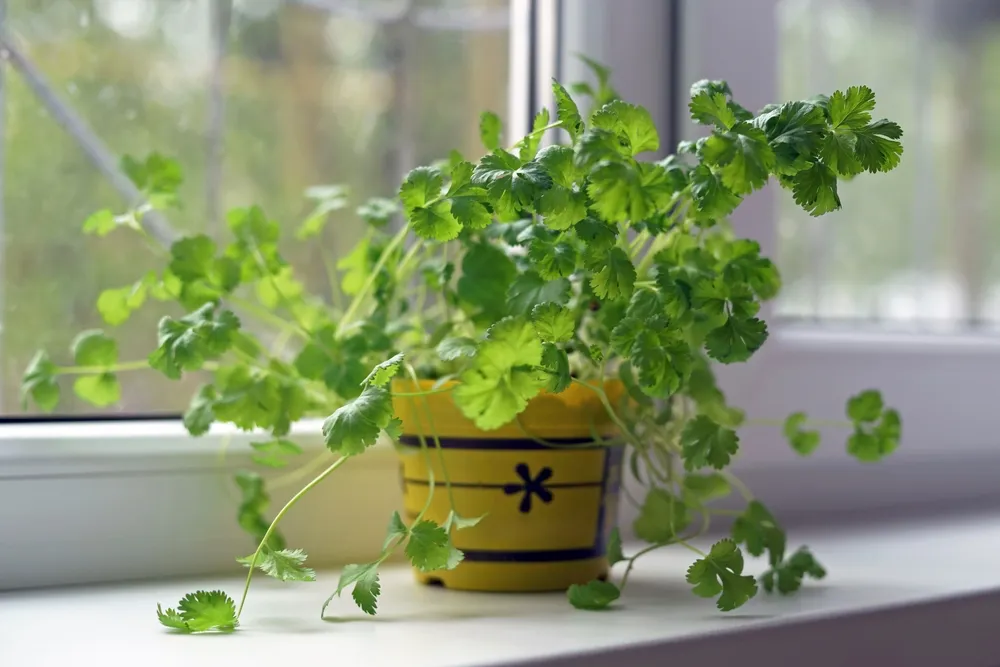
Planting both greens in the same pot requires attention to spacing and depth:

- Sowing depth: Sow coriander seeds about ¼ inch deep and spinach seeds about ½ inch deep.
- Spacing: Maintain 2–3 inches between seeds. If using multiple rows in the pot, leave 4–5 inches between rows.
- Layering: You can sow spinach closer to the edge and coriander in the center to make harvesting easier.
- Watering: Lightly water the soil after sowing to keep it moist.
Both plants germinate quickly under proper conditions—spinach in 7–14 days and coriander in 10–15 days.
6. Light Requirements
Sunlight is essential for leafy growth:
- Coriander: Prefers 4–5 hours of direct sunlight and partial shade in hot climates.
- Spinach: Thrives in 4–6 hours of sunlight but can tolerate partial shade.
- Indoor growth: Place the pot near a bright window or use LED grow lights for 12–16 hours daily.
Adequate light encourages strong, aromatic coriander and tender, nutritious spinach leaves.
7. Watering Tips
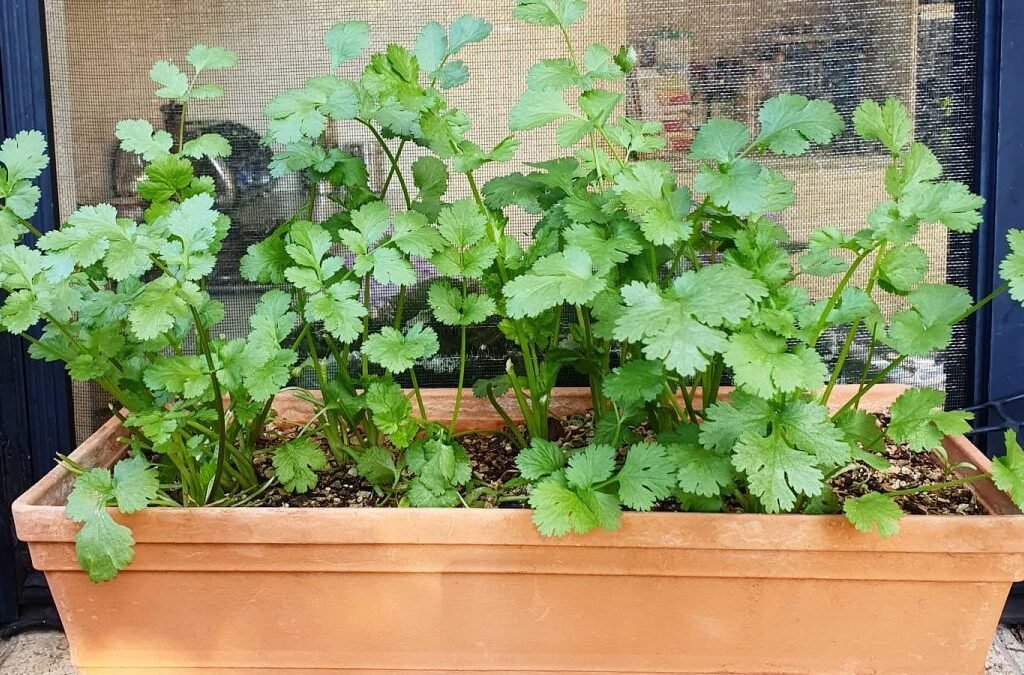
Proper watering is crucial for healthy greens:
- Keep soil moist: Both coriander and spinach prefer consistent moisture, but avoid soggy soil.
- Water at the base: Reduce wetting the leaves to prevent fungal growth.
- Frequency: Water every 1–2 days during warm weather or when the soil feels dry.
Balanced watering ensures fast growth and prevents wilting or yellowing of leaves.

8. Fertilizing Coriander and Spinach
Feeding your plants helps them grow lush and flavorful:
- Organic fertilizer: Use compost, vermicompost, or well-rotted manure every 3–4 weeks.
- Liquid fertilizer: Apply diluted liquid fertilizer once every 2–3 weeks to boost growth.
- Balanced nutrients: Both plants respond well to balanced NPK fertilizers, especially for leafy growth.
Over-fertilizing can lead to excessive foliage but less flavor, so moderation is key.
9. Thinning Seedlings
Once seedlings sprout, thinning ensures each plant has enough space to grow:
- Coriander: Thin to 4–6 inches apart.
- Spinach: Thin to 3–4 inches apart.
- Method: Snip weaker seedlings at soil level instead of pulling to avoid disturbing roots.
Thinning improves airflow, reduces disease risk, and encourages stronger plants.
10. Pest and Disease Management
Even in containers, pests and diseases can affect growth:

- Common pests: Aphids, leaf miners, and slugs. Spray neem oil or soapy water for natural control.
- Diseases: Downy mildew and fungal spots can appear if leaves remain wet. Ensure proper spacing and ventilation.
- Preventive care: Remove damaged leaves promptly and rotate soil annually for disease prevention.
With proper care, coriander and spinach can thrive with minimal pest problems.
11. Harvesting Guidelines
Harvesting at the right time ensures tender and flavorful leaves:
- Spinach: Harvest 4–6 weeks after sowing when leaves are 4–6 inches long. Cut outer leaves first to allow new growth.
- Coriander: Harvest leaves 6–8 weeks after sowing. Snip stems above the soil level, leaving smaller leaves to continue growing.
- Continuous harvest: Regular trimming encourages bushy plants and a steady supply of greens.
Harvesting properly allows you to enjoy fresh, homegrown leaves throughout the growing season.
12. Companion Benefits
Growing coriander and spinach together offers additional advantages:
- Mutual shading: Spinach can provide light shade to coriander in hotter climates, preventing bolting.
- Space efficiency: Maximize small pots or balcony gardens with two crops in one container.
- Soil health: Regular harvesting and organic feeding maintain nutrient balance in the soil.
These companion benefits make growing both plants together highly efficient and rewarding.

13. Tips for Beginners
- Label your pot: Track sowing dates and varieties.
- Rotate locations: Ensure both plants get adequate sunlight and avoid overly hot or cold spots.
- Regular monitoring: Check soil moisture, pests, and diseases frequently.
- Succession planting: Sow new seeds every 2–3 weeks for a continuous supply.
Even beginners can have a thriving pot of greens with consistent care and attention.
Conclusion
Growing coriander and spinach together in the same pot is an ideal solution for beginners and urban gardeners. With the right container, quality soil, proper watering, adequate sunlight, and regular harvesting, you can enjoy fresh, aromatic leaves all year long. This dual planting method not only saves space but also ensures a continuous supply of nutritious, homegrown greens for your kitchen.
By following these full updates and expert tips, your coriander and spinach pot will flourish, providing vibrant greenery and delicious, healthy leaves that elevate your meals. Start your container garden today and experience the joy of harvesting fresh, homegrown greens right at your fingertips!

Leave A Comment