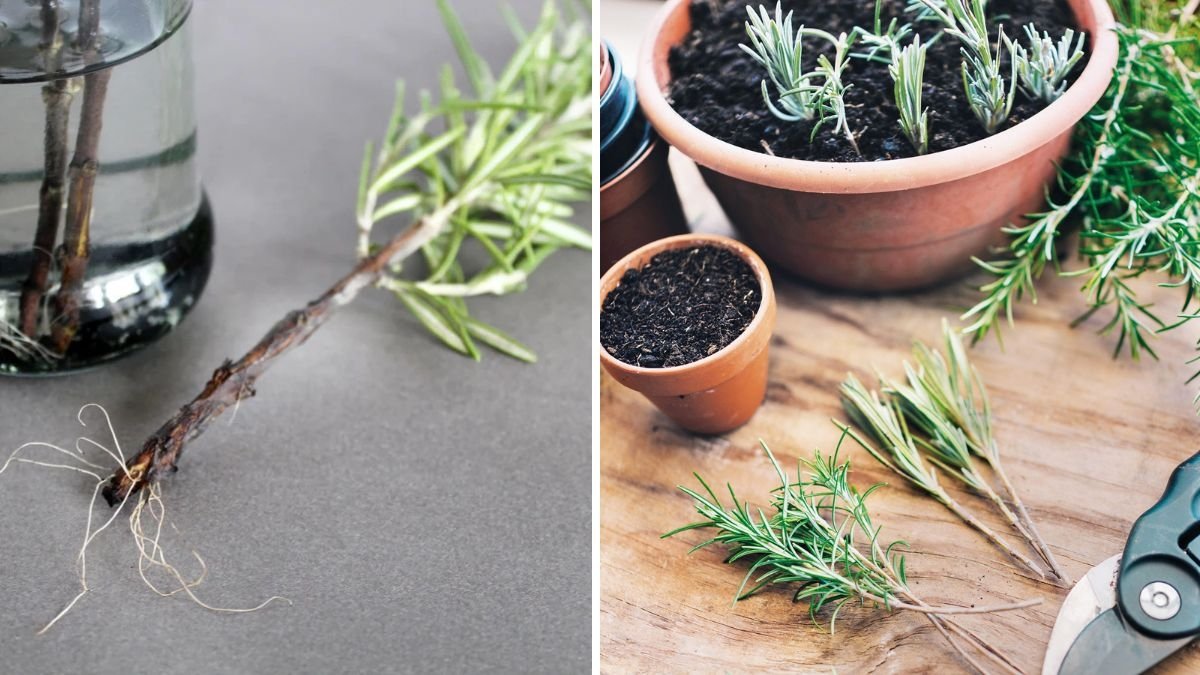
Propagating plants is one of the most exciting parts of gardening. Whether you’re growing indoor plants, succulents, herbs, flowers, or fruit trees, the ability to multiply your plants for free is a huge advantage. Many gardeners use commercial rooting hormones to help cuttings develop strong roots, but these products can sometimes be expensive, synthetic, or hard to find.
But here’s the good news—you can make your own DIY plant rooting powder at home using simple, natural ingredients that are extremely cheap yet surprisingly effective. In this complete 1200-word guide, you’ll learn how to make homemade rooting powder, how to use it, and why it works so well. This natural method boosts success rates and helps cuttings root faster and stronger without chemicals.
Why Use a Rooting Powder?
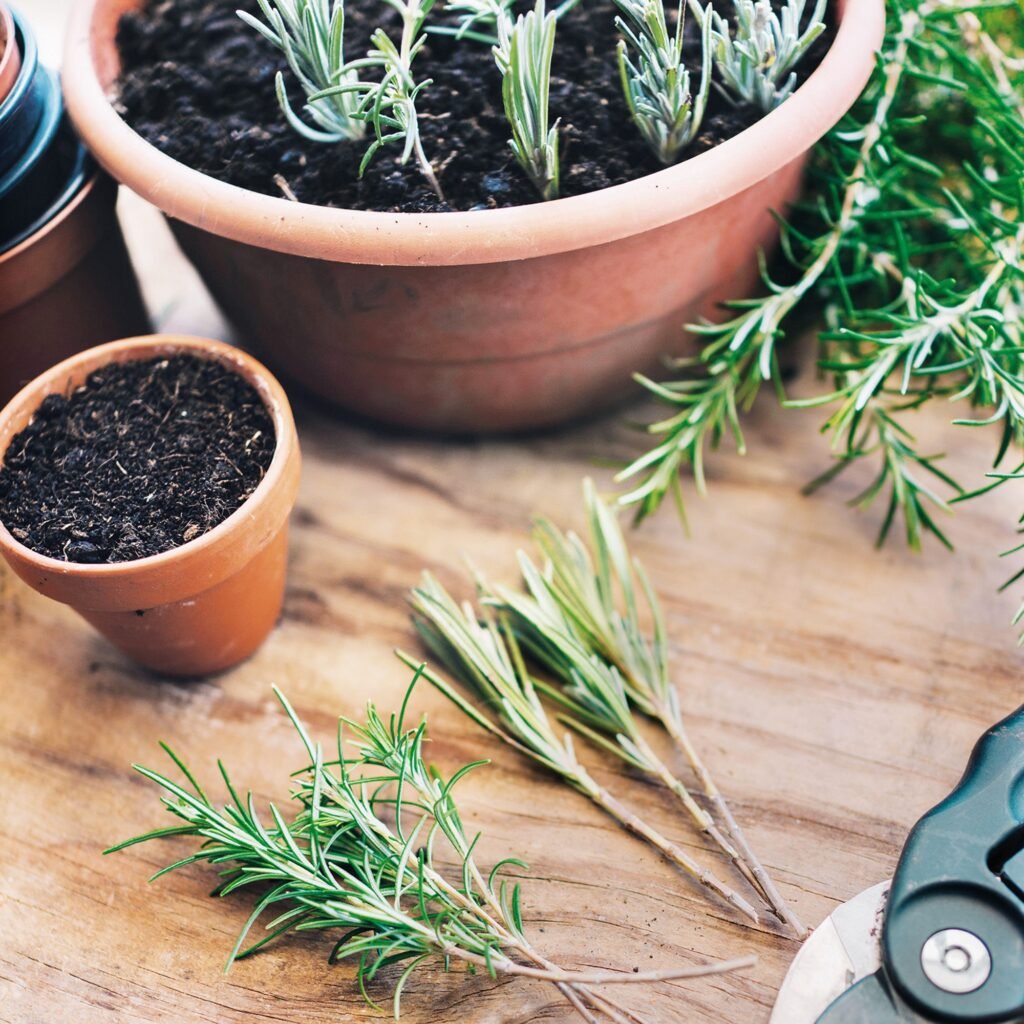
When you take a cutting from a plant, it needs to develop new roots to survive. Some plants root easily, while others struggle. Rooting powders help in many ways:
Stimulates quick root growth
Protects the cutting from fungal infections
Increases the survival rate of new plants
Encourages strong, healthy root development
Helps difficult-to-root plants propagate successfully
Commercial rooting powders usually contain synthetic auxins (rooting hormones). But natural ingredients can provide similar benefits by disinfecting, protecting, and stimulating root cells.
Why Make Your Own Natural Rooting Powder?
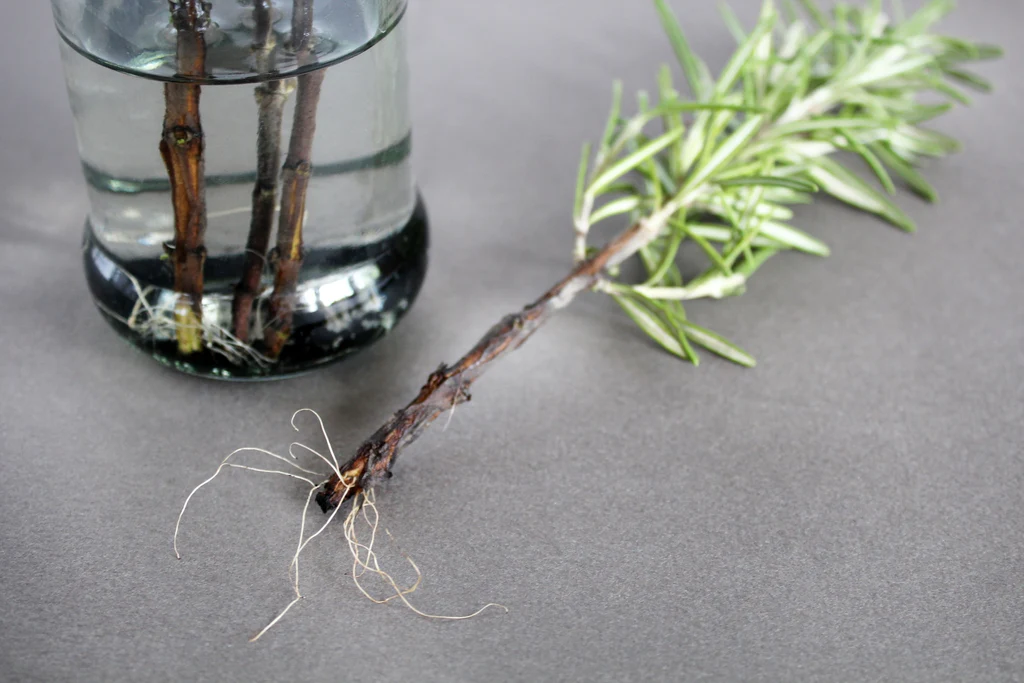
Homemade rooting powder is popular among gardeners for several reasons:
100% natural and chemical-free
Perfect for organic gardening.
Cheap and easily available
All ingredients are already in your kitchen.
Safe for all plants
Houseplants, succulents, woody cuttings, flowers, herbs, fruit plants—everything!

Long shelf life
Your homemade powder can last up to one year if stored properly.
Better for the environment
No plastic packaging or synthetic chemicals.
Let’s dive into how you can make different types of rooting powders that work just as well as commercial products.
3 Best DIY Natural Rooting Powders You Can Make at Home
Below are the three most effective and easy-to-make natural rooting powders. Choose whichever is convenient—the results are amazing!
1. Cinnamon Rooting Powder (Most Popular & Highly Effective)
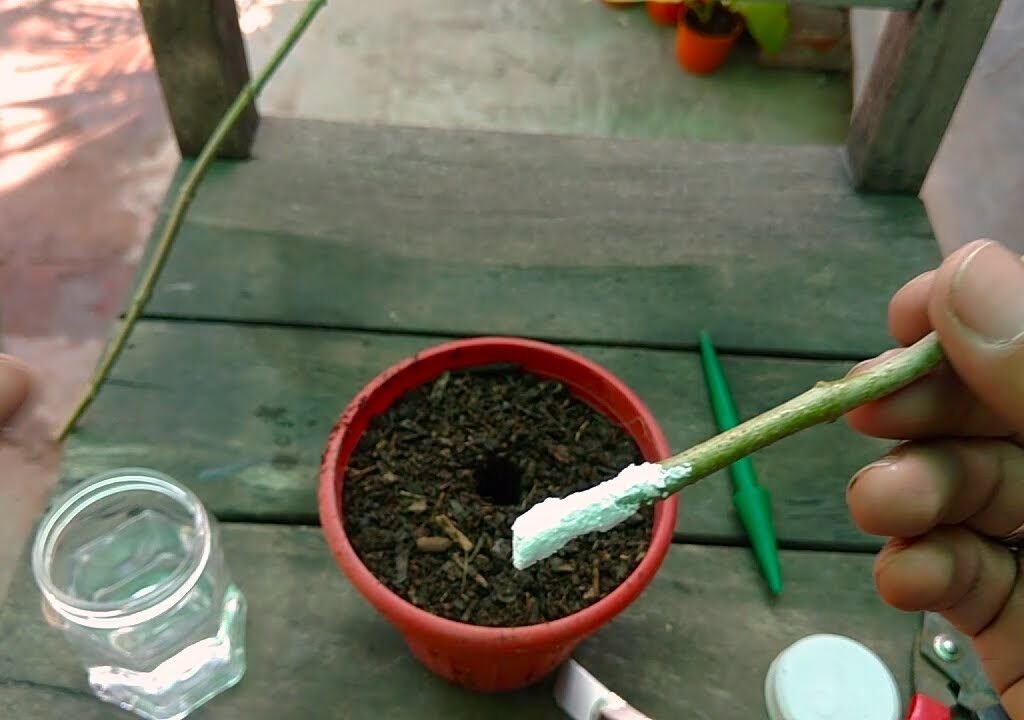
Cinnamon is not just a spice—it’s a powerful natural antifungal agent. It prevents infections and stimulates root formation.
Ingredients Needed
- Ground cinnamon (any type)
How to Make It
- Put 2–3 tablespoons of ground cinnamon in a clean container.
- No mixing or processing needed—it’s ready to use!
How to Use Cinnamon as Rooting Powder
- Dip the cutting’s end in water.
- Roll it in powdered cinnamon.
- Shake off extra powder.
- Plant the cutting immediately in soil or cocopeat.
Why Cinnamon Works
- Prevents fungal diseases
- Speeds up callus formation
- Helps root cells multiply
- Safe for all plants
Cinnamon is the best and easiest rooting powder for beginners.
2. Turmeric Rooting Powder (Anti-Rot & Anti-Fungal Hero)
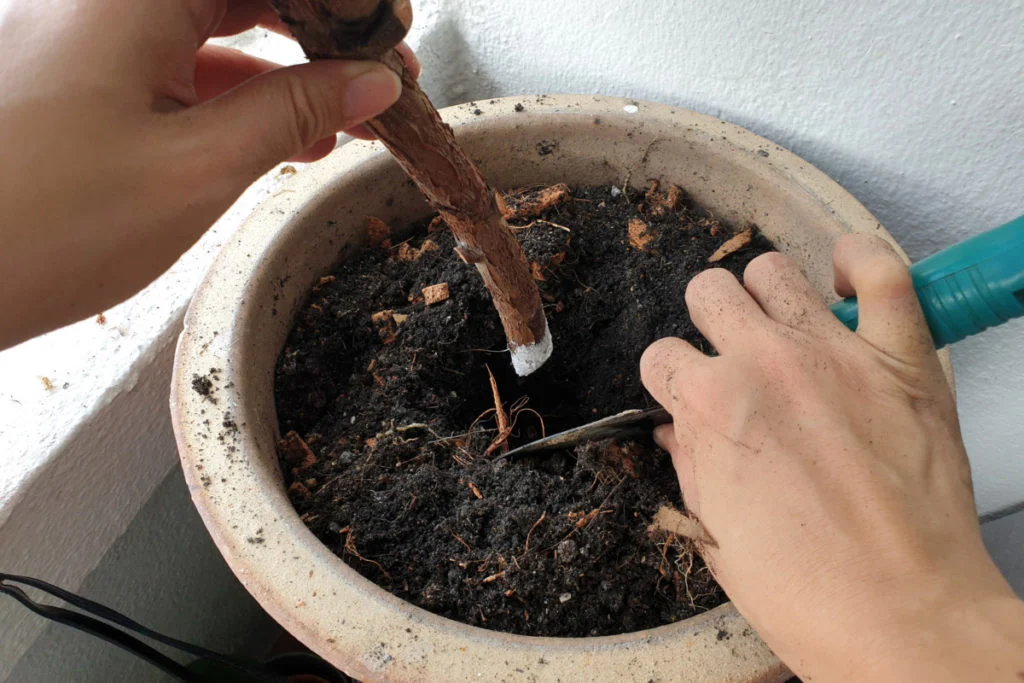
Turmeric contains curcumin, known for strong antiseptic properties. It keeps cuttings healthy and prevents decay.
Ingredients
- Ground turmeric powder
How to Make It
- Add 2 tablespoons of turmeric in a clean glass jar.
- Close the lid tightly.
- Your rooting powder is ready in seconds.
How to Use Turmeric
- Dip cutting in water.
- Touch it lightly in turmeric powder.
- Plant in moist soil or potting mix.
Benefits
- Prevents root rot
- Keeps pests and fungi away
- Excellent for soft-stem cuttings like mint, coleus, basil
Turmeric is particularly helpful in humid climates where fungal infections are common.

3. Willow Bark Rooting Powder (Contains Natural Rooting Hormones)
Willow bark (from willow trees) naturally contains salicylic acid and indolebutyric acid (IBA)—the same hormones found in commercial rooting gels.
If you want the strongest natural hormone-based rooting powder, this one is for you.
What You Need
- Small twigs of willow tree
- Knife
- Sunlight or oven
- Grinder/blender
How to Prepare It
- Collect thin green willow branches (finger-width).
- Peel the bark from the branches.
- Dry the bark under sunlight for 2–3 days.
- Once fully dry, grind into fine powder.
- Store in airtight container.
How to Use Willow Bark Powder
- Simply dip the cut end of the cutting in the powder.
- Plant it immediately.
Why Willow Bark Is Amazing
- Natural source of IBA (rooting hormone)
- Enhances fast and strong root growth
- Great for hard-to-root plants like roses, bougainvillea, hibiscus
If you don’t have a willow tree nearby, cinnamon or turmeric works perfectly fine.
How to Use Homemade Rooting Powder Properly
Even the best rooting powder won’t work unless used correctly. Follow these steps for maximum success:
Step 1: Take Healthy Cuttings
- Choose a disease-free stem
- 4–6 inches long
- At least 2–3 leaf nodes
Step 2: Make a Clean Cut
- Cut at a 45-degree angle for maximum surface area.
Step 3: Dip into Water First
- This helps the powder stick to the stem.
Step 4: Coat with Rooting Powder
- Dip only the cut end.
- Shake off extra powder.
Step 5: Plant in Moist Soil
- Use well-draining soil or cocopeat.
- Avoid planting too deep.
Step 6: Provide Proper Care
- Keep the plant in bright, indirect light.
- Maintain humidity.
- Do not overwater.
Within 2–4 weeks, you’ll notice new roots developing.
Which Plants Can You Propagate Using Homemade Rooting Powder?
Your DIY rooting powder works for almost all plants, such as:
Indoor Plants
Pothos
Snake plant
ZZ plant
Dieffenbachia
Spider plant
Outdoor Plants
Rose
Hibiscus
Jasmine
Bougainvillea
Oleander

Herbs
Mint
Basil
Rosemary
Thyme
Succulents
Jade
Echeveria
Aloe (cuttings only)
Fruit & Flowering Shrubs
Lemon
Guava
Mulberry
Chili
Peperomia
Natural rooting powders work safely and effectively on every variety.
Tips to Improve Rooting Success
Here are expert-level tips to increase your propagation success rate:
Keep Soil Slightly Moist
Never let it dry out completely.
Provide Bright Indirect Sunlight
Direct sun can stress freshly planted cuttings.
High Humidity Speeds Rooting
You can cover the cutting with:

- A plastic bottle dome
- A clear plastic bag
to maintain moisture.
Remove Extra Leaves
Too many leaves cause dehydration.
Be Patient
Some plants take 3–6 weeks to root. Woody plants may take even longer.
Use Clean Tools
Dirty scissors spread diseases.
How to Store Your Homemade Rooting Powder
To keep your powder effective for months:
- Store in an airtight glass container
- Keep in a cool, dry place
- Avoid moisture exposure
- Do not dip cuttings directly into the jar (use a spoon)
Stored properly, your rooting powder can last up to 12 months.
Frequently Asked Questions
1. Can we mix cinnamon and turmeric together?
Yes, mixing both increases antifungal protection. Many gardeners use a 50-50 mix.
2. Does this work as fast as commercial rooting hormone?
Natural rooting powders may take slightly longer, but they are very effective, safe, and cheap.
3. Can I use these powders on water propagations?
No. Rooting powders wash off in water. They are only for soil-based propagation.

4. Why are my cuttings rotting?
You might be:
- overwatering
- using heavy soil
- exposing cuttings to direct sunlight
Try using cocopeat and keep moisture balanced.
Conclusion
Making your own DIY natural rooting powder is one of the simplest and most useful tricks every gardener should know. Not only is it cheap, organic, and safe for all plant types, but it also helps your cuttings root faster and healthier. Whether you choose cinnamon, turmeric, or willow bark, each method is effective and beginner-friendly.
With this homemade rooting powder, your garden will grow faster, fuller, and more beautiful—without spending a single extra rupee!

Leave A Comment