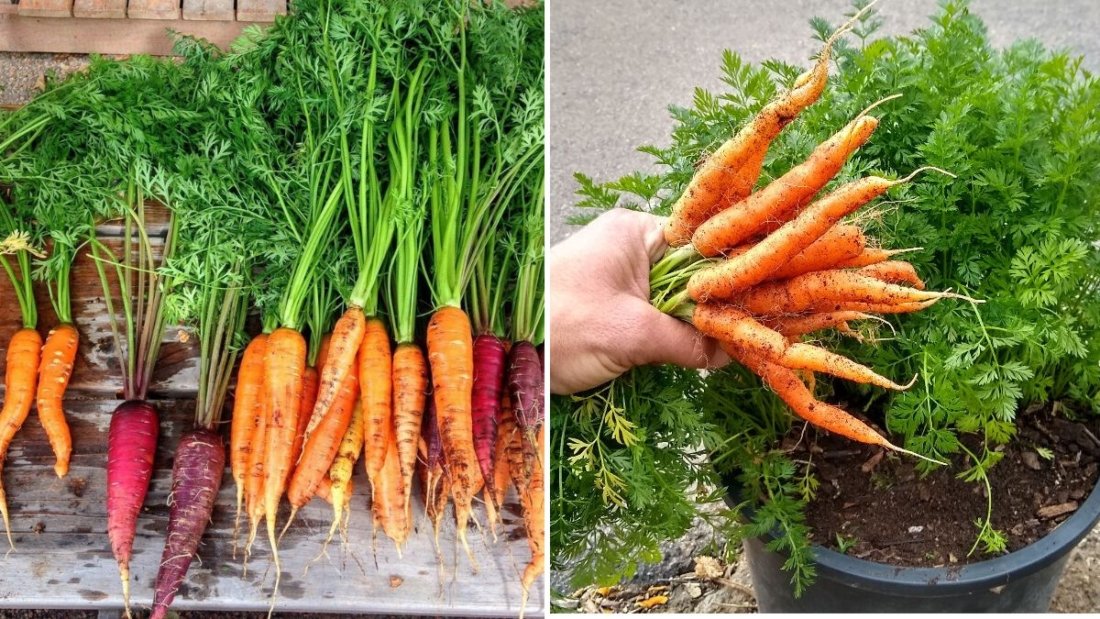
How to Grow Carrots in Deep Pots with Loose Soil (A Complete Step-by-Step Guide for Beginners)

How to Grow Carrots in Deep Pots with Loose Soil (A Complete Step-by-Step Guide for Beginners)

Growing carrots at home is easier than most people think—especially if you use deep pots and loose, well-draining soil. Carrots don’t need garden beds or large outdoor spaces. In fact, container-grown carrots often turn out straighter, sweeter, and more tender because you can control the soil quality and moisture far better than in the ground.

If you’ve ever struggled with short, cracked, forked, or deformed carrots, this guide will show you exactly how to grow perfect ones using deep pots and loose soil. Whether you’re gardening on a balcony, terrace, patio, or even a sunny window, this method ensures consistent results.

Let’s dive into the complete 1200-word guide.


Why Grow Carrots in Deep Pots with Loose Soil?
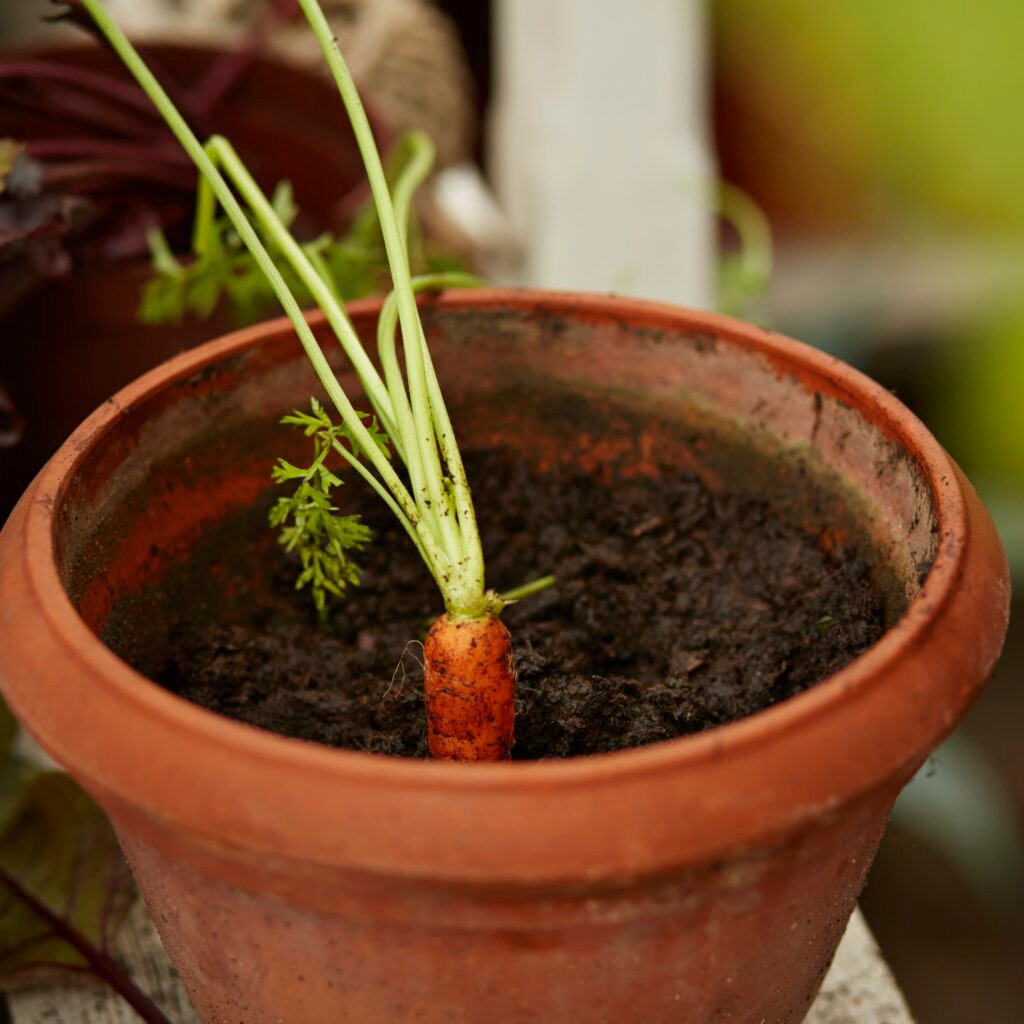
Growing carrots in containers offers several advantages—especially for urban gardeners or those with limited outdoor space.

1. Prevents Deformed Carrots

Most carrot deformities come from compact soil. Pots filled with loose soil help carrots grow long and straight.

2. Easy Soil Control

No stones, clay, or hard patches—just the perfect texture for smooth roots.

3. Fewer Pests and Diseases

Soil-borne carrot pests like carrot flies are far less common in container gardening.

4. Space Efficient

You only need a deep pot, a corner with sunlight, and good care.

5. All-Season Possibility

Carrots tolerate cool temperatures and grow well year-round depending on the variety.


Choosing the Right Pot for Growing Carrots
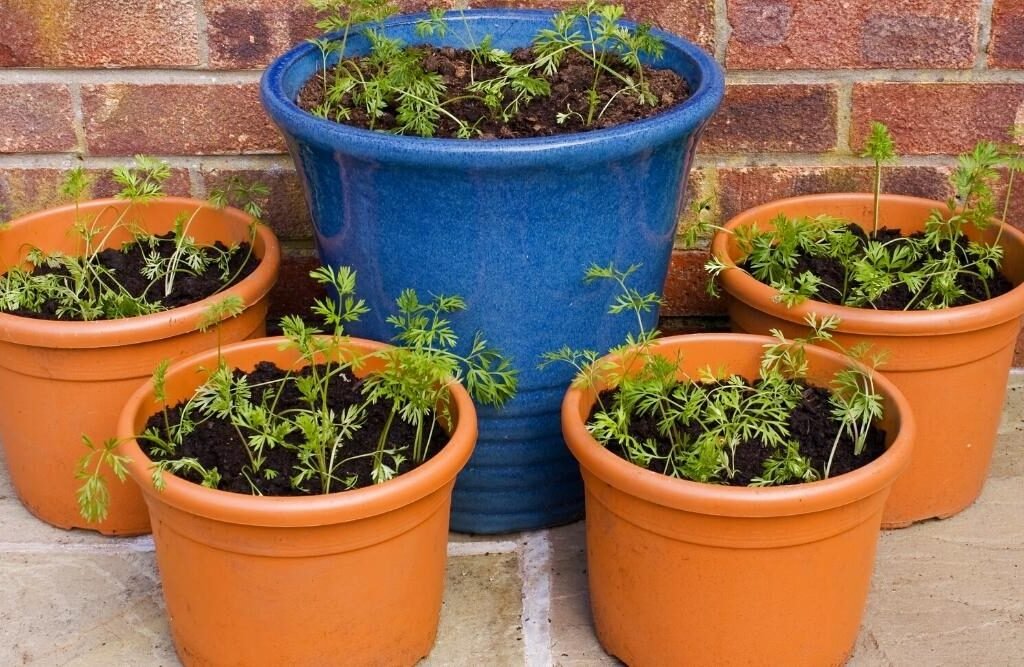
Carrots come in different sizes, so the pot depth depends on the variety you choose.

Ideal Pot Size

  • Depth: 12–14 inches minimum
  • Width: 10–12 inches
  • Drainage: At least 5–6 holes

Deep pots are essential because carrot roots elongate quickly. If the pot is too shallow, your carrots will become stunted or twisted.

Best Container Types

  • Fabric grow bags (excellent aeration)
  • Plastic pots (lightweight & affordable)
  • Wooden boxes (sturdy and spacious)
  • Vertical planters designed for root vegetables

Avoid clay pots unless you’re in a cool climate because they dry out quickly.


Selecting the Best Carrot Varieties for Pots
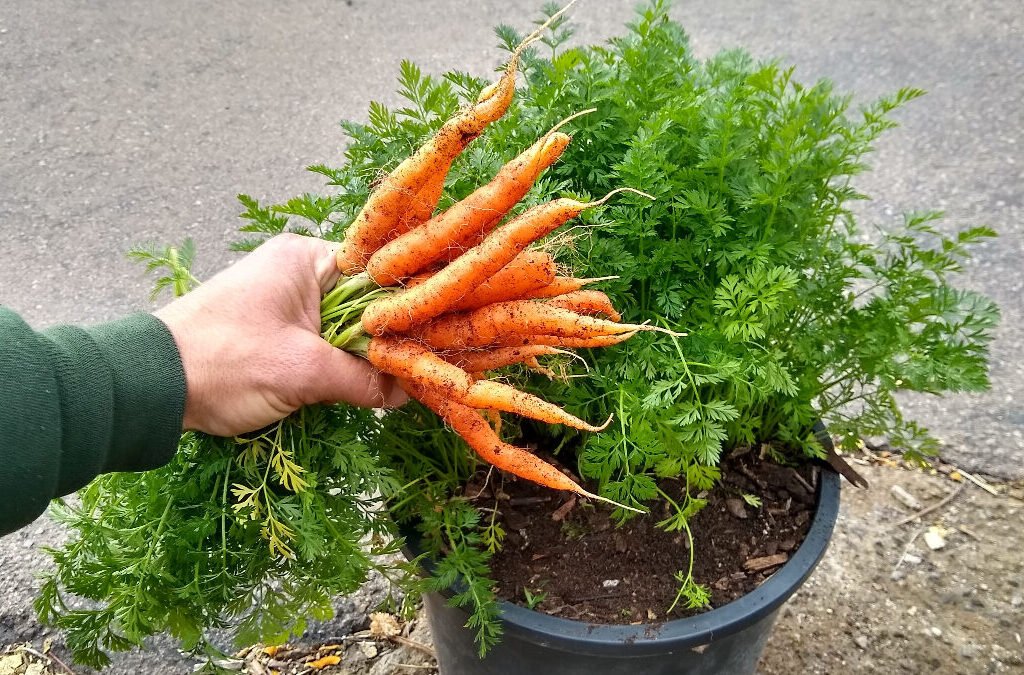
Some carrot varieties are more container-friendly than others.

Long Varieties (Ideal for Deep Pots)

  • Nantes
  • Danvers
  • Imperator
  • Sugarsnax 54

Short Varieties (Work in Smaller Pots Too)

  • Thumbelina (Round carrots)
  • Chantenay
  • Parisian Market

If you have a pot deeper than 12 inches, go for Nantes or Imperator—they grow beautifully long and sweet.


Creating the Perfect Loose Soil for Carrots
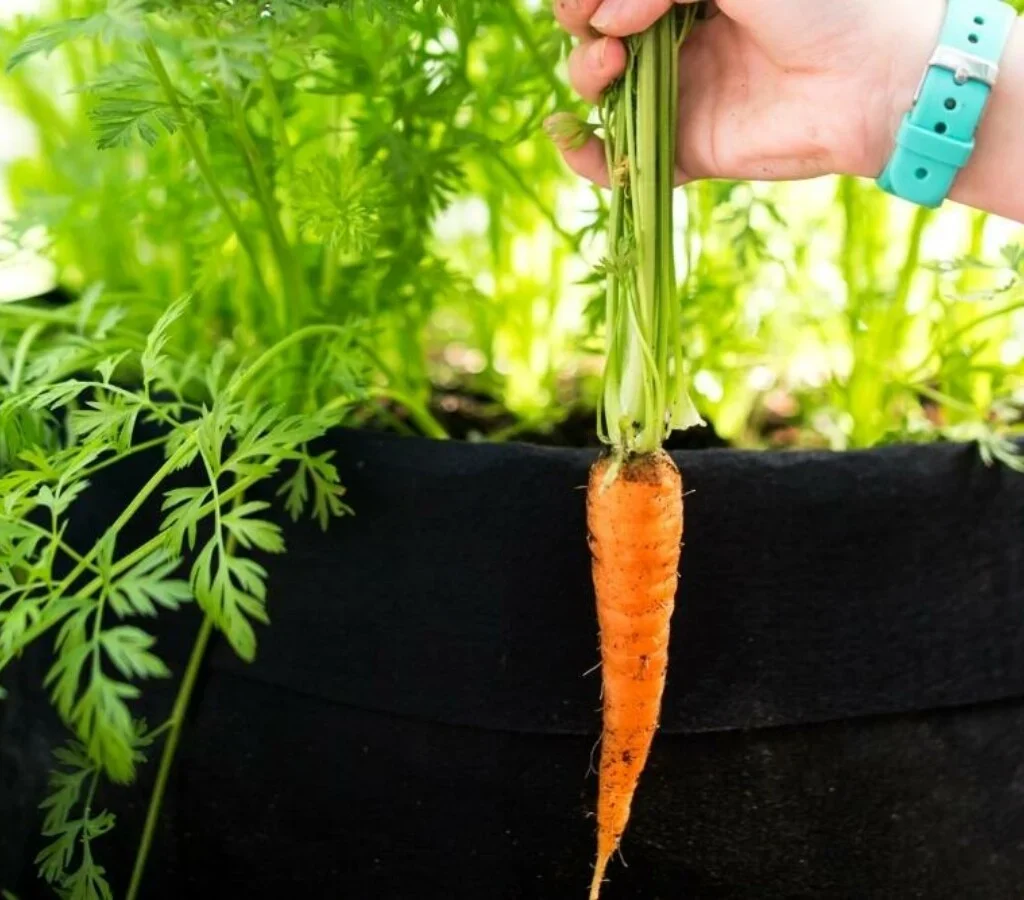
Loose soil is the secret to growing beautiful, flavorful carrots. Dense or heavy soil blocks the growth of carrot roots, forcing them to split or fork.

Ideal Soil Texture

  • Light
  • Airy
  • Fine
  • Loose
  • Well-draining

Best Potting Mix Recipe for Carrots

Mix the following:

  • 40% sandy soil or coarse sand
  • 40% coco peat or peat moss
  • 20% compost (well-rotted, fine-textured)

Tips

  • Avoid manure-rich soil—it can cause hairy roots.
  • Remove stones or lumps.
  • Compost should be fully decomposed.
  • Soil pH should be between 6.0–6.8.

The more crumble-textured the soil is, the straighter your carrots will grow.


Planting Carrot Seeds Correctly
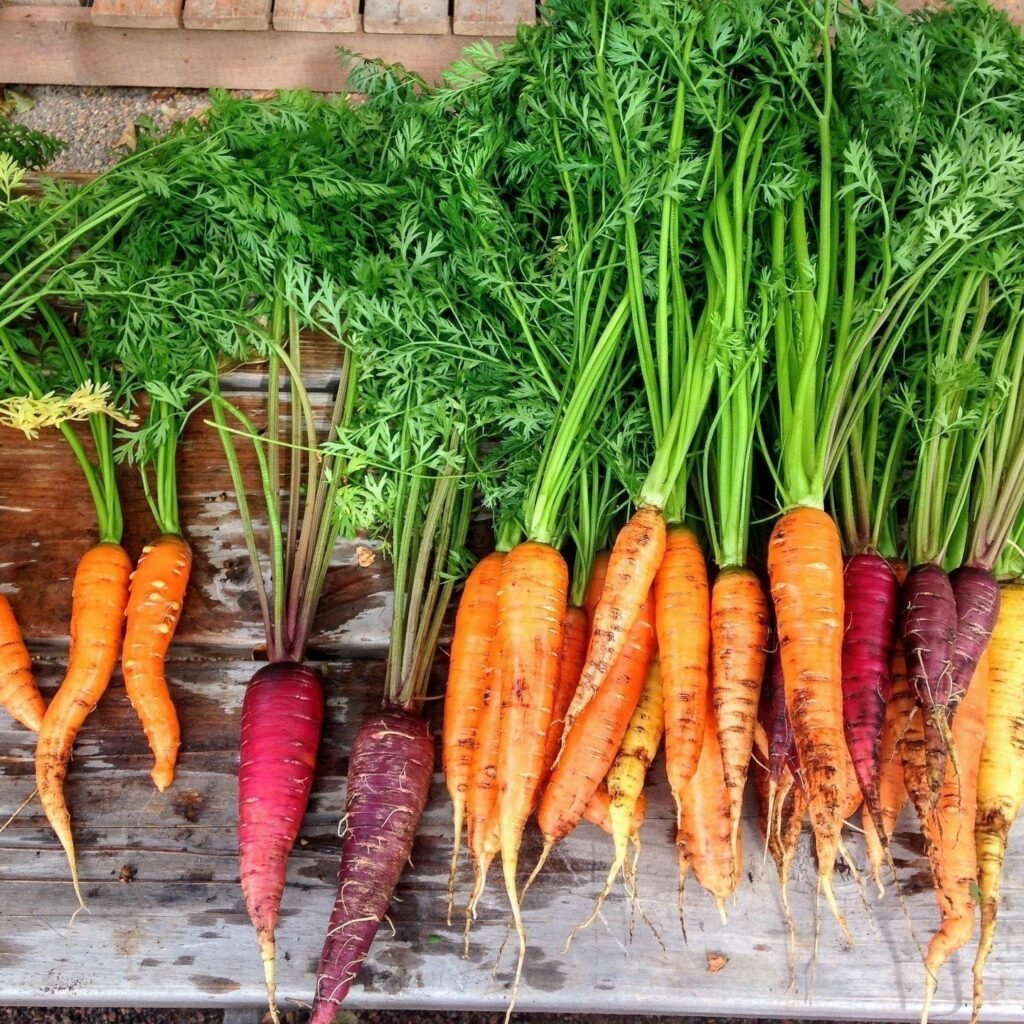
Carrots should always be grown from seed—not transplants. Transplanting damages the long taproot and causes deformities.

How to Plant Carrot Seeds

  1. Fill the pot with your loose soil mix.
  2. Lightly moisten the soil before sowing.
  3. Sprinkle the seeds evenly on the surface.
  4. Cover with a very thin layer of soil—about ¼ inch.
  5. Mist with water (don’t pour directly).
  6. Cover the pot with a thin sheet of newspaper to retain moisture.

Germination Time

Carrot seeds take 10–20 days to sprout. Be patient—they are slow starters!

Important

Carrot seeds need consistently moist soil during germination. Never let the top layer dry out completely.


Light Requirements for Carrot Plants

Carrots need sunlight for strong, healthy foliage, which in turn feeds the root.

Light Needs

  • 6 hours of full sunlight is ideal
  • They can tolerate partial shade
  • Morning sun is best; avoid harsh mid-day heat in hot climates

If indoors, place them near a bright window or use a grow light for 8–10 hours daily.


Watering Carrots in Pots (The Right Way)

Watering carrots requires balance: too much water causes rot; too little stunts growth.

Watering Tips

  • Keep soil evenly moist—not soggy
  • Water deeply to encourage root growth
  • Reduce watering slightly once roots start forming (after 3–4 weeks)
  • Never let the soil completely dry out

Best Watering Method

Use a watering can with a fine spout or a drip system to avoid washing out the seeds or disturbing loose soil.


Thinning: The Most Important Step for Perfect Carrots

Carrots must be thinned to avoid overcrowding. If they grow too close together, they become thin, crooked, or severely deformed.

When to Thin

  • When seedlings reach 2 inches tall
  • Thin to 2 inches apart for long varieties
  • Thin to 1 inch apart for short or round varieties

Be gentle—pull out the weaker seedlings and leave the strongest ones.


Fertilizing Carrots in Pots

Carrots don’t need heavy feeding. Too much nitrogen causes lush leaves but small roots.

Best Fertilizers

Use low-nitrogen fertilizers such as:

  • Seaweed extract
  • Wood ash (very lightly)
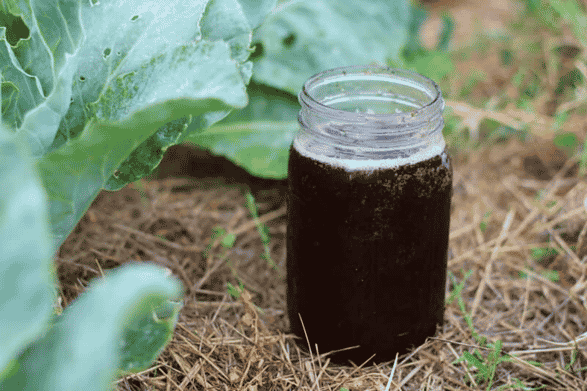
  • Compost tea (once a month)
  • Vermicompost (very small amounts)

Avoid chemical fertilizers unless you know the nutrient ratio. Choose NPK ratios like 5-10-10 or low nitrogen blends for root vegetables.


Caring for Growing Carrot Plants

Here’s how to keep your carrots healthy throughout the growing cycle:

1. Mulch Lightly

A thin layer of mulch:

  • Keeps soil moist
  • Prevents cracking
  • Stops carrot tops from turning green

Use straw, dried leaves, or coco mulching.

2. Rotate the Pot

If sunlight hits one side stronger, rotate the pot every few days to keep foliage even.

3. Watch for Pests

Carrot pots rarely get pests, but:

  • Aphids
  • Spider mites
  • Caterpillars

can appear.

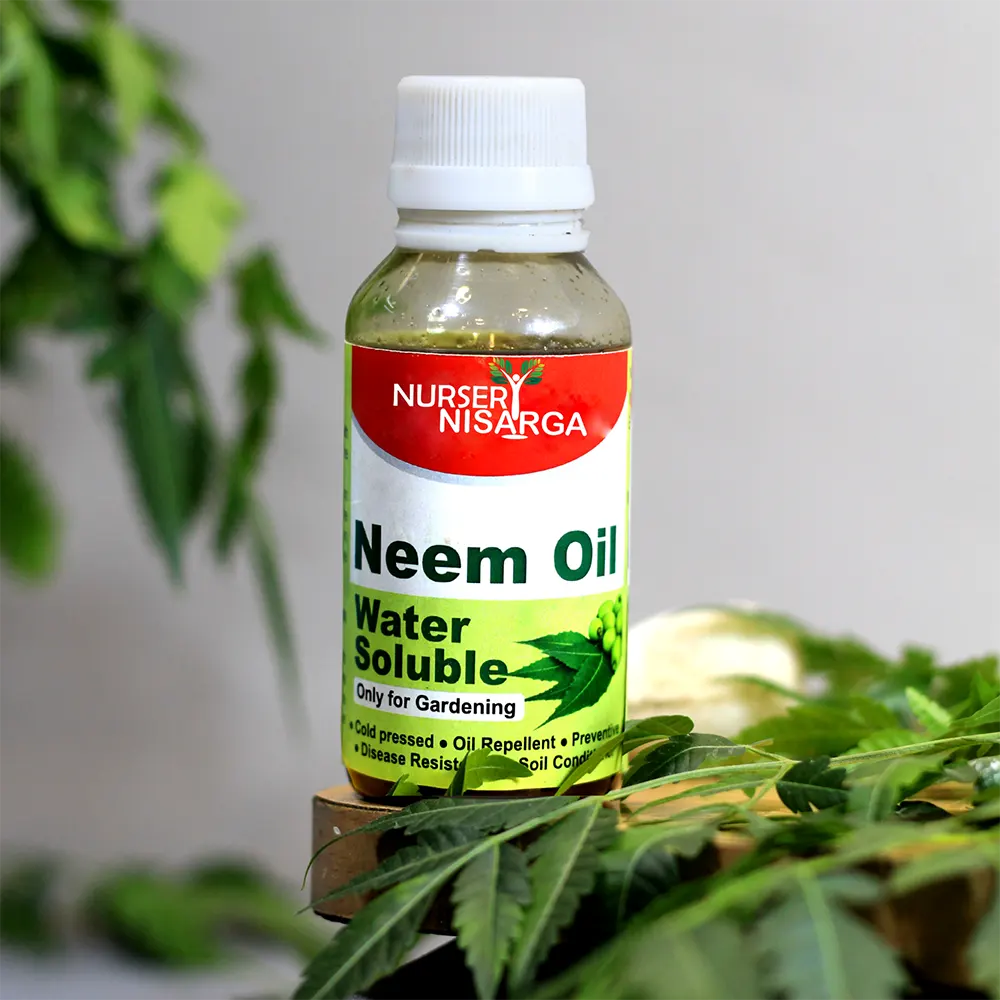
Use neem oil spray weekly as a preventive measure.

4. Avoid Root Disturbance

Do not poke or dig around the soil once carrots start forming roots.


How to Know When Carrots Are Ready to Harvest

Carrots are usually ready in 65–80 days, depending on the variety.

Signs of Maturity

  • Tops (shoulders) appear above the soil
  • Diameter looks 1–1.5 inches
  • Leaves are lush and green
  • Variety-specific harvest window has passed

How to Harvest

  1. Water the pot lightly to soften soil.
  2. Hold the carrot at the base of the leaves.
  3. Pull straight upward with gentle pressure.
  4. Brush off excess soil—don’t wash until use.

Harvesting too late can result in woody, tough carrots.


Common Problems When Growing Carrots in Containers

1. Forked Carrots

Caused by:

  • Hard soil
  • Fresh manure
  • Stones
  • Inconsistent watering

2. Cracked Carrots

Due to:

  • Irregular watering
  • Sudden heavy rainfall

3. Small Carrots

Happens when:

  • Not thinned properly
  • Too little sunlight
  • Poor soil depth

4. Carrot Tops Turning Green

Caused by:

  • Exposure to sunlight
    Fix by mulching over exposed roots.

Tips for Growing Perfect Carrots in Deep Pots

Use deep pots (12–14 inches minimum)
Keep soil loose, sandy, and stone-free
Water consistently, especially during germination
Thin seedlings for proper spacing
Provide at least 5–6 hours of sunlight
Avoid nitrogen-heavy fertilizers
Remove weeds or competing plants
Harvest at the right time

When done correctly, you’ll get beautifully shaped, sweet, tender carrots every time.


Final Thoughts

Growing carrots in deep pots with loose soil is a rewarding, beginner-friendly gardening project that works beautifully in small urban spaces. With the right soil texture, proper depth, consistent watering, and good care, you can harvest perfect, long, and delicious carrots right from your balcony or terrace.

The beauty of container-grown carrots lies in complete control over the soil and environment—something traditional gardens often struggle with. Once you try growing carrots this way, you may never go back to ground planting!
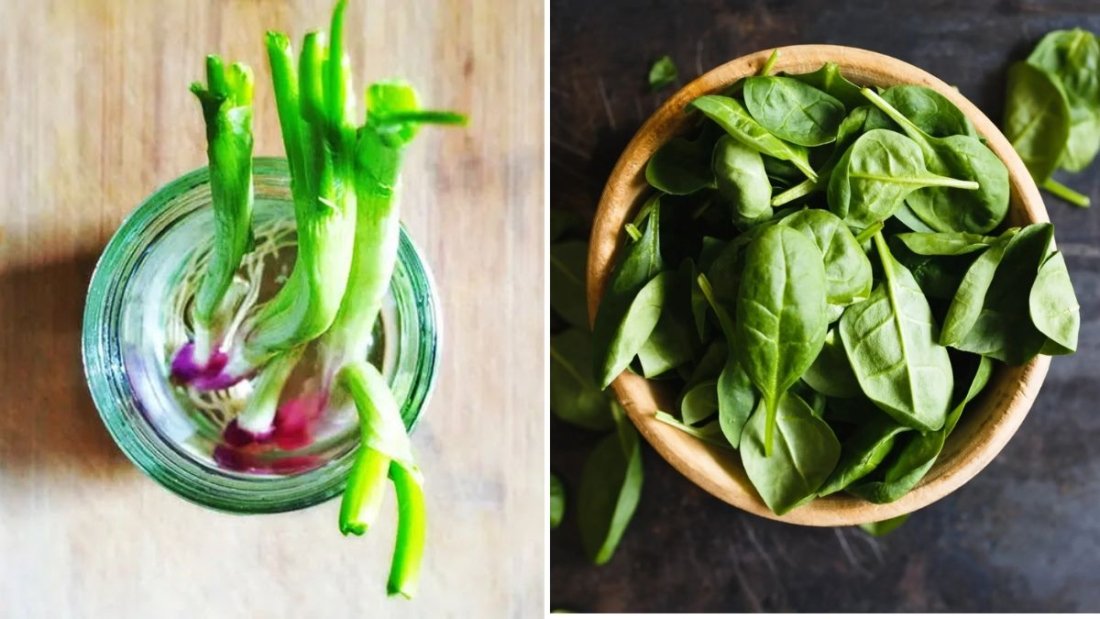
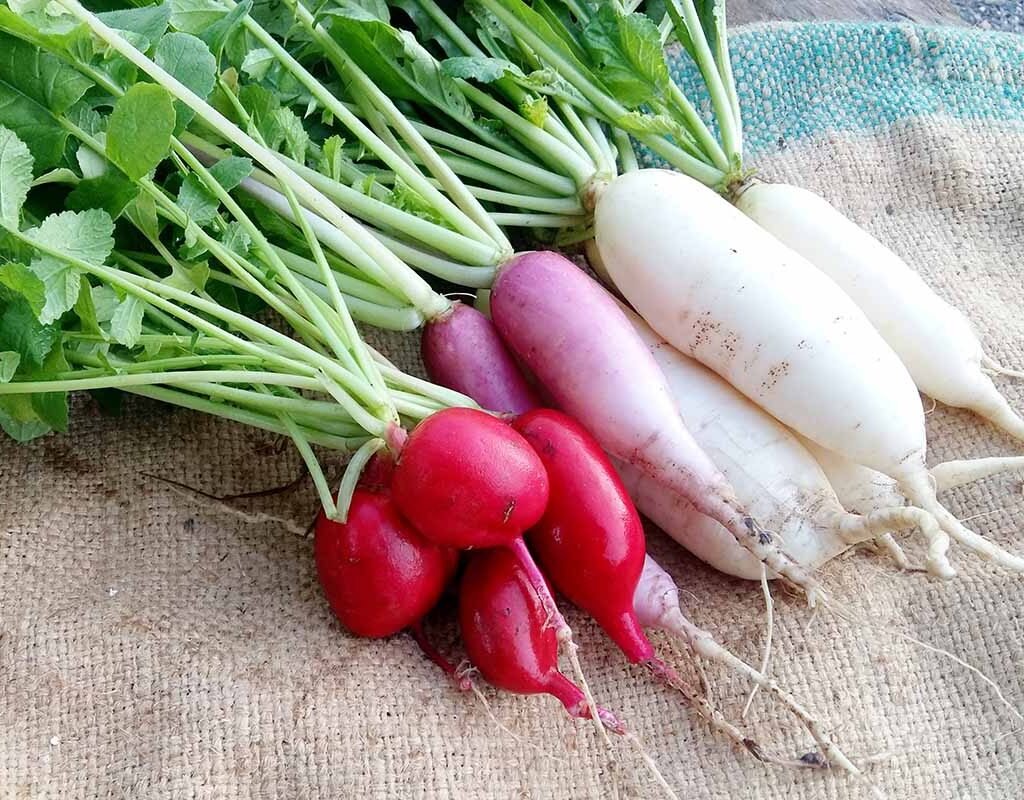
7 Fast-Growing Vegetables for Small Urban Spaces

7 Fast-Growing Vegetables for Small Urban Spaces

Living in a small urban space doesn’t mean you have to give up the idea of growing your own food. Even with limited sunlight, minimal floor area, and no backyard, you can still enjoy a thriving vegetable garden—right from your balcony, terrace, window sill, or even your kitchen corners. Urban gardening is becoming increasingly popular, and the best part is that many vegetables grow surprisingly quickly, giving you fresh harvests in just a few weeks.

In this guide, you’ll discover 7 fast-growing vegetables that thrive in compact spaces, grow beautifully in containers, and reward you with rapid results. Whether you’re a complete beginner or an experienced gardener wanting more productivity in less space, this list is perfect for you.


Why Grow Fast-Growing Vegetables in Urban Spaces?

Urban gardening isn’t just about saving money—it’s about convenience, sustainability, and the joy of harvesting your own food. Fast-growing veggies are especially ideal for urban gardeners because:

1. They Mature Quickly

Some vegetables on this list can be harvested in as little as 20–30 days.

2. They Grow Well in Containers

Perfect for balconies, rooftops, and even indoor setups.

3. They Don’t Require Deep Soil

Most of these veggies have shallow roots and thrive in small pots.

4. They Are Beginner-Friendly

Low maintenance, minimal pests, and excellent success rates.

5. They Can Be Grown Year-Round

Especially if you switch varieties based on the season.


1. Radishes – The Fastest Vegetable for Urban Gardens

Harvest time: 20–30 days
Container size: 6–8 inches deep
Sunlight: 4–6 hours (partial sun)

Radishes are one of the quickest and easiest vegetables for small spaces. They grow well even in narrow pots and require very little care.

Why Radishes Are Great for Urban Spaces

  • Extremely fast-growing
  • Perfect for balconies and window sills
  • Can be grown year-round with variety changes
  • Leaves are edible too

Growing Tips

  • Use loose, well-draining soil
  • Avoid overcrowding
  • Water regularly to avoid overheating

If you want instant gardening success, radishes should be your first choice.


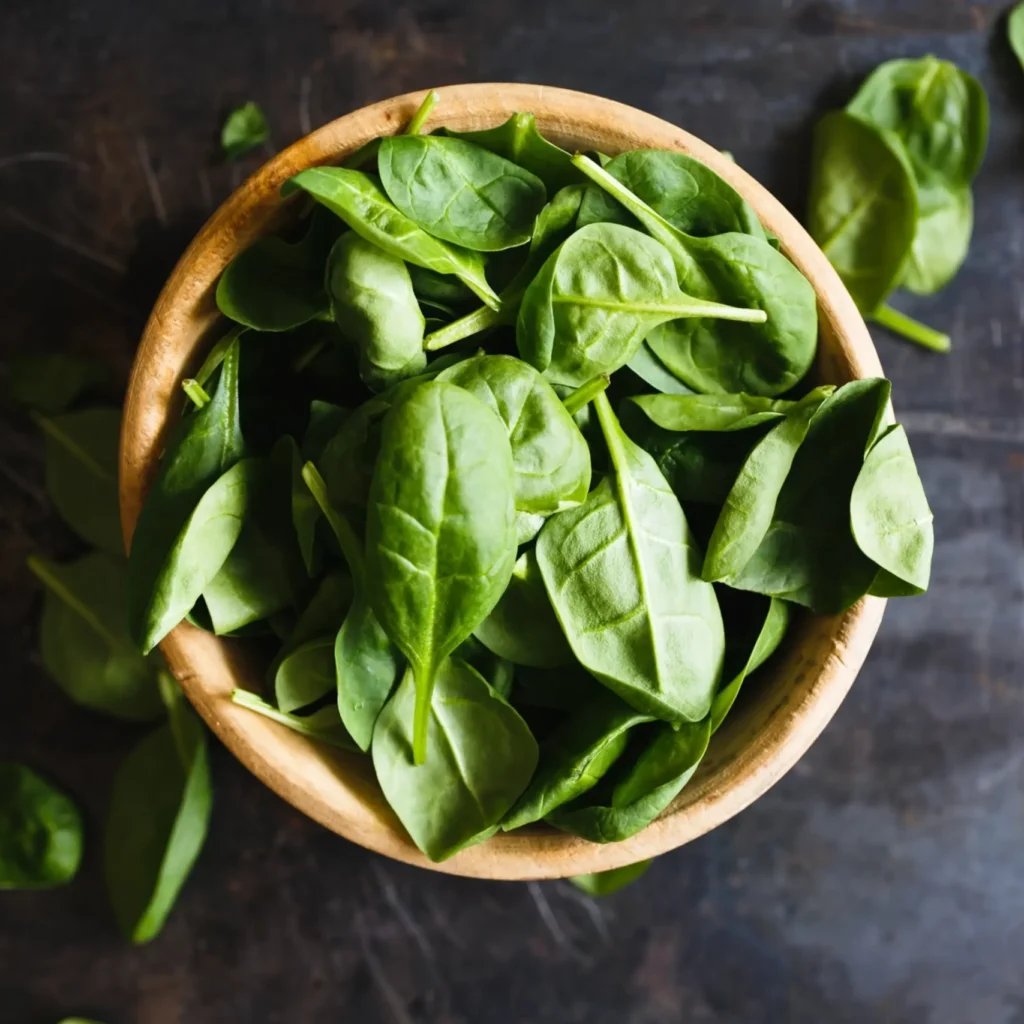
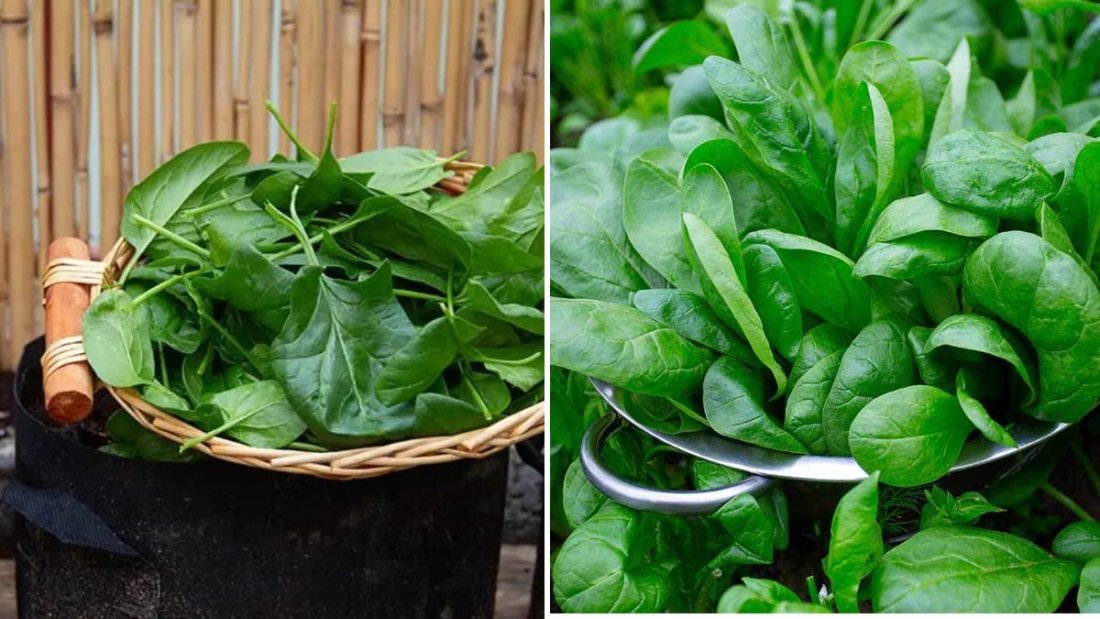
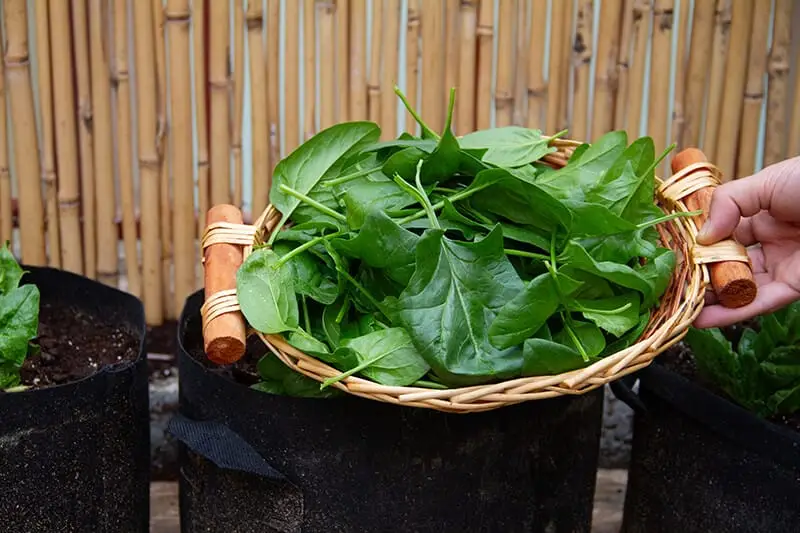
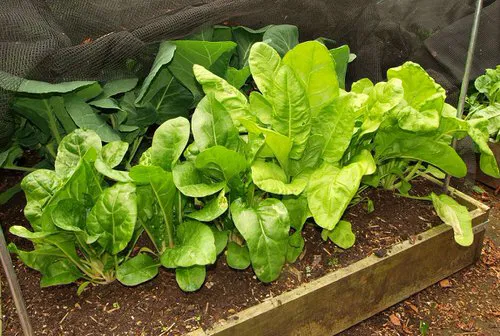
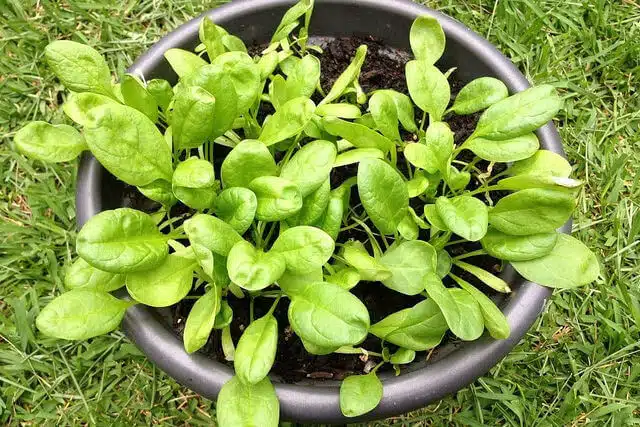
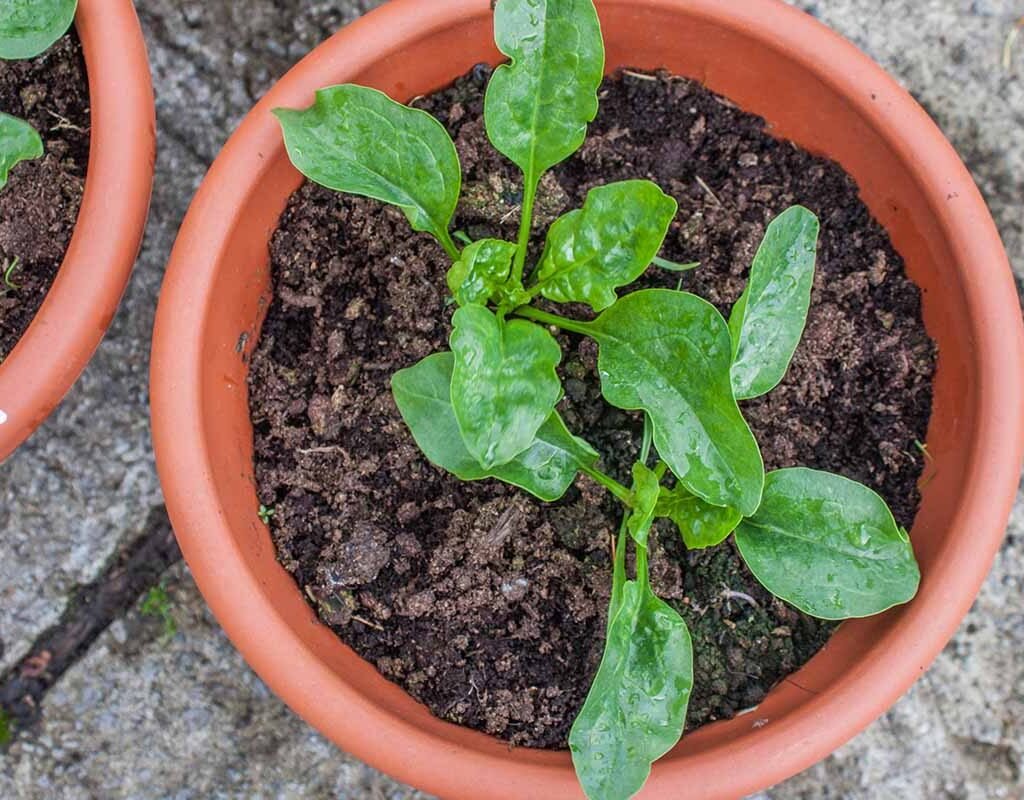
2. Spinach – The Ultimate Compact Superfood

Harvest time: 30–45 days
Container size: 8–10 inches deep
Sunlight: 3–5 hours of indirect or partial sunlight

Spinach is one of the best leafy greens for small urban spaces. It thrives in containers and grows well even in low-light indoor areas.

Why Spinach Works in Small Spaces

  • Very fast-growing
  • Ideal for vertical planters
  • Tolerates shade
  • Can be harvested continuously

Growing Tips

  • Sow seeds densely for baby spinach
  • Keep soil moist
  • Harvest outer leaves regularly to encourage new growth

You can grow spinach even on a shady balcony or kitchen window.


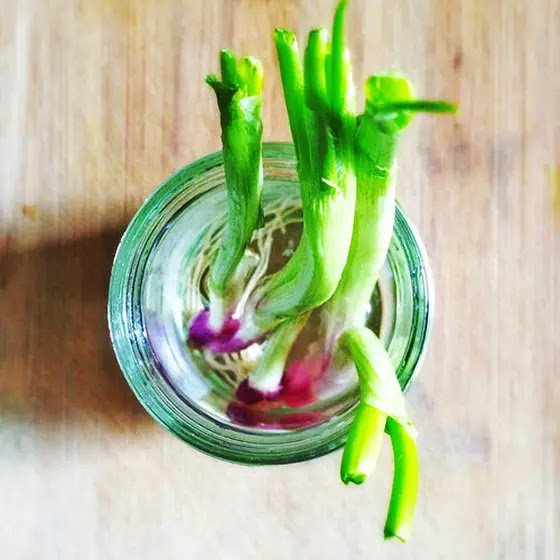
3. Green Onions (Spring Onions) – Regrow Forever in a Small Jar

Harvest time: 10–20 days
Container size: 4–6 inches
Sunlight: 2–4 hours or bright indoor light

Green onions are one of the easiest veggies to grow in tiny urban spaces—and they even regrow from scraps.

Why Green Onions Are Perfect for Small Spaces

  • Take up almost no space
  • Grow in jars, bottles, or small pots
  • Extremely fast regrowth
  • Can be grown indoors year-round

Growing Tips

  • Use a wide container to grow multiple bulbs
  • Keep soil lightly moist
  • Cut and regrow repeatedly

Just one jar can give you a continuous supply of spring onions.


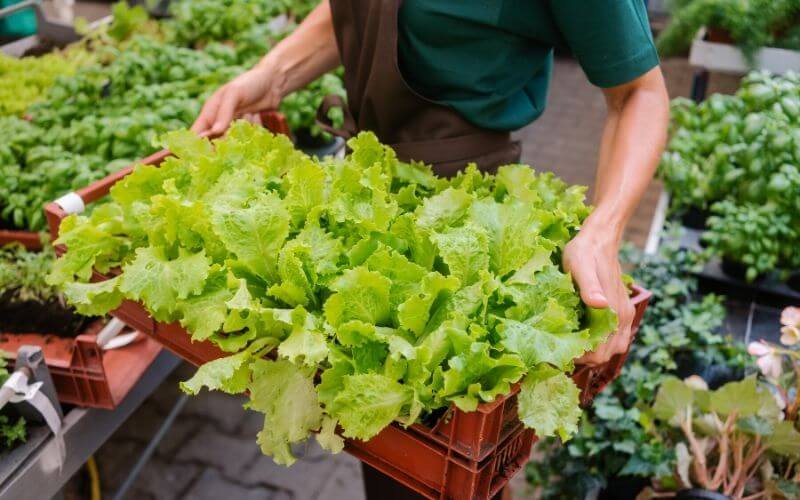
4. Lettuce – Fast, Crisp, and Ideal for Containers

Harvest time: 25–40 days
Container size: 6–8 inches deep
Sunlight: 3–5 hours of indirect light

Lettuce is a fast-growing leafy vegetable that thrives in shallow containers. It’s a must-have for anyone with limited space.

Why Lettuce Is Perfect for Urban Gardeners

  • Grows well in partial shade
  • Needs minimal care
  • Harvest as you go
  • Comes in many varieties for all seasons

Growing Tips

  • Scatter seeds lightly
  • Keep soil moist but not soggy
  • Use a railing planter for best results

Lettuce is one of the most rewarding vegetables for small balconies.


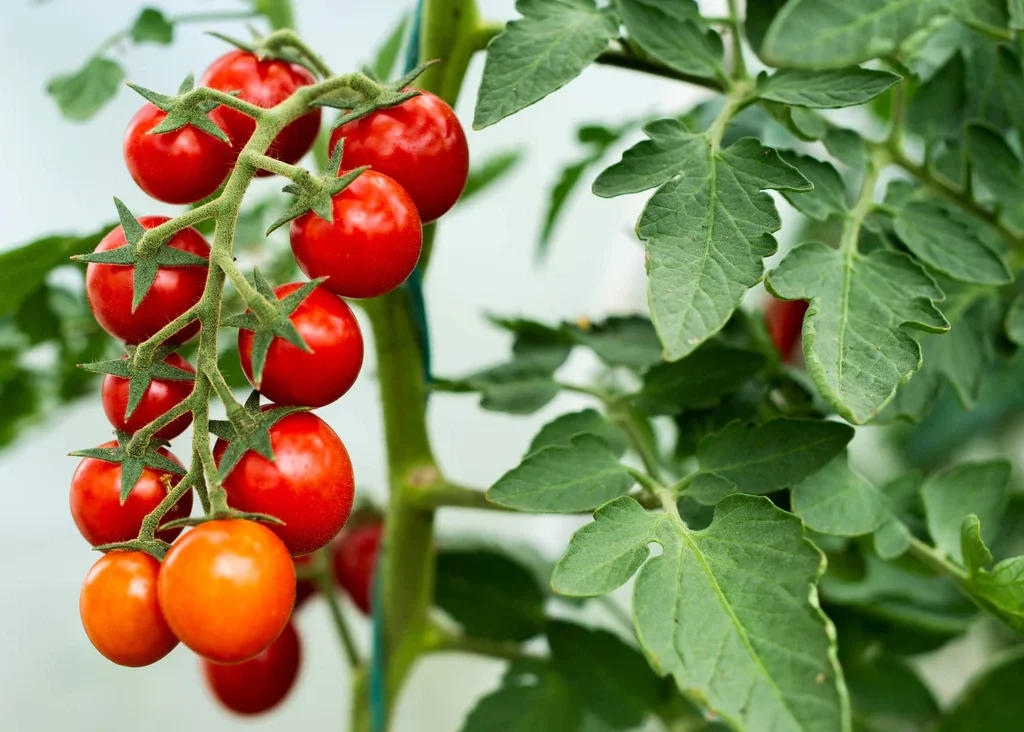
5. Cherry Tomatoes – Compact Plants with Huge Yields

Harvest time: 50–65 days
Container size: 12–14 inches
Sunlight: 5–7 hours (bright light)

Cherry tomatoes grow beautifully in containers and produce abundant fruit even in small areas. Although they take a little longer than leafy greens, their reward is worth the wait.

Why Cherry Tomatoes Are Urban Favorites

  • Compact and productive
  • Beautiful plants that brighten your balcony
  • Need only one container
  • Sweet fruits perfect for salads

Growing Tips

  • Choose dwarf or patio varieties
  • Use a tomato cage or small trellis
  • Fertilize lightly every 10–14 days
  • Prune side shoots for better yield

Even a single pot can give you dozens of tomatoes.


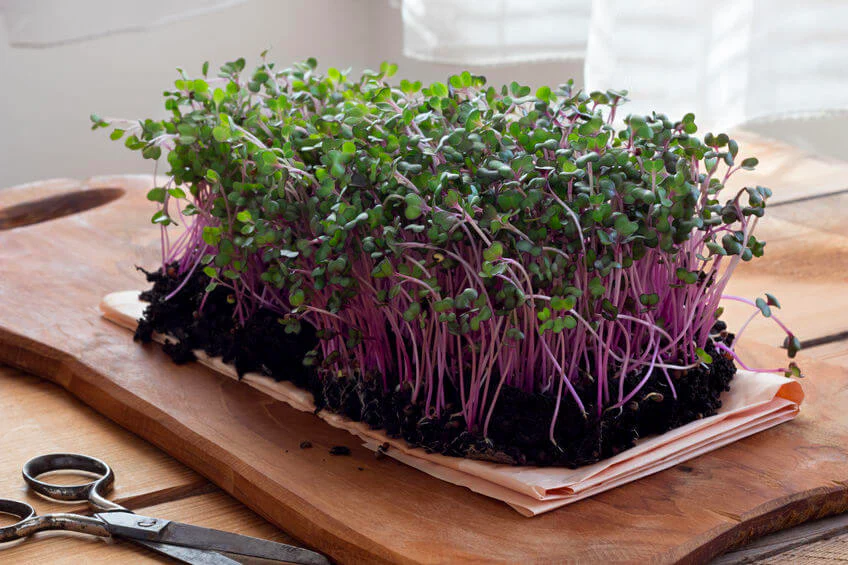
6. Microgreens – Ready in Just 7–14 Days

Harvest time: 7–14 days
Container size: Any shallow tray
Sunlight: Indirect light or artificial light

Microgreens are the ultimate fast-growing superfood. They require almost no space and grow extremely quickly.

Why Microgreens Are a Must for Urban Spaces

  • Grow on tables, shelves, kitchen counters
  • Harvest in under two weeks
  • Require very little soil
  • High in nutrients

Popular Microgreens to Grow

  • Mustard
  • Fenugreek (Methi)
  • Radish
  • Sunflower
  • Wheatgrass

Growing Tips

  • Scatter seeds thickly on moist soil
  • Keep in indirect light
  • Harvest when 2–3 inches tall

If you want instant results, microgreens are unbeatable.


7. Beans (Bush Beans) – High Yield in Very Little Space

Harvest time: 40–55 days
Container size: 12 inches deep
Sunlight: 4–6 hours

Bush beans are compact, fast-growing, and highly productive—making them excellent for balconies and terraces.

Why Beans Are Great for Small Spaces

  • Grow vertically if needed
  • Don’t require deep soil
  • Very low maintenance
  • Quick yield and sweet, tender pods

Growing Tips

  • Use a pot with good drainage
  • Add organic compost every 2 weeks
  • Provide a small trellis or bamboo stick

Bush beans give quick results without demanding space or heavy care.


Bonus: Why These 7 Vegetables Are Perfect for Urban Gardening

Urban gardens often face challenges like:

  • Limited floor area
  • Partial sunlight
  • Temperature fluctuations
  • Soil limitations
  • Restricted watering space

These vegetables thrive exactly under these circumstances because:

  • They grow fast
  • They tolerate containers well
  • They adapt to urban microclimates
  • They require minimal sunlight
  • They’re resistant to common pests

Tips to Maximize Growth in Small Urban Spaces

Even a tiny area can produce a surprising amount of food with the right techniques.

1. Choose the Right Containers

Use:

  • Window boxes
  • Hanging pots
  • Vertical planters
  • Railing planters

2. Use High-Quality Potting Mix

Light, airy soil promotes faster root growth.

3. Water Smartly

Urban containers dry quickly. Water early in the morning or late evening.

4. Use Organic Fertilizers

Compost, vermicompost, and seaweed extract work best.

5. Grow Vertically

Support plants like beans or tomatoes with stakes, cages, or wall-mounted trellises.

6. Harvest Regularly

Frequent harvesting encourages new growth in leafy vegetables.


Final Thoughts

You don’t need a backyard, a large terrace, or even full sunlight to grow fresh vegetables at home. With the right choices—like radishes, spinach, green onions, lettuce, cherry tomatoes, microgreens, and bush beans—you can build a productive, space-efficient garden right in your urban home.

These seven fast-growing vegetables offer quick results, high yields, and fresh food year-round, even in the smallest spaces. Whether you’re gardening on a balcony, rooftop, or windowsill, these plants will reward you with freshness, flavor, and the joy of homegrown produce.

How to Grow Coriander Indoors Without Direct Sunlight (Complete Beginner’s Guide)

How to Grow Coriander Indoors Without Direct Sunlight (Complete Beginner’s Guide)

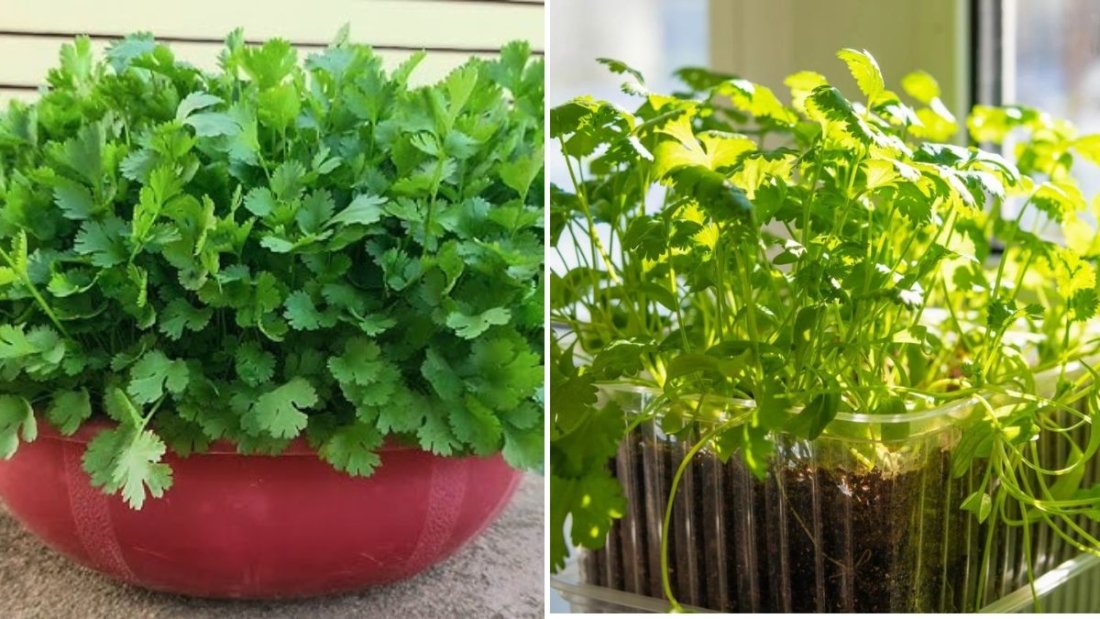
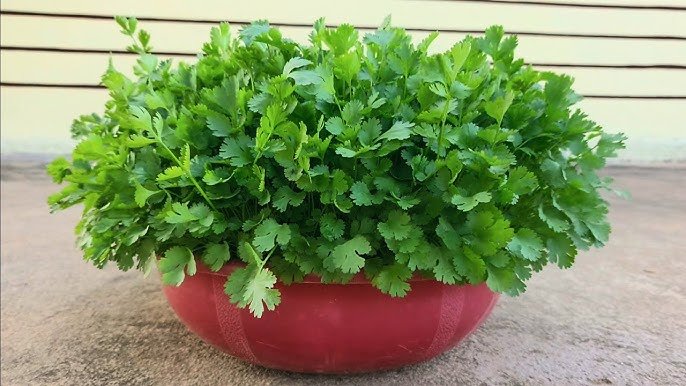
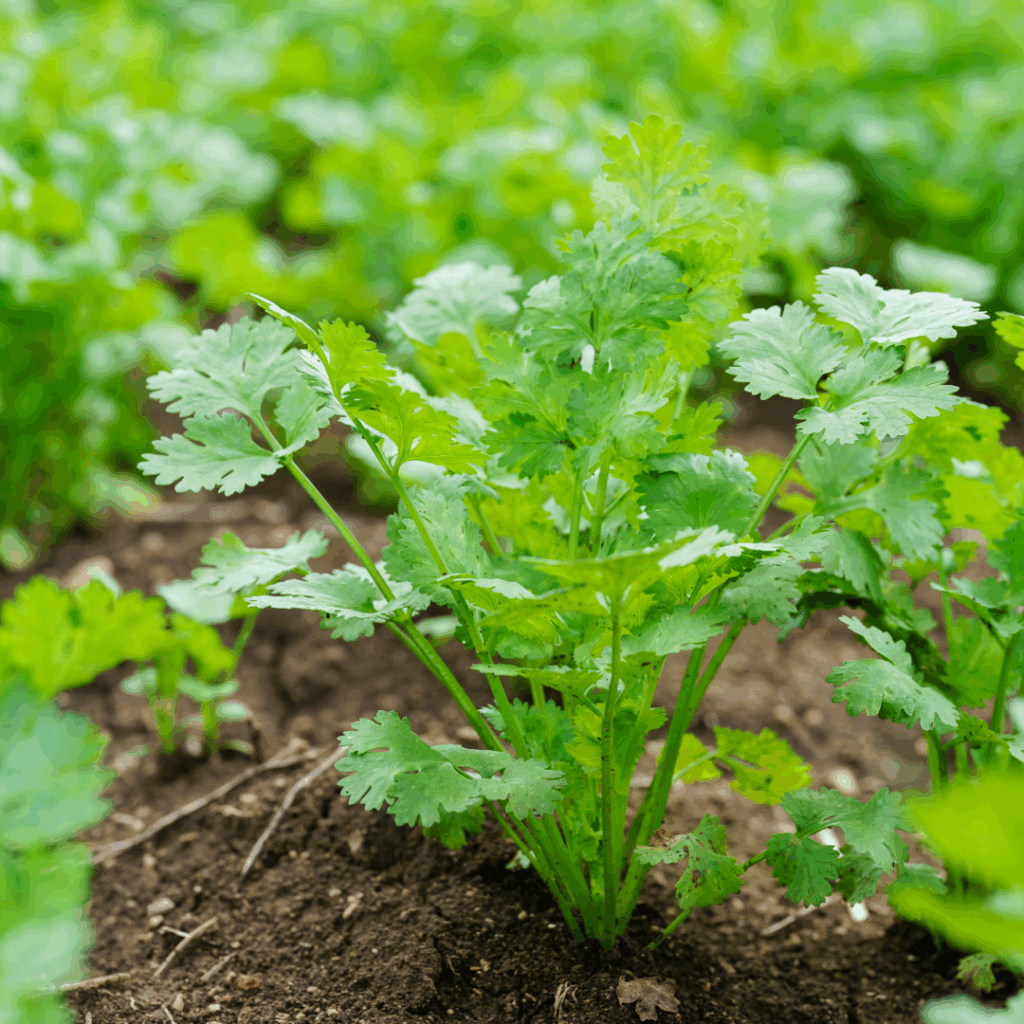
Growing coriander indoors without direct sunlight may seem challenging, but it’s absolutely possible with the right techniques. Coriander—also known as cilantro or dhania—is one of the most popular herbs used in Indian, Asian, and Middle Eastern cooking. The good news? You can grow it successfully inside your home, even if your windows don’t get strong sun.

Indoor coriander grows well under low-light conditions when supported with proper soil, watering, placement, and, if needed, artificial lighting. This guide will teach you everything—from choosing the right variety to harvesting your coriander indoors all year long.


Why Growing Coriander Indoors Is a Great Idea

Coriander is usually grown outdoors because it loves sunlight and space. But indoor growing has several advantages:

1. Easier Pest Control

Common issues like aphids, caterpillars, and leaf miners rarely appear indoors.

2. Fresh Leaves Anytime

No need to run to the market when you want fresh dhania for chutneys or garnishing.

3. Space-Friendly

You can grow coriander in small pots on kitchen windowsills, shelves, or tabletops.

4. Year-Round Growing

Rain, heatwaves, and cold weather won’t affect your indoor coriander garden.


Understanding Coriander’s Light Needs

Coriander is considered a low-light-tolerant herb compared to basil or rosemary. It will grow indoors without direct sunlight as long as it receives bright indirect light for several hours a day.

How Much Light Coriander Needs Indoors

  • Ideal: 4–6 hours of bright indirect light
  • Minimum: 2–3 hours of low, filtered light
  • Optional: Supplemental grow lights if your space is too dark

Even rooms without windows can support coriander if you use an artificial light source.


Best Coriander Varieties for Indoor Growing

Choosing the right variety is key when growing without direct sunlight.

Recommended Indoor Varieties

  • Calypso Coriander – Slow-bolting and tolerant of low light.
  • Leisure Coriander – Strong, fragrant leaves suitable for indoor growth.
  • Confetti Coriander – Delicate leaves, grows well in partial shade.
  • Dhaniya (Indian Heirloom variety) – Adapts well to indoor humidity and temperatures.

Avoid varieties known for early bolting, as indoor low light can trigger premature flowering.


Choosing the Right Container

Coriander has long taproots, so shallow pots won’t work.

Container Requirements

  • Depth: Minimum 8–10 inches
  • Width: At least 12 inches if you want bushy growth
  • Material: Plastic, ceramic, terracotta, or grow bags
  • Drainage: Essential! Coriander hates soggy soil

If you want a continuous supply, consider using long rectangular planters.


Ideal Soil Mix for Indoor Coriander

Coriander thrives in loose, well-draining soil that retains some moisture but doesn’t become heavy.

Best Soil Mix

  • 40% coco peat or peat moss
  • 30% compost
  • 20% garden soil
  • 10% perlite or coarse sand

Soil pH:

Coriander prefers slightly acidic to neutral soil (pH 6.5–7.5).

Avoid clay-like or compact soils, as they block air circulation around the roots.


How to Plant Coriander Indoors (Step-by-Step)

Coriander is most successful when grown directly from seeds indoors rather than transplanted.

Step 1: Prepare the Seeds

Coriander seeds are actually two seeds stuck together. Lightly crush them to split into halves. This boosts germination.

Step 2: Sow the Seeds

  • Scatter seeds evenly over the soil surface.
  • Cover with ¼ inch of soil.
  • Water gently using a spray bottle.

Step 3: Maintain Moisture

Keep the soil evenly moist (not wet). Coriander needs moisture for germination.

Step 4: Provide Indirect Light

Place the pot near a bright window or under an LED light source.

Germination Time

Coriander seeds germinate in 7–14 days, depending on temperature.


How to Grow Coriander Indoors Without Direct Sunlight

Even if your home gets very little natural light, coriander can still thrive. Here’s how:


1. Use Bright Indirect Light Sources

If your room has windows but no direct sunlight, you’re in luck. Place your pots:

  • Near a north-facing window
  • 1–2 feet away from east or west windows
  • Behind light curtains that diffuse sunlight

Avoid south-facing areas unless the sun is very weak.


2. Use Artificial Light (Grow Light Alternative)

If your space receives almost no sunlight—like a kitchen corner—use affordable LED lights.

Best Light Type

  • Cool white LED bulbs
  • Tube lights
  • Grow lights (optional)

Light Duration

  • 8–12 hours daily

Keep the light 6–8 inches above the plant for best results.

Good news: You don’t need expensive grow lights. Regular LEDs also work because coriander is low-light tolerant.


3. Maintain Proper Indoor Temperature

Coriander grows best in cool conditions.

Ideal Indoor Temperature

  • 18°C–26°C (65°F–78°F)

Avoid placing your coriander near:

  • Gas stoves
  • Ovens
  • Heaters
  • Direct heat from appliances

Heat causes the plant to bolt (flower), which reduces leaf production.


4. Water Carefully (Most Important Step Indoors)

Indoor plants dry slowly because there’s less airflow. Overwatering is the number one cause of coriander failure indoors.

Watering Tips

  • Water only when the top inch feels dry.
  • Use a spray bottle for young seedlings.
  • Ensure water drains out completely.
  • Never let water sit in the tray beneath the pot.

Signs of Overwatering

  • Yellow leaves
  • Wilting
  • Bad smell from soil

Let soil dry slightly between waterings.


5. Feed Coriander With Light Fertilizers

Coriander does not need heavy feeding indoors. Too much fertilizer can make leaves bitter.

Use Light, Organic Fertilizers

  • Vermicompost (small handful every 2 weeks)
  • Seaweed solution (every 15 days)
  • Compost tea (once a month)

Avoid chemical fertilizers, especially nitrogen-heavy ones, as they weaken the plant indoors.


6. Promote Airflow

Because coriander grows best in cooler environments, air circulation is important.

Ways to Improve Airflow Indoors

  • Place plants near windows that open
  • Use a small fan on low setting (not directly at the plant)
  • Avoid overcrowding multiple pots in one area

Good airflow prevents fungal diseases and damping-off in seedlings.


Preventing Coriander from Bolting Indoors

Bolting is when coriander starts producing flowers instead of leaves. Indoors, low sunlight and heat can trigger this.

How to Prevent Bolting

  • Keep plants cool
  • Harvest regularly
  • Use slow-bolting seeds
  • Give at least 4 hours of indirect light daily
  • Water properly—not too much, not too little

If a plant bolts, it will stop leaf production. Remove flowering stems early to slow the process.


How to Harvest Indoor Coriander for Continuous Growth

Harvesting correctly ensures your plant keeps producing leaves for weeks.

Best Harvesting Technique

  • Wait until the plant is 6 inches tall.
  • Snip outer leaves first.
  • Leave the center stem to allow regrowth.
  • Never harvest more than one-third of the plant at a time.

Frequent trimming encourages bushier growth.


Common Problems When Growing Coriander Indoors

Here’s what you may encounter and how to solve them:

1. Yellowing Leaves

Cause: Overwatering or poor drainage
Solution: Reduce watering, improve airflow

2. Leggy Stems

Cause: Insufficient light
Solution: Move closer to a window or use LED lighting

3. Slow Growth

Cause: Poor soil or low temperature
Solution: Add compost and keep temperature above 18°C

4. Wilting

Cause: Underwatering or root rot
Solution: Check soil moisture and drainage


Top Tips to Successfully Grow Coriander Indoors Without Sunlight

  • Choose slow-bolting varieties.
  • Use deep pots for strong taproot growth.
  • Place your plant where bright indirect light is available.
  • Supplement with LED lighting if needed.
  • Water only when the topsoil feels dry.
  • Keep plants cool, especially in the kitchen.
  • Harvest frequently to encourage new growth.

By following these tips, you can enjoy fresh coriander leaves for months—even if you live in an apartment with no direct sunlight.


Final Thoughts

Growing coriander indoors without direct sunlight is completely achievable with simple adjustments in lighting, watering, and placement. Whether your home has shaded windows or limited natural light, coriander adapts remarkably well indoors when provided with the right conditions.

With just a pot, good soil, indirect light (or a basic LED bulb), and regular care, you’ll have a steady supply of fresh coriander for garnishing, cooking, and enjoying all year long.

6 Herbs That Regrow Perfectly from Kitchen Scraps (Zero-Cost Indoor Gardening Guide)

6 Herbs That Regrow Perfectly from Kitchen Scraps (Zero-Cost Indoor Gardening Guide)

Growing herbs from kitchen scraps is one of the easiest, cheapest, and most rewarding ways to start your own indoor garden. Instead of throwing away leftover stems or roots, you can transform them into thriving herb plants that continue producing fresh flavor for your meals. Whether you live in a small apartment, have no outdoor space, or simply want to save money on grocery herbs, this method is perfect for you.

In this guide, you’ll learn how to regrow six popular herbs from scraps you already have at home. Each one is beginner-friendly, requires minimal supplies, and grows well indoors year-round.


Why Regrow Herbs from Kitchen Scraps?

Before we dive into the herbs you can regrow, here are a few reasons why this gardening method is becoming so popular:

1. It’s Budget-Friendly

Fresh herbs can be expensive, especially when purchased regularly. Regrowing them from scraps gives you an endless supply at no additional cost.

2. Zero Waste Gardening

Instead of tossing herb stems and roots into the trash, you can repurpose them and reduce waste.

3. Beginner-Friendly

Even if you’ve never gardened before, regrowing herbs from scraps is simple and requires little maintenance.

4. Perfect for Small Spaces

You only need jars, glasses, or small pots—ideal for apartments or homes with limited space.

5. Year-Round Freshness

Indoor growing means you’re not dependent on the weather. You can enjoy fresh herbs in any season.


What You’ll Need to Get Started

Most kitchen scrap herbs require the same simple setup:

  • A glass or jar
  • Clean water
  • Sharp scissors
  • Small pots with drainage holes (for transplanting)
  • Potting soil
  • Sunny windowsill or grow light

Now let’s explore six herbs that grow perfectly from your kitchen scraps.


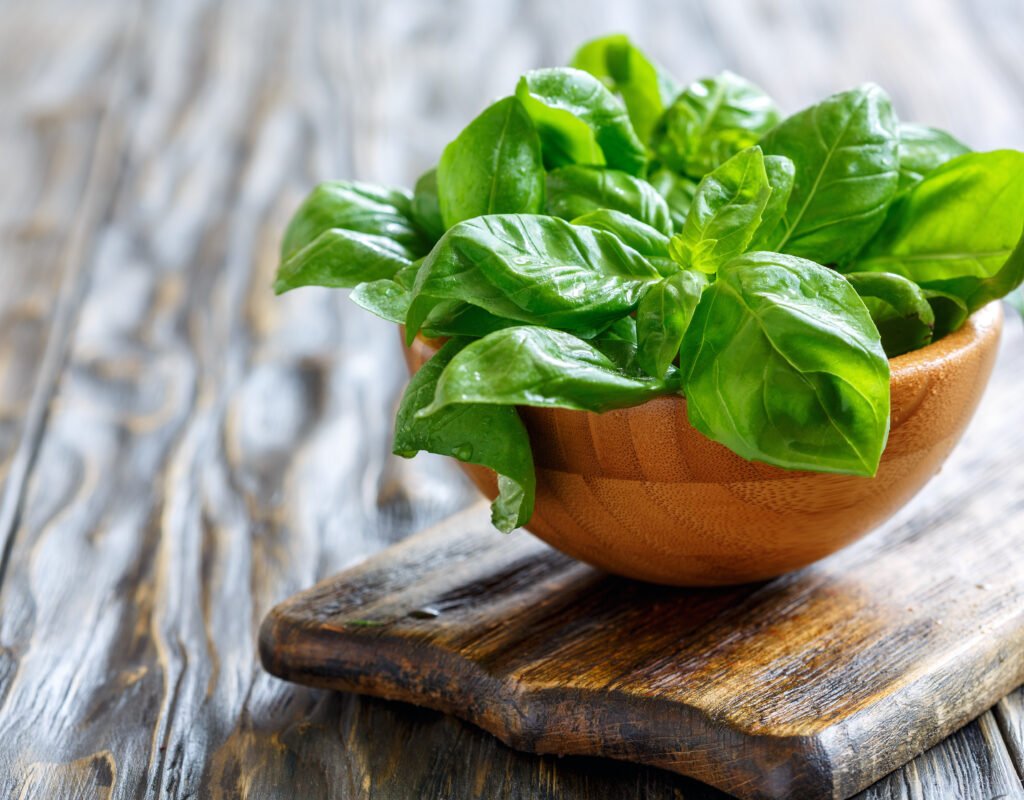
1. Basil – One of the Easiest Herbs to Regrow

Basil is a popular kitchen herb that regrows exceptionally well from scraps. All you need is a few healthy stems.

How to Regrow Basil from Scraps

  1. Take a stem cutting about 4–6 inches long.
  2. Remove the lower leaves, leaving only the top ones.
  3. Place the stem in a jar of water, ensuring leaves aren’t submerged.
  4. Put it in a bright spot but away from direct harsh sunlight.
  5. Change the water every 2–3 days.

In about 1–2 weeks, you’ll notice roots forming. Once the roots are at least 2 inches long, transfer the basil to a pot filled with well-draining soil.

Why Basil Regrows So Well

Basil is naturally fast-growing, and with regular pinching, it continues producing fresh leaves for months.


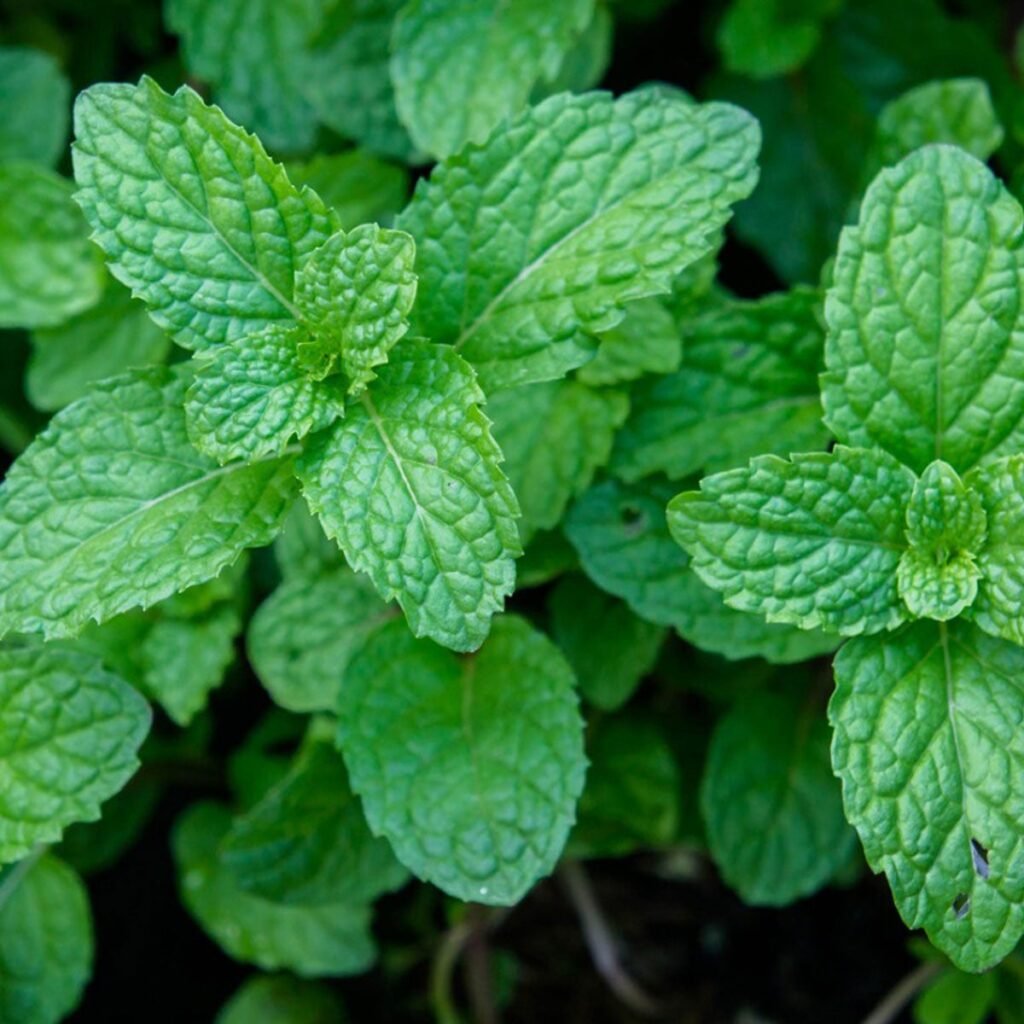
2. Mint – The Herb That Practically Grows Itself

Mint is one of the hardiest herbs around. It grows aggressively outdoors and equally well indoors from simple scraps.

How to Regrow Mint from Scraps

  1. Choose fresh, healthy mint stems (3–5 inches long).
  2. Remove the leaves from the lower half.
  3. Place stems in a glass of water.
  4. Keep it in partial sunlight to prevent leaf burn.
  5. Change the water regularly to prevent mold.

Mint roots extremely fast—sometimes in as little as 3–5 days. Once rooted, transplant to a pot.

Important Note

Mint spreads rapidly, so always grow it in its own container to prevent it from taking over.


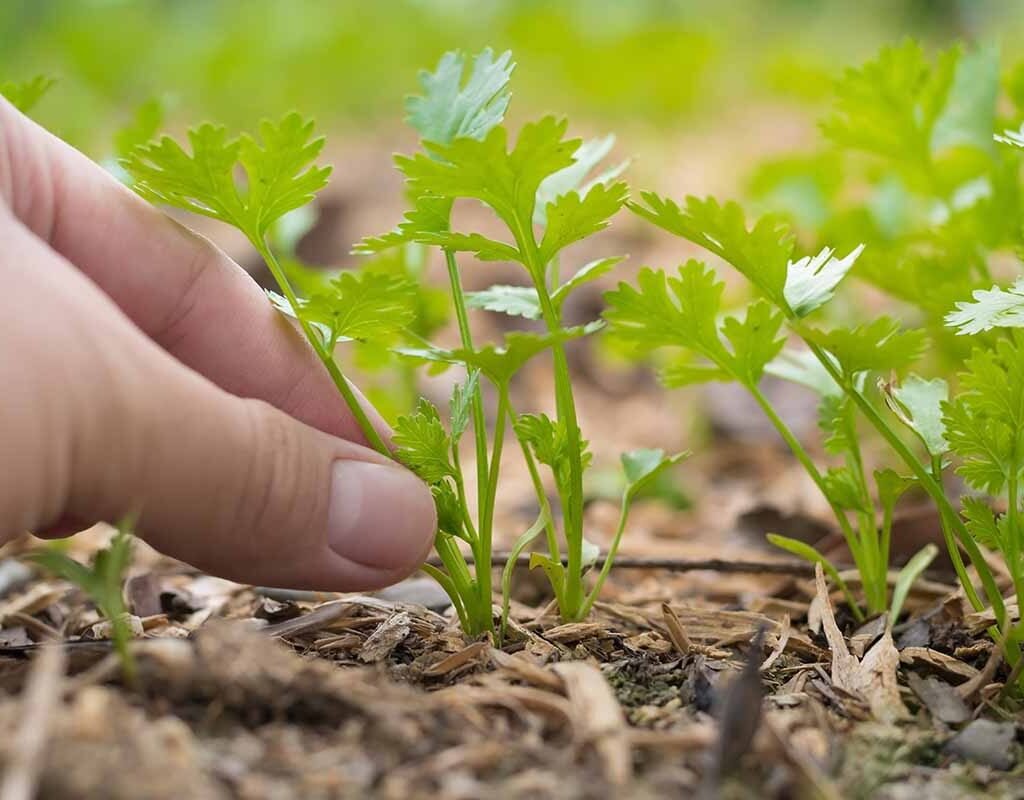
3. Cilantro (Coriander) – Easy to Regrow If You Use Stems with Roots

Cilantro can be a bit tricky to grow from seeds, but regrowing from stems is surprisingly simple.

How to Regrow Cilantro from Scraps

  1. Use stems with the root base still attached (often available in grocery bunches).
  2. Place the roots in a shallow container of water.
  3. Keep it in a sunny spot, preferably a windowsill.
  4. Replace the water every 2–3 days.

New leaves will begin to appear within a week. After 10–14 days, transfer it to soil for stronger growth.

Pro Tip

Cilantro prefers cooler temperatures and partial sunlight. Too much heat makes it bolt quickly.


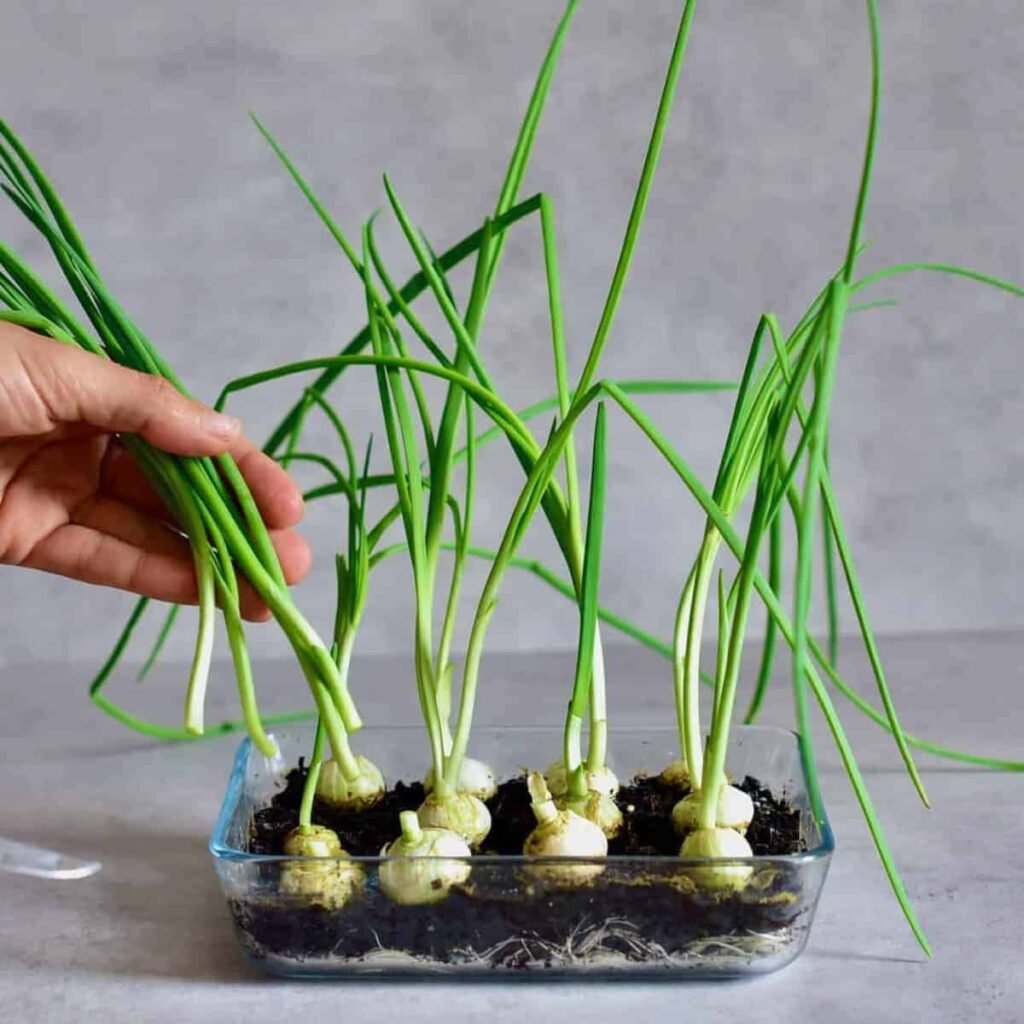
4. Green Onions (Spring Onions) – The Fastest Growing Kitchen Scrap Herb

Green onions are probably the easiest and quickest herb to regrow. They can regrow their green tops almost endlessly.

How to Regrow Green Onions

  1. Save the white bulbs with the tiny roots intact.
  2. Place them in a glass with enough water to cover the roots but not the entire bulb.
  3. Leave the jar near a sunny window.
  4. Change water every two days.

You’ll see new green shoots in just 24–48 hours. They can grow several inches in a week. You can harvest and regrow them repeatedly.

Why They’re Perfect for Beginners

No special soil or conditions required—just water and light.


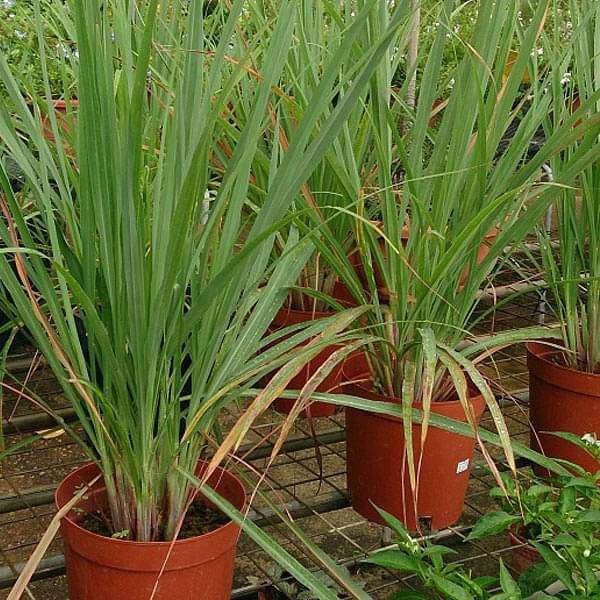
5. Lemongrass – A Fragrant Herb That Regrows Beautifully

Lemongrass, used in Asian cuisine and teas, is incredibly easy to regrow from stalks.

How to Regrow Lemongrass from Scraps

  1. Use the lower end of the stalk with its base intact.
  2. Place it in a jar with about 1–2 inches of water.
  3. Put the jar in a warm, sunny place.
  4. Change the water every few days.

Within one week, the stalk will begin to sprout new leaves. Roots follow shortly after. When the roots are a few inches long, move the lemongrass into soil.

Growth Benefit

Lemongrass grows into a tall, bushy plant that thrives indoors or outdoors in warm climates.


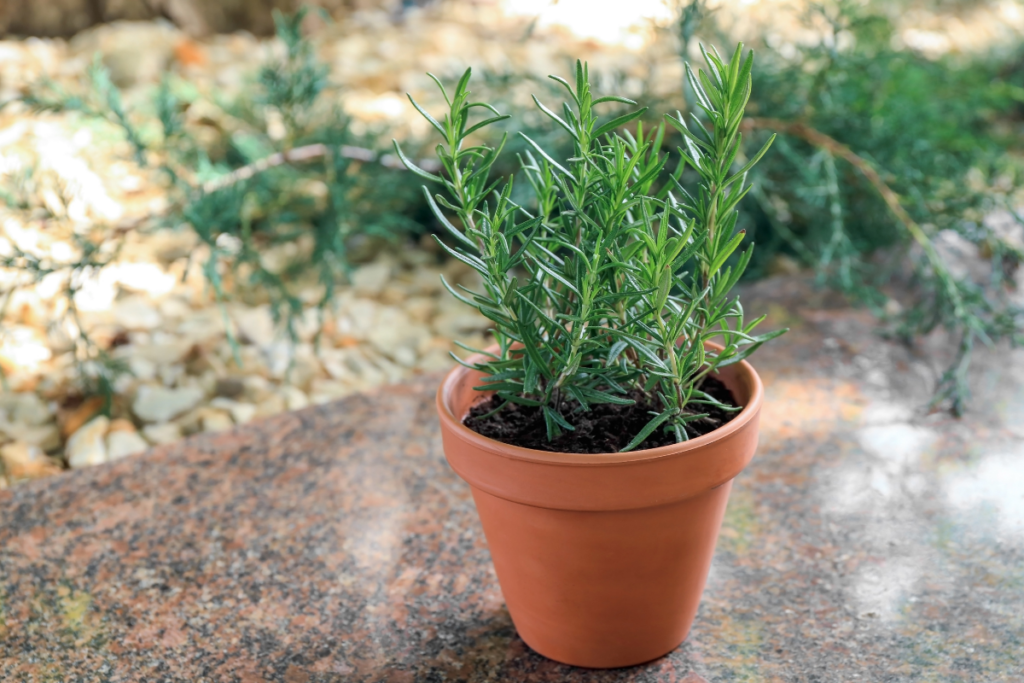
6. Rosemary – A Slow Starter but Long-Lasting Herb

Rosemary is slightly slower to regrow than basil or mint, but once it establishes roots, it becomes a hardy, long-lasting plant.

How to Regrow Rosemary from Scraps

  1. Cut a healthy rosemary stem about 4–6 inches long.
  2. Strip off lower leaves, leaving only the top portion.
  3. Dip the cut end in rooting hormone (optional but helpful).
  4. Place the stem in water and keep it in a warm spot.
  5. Change water every few days.

Rosemary may take 2–4 weeks to develop roots, but it’s worth the wait. Once rooted, transfer it to well-draining soil.

Why Rosemary Is Worth Regrowing

It’s a perennial herb and lasts for years with proper care.


Tips for Successfully Growing Herbs from Kitchen Scraps

To ensure your herbs thrive indoors, follow these simple tips:

1. Provide Adequate Light

Place your herbs near a south-facing or east-facing window. If indoor light is limited, use a low-cost LED grow light.

2. Maintain the Right Water Levels

Never let water become murky—fresh water prevents bacteria that may rot the stems.

3. Transfer to Soil at the Right Time

Once roots reach 1–2 inches long, move the herb to potting soil to encourage fuller growth.

4. Use Well-Draining Pots

Excess moisture can kill herb roots. Pots with drainage holes are a must.

5. Harvest Properly

Snip stems above a leaf node to encourage branching and fuller plants.

6. Avoid Overcrowding

Give each herb its own space to prevent nutrient competition and fungal issues.


Benefits of Growing Herbs Indoors from Scraps

Here are some valuable advantages you’ll enjoy:

Fresh Herbs Anytime

You no longer need to run to the store for a handful of basil or mint.

Improves Air Quality

Herbs add oxygen and a fresh scent to your kitchen or living space.

Educational and Fun

It’s a great project for kids and beginners who want to learn about plant growth.

Sustainable Lifestyle

Regrowing herbs helps reduce your carbon footprint and encourages greener living.


Final Thoughts: Start Your Zero-Cost Herb Garden Today

Regrowing herbs from kitchen scraps is a simple, eco-friendly, and inexpensive way to enjoy a continuous supply of fresh flavors at home. Whether you’re new to gardening or a seasoned grower, these six herbs—basil, mint, cilantro, green onions, lemongrass, and rosemary—offer a wonderful starting point.

With just a few jars, some water, and a sunny spot, you can transform your leftover stems into thriving herb plants that will enhance your meals and brighten your living space all year long.


How to Grow Spinach All Year Round in Containers (Beginner-Friendly Guide)

How to Grow Spinach All Year Round in Containers (Beginner-Friendly Guide)

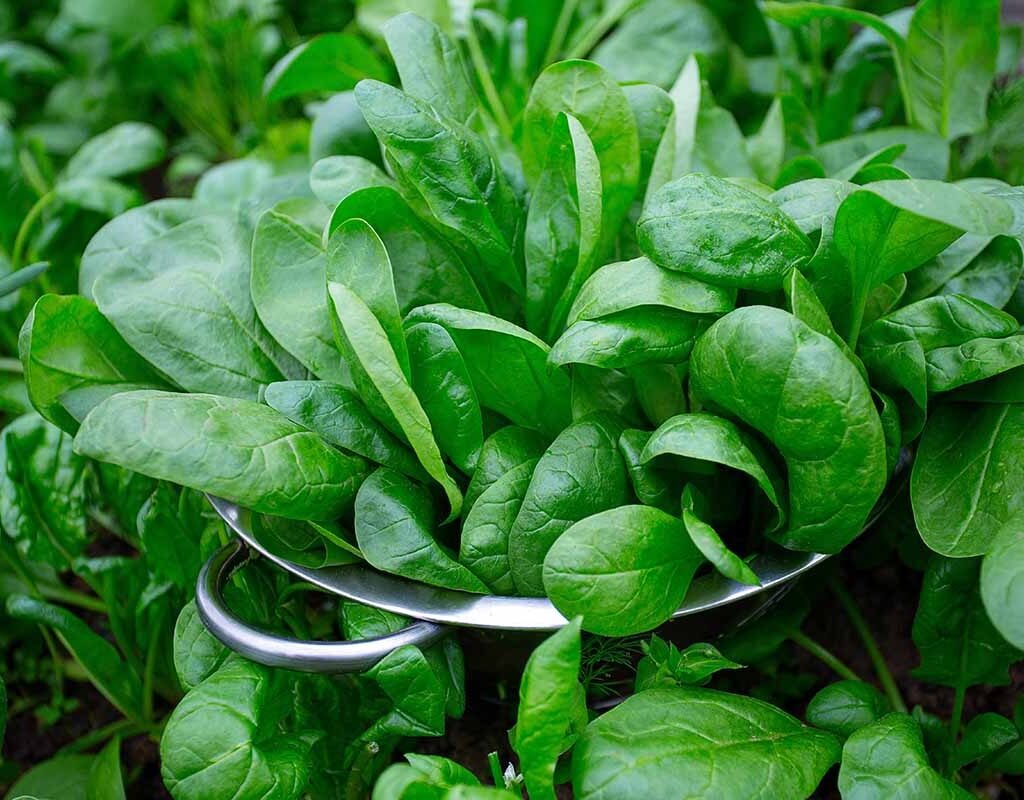
Growing spinach year-round in containers is one of the easiest and most rewarding gardening projects you can start—no backyard required. Whether you live in an apartment, have limited space, or simply want a continuous harvest of fresh, nutrient-packed greens, container-grown spinach is the perfect solution. This leafy green thrives in pots, responds well to regular harvesting, and adapts beautifully to a wide range of climates when grown with the right techniques.

In this guide, you’ll learn everything you need to grow spinach successfully throughout all seasons—summer, winter, and everything in between.


Why Grow Spinach in Containers?

Container gardening offers a number of advantages that make spinach especially easy to manage:

1. Pest and Disease Control

Growing spinach in pots keeps it off the ground, which reduces exposure to soil-borne diseases and pests like snails, slugs, and leaf miners.

2. Space-Saving

Even if you only have a balcony, terrace, or window ledge, you can grow spinach. Containers allow you to maximize small spaces efficiently.

3. Mobility

You can move pots to control sunlight exposure, protect the plants from extreme temperatures, or bring them indoors if the weather becomes unsuitable.

4. Ideal Soil Management

Spinach has specific soil preferences. Using containers allows you to create the perfect soil conditions every time—no guessing.


Best Spinach Varieties for Year-Round Container Growing

While most spinach grows well in containers, some varieties are better suited for different seasons:

For Hot Weather (Summer):

  • Malabar Spinach (Basella alba) – Heat-tolerant climbing spinach.
  • New Zealand Spinach – Thrives in warm climates.
  • Bloomsdale Long Standing – Slow to bolt.

For Cold Weather (Winter):

  • Giant Winter Spinach – Extremely cold hardy.
  • Tyee Spinach – Performs well even in low temperatures.
  • Indian Summer Spinach – Known for resilience in cooler conditions.

For All Seasons:

  • Baby Leaf Spinach Mixes
  • Regiment Spinach
  • Space Spinach

Choosing the right variety helps you maintain a year-round harvest without gaps.


Choosing the Right Container

Spinach is a shallow-rooted plant, so it doesn’t require deep pots. However, choosing the right size and material enhances growth.

Container Requirements

  • Minimum depth: 6–8 inches
  • Minimum width: 10–12 inches
  • Material: Plastic, ceramic, terracotta, fabric grow bags
  • Drainage: Ensure at least 4–5 drainage holes

Fabric grow bags work exceptionally well because they provide excellent aeration and prevent root rot.

Growing in Small Spaces

If you’re limited on room, consider:

  • Window boxes
  • Vertical planters
  • Hanging grow bags

These keep your spinach healthy without taking up much space.


Preparing the Perfect Potting Mix

Spinach thrives in well-draining, nutrient-rich soil.

Recommended Potting Mix Recipe

  • 40% coco peat or peat moss
  • 30% compost or well-rotted manure
  • 20% garden soil
  • 10% perlite or sand

Optional Additives:

  • A handful of neem cake powder to prevent pests
  • A slow-release organic fertilizer like bone meal or vermicompost

Spinach prefers slightly acidic to neutral soil (pH 6.0–7.0). Most commercial potting mixes fall in this range.


Planting Spinach in Containers

You can grow spinach from seeds or transplants, but seeds are cheaper and surprisingly fast.

How to Plant Seeds

  1. Fill the container with potting mix, leaving 1–2 inches at the top.
  2. Scatter the seeds evenly or plant them in rows.
  3. Cover lightly with soil (¼ inch deep).
  4. Water gently with a spray bottle.
  5. Keep the soil consistently moist until germination.

Spinach seeds usually germinate within 7–14 days depending on temperature.

Spacing Requirements

  • If growing full-size leaves: 3–4 inches apart
  • For baby spinach: you can sow densely

Avoid overcrowding as it causes slow growth and increases disease risk.


Optimal Light Conditions for Year-Round Growth

Spinach loves sunlight but not extreme heat.

Light Guidelines by Season

Spring / Autumn:

  • 4–6 hours of direct sunlight is ideal.

Winter:

  • 5–8 hours of sunlight if possible.
  • If indoors, consider using a grow light for 6–8 hours daily.

Summer:

  • Provide morning sun and afternoon shade.
  • Protect plants from harsh midday rays to prevent bolting.

If your area gets intense sunlight, consider placing a shade cloth over the plants during peak heat.


Watering Spinach the Right Way

Spinach prefers consistently moist soil, but not waterlogging.

Watering Tips

  • Water when the top inch of soil feels dry.
  • Avoid wetting the leaves to prevent fungal issues.
  • Ensure drainage holes are functioning properly.

In summer, watering may be needed daily, while winter watering may be reduced to 2–3 times a week.


Fertilizing Spinach in Containers

Since spinach is a leafy vegetable, it thrives on nitrogen-rich fertilizers.

Best Organic Fertilizers for Spinach

  • Vermicompost
  • Compost tea
  • Fish emulsion
  • Seaweed extract
  • Mustard cake solution

Feeding Schedule

  • Apply compost every 3 weeks.
  • Use liquid fertilizers every 10–14 days.

Avoid over-fertilizing, which can make leaves bitter.


Temperature and Seasonal Care

Spinach prefers cool weather, but with proper care, it can grow all year.

Ideal Temperature Range:

  • 10°C to 24°C (50°F to 75°F)

Summer Tips

  • Choose heat-tolerant varieties.
  • Grow in partial shade.
  • Keep soil moist and cool with mulch.

Winter Tips

  • Spinach is frost-tolerant.
  • Move containers to sunny spots.
  • Cover with frost cloth if temperatures drop below freezing for long periods.

Common Pests and Problems

Container-grown spinach experiences fewer issues, but you may still encounter:

Pests:

  • Aphids
  • Leaf miners
  • Spider mites

Solutions:

  • Spray neem oil weekly.
  • Use sticky traps.
  • Remove affected leaves immediately.

Diseases:

  • Downy mildew
  • Fusarium wilt

Avoid overhead watering and maintain good airflow around containers.


How to Harvest Spinach for Continuous Year-Round Supply

The key is to harvest spinach the right way so your plant keeps producing.

When to Harvest

  • Baby spinach: 25–30 days
  • Full-sized spinach: 40–50 days

How to Harvest Properly

  • Use scissors to cut outer leaves first.
  • Leave the central growth intact.
  • Never harvest more than one-third of the plant at a time.

Regular harvesting encourages fresh new growth and keeps plants compact.


Regenerating and Replanting for a Constant Supply

Spinach has a short lifecycle but you can maintain continuous harvest by:

Succession Planting

Sow new seeds every 2–3 weeks so you always have plants at different growth stages.

Rejuvenating Soil

After each cycle:

  • Remove old roots
  • Mix in compost
  • Rest the soil for 1 week before replanting

Final Tips for Successful Year-Round Spinach Growing

  • Choose the right variety for each season.
  • Use good-quality potting mix and containers with proper drainage.
  • Protect plants from extreme heat or cold.
  • Water consistently, but don’t overwater.
  • Harvest regularly to encourage growth.

With these simple yet effective methods, you’ll have a steady supply of fresh, homegrown spinach every month of the year—right from your balcony or windowsill.

6 Organic Methods to Control Fungal Diseases in Plants (Naturally and Effectively!)

6 Organic Methods to Control Fungal Diseases in Plants (Naturally and Effectively!)

Fungal diseases are among the most frustrating and persistent problems gardeners face. Whether you grow vegetables, ornamental flowers, fruit trees, or houseplants, fungal infections like powdery mildew, rust, blight, and root rot can quickly take hold and weaken or even kill your plants. Many gardeners immediately try chemical fungicides, but these solutions can harm beneficial insects, pollute soil and water, and disrupt your garden’s natural balance.

The good news? You don’t have to rely on chemicals. There are several organic methods that can effectively prevent and control fungal diseases—while keeping your garden safe, healthy, and eco-friendly. These natural remedies not only protect your plants but also improve their overall resilience, helping them grow stronger in the long run.

In this article, you’ll discover six tried-and-tested organic methods to control fungal diseases in plants, how each method works, and tips for applying them correctly for maximum results.


1. Neem Oil: Nature’s Powerful Anti-Fungal Solution

Neem oil is one of the most popular organic remedies for garden fungal problems. Extracted from the neem tree, it contains compounds like azadirachtin that disrupt fungal growth and prevent spores from spreading.

Why Neem Oil Works

  • It interferes with fungal reproduction.
  • It has antibacterial and insecticidal benefits.
  • It creates a protective coating on leaves.

How to Use Neem Oil

  1. Mix 1–2 tablespoons of cold-pressed neem oil with 1 gallon of water.
  2. Add a few drops of mild liquid soap to help it stick to leaves.
  3. Spray early in the morning or late afternoon to avoid leaf burn.
  4. Apply every 7–14 days until the disease subsides.

Best For

  • Powdery mildew
  • Leaf spot
  • Rust
  • Anthracnose
  • Early prevention

Neem works best when applied regularly—not just when symptoms appear.


2. Baking Soda Spray: Simple Yet Highly Effective

Baking soda is a common household ingredient, but in the garden it acts as a powerful natural fungicide. Sodium bicarbonate creates an alkaline environment that makes it harder for fungal spores to thrive.

How It Helps

  • Alters leaf surface pH
  • Slows fungal growth
  • Prevents spores from germinating

DIY Baking Soda Fungicide Recipe

  • 1 tablespoon baking soda
  • 1 teaspoon mild liquid soap
  • 1 gallon water

Mix well and spray on both the top and underside of leaves.

Pro Tips

  • Don’t overuse—too much can harm plant tissues.
  • Apply weekly for best results.
  • Works exceptionally well for powdery mildew.

3. Garlic Spray: A Strong Antifungal and Antibacterial Garden Spray

Garlic is naturally rich in sulfur compounds, which give it impressive antifungal and antibacterial properties. It helps strengthen plant immune systems and reduces the spread of fungal infections.

Why Garlic Works

  • Kills fungal spores
  • Repels pests that spread fungus
  • Acts as a broad-spectrum natural disinfectant

How to Make Garlic Spray

  1. Crush 10–12 cloves of fresh garlic.
  2. Blend with 1 liter of water.
  3. Strain the mixture and dilute with another 1 liter of water.
  4. Add a few drops of soap and spray on plants.

Best For

  • Early blight
  • Late blight
  • Downy mildew
  • Black spot on roses

Garlic spray is safe for almost all plants but should not be used on very young seedlings.


4. Compost Tea: Boost Plant Immunity Naturally

Compost tea is a nutrient-rich liquid made by steeping compost in water. It contains billions of beneficial microorganisms that help outcompete harmful fungal pathogens.

Why Compost Tea Is Powerful

  • Reintroduces beneficial microbes
  • Improves soil structure
  • Enhances plant immunity
  • Helps prevent root and foliar fungal diseases

How to Make Compost Tea

  1. Fill a bucket with 1/3 finished compost.
  2. Add water to fill the bucket.
  3. Let it steep for 24–48 hours, stirring occasionally.
  4. Strain and dilute 1:10 with water.
  5. Use as a soil drench or foliar spray.

Where It Works Best

  • Vegetable gardens
  • Fruit trees
  • Container plants
  • Flower beds

Use compost tea every 2–4 weeks to keep plants healthy and disease-resistant.


5. Proper Air Circulation and Spacing: The Most Underestimated Organic Method

Most fungal diseases thrive in humid, crowded, poorly ventilated environments. Simply allowing more air to circulate around plants can drastically reduce fungal infections—even without sprays.

How Airflow Helps

  • Reduces moisture buildup on leaves
  • Prevents fungal spores from settling
  • Encourages stronger plant growth
  • Lowers humidity around plant surfaces

Ways to Improve Air Circulation

  • Space plants according to recommended distances
  • Prune dense foliage
  • Stake tall plants to improve airflow
  • Water at the base, not overhead
  • Avoid overcrowding containers

This method is especially crucial for tomatoes, cucumbers, squash, roses, and most fruit trees.


6. Cinnamon and Turmeric: Natural Antifungal Powders

Cinnamon and turmeric aren’t just kitchen spices—they’re potent natural fungicides. Both contain compounds that suppress fungal growth and promote plant healing.

Why These Spices Work

  • Cinnamon contains cinnamaldehyde, a strong antifungal compound.
  • Turmeric contains curcumin, a natural antimicrobial agent.

How to Use Them

For Soil & Root Rot:

  • Sprinkle cinnamon or turmeric around the base of plants.
  • Mix lightly into the topsoil.

For Cuts and Wounds:

  • Dust freshly pruned areas to prevent fungal infection.

Best For

  • Damping-off disease
  • Root rot
  • Stem rot
  • Fungal infections in seedlings

These spices are gentle but extremely effective for preventing infections before they start.


Additional Garden Tips to Prevent Fungal Diseases

Beyond these organic remedies, a few simple gardening habits will significantly reduce fungal issues:

Water Early in the Morning

Leaves dry faster, reducing fungal growth.

Use Well-Draining Soil

Prevents standing water and root rot.

Mulch Properly

Organic mulch helps regulate moisture without encouraging fungus.

Rotate Crops

Avoid planting the same family of vegetables in the same spot each year.

Keep Tools Clean

Sanitize shears and pruners to prevent spreading disease.

These prevention methods maximize the effectiveness of any organic treatment.


Final Thoughts

Controlling fungal diseases organically isn’t just possible—it’s simple, affordable, and healthier for your plants and the environment. By using natural remedies like neem oil, baking soda, garlic spray, compost tea, and herbal powders—combined with good gardening practices—your garden can thrive without relying on harsh chemicals.

Over time, you’ll notice stronger roots, healthier foliage, more blooms, and increased harvests. Most importantly, you’ll be creating a balanced ecosystem that supports beneficial insects, enriching your soil, and keeping your plants resilient.

Whether you’re a beginner gardener or a seasoned grower, these six organic methods offer safe, effective tools to protect your plants and enjoy a vibrant, disease-free garden naturally.

If you’d like, I can also create a Pinterest-optimized description, social media posts, or SEO keywords for this article!

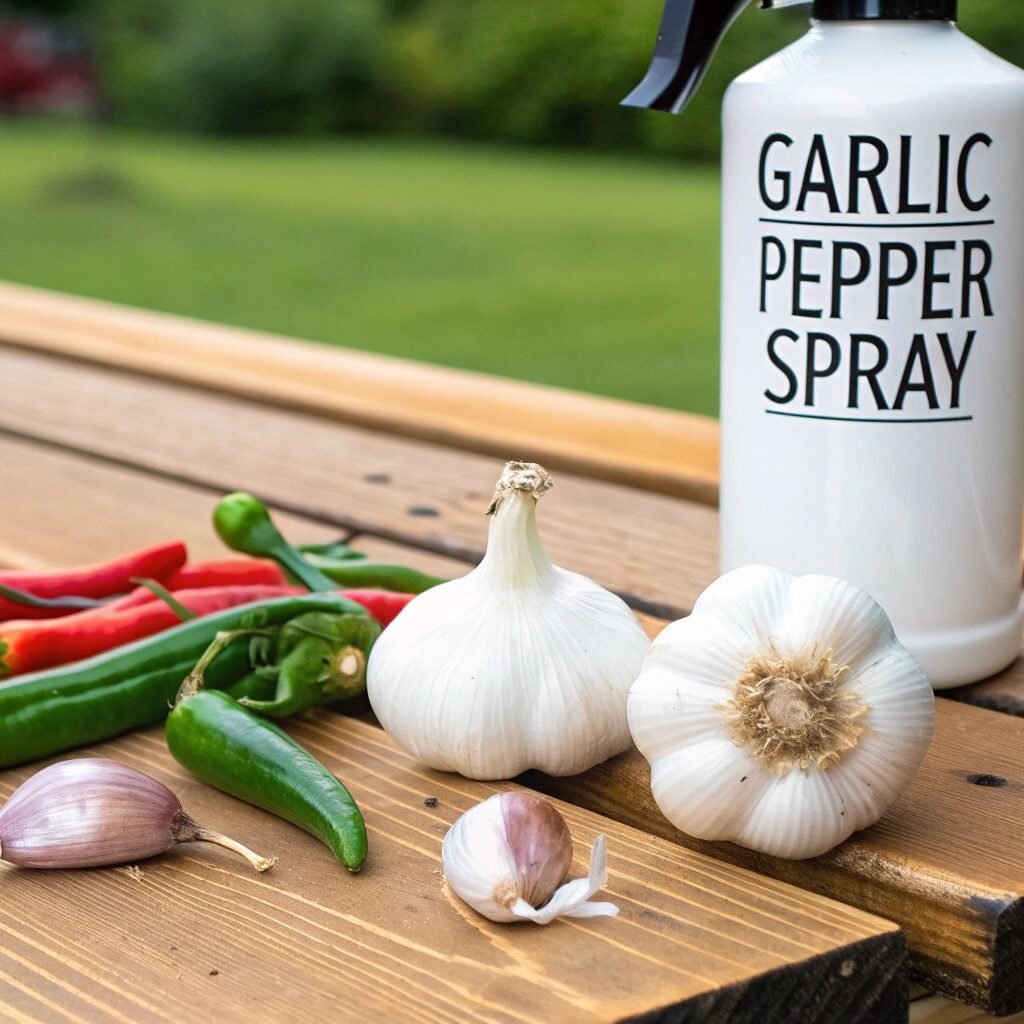
How to Use Garlic and Chili Spray to Repel Insects Naturally

How to Use Garlic and Chili Spray to Repel Insects Naturally

Keeping your garden free from pests is one of the biggest challenges every gardener faces. Aphids, whiteflies, spider mites, caterpillars, and many other insects can attack your plants and weaken them before you even notice. While chemical pesticides offer quick results, they also come with serious downsides—soil pollution, harmful residue on edible plants, and negative impacts on pollinators like bees and butterflies.

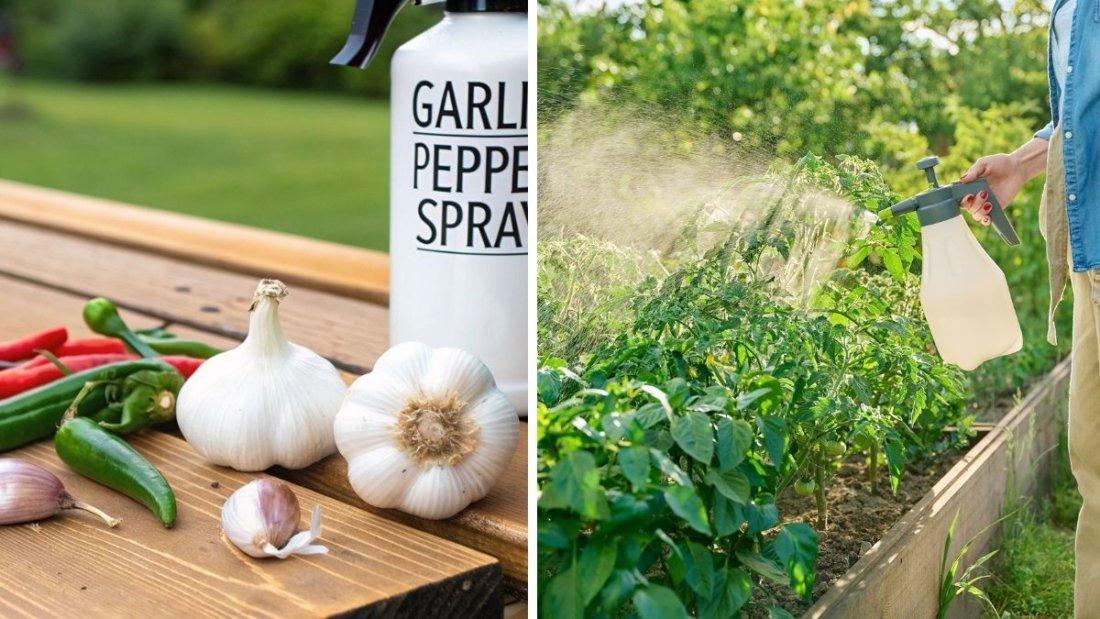
That’s why more and more home gardeners are returning to time-tested, natural pest-control methods. Among them, garlic and chili spray stands out as one of the most powerful, effective, and completely organic solutions. This homemade pesticide is easy to make, safe for your garden, and incredibly potent against a range of destructive insects.

In this in-depth guide, you’ll learn exactly how garlic and chili spray works, why it’s so effective, how to prepare it at home, and how to use it safely without harming beneficial insects. Whether you’re growing vegetables, ornamentals, fruit trees, or houseplants, this natural spray can help you maintain a healthy, thriving garden without using harsh chemicals.


Why Garlic and Chili Spray Works So Well

The combination of garlic and chili is a natural defense powerhouse. Both ingredients have strong compounds that insects dislike, making your plants far less appealing to pests.

1. Garlic: Nature’s Insect Repellent

Garlic contains sulfur-based compounds like allicin, which insects find extremely irritating. When sprayed on plants:

  • It masks the plant’s natural scent
  • It deters chewing and sucking insects
  • It contains mild antifungal properties
  • It boosts plant immunity

Garlic is particularly effective against soft-bodied insects like aphids, thrips, whiteflies, and mites.

2. Chili: The Heat That Drives Insects Away

Chili peppers contain capsaicin, a fiery compound that irritates insects’ mouths, legs, and sensory receptors.

Chili spray helps repel:

  • Caterpillars
  • Beetles
  • Leaf miners
  • Grasshoppers
  • Spiders

Together, garlic and chili create a strong, long-lasting protective barrier on plant leaves.


Benefits of Using Garlic and Chili Spray in Your Garden

Here’s why gardeners love this natural solution:

✔ 100% Organic and Eco-Friendly

No chemicals, no toxins, and no residues that can harm soil, water, or wildlife.

Safe for Edible Plants

Perfect for vegetable gardens, fruit trees, and herbs.

Low-Cost and Easy to Make

You only need basic kitchen ingredients.

Repels a Wide Variety of Insects

Works against aphids, caterpillars, ants, mites, leafhoppers, and more.

Does Not Harm Beneficial Insects

When used correctly (sprayed on leaves, not flowers), bees and ladybugs remain safe.

Reduces Disease Spread

By repelling pests, you also reduce the risk of fungal and viral diseases that insects carry.


Ingredients Needed to Make Garlic and Chili Spray

Creating this natural spray doesn’t require many ingredients. Here’s a simple, effective recipe:

Ingredients:

  • 2–3 heads of fresh garlic (about 20–25 cloves)
  • 5–10 fresh chili peppers OR 1 tablespoon chili powder
  • 1 liter (4 cups) water
  • 1 teaspoon mild liquid soap (optional but recommended)

The soap helps the spray stick to leaves and increases effectiveness.

Equipment:

  • Blender or mortar and pestle
  • Strainer or cheesecloth
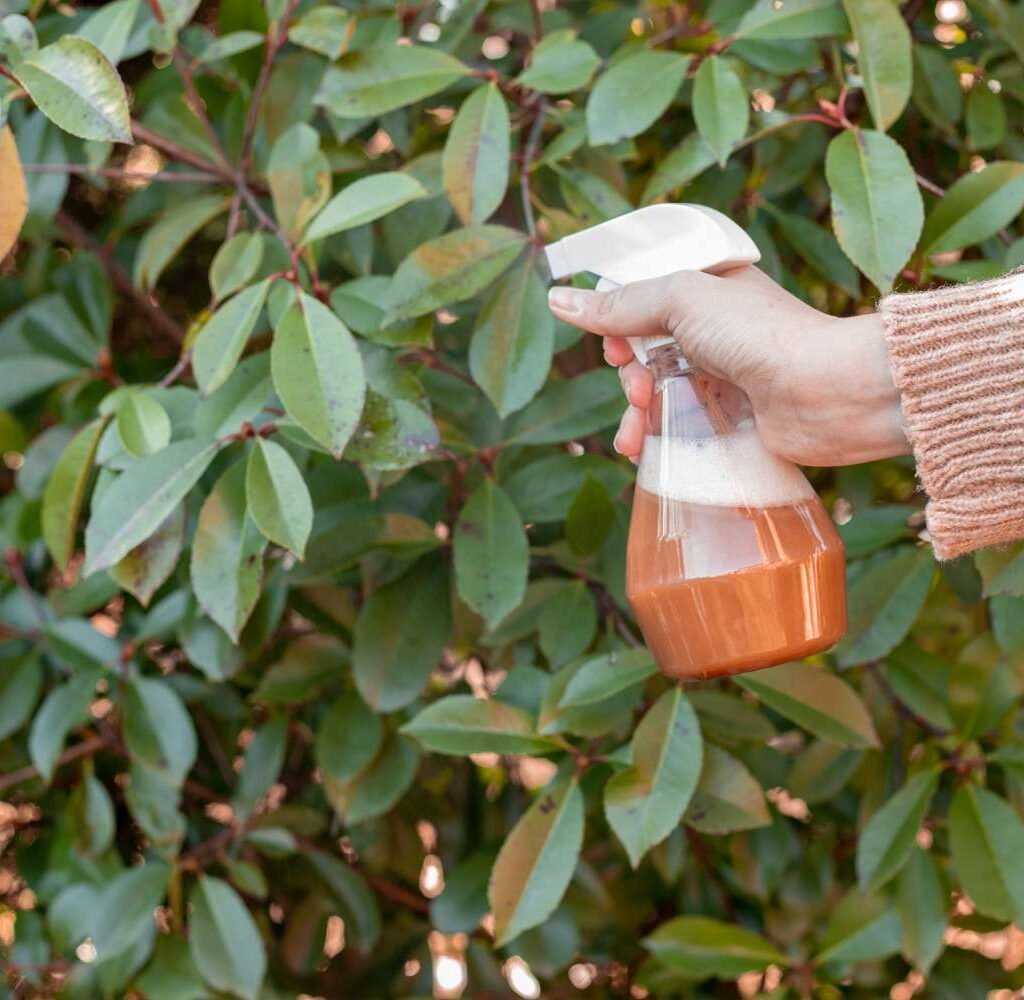
  • Spray bottle
  • Gloves (important—chili can irritate skin!)

How to Make Garlic and Chili Spray (Step-by-Step)

Follow this detailed process to make a strong and effective natural pesticide:


Step 1: Prepare the Garlic

Peel 20–25 garlic cloves and crush them with a knife or blend them lightly. Crushing releases allicin, the compound responsible for garlic’s powerful effects.


Step 2: Prepare the Chili

Chop fresh chilies into small pieces. If using chili powder, skip this step.
Tip: More chilies = stronger spray.


Step 3: Blend the Ingredients

Add garlic, chili, and half the water (2 cups) into a blender. Blend until smooth.


Step 4: Let It Steep

Pour the mixture into a container and let it sit for 12–24 hours.
This step ensures the active compounds fully infuse into the liquid.


Step 5: Strain the Mixture

Using cheesecloth or a fine strainer, remove solids so the liquid doesn’t clog your spray bottle.


Step 6: Dilute the Concentrate

Take the strained liquid and mix it with the remaining 2 cups of water.


Step 7: Add Liquid Soap

Add 1 teaspoon of mild soap to help the spray adhere to leaves.

Your garlic and chili insect repellent is now ready!


How to Use Garlic and Chili Spray Effectively

To get the best results without harming plants, follow these important guidelines.


1. Do a Patch Test First

Spray a small area of one plant and wait 24 hours.
If there’s no leaf burn, it’s safe to use.


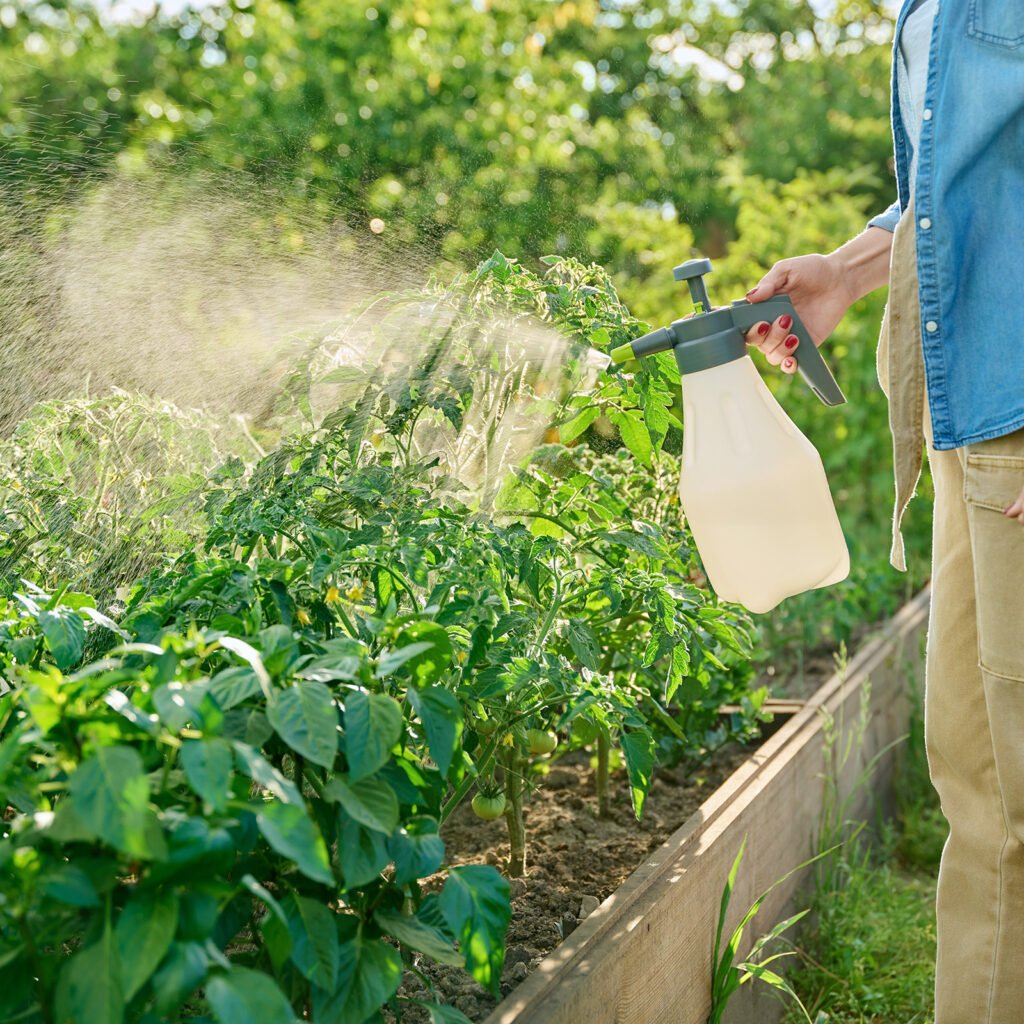
2. Spray Early in the Morning or Late Afternoon

Avoid spraying under harsh sunlight to prevent leaf damage.


3. Spray the Right Areas

Focus on:

  • Undersides of leaves (where pests hide)
  • Stems
  • New growth
  • Areas with visible pests

Avoid spraying flowers to protect pollinators.


4. Apply Regularly for Best Results

For active infestations:
Spray every 2–3 days for 2 weeks.

For prevention:
Spray once every 7–10 days.


5. Reapply After Rain

Rain washes off the spray, so reapply any time your plants get wet.


Which Insects Does Garlic and Chili Spray Repel?

This natural spray is highly effective against many garden pests, including:

Soft-Bodied Insects

  • Aphids
  • Thrips
  • Mealybugs
  • Whiteflies
  • Spider mites

Chewing Insects

  • Caterpillars
  • Beetles
  • Grasshoppers
  • Leaf miners

Ants and Other Crawling Insects

  • Ants
  • Earwigs
  • Cockroaches
  • Silverfish

It won’t kill insects but will repel them and discourage feeding.


Precautions and Safety Tips

While the spray is natural, it must be used carefully:

Always Wear Gloves

Chili can burn skin and eyes.

Keep Away From Pets and Children

The mixture can irritate eyes and skin.

Don’t Overspray

Too much can stress sensitive plants like ferns and young seedlings.

Avoid Spraying on Hot Days

It can scorch leaves in temperatures above 30°C (86°F).

Store Safely

Store leftover spray in the fridge for up to 1 week.


Extra Tips to Improve Natural Pest Control

Garlic and chili spray works even better when paired with good garden practices. Try these:

Use Mulch

Reduces soil-borne pests.

Remove Infected Leaves

Stops pests from spreading.

Encourage Beneficial Insects

Ladybugs and lacewings love eating aphids.

Grow Repellent Companion Plants

Mint, basil, marigold, and lemongrass naturally repel pests.

Water Properly

Overwatered plants attract fungus and insects.


Conclusion: A Natural, Safe, and Powerful Garden Pest Solution

Garlic and chili spray is one of the most reliable and eco-friendly ways to keep harmful insects away from your plants. It’s simple to prepare, inexpensive, and effective against a wide range of garden pests—without the risks that come from using chemical pesticides.

By using this natural spray regularly and pairing it with good gardening habits, you can enjoy healthier plants, more abundant harvests, and a thriving, chemical-free garden.

Whether you’re a beginner gardener or an experienced grower, this powerful homemade spray will help protect your garden the natural way—safely, sustainably, and effectively.

If you’d like, I can also create a Pinterest description, SEO keywords, or a short social media caption for this blog!
5 Companion Planting Secrets That Keep Bugs Away Naturally (A Gardener’s Guide to Pest-Free Plants)

5 Companion Planting Secrets That Keep Bugs Away Naturally (A Gardener’s Guide to Pest-Free Plants)

Companion planting is one of the oldest and most reliable gardening techniques for keeping plants healthy, boosting yield, and—most importantly—repelling harmful insects naturally. Long before chemical pesticides existed, farmers used the natural relationships between plants to protect crops and maintain garden balance. Today, this ancient wisdom is making a strong comeback as more gardeners shift toward eco-friendly and sustainable growing methods.

If you’ve ever wondered how to keep pests away without spraying chemicals all over your plants, companion planting is one of the easiest and most effective solutions. This approach uses the scents, chemicals, root structures, and growth habits of certain plants to deter insects, attract beneficial predators, and create a more resilient garden ecosystem.

In this comprehensive guide, we’ll explore five powerful companion planting secrets that naturally keep bugs away, protect your crops, and help your garden thrive—without a single drop of harmful pesticide. Whether you’re a beginner or a seasoned gardener, these techniques will transform the way you grow and care for your plants.


1. Strong-Scented Herbs: Nature’s Built-In Bug Repellents

One of the most effective companion planting secrets is using strongly aromatic herbs. These herbs produce essential oils and compounds that confuse, repel, or distract harmful insects from your main crops.

Why It Works

Insects rely heavily on scent to locate plants they want to feed on. Strong fragrances interfere with their ability to recognize host plants.

Best Herbs for Repelling Bugs

  • Basil: Repels flies, mosquitoes, thrips, and tomato hornworms.
  • Mint: Drives away ants, aphids, and flea beetles.
  • Rosemary: Deters cabbage moths, carrot flies, and slugs.
  • Thyme: Repels whiteflies and hornworms.
  • Sage: Keeps snails, beetles, and cabbage moths away.

Where to Plant Them

  • Around vegetable beds, especially tomatoes, peppers, and cabbage-family crops
  • Along pathways and borders
  • In between rows of vegetables
  • Near doorways and patios to keep insects away from outdoor spaces

Bonus Tip: Plant basil with tomatoes—not only for pest control but also because it improves tomato flavor and growth!

2. Trap Crops: Lure Pests Away from Your Veggies

This is one of the most powerful and least-known companion planting secrets. Trap cropping involves planting a “sacrificial plant” that pests prefer more than your main crops. These trap plants draw insects away, making them easier to manage or remove.

Why It Works

Certain insects are irresistibly attracted to specific plants. By giving pests a more appealing target, you protect your valuable crops.

Best Trap Crops and What They Protect

  • Nasturtium: Attracts aphids, whiteflies, and cabbage moths away from cabbages, broccoli, and cucumbers.
  • Mustard Greens: Draws flea beetles away from lettuce and kale.
  • Radish: Lures root maggots away from carrots and turnips.
  • Marigolds: Attracts slugs and snails (they love munching on the petals).
  • Sunflowers: Distract leaf-footed bugs and stink bugs from tomatoes and peppers.

How to Use Trap Crops Properly

  • Plant them along the garden edges or in corners.
  • Never let them get overcrowded near main crops.
  • Check them regularly and remove pests manually if needed.
  • Replace trap plants once heavily damaged.

Trap crops act like decoys—they take the beating so your vegetables don’t.


3. Flower Power: Attract Predatory Insects That Eat Pests

Many gardeners focus on repelling pests, but a powerful secret is attracting beneficial insects that prey on them. Flowers play a crucial role in drawing helpful predators like ladybugs, lacewings, hoverflies, parasitoid wasps, and predatory beetles.

How Flowers Help

  • Their nectar provides food for beneficial insects.
  • Their colors attract predators searching for insects to feed on.
  • Some flowers produce scents that repel harmful bugs while encouraging beneficial ones.

Best Flowers for Attracting Good Bugs

  • Marigolds: Attract ladybugs and deter nematodes.
  • Zinnias: Attract butterflies and beneficial predatory wasps.
  • Alyssum: Loved by hoverflies (whose larvae eat aphids).
  • Bachelor’s Button: Attracts pollinators and predatory beetles.
  • Calendula: Attracts lacewings and repels whiteflies.

Where to Plant Flowers

  • Intermixed with vegetable beds
  • Around fruit trees
  • Along edges of gardens and borders
  • Scattered in rows between crops

A garden filled with flowers is not just beautiful—it’s a battlefield where beneficial insects help protect your plants.


4. Root Pairings: Underground Allies for Pest Control

Companion planting isn’t only about what happens above the soil. Many plants work together underground by releasing natural chemicals from their roots that repel pests and protect nearby crops.

Why This Works

Some plants exude substances from their roots that alter soil biology or discourage pests from feeding or laying eggs.

Powerful Root-Level Companion Planting Pairs

  • Garlic + Roses: Garlic repels aphids and spider mites that target roses.
  • Onions + Carrots: Onions repel carrot flies, while carrots deter onion flies (a perfect mutual defense!)
  • Marigolds + Tomatoes: Marigold roots release thiophenes, which repel nematodes that damage tomato roots.
  • Chives + Strawberries: Chives keep aphids away and improve berry health.
  • Leeks + Celery: Leeks repel carrot flies, and celery repels white cabbage moths.

How to Use Root Pairings

  • Plant these combinations in the same bed or alternating rows.
  • Make sure spacing is adequate so roots do not compete for nutrients.
  • Use rotating root-companion pairs each season to maintain soil health.

This unseen underground teamwork makes plants more resilient and resistant to pests.


5. The Decoy Scent Strategy: Confuse and Distract Harmful Insects

One of the least-known but incredibly effective secrets is using strong-smelling plants to disguise the scent of more vulnerable ones. This technique uses “scent masking” to make it harder for insects to locate their preferred host plants.

How It Works

Many pests use scent trails to find food. If the garden is full of strong, competing smells, insects get confused and cannot locate their target plants easily.

Best Plants for Scent Masking

  • Lavender: Repels moths, fleas, and flies.
  • Oregano: Strong aromatic oils disrupt insect navigation.
  • Coriander (Cilantro): Repels spider mites and aphids.
  • Dill: Confuses pests while attracting beneficial wasps.
  • Fennel: Strongly scented, repels slugs and aphids (best planted at a distance, not right next to other crops).

How to Apply This Strategy

  • Plant aromatic herbs around vegetable beds.
  • Create herb borders along the garden perimeter.
  • Mix herbs directly with vulnerable crops like lettuce, beans, cabbage, and tomatoes.

This technique creates a “scent cloud” around the garden, making it much harder for pests to zero in on specific plants.


Extra Companion Planting Tips for Maximum Pest Protection

These simple habits help enhance the effectiveness of your companion planting efforts:

Rotate Your Crops Each Season

Prevents pest build-up in the soil.

Avoid Monoculture Rows

Mixing plants confuses pests and reduces widespread infestation.

Add Mulch

Mulch discourages soil-borne pests and keeps plants healthy.

Water Properly

Overwatered plants attract more pests and disease.

Keep the Garden Clean

Remove dead leaves and insect-infested plant parts.

Encourage Birds

They naturally consume caterpillars and beetles.

Companion planting works best as part of a holistic garden care system.


Final Thoughts: Let Nature Protect Your Garden

Companion planting is a simple, powerful way to protect your plants without chemical pesticides. By using herbs, trap crops, flowers, root allies, and scent-masking plants, you can create a garden ecosystem that naturally keeps harmful insects away.

These five companion planting secrets not only repel pests but also:

  • Improve soil health
  • Boost plant growth
  • Increase harvests
  • Support pollinators
  • Create a more balanced environment

When plants support each other, your entire garden becomes stronger and more resilient.

Whether you’re growing tomatoes, cucumbers, herbs, flowers, or fruit trees, companion planting helps ensure you enjoy a vibrant, pest-free garden—naturally and sustainably.

If you’d like, I can create an SEO description, Pinterest pin text, or social media captions to go with this article!

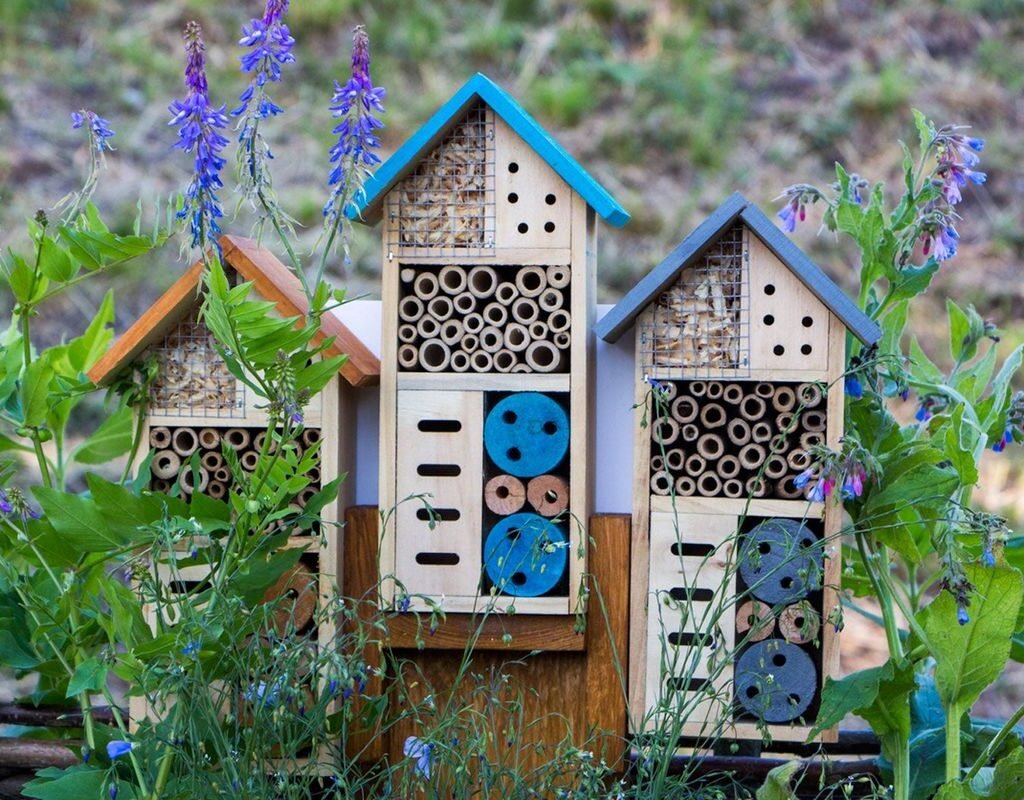
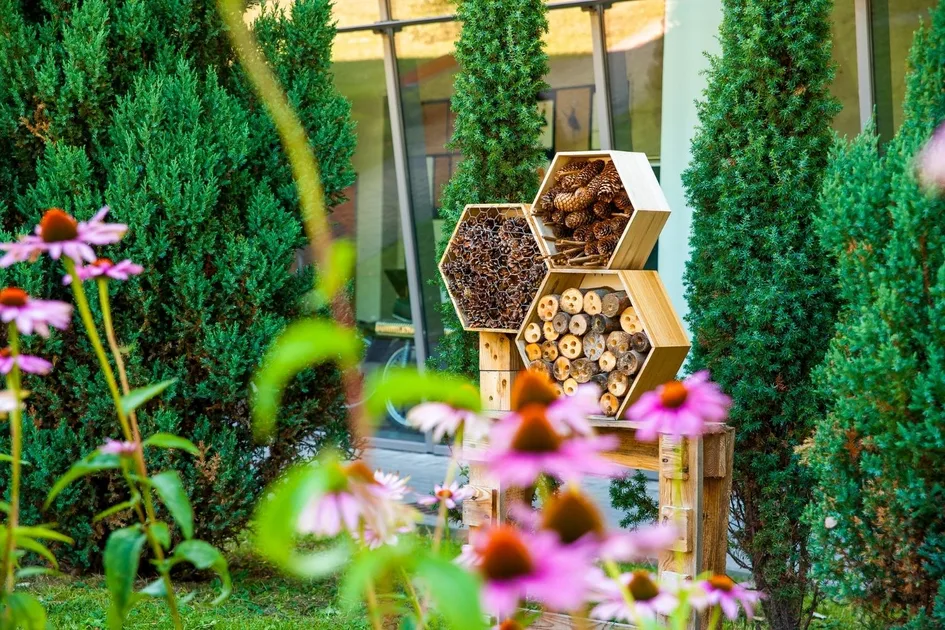
How to Build a DIY Insect Hotel to Attract Beneficial Bugs (A Complete Guide for a Healthier Garden)

How to Build a DIY Insect Hotel to Attract Beneficial Bugs (A Complete Guide for a Healthier Garden)

One of the easiest and most rewarding ways to support a thriving garden ecosystem is to attract beneficial insects. These tiny helpers—like ladybugs, lacewings, solitary bees, predatory beetles, and hoverflies—play a major role in pollination and natural pest control. But as urbanization increases and natural habitats disappear, these helpful creatures often struggle to find safe places to live, breed, and overwinter.

That’s where DIY insect hotels come in.

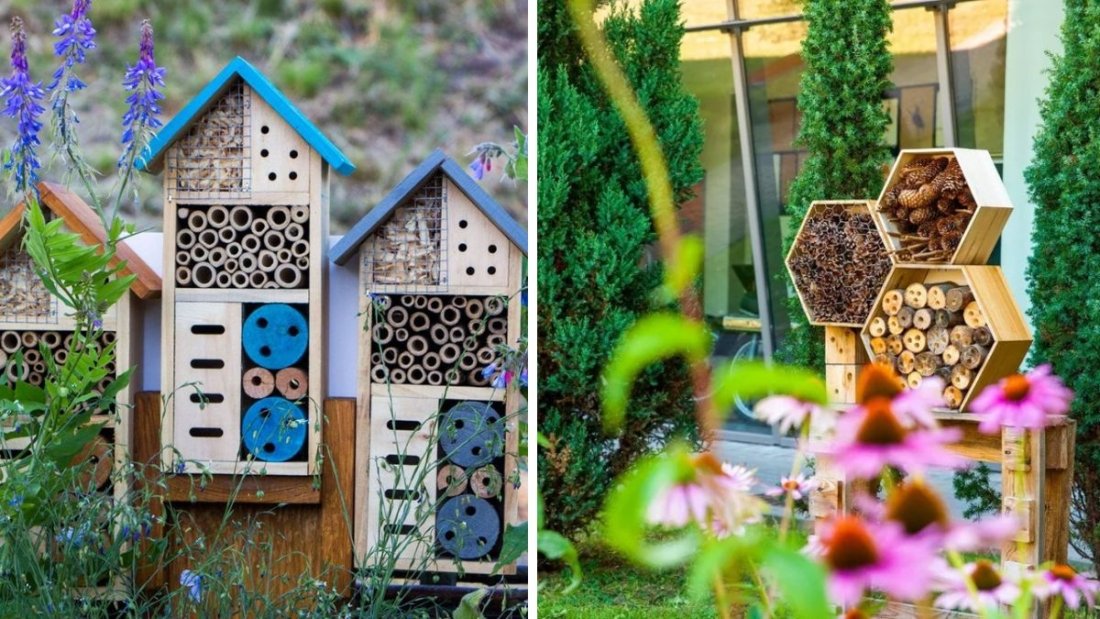
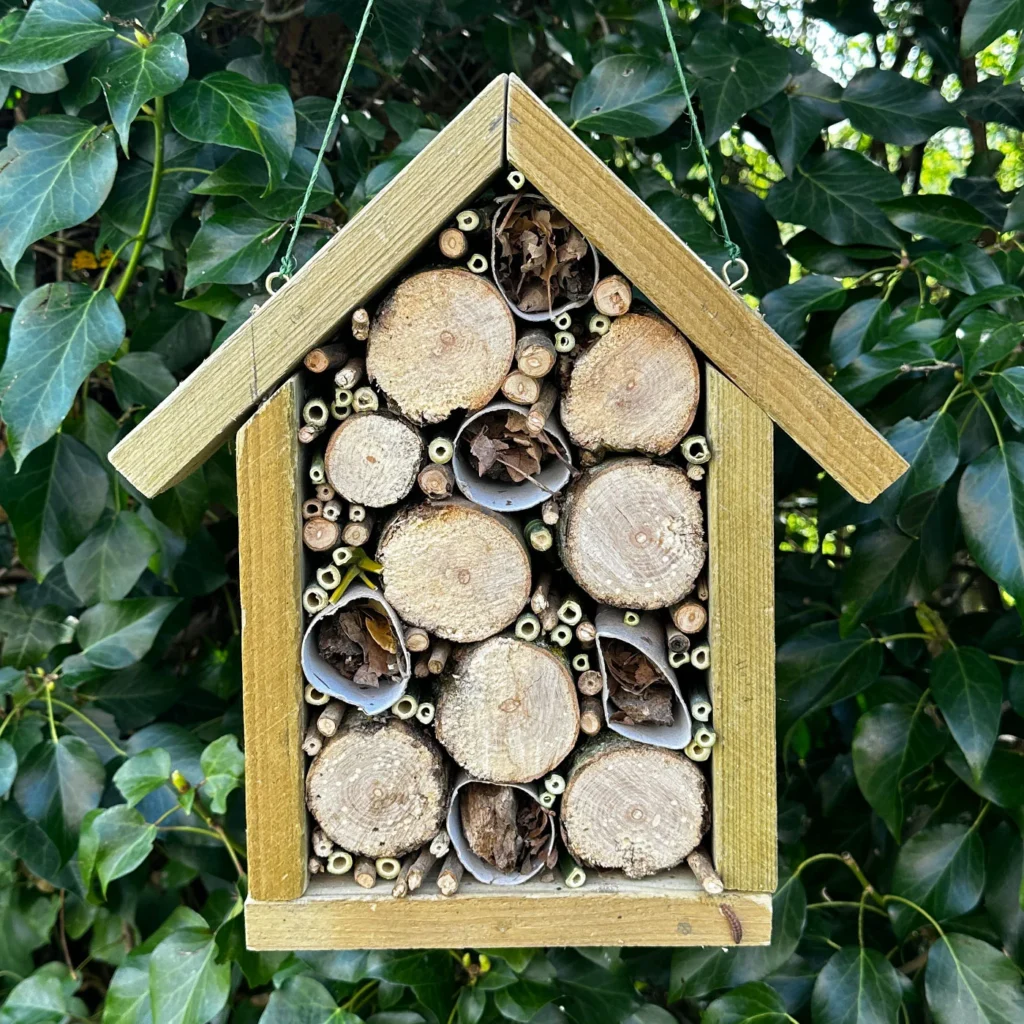
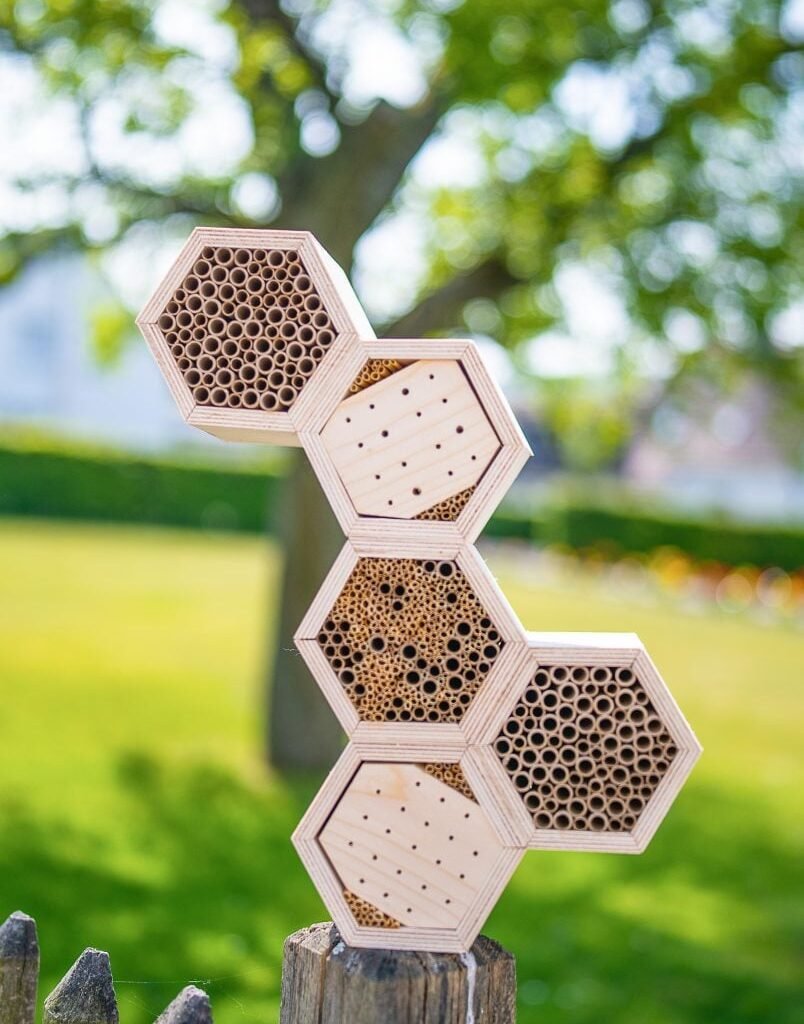
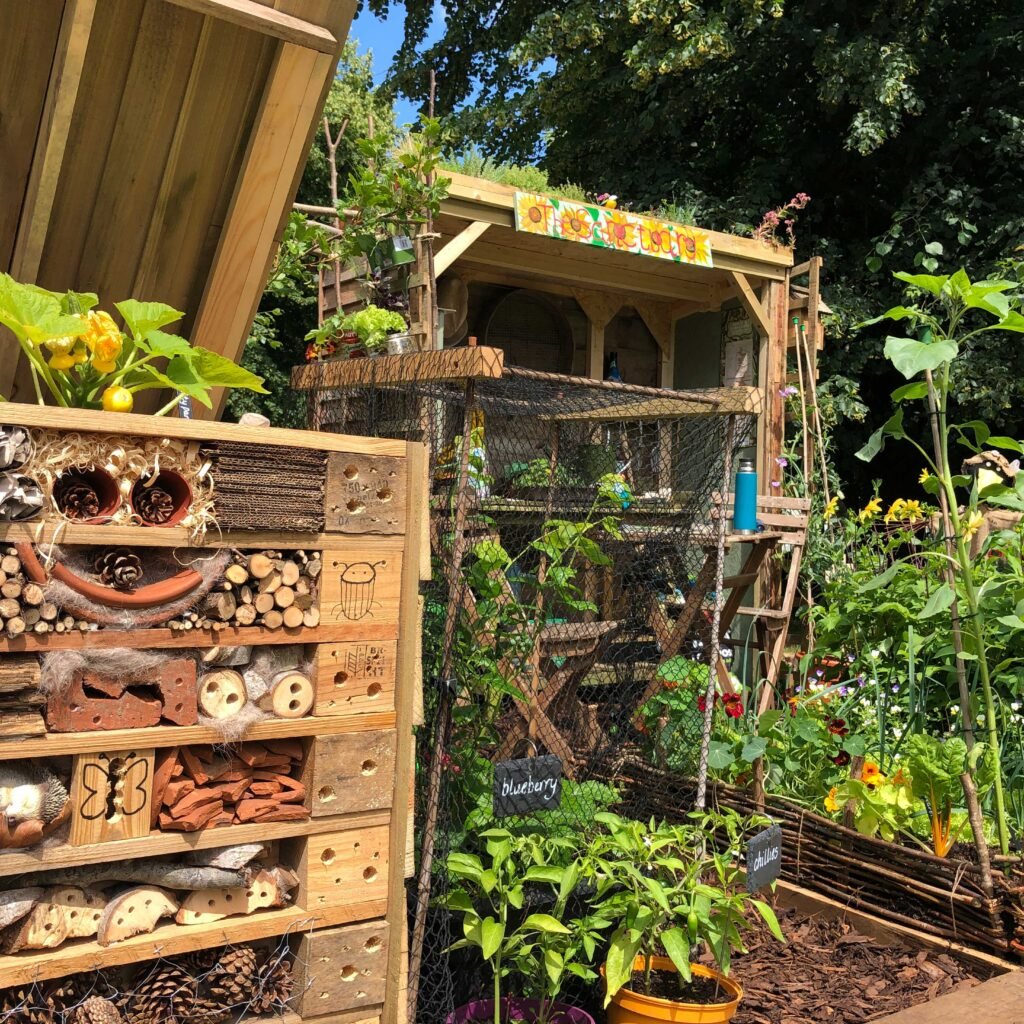
An insect hotel (also called a bug house or insect habitat) is a handmade structure filled with natural materials that provide shelter for beneficial bugs. These compact sanctuaries invite good insects to your garden, helping reduce harmful pests and increase pollination—without needing pesticides.

In this comprehensive guide, you’ll learn why insect hotels are so effective, which insects they attract, what materials to use, and simple step-by-step instructions to build one yourself, even with minimal tools. Whether you’re an urban gardener, backyard grower, or nature lover, this project is fun, sustainable, and incredibly beneficial to your garden.


Why Build an Insect Hotel?

Before we get into the building process, it’s important to understand why insect hotels are so valuable.

Boost Pollination

Solitary bees (such as Mason and Leafcutter bees) pollinate far more efficiently than honeybees. Giving them a home near your garden ensures better fruit, vegetables, and flowers.

Improve Natural Pest Control

Certain insects—like ladybugs, lacewings, predatory beetles, and parasitic wasps—feed on pests such as aphids, mites, and caterpillars. Providing shelter increases their population.

Support Biodiversity

An insect hotel mimics nature and helps restore habitat lost to concrete, pesticides, and urban expansion.

Help Insects Survive Winter

Many beneficial bugs overwinter in hollow stems, leaves, and bark—materials often removed during modern gardening cleanup.

Educational and Fun

It’s a great family project, especially for kids learning about the ecosystem.


What Kind of Insects Will Your Hotel Attract?

Different materials attract different insects. A variety of textures and spaces will encourage a diverse mix of beneficial species.

Solitary Bees

  • Mason bees, leafcutter bees
  • They use hollow tubes and drilled holes
  • Excellent pollinators

Ladybugs

  • Eat aphids, mites, and scale insects
  • Love dry leaves, bark, and pinecones

Spiders

  • Control flies, moths, mosquitoes
  • Prefer dark, narrow crevices

Lacewings

  • Larvae eat aphids and whiteflies
  • Attracted to straw and rolled cardboard

Predatory Beetles

  • Eat snails, slugs, and larvae
  • Prefer logs, soil pockets, and bark

Earwigs (Helpful Ones!)

  • Eat aphids and caterpillars
  • Like bamboo and rolled tubes

A well-designed insect hotel becomes a bustling miniature ecosystem.


Best Natural Materials to Use in an Insect Hotel

The key to building an effective insect hotel is to use natural, untreated materials that mimic the insects’ natural habitats.

Recommended Materials:

  • Bamboo sticks or hollow stems
  • Wooden logs with drilled holes
  • Pinecones
  • Bark pieces
  • Straw and hay
  • Twigs and sticks
  • Coconut husk fibers
  • Rolled corrugated cardboard
  • Dry leaves
  • Clay or mud bricks
  • Cork pieces

Avoid:

  • Treated wood
  • Painted or varnished materials
  • Plastics (they trap moisture and mold)
  • Sharp edges

The more variety you use, the more insects your hotel will attract.


How to Build a DIY Insect Hotel (Step-by-Step)

Here is a simple and effective way to create a sturdy insect hotel using inexpensive materials. You don’t need advanced carpentry skills—just a few tools and creativity.


Step 1: Choose a Frame

You can use:

  • A wooden box
  • Old drawer
  • Wine crate
  • Birdhouse frame
  • Pallet wood assembled into a rectangular box

Aim for a depth of 6–12 inches and an open front. The back should be solid to keep wind and rain out.


Step 2: Divide the Frame into Sections

Add horizontal and vertical dividers inside the frame using scrap wood.
This:

  • Keeps materials organized
  • Helps different insects use separate chambers
  • Makes the hotel more attractive and functional

Create at least 4–6 compartments of varying sizes.


Step 3: Fill Each Section with Different Materials

This is where the magic happens! Fill each compartment with insect-friendly materials.

For Solitary Bees

  • Bamboo or hollow stems
  • Drilled logs (holes 3–8 mm wide, 5 inches deep, smooth inside)
  • Paper tubes

For Ladybugs

  • Pinecones
  • Bark chips
  • Dry leaves

For Lacewings

  • Rolled cardboard
  • Straw
  • Coconut fibers

For Beetles and Spiders

  • Logs
  • Thick branches
  • Stabilized soil pockets

Pack materials tightly so they do not move or fall out.


Step 4: Add a Roof (Optional but Recommended)

A slanted roof protects your insect hotel from:

  • Rain
  • Snow
  • Harsh sun

Use a simple wooden plank or leftover shingles. Allow it to overhang slightly to prevent water from entering.


Step 5: Secure Everything Firmly

Use twine or small nails to secure materials so they don’t fall out during wind or rain.


Step 6: Mount the Insect Hotel in a Proper Location

Placement is critical to success.

Ideal Location:

  • South or southeast-facing (morning sunlight)
  • At least 3–6 feet off the ground
  • Near flowers, herbs, and vegetables
  • Sheltered from heavy rain and strong winds

Avoid placing the hotel on the ground—this attracts moisture and pests like ants.


Plants to Grow Near Your Insect Hotel

To keep beneficial insects visiting, grow these around the area:

For Bees:

  • Lavender
  • Mint
  • Basil
  • Sunflowers
  • Coneflowers
  • Wildflowers

For Ladybugs & Lacewings:

  • Dill
  • Fennel
  • Alyssum
  • Marigolds
  • Yarrow

For Beetles & Spiders:

  • Native grasses
  • Shrubs
  • Groundcovers

The more nectar, pollen, and habitat plants in the area, the more successful your insect hotel will be.


Maintenance: How to Keep Your Insect Hotel Safe and Effective

Insect hotels don’t require much work, but a little seasonal maintenance keeps them productive.

1. Check for Mold or Rot

Remove wet or moldy materials immediately.

2. Replace Old Tubes

Bee tubes should be replaced every year to prevent parasites.

3. Clean Out Debris

Insects leave behind shells, mud, and waste—clear the chambers gently.

4. Refresh Materials in Spring

Add new bamboo, straw, and cardboard at the start of the season.

5. Avoid Overcleaning

Some insects overwinter inside—do not disturb during winter months.


Additional Tips for a Highly Successful Insect Hotel

Use Native Materials

Local insects prefer natural materials from their environment.

Create Multiple Hotels

Place smaller insect hotels around the garden to distribute insect populations.

Add a Water Source

A shallow dish with stones gives insects a safe drinking spot.

Provide Food Sources

Plant herbs, flowers, and vegetable crops nearby.

Avoid Pesticides Completely

Even natural sprays can harm beneficial insects.

An insect hotel works best in a truly chemical-free garden.


Final Thoughts: Build a Home That Helps Nature Thrive

Building a DIY insect hotel is one of the most rewarding projects for any gardener. Not only does it attract beneficial insects that protect and pollinate your plants, but it also brings life, diversity, and balance back to your garden.

By combining natural materials, smart placement, and supportive planting, your insect hotel will become a thriving habitat buzzing with helpful visitors.

Whether you’re trying to boost your vegetable yields, reduce pest problems, support pollinators, or simply reconnect with nature, an insect hotel is the perfect eco-friendly solution.

If you’d like, I can also create an SEO meta description, Pinterest pin text, or social media caption for this article!

The Ultimate Guide to Pest-Free Gardening Without Chemicals

The Ultimate Guide to Pest-Free Gardening Without Chemicals

Gardening without chemicals isn’t just possible — it’s incredibly rewarding. When you ditch synthetic pesticides, you protect pollinators, improve soil health, and create a thriving ecosystem that naturally keeps pests under control. Whether you’re dealing with aphids, beetles, caterpillars, or fungal gnats, there are effective natural methods that can help you reclaim your garden.

This ultimate guide walks you through proven, chemical-free strategies to keep your garden pest-free while nurturing a healthy, vibrant, and eco-friendly environment.


Why Choose Chemical-Free Pest Control?

Chemical pesticides may offer quick fixes, but they bring long-term problems—killing beneficial insects, contaminating soil and water, and weakening the natural balance of your garden. Natural pest control focuses on prevention, biodiversity, and sustainable solutions that work with nature, not against it.

By using chemical-free techniques, you get:

  • Healthier plants with better immunity
  • Safer food from your home garden
  • Cleaner soil and water
  • More pollinators and beneficial insects
  • A self-sustaining garden ecosystem

Let’s explore the tools and methods that make this possible.


1. Start With Healthy Soil: Your First Line of Defense

A plant that is well-fed and growing in healthy soil is naturally more resistant to pests. Sick, nutrient-deficient plants emit distress signals that attract insects. Healthy plants do the opposite—they fight off diseases and pest attacks.

How to Improve Your Soil Naturally

  • Add organic matter such as compost, leaf mold, or worm castings.
  • Use mulch to conserve moisture, regulate temperature, and prevent pests like fungus gnats.
  • Avoid overwatering, which attracts pests such as root aphids and fungus gnats.
  • Rotate crops to prevent buildup of soil-borne diseases and pests.

Healthy soil creates a strong foundation that discourages many pest issues before they even begin.


2. Invite Beneficial Insects Into Your Garden

Instead of fighting pests alone, let nature help you. Beneficial insects prey on harmful pests and can drastically reduce infestations.

Important Beneficial Insects

  • Ladybugs: Eat aphids, mites, and soft-bodied pests
  • Lacewings: Consume whiteflies, thrips, and mealybugs
  • Hoverflies: Their larvae devour aphids
  • Parasitic wasps: Target caterpillars and beetle larvae
  • Ground beetles: Feed on slugs, snails, and soil-dwelling pests

Plants That Attract Beneficial Insects

  • Dill
  • Cilantro
  • Fennel
  • Calendula
  • Marigold
  • Yarrow
  • Cosmos
  • Sunflowers

Planting these flowers near vulnerable crops can significantly boost natural pest control.


3. Use Homemade Natural Sprays That Really Work

When pests strike hard, natural sprays offer effective solutions without harming the environment.

Popular Chemical-Free Sprays

1. Neem Oil

  • Kills aphids, whiteflies, thrips, spider mites
  • Works as an antifungal
  • Safe for beneficial insects when applied at dusk or dawn

2. Soap Spray

  • Made from mild liquid soap and water
  • Breaks down the protective coating of soft-bodied insects

3. Garlic-Chili Spray

  • Repels chewing insects and pests that dislike strong smells
  • Acts as an antifungal as well

4. Baking Soda Spray

  • Used for fungal diseases like powdery mildew

5. Vinegar Spray (for weeds only)

  • Not for pests but great for clearing weeds naturally

Tip:

Always test sprays on a small part of the plant first to avoid scorching leaves.


4. Practice Smart Companion Planting

Companion planting uses plant chemistry and scent to deter pests naturally. When placed strategically, certain plants protect each other from insects.

Effective Pest-Repelling Companions

Basil

Repels mosquitoes, aphids, and whiteflies — perfect next to tomatoes.

Marigolds

Their strong scent deters nematodes, aphids, and beetles.

Mint

Repels ants, flea beetles, and cabbage moths (keep in pots, spreads aggressively).

Chives and Onions

Their sulfur smell discourages mites and aphids.

Lavender

Keeps moths, fleas, and even deer away.

Rosemary

Repels carrot flies and cabbage moths.

Using companion plants is one of the easiest, most effective ways to maintain a pest-free garden.


5. Physical Barriers: Simple, Safe, and Highly Effective

Before pests reach your plants, block them.

Common Barriers for Natural Pest Control

  • Row covers: Keep beetles, cabbage worms, and aphids away
  • Mulch: Suppresses pests laying eggs near the soil
  • Netting: Protects berries and fruits from birds
  • Sticky traps: Catch flying insects like whiteflies
  • Collars around stems: Prevent cutworms
  • Copper tape: Repels slugs and snails

Unlike chemicals, physical barriers don’t harm beneficial insects or disrupt the ecosystem.


6. Keep Your Garden Clean and Well-Maintained

Good garden hygiene is essential to prevent pest outbreaks.

Ways to Reduce Hidden Pest Hotspots

  • Remove dead leaves, which harbor insects and fungal spores.
  • Prune crowded branches to improve airflow and reduce humidity-loving pests.
  • Avoid leaving fallen fruit, which attracts fruit flies and borers.
  • Destroy infested plants immediately—never compost them.
  • Clean tools regularly to prevent disease spread.

A clean garden is less attractive to pests and far easier to manage.


7. Water the Right Way to Avoid Attracting Pests

Too much moisture invites pests like fungus gnats, root aphids, and slugs. Incorrect watering can also increase fungal diseases.

Smart Watering Practices

  • Water early in the morning so leaves dry quickly
  • Avoid overhead watering when possible
  • Use drip irrigation to keep foliage dry
  • Check soil before watering to avoid overwatering
  • Water deeply but infrequently

When conditions are dry on the surface, many pests stay away.


8. Encourage Birds, Frogs, and Other Natural Predators

Nature has its own pest management team — help them settle into your garden.

How to Attract Natural Predators

  • Install bird feeders and birdbaths
  • Add small water features to attract frogs and toads
  • Provide hiding spots using rocks, logs, or insect hotels
  • Plant shrubs where beneficial animals can shelter

Birds alone can drastically reduce caterpillars and beetles in your garden.


9. Use Organic Soil Amendments to Strengthen Plant Immunity

Healthy plants resist pests better. Certain natural amendments enhance plant immune responses.

Helpful Organic Additions

  • Seaweed fertilizer: Boosts resilience against stress and pests
  • Compost tea: Introduces beneficial microbes
  • Bone meal and fish emulsion: Strengthen root systems
  • Epsom salt (sparingly): Supports magnesium-loving plants

Stronger plants = fewer pests.


10. Maintain a Diverse Garden Ecosystem

Monoculture (growing only one type of plant) increases pest problems. Diversity disrupts pest cycles and promotes balance.

Ways to Increase Diversity

  • Mix herbs, flowers, and vegetables together
  • Grow multiple varieties of the same crop
  • Rotate crops each season
  • Add native plants that support local wildlife

A diverse garden is naturally resistant to pest outbreaks.


Final Thoughts: A Thriving Garden Doesn’t Need Chemicals

Creating a pest-free garden without chemicals doesn’t mean battling nature — it means partnering with it. By building healthy soil, encouraging beneficial insects, using natural sprays, applying smart companion planting, and maintaining good garden hygiene, you can create a vibrant and resilient ecosystem.

Chemical-free gardening is sustainable, safe, and incredibly rewarding. With patience and consistency, your garden will flourish — naturally, beautifully, and without a single drop of synthetic pesticide.

If you want the next blog post or a printable checklist for natural pest control, just let me know!