Which Country Is the Largest Apple Producer in the World?

Which Country Is the Largest Apple Producer in the World?

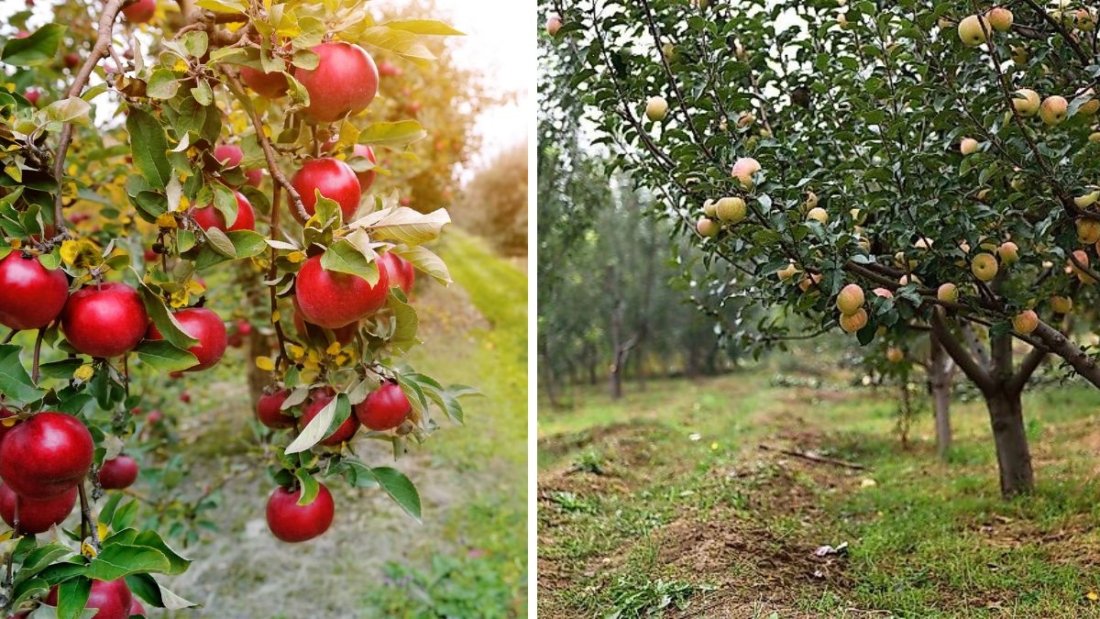
Apples are one of the most popular and widely cultivated fruits globally, renowned for their crisp texture, refreshing flavor, and impressive health benefits. From a healthy snack to a key ingredient in pies, juices, and sauces, apples have become a staple in diets around the world. But when it comes to production, which country leads the world in apple cultivation?

In this article, we will explore the top apple-producing country, why it dominates global production, the varieties it grows, and the significance of apples in nutrition and the economy worldwide.


The Global Appeal of Apples

Apples (Malus domestica) are grown in temperate climates across the world. They are versatile, easy to store, and rich in nutrients, making them a favorite fruit in both fresh and processed forms.

Nutritional Benefits of Apples

  • High in fiber – Supports digestion and gut health
  • Rich in antioxidants – Helps reduce oxidative stress and inflammation
  • Contains vitamin C – Boosts immunity and skin health
  • Low in calories – Perfect for healthy snacking
  • Good source of potassium – Supports heart health

Apples are consumed fresh, juiced, baked into pies, or processed into sauces and ciders, contributing to their high global demand.


Popular Apple Varieties

Worldwide, apples are cultivated in hundreds of varieties, each with distinct taste, texture, and use:

  • Red Delicious – Sweet, crisp, popular for fresh eating
  • Golden Delicious – Mild sweetness, good for baking and fresh consumption
  • Granny Smith – Tart flavor, excellent for pies and salads
  • Fuji – Sweet and crisp, ideal for snacking
  • Gala – Juicy and aromatic, widely favored for fresh consumption
  • Honeycrisp – Crisp and sweet-tart, premium variety

The diversity of apple varieties allows countries to cater to both domestic consumption and export markets.


Which Country Produces the Most Apples?

China — The Largest Apple Producer in the World

China is by far the largest apple producer globally, producing over 45 million tonnes annually, accounting for nearly 50% of global production.

  • Major apple-growing regions: Shandong, Shaanxi, Henan, Hebei, and Liaoning provinces
  • Cultivation methods: Open-field orchards, modern high-density plantations, and advanced irrigation
  • Popular varieties: Fuji, Red Fuji, Golden Delicious, Gala

China’s dominance in apple production is due to its favorable climate, extensive farmland, advanced agricultural techniques, and high domestic demand.


Why China Leads in Apple Production

Several factors contribute to China’s position as the global leader in apple cultivation:

1. Favorable Climate and Soil

Apples require temperate climates with cold winters and moderate summers. China provides these conditions in several provinces:

  • Cold winters help induce dormancy, essential for apple flowering
  • Fertile, well-drained soils support healthy growth
  • Adequate rainfall and irrigation systems ensure high yields

These conditions allow for large-scale, high-quality apple production.


2. Extensive Cultivation Area

China dedicates millions of hectares to apple orchards, combining smallholder farms and large commercial plantations. This extensive cultivation area enables China to produce high volumes consistently to meet domestic and export demand.


3. Advanced Agricultural Practices

China has implemented modern farming techniques to boost apple yields:

  • High-density planting for increased fruit output
  • Use of high-quality saplings and grafted trees
  • Pest and disease management strategies
  • Drip irrigation and fertigation for optimal growth

These measures ensure both quantity and quality, making Chinese apples competitive in the global market.


4. Strong Domestic Market

China has a massive domestic population with a high demand for apples, consumed fresh, in juice, or as processed products. This strong domestic market supports continuous production and provides a stable income source for farmers.


Other Major Apple-Producing Countries

While China leads globally, several other countries are significant apple producers:

United States

  • Annual production: Around 5.5 million tonnes
  • Major states: Washington, New York, Michigan, Pennsylvania
  • Varieties: Red Delicious, Gala, Fuji, Honeycrisp
  • Focus: Fresh consumption, processed apples, and export

Poland

  • Annual production: About 4 million tonnes
  • Europe’s largest apple producer
  • Known for Golden Delicious, Idared, and Jonagold varieties

India

  • Annual production: Around 2.5 million tonnes
  • Major states: Himachal Pradesh, Jammu & Kashmir, Uttarakhand
  • Popular varieties: Red Delicious, Royal Delicious, Golden Delicious

Italy

  • Annual production: Around 2 million tonnes
  • Key varieties: Golden Delicious, Gala, Fuji
  • Produces both fresh and processed apples for domestic consumption and export

Romania

  • Annual production: About 1.5 million tonnes
  • Major European producer for fresh apples and juice

Global Apple Production Statistics (Approximate)

CountryAnnual Production (Tonnes)
China45,000,000+
United States5,500,000+
Poland4,000,000+
India2,500,000+
Italy2,000,000+
Romania1,500,000+
Others5,500,000+

China’s production far surpasses other countries, making it the undisputed leader in apple cultivation.


Economic and Nutritional Significance of Apples

Apple cultivation has a major impact on both economy and health:

  1. Economic Importance – Supports rural livelihoods and generates revenue for both domestic markets and exports
  2. Employment – Millions are involved in cultivation, harvesting, packaging, and processing
  3. Food Security – Apples provide a nutritious, easily stored fruit for millions of people
  4. Export Potential – China, the U.S., and Poland export large quantities of apples worldwide
  5. Culinary Use – Fresh consumption, pies, juices, sauces, cider, and desserts

Fun Facts About Apples

  • China produces more than 45% of the world’s apples
  • Apples have been cultivated for over 4,000 years
  • Apples float in water because they are 25% air
  • There are over 7,500 apple varieties grown worldwide
  • Apples can be eaten raw, baked, juiced, or processed into vinegar and cider

Final Answer: Largest Apple Producer

China is the largest apple producer in the world, producing over 45 million tonnes annually. Its favorable climate, extensive orchards, modern farming techniques, and large domestic demand make it the global leader in apple cultivation.


Conclusion

Apples are not only a tasty, versatile fruit but also a nutritious and economically important crop. China’s dominance in apple production ensures a steady supply for both domestic consumption and international markets.

From fresh apples in local markets to exported varieties reaching countries around the world, China continues to set the standard for high-quality, abundant apple production. With modern farming practices, diverse varieties, and large-scale cultivation, China remains the undisputed leader in apple production, connecting farmers, consumers, and economies across the globe.
Which Country Is Famous for Producing the Most Bananas?

Which Country Is Famous for Producing the Most Bananas?

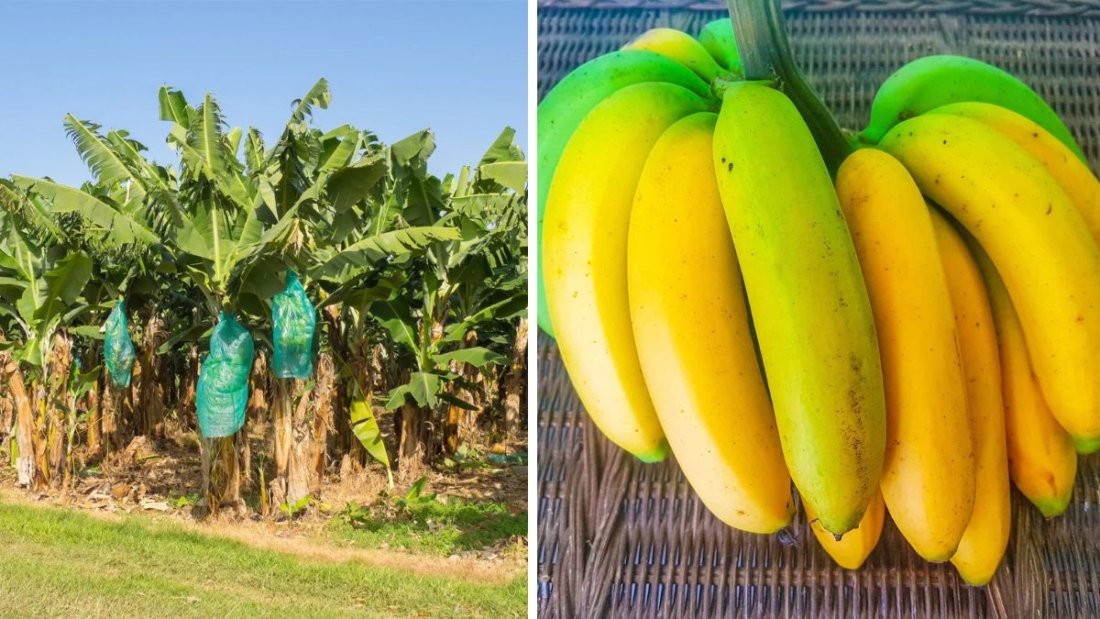
Bananas are one of the most widely consumed fruits in the world, cherished for their natural sweetness, convenience, and nutritional value. From a quick snack to an ingredient in smoothies, desserts, and baked goods, bananas have become a global dietary staple. But when it comes to production, which country is famous for producing the most bananas in the world?

In this article, we will explore the top banana-producing country, why it leads global production, the varieties it grows, and the significance of bananas in the economy and nutrition worldwide.


The Global Popularity of Bananas

Bananas (genus Musa) are tropical fruits cultivated for centuries in regions with warm climates, rich soil, and adequate rainfall. They are valued not only for their sweet taste but also for their health benefits:

Nutritional Benefits of Bananas

  • Rich in potassium – Supports heart health and blood pressure regulation
  • High in carbohydrates – Provides quick energy
  • Contains vitamin B6 – Supports metabolism and brain function
  • Good source of dietary fiber – Aids digestion
  • Low in fat and sodium – Ideal for a healthy diet

Bananas are consumed in multiple forms: fresh, dried, in baked goods, smoothies, baby food, and even as a fried or grilled snack. This versatility contributes to their high global demand.


Varieties of Bananas

Bananas come in several varieties, each with unique characteristics and uses:

  • Cavendish Banana – The most commercially exported variety
  • Red Banana – Sweet, reddish skin, slightly firmer texture
  • Plantain – Larger, starchy, often cooked before eating
  • Lady Finger Banana – Smaller, sweet, ideal for desserts
  • Gros Michel – Formerly the main export variety, now rare due to disease

Different varieties thrive in different climates and are used for fresh consumption, cooking, or industrial processing.


Which Country Produces the Most Bananas?

India — The Largest Banana Producer in the World

India holds the top spot as the largest banana producer globally, producing nearly 30 million tonnes annually, which accounts for approximately 25–30% of total global production.

  • Major banana-growing states: Tamil Nadu, Maharashtra, Karnataka, Andhra Pradesh, Gujarat, and Kerala
  • Cultivation type: Primarily open-field plantations, with some modern farms using drip irrigation and high-density planting
  • Varieties grown: Cavendish, Robusta, Red Banana, Poovan, Nendran

India’s leadership in banana production is due to its favorable tropical climate, fertile soil, extensive farmland, and strong domestic and export demand.


Why India Dominates Banana Production

Several factors explain India’s leadership in banana cultivation:

1. Favorable Climate and Soil

Bananas grow best in warm, humid, tropical climates with temperatures between 26–30°C and well-drained, fertile soil. India provides these ideal conditions across multiple states, allowing year-round cultivation and multiple harvests per year.


2. Extensive Cultivation Area

India dedicates millions of hectares to banana farming, combining smallholder farms and large commercial plantations. The large cultivation area ensures a steady and high-volume production that meets both domestic and export demand.


3. Diverse Banana Varieties

India grows a wide range of banana varieties suited for different climates, tastes, and purposes:

  • Cavendish – Exported internationally
  • Robusta – Used for local consumption and export
  • Red Banana – Sweet, nutrient-rich, used for fresh consumption
  • Poovan and Nendran – Popular in southern India for fresh consumption and cooking

This diversity allows India to cater to both domestic and global markets effectively.


4. Government Support and Research

India has developed policies and programs to boost banana production:

  • Subsidies for high-quality saplings, fertilizers, and irrigation systems
  • Agricultural research institutes developing high-yield, disease-resistant varieties
  • Export promotion initiatives through trade agreements
  • Farmer training programs for modern cultivation and pest management

These efforts ensure consistent production and high-quality bananas.


Other Major Banana-Producing Countries

While India is the largest producer, other countries are also significant contributors:

Ecuador

  • Annual production: About 7 million tonnes
  • Major exporter: Supplies nearly 25% of global banana exports
  • Key varieties: Cavendish, Gros Michel
  • Focus: Primarily international markets, including the U.S. and Europe

Philippines

  • Annual production: Around 9 million tonnes
  • Major exporter of Cavendish bananas
  • Significant for international trade, particularly to Asia and the Middle East

Brazil

  • Annual production: 7–8 million tonnes
  • Produces a mix of bananas for domestic consumption and export
  • Focus on Cavendish and local varieties

Indonesia

  • Annual production: About 6 million tonnes
  • Produces both local varieties and export-oriented Cavendish bananas

Thailand

  • Annual production: Around 3 million tonnes
  • Focus on domestic markets and export of processed banana products

Global Banana Production Statistics (Approximate)

CountryAnnual Production (Tonnes)
India30,000,000+
Philippines9,000,000+
Ecuador7,000,000+
Brazil7,500,000+
Indonesia6,000,000+
Thailand3,000,000+
Others10,000,000+

India produces more than three times the bananas of the next-largest producer, solidifying its position as the global leader.


Economic Significance of Bananas

Banana cultivation is not just about feeding people—it’s a key economic driver:

  1. Employment – Millions of farmers and workers are involved in cultivation, harvesting, processing, and export
  2. Export Revenue – Countries like India, Ecuador, and the Philippines earn significant revenue from banana exports
  3. Food Security – Bananas are a reliable, nutritious staple for domestic populations
  4. Industrial Use – Bananas are used in snacks, baby foods, flour, and desserts
  5. Rural Development – Banana farming supports rural livelihoods and boosts local economies

Fun Facts About Bananas

  • Bananas are technically berries, while their plants are considered herbs
  • India grows the largest quantity of bananas in the world, but Ecuador leads in exports
  • The Cavendish banana accounts for 95% of international banana trade
  • Bananas are harvested while still green and ripen during transport
  • Bananas are one of the few fruits available year-round due to tropical cultivation

Final Answer: Largest Banana Producer

India is the country famous for producing the most bananas, with over 30 million tonnes annually. Its favorable tropical climate, vast farmland, diverse varieties, and strong domestic and export demand make it the undisputed global leader in banana production.


Conclusion

Bananas are more than a sweet, convenient fruit—they are a nutritional powerhouse and an economic staple. India’s dominance in banana production ensures a steady supply for millions of people while supporting rural livelihoods and international trade.

From fresh banana slices to smoothies, desserts, and processed foods, Indian bananas delight taste buds worldwide. With modern farming practices, diverse varieties, and government support, India continues to set the standard for banana cultivation globally.

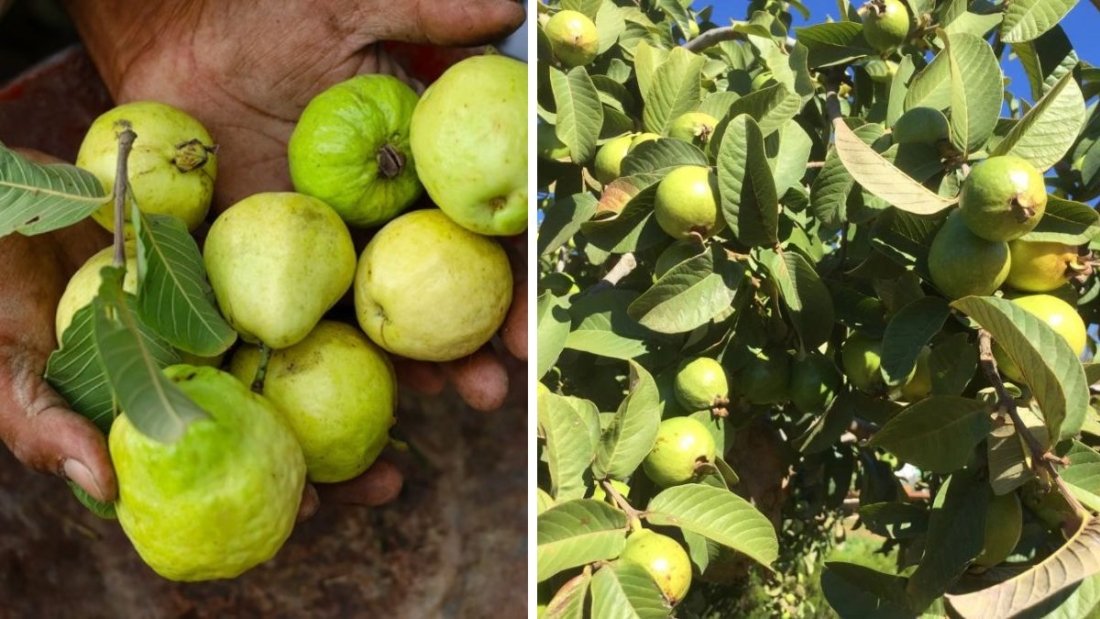
Which Country Is the Largest Guava Producer in the World?

Which Country Is the Largest Guava Producer in the World?

Guava, often referred to as the “superfruit of the tropics”, is celebrated for its sweet flavor, aromatic fragrance, and impressive nutritional profile. From fresh consumption to juices, jams, and desserts, guava has become a staple fruit in many households around the world. But when it comes to global production, which country leads the world in guava cultivation?

In this article, we explore the top guava-producing country, the reasons behind its dominance, its popular varieties, and the economic and cultural significance of guava production globally.


The Global Popularity of Guava

Guava (Psidium guajava) is a tropical fruit native to Central and South America but has spread widely across Asia, Africa, and other tropical regions. Its sweet, tangy flavor and numerous health benefits make it a favorite fruit worldwide.

Nutritional Benefits of Guava

  • High in vitamin C – Strengthens immunity and fights infections
  • Rich in dietary fiber – Promotes healthy digestion
  • Contains antioxidants – Protects cells from damage and supports heart health
  • Low in calories – Ideal for weight management
  • Provides vitamins A, B, and potassium – Supports vision, metabolism, and cardiovascular health

Guava can be enjoyed in multiple ways: eaten fresh, juiced, blended into smoothies, or used in jams, candies, and desserts. Its versatility contributes to its high demand in both domestic and international markets.


Guava Varieties Around the World

Guavas come in different shapes, sizes, and colors, each suited for specific climates, tastes, and uses:

  • White-Fleshed Guava – Mildly sweet, commonly used for fresh consumption
  • Pink or Red-Fleshed Guava – Sweet with a tangy flavor, ideal for juices and jams
  • Apple Guava (Common Guava) – Crisp and aromatic, popular for fresh eating
  • Strawberry Guava – Small, flavorful fruits often used for processing
  • Tropical Guava Varieties – Cultivated in tropical regions for high yield

The wide variety allows countries to cater to different consumer preferences and processing industries.


Which Country Produces the Most Guava?

India — The Largest Guava Producer in the World

India is by far the largest guava producer globally, contributing over 45% of the world’s guava supply.

  • Annual production: Over 4 million tonnes
  • Major growing regions: Uttar Pradesh, Maharashtra, Bihar, West Bengal, Punjab, and Gujarat
  • Cultivation techniques: Traditional orchards, high-density plantations, and modern irrigation

India’s leadership in guava production is fueled by favorable climate, extensive farmland, high domestic demand, and diverse varieties.


Why India Dominates Guava Production

Several factors contribute to India’s dominance in guava cultivation:

1. Ideal Climate and Soil

Guava thrives in tropical and subtropical climates. India offers:

  • Warm temperatures ranging from 23–28°C
  • Well-drained, fertile soils suitable for fruit cultivation
  • Moderate rainfall and irrigation infrastructure

These conditions support high yield and year-round production.


2. Extensive Cultivation Area

India dedicates millions of hectares to guava orchards, with both small-scale and commercial farms. The large cultivation area allows India to produce guava in high volumes to meet domestic and international demand.


3. Diverse Guava Varieties

India grows a range of guava varieties that appeal to both domestic and export markets:

  • Allahabad Safeda – Soft, aromatic, and sweet, popular for fresh eating
  • Lucknow 49 – High yield and disease-resistant
  • Sardar – Large fruits with firm flesh, ideal for transportation
  • Red-Fleshed Varieties – For juice and processed products

This variety ensures India can meet different market demands and maintain year-round availability.


4. Government Support and Research

The Indian government and agricultural institutions support guava cultivation through:

  • Subsidies for irrigation, fertilizers, and high-quality saplings
  • Research on high-yielding and disease-resistant varieties
  • Training programs for farmers on modern cultivation techniques
  • Export promotion through trade agreements and quality certifications

Such initiatives boost both the quantity and quality of guava production.


Other Major Guava-Producing Countries

While India leads globally, several other countries contribute significantly:

China

  • Annual production: Around 1.5 million tonnes
  • Major regions: Southern provinces such as Guangdong and Guangxi
  • Focus: Domestic consumption and limited exports

Thailand

  • Annual production: Over 700,000 tonnes
  • Popular varieties: Pink guava for juice and export

Pakistan

  • Annual production: Around 500,000 tonnes
  • Major regions: Punjab and Sindh
  • Guava is consumed fresh and processed into juices and jams

Philippines

  • Annual production: About 400,000 tonnes
  • Cultivates tropical varieties suited for domestic and export markets

Mexico

  • Annual production: Around 350,000 tonnes
  • Focus on fresh guava and processed products for North American markets

Global Guava Production Statistics (Approximate)

CountryAnnual Production (Tonnes)
India4,000,000+
China1,500,000+
Thailand700,000+
Pakistan500,000+
Philippines400,000+
Mexico350,000+
Others1,000,000+

India clearly dominates global guava production, producing more than double the output of the next-largest producer.


Economic and Culinary Significance of Guava

Guava cultivation has a profound impact on both economy and cuisine:

  1. Economic Importance – Generates income for farmers, boosts rural economies, and supports agro-processing industries
  2. Employment Opportunities – From cultivation and harvesting to packaging, processing, and export
  3. Nutritional Contribution – Provides affordable, vitamin-rich fruit for millions
  4. Export Potential – India exports guavas to countries in the Middle East, Southeast Asia, and Europe
  5. Culinary Versatility – Used in fresh consumption, jams, juices, desserts, sauces, and candies

Fun Facts About Guava

  • Guava contains four times more vitamin C than oranges
  • It is often called the “apple of the tropics”
  • India produces nearly half of the world’s guava supply
  • Guava can be eaten raw, blended, cooked, or processed into various products
  • Guava trees are hardy and can grow in a wide range of soil and climatic conditions

Final Answer: Largest Guava Producer

India is the largest guava producer in the world, contributing over 4 million tonnes annually. Its favorable climate, extensive farmland, diverse varieties, and strong domestic demand make it the undisputed leader in global guava production.


Conclusion

Guava is more than just a delicious tropical fruit—it is a nutritious, versatile, and economically important crop. India’s leadership in guava production ensures that millions of people have access to this vitamin-rich fruit while supporting livelihoods and agro-industries.

From fresh fruit markets in local towns to international exports, India’s guavas delight taste buds around the world. With high-yielding varieties, government support, and modern farming techniques, India continues to set the global standard in guava production.

Which Country Is the Largest Sweet Corn Producer in the World?

Which Country Is the Largest Sweet Corn Producer in the World?

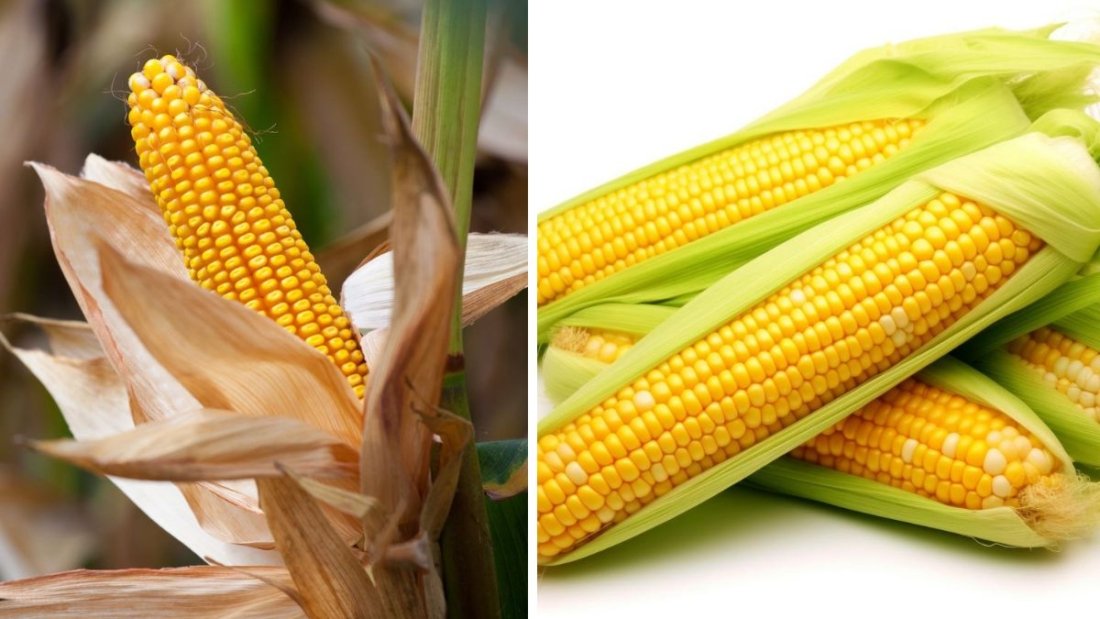
Sweet corn is a popular and versatile crop loved worldwide for its tender kernels and natural sweetness. Unlike field corn, which is primarily grown for animal feed or industrial use, sweet corn is cultivated for human consumption, enjoyed fresh, canned, or frozen. With its high nutritional value and culinary versatility, sweet corn has become a staple in diets across the globe.

But when it comes to global production, which country leads the world in growing sweet corn? In this article, we’ll explore the top producer, reasons behind its dominance, the varieties it grows, and the economic and culinary significance of sweet corn.


The Global Popularity of Sweet Corn

Sweet corn (Zea mays var. saccharata) is not only delicious but also packed with nutrients:

Nutritional Benefits

  • Rich in carbohydrates – Provides energy
  • Good source of dietary fiber – Supports digestion
  • Vitamins and minerals – Especially vitamin C, folate, and potassium
  • Antioxidants – Carotenoids like lutein and zeaxanthin promote eye health
  • Low in fat – Ideal for a balanced diet

Sweet corn is consumed in various ways: boiled, grilled, roasted, in soups, salads, or as canned and frozen products. Its natural sweetness and tender texture make it a favorite for all age groups.


Sweet Corn Varieties

Globally, there are several types of sweet corn cultivated:

  • Yellow Sweet Corn – Classic variety, widely consumed
  • White Sweet Corn – Tender and sweeter than yellow
  • Bicolor Corn – Combines yellow and white kernels for appealing aesthetics
  • Supersweet Corn – High sugar content, preferred for freezing and canning
  • Sugary Enhanced Corn – Maintains sweetness longer after harvest

Different varieties cater to fresh markets, processing industries, and frozen or canned corn products.


Which Country Produces the Most Sweet Corn?

China — The Global Leader in Sweet Corn Production

China is the largest sweet corn producer in the world, leading the global market by a wide margin.

  • Annual production: Over 23 million tonnes
  • Major growing regions: Heilongjiang, Shandong, Jilin, Hebei, and Henan
  • Cultivation methods: Both open-field farming and advanced mechanized agriculture

China’s dominance in sweet corn production is driven by favorable climate, extensive arable land, high domestic demand, and government support.


Why China Excels in Sweet Corn Production

Several factors contribute to China’s leadership in sweet corn cultivation:

1. Favorable Climate and Soil

Sweet corn thrives in temperate to subtropical climates with:

  • Well-drained, fertile soils
  • Adequate rainfall or irrigation availability
  • Average temperatures between 20–30°C

China’s diverse climate allows multiple growing seasons and high yields in key regions.


2. Vast Cultivation Area

China dedicates millions of hectares to sweet corn farming, ensuring high output and consistency. The large-scale production enables the country to meet both domestic consumption and processing industry needs.


3. Advanced Agricultural Techniques

Modern farming practices help maximize sweet corn yields:

  • Mechanized planting and harvesting
  • Improved seed varieties for high sugar content and disease resistance
  • Irrigation management and soil fertility optimization
  • Integrated pest management

These practices increase both quantity and quality of sweet corn.


4. Domestic Demand and Industrial Use

Sweet corn is highly demanded in China for:

  • Fresh consumption – Boiled, roasted, or grilled
  • Processing – Canning, freezing, and snack production
  • Animal feed – Although mainly field corn is used, sweet corn byproducts sometimes contribute

The combination of consumer demand and industrial applications ensures stable production and continuous growth.


Other Major Sweet Corn-Producing Countries

While China leads globally, several other countries contribute significantly:

United States

  • Annual production: Around 5 million tonnes
  • Major states: Florida, California, Wisconsin, and New York
  • Focus: Fresh market, frozen, and canned corn
  • Varieties: Yellow, white, and supersweet corn

Mexico

  • Annual production: About 2 million tonnes
  • Major regions: Sinaloa, Jalisco, and Veracruz
  • Primarily for domestic consumption and exports to the U.S.

Canada

  • Annual production: Around 1.5 million tonnes
  • Major provinces: Ontario, Quebec, and Manitoba
  • Focus on fresh and frozen markets

India

  • Annual production: Over 1 million tonnes
  • Major states: Karnataka, Maharashtra, Andhra Pradesh
  • Primarily for domestic consumption and canned products

Brazil

  • Annual production: About 900,000–1,000,000 tonnes
  • Focus: Domestic markets and processing

Global Sweet Corn Production Statistics (Approximate)

CountryAnnual Production (Tonnes)
China23,000,000+
United States5,000,000+
Mexico2,000,000+
Canada1,500,000+
India1,000,000+
Brazil1,000,000+
Others2,500,000+

China’s production far exceeds other countries, making it the undisputed leader in sweet corn.


Popular Sweet Corn Varieties in China

China grows several sweet corn varieties, catering to both fresh markets and processing industries:

  • Supersweet Varieties – High sugar content, ideal for freezing and export
  • Bicolor Corn – Popular for aesthetics in fresh markets
  • Early-Maturing Varieties – Enable multiple harvests per season
  • Yellow and White Sweet Corn – Suited for both domestic consumption and industrial processing

These varieties ensure continuous supply and consumer satisfaction.


Benefits of Sweet Corn Cultivation

Sweet corn farming offers numerous advantages:

  1. Economic growth – Generates income for millions of farmers
  2. Employment – Provides jobs in cultivation, harvesting, processing, and distribution
  3. Food security – A nutritious and hydrating staple
  4. Export potential – Contributes to international trade
  5. Versatility – Can be consumed fresh, frozen, canned, or processed into snacks

With proper cultivation techniques, sweet corn farming can be both profitable and sustainable.


Fun Facts About Sweet Corn

  • Sweet corn contains more sugar and less starch than field corn
  • It is harvested when kernels are in the milk stage, which is optimal for sweetness
  • China grows more sweet corn than any other country in the world
  • Sweet corn is a good source of antioxidants like lutein and zeaxanthin
  • It can be eaten raw, boiled, roasted, grilled, or incorporated into soups and salads

Final Answer: Largest Sweet Corn Producer

China is the largest sweet corn producer in the world, producing over 23 million tonnes annually. With its favorable climate, extensive cultivation areas, advanced agricultural practices, and strong domestic demand, China dominates the global sweet corn market.


Conclusion

Sweet corn is more than just a tasty vegetable—it is a nutritious crop with economic and culinary significance. China’s leadership in production ensures a steady supply for both domestic consumption and processing industries.

From fresh sweet corn on the cob to canned and frozen products, China’s sweet corn reaches millions of tables every year, delighting taste buds and fueling industry. With modern farming practices, high-quality varieties, and large-scale production, China continues to set the global standard in sweet corn cultivation.

Which Country Is the Largest Watermelon Producer in the World?

Which Country Is the Largest Watermelon Producer in the World?

Watermelon, with its juicy sweetness and refreshing flavor, is one of the most beloved fruits globally, especially during hot summer months. Known for its vibrant red flesh, high water content, and subtle sweetness, watermelon is not just a delicious snack—it is also packed with hydration, vitamins, and antioxidants.

But when it comes to global production, which country leads the world in growing watermelons? In this article, we’ll explore the top producer, why it dominates watermelon cultivation, and the significance of this fruit in agriculture and economy worldwide.


The Global Appeal of Watermelons

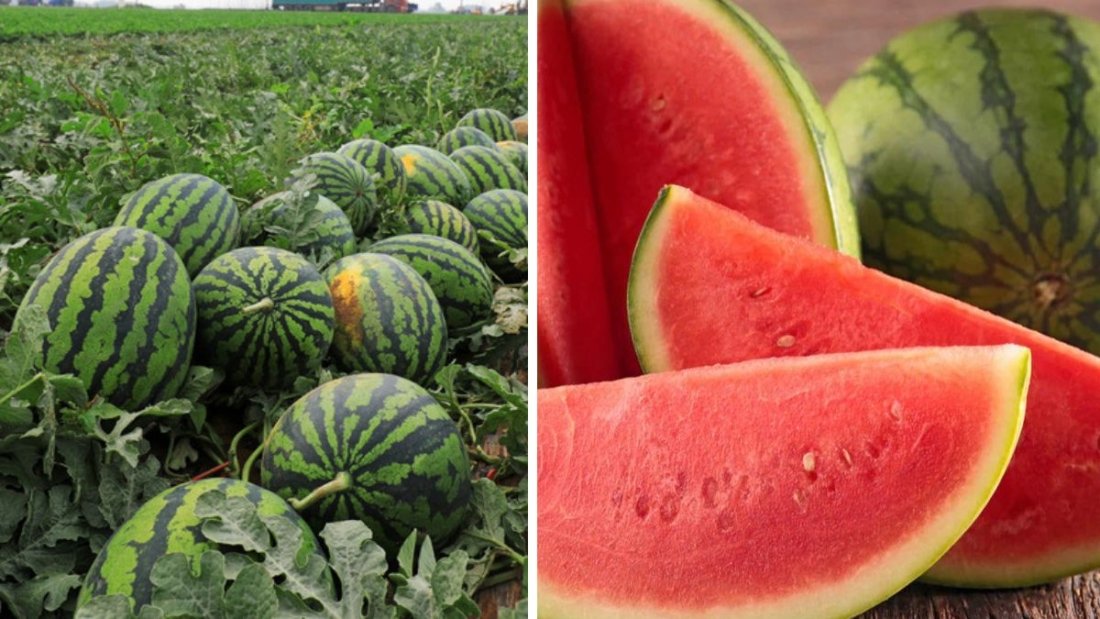
Watermelon (scientifically called Citrullus lanatus) is a vine-like flowering plant that produces large, sweet, and juicy fruits. With over 90% water content, watermelon is a natural hydrator and an ideal summer fruit.

Nutritional Benefits

  • High in water and electrolytes – Helps hydration
  • Rich in vitamins A and C – Supports vision and immunity
  • Contains lycopene – A powerful antioxidant
  • Low in calories – Perfect for healthy diets
  • Provides fiber – Supports digestion

Because of these benefits, watermelon is consumed fresh, juiced, or in salads, desserts, and beverages worldwide.


Watermelon Varieties

Globally, there are hundreds of watermelon varieties with different sizes, shapes, and colors:

  • Seedless Watermelon – Convenient and popular for snacking
  • Sugar Baby – Small, dark green, very sweet
  • Crimson Sweet – Medium-sized, striped skin
  • Yellow Flesh Watermelon – Sweet with a yellow or golden interior
  • Picnic Watermelon – Large fruits, ideal for family gatherings

The wide variety of watermelon types allows different countries to grow fruits suited to climate, soil, and market demand.


Which Country Produces the Most Watermelons?

China — The Global Leader in Watermelon Production

China is by far the largest watermelon producer in the world, contributing nearly 60% of the global supply.

  • Annual production: Over 70 million tonnes
  • Major watermelon-growing regions: Henan, Shandong, Hebei, and Guangdong
  • Watermelon is cultivated year-round in certain areas using greenhouses and controlled environments

China’s dominance in watermelon production is attributed to favorable climate, vast arable land, advanced farming techniques, and domestic demand.


Why China Excels in Watermelon Production

Several factors contribute to China’s leadership in watermelon cultivation:

1. Ideal Climate and Soil

Watermelons thrive in warm climates with plenty of sunlight. China offers:

  • Long growing seasons in many regions
  • Fertile, well-draining soil suitable for vine crops
  • Mild winters in southern regions allowing year-round cultivation

These conditions enable farmers to grow multiple crops per year, increasing total production.


2. Large Cultivation Area

China dedicates millions of hectares to watermelon farming. Large-scale cultivation ensures high output and consistent supply to both domestic and international markets.


3. Advanced Agricultural Practices

China has adopted modern farming techniques to boost yield:

  • Use of greenhouses and plastic tunnels for early planting
  • Precision irrigation and fertilization
  • Pest management and disease control practices
  • Selection of high-yield varieties

These measures contribute to both quantity and quality of watermelon production.


4. Domestic Demand

China has a huge domestic market, which drives production:

  • Watermelon is a popular summer fruit for families
  • Commonly sold in local markets, supermarkets, and street stalls
  • Used in desserts, juices, and traditional dishes

The combination of domestic demand and export potential ensures China’s dominance in production.


Other Major Watermelon-Producing Countries

While China leads globally, several other countries contribute significantly to watermelon production:

Turkey

  • Annual production: Around 4 million tonnes
  • Major regions: Adana, Antalya, and Mersin
  • Turkey exports watermelons to Europe and the Middle East

Brazil

  • Annual production: 3–4 million tonnes
  • Popular varieties: Crimson Sweet, Seedless
  • Primarily consumed domestically with some exports to neighboring countries

United States

  • Annual production: Around 2–3 million tonnes
  • Major states: Florida, Texas, California, Georgia
  • Seedless watermelons dominate production

Egypt

  • Annual production: 2–2.5 million tonnes
  • Major regions: Nile Delta and Valley
  • Egypt exports watermelons to Europe and the Middle East

India

  • Annual production: 2 million tonnes
  • Major states: Karnataka, Maharashtra, Gujarat
  • India grows mainly for domestic consumption, with small exports

Global Watermelon Production Statistics (Approximate)

CountryAnnual Production (Tonnes)
China70,000,000+
Turkey4,000,000+
Brazil3,500,000+
United States2,500,000+
Egypt2,200,000+
India2,000,000+
Others5,000,000+

China’s production far exceeds other countries, making it the undisputed global leader.


Popular Watermelon Varieties in China

China grows several watermelon varieties, catering to both domestic and export markets:

  • Jubilee – Striped, large, sweet, popular in domestic markets
  • Icebox Watermelon – Small to medium-sized, ideal for household consumption
  • Seedless Varieties – Gaining popularity in urban areas for convenience
  • Yellow Flesh Varieties – Cultivated for niche markets

The diversity of varieties ensures year-round availability and high consumer satisfaction.


Benefits of Watermelon Cultivation

Watermelon farming has several advantages:

  1. Economic growth – Generates income for farmers and boosts local economies
  2. Employment opportunities – From planting to harvesting and transport
  3. Export revenue – Provides income through international trade
  4. Food security – Offers a nutritious, hydrating fruit for millions

With proper cultivation techniques, watermelon farming can be highly profitable and sustainable.


Fun Facts About Watermelons

  • Watermelons are over 90% water, making them highly hydrating
  • China produces more watermelons than any other country combined
  • Watermelon seeds are also edible and nutritious
  • There are over 1,200 varieties of watermelon worldwide
  • Watermelon festivals are held in many producing countries to celebrate the harvest

Final Answer: Largest Watermelon Producer

China is the largest watermelon producer in the world, producing over 70 million tonnes annually. Its favorable climate, vast farming area, advanced cultivation practices, and high domestic demand make it the unrivaled leader in watermelon production.


Conclusion

Watermelon is not just a refreshing fruit—it is a vital agricultural product with nutritional, economic, and cultural significance. China’s dominance in watermelon production ensures that this juicy fruit is available year-round for domestic consumption and global markets.

From backyard gardens to commercial farms, watermelon cultivation combines tradition, innovation, and sustainability, making it a fruit that quenches thirst, delights taste buds, and supports economies worldwide.

So, the next time you enjoy a sweet, juicy slice of watermelon, remember that it likely comes from the world’s top producer: China, a country that continues to lead in both quantity and quality of this beloved fruit.

20 Unique Around-Tree Flower Bed Ideas to Upgrade Your Garden Design

20 Unique Around-Tree Flower Bed Ideas to Upgrade Your Garden Design

Trees are often the centerpiece of any garden, offering shade, structure, and a natural focal point. But what if you could enhance your trees with beautiful flower beds that bring color, texture, and personality to your outdoor space? Designing flower beds around trees not only elevates your garden’s aesthetics but also maximizes space, encourages biodiversity, and creates a serene environment for relaxation.

In this article, we’ll explore 20 unique around-tree flower bed ideas that can transform your garden and inspire your next landscaping project.


Why Create Flower Beds Around Trees?

Before we dive into design ideas, it’s important to understand the benefits of planting around trees:

  1. Enhances visual appeal – Flowers add color and texture to the base of trees.
  2. Protects the tree trunk – Flower beds can act as a mulch barrier, retaining soil moisture.
  3. Maximizes garden space – Combines vertical and horizontal landscaping elements.
  4. Supports wildlife – Attracts pollinators like bees and butterflies.
  5. Adds personal style – Customize beds with colors, shapes, and plant types.

With the right planning, around-tree flower beds can become a signature feature of your garden.


Design Tips for Around-Tree Flower Beds

  • Respect the tree roots: Avoid planting too close to the trunk; maintain at least 1–2 feet radius.
  • Choose shade-tolerant plants: Consider the tree’s canopy coverage.
  • Use layered planting: Mix tall, medium, and ground-cover plants for depth.
  • Add edging and borders: Bricks, stones, or decorative barriers create a neat look.
  • Incorporate seasonal flowers: Ensure year-round color and interest.

20 Unique Around-Tree Flower Bed Ideas

1. Circular Classic Bed

A timeless design features a perfect circle of flowers around the trunk. Use low-growing plants like marigolds, pansies, or begonias for a clean, symmetrical look.

2. Tiered Flower Bed

Create layers of color with tiered planting. Place taller flowers at the back and shorter ones near the trunk for a visually dynamic effect.

3. Rock Garden Around Tree

Combine flowers with decorative rocks or pebbles to create a low-maintenance, modern bed. Flowers like lavender or sedum complement the stones beautifully.

4. Mulch with Flower Accents

Use a thick layer of mulch for moisture retention and plant small flowering shrubs or perennials along the edge for a natural, soft border.

5. Circular Pathway with Flowers

Add a stepping stone pathway encircling the tree and line it with colorful flowers. This design is both practical and visually appealing.

6. Mixed Perennials and Annuals

Blend perennials for long-term structure with annuals for seasonal color. This combination ensures the bed always looks fresh and vibrant.

7. Herb-Infused Flower Bed

Plant fragrant herbs like rosemary, thyme, or mint alongside flowering plants. This design adds aroma and can also be functional for cooking.

8. Shade-Loving Flowers for Under Tree Canopy

For densely shaded trees, choose hostas, ferns, impatiens, or astilbes. These plants thrive without direct sunlight and add lush greenery.

9. Raised Around-Tree Bed

Use a circular raised planter around the tree trunk. This adds height, improves drainage, and gives a modern garden look.

10. Wildflower Meadow Base

Plant wildflowers around the tree for a natural, whimsical vibe. This design attracts butterflies and bees while giving a meadow-like feel.

11. Color-Themed Beds

Choose a single color palette like pinks, purples, or yellows for flowers around the tree. This creates a cohesive, elegant statement.

12. Succulent Circle

For a low-maintenance approach, plant succulents around trees with well-draining soil. Add stones or driftwood for texture.

13. Seasonal Rotation Bed

Plant flowers that bloom in different seasons. Spring tulips, summer marigolds, autumn chrysanthemums, and winter pansies ensure the bed stays lively year-round.

14. Zen Garden Around Tree

Create a Japanese-inspired Zen garden using gravel, moss, and small flowering plants. Incorporate a small stone lantern for a serene atmosphere.

15. Edible Flower Bed

Combine beauty with utility by planting edible flowers like nasturtiums, pansies, or calendula around the tree. These flowers can enhance salads and desserts.

16. Circular Bench with Flower Surround

Add a circular bench around the tree trunk and plant flowers at its base. This design combines functionality with garden aesthetics.

17. Butterfly Garden Bed

Choose flowers that attract butterflies, like lantanas, coneflowers, or zinnias. Your tree base becomes a hub of lively garden activity.

18. Mediterranean-Style Bed

Use lavender, rosemary, and ornamental grasses for a Mediterranean feel. Stones and terracotta pots complete the look.

19. Tropical Around-Tree Bed

For a lush, vibrant garden, plant hibiscus, bird of paradise, or crotons around a tropical tree. Bold colors and large leaves create a dramatic statement.

20. Rock and Flower Spiral Bed

Design a spiraling bed of rocks and flowers around the tree trunk. This artistic layout adds movement and creativity to your garden.


Additional Tips for Success

  • Watering: Ensure consistent watering, but avoid oversaturating around the roots.
  • Soil improvement: Mix compost or organic matter to enrich soil and retain moisture.
  • Regular pruning: Keep flowers healthy and prevent overcrowding.
  • Mulching: Helps retain moisture, suppress weeds, and protect the tree roots.
  • Companion planting: Combine flowers with shrubs or ground covers to reduce maintenance and attract pollinators.

Why Around-Tree Flower Beds Are Worth the Effort

Creating flower beds around trees enhances garden aesthetics and functionality. Here’s why they’re a great idea:

  1. Elevates the tree as a focal point – Draws attention to your garden’s centerpiece.
  2. Increases biodiversity – Flowers attract bees, butterflies, and birds.
  3. Adds seasonal interest – Rotating flowers can give year-round appeal.
  4. Improves soil health – Flower roots prevent erosion and improve soil structure.
  5. Customizable design – Allows you to mix textures, colors, and heights creatively.

Conclusion

Around-tree flower beds are an easy yet impactful way to upgrade your garden design. From classic circular beds to creative spirals, tropical beds, and butterfly gardens, there are countless ways to make your trees shine. By combining proper planning, the right plants, and some artistic flair, you can transform your garden into a vibrant, welcoming, and serene outdoor space.

Which Country Is the Largest Mango Exporter in the World?

Which Country Is the Largest Mango Exporter in the World?

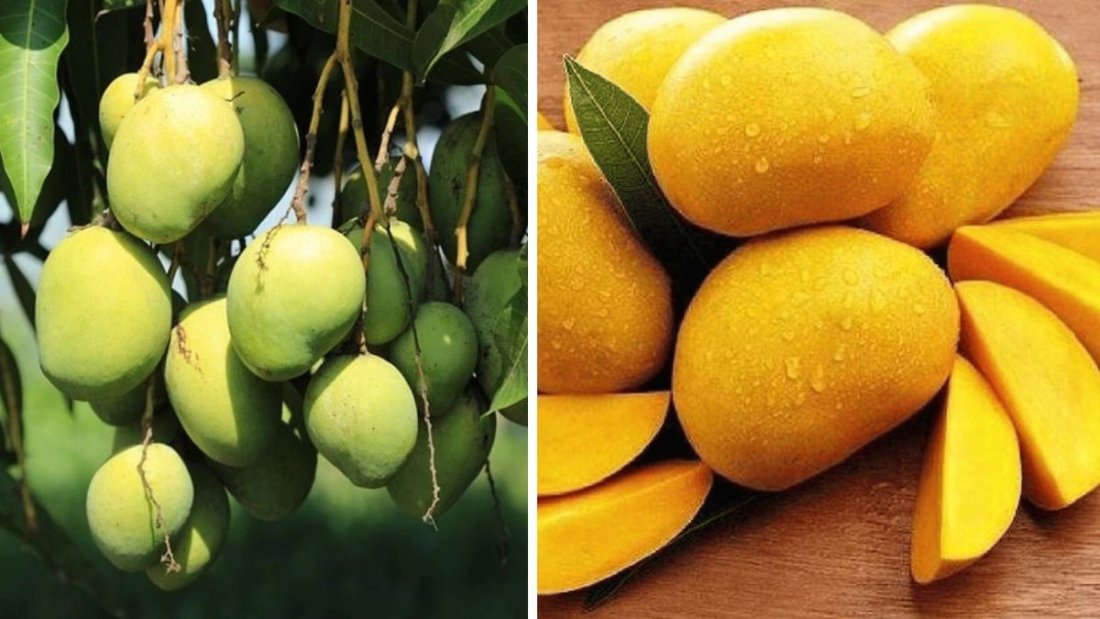
Mangoes, known as the “king of fruits”, are cherished globally for their juicy sweetness, tropical aroma, and vibrant color. Beyond being a popular fruit, mangoes are a significant agricultural commodity, contributing substantially to the economy of mango-growing countries. While India is the largest mango producer in the world, producing almost 40% of global output, the largest mango exporter is a different story.

In this article, we explore which country leads the world in mango exports, why it dominates the market, the global demand for mangoes, and the economic and cultural significance of this tropical treasure.


The Global Demand for Mangoes

Mangoes are in high demand worldwide due to their:

  • Delicious taste – Sweet, tangy, and aromatic
  • Versatility – Used in desserts, smoothies, jams, chutneys, and pickles
  • Nutritional value – Rich in vitamin C, vitamin A, fiber, and antioxidants

Mangoes are exported in both fresh and processed forms, including:

  • Fresh whole fruit
  • Mango pulp and juice
  • Dried mango slices
  • Mango preserves and jams

The increasing global popularity of tropical fruits has made mango export a lucrative business for producing countries.


Factors Determining Mango Export Leadership

The country that exports the most mangoes globally usually excels in:

  1. High-quality mango production – Growing varieties that are suitable for international markets
  2. Efficient supply chains – Proper storage, packaging, and cold-chain logistics
  3. Trade agreements – Free trade agreements and export incentives
  4. Stable climate – Predictable production seasons
  5. Processing capabilities – Ability to produce mango pulp, concentrates, and value-added products

Which Country Exports the Most Mangoes?

India – The Largest Mango Exporter in the World

India, besides being the largest mango producer, is also the world’s leading mango exporter, supplying millions of tonnes of this fruit to countries across Asia, Europe, North America, and the Middle East.

  • Annual exports: over 500,000 tonnes
  • Major export destinations: United States, United Arab Emirates, Saudi Arabia, United Kingdom, and European Union
  • Popular export varieties: Alphonso, Kesar, Dasheri, Banganapalli, Langra

India’s leadership in mango exports is fueled by its world-class varieties, advanced processing, and global recognition of the fruit’s quality.


Why India Dominates Mango Exports

Several factors contribute to India’s dominance in mango exports:

1. Diverse Mango Varieties

India grows hundreds of mango varieties suitable for international export:

  • Alphonso (Hapus) – Known for its sweetness and aroma; in high demand globally
  • Kesar – Sweet, golden-yellow mango, highly prized
  • Dasheri – Medium-sized, flavorful mango popular in South Asia
  • Banganapalli – Large and juicy, widely exported
  • Langra – Tangy-sweet mango, mainly exported to Middle Eastern countries

This diversity allows India to cater to different consumer preferences across the world.


2. Ideal Climate and Geography

Mango trees thrive in tropical and subtropical climates, and India offers:

  • Abundant sunlight and rainfall
  • Fertile, well-drained soil
  • Favorable temperatures between 24–30°C
  • Large-scale cultivation in states like Maharashtra, Gujarat, Uttar Pradesh, Andhra Pradesh, and Karnataka

The combination of climate and geography ensures consistent quality and yield, making Indian mangoes highly exportable.


3. Advanced Export Infrastructure

Exporting mangoes requires careful handling due to their perishable nature:

  • Cold storage facilities – Maintain freshness during transport
  • Modified atmosphere packaging – Reduces spoilage
  • Air cargo and refrigerated containers – Ensure mangoes reach international markets in prime condition

India has developed robust infrastructure to meet the strict quality and safety standards of importing countries.


4. Government Support and Trade Agreements

The Indian government has supported mango exports through:

  • Subsidies for exporters
  • Establishing export promotion councils
  • Signing trade agreements that facilitate smoother exports
  • Ensuring compliance with international phytosanitary standards

These measures have strengthened India’s position as the top mango exporter.


Other Major Mango Exporters

While India leads, several other countries are significant exporters of mangoes:

Mexico

  • One of the largest exporters of Ataulfo and Tommy Atkins mangoes
  • Major markets: United States, Canada
  • Annual export: Over 300,000 tonnes
  • Known for quality and consistency

Thailand

  • Exports mango varieties like Nam Dok Mai and Keo Savoy
  • Major markets: China, Japan, Middle East
  • Annual export: 100,000–150,000 tonnes

Pakistan

  • Famous for Chaunsa and Sindhri varieties
  • Exports mainly to Middle East and Europe
  • Annual export: 50,000–80,000 tonnes

Brazil

  • Exports mangoes to North America and Europe
  • Popular varieties: Tommy Atkins, Palmer
  • Annual export: 50,000–70,000 tonnes

Chile

  • Smaller but growing mango exporter
  • Focus on off-season exports to the northern hemisphere

Global Mango Export Statistics (Approximate)

CountryAnnual Mango Exports (Tonnes)
India500,000+
Mexico300,000+
Thailand120,000+
Pakistan80,000+
Brazil70,000+
Others100,000+

India clearly stands at the top, with exports far exceeding any other country.


Popular Export Mango Varieties

  • Alphonso (India) – Golden, aromatic, premium quality
  • Kesar (India) – Sweet and juicy
  • Chaunsa (Pakistan) – Tangy-sweet, aromatic
  • Ataulfo (Mexico) – Small, buttery texture
  • Tommy Atkins (Mexico/Brazil) – Firm, long shelf life
  • Nam Dok Mai (Thailand) – Sweet, fragrant

Benefits of Mango Exports

Exporting mangoes brings numerous benefits:

  1. Economic growth – Generates revenue for farmers, exporters, and governments
  2. Employment opportunities – Supports millions of people in cultivation, packaging, and transportation
  3. Global recognition – Enhances the reputation of mango-growing countries
  4. Value addition – Mango pulp, juice, dried mangoes, and jams contribute to agro-industry growth

Fun Facts About Mango Exports

  • India exports mangoes to over 100 countries worldwide
  • Alphonso mangoes are often called the “King of Mangoes” due to high demand
  • Mangoes are exported both fresh and as processed pulp
  • Global mango exports have grown steadily over the past decade due to rising demand for tropical fruits

Final Answer: Largest Mango Exporter

India is the largest mango exporter in the world, supplying over 500,000 tonnes annually. With its rich diversity of mango varieties, favorable climate, strong infrastructure, and government support, India dominates the global mango market.

While countries like Mexico, Thailand, and Pakistan are significant exporters, India’s premium varieties like Alphonso, Kesar, and Dasheri continue to capture international attention and demand.


Conclusion

Mangoes are more than just a delicious tropical fruit—they are a source of nutrition, culture, and economic growth. India’s leadership in mango exports ensures that its premium varieties reach consumers worldwide, delighting taste buds and strengthening global trade.

From sweet Alphonsos in Europe to juicy Chaunsa mangoes in the Middle East, India’s mango export dominance is a testament to its agricultural expertise, favorable climate, and centuries-old mango cultivation traditions.

Whether you enjoy mangoes fresh, in smoothies, or as jams, the next time you savor a slice of tropical sweetness, remember that it most likely came from the country that rules the mango world: India.

Which Country Is the Largest Elephant Apple Producer in the World?

Which Country Is the Largest Elephant Apple Producer in the World?

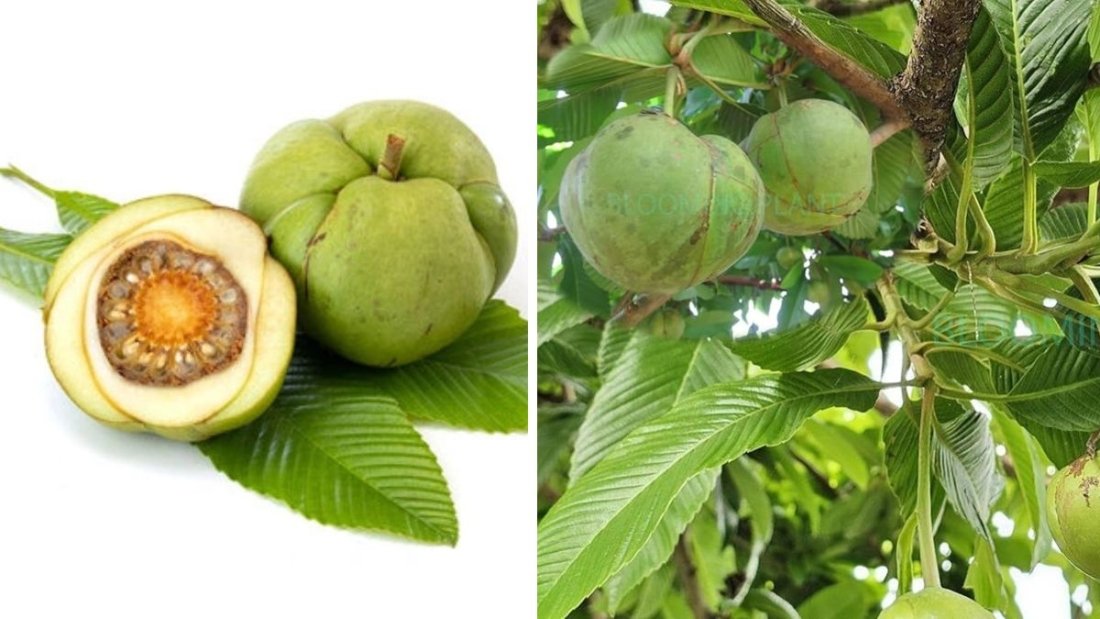
Elephant apple, scientifically known as Dillenia indica, is a unique tropical fruit native to Southeast Asia. Known for its large size, tangy flavor, and medicinal properties, this fruit has been a staple in traditional cuisine and herbal remedies for centuries. Its name—“elephant apple”—comes from its large size and the fact that elephants are known to enjoy eating it.

But when it comes to global production, which country produces the most elephant apples? In this article, we’ll explore the leading producer, why it dominates the market, and the cultural, nutritional, and economic significance of this fascinating fruit.


What is an Elephant Apple?

Elephant apple is a tropical tree that grows in forests and garden orchards. The fruit is:

  • Large and round, often 5–10 cm in diameter
  • Green when unripe and turns yellowish when mature
  • Tart and tangy in flavor, often used in pickles, jams, chutneys, and curries

Beyond its culinary uses, elephant apple has numerous health benefits:

  • Rich in vitamins C and A – boosts immunity and eyesight
  • Contains antioxidants – combats free radicals
  • Supports digestive health due to its high fiber content
  • Used in traditional medicine to treat diabetes, inflammation, and skin issues

Elephant Apple Varieties

While there are several varieties, the most commonly cultivated type is the Dillenia indica, prized for its size and nutritional value. There are also wild varieties that grow naturally in forests and are often foraged for local consumption.


Which Country Produces the Most Elephant Apples?

India — The Global Leader in Elephant Apple Production

India is the largest elephant apple producer in the world, particularly in the northeastern and eastern regions of the country. The tree thrives in India’s tropical and subtropical climates, where rainfall is high and soil fertility supports lush growth.

  • Major producing states: Assam, Meghalaya, West Bengal, Sikkim, and Arunachal Pradesh
  • Production is largely for domestic consumption, although some are exported to neighboring countries.
  • India dominates because of favorable climate, fertile soil, and traditional cultivation practices.

India’s northeastern states are particularly well-suited for elephant apple cultivation because the fruit naturally grows in the wild in forested areas. Farmers have increasingly started cultivating it commercially for local markets and processing industries.


Why India Excels in Elephant Apple Production

Several factors make India the largest producer of elephant apples:

1. Ideal Climate

Elephant apple trees thrive in:

  • Tropical and subtropical regions
  • High annual rainfall (1500–3000 mm)
  • Well-drained, slightly acidic soil
  • Temperatures ranging between 20°C to 30°C

India’s northeast perfectly fits these requirements, providing a natural advantage.


2. Widespread Cultivation

Traditionally, elephant apples grew in forests and tribal areas. Today, farmers cultivate them in orchards for commercial purposes:

  • Backyard gardens
  • Smallholder farms
  • Commercial orchards

The fruit is harvested seasonally, typically from May to September, depending on the region.


3. Economic Significance

Elephant apples have significant economic value in India:

  • Used in pickles, jams, chutneys, and sauces
  • Sold fresh in local markets
  • Provides employment to rural communities in harvesting and processing

Processing elephant apples into value-added products has created small-scale industries in northeastern India, providing additional income streams for farmers.


4. Cultural Importance

Elephant apples hold cultural significance in many parts of India:

  • Used in traditional dishes during festivals
  • Considered a natural remedy in Ayurveda and traditional medicine
  • Often featured in religious rituals and offerings

This cultural attachment ensures continued cultivation and consumption.


Other Elephant Apple-Producing Countries

While India leads, elephant apples are also found in:

Bhutan

  • Grows wild in forested regions
  • Used for pickles and chutneys locally
  • Limited commercial production

Bangladesh

  • Produced mainly in hilly, forested areas
  • Consumed fresh or processed locally

Thailand and Myanmar

  • Found in tropical forests
  • Primarily for local consumption

India surpasses all other countries in terms of production volume due to organized cultivation and favorable natural conditions.


Uses of Elephant Apples

Elephant apples are extremely versatile:

1. Culinary Uses

  • Pickles and Chutneys – Tangy flavor adds zest to meals
  • Jams and Preserves – Sweet and sour taste works well in spreads
  • Curries and Sauces – Often cooked with spices in traditional dishes
  • Fresh Consumption – Sliced and salted as a snack

2. Medicinal Uses

  • Digestive Aid – High fiber promotes gut health
  • Anti-inflammatory – Used in traditional medicine for arthritis
  • Diabetes Management – Fruit extract used in some herbal remedies
  • Skin Care – Applied in pastes to treat wounds and rashes

3. Ornamental and Environmental Uses

  • Elephant apple trees are large and leafy, providing shade
  • Help in forest conservation
  • Attract wildlife, including birds and elephants, which consume the fruit

Cultivation Practices for Elephant Apples

For those interested in growing elephant apples, here’s a basic overview:

1. Soil and Site Selection

  • Well-drained, fertile soil
  • Slightly acidic to neutral pH (5.5–7)
  • Plant in areas with full sun to partial shade

2. Planting

  • Trees can be grown from seeds or saplings
  • Space plants 6–8 meters apart for proper growth
  • Plant during the rainy season for optimal establishment

3. Watering and Fertilization

  • Water regularly, especially during dry periods
  • Apply organic compost or nitrogen-rich fertilizer during growth
  • Mulching helps retain soil moisture

4. Pest and Disease Management

  • Susceptible to fruit flies, aphids, and fungal infections
  • Use organic or chemical pest control measures as needed

5. Harvesting

  • Fruits are harvested when mature but still firm
  • Usually 2–3 fruits per branch are left to ensure proper development
  • Handle carefully to avoid bruising

Interesting Facts About Elephant Apples

  • Elephants love the fruit, hence the name
  • It can grow up to 30 feet tall in the wild
  • The tree has beautiful large flowers that bloom in summer
  • Fruit is rich in vitamin C, antioxidants, and dietary fiber

Final Answer: Largest Elephant Apple Producer

India is the largest elephant apple producer in the world, with northeastern states like Assam, Meghalaya, and West Bengal leading the way. Favorable climate, fertile soil, cultural significance, and increasing commercial cultivation make India the undisputed leader in elephant apple production.


Conclusion

Elephant apples are more than just a tangy fruit—they are culturally significant, nutritionally rich, and economically important. India’s dominance in global production ensures that the fruit is widely available for culinary, medicinal, and commercial uses.

Whether consumed fresh, pickled, or processed into jams, elephant apples are a true tropical treasure. For gardeners and farmers alike, growing elephant apples offers both a connection to tradition and a path to prosperity.

Which Country Is the Largest Mango Producer in the World?

Which Country Is the Largest Mango Producer in the World?

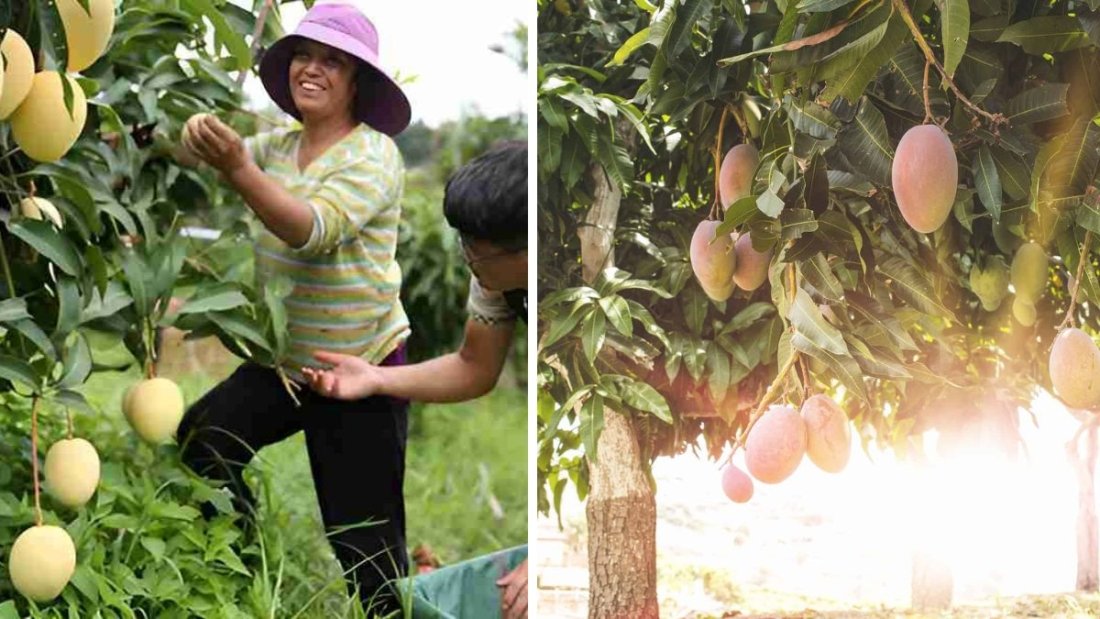
Mangoes, often called the “king of fruits”, are cherished across the globe for their juicy sweetness, tropical aroma, and vibrant colors. From smoothies and desserts to chutneys and salads, mangoes are versatile and universally loved. But when it comes to global production, the question arises: which country produces the most mangoes in the world?

In this article, we will explore the leading mango-producing country, the reasons behind its dominance, the varieties it cultivates, and the economic, cultural, and culinary significance of mangoes.


The Global Importance of Mangoes

Mangoes are more than just a fruit; they play an essential role in agriculture, economy, and culture.

Nutritional Benefits of Mangoes

  • Rich in Vitamin C – Boosts immunity and promotes healthy skin
  • High in Vitamin A – Supports eye health
  • Source of Fiber – Aids digestion and prevents constipation
  • Antioxidants – Helps combat oxidative stress
  • Natural Energy – Sugars provide a quick energy boost

Their nutritional value makes mangoes a staple in diets worldwide, especially in tropical and subtropical regions.


Mango Varieties Around the World

There are over 500 varieties of mangoes cultivated globally, each with unique flavors, sizes, and colors. Popular varieties include:

  • Alphonso – Known for sweetness and aroma, mainly in India
  • Haden – Common in the Americas
  • Kent – Large, juicy, with minimal fiber
  • Tommy Atkins – Widely exported variety
  • Kesar – Sweet, golden-yellow mango, India

These varieties are cultivated based on climate, soil type, and market demand.


Which Country Produces the Most Mangoes?

India — The Global Leader in Mango Production

India is the largest mango producer in the world, contributing nearly 40% of global production.

  • Annual production: over 20 million tonnes
  • Cultivation area: Around 2.5 million hectares
  • Major mango-growing states: Uttar Pradesh, Maharashtra, Andhra Pradesh, Karnataka, Gujarat, and Tamil Nadu

India produces mangoes primarily for domestic consumption, but also exports several varieties to countries worldwide, including the Middle East, Europe, and North America.


Why India Excels in Mango Production

India’s mango production leadership is a combination of ideal climate, fertile soil, diverse varieties, and centuries of cultivation expertise.

1. Favorable Climate and Geography

Mango trees flourish in:

  • Tropical and subtropical climates
  • Well-draining soil with slightly acidic to neutral pH
  • Annual rainfall of 750–2500 mm
  • Temperatures ranging from 24°C to 30°C

India’s diverse geography—from the plains of Uttar Pradesh to the coastal regions of Maharashtra and Gujarat—provides the perfect environment for different mango varieties.


2. Diversity of Varieties

India grows hundreds of mango varieties catering to different tastes and purposes:

  • Alphonso (Hapus) – Popular for exports due to sweetness and aroma
  • Dasheri – Widely grown in northern India
  • Langra – Famed for its tangy flavor in northern India
  • Kesar – Cultivated in Gujarat for sweetness and bright golden color
  • Banganapalli – A favorite in Andhra Pradesh for domestic consumption

This variety ensures India can cater to both domestic and international markets.


3. Traditional Expertise

India has a long history of mango cultivation, dating back thousands of years. Generations of farmers have perfected grafting, pruning, and harvesting techniques, ensuring high yields and quality fruit.


4. Economic Significance

Mango production plays a crucial role in India’s economy:

  • Employment: Millions of farmers, laborers, and traders depend on mango cultivation
  • Exports: Generates significant revenue from international trade
  • Agro-industry: Supports processing industries producing pulp, juices, pickles, and jams

Mango cultivation is both a livelihood and an economic backbone for many rural regions.


Other Major Mango-Producing Countries

While India leads by a wide margin, several other countries are also key players in global mango production:

China

  • Annual production: 4–5 million tonnes
  • Major growing regions: Hainan, Guangxi, and Yunnan
  • Focused mainly on domestic consumption with some exports

Indonesia

  • Annual production: 3–4 million tonnes
  • Varieties grown: Arumanis, Gedong Gincu
  • Mangoes are popular in local markets and culinary dishes

Pakistan

  • Annual production: 2–3 million tonnes
  • Famous varieties: Sindhri, Chaunsa, Anwar Ratol
  • Exports mangoes mainly to Middle East and Europe

Mexico

  • Annual production: 2–3 million tonnes
  • Focus on export-oriented varieties like Ataulfo
  • Exports mainly to the United States and Canada

Bangladesh

  • Annual production: 1–2 million tonnes
  • Major varieties: Himsagar, Langra
  • Primarily consumed domestically

Global Mango Production Statistics (Approximate)

CountryAnnual Production (Tonnes)
India20,000,000+
China4,500,000+
Indonesia3,500,000+
Pakistan2,800,000+
Mexico2,500,000+
Bangladesh1,500,000+

Mango Cultivation Practices

Successful mango cultivation requires careful planning and care:

1. Soil Preparation

  • Loamy, well-draining soil enriched with organic compost
  • Avoid waterlogged areas

2. Planting

  • Can be grown from seeds or grafted saplings
  • Spacing: 10–12 meters between trees for optimal growth

3. Watering

  • Young trees need regular watering
  • Mature trees are drought-tolerant but benefit from irrigation during dry spells

4. Fertilization

  • Balanced fertilizers with nitrogen, phosphorus, and potassium
  • Organic manure to improve soil health

5. Pest and Disease Control

  • Common pests: Mango hoppers, mealybugs, fruit flies
  • Diseases: Anthracnose, powdery mildew
  • Control with organic sprays or fungicides as needed

6. Harvesting

  • Mangoes are harvested when partially mature for exports
  • Fully ripe mangoes are consumed locally
  • Careful handling prevents bruising

Cultural Significance of Mangoes

Mangoes are not just a fruit; they hold immense cultural value in India:

  • Festivals: Mango leaves are used in decorations for weddings and religious ceremonies
  • Mythology: Considered sacred and mentioned in ancient Indian texts
  • Cuisine: Integral to desserts, pickles, chutneys, and beverages

This deep cultural attachment ensures that mango cultivation is cherished and preserved.


Fun Facts About Mangoes

  • India produces almost half of the world’s mangoes
  • The Alphonso variety is known as the “King of Mangoes”
  • Mango trees can live and produce fruit for over 100 years
  • Mangoes are the national fruit of India, Pakistan, and the Philippines
  • Mango festivals celebrate seasonal harvests and local varieties

Final Answer: Largest Mango Producer

India is the largest mango producer in the world, contributing nearly 40% of global production. Its favorable climate, diverse varieties, cultural importance, and centuries of cultivation expertise make India the undisputed leader in mango production.


Conclusion

Mangoes are more than just a sweet tropical fruit—they are an essential part of culture, economy, and cuisine in many countries. While countries like China, Pakistan, and Mexico contribute to global production, India dominates the world’s mango market.

From delicious Alphonso to juicy Dasheri, mangoes grown in India delight taste buds worldwide and sustain millions of farmers. Growing mangoes is not just about agriculture; it’s a tradition, a source of income, and a celebration of nature’s bounty.

Whether you enjoy mangoes fresh, in desserts, or as pickles, knowing that India leads global production gives a deeper appreciation for this king of fruits.

How to Grow a Pineapple Plant: Step-by-Step Complete Guide for Beginners

How to Grow a Pineapple Plant: Step-by-Step Complete Guide for Beginners

Pineapples are tropical fruits that are as delightful to eat as they are fun to grow. With their sweet, tangy flavor and spiky green crowns, pineapples can add a tropical vibe to your garden or balcony. The best part? Growing pineapples at home is surprisingly easy, even for beginners. With patience and proper care, you can cultivate your very own fresh, juicy pineapples right in your backyard or in a container.

In this complete step-by-step guide, we’ll cover everything you need to know about how to grow a pineapple plant, from selecting the fruit to harvesting your own tropical bounty.


Why Grow Pineapples at Home?

Growing pineapples at home comes with many benefits:

  • Freshness and flavor: Homegrown pineapples are sweeter and more aromatic than store-bought ones.
  • Cost-effective: Growing your own fruit saves money over time.
  • Aesthetic appeal: Pineapple plants have long, spiky green leaves that look great in gardens or pots.
  • Sustainable gardening: You control the soil, water, and chemicals used.
  • Fun and rewarding: Watching a plant grow from a crown to a fruit is incredibly satisfying.

Understanding the Pineapple Plant

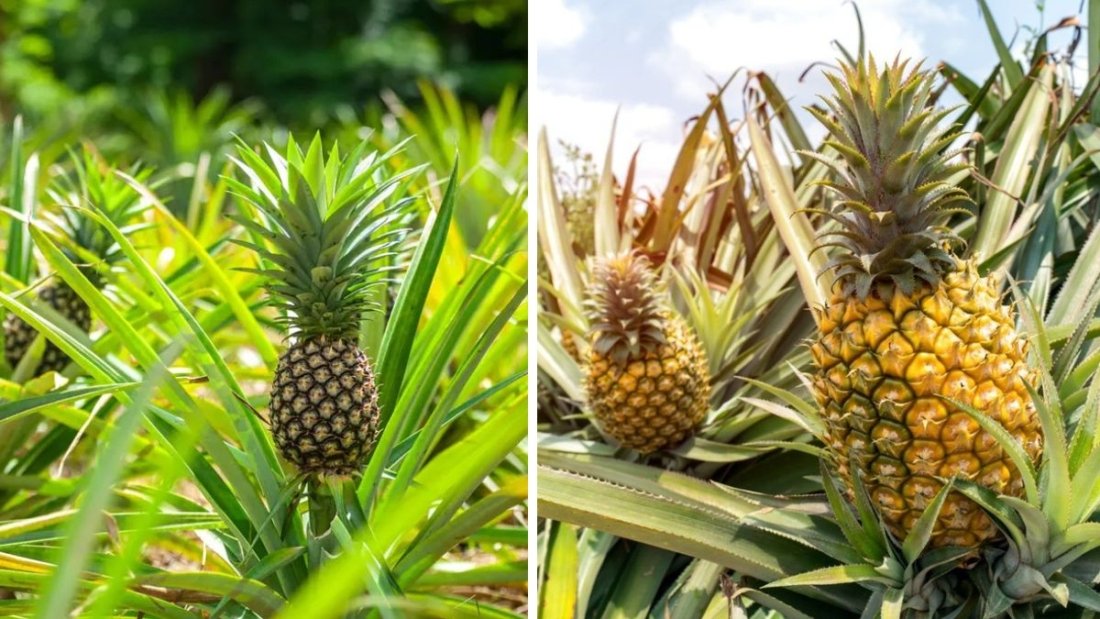
Pineapples belong to the Bromeliaceae family and are native to South America. They are tropical plants that thrive in warm climates, lots of sunlight, and well-draining soil. Pineapples grow from the crown of the fruit, producing a rosette of long, pointed leaves, and eventually a single fruit.

A single pineapple plant typically produces one fruit per year, but the plant can continue producing smaller “ratoon” fruits for several years.


Step 1: Selecting a Healthy Pineapple

The first step is choosing the right pineapple for planting:

  1. Choose a ripe, fresh fruit: Look for firm, healthy leaves at the top (crown).
  2. Avoid damaged crowns: Leaves should be green, not brown or dry.
  3. Check the base: The base should be free of mold or soft spots.

Step 2: Preparing the Pineapple Crown

Once you have a healthy pineapple, the next step is preparing the crown for planting:

  1. Remove the crown: Twist or cut off the top of the pineapple, leaving about 1 inch of fruit attached.
  2. Trim the bottom leaves: Remove 2–3 layers of leaves from the base to expose about an inch of stem.
  3. Dry the crown: Let it dry for 1–2 days to prevent rotting when planted.

Tip: You can also root the crown in water before planting in soil to encourage faster growth.


Step 3: Rooting the Pineapple Crown

Rooting helps the pineapple establish a strong foundation:

  • Water method: Place the crown in a glass of water, submerging only the base. Change water every 2–3 days. Roots appear in 2–3 weeks.
  • Soil method: Plant the dried crown in well-draining soil and water lightly. Roots will develop in 3–4 weeks.

Step 4: Choosing the Right Soil

Pineapples need well-draining soil to prevent root rot.

  • Use a mix of sandy loam and organic compost
  • Ensure soil is slightly acidic, with pH 4.5–6.5
  • Avoid heavy clay soils

Tip: For pots, use a cactus or succulent mix for optimal drainage.


Step 5: Planting the Pineapple Crown

In the Garden:

  1. Dig a hole slightly larger than the crown’s base.
  2. Place the crown in the hole and cover the roots with soil.
  3. Firm the soil gently around the plant.
  4. Space multiple plants 30–36 inches apart.

In a Container:

  • Use a large pot, at least 12 inches deep and wide
  • Add drainage holes
  • Fill with well-draining soil mix
  • Plant the crown and water lightly

Step 6: Watering Your Pineapple Plant

Pineapples are drought-tolerant but require consistent moisture for optimal growth:

  • Water lightly 2–3 times a week
  • Avoid waterlogging; standing water can cause root rot
  • Reduce watering in cooler months

Tip: Pineapples are slow-growing, so patience is key.


Step 7: Providing Sunlight

Pineapples thrive in full sun:

  • 6–8 hours of sunlight daily is ideal
  • In hot climates, provide partial shade during peak afternoon heat
  • Indoor plants should be near a south-facing window or under grow lights

Step 8: Fertilizing Your Pineapple Plant

Pineapples need nutrients for leaf growth and fruit development:

  • Use a balanced fertilizer (10:10:10 NPK) every 6–8 weeks
  • For organic gardening, use compost tea or well-rotted manure
  • Avoid over-fertilization, which encourages leaf growth over fruit production

Tip: Fertilize more frequently during the growing season (spring and summer).


Step 9: Controlling Pests and Diseases

Pineapples are relatively pest-resistant but may face:

  • Mealybugs – Treat with neem oil or insecticidal soap
  • Scale insects – Wipe off with alcohol-soaked cotton
  • Fungal diseases – Avoid overwatering and ensure proper drainage

Step 10: Flowering and Fruiting

Pineapples are slow growers and take 18–24 months to bear fruit:

  • Flowers appear as a purple or pink spike in the center
  • Fruit develops from the flower and takes 5–6 months to mature
  • Once ripe, the fruit can be harvested when it turns golden yellow and has a sweet aroma

Step 11: Harvesting Pineapples

Harvesting is simple but requires care:

  1. Twist or cut the fruit gently from the plant
  2. Avoid damaging surrounding leaves
  3. Wash and dry the fruit before consumption

Tip: Leave the plant after fruiting to produce new shoots, which can grow the next pineapple.


Step 12: Propagation for Future Plants

Pineapples can be propagated multiple ways:

  • From crowns – As detailed above
  • Suckers or slips – Small shoots that grow at the base or side of the plant
  • Ratoons – Side shoots that appear after harvesting

This allows continuous pineapple cultivation without buying new plants.


Tips for Successful Pineapple Cultivation

  1. Patience is key – Pineapples take time to mature.
  2. Proper drainage – Prevents rotting and diseases.
  3. Sunlight and warmth – Tropical plants need consistent sunlight.
  4. Regular fertilization – Ensures healthy leaves and fruit.
  5. Avoid overcrowding – Each plant needs space to grow.

Benefits of Growing Pineapples at Home

  • Fresh and chemical-free fruit – No pesticides or preservatives
  • Aesthetic appeal – Adds a tropical vibe to your home or garden
  • Educational and fun – Great for teaching kids about plant growth
  • Health benefits – Rich in vitamin C, manganese, and antioxidants

Fun Facts About Pineapples

  • Pineapples are not trees; they grow on short plants close to the ground.
  • The plant produces one fruit per plant per year, but multiple plants can provide continuous harvests.
  • Pineapple crowns can be used to decorate your home before planting.
  • Pineapples were historically a symbol of hospitality and luxury in Europe.

Conclusion

Growing a pineapple plant at home is a rewarding experience that combines patience, care, and a little tropical magic. From preparing the crown to nurturing the plant, providing sunlight, watering properly, and eventually harvesting your sweet fruit, every step is part of a journey that yields delicious results.

Whether you plant it in a garden bed or a decorative pot, a pineapple plant brings beauty, satisfaction, and fresh fruit to your home. By following this step-by-step guide, even a beginner gardener can successfully grow this tropical treasure and enjoy the pride of homegrown pineapples.