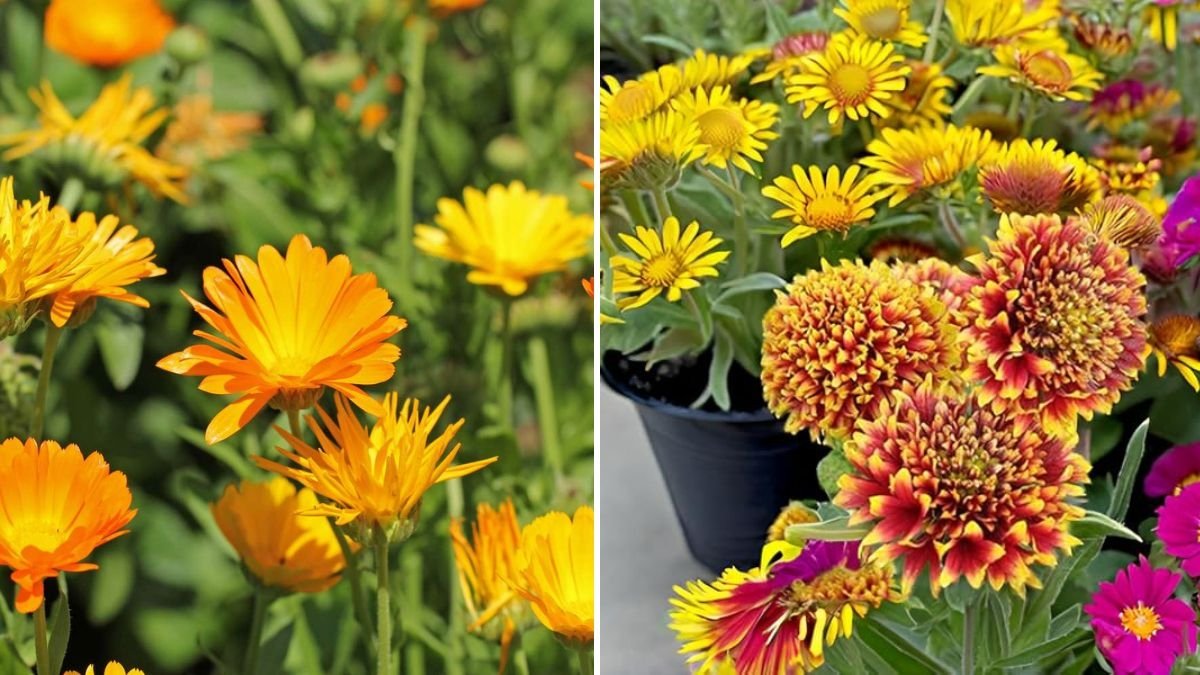
Growing flowers from seeds is one of the most rewarding gardening experiences, especially for beginners. There’s nothing more satisfying than planting tiny seeds and watching them sprout into vibrant, colorful blooms. However, many beginners struggle with slow germination or weak seedlings. The good news is that with the right techniques, you can grow flower seeds faster and ensure healthy, thriving plants. In this guide, we’ll cover everything from seed selection to care tips that will speed up your flower-growing journey.
1. Choose the Right Flower Seeds
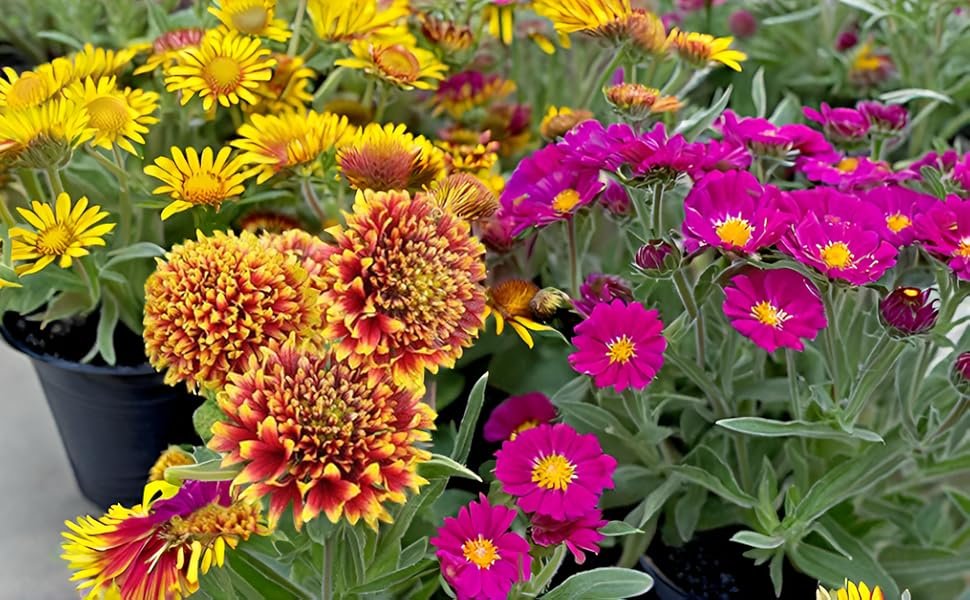
The first step to successful and fast-growing flowers is choosing the right seeds. Not all seeds are created equal, and some naturally germinate faster than others. Here are some tips for beginners:
- Start with easy-to-grow flowers: Sunflowers, marigolds, zinnias, cosmos, and nasturtiums are excellent choices. These seeds germinate quickly and are forgiving for beginners.
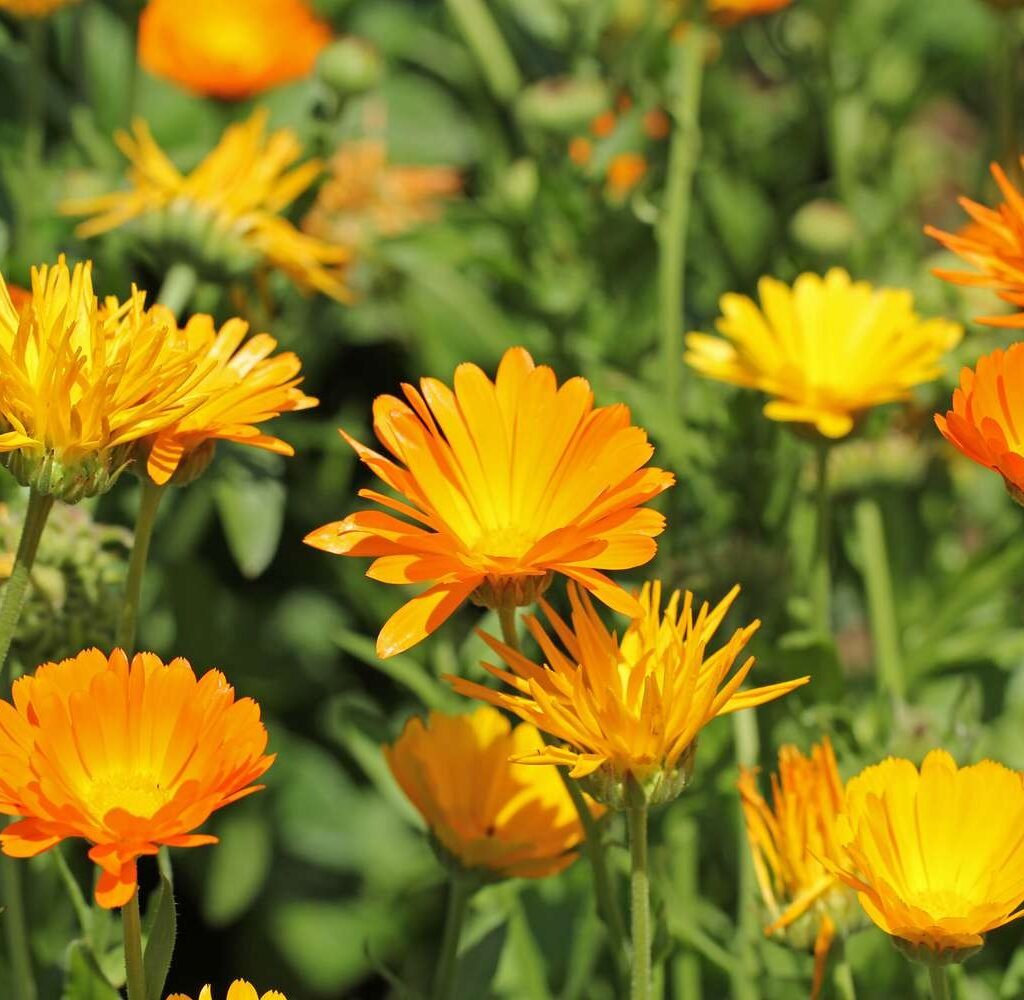
- Check the seed packet: Look for information about germination time, sunlight requirements, and ideal soil conditions. Some seeds, like sweet peas, may take longer to germinate, while others, like calendula, sprout rapidly.
- Choose fresh seeds: Old seeds may take longer to germinate or may not sprout at all. Always check the expiry date on the packet.
2. Prepping Seeds for Faster Germination
Many seeds benefit from pre-treatment before planting. These methods help soften the seed coat, improve water absorption, and speed up germination. Some popular techniques include:
- Soaking Seeds: Place seeds in a bowl of lukewarm water for 4–12 hours before planting. This is especially helpful for hard-coated seeds like morning glories and sweet peas.
- Scarification: For seeds with very tough shells, gently rub them with sandpaper or nick the seed coat with a small knife. This allows water to penetrate more easily.
- Stratification: Some seeds, such as pansies or primroses, require a period of cold to germinate. Place them in a damp paper towel inside the fridge for 1–2 weeks before planting.
By giving seeds a head start, you can significantly reduce germination time and give your seedlings a strong beginning.

3. Use Quality Seed-Starting Medium
Soil plays a huge role in how fast seeds sprout. Regular garden soil is often too dense and can hinder germination. Instead, use a light, fluffy seed-starting mix. Here’s why:
- Better drainage: Seeds need moisture but should never sit in waterlogged soil. A seed-starting mix prevents root rot.
- Optimal aeration: Light mixes allow roots to grow easily and access oxygen.
- Nutrient support: While seeds contain their own food initially, a nutrient-rich medium supports healthy early growth.
Pro tip: Avoid heavy compost for germination, as it can compact and slow down seedling growth.
4. Provide the Right Temperature

Temperature is one of the most important factors affecting germination speed. Seeds sprout faster when the soil is warm but not too hot. Here’s a guide:
- Most flower seeds: Germinate best at 20–25°C (68–77°F).
- Tropical flowers: May need slightly warmer conditions of 25–30°C (77–86°F).
- Cool-season flowers: Like pansies or sweet peas, prefer 15–20°C (59–68°F).
For beginners, a seedling heat mat can be a game-changer. It provides consistent warmth and speeds up germination, especially in cooler climates.

5. Proper Watering Techniques
Watering is critical for quick germination, but overwatering can be disastrous. Here’s how to get it right:
- Keep soil consistently moist: The seed-starting medium should be damp like a wrung-out sponge, not soaking wet.
- Use a gentle spray: A spray bottle is ideal for watering tiny seeds without washing them away.
- Avoid puddles: Standing water can rot seeds and slow growth.
Remember, young seedlings are delicate, and consistent moisture is more important than heavy watering.
6. Light for Rapid Growth
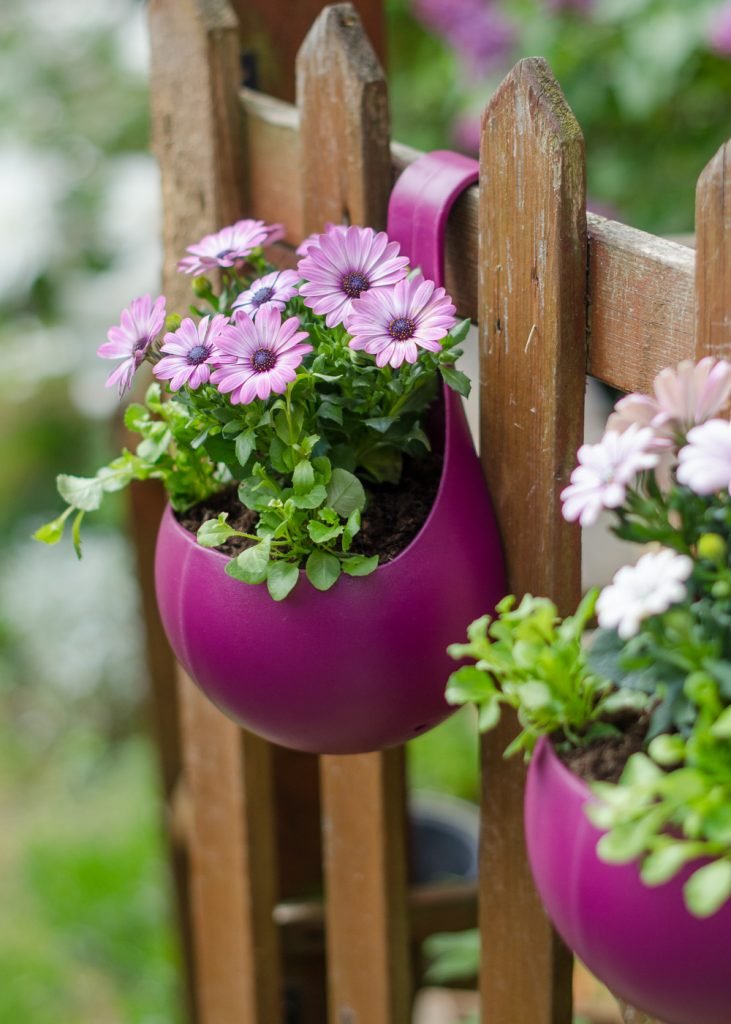
Once seeds sprout, they need plenty of light to grow quickly. Without light, seedlings become leggy and weak. Beginners can follow these tips:
- Provide 12–16 hours of light daily: If you don’t have bright natural sunlight, use LED grow lights.
- Keep light close: Position lights about 2–3 inches above seedlings to encourage strong, compact growth.
- Rotate seedlings: If using natural sunlight, rotate trays daily so all seedlings grow evenly.
Bright light ensures faster development and healthier, more resilient plants.

7. Thinning for Stronger Seedlings
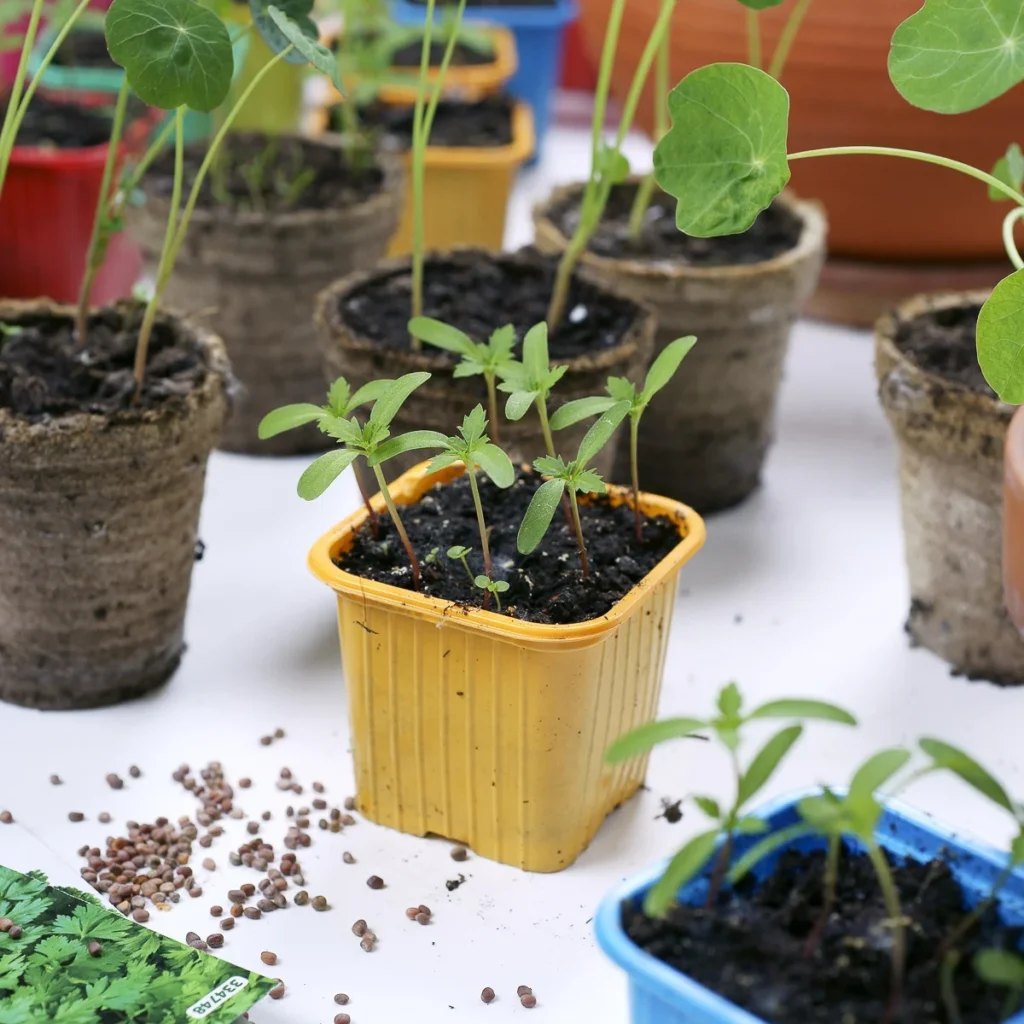
When multiple seeds sprout in the same spot, they compete for nutrients and light. Thinning seedlings ensures each plant grows faster and healthier:
- Wait until seedlings have 2–3 true leaves: This ensures they’re strong enough to handle thinning.
- Remove weaker seedlings: Use small scissors to snip weaker seedlings at soil level rather than pulling them, which can disturb nearby roots.
- Space appropriately: Follow the seed packet recommendations for spacing to allow optimal growth.
Thinning may seem counterintuitive, but fewer strong plants will grow faster than crowded, weak ones.
8. Fertilize Carefully
Once seedlings develop a couple of true leaves, they benefit from light feeding. Over-fertilizing too early can burn delicate roots, while under-fertilizing can slow growth. For beginners:
- Use a diluted liquid fertilizer: Mix at half-strength and feed every 1–2 weeks.
- Balanced nutrients: Look for a fertilizer labeled for seedlings or young plants. A balanced NPK ratio like 10-10-10 works well.
- Avoid excess nitrogen: Too much nitrogen encourages leafy growth but delays flowering.
Proper feeding helps seedlings grow quickly into healthy plants ready for transplantation.

9. Hardening Off Before Transplanting
Before moving seedlings outdoors, gradually acclimate them to external conditions. This process, called hardening off, prevents shock and ensures faster growth:
- Start with short outdoor exposure: Place seedlings outside for 1–2 hours daily in partial shade.
- Increase exposure gradually: Over 7–10 days, increase sunlight and outdoor time.
- Protect from wind and pests: Use a sheltered spot until seedlings are strong.
Hardening off gives your young plants the best chance to thrive and bloom quickly once transplanted.
10. Additional Tips for Beginners
Here are a few more tricks to speed up flower growth:
- Label everything: Keeps track of seed types and planting dates.
- Use clean containers: Reduces the risk of fungal infections.
- Avoid stress: Keep seedlings away from drafts, sudden temperature changes, and pests.
- Companion planting: Some herbs like basil or marigold can help deter pests naturally.
Conclusion
Growing flower seeds faster isn’t about rushing nature—it’s about giving seeds the right conditions to thrive. By selecting easy-to-grow seeds, pre-treating them, using quality soil, maintaining proper moisture and temperature, providing ample light, and fertilizing wisely, beginners can enjoy rapid, healthy growth and colorful blooms in no time.

Remember, gardening is both science and art. Even if some seeds take longer than expected, patience pays off with a garden full of beauty and joy. With these tips, your flower-growing journey will be smoother, faster, and incredibly rewarding.

Leave A Comment