Fungal diseases are among the most frustrating and persistent problems gardeners face. Whether you grow vegetables, ornamental flowers, fruit trees, or houseplants, fungal infections like powdery mildew, rust, blight, and root rot can quickly take hold and weaken or even kill your plants. Many gardeners immediately try chemical fungicides, but these solutions can harm beneficial insects, pollute soil and water, and disrupt your garden’s natural balance.
The good news? You don’t have to rely on chemicals. There are several organic methods that can effectively prevent and control fungal diseases—while keeping your garden safe, healthy, and eco-friendly. These natural remedies not only protect your plants but also improve their overall resilience, helping them grow stronger in the long run.
In this article, you’ll discover six tried-and-tested organic methods to control fungal diseases in plants, how each method works, and tips for applying them correctly for maximum results.
1. Neem Oil: Nature’s Powerful Anti-Fungal Solution
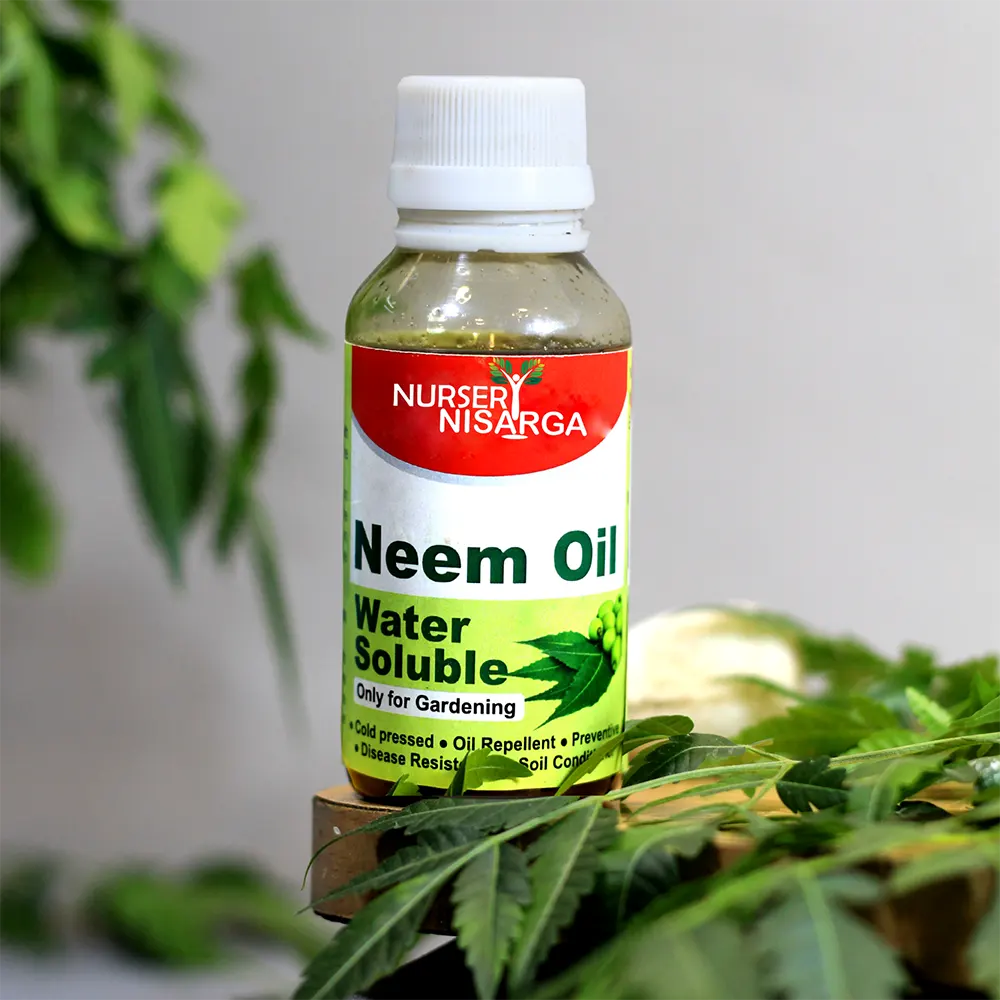
Neem oil is one of the most popular organic remedies for garden fungal problems. Extracted from the neem tree, it contains compounds like azadirachtin that disrupt fungal growth and prevent spores from spreading.
Why Neem Oil Works
- It interferes with fungal reproduction.
- It has antibacterial and insecticidal benefits.
- It creates a protective coating on leaves.
How to Use Neem Oil
- Mix 1–2 tablespoons of cold-pressed neem oil with 1 gallon of water.
- Add a few drops of mild liquid soap to help it stick to leaves.
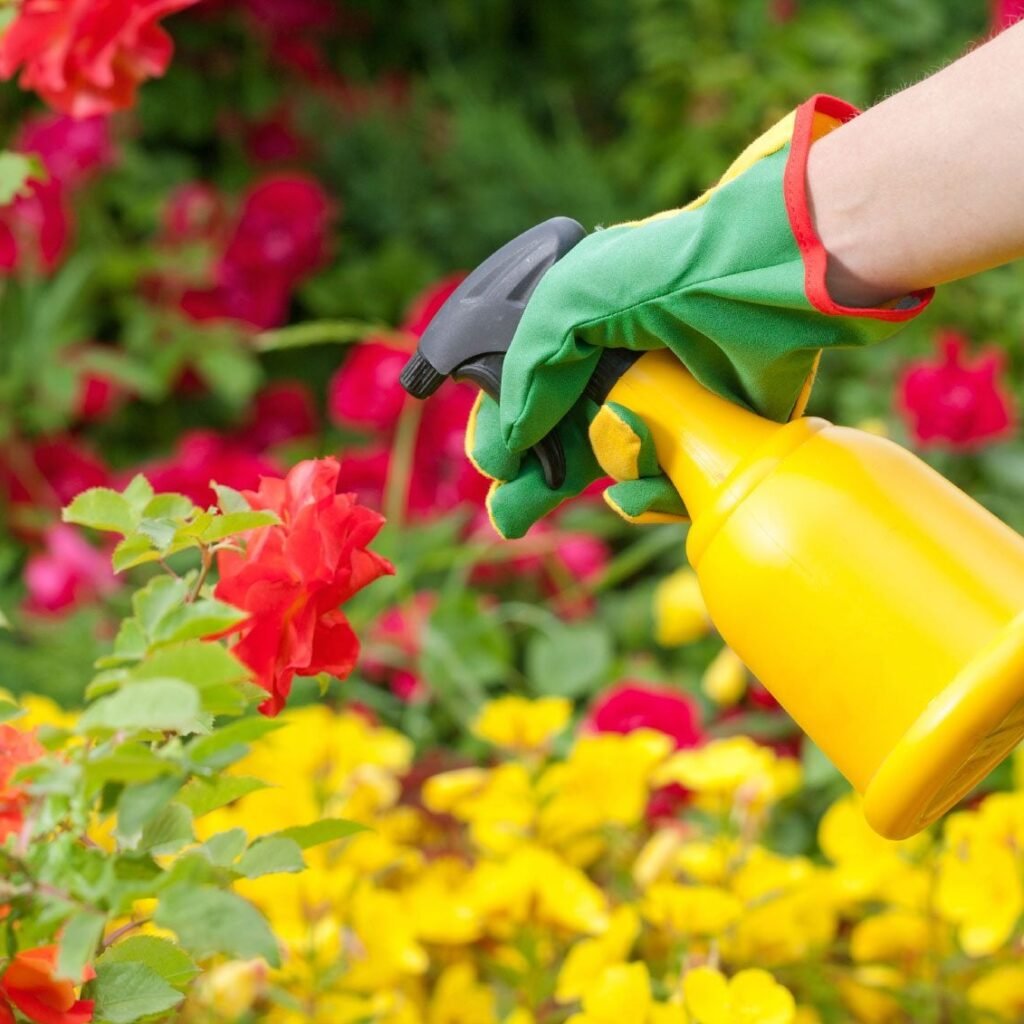
- Spray early in the morning or late afternoon to avoid leaf burn.
- Apply every 7–14 days until the disease subsides.
Best For
- Powdery mildew
- Leaf spot
- Rust
- Anthracnose
- Early prevention
Neem works best when applied regularly—not just when symptoms appear.
2. Baking Soda Spray: Simple Yet Highly Effective
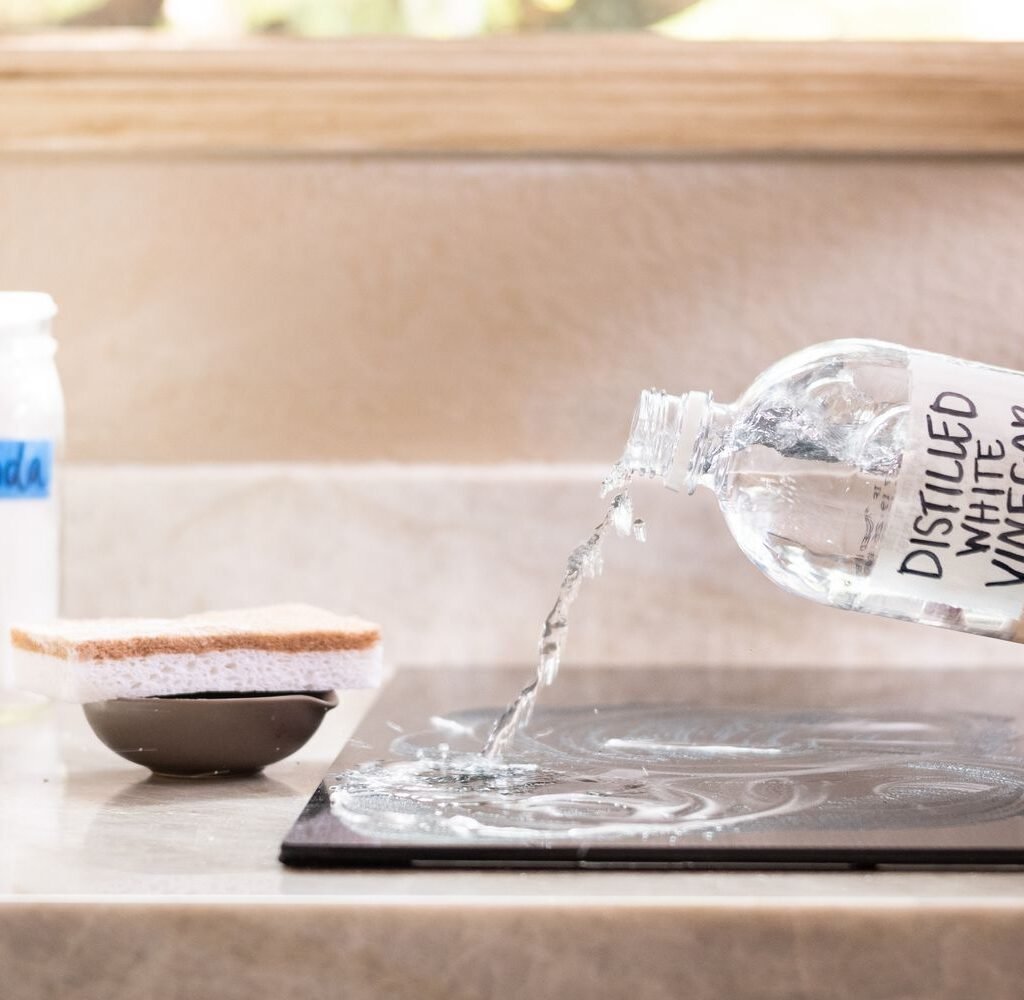
Baking soda is a common household ingredient, but in the garden it acts as a powerful natural fungicide. Sodium bicarbonate creates an alkaline environment that makes it harder for fungal spores to thrive.
How It Helps
- Alters leaf surface pH
- Slows fungal growth
- Prevents spores from germinating
DIY Baking Soda Fungicide Recipe
- 1 tablespoon baking soda
- 1 teaspoon mild liquid soap
- 1 gallon water
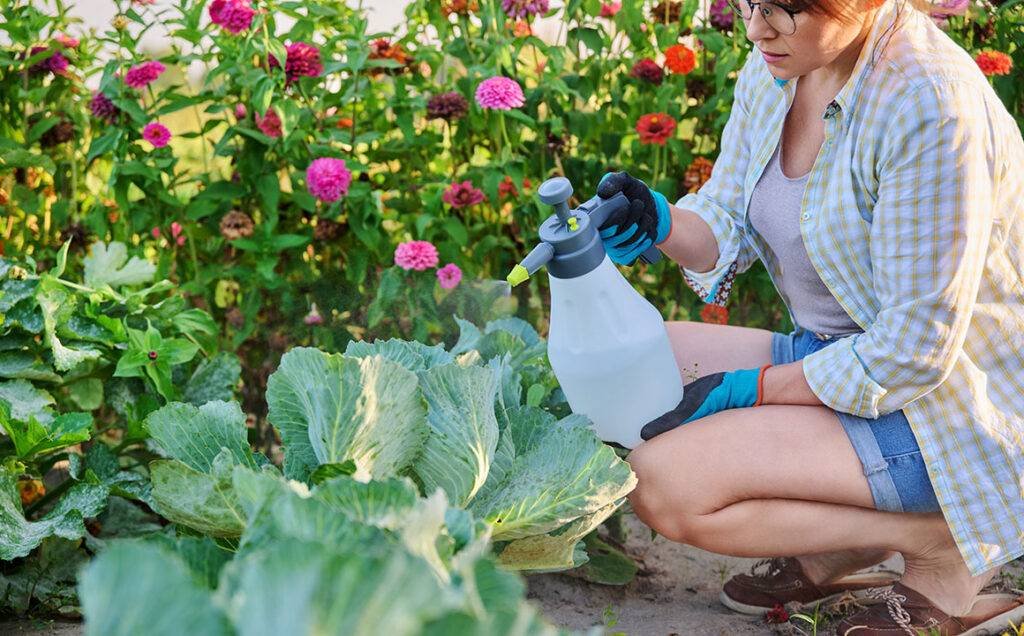
Mix well and spray on both the top and underside of leaves.
Pro Tips
- Don’t overuse—too much can harm plant tissues.
- Apply weekly for best results.
- Works exceptionally well for powdery mildew.
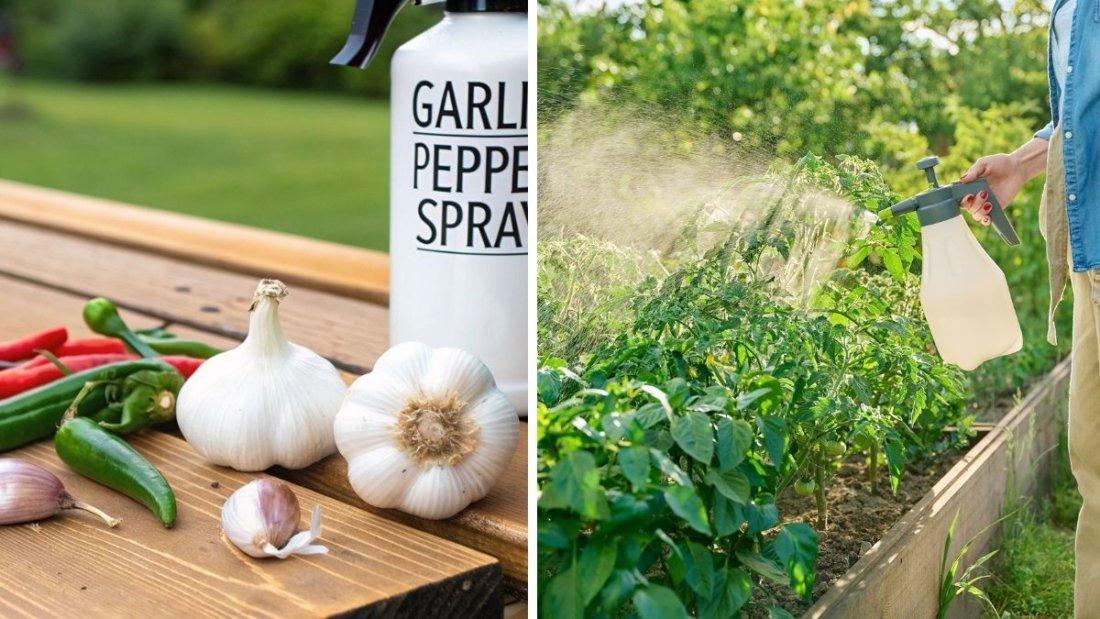
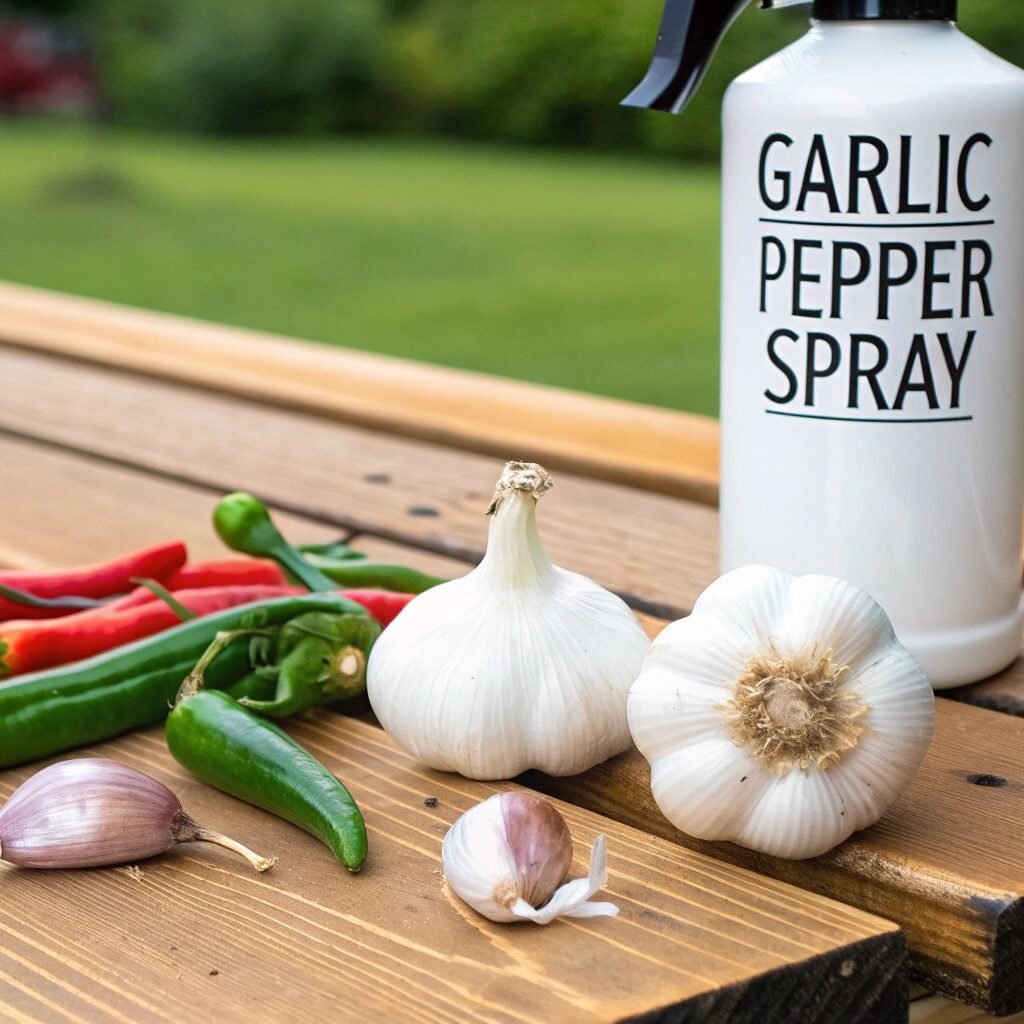
3. Garlic Spray: A Strong Antifungal and Antibacterial Garden Spray
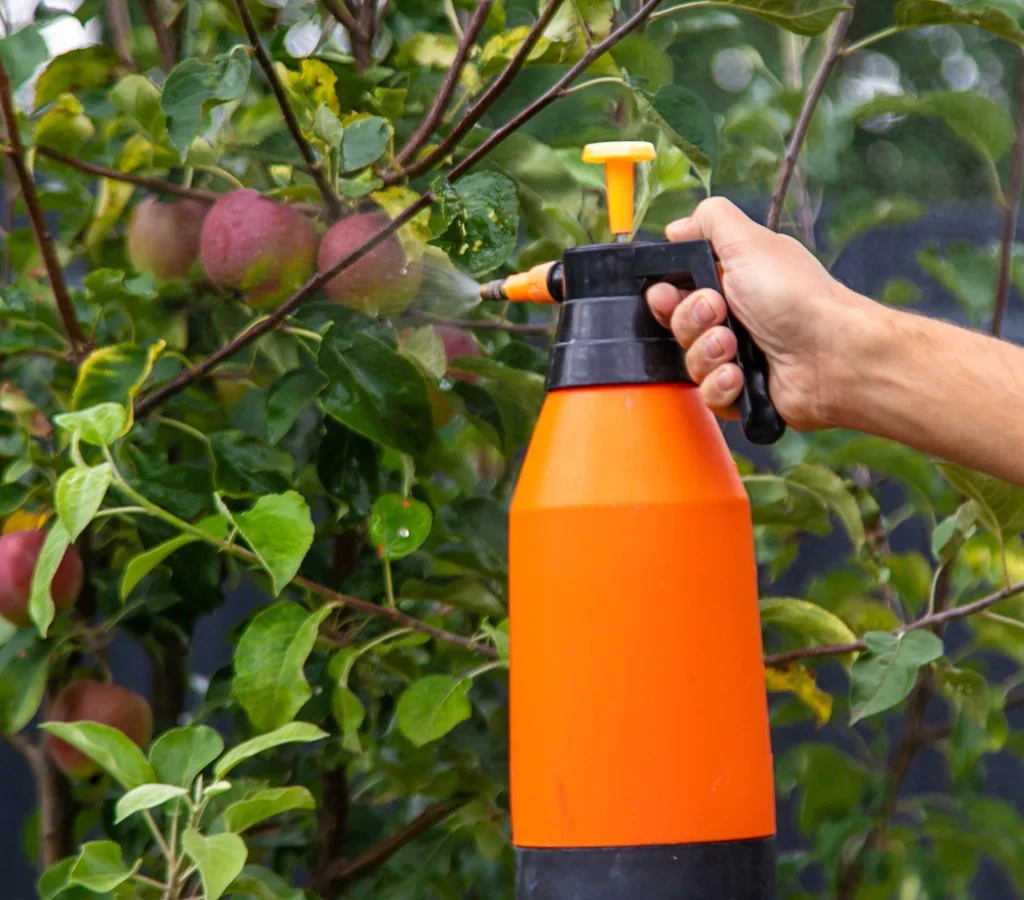
Garlic is naturally rich in sulfur compounds, which give it impressive antifungal and antibacterial properties. It helps strengthen plant immune systems and reduces the spread of fungal infections.
Why Garlic Works
- Kills fungal spores
- Repels pests that spread fungus
- Acts as a broad-spectrum natural disinfectant
How to Make Garlic Spray
- Crush 10–12 cloves of fresh garlic.
- Blend with 1 liter of water.
- Strain the mixture and dilute with another 1 liter of water.
- Add a few drops of soap and spray on plants.
Best For
- Early blight
- Late blight
- Downy mildew
- Black spot on roses
Garlic spray is safe for almost all plants but should not be used on very young seedlings.
4. Compost Tea: Boost Plant Immunity Naturally
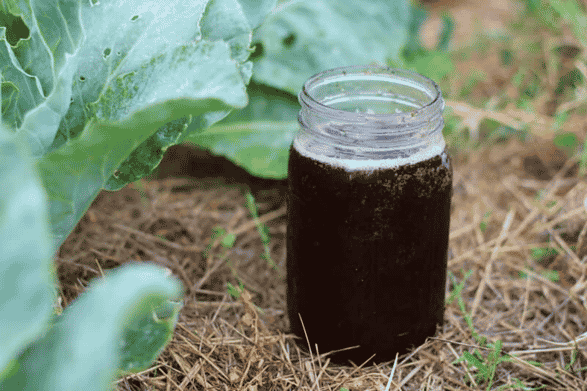
Compost tea is a nutrient-rich liquid made by steeping compost in water. It contains billions of beneficial microorganisms that help outcompete harmful fungal pathogens.
Why Compost Tea Is Powerful
- Reintroduces beneficial microbes
- Improves soil structure
- Enhances plant immunity
- Helps prevent root and foliar fungal diseases
How to Make Compost Tea
- Fill a bucket with 1/3 finished compost.
- Add water to fill the bucket.
- Let it steep for 24–48 hours, stirring occasionally.
- Strain and dilute 1:10 with water.
- Use as a soil drench or foliar spray.
Where It Works Best
- Vegetable gardens
- Fruit trees
- Container plants
- Flower beds
Use compost tea every 2–4 weeks to keep plants healthy and disease-resistant.
5. Proper Air Circulation and Spacing: The Most Underestimated Organic Method
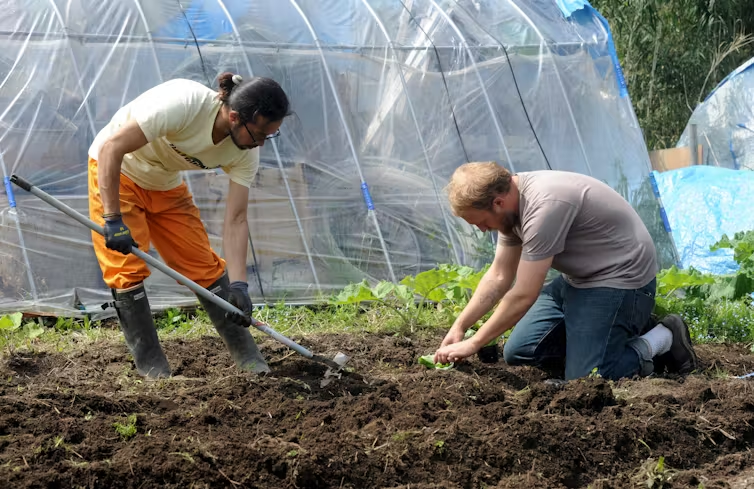
Most fungal diseases thrive in humid, crowded, poorly ventilated environments. Simply allowing more air to circulate around plants can drastically reduce fungal infections—even without sprays.
How Airflow Helps
- Reduces moisture buildup on leaves
- Prevents fungal spores from settling
- Encourages stronger plant growth
- Lowers humidity around plant surfaces
Ways to Improve Air Circulation
- Space plants according to recommended distances
- Prune dense foliage
- Stake tall plants to improve airflow
- Water at the base, not overhead
- Avoid overcrowding containers
This method is especially crucial for tomatoes, cucumbers, squash, roses, and most fruit trees.
6. Cinnamon and Turmeric: Natural Antifungal Powders

Cinnamon and turmeric aren’t just kitchen spices—they’re potent natural fungicides. Both contain compounds that suppress fungal growth and promote plant healing.
Why These Spices Work
- Cinnamon contains cinnamaldehyde, a strong antifungal compound.
- Turmeric contains curcumin, a natural antimicrobial agent.
How to Use Them
For Soil & Root Rot:
- Sprinkle cinnamon or turmeric around the base of plants.
- Mix lightly into the topsoil.
For Cuts and Wounds:
- Dust freshly pruned areas to prevent fungal infection.
Best For
- Damping-off disease
- Root rot
- Stem rot
- Fungal infections in seedlings
These spices are gentle but extremely effective for preventing infections before they start.
Additional Garden Tips to Prevent Fungal Diseases
Beyond these organic remedies, a few simple gardening habits will significantly reduce fungal issues:
Water Early in the Morning
Leaves dry faster, reducing fungal growth.
Use Well-Draining Soil
Prevents standing water and root rot.
Mulch Properly
Organic mulch helps regulate moisture without encouraging fungus.
Rotate Crops
Avoid planting the same family of vegetables in the same spot each year.
Keep Tools Clean
Sanitize shears and pruners to prevent spreading disease.
These prevention methods maximize the effectiveness of any organic treatment.
Final Thoughts
Controlling fungal diseases organically isn’t just possible—it’s simple, affordable, and healthier for your plants and the environment. By using natural remedies like neem oil, baking soda, garlic spray, compost tea, and herbal powders—combined with good gardening practices—your garden can thrive without relying on harsh chemicals.
Over time, you’ll notice stronger roots, healthier foliage, more blooms, and increased harvests. Most importantly, you’ll be creating a balanced ecosystem that supports beneficial insects, enriching your soil, and keeping your plants resilient.
Whether you’re a beginner gardener or a seasoned grower, these six organic methods offer safe, effective tools to protect your plants and enjoy a vibrant, disease-free garden naturally.
If you’d like, I can also create a Pinterest-optimized description, social media posts, or SEO keywords for this article!