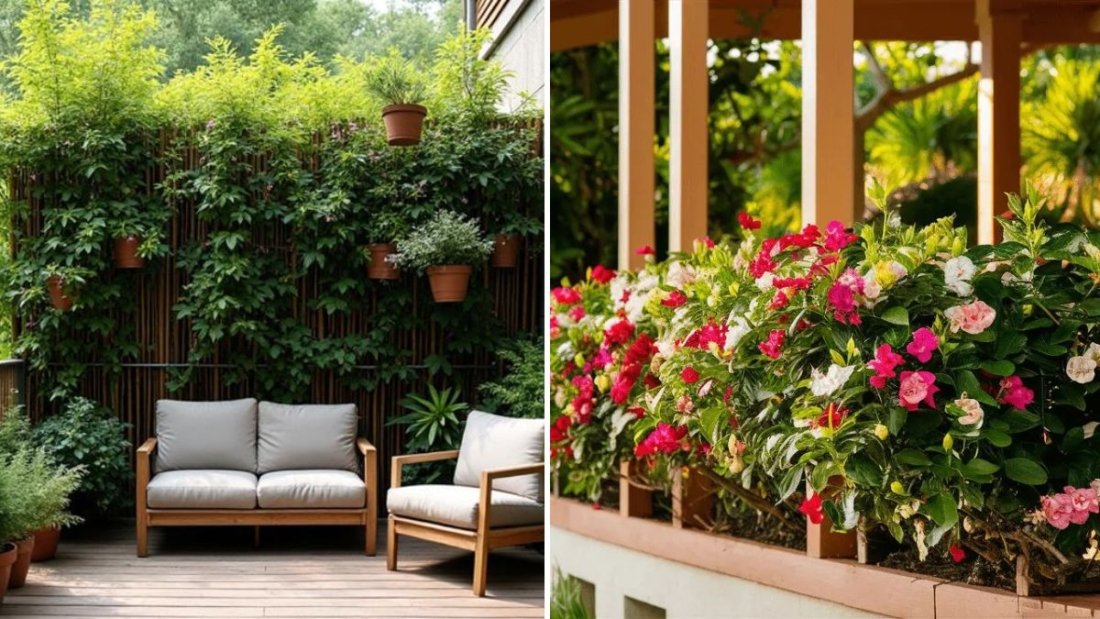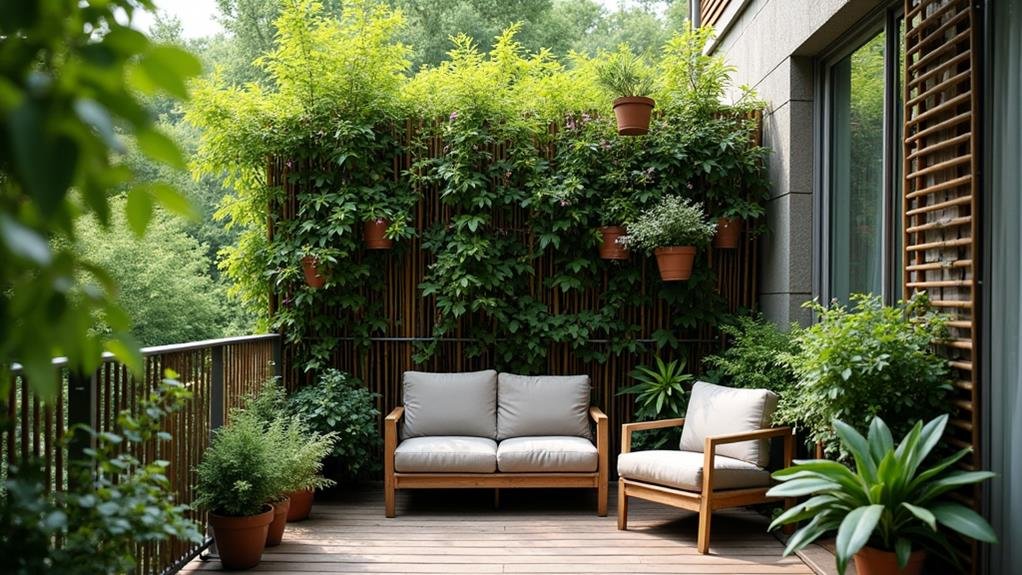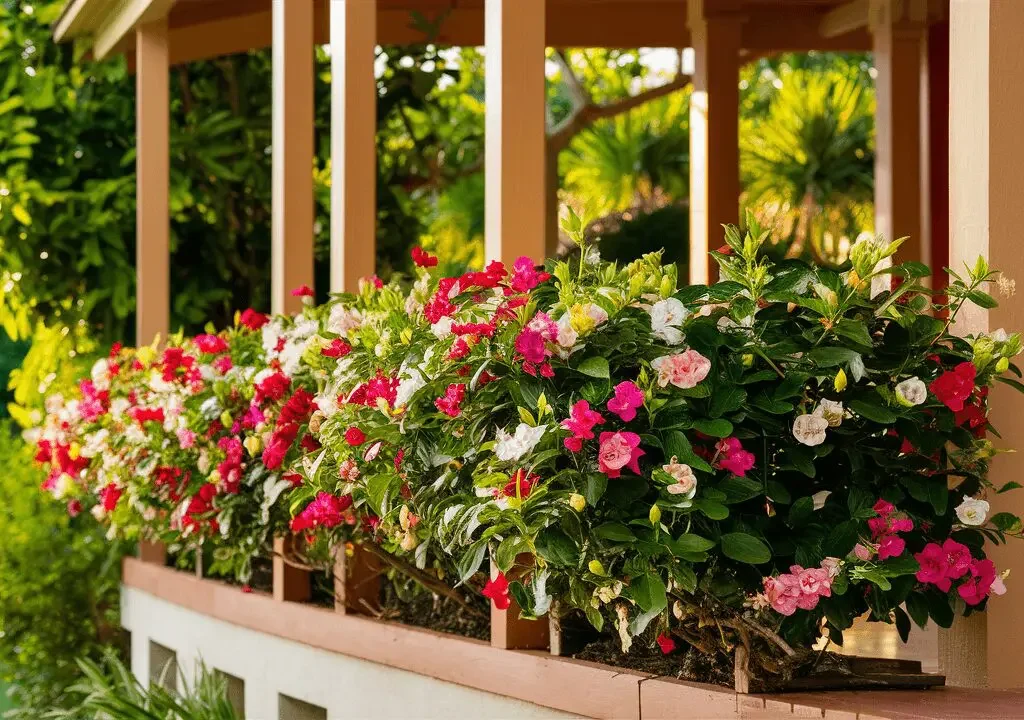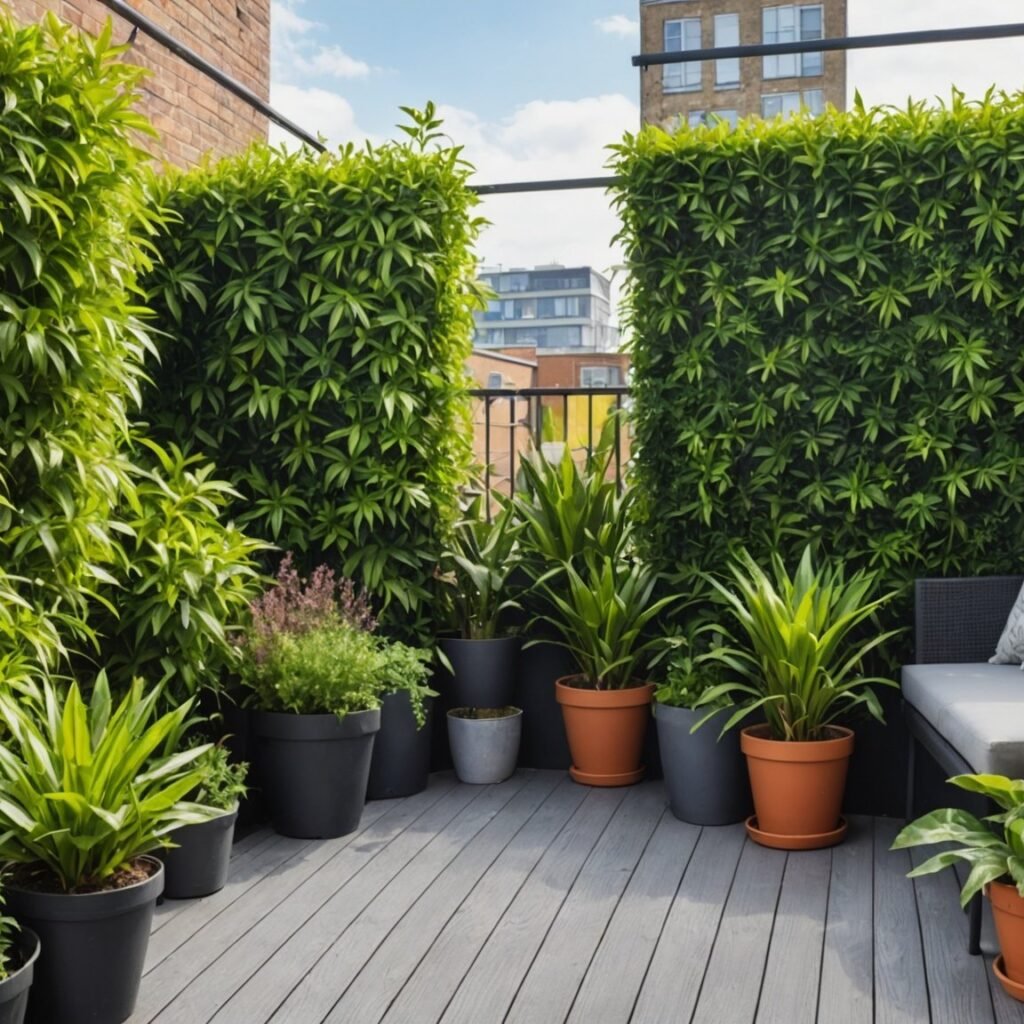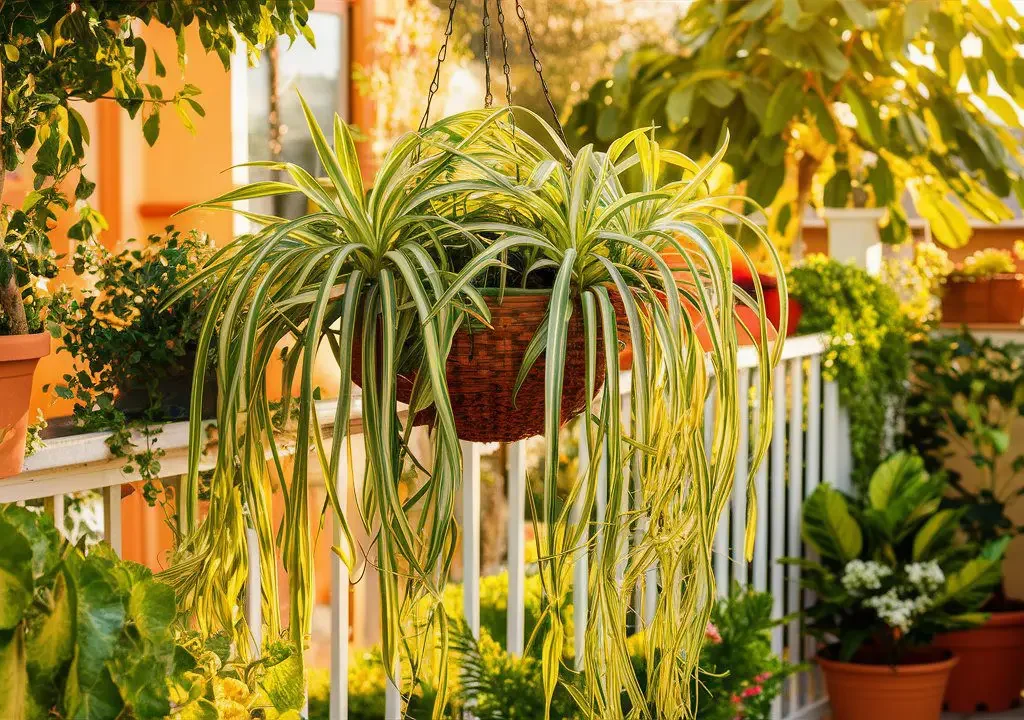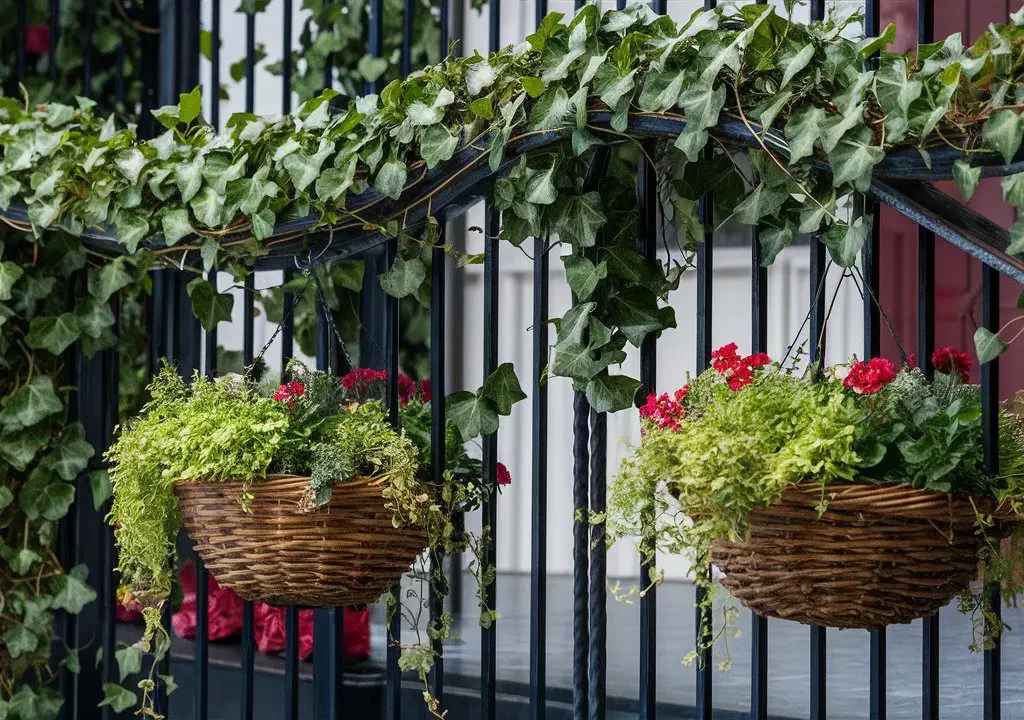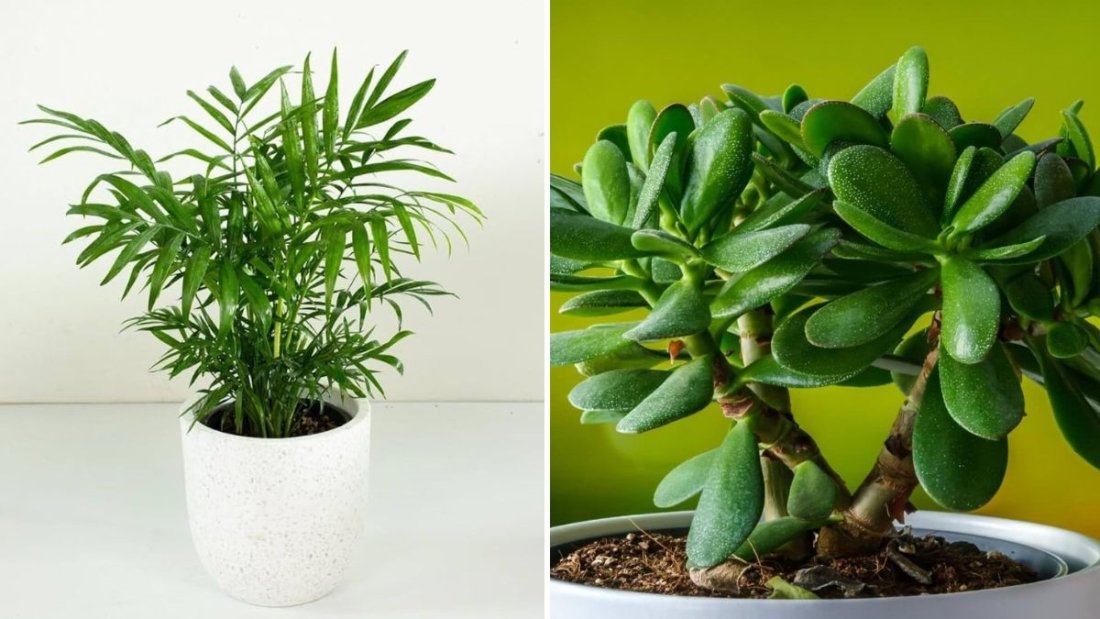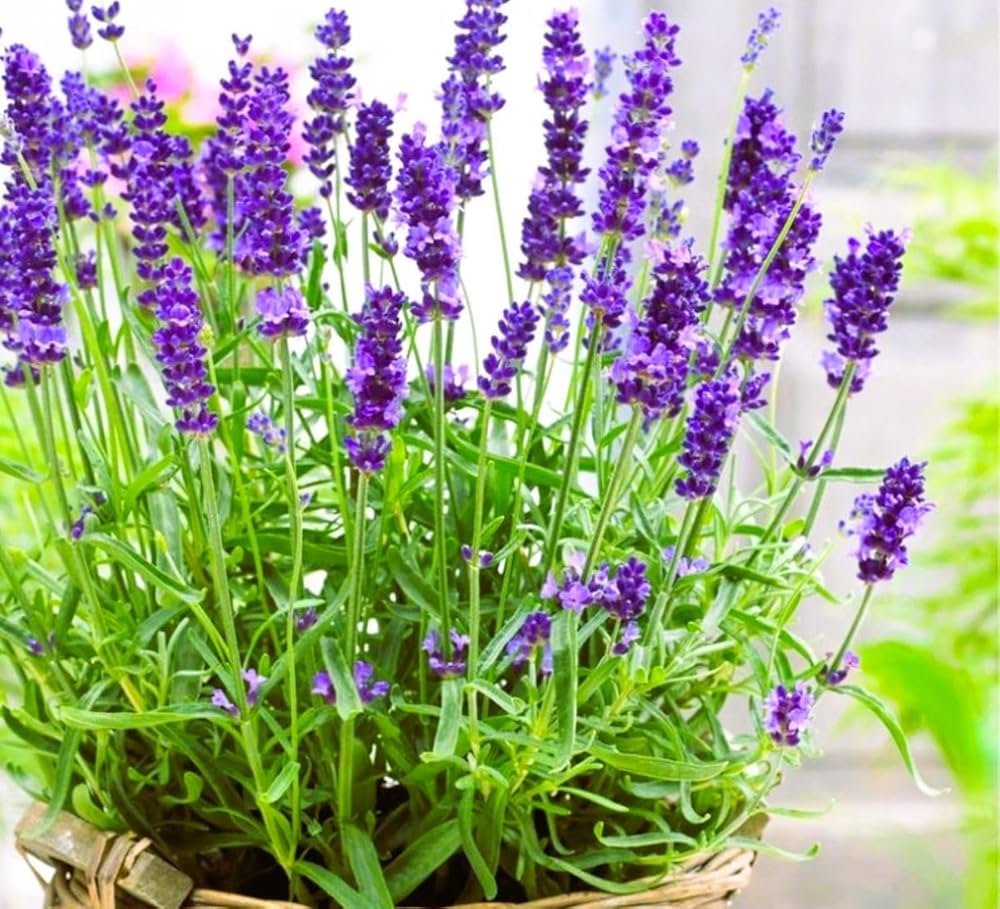
Balcony gardening is one of the most rewarding ways to bring nature into compact city homes. Whether you’re growing herbs, flowers, or vegetables, your balcony can easily turn into a green sanctuary with the right planning and care. However, many beginners make simple mistakes that prevent their plants from thriving — mistakes that can be avoided with just a little guidance.
In this comprehensive 1200-word guide, you’ll learn 6 common balcony gardening mistakes and how to avoid them so your garden stays healthy, vibrant, and productive all year long.
1. Choosing the Wrong Plants for Your Balcony Conditions
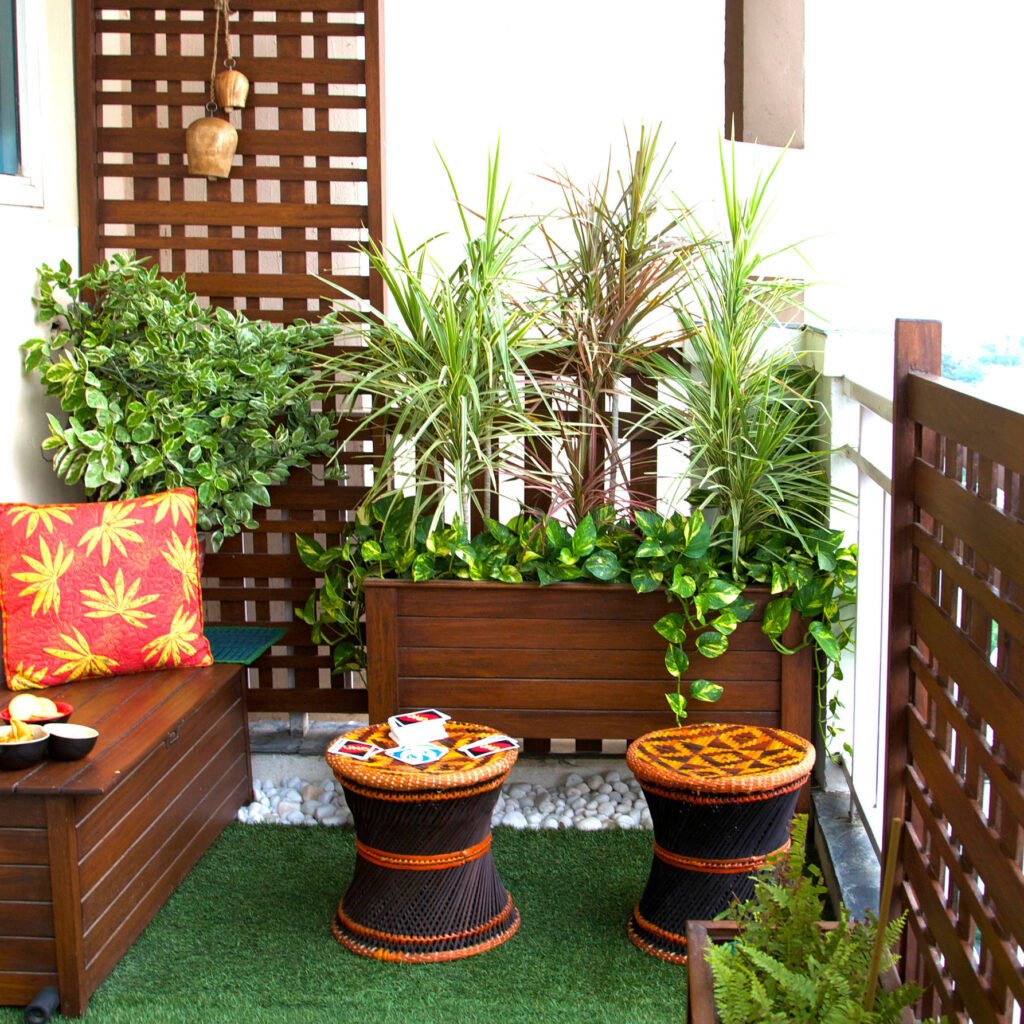
One of the biggest mistakes new gardeners make is picking plants simply because they look beautiful — without considering whether they can actually survive on the balcony.
Why This Matters
Your balcony has its own microclimate. Sun exposure, wind, temperature, and humidity all affect how well certain plants grow.
How to Avoid This Mistake
- Assess sunlight levels.
- Full sun: 6+ hours of direct sunlight → ideal for tomatoes, basil, chilli, lavender.
- Partial sun: 3–5 hours → mint, spinach, lettuces, begonias.
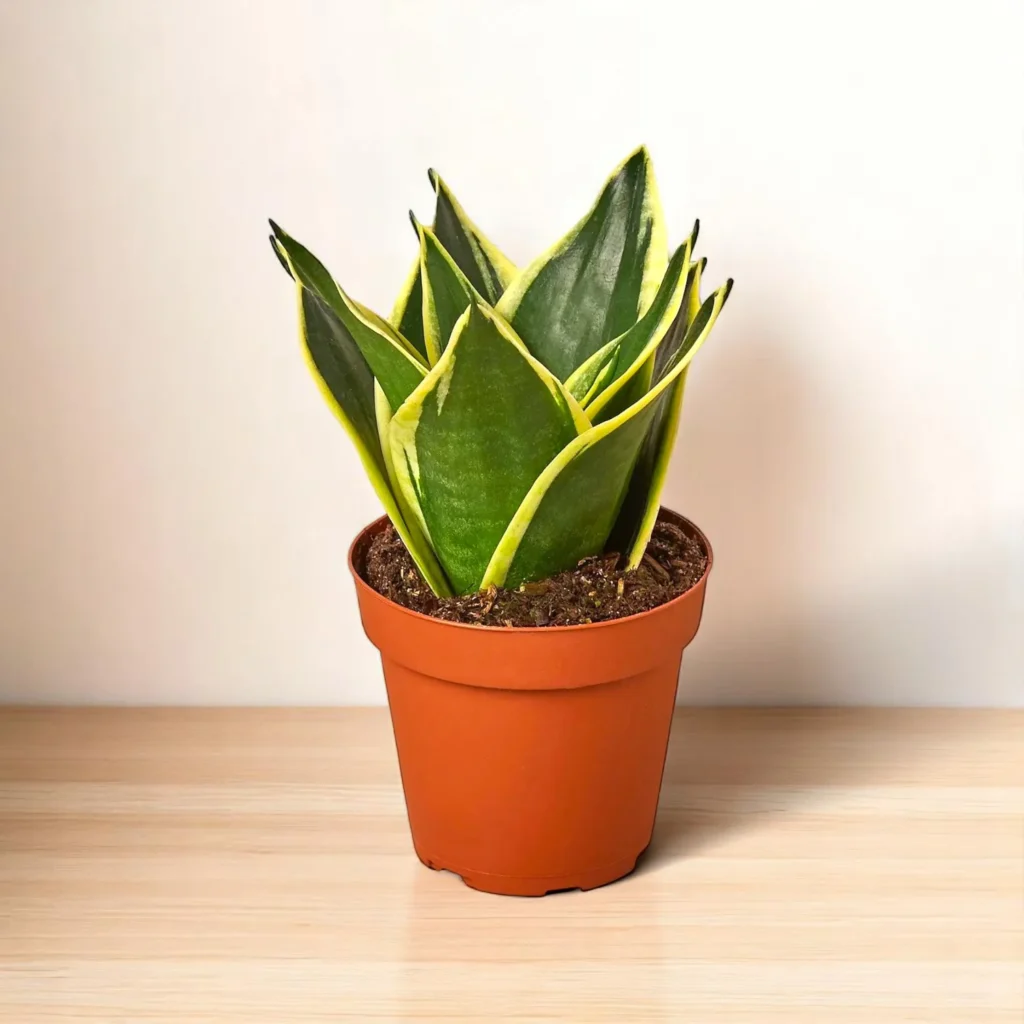
- Shade: less than 3 hours → ferns, snake plants, peace lilies.
- Understand wind exposure.
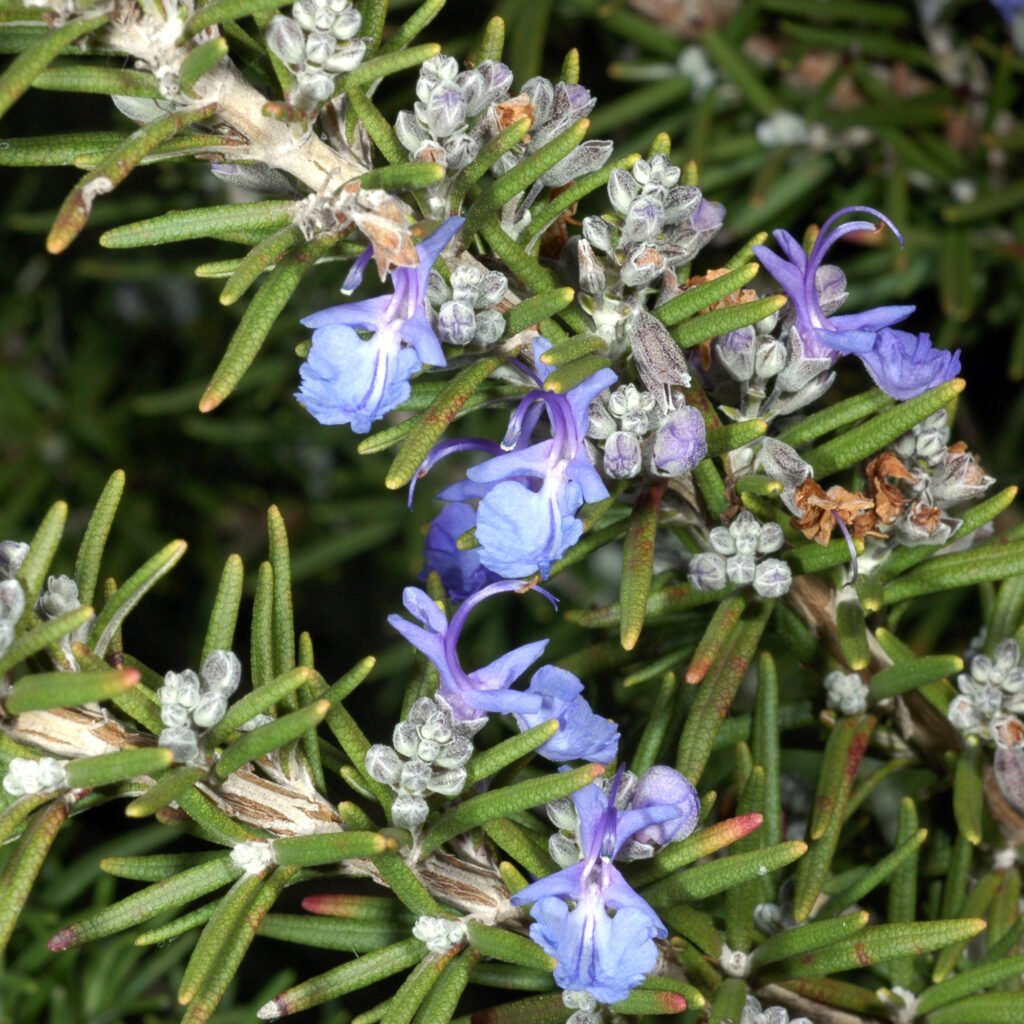
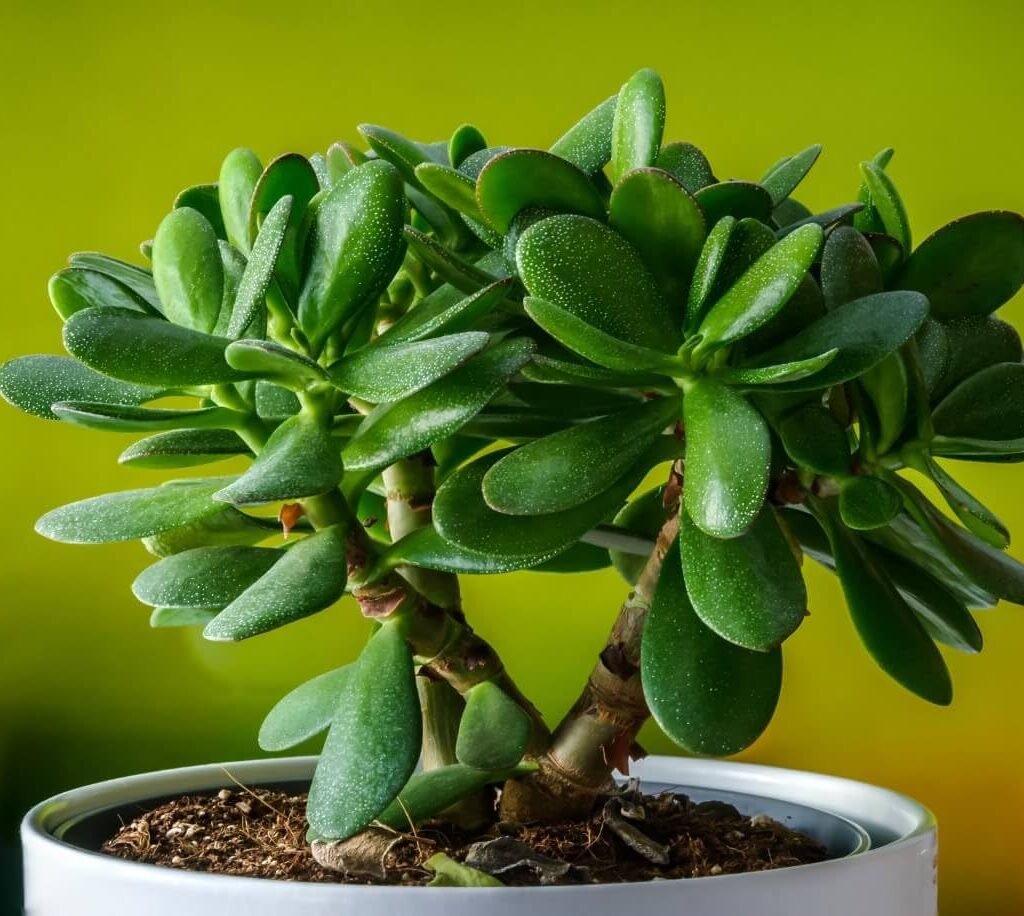
High-rise balconies are often windy. Tough, flexible plants like succulents, rosemary, and grasses handle wind well. - Check temperature differences.
Balconies can become extremely hot in summer and cold in winter. Choose hardy plants if your climate fluctuates.
Smart Tip
Before shopping, observe your balcony for a full day to note where sunlight moves. This alone can save many plant casualties!
2. Using Poor-Quality Soil or Regular Garden Soil
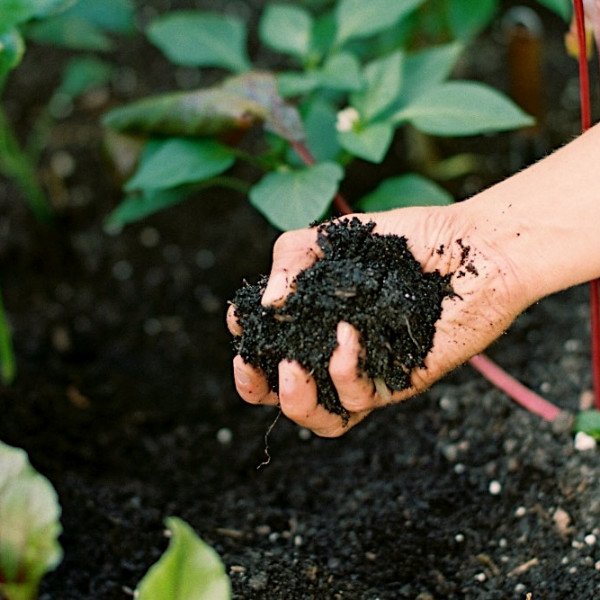
Another common mistake is filling balcony containers with cheap soil or, worse, digging up soil from the ground.
Why This Matters
Balcony plants rely entirely on the soil you provide. Poor soil:
- becomes compacted,
- drains badly,
- blocks oxygen,
- and prevents root growth.
How to Avoid This Mistake
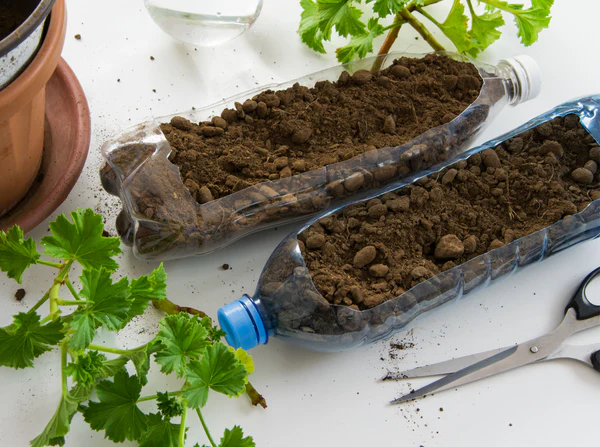
- Always use high-quality potting mix.
Potting mix is light, airy, and formulated for containers. - Avoid garden soil.
It is heavy, dense, and often carries pests. - Add organic material.
Compost or cocopeat improves texture and nutrient content. - Use perlite or sand for better drainage.
Essential for succulents and Mediterranean herbs like rosemary.
Smart Tip
Refreshing the top 2–3 inches of soil every few months boosts plant growth and prevents nutrient depletion.
3. Overwatering or Underwatering Your Plants
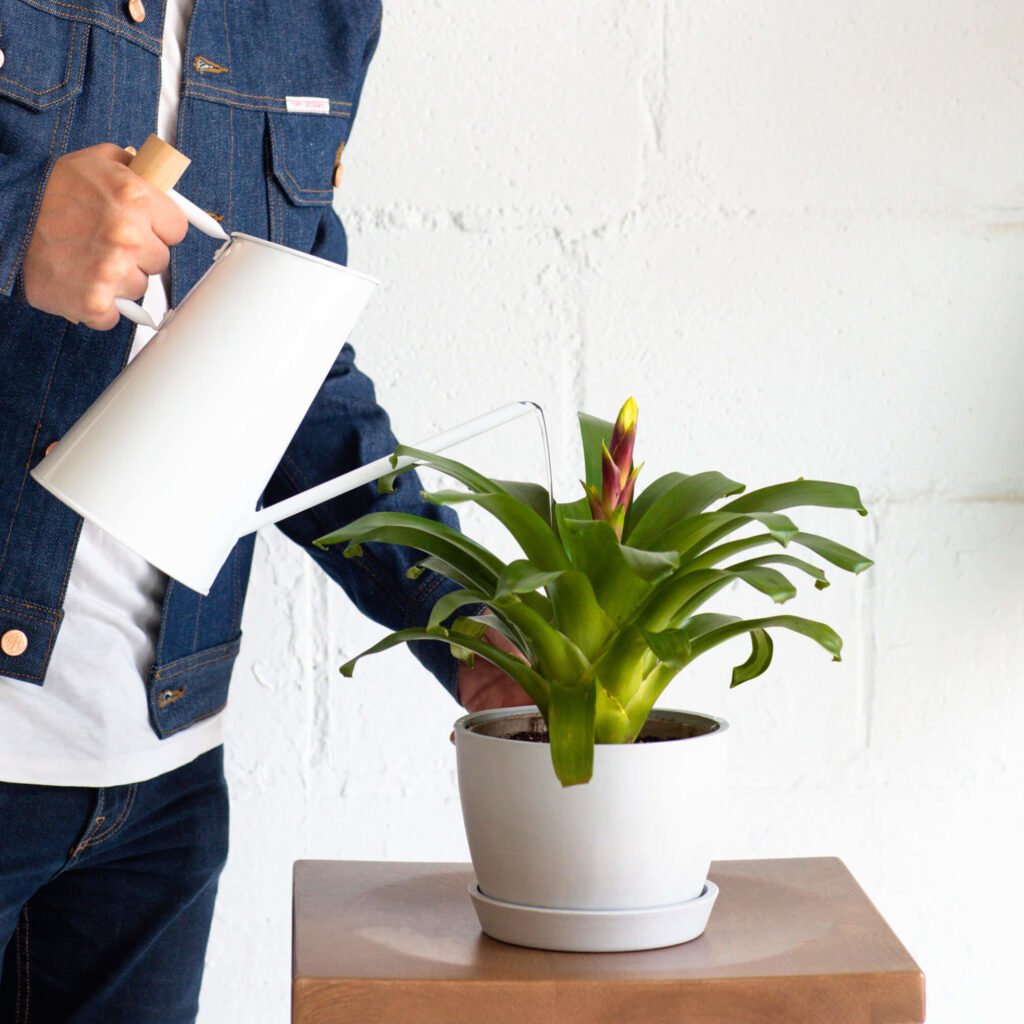
Balcony gardeners often struggle with watering — and both extremes are harmful.
Why This Matters
- Overwatering suffocates roots and causes rot.
- Underwatering stresses plants, stunts growth, and leads to wilting.
How to Avoid This Mistake
- Know your plant’s water needs.
Herbs like rosemary and thyme prefer dry soil. Mint and basil prefer consistently moist soil. - Check moisture before watering.
Insert your finger 1–2 inches into the soil. If it’s dry, water. If it’s moist, wait. - Use pots with drainage holes.
Never skip this — stagnant water is a plant’s enemy. - Water deeply, not lightly.
Deep watering encourages strong root growth. - Adjust watering seasonally.
- Summer: More frequent watering
- Monsoon: Minimal
- Winter: Moderate
Smart Tip
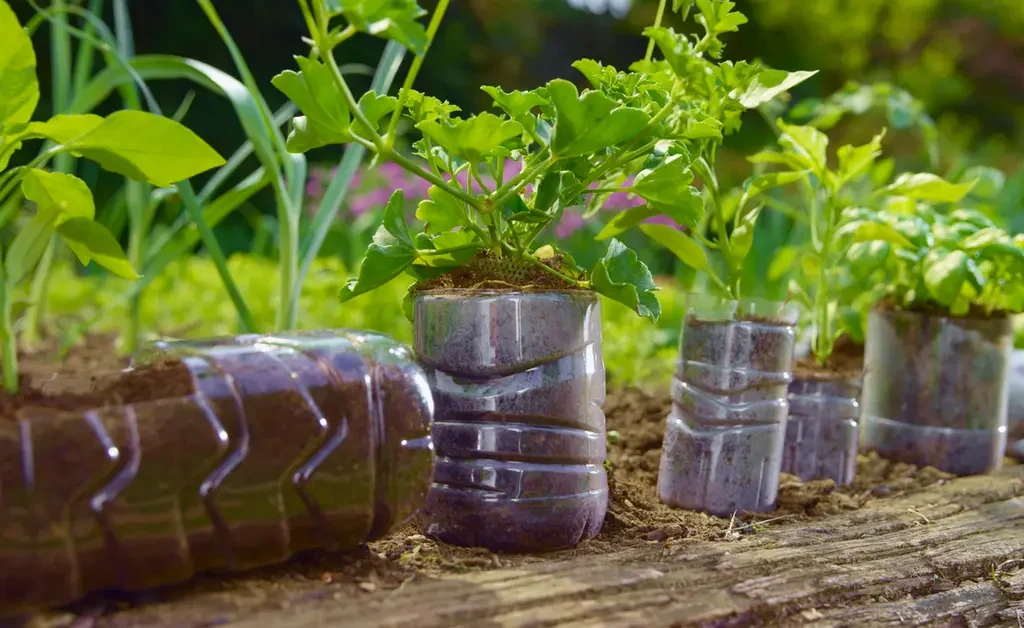
Use self-watering pots or DIY bottle drippers if you’re busy or travel frequently.
4. Ignoring the Importance of Pot Size
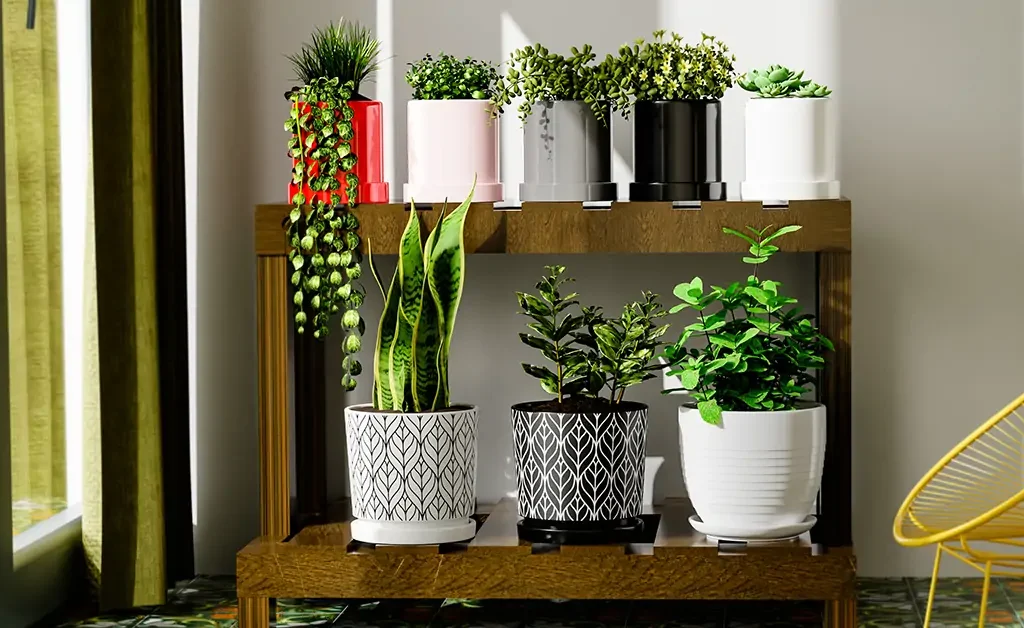
Many balcony gardeners unknowingly restrict their plants by using pots that are too small.
Why This Matters
Small containers:
- limit root expansion,
- dry quickly,
- reduce nutrient availability,
- and lead to stunted or unhealthy plants.
How to Avoid This Mistake
- Choose pots based on plant size.
- Tomatoes, chillies, and climbers → 12–18 inch deep pots.
- Herbs like mint and oregano → 8–10 inch pots.
- Flowers and succulents → shallow containers (depending on varieties).
- Repot annually.
Plants outgrow pots over time. Move to a larger container when you see:- roots circling the pot,
- water draining too quickly,
- or slowed growth.
- Avoid going too big.
Oversized pots hold too much water for small plants and cause rot.
Smart Tip
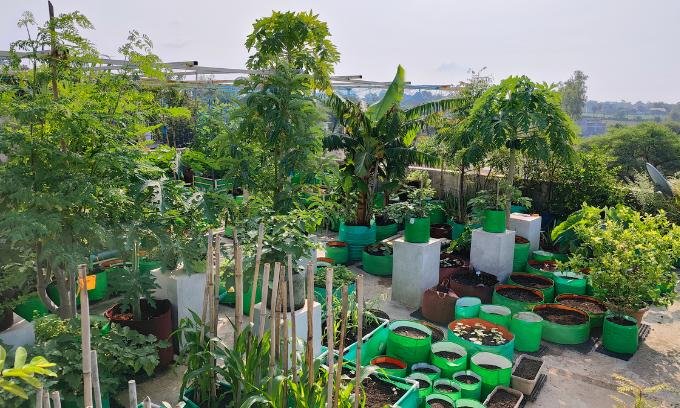
Fabric grow bags are affordable, breathable, and ideal for urban balconies.
5. Neglecting Pests and Diseases Until It’s Too Late
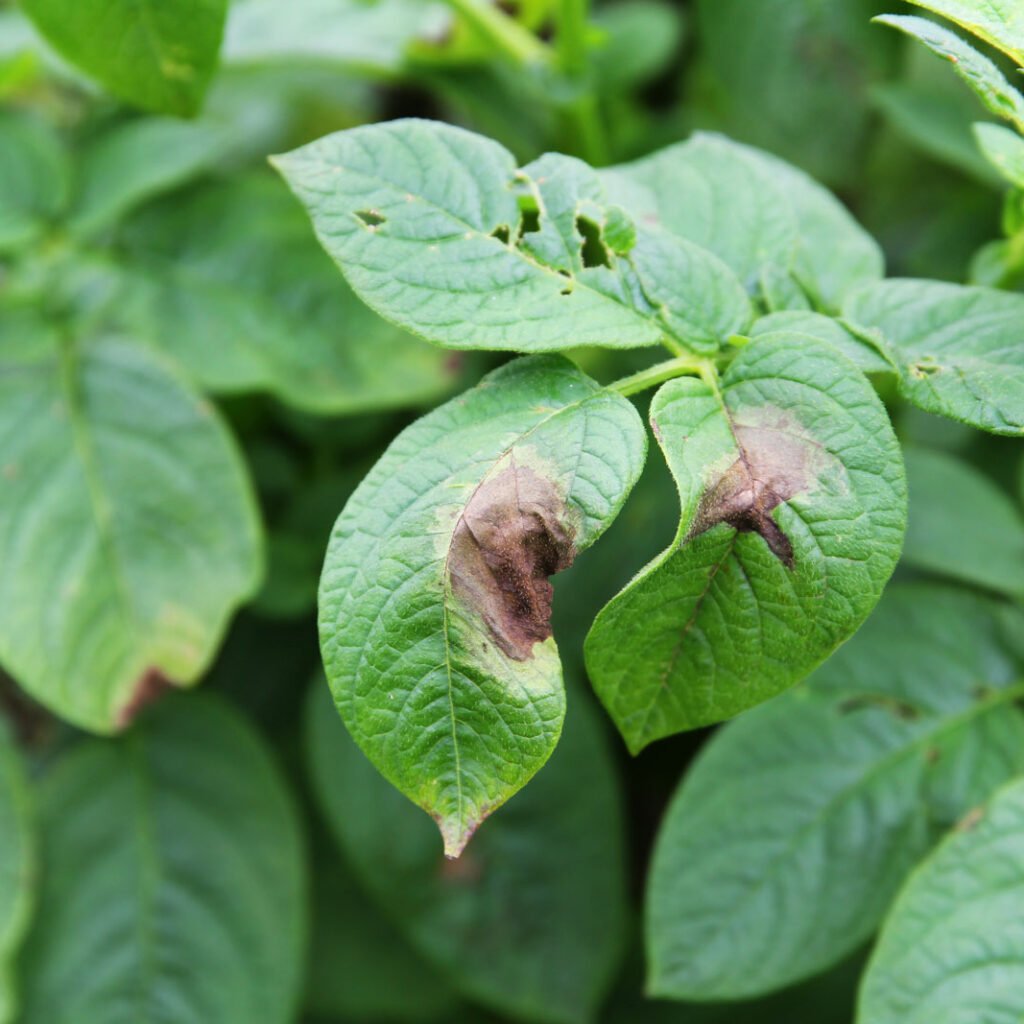
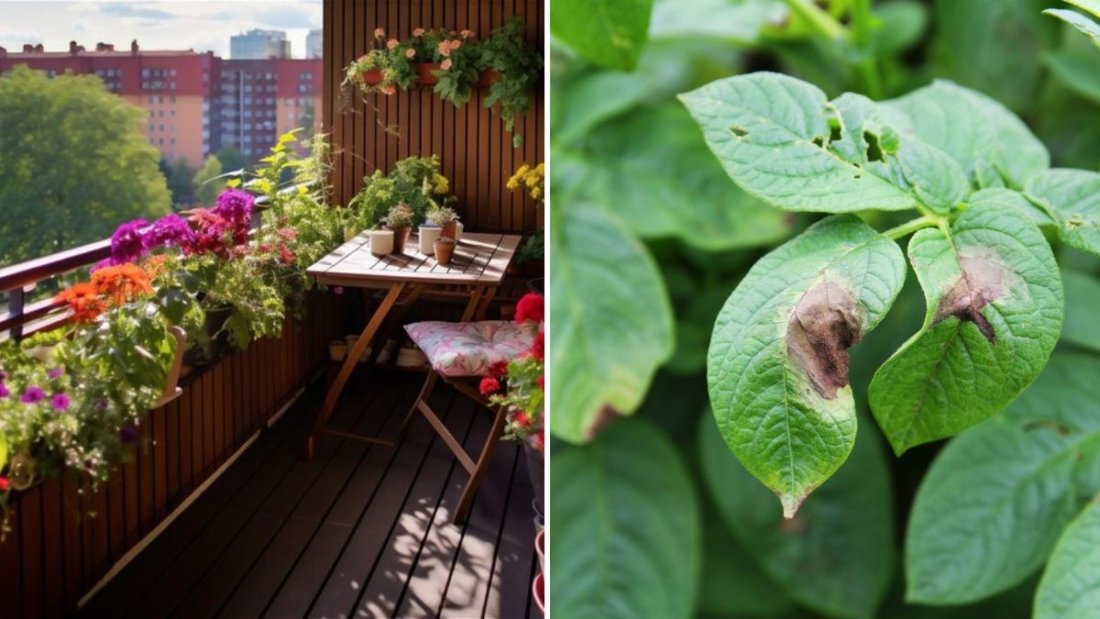
Many gardeners assume that balconies are pest-free, only to discover aphids, mealybugs, or fungus after major damage has been done.
Why This Matters
Common balcony pests spread rapidly and weaken plants by sucking out nutrients.
How to Avoid This Mistake
- Inspect your plants weekly.
Look under leaves and stems for:- white cottony clusters (mealybugs),
- tiny green/black insects (aphids),
- holes in leaves (caterpillars),
- powdery white patches (fungus).
- Act early.
- Spray neem oil diluted in water.
- Remove infested leaves.
- Wipe pests with cotton dipped in alcohol.
- Keep air circulation strong.
Crowded plants with poor ventilation attract disease. - Avoid overwatering — a major cause of fungal infections.
Smart Tip
Quarantine new plants for a week before placing them with others.
6. Overcrowding the Balcony with Too Many Plants
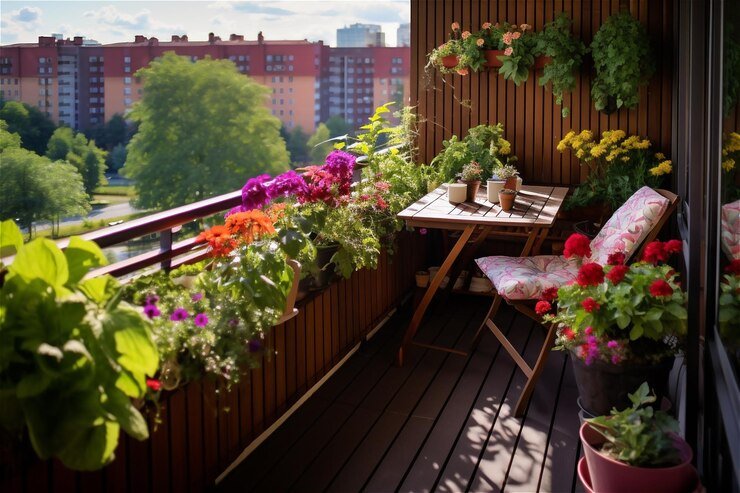
It’s easy to get excited and fill every inch of your balcony with greenery — but overcrowding is a silent killer of plant health.
Why This Matters
When plants are placed too close:
- they compete for light,
- airflow decreases,
- humidity rises,
- pests multiply,
- and diseases spread faster.
How to Avoid This Mistake
- Plan your layout.
Leave enough space between containers for air movement. - Group plants by needs.
Water-loving plants together.
Sun-loving plants together.
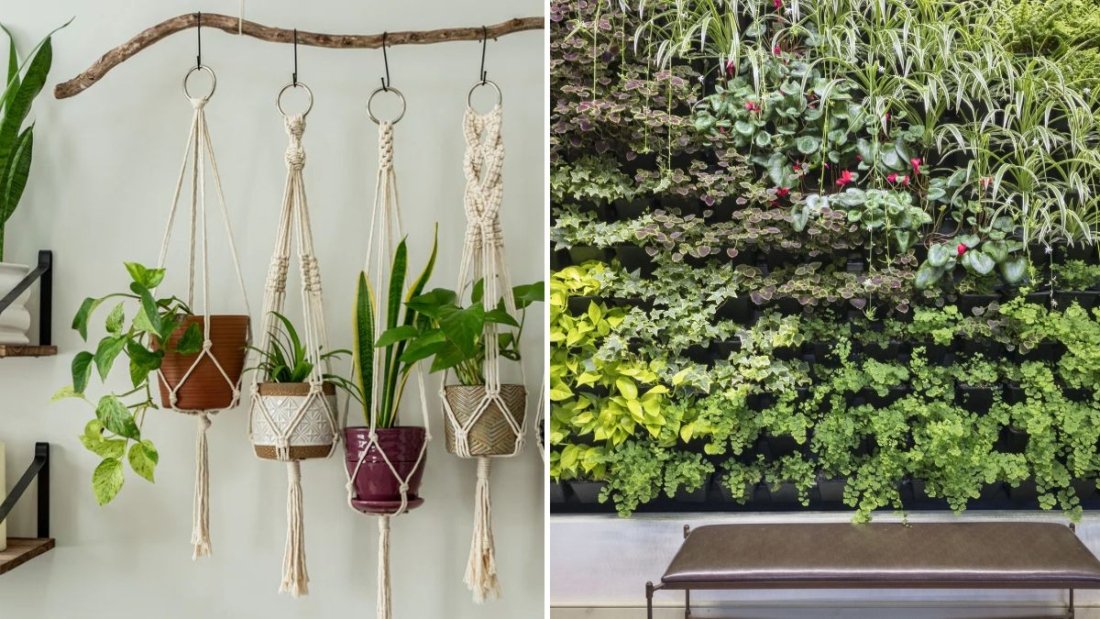
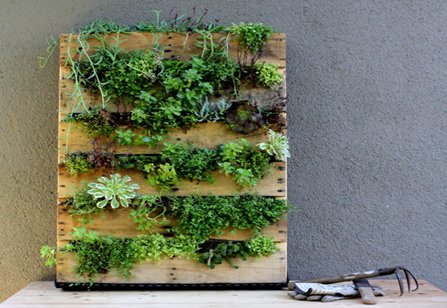
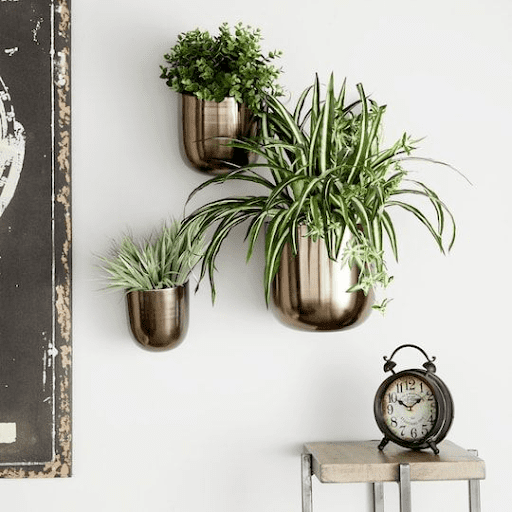
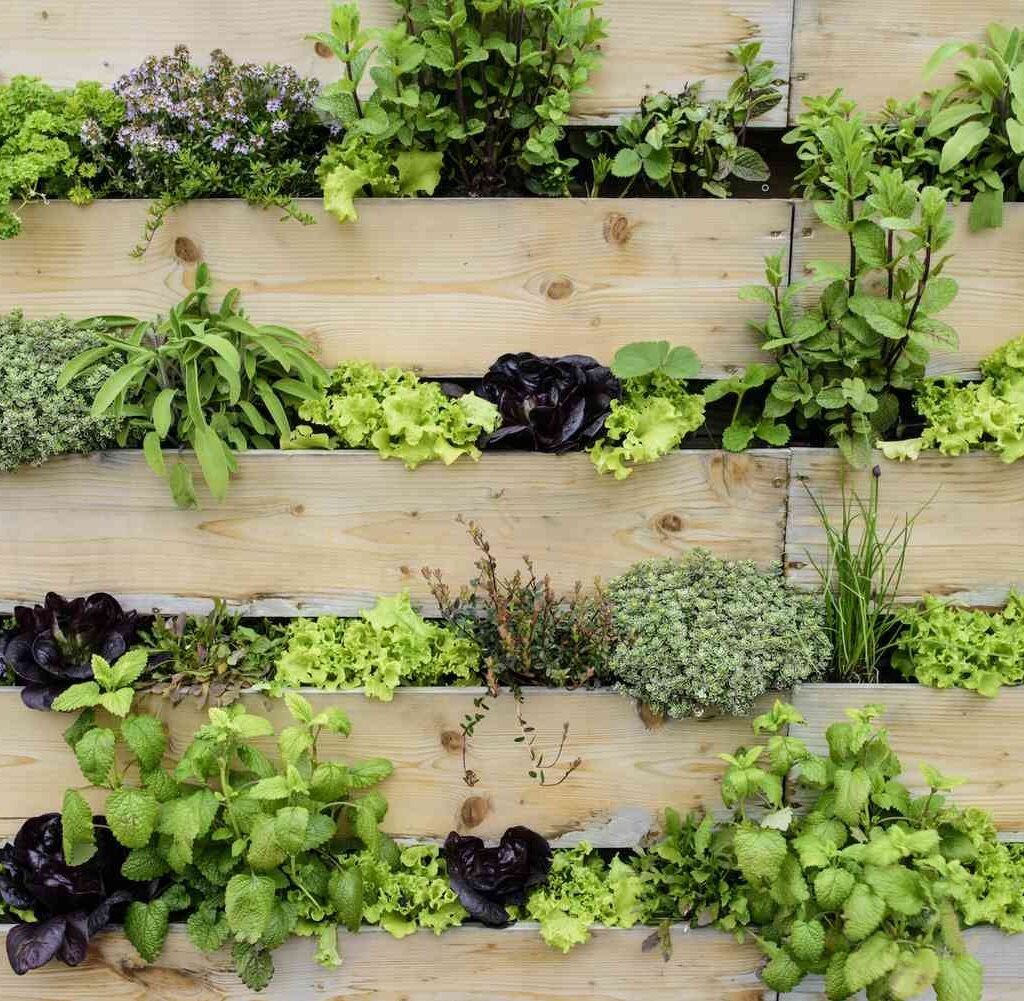
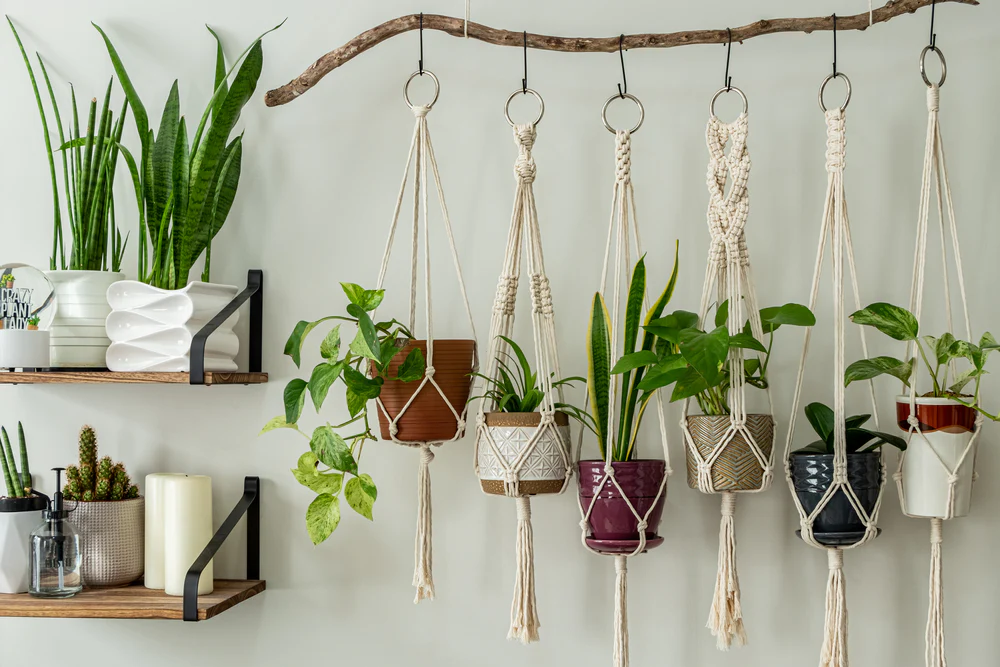
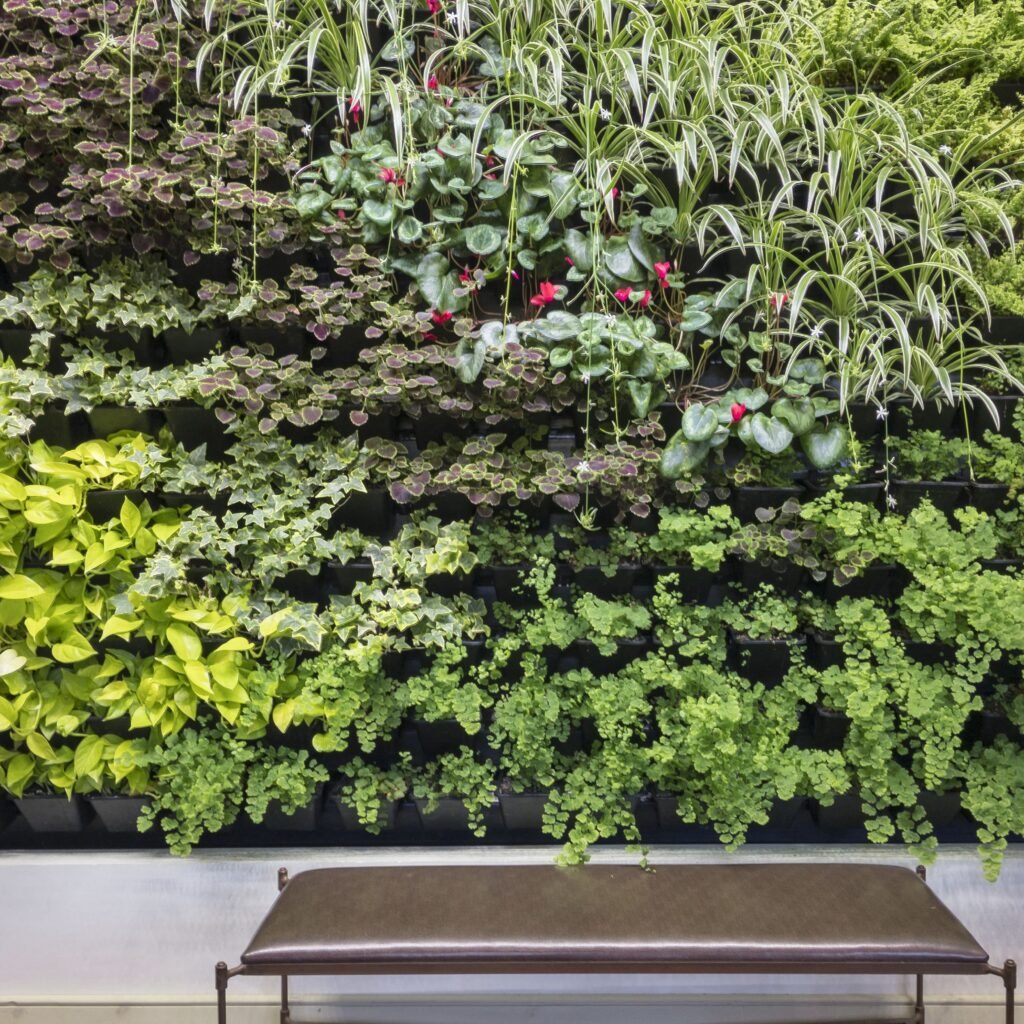
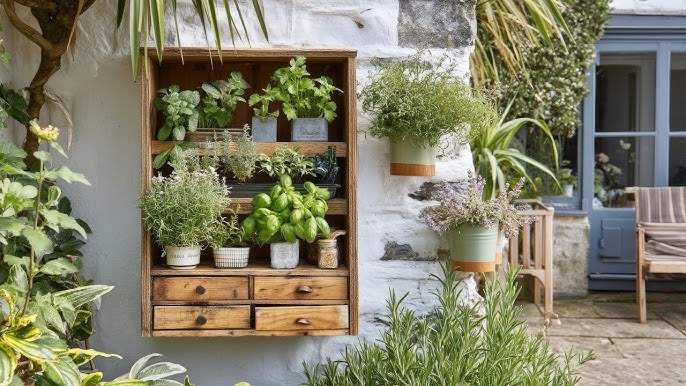
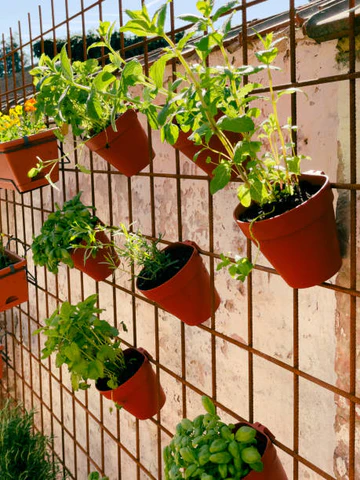
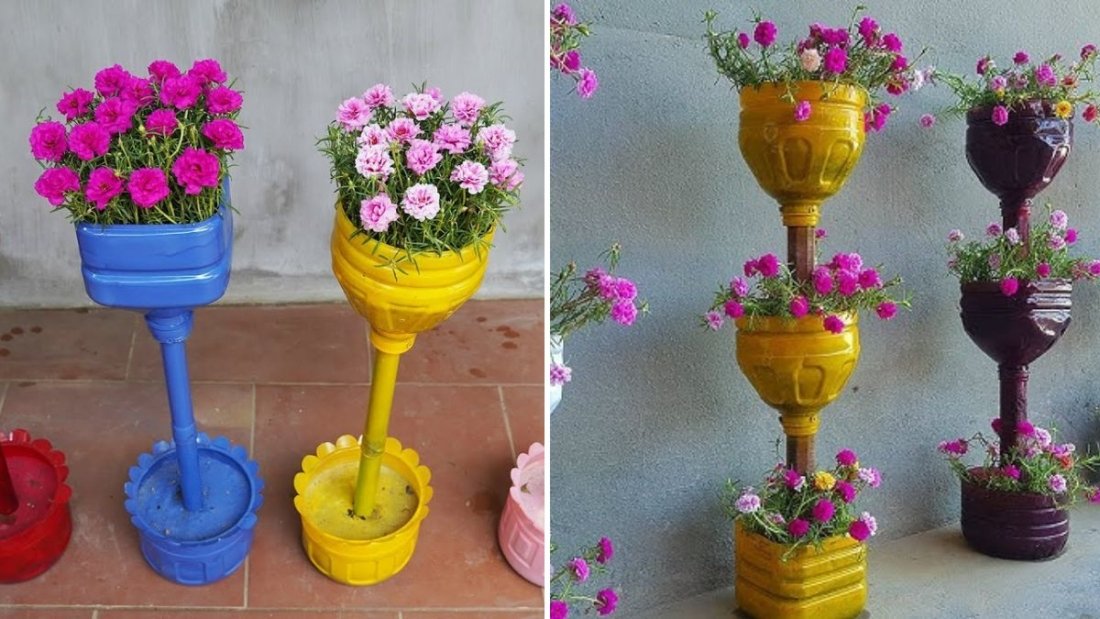
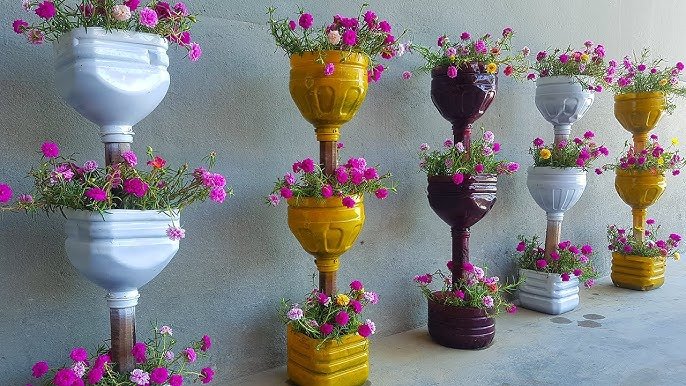
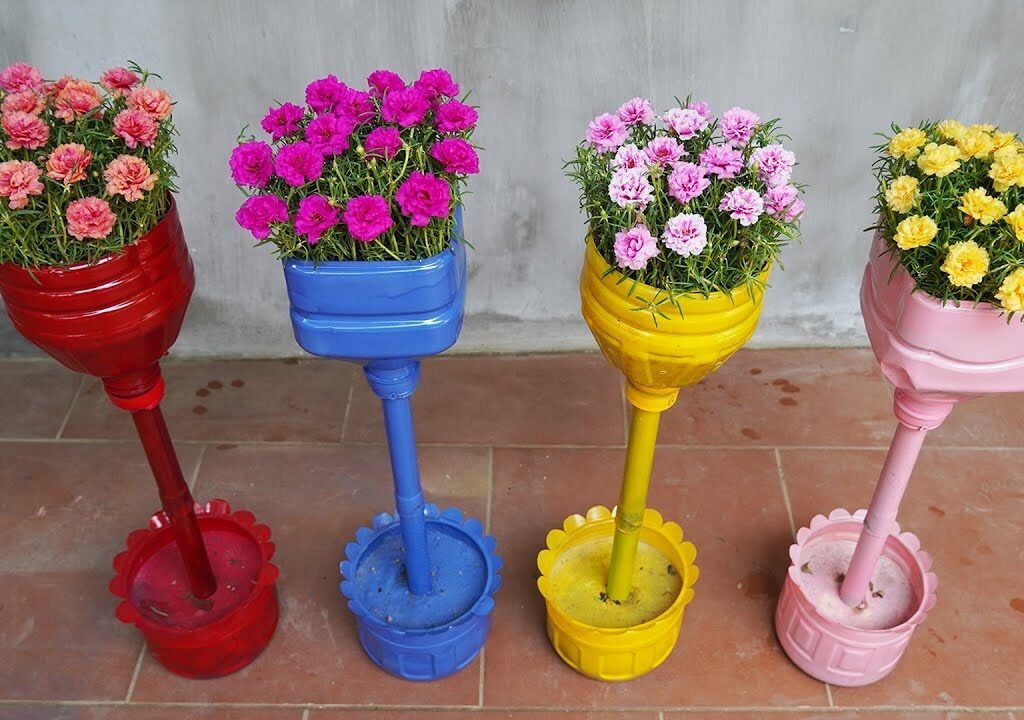
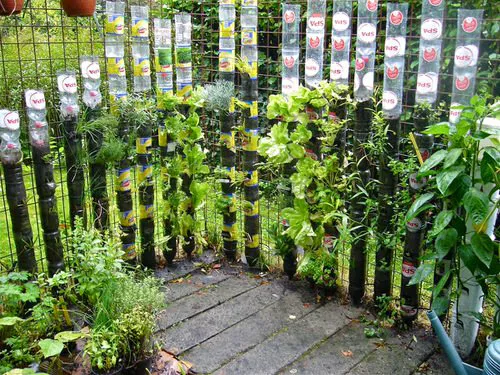
Shade-tolerant plants separately. - Use vertical gardening techniques.
- wall planters,
- trellises,
- hanging baskets,
- railing planters.
This frees up floor space while maximizing greenery.
- Prune regularly.
Trimming keeps plants compact and healthy.
Smart Tip
Follow the “3-tier layout”:
- Tall plants at the back,
- Bushy plants in the middle,
- Small herbs in the front.
This ensures all plants get adequate sunlight.
Final Thoughts
Balcony gardening is a joyful hobby — and with the right approach, your small outdoor space can become a flourishing mini-garden. By avoiding these six common mistakes, you’ll create a healthier, more productive, and more beautiful balcony garden.
Remember:
Gardening isn’t about perfection — it’s about learning. With each season, you’ll understand your balcony better and grow more confidently as a gardener.
If you want, I can also help you create: