Grow Chrysanthemums (Gul-E-Daudi / Mums) From Cuttings – Fast, Easy & With Update Results!

Grow Chrysanthemums (Gul-E-Daudi / Mums) From Cuttings – Fast, Easy & With Update Results!

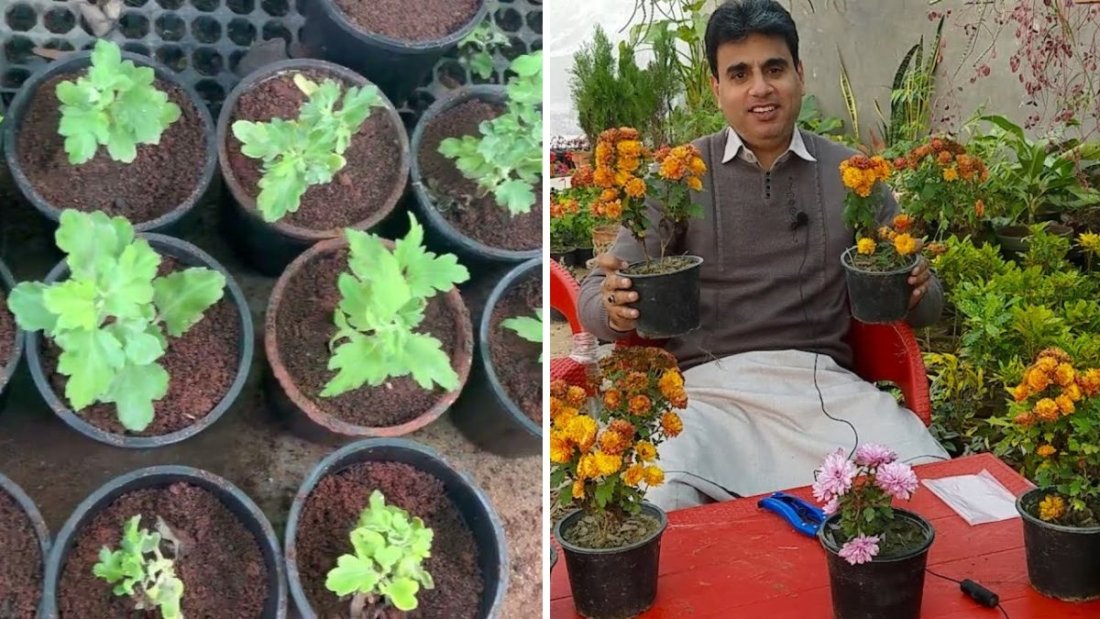
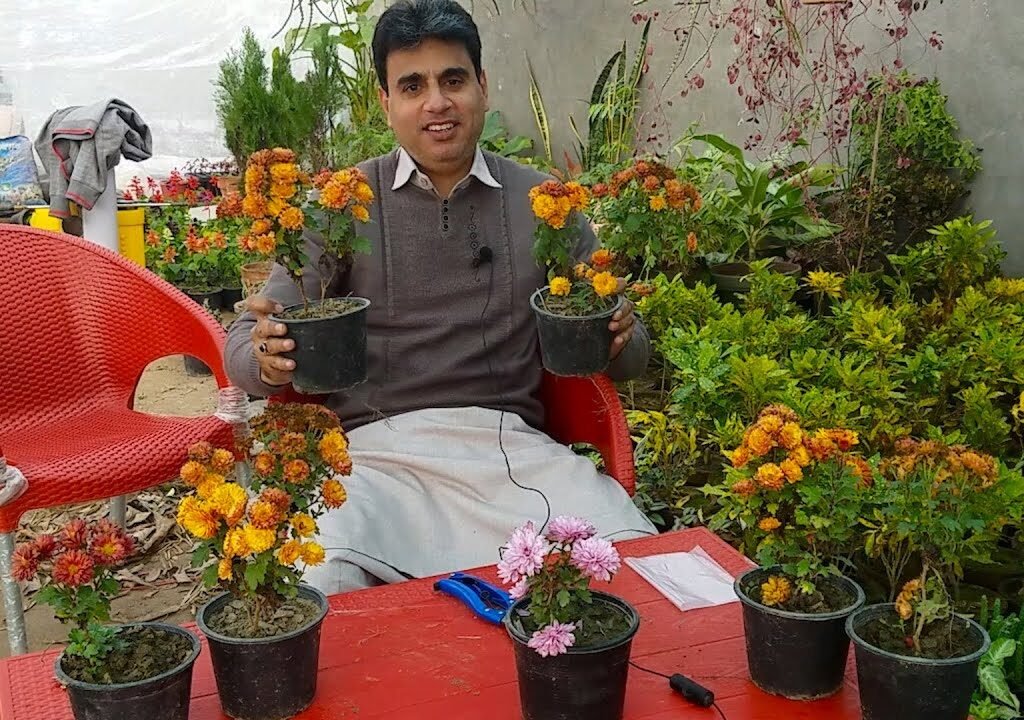
Chrysanthemums, popularly called Gul-E-Daudi or Mums, are one of the most loved flowering plants in gardens worldwide. Their vibrant colors and charming blooms can transform any space into a floral paradise. While chrysanthemums can be grown from seeds, the cutting method is faster, easier, and guarantees that the new plant will look exactly like the parent plant.

In this guide, we’ll show you step-by-step how to grow chrysanthemums from cuttings, the best soil mix, watering routine, light requirements, and a week-by-week update timeline, perfect for gardeners, bloggers, or anyone making an update video.


Why Grow Chrysanthemums From Cuttings?
Propagation from cuttings offers several benefits:

  • Faster flowering compared to seeds
  • Exact copy of the parent plant with the same flower color and pattern
  • Higher success rate
  • Cost-effective—no need to buy multiple plants
  • Allows year-round propagation

This method is ideal for beginners and experienced gardeners alike.


Best Time to Take Chrysanthemum Cuttings
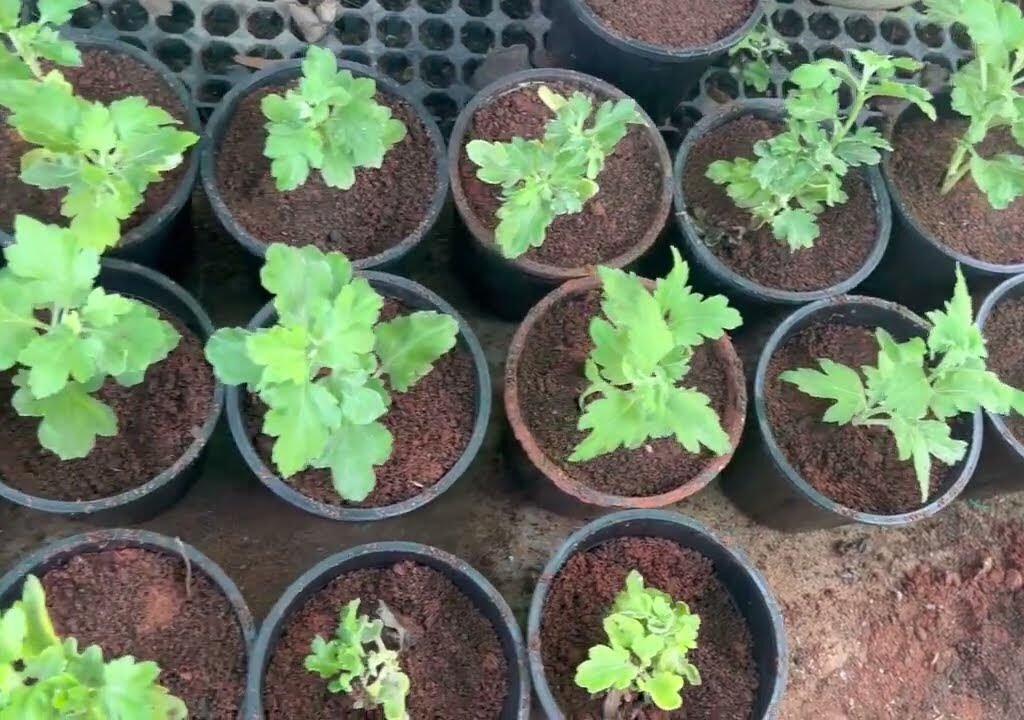
For successful propagation, the best time is:

  • Spring to early summer (March–June) for fast root growth
  • After flowering season if you want to multiply existing plants

Young, semi-hardwood stems are perfect for taking cuttings.


Types of Chrysanthemum Cuttings
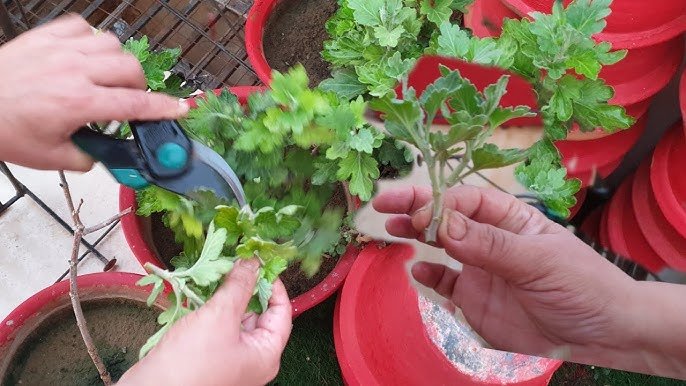
There are mainly two types of cuttings:

1. Semi-Hardwood Cuttings (Most Recommended)

  • 4–6 inches long
  • Firm yet flexible
  • Best success rate

2. Softwood Cuttings

  • Tender stems
  • Root quickly but more prone to drying out or infection

Tip: Avoid old, woody stems—they take longer to root and are less successful.


Materials You’ll Need

Before starting, gather:

  • Healthy parent chrysanthemum plant
  • Sharp pruning shears
  • Rooting hormone powder or gel (optional but helps)
  • Small pots or seed trays
  • Light and well-draining soil
  • Clear plastic bags for humidity

Step-by-Step Guide to Take Cuttings
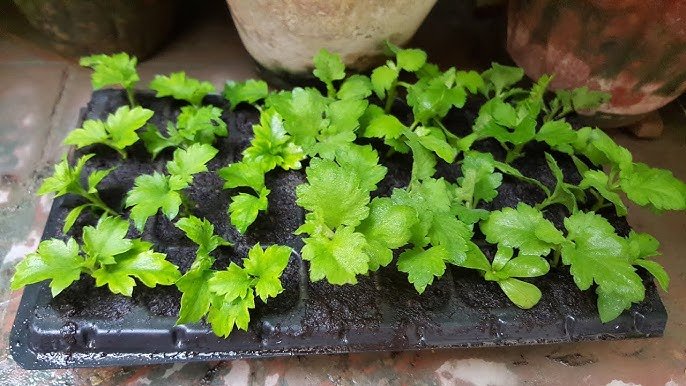
  1. Choose a healthy, disease-free stem.
  2. Cut a 4–6 inch stem just below a node.
  3. Remove lower leaves, keeping only 2–3 at the top.
  4. Remove flowers or buds to divert energy to root growth.
  5. Dip the cut end in rooting hormone (optional but boosts success).

Pro Tip: Sterilize scissors to avoid fungal infections.


Soil Mix for Fast Rooting

Chrysanthemums need light, airy soil to develop strong roots:

Recommended Mix:

  • 50% Cocopeat
  • 30% River Sand
  • 20% Compost or Garden Soil

Avoid:

  • Heavy clay soil
  • Wet, compacted soil

Good drainage prevents root rot and fungal diseases.


Planting the Cuttings
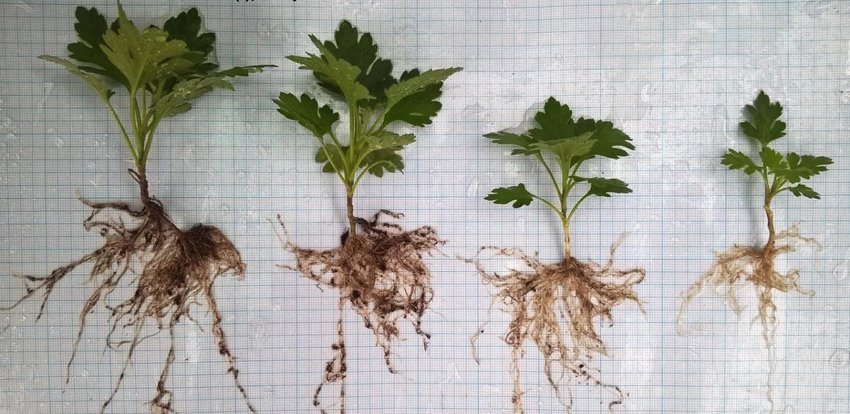
  1. Fill small pots or trays with soil mix.
  2. Make a small hole with a pencil.
  3. Insert the cutting 2–3 inches deep.
  4. Firm the soil gently around the stem.
  5. Water lightly to keep soil moist.

Creating Humidity for Rooting

Cuttings root faster with high humidity:

  • Cover the pot with a transparent plastic bag
  • Keep small holes for air circulation
  • Place in bright, indirect sunlight

Humidity prevents the cutting from drying out while roots develop.


Watering Routine

  • Keep the soil slightly moist, not soggy.
  • Mist daily or water gently.
  • Reduce watering once roots appear.

Light Requirements

  • During rooting: Indirect light only
  • After roots form (3–4 weeks): Gradually introduce to morning sun
  • Mature chrysanthemums thrive in full sun for 4–6 hours daily

Common Problems & How to Fix Them

1. Leaves turning yellow

  • Cause: Overwatering
  • Solution: Reduce watering, improve drainage

2. Cutting wilting

  • Cause: Low humidity or too much sun
  • Solution: Cover with plastic bag, keep in shade

3. No root growth

  • Cause: Old or soft stem, wrong soil
  • Solution: Use fresh semi-hardwood cuttings, proper soil

Update Timeline (Perfect for Videos)

Week 1 – Initial Stage

Cuttings planted; leaves intact. No visible roots yet.

Tip: Keep soil moist and humidity high.


Week 2 – Swelling Begins

Base of the cutting swells slightly, indicating root formation.


Week 3–4 – Rooting Begins

Gentle tug shows resistance; small roots develop.

Tip: Avoid moving the pot too much.


Week 5–6 – First Leaf Growth

New leaves appear; cutting becomes firm.

Tip: Gradually introduce to indirect sunlight.


Week 8 – Repotting Stage

Cutting develops multiple roots; ready to move to larger pots.

Soil Mix for Repotting:

  • 50% Garden Soil
  • 25% Compost
  • 25% Sand

Week 10–12 – Strong Plant Formation

  • Multiple branches form
  • Leaves grow larger and greener
  • Plant ready for partial sunlight

Month 4 – Mature Plant Ready to Flower

  • Plant height: 12–15 inches
  • Blooms may appear in 1–2 months depending on variety
  • Full sun exposure and regular watering for best flowering

Fertilizer & Care Tips

  • Use organic compost monthly for healthy growth
  • Optional: Diluted NPK 19-19-19 every 15–20 days during growth season
  • Pinch the tips regularly to encourage branching
  • Remove dead flowers to extend bloom duration

Safety Note

Chrysanthemums are non-toxic but some people may have mild skin irritation. Always:

  • Wear gloves when handling
  • Wash hands after pruning

Pro Tips for Faster Growth

  • Use semi-hardwood cuttings
  • Maintain high humidity until roots form
  • Avoid direct sunlight initially
  • Pinch tips for bushy growth
  • Repot annually in fresh soil

Conclusion

Propagating Chrysanthemums/Gul-E-Daudi/Mums from cuttings is fast, easy, and highly rewarding. With the step-by-step guide, correct soil mix, watering routine, light exposure, and update timeline, even beginners can successfully grow multiple flowering plants from a single parent.

This guide is perfect for gardening blogs, YouTube update videos, and home gardeners who want beautiful chrysanthemums blooming in their homes, gardens, or terraces all year round.
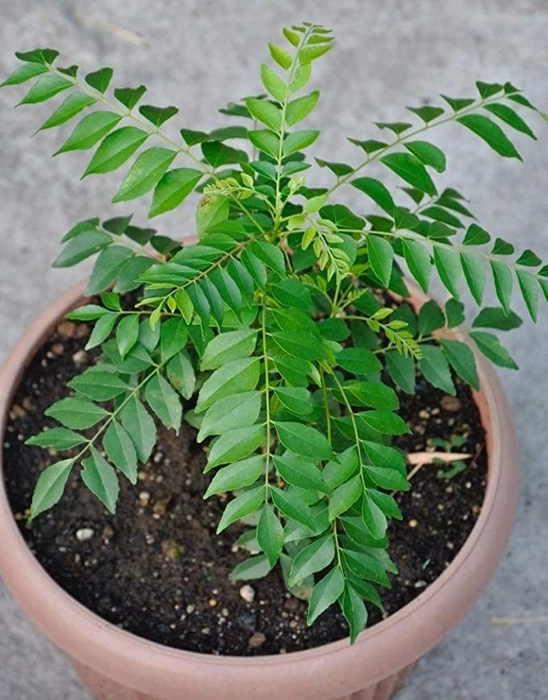
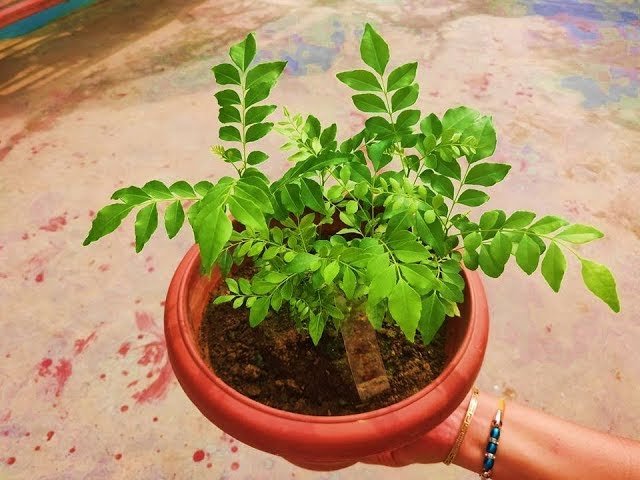
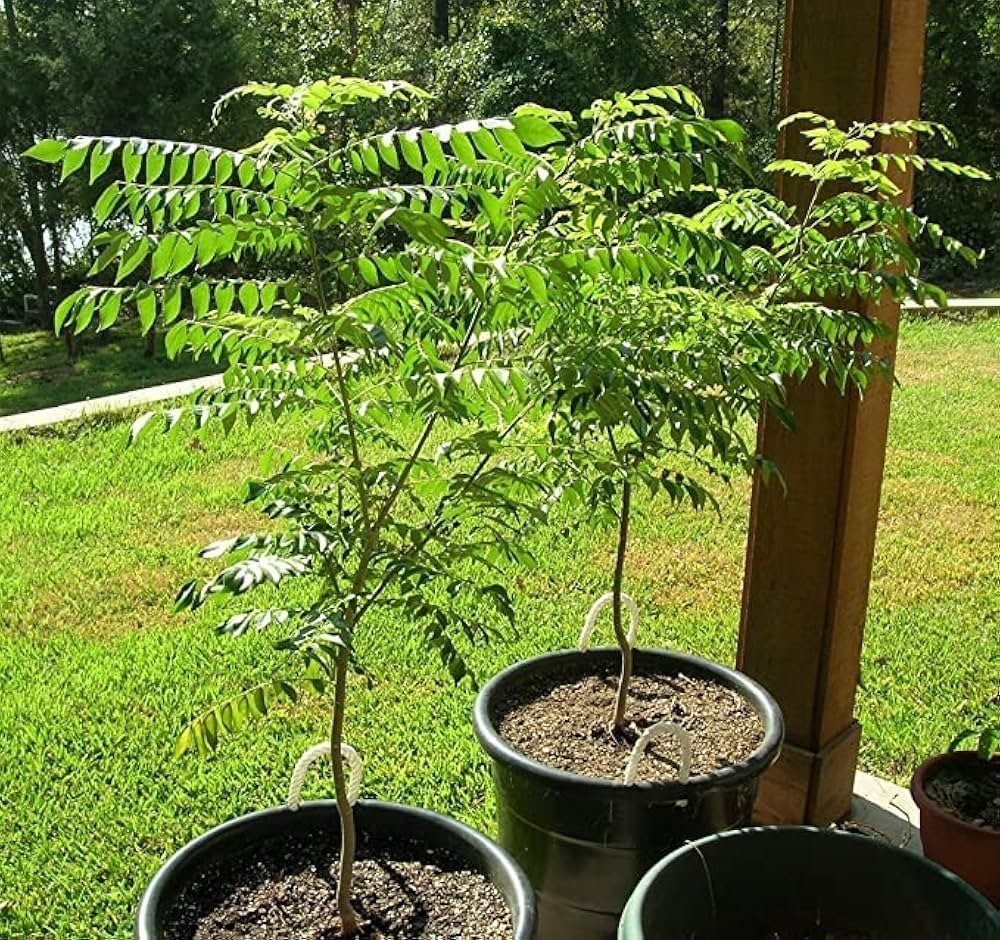
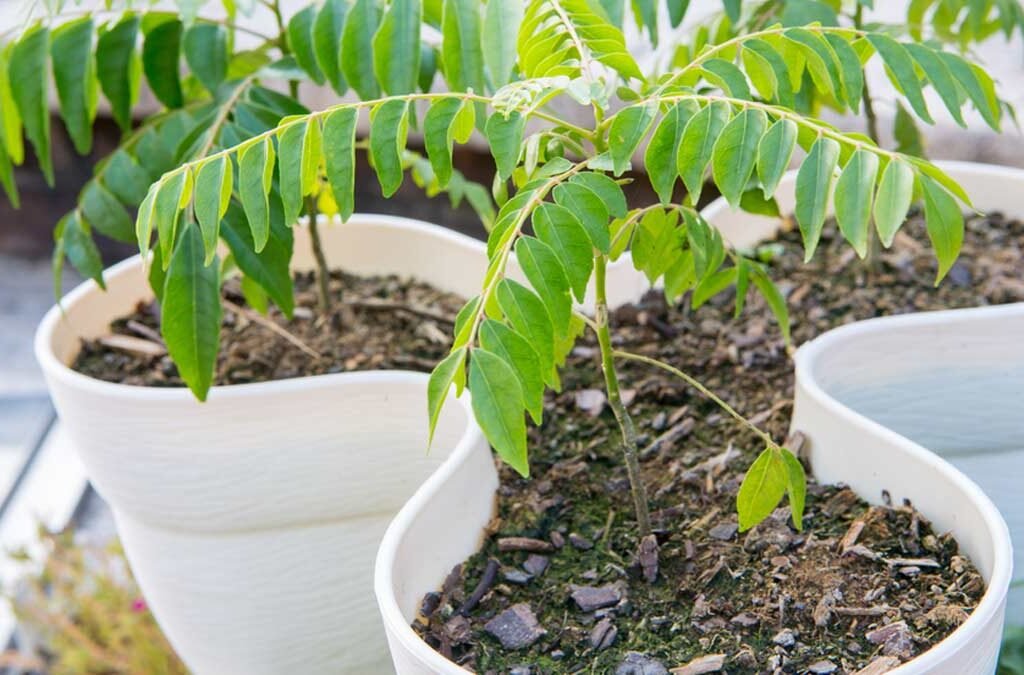
Grow Curry Leaf Plant From Seeds Fast & Easy – Complete Guide With Step-by-Step Updates!

Grow Curry Leaf Plant From Seeds Fast & Easy – Complete Guide With Step-by-Step Updates!

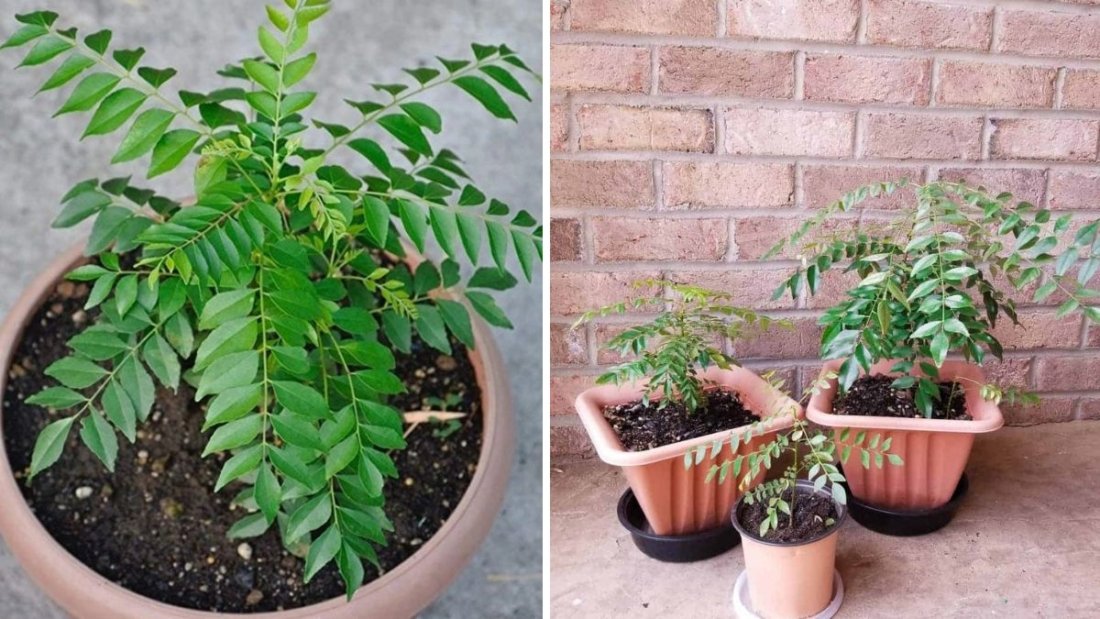
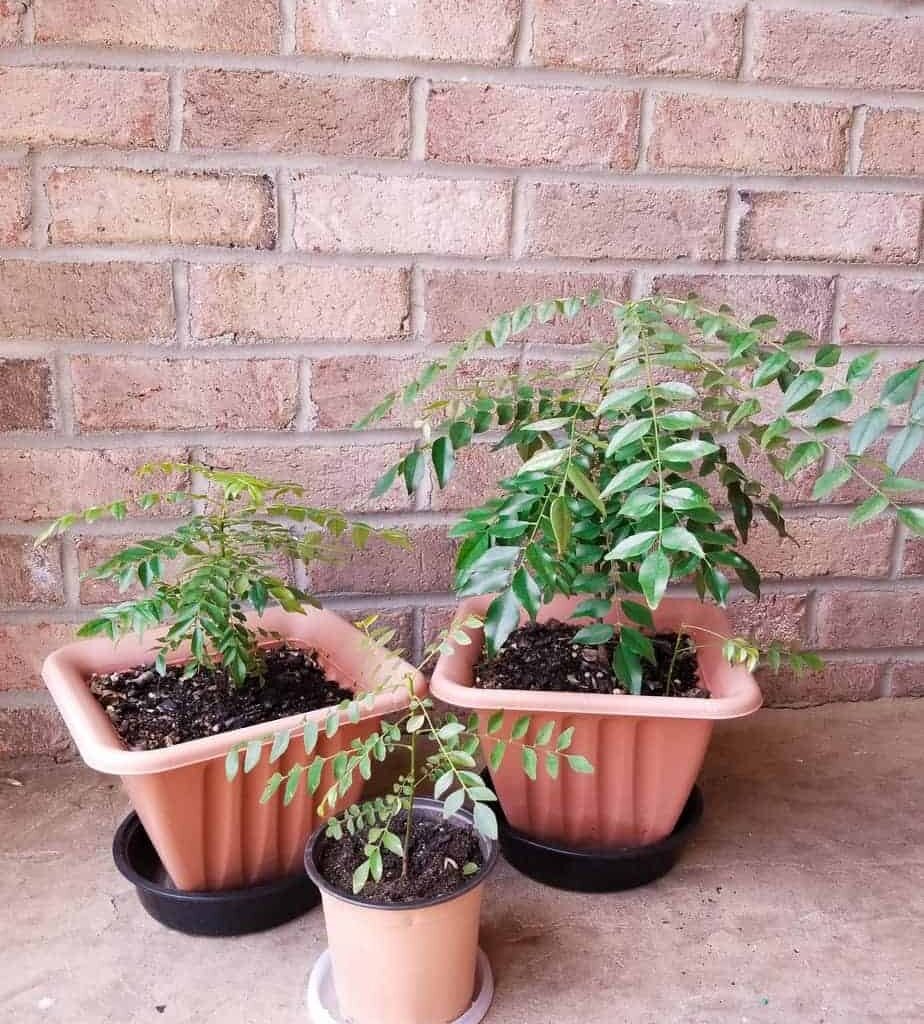
The curry leaf plant (Murraya koenigii)—known as Kadi Patta in India—is a must-have herb for every kitchen garden. Its fresh leaves add unmatched flavor to dals, curries, chutneys, snacks, and more. While most people grow curry leaf plants through cuttings or nursery plants, growing it from seeds is the most natural, long-lasting, and rewarding method.

In this detailed guide, you will learn exactly how to grow Curry Leaf plants from seeds, the best soil mix, germination tricks, sunlight needs, common problems, and a week-by-week update timeline—perfect for gardening blogs and YouTube update videos.


Why Grow Curry Leaf Plant From Seeds?

Growing curry leaf plants from seeds offers several benefits:

  • Stronger and healthier plant than store-bought cuttings
  • Natural growth pattern with deeper roots
  • More branches and fragrant leaves
  • Longer plant life
  • Zero cost propagation

Although seed germination can be slow, with the right method your seeds can sprout within 15–30 days.


Where Do You Get Curry Leaf Seeds?

Curry leaf seeds come from the ripe berries of the curry leaf plant.

Choose:

  • Fully ripe, dark black berries
  • Freshly picked (seeds lose viability quickly)

Avoid:

  • Green berries
  • Dried or shriveled berries

Important: Remove the fleshy pulp because it contains germination-inhibiting chemicals.


Step 1: Preparing the Seeds (Very Important)

  1. Collect ripe black berries.
  2. Squeeze gently to remove the seed inside.
  3. Wash the seed to remove all pulp.
  4. Sun-dry for 2–3 hours only (not more).
  5. Optional: Soak the seeds in water overnight to speed up germination.

Tip: Curry leaf seeds lose power after 2–3 days, so sow them as soon as possible.


Step 2: Best Soil Mix for Fast Germination

Curry leaf seeds germinate best in light, airy and well-draining soil. Use:

Recommended Germination Mix

  • 40% Cocopeat
  • 30% River Sand
  • 30% Compost or Vermicompost

This mix retains moisture but does not rot the seeds.

Avoid:

  • Heavy garden soil
  • Clay-rich soil
  • Over-compacted mixtures

Step 3: Sowing the Seeds

  1. Fill small pots, seed trays, or cups with the soil mix.
  2. Make a 1–1.5 cm deep hole.
  3. Place the seed horizontally.
  4. Cover lightly with soil.
  5. Spray water gently to moisten the soil.
  6. Keep the pot in bright shade (not direct sun).

Watering Routine

  • Keep soil consistently moist, never soggy.
  • Mist the soil daily during the first two weeks.
  • Reduce watering once sprouts appear.

Temperature & Climate for Success

Curry leaf seeds germinate best in:

  • Warm temperatures: 24–32°C
  • High humidity
  • Indirect bright light

Cold weather will delay or prevent germination.


After Sprouting: Light Requirements

Once the seedlings grow 2–3 leaves:

  • Keep them in indirect light for 10–12 days.
  • After that, gently move them to morning sunlight.
  • Within 4–6 weeks, they can handle 4–5 hours of sunlight daily.

Curry leaf plants thrive in full sun once mature.


Feeding Your Curry Leaf Seedlings

Don’t fertilize for the first 30 days.

After 1 month:

Monthly Organic Fertilizers:

  • Vermicompost
  • Cow dung compost
  • Banana peel fertilizer
  • Seaweed solution

During growing season (Feb–Oct):

Apply buttermilk spray every 15 days for bushy growth.


When to Repot?

Repot when seedlings reach 4 inches or have 6–8 leaves.

Use this soil mix for the new pot:

  • 50% Garden Soil
  • 25% Compost
  • 25% Sand

Choose a 6-inch pot initially.

After 6–8 months, shift to a 12-inch pot for best growth.


Common Problems & Solutions

1. Seeds Not Germinating

  • Seeds were old
  • Soil too heavy or wet
  • Cold weather

Use fresh seeds
Improve drainage
Keep warm


2. Seedlings Falling Over

This is damping-off disease.

Improve air flow
Use fungicide solution once a week
Avoid overwatering


3. Slow Growth

Curry leaf plants grow slowly during winter.

Add buttermilk or seaweed
Provide more sunlight


4. Yellow Leaves

  • Too much water
  • Poor soil
  • Lack of sunlight

Reduce watering
Improve soil mix
Give morning sun


Update Timeline (Perfect for Update Videos!)

Week 1 – Sowing & Initial Stage

Seeds are sown.
No visible change, but internal germination begins.

Tip: Keep soil moist and warm.


Week 2 – First Swelling

Seeds swell and tiny white roots start forming inside the soil.

Tip: Don’t disturb the pot.


Week 3–4 – Sprouting Begins

Small green shoots emerge.
1–2 tiny leaves appear.

Tip: Move to brighter light.


Week 4–6 – Seedlings Strengthen

Leaves grow bigger.
Roots expand.

Tip: Water lightly and avoid direct afternoon sun.


Week 8 – First True Leaves

You’ll see the typical “curry leaf shape” leaves.
Plant height: 3–4 inches.

Tip: Add a light fertilizer like seaweed or vermicompost.


2–3 Months – Ready for Repotting

Seedlings become strong.
6–8 leaves visible.

Tip: Shift to a 6-inch pot.


4–6 Months – Bushy Growth Starts

Multiple branches start forming.
Leaves become more aromatic.

Tip: Pinch the top leaves to encourage branching.


8–10 Months – Strong Plant

Plant reaches 1–1.5 feet.
Much bushier and greener.


1 Year – Mature Plant

Your curry leaf plant is now:

  • Strong
  • Bushy
  • Producing fresh leaves regularly

With proper care, it can grow into a small tree in 2–3 years.


Pro Tips for Fast Growth

  • Give 4–6 hours of sunlight daily
  • Apply buttermilk diluted 1:4 twice a month
  • Use seaweed for glossy leaves
  • Prune regularly for bushy shape
  • Never overwater

Conclusion

Growing curry leaf plants from seeds is slow but incredibly rewarding. With the right germination method, perfect soil mix, warmth, and patience, you can grow a healthy, aromatic curry leaf plant from scratch—ideal for kitchen gardening, terrace gardens, and balcony growers.

This guide, along with the update timeline, is perfect for your YouTube video, gardening blog, or social media post.

Grow Oleander (Kaner) From Cuttings Like a Pro – Fast, Easy & With Update Results!

Grow Oleander (Kaner) From Cuttings Like a Pro – Fast, Easy & With Update Results!

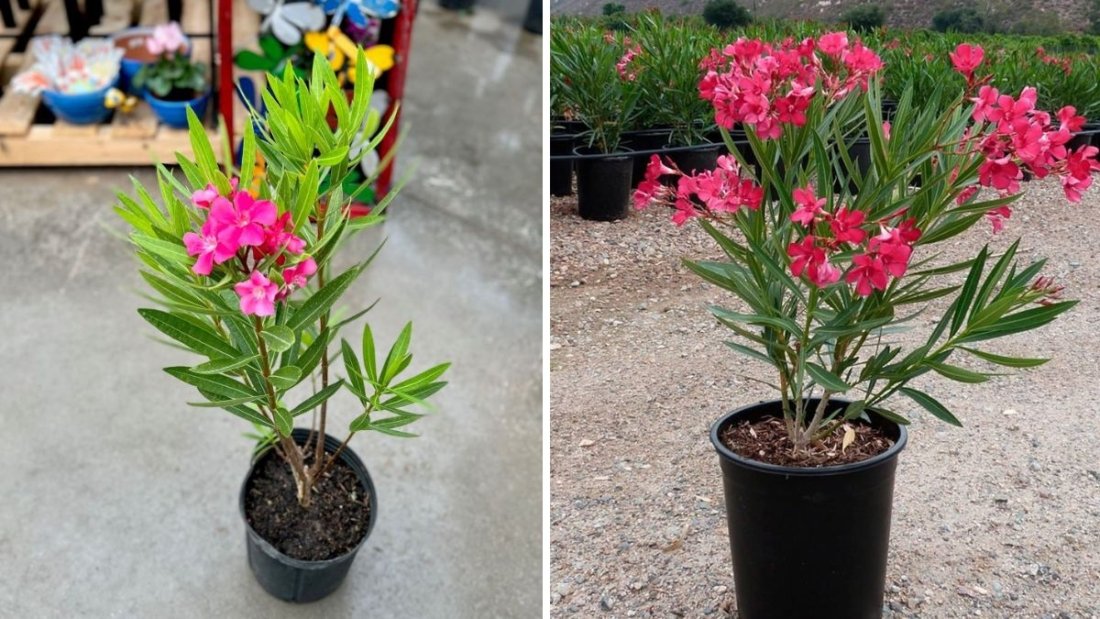
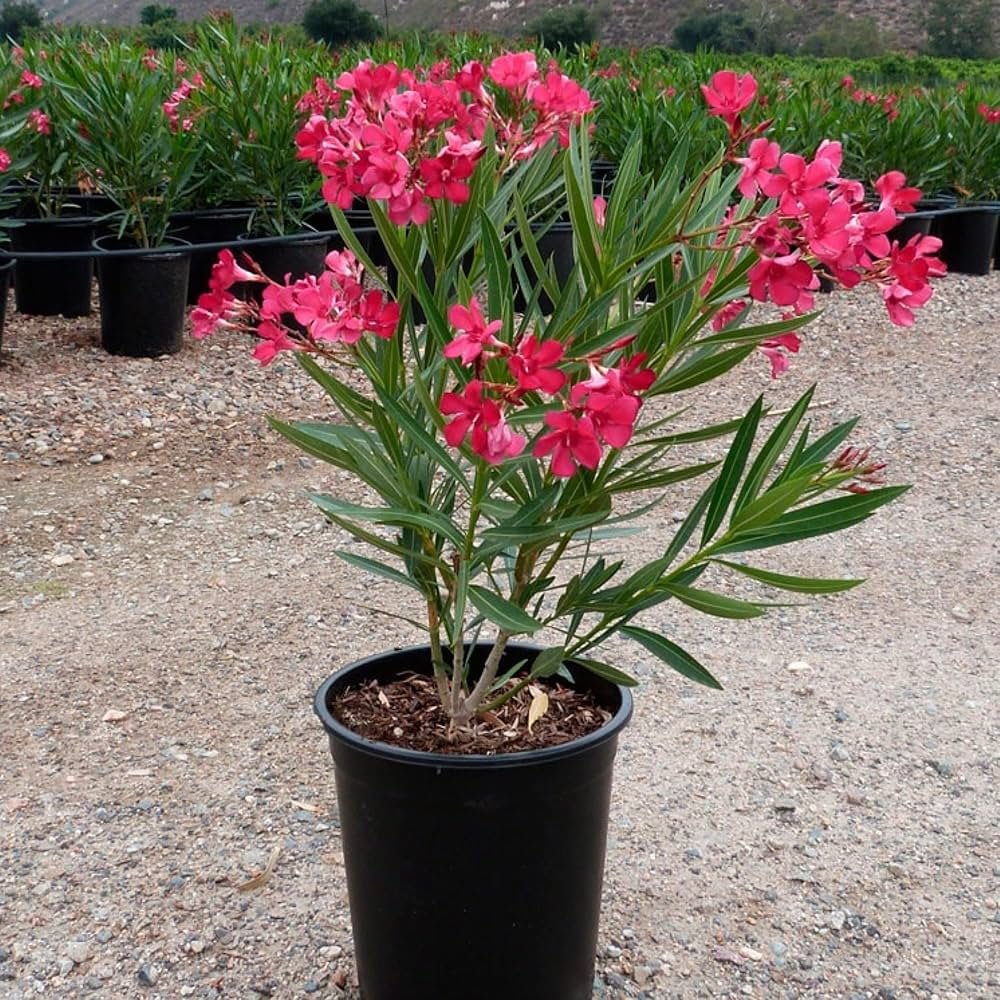
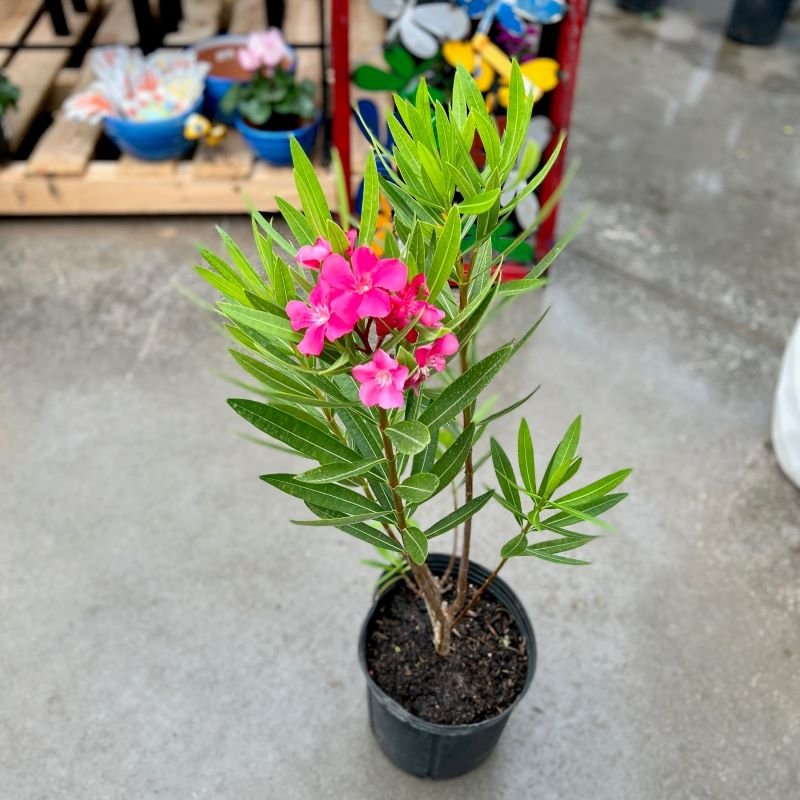
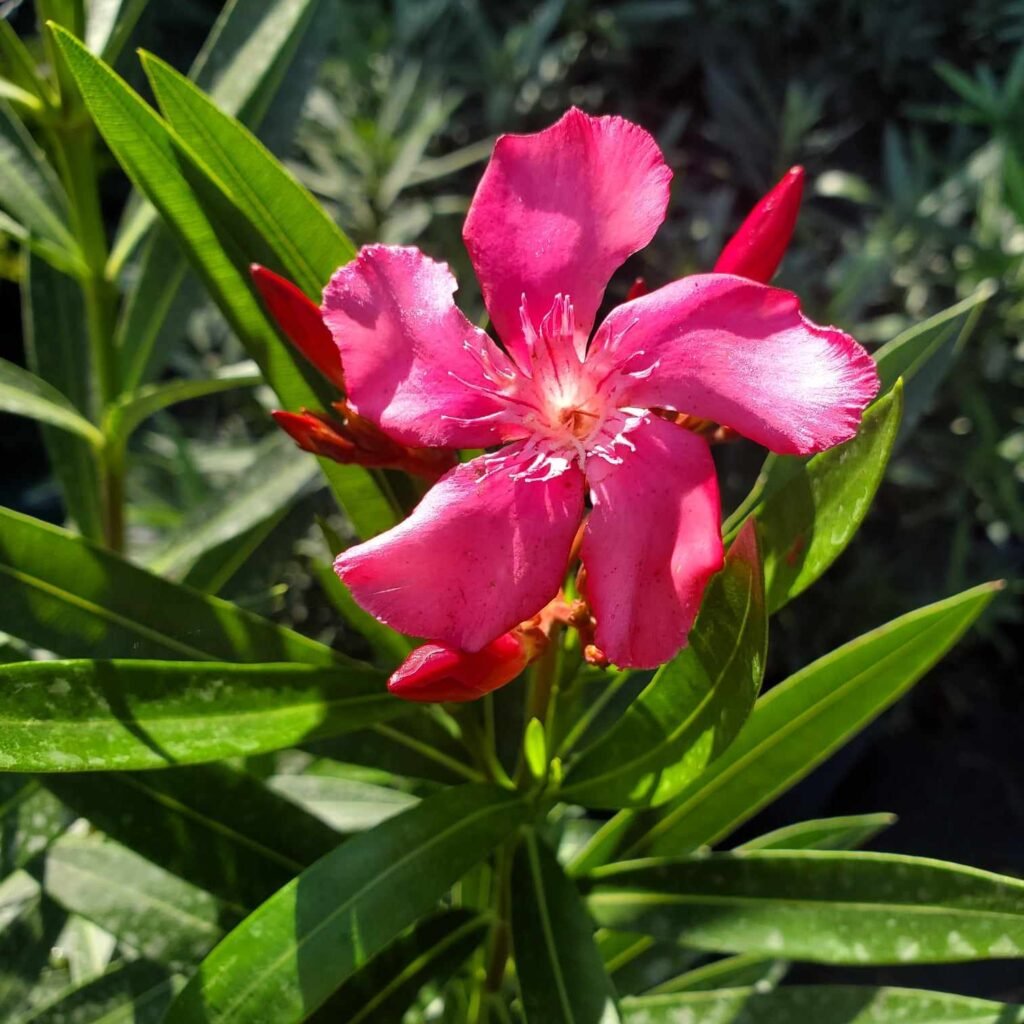
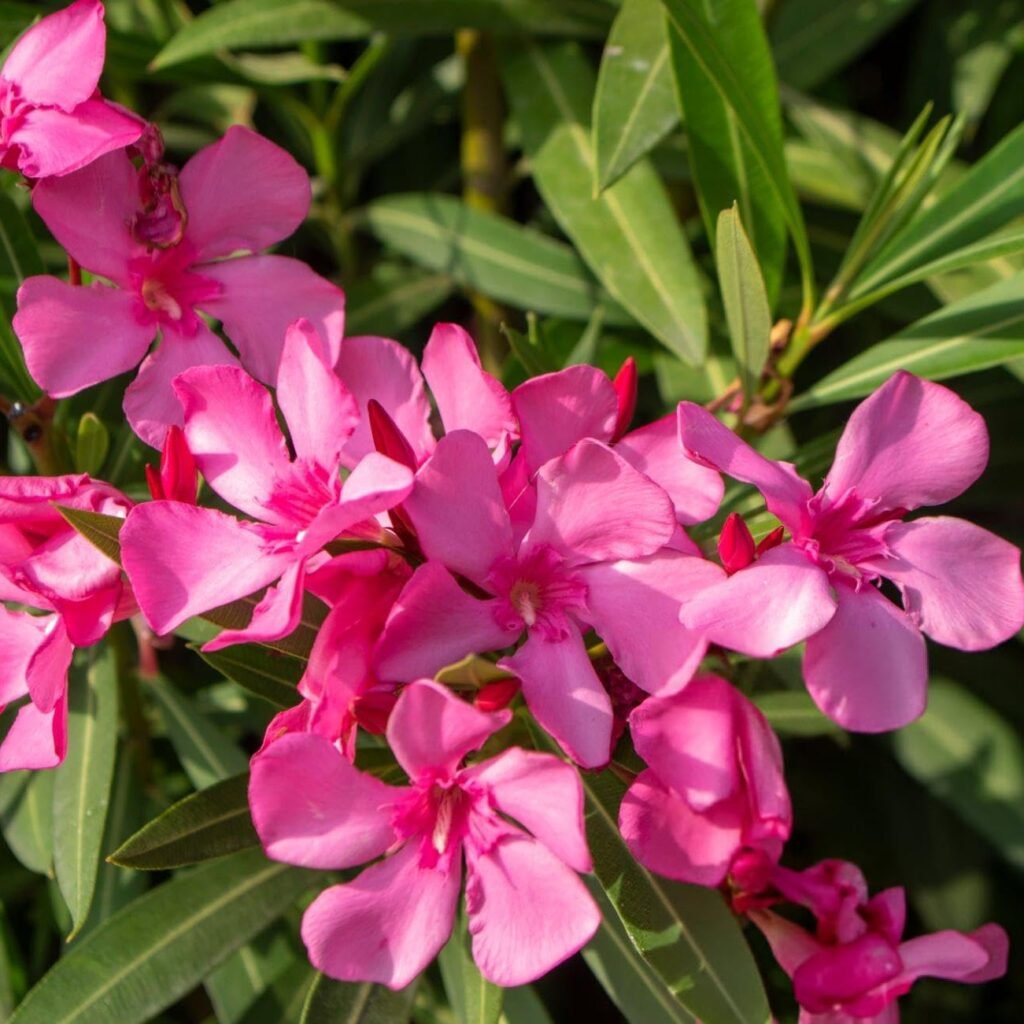
Oleander, popularly known as Kaner in India, is one of the most attractive, hardy, drought-tolerant flowering plants you can grow at home. With its vibrant blooms in pink, yellow, white, and red, Kaner adds instant beauty to any garden, balcony, or terrace. The best part? You don’t need to buy new plants every time—you can multiply your oleander plants easily through cuttings!

In this complete guide, you’ll learn how to grow oleander/kaner from cuttings step by step, including the best time to take cuttings, soil mix, rooting method, aftercare tips, and update results—just like a full gardening video tutorial.


Why Propagate Oleander From Cuttings?

Growing oleander from cuttings has several advantages:

  • Fast growth compared to seeds
  • Identical flowers to the parent plant
  • High success rate
  • Cost-free propagation
  • Blooms faster than seed-grown plants

Whether you’re a beginner or a seasoned gardener, this method is super simple and highly effective.


Best Time to Take Oleander Cuttings

For maximum success, take cuttings during:

  • Early Summer (April–June)
  • Monsoon Season (July–September)

Oleander is an evergreen shrub, so you can technically propagate it anytime, but warm months encourage faster root growth.


Types of Cuttings You Can Use

Oleander can be propagated using:

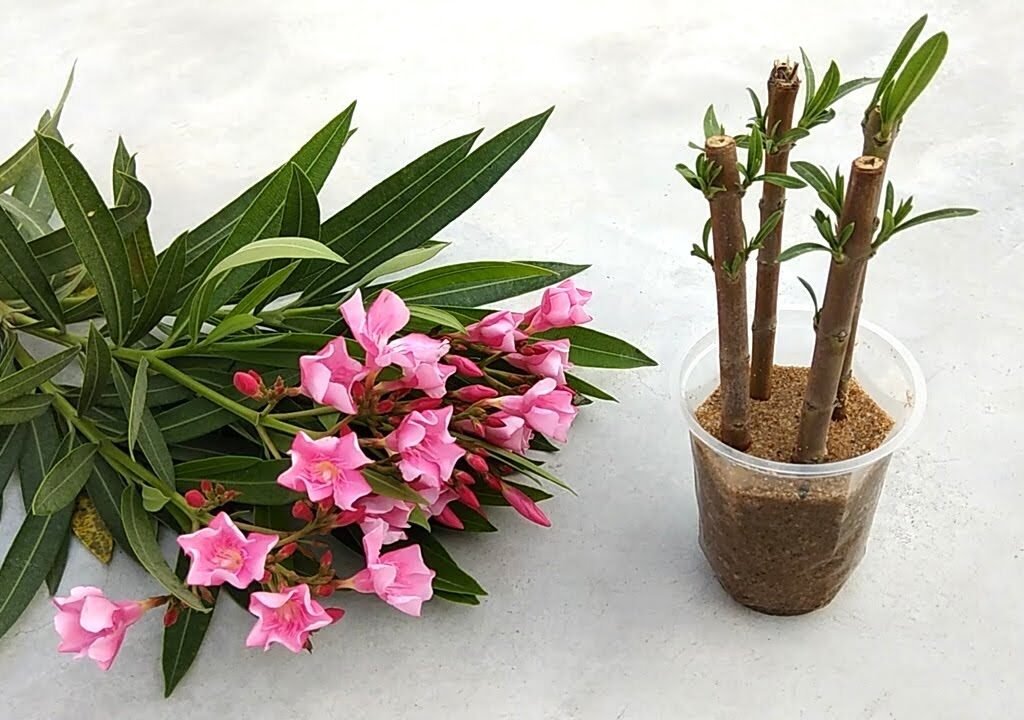
Semi-hardwood cuttings (best choice)

  • 6–8 inches long
  • Flexible but not too soft

Softwood cuttings

  • Tender, green, very fast to root
  • Must prevent fungal infections

Hardwood cuttings

  • Thick, woody stems
  • Root slower but still work

For beginners, semi-hardwood is the easiest and most successful.


Materials You Will Need

Before you start, keep these items ready:

  • Healthy oleander plant
  • Clean pruning shears
  • A 6–8 inch cutting
  • Light and airy potting mix
  • Rooting hormone (optional but helpful)
  • Small pot or plastic bottle
  • Transparent polybag for humidity

Step-by-Step: How to Take the Perfect Cutting

  1. Choose a healthy branch that is disease-free.
  2. Cut 6–8 inches of stem just below the node.
  3. Remove the lower leaves, keeping only 2–3 leaves at the top.
  4. If the cutting has flowers or buds, remove them.
  5. Dip the cut end in rooting hormone (optional but increases success 40–50%).

TIP: Make sure your cutting tool is disinfected to avoid infections.


Best Soil Mix for Fast Rooting

Oleander roots best in a light, well-draining mix. Use:

Option 1 (Best for beginners):

  • 50% Cocopeat
  • 30% River Sand
  • 20% Garden Soil

Option 2 (Fastest rooting):

  • 70% Sand
  • 30% Cocopeat

Avoid heavy clay soil—it suffocates the cuttings.


Planting the Oleander Cutting

  1. Make a small hole in the soil using a pencil.
  2. Insert the cutting 2–3 inches deep.
  3. Firm the soil around it to remove air pockets.
  4. Water lightly—just enough to keep soil moist, not soggy.

Creating a Greenhouse Effect

To increase rooting speed:

  • Cover the pot with a transparent polybag
  • Ensure small air holes to prevent fungal growth
  • Keep in bright, indirect sunlight (never direct)

This mini greenhouse traps humidity and encourages faster root development.


Watering Routine

For successful rooting:

  • Keep soil lightly moist
  • Never overwater
  • Mist instead of pouring water

Water only when the top layer feels dry.


Light Conditions

While rooting:

  • Keep in shade or indirect light
  • Avoid full sun

After roots develop (4–6 weeks):

  • Gradually shift to direct morning sunlight
  • Eventually, oleander can handle full sun easily

Common Problems & How to Fix Them

Leaves turning yellow

Too much water.
Reduce watering

Cutting turning black

Fungal infection.
Use fungicide
Improve air circulation

No root growth

Wrong season or heavy soil.
Try during warm months
Use sandy mix


Update Timeline (Just Like an Update Video)

Week 1 – Initial Cutting

  • Cutting looks fresh
  • Leaves stay green
  • No visible roots yet

Tip: Keep the humidity high.


Week 2 – Swelling at the Base

  • Base becomes slightly thick
  • Internal root activity begins

Tip: Don’t disturb the cutting!


Week 3–4 – Root Growth Begins

  • Roots start forming
  • Light resistance when you tug gently

Tip: This is the most crucial time.

Avoid sunlight and overwatering.


Week 5–6 – Visible Growth

  • New leaves appear
  • Cutting becomes firm
  • It’s ready for repotting

Tip: Shift to a 6–8 inch pot with soil mix:

  • 50% garden soil
  • 25% compost
  • 25% sand

Week 8–10 – Strong Plant Development

  • More leaves
  • Strong branching
  • Faster growth

Tip: Add seaweed fertilizer or diluted NPK 19-19-19 every 15 days.


2–3 Months – Final Update

Your oleander cutting is now:

  • 1–1.5 feet tall
  • Bushy and healthy
  • Ready to bloom during the next flowering season

Oleander usually starts flowering within 6–12 months of propagation.


Fertilizer Guide for Oleander

Use fertilizers carefully because the plant grows fast.

Monthly Organic Feed:

  • Compost
  • Vermicompost
  • Cow dung manure

Chemical Fertilizer (every 20–25 days):

  • NPK 19-19-19 (half teaspoon per liter)

Bloom Booster (During flowering season):

  • NPK 0-52-34 or
  • Bone meal (once in 45 days)

Important Safety Note

Oleander is toxic if ingested.

So always:

  • Wear gloves when handling
  • Keep away from pets and children
  • Wash hands after touching

Final Tips for Fast Growth

  • Give 4–6 hours of sunlight daily
  • Prune lightly to encourage branching
  • Repot every year
  • Keep soil well-draining

With the right care, your oleander will reward you with clusters of beautiful blooms throughout the year.


Conclusion

Growing Oleander/Kaner from cuttings is one of the easiest and most rewarding gardening projects you can do at home. With simple materials, basic care, and the update timeline provided, you can turn a single plant into multiple flowering shrubs.

If you’re shooting a gardening video or blog, this method gives excellent before-after updates and eye-catching results.

Grow Marigold from Cuttings FAST & EASY: Complete Step-By-Step Guide (With Growth Updates)

Grow Marigold from Cuttings FAST & EASY: Complete Step-By-Step Guide (With Growth Updates)

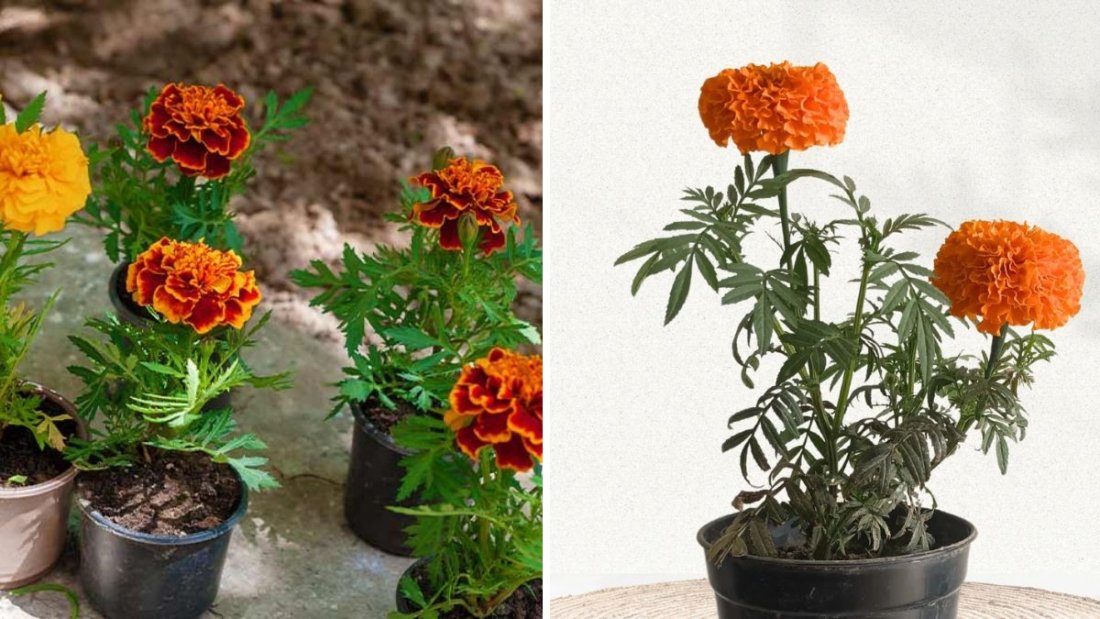
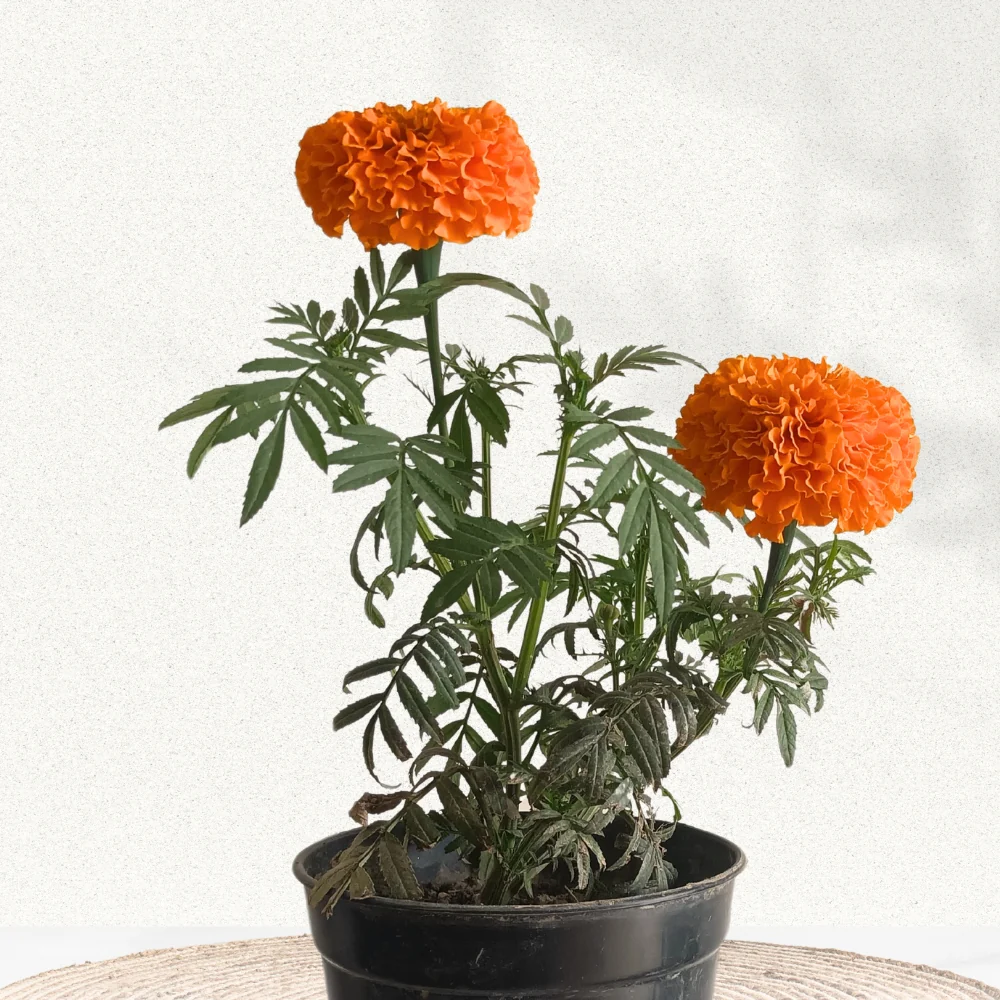
Marigolds are among the easiest and fastest flowering plants you can grow at home. Their bright orange, yellow, and red blooms not only beautify your garden but also repel pests, attract pollinators, and grow quickly with very little care. While most people grow marigolds from seeds, growing them from cuttings is even faster, easier, and gives you identical, strong, disease-free plants.

In this detailed guide, you’ll learn how to grow marigold from cuttings step-by-step, how to root them quickly, how to care for them, and what to expect in the weeks after planting—just like an update video.


Why Grow Marigolds from Cuttings?

Growing marigolds from cuttings has several benefits:

Faster Flowering

Cuttings skip the seedling stage. This helps them grow and bloom 30–40% faster.

Stronger, Identical Plants

You get exact copies of the mother plant—same flower size, color, and growth pattern.

High Success Rate

Marigolds root very easily, making them perfect for beginners.

Zero Cost Propagation

Just one mother plant can give you 10–30 new plants free of cost.


Materials You Need

Growing marigolds from cuttings is simple. Gather the following items:

  • A healthy marigold plant (mother plant)
  • Clean scissors or pruning shears
  • A small pot/tray
  • Light potting mix or propagation mix
  • Rooting hormone (optional but helpful)
  • Spray bottle
  • Water

That’s all you need!


Step 1: Select the Best Cutting

Selecting the right cutting is the key to fast rooting.

Choose a semi-hardwood stem

This means the stem is not too soft (green) and not too woody. Semi-hard stems root faster.

Look for shoots 4–6 inches long

These should be fresh, green, and flexible.

Must have at least 3–4 leaf nodes

Nodes are the points where leaves grow—roots form here.

Avoid flowering stems

Remove any buds or flowers. Leave only leaves on the upper portion so the plant focuses on root growth.


Step 2: Prepare the Cutting

Follow these steps for best results:

  1. Cut the stem just below a node.
  2. Remove leaves from the lower half of the cutting.
  3. Dip the bottom part in rooting hormone (optional but increases success rate).
  4. Keep the cutting ready for planting within 5 minutes—freshness matters.

Step 3: Prepare the Potting Mix (Fast-Rooting Mix)

Marigold cuttings root best in a light, airy, fast-draining mix.

DIY Fast-Rooting Soil Mix:

  • 50% cocopeat or peat moss
  • 30% perlite or sand
  • 20% compost

Why this mix works:

  • Cocopeat keeps the stem moist
  • Sand or perlite boosts drainage
  • Compost provides nutrients once roots start forming

Do NOT use heavy garden soil—it causes rot.


Step 4: Plant the Cutting

Now it’s time to plant your cutting:

  1. Make a 2-inch hole in the soil using a pencil or finger.
  2. Insert the cutting gently without damaging the stem.
  3. Press the soil lightly for support.
  4. Water lightly using a spray bottle.
  5. Place the pot in bright but indirect light.

Within the first week, moisture is very important—keep the soil lightly moist, never soggy.


Step 5: Maintain Humidity (Secret to Fast Rooting)

Marigold cuttings root beautifully when humidity is maintained.

You can use:

  • A transparent plastic bag
  • A plastic bottle cut from the bottom
  • A propagation dome

This creates a mini-greenhouse environment.

Tips:

  • Ventilate for 10 minutes every day
  • Do NOT keep it in harsh sun—it will burn the cutting
  • Spray lightly if soil feels dry

Rooting Timeline (Update-Style Guide)

Here’s what happens after planting your cutting—just like watching an update video, but in writing:


Day 1–3: Settling Period

  • Cutting adjusts to new environment
  • Leaves may look slightly dull—normal
  • Keep soil moist and shaded

Day 4–7: First Root Signals

  • Nodes begin activating internally
  • If leaves stay fresh, it’s a good sign
  • New tiny leaves may show at the top

Important: Do NOT tug the cutting to check for roots.


Day 8–14: Root Development

  • Roots begin forming strongly
  • Cutting stands more firmly in soil
  • Light new growth appears on tips

You can gently tap the stem—if it feels firm, roots have formed.


Day 15–20: Potting Time

Now the cutting has:

  • Visible new leaves
  • Strong rooting
  • Healthy green color

This is the perfect time to transplant into a bigger pot with nutrient-rich soil.


Step 6: Transplanting to Final Pot

After 2–3 weeks, move your rooted cutting to a final container.

Ideal pot size:

  • 6–8 inches for single plants
  • 12–14 inches for 2–3 plants

Best Potting Soil:

  • 50% garden soil
  • 30% compost or cow dung
  • 20% sand

Make sure the pot has drainage holes.

Plant gently and water thoroughly.


Step 7: Sunlight Requirement

Marigolds LOVE sunlight.

After transplant:

  • Give 3–4 hours of morning sunlight for the first week
  • Gradually increase to 6–7 hours daily

More sunlight = More flowers.


Step 8: Watering Routine

Marigolds do not like too much water.

Water only when:

  • The top 1 inch of soil feels dry
  • Leaves look slightly dull
  • Weather is hot and dry

Avoid watering at night—moisture invites fungus.


Step 9: Fertilizing for Fast Growth

Fertilizing marigolds is simple and low-cost.

Best Fertilizers:

  • Vermicompost
  • Cow dung compost
  • Seaweed extract
  • Mustard cake liquid (very dilute)
  • Banana peel fertilizer

When to Feed:

  • First feeding: 10 days after transplant
  • Repeat every 15–20 days

Avoid chemical fertilizers in the early stage.


When Will Flowers Appear?

With cuttings, flowering is much faster than seeds.

Average flowering time:

  • 35–45 days after planting
  • Heavy blooming by day 60

Proper sunlight + mild fertilizing = Maximum blooms.


Update Timeline Summary

DayStage
1–3Cutting settles
4–7Nodes activate
8–14Strong root formation
15–20Ready for transplant
25–35Strong growth
35–45First blooms
45–60Heavy flowering

Common Mistakes to Avoid

Avoid these to ensure maximum success:

Using heavy garden soil for rooting
Overwatering the cutting
Keeping it in full sun during rooting
Cutting stems with flowers
Not removing lower leaves
Tugging the cutting too early

If you avoid these, you’ll get a 90–100% success rate.


Benefits of Growing Marigolds from Cuttings

Fastest method of propagation
Free plants—no seeds needed
Early and heavy flowering
Strong, healthy clones
Low maintenance
Perfect for home gardens & terraces


Final Thoughts

Growing marigolds from cuttings is one of the easiest gardening projects you can try at home. This method is fast, clean, cost-effective, and gives you lots of beautiful plants in just a few weeks. With consistent care, good sunlight, and the simple steps shared above, your cuttings will root quickly and reward you with bright, cheerful blooms.

Bonsai Made Simple: The Fast & Easy Beginner’s Guide to Creating a Stunning Bonsai at Home

Bonsai Made Simple: The Fast & Easy Beginner’s Guide to Creating a Stunning Bonsai at Home

Creating a bonsai may look complicated, but the truth is this ancient art can be surprisingly simple when broken down into easy, beginner-friendly steps. You don’t need expensive tools, special training, or years of gardening experience. With a little guidance and consistency, you can grow your own beautiful bonsai tree right at home—quickly and effortlessly.

In this complete guide, you’ll learn how to choose the right plant, prune it correctly, shape it with ease, pot it properly, and care for it year-round. Whether you’re a beginner or someone who has never touched a plant before, this guide is designed to help you succeed.

What Exactly Is a Bonsai?

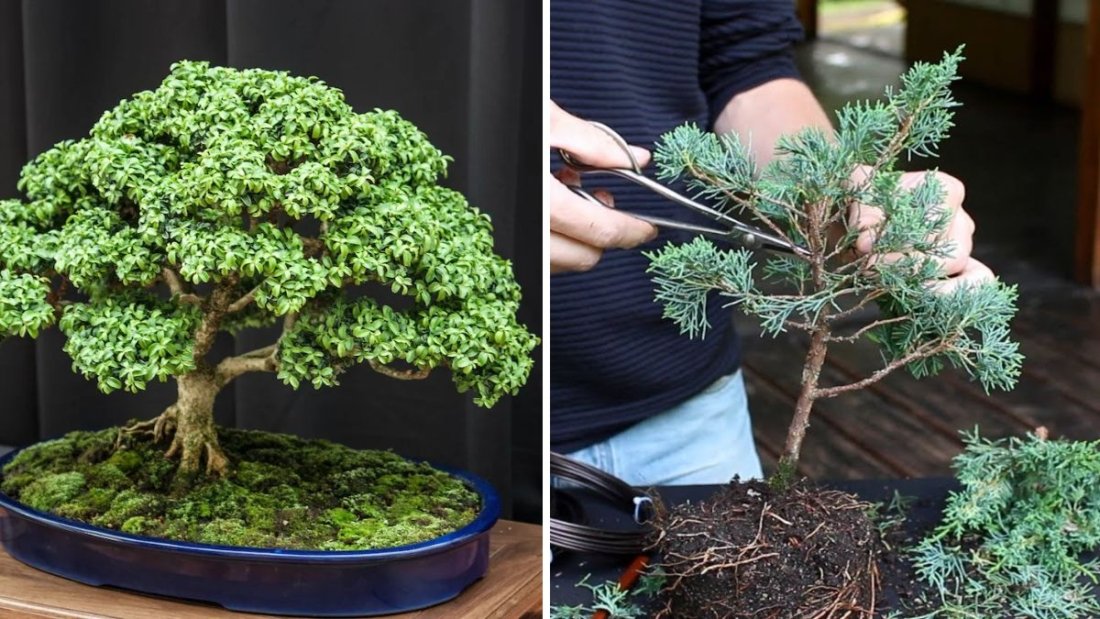
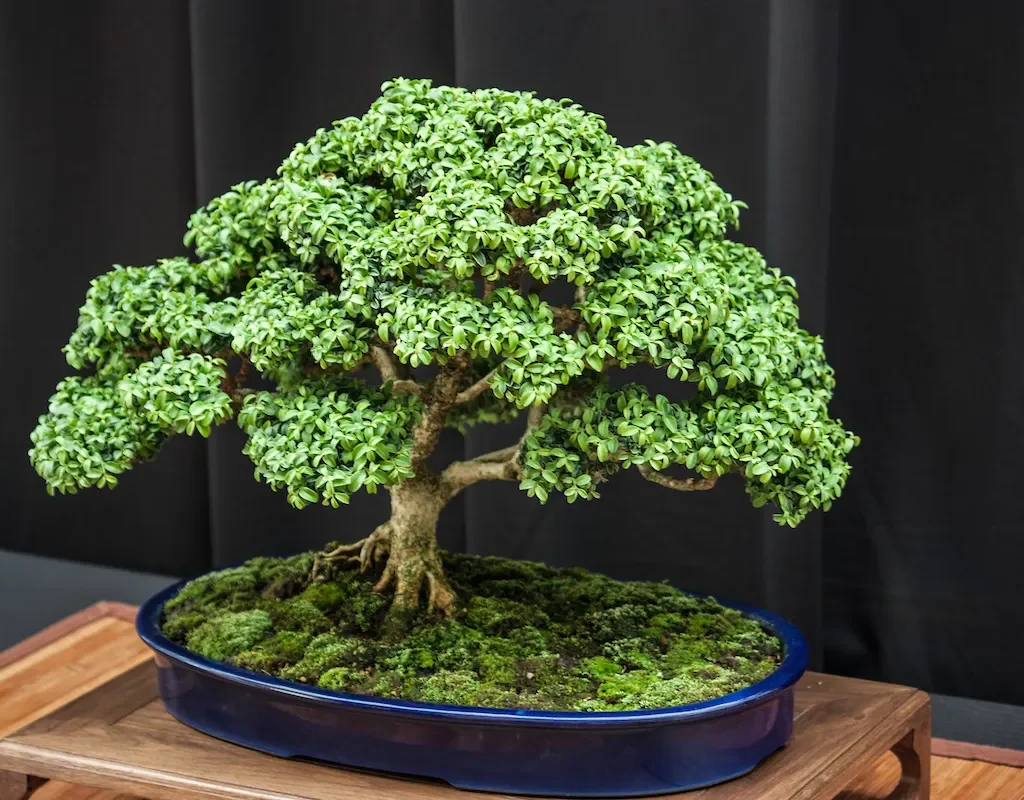
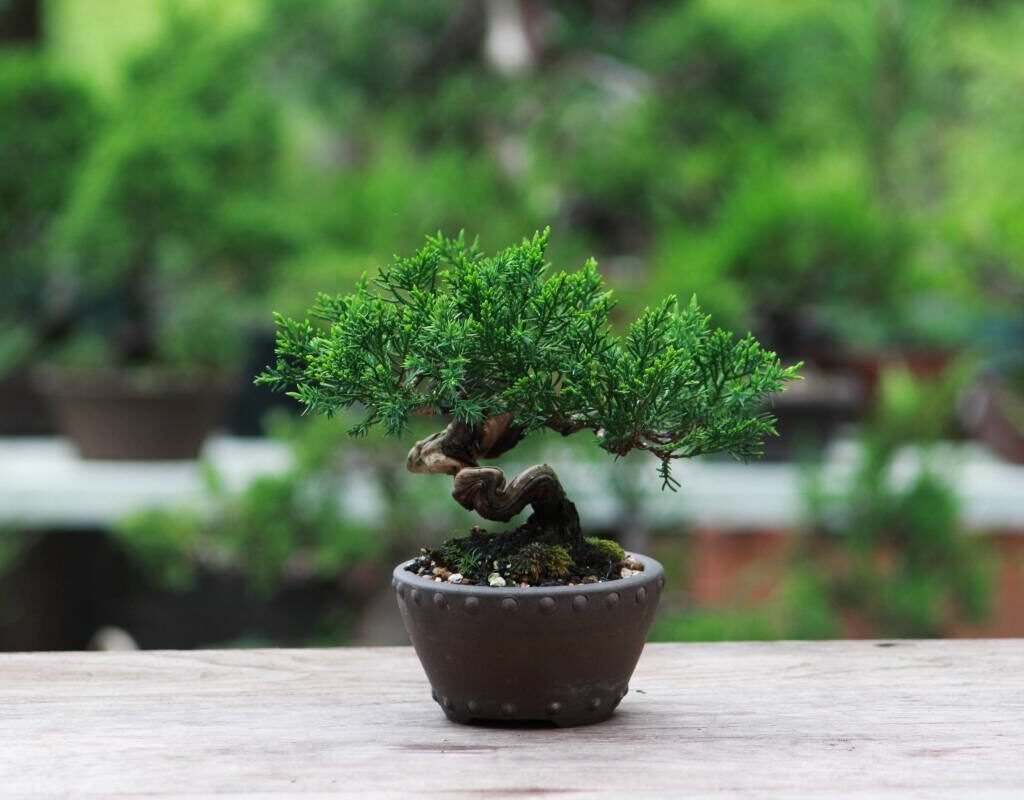
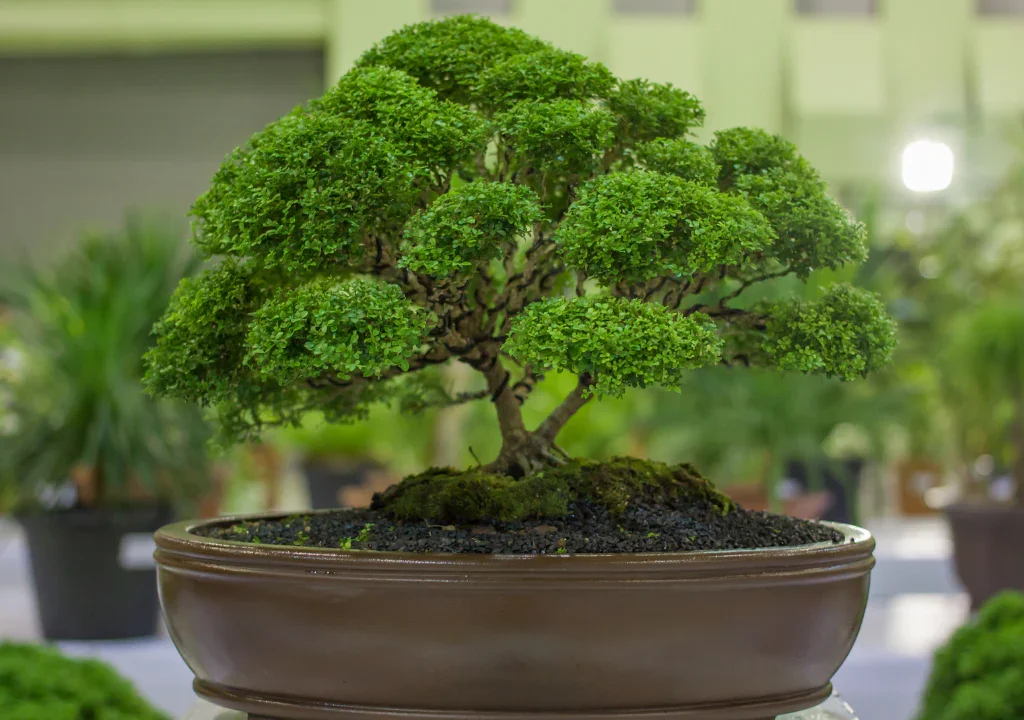
A bonsai is a regular plant grown in a small container and trained to look like a miniature tree. Contrary to popular belief, bonsai is NOT a special species—it’s a technique. Almost any plant can be turned into a bonsai with proper pruning, shaping, and care.

The beauty of bonsai lies in its simplicity:
Small plant. Smart pruning. Stunning result.


Step 1: Choose the Right Plant (Beginner-Friendly Options)

If you want to create a bonsai fast and easy, choose plants that grow quickly and respond well to pruning. Here are the best beginner options:

Ficus (Most Recommended)

  • Flexible branches
  • Grows fast
  • Very forgiving

Jade Plant

  • Perfect for indoor bonsai
  • Thick trunk develops quickly

Chinese Elm

  • Beautiful branching
  • Classic bonsai look

Bougainvillea

  • Fast-growing
  • Produces colorful flowers

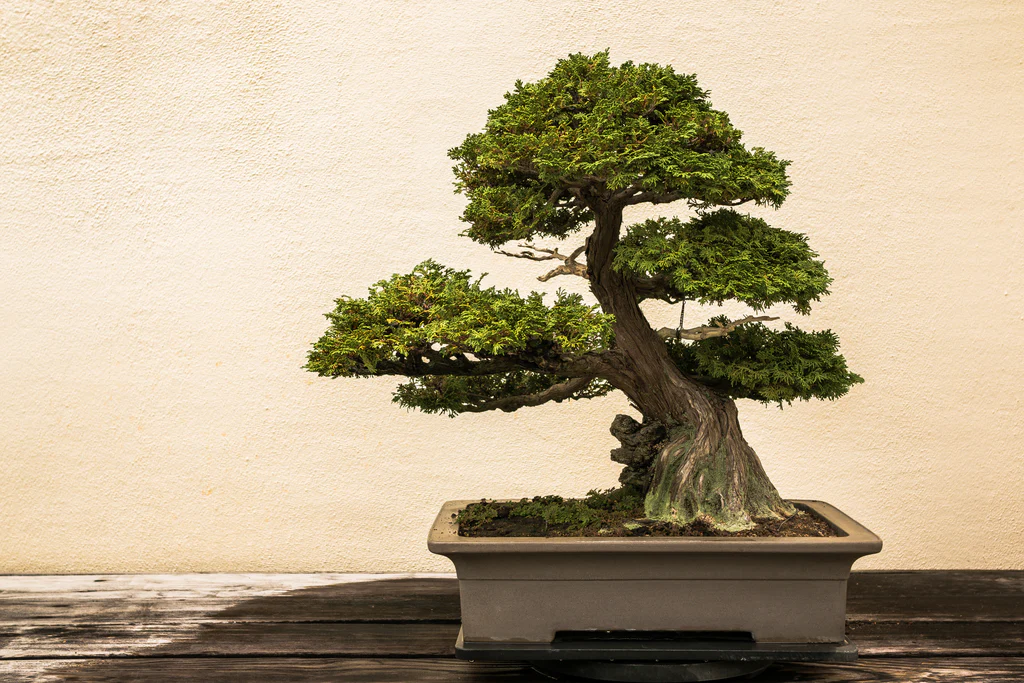
Juniper

  • Great for outdoors
  • Ideal for shaping

If you already have a potted plant at home, you can even convert that into a bonsai!


Step 2: Choose the Perfect Pot

A bonsai pot is usually:

  • Wide and shallow
  • Has a good drainage hole
  • Made of ceramic or clay

But if you’re a beginner, any small, shallow pot with a drainage hole will work. Don’t overthink it—bonsai is about creativity.

Pot Size Tip:

Choose a pot roughly one-third the height of your plant.


Step 3: Prepare the Soil (Fast & Easy Mix)

Bonsai soil must drain quickly so roots don’t rot. You can make a simple mix at home:

DIY Fast-Drain Soil Mix

  • 50% garden soil
  • 30% sand
  • 20% compost or cocopeat

Mix well.
This gives the perfect balance of drainage + nutrients.


Step 4: Pruning – The Secret to Bonsai Creation

Pruning is where the magic happens. It helps shape the plant and controls its size.

There are two types of pruning you must learn:


1. Structural Pruning (Shaping the Main Look)

Do this once when you start.

Steps:

  1. Remove weak, dead, and crossing branches.
  2. Choose one strong central trunk (main stem).
  3. Trim side branches to make a triangular or dome shape.
  4. Keep the bottom branches longer and top branches shorter—this gives a natural tree shape.

Go slow and remove small amounts at a time.


2. Maintenance Pruning (To Keep It Mini)

Do this every 2–4 weeks.

  • Pinch new shoots with fingers
  • Keep trimming branches that grow too long
  • Always maintain a balanced shape

This keeps the bonsai neat and compact.


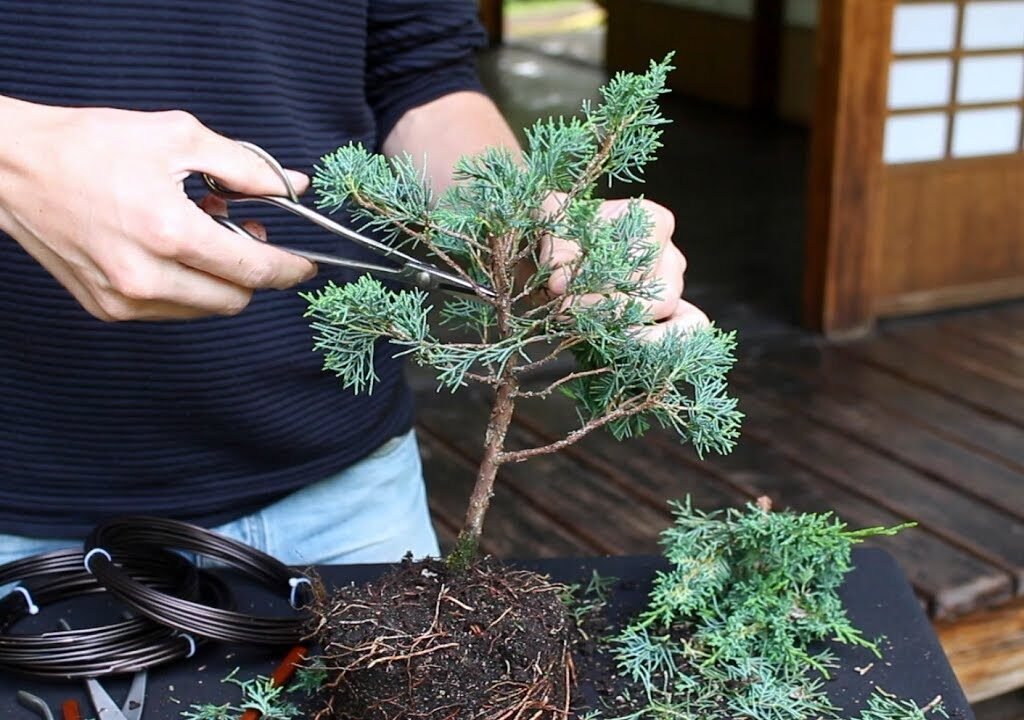
Step 5: Wiring – Shape Your Bonsai Easily

Wiring is used to bend and shape branches. You can use:

Aluminum wire

Copper wire

(Aluminum is easier for beginners.)

How to Wire a Branch

  1. Wrap the wire gently around the branch (not too tight).
  2. Bend it slowly into the direction you want.
  3. Leave it for 3–6 weeks until the shape sets.

Do not leave the wire too long or it may leave marks on the branch.


Step 6: Repotting – Helps Your Bonsai Grow Faster

Repotting is important because it:

  • Removes old soil
  • Prevents root-bound stress
  • Encourages new growth

When to Repot:

  • Young plants: every 1–2 years
  • Older bonsais: every 3–4 years

How to Repot Easily:

  1. Gently remove the plant from its old pot.
  2. Trim 20–30% of the long roots.
  3. Add fresh soil to the new pot.
  4. Position the plant slightly off-center (bonsai aesthetic).
  5. Press soil firmly and water well.

Step 7: Watering – The Most Important Part

Bonsai trees need careful watering.

Simple Rule:

Water when the top soil feels slightly dry.

Don’t overwater.
Don’t underwater.
Keep it consistent.

Best method:

  • Pour water slowly
  • Let it drain completely
  • Water again after a minute (double watering method)

This ensures roots are fully hydrated.


Step 8: Sunlight Requirements

Most bonsais need bright, indirect sunlight for 4–6 hours daily.

Ideal Places:

  • Balcony
  • Terrace
  • Windowsill
  • Near bright indoor windows

Avoid:

  • Harsh afternoon sun
  • Total shade
  • Closed dark rooms

Step 9: Fertilizing (For Fast Growth)

Use a mild fertilizer every 30–40 days.

Best Options:

  • Seaweed extract
  • Liquid NPK (very mild)
  • Compost tea
  • Vermicompost (small amounts)

Do not over-fertilize—bonsai roots are delicate.


Step 10: Styling Ideas for Your Bonsai

Here are the most popular and easy styles:

Formal Upright

Straight trunk, balanced branches.

Informal Upright

Natural curve in the trunk.

Slanting Style

Tree grows at a 60° angle.

Cascade Style

Branches flow downward like a waterfall.

Broom Style

Round shape with many branches.

Start with Formal Upright—the easiest for beginners.


Common Mistakes Beginners Should Avoid

Overwatering
Using a deep pot
Cutting too many branches at once
Keeping the plant in low light
Using heavy garden soil without drainage
Leaving wires too long

Avoid these, and you’ll succeed much faster!


How Long Does It Take to Make a Bonsai?

Good news:
You can create a basic bonsai shape in just 1–2 hours.
But the plant matures and becomes more beautiful over time.

With regular trimming and patience, your bonsai will look better each month.


Benefits of Making Your Own Bonsai

Reduces stress and anxiety
Boosts creativity
Makes your home look beautiful
Great hobby for kids and adults
Brings nature indoors
Easy to maintain once shaped


Final Thoughts: Create Your Bonsai Today!

Turning a normal plant into a bonsai is not just gardening—it’s an art and meditation. With the simple steps above, anyone can create a stunning bonsai at home easily and quickly. You don’t need expensive materials or advanced skills. All you need is curiosity, patience, and a love for nature.

Start today, shape your first bonsai, and enjoy watching your miniature tree grow into a masterpiece over time.

Boost Your Rose Blooms: Proven Tips to Get 500% More Flowers on Your Roses

Boost Your Rose Blooms: Proven Tips to Get 500% More Flowers on Your Roses

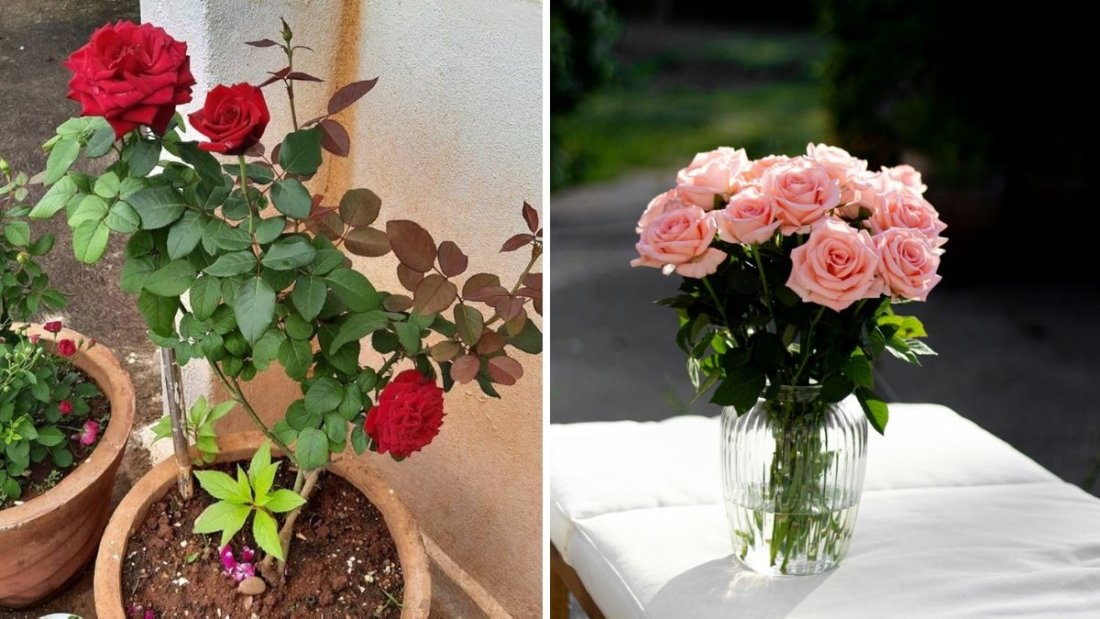
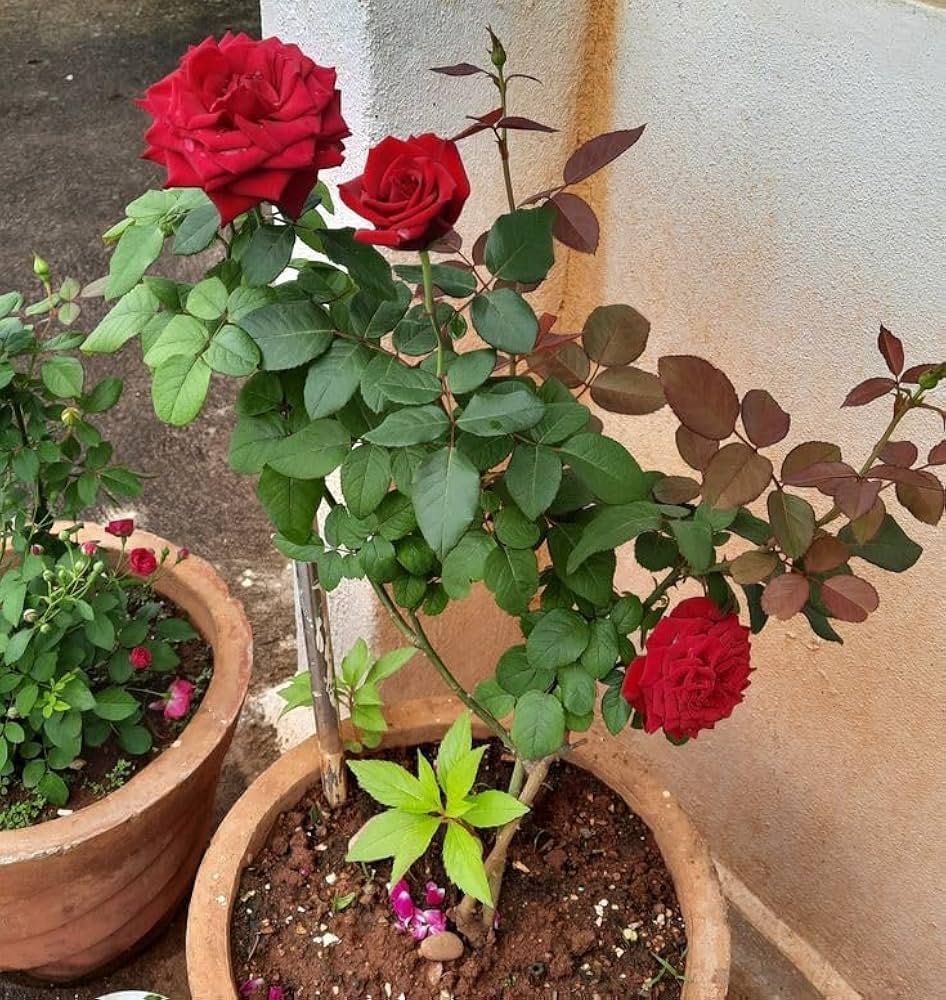
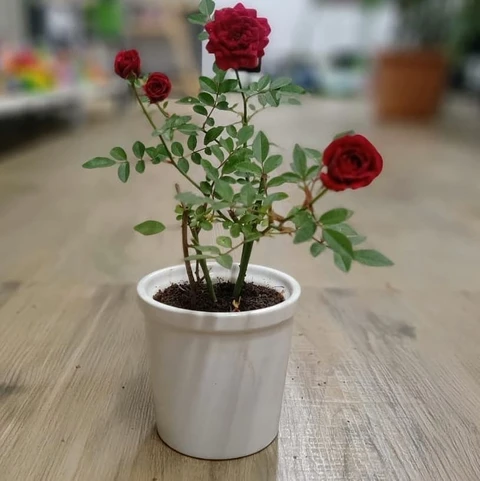
Roses are the queens of the garden—elegant, fragrant, and captivating. Every gardener dreams of a rose bush overflowing with vibrant blooms. But achieving prolific flowering requires more than just watering and sunlight; it demands a strategic approach to care. Imagine getting 500% more flowers on your rose plants! In this comprehensive guide, we’ll reveal expert tips, updates, and techniques that can transform your rose garden into a floral paradise.


Why Your Roses May Not Be Blooming

Before we explore the steps to boost flowering, it’s important to understand why roses sometimes underperform:

  1. Insufficient Pruning: Old, dead, or weak stems reduce flower production.
  2. Nutrient Deficiency: Roses are heavy feeders; lacking essential nutrients stunts bloom formation.
  3. Poor Sunlight: Roses need at least 6–8 hours of sunlight daily to produce abundant flowers.
  4. Overwatering or Underwatering: Both extremes can stress the plant and prevent blooms.
  5. Pests and Diseases: Aphids, fungal infections, and mites damage stems and buds.

Once you address these common issues, your rose plants will be ready to flourish.


Step 1: Choose the Right Varieties

Some rose varieties naturally produce more blooms than others. Selecting high-flowering types gives you a head start:

  • Floribunda Roses: Known for cluster blooms and continuous flowering.
  • Hybrid Tea Roses: Large, showy flowers ideal for bouquets.
  • Climbing Roses: Produce long stems with multiple blooms, perfect for trellises.
  • Shrub Roses: Hardy, low-maintenance, and consistently blooming.

Choosing the right variety ensures that your efforts yield maximum flowers.


Step 2: Proper Planting and Soil Preparation

Healthy soil is the foundation of abundant blooms.

Steps for Optimal Soil:

  1. Well-Draining Soil: Roses hate waterlogged roots. Add sand or perlite for better drainage.
  2. Rich in Organic Matter: Mix compost, manure, or leaf mold to provide essential nutrients.
  3. Correct pH: Roses prefer slightly acidic soil (pH 6–6.5). Test and amend soil as needed.
  4. Planting Depth: Dig a hole twice the size of the root ball and plant so that the graft union is just above soil level.

Healthy roots equal healthy flowers.


Step 3: Pruning for Maximum Blooms

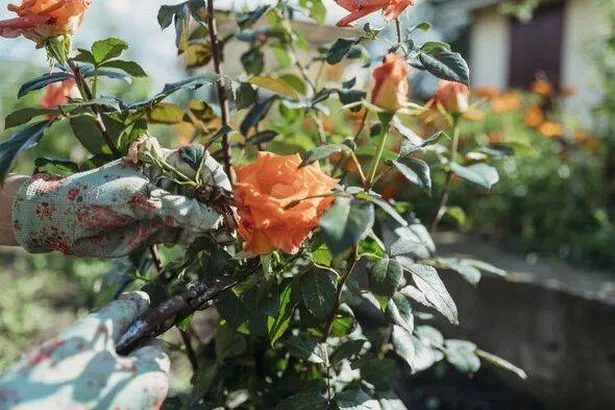
Pruning is crucial to increase flower production. It stimulates new growth, removes old or diseased stems, and shapes the plant.

Pruning Tips:

  • Prune in late winter or early spring before new growth starts.
  • Remove dead, damaged, or weak stems.
  • Cut back 1/3 of the plant to encourage branching.
  • Always make cuts at a 45-degree angle, just above outward-facing buds.

Regular pruning encourages multiple stems to produce flowers, dramatically increasing bloom numbers.


Step 4: Fertilization for Flower Power

Roses are heavy feeders, and their flowering depends on proper nutrition.

Fertilization Tips:

  • Use a balanced rose fertilizer (NPK 10:10:10 or 12:12:12) for overall growth.
  • Apply bloom-boosting fertilizer high in phosphorus (middle number in NPK ratio) to encourage flowering.
  • Feed every 3–4 weeks during the growing season.
  • Supplement with organic fertilizers like compost tea or well-rotted manure for continuous nutrient supply.

Consistent feeding ensures your roses have the energy to produce 500% more flowers.


Step 5: Watering Correctly

Watering is often overlooked but plays a vital role in flower development.

  • Deep Watering: Water at the base to reach deep roots, once or twice a week depending on climate.
  • Avoid Wetting Foliage: Wet leaves can lead to fungal infections like black spot or powdery mildew.
  • Mulching: Apply a 2–3 inch layer of mulch around the base to retain moisture and regulate soil temperature.

Well-watered plants bloom more profusely than stressed, dry ones.


Step 6: Sunlight and Placement

Roses need full sun to produce abundant blooms.

  • Ensure at least 6–8 hours of sunlight daily.
  • Avoid planting near tall trees or structures that cast shade.
  • Rotate potted roses to provide even sunlight exposure.

More sun equals more energy for flowers.


Step 7: Deadheading and Maintenance

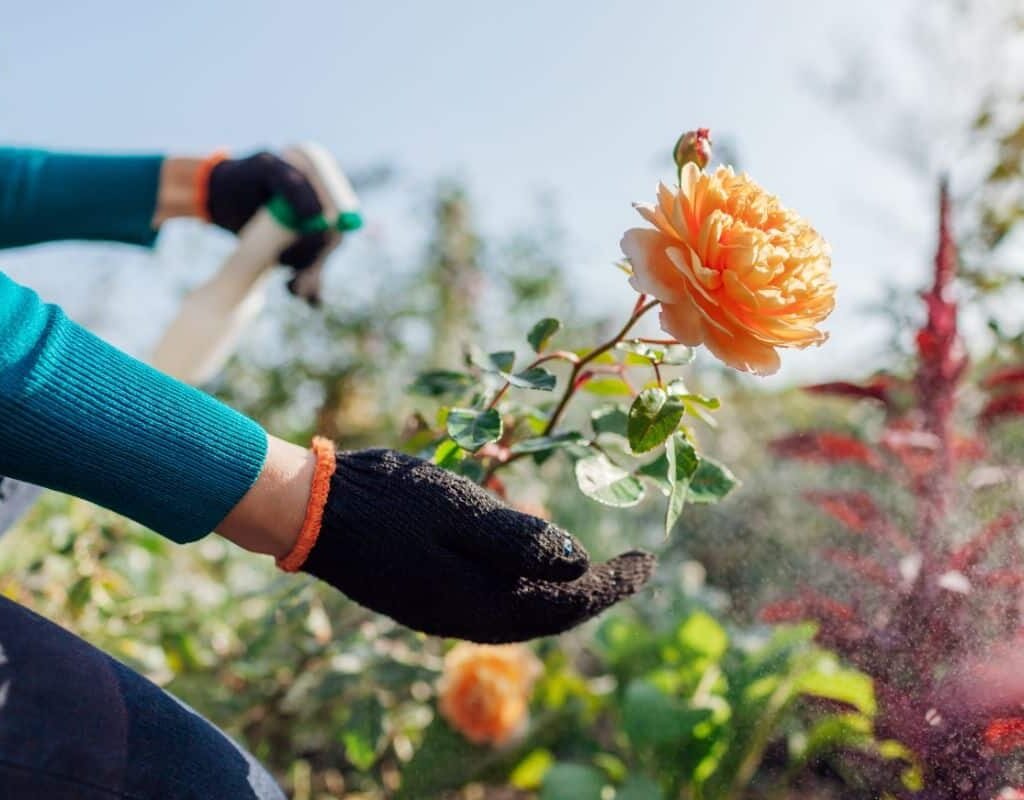
Deadheading—removing spent blooms—encourages your rose bush to produce more flowers.

Deadheading Tips:

  • Use clean, sharp scissors or pruners.
  • Cut just above the first set of 5 leaves below the spent bloom.
  • Remove yellowing or damaged leaves to improve airflow and reduce disease risk.

Regular maintenance ensures continuous blooming throughout the season.


Step 8: Controlling Pests and Diseases

Healthy plants produce more flowers. Keeping pests and diseases under control is essential:

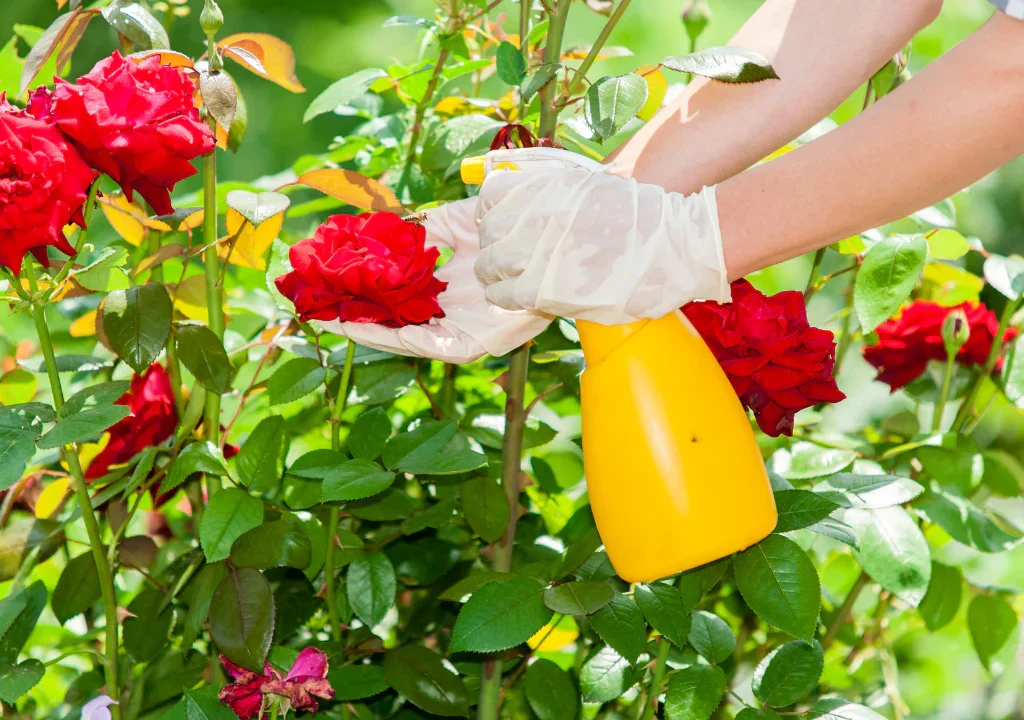
  • Common Pests: Aphids, spider mites, thrips. Treat with neem oil, insecticidal soap, or natural predators like ladybugs.
  • Common Diseases: Black spot, powdery mildew, rust. Remove infected leaves, improve air circulation, and apply fungicide if needed.
  • Preventive Care: Avoid overhead watering, space plants for airflow, and maintain cleanliness around the rose beds.

A pest-free, disease-free plant can focus its energy on flowering.


Step 9: Seasonal Care Updates

Spring: Focus on pruning, fertilizing, and establishing healthy growth.
Summer: Regular watering, deadheading, and pest control.
Fall: Gradually reduce fertilization and water slightly less to prepare for dormancy.
Winter: Protect from frost and extreme cold; minimal watering until growth resumes.

Following seasonal updates ensures maximum blooms each year.


Step 10: Advanced Tips for Super Bloom

For gardeners aiming for extraordinary results:

  1. Use Foliar Feeding: Spray a diluted fertilizer solution on leaves to boost nutrient absorption.
  2. Apply Seaweed Extracts: Improves root development and flower production.
  3. Encourage Side Shoots: Pinch tips of stems to promote branching and multiple blooms.
  4. Regular Observation: Track plant health and respond quickly to stress signs.

These advanced techniques can multiply your flowers and create a spectacular rose display.


Conclusion

Getting 500% more flowers on your rose plants isn’t just a dream—it’s achievable with consistent care and strategic techniques. By selecting high-flowering varieties, preparing the soil, pruning correctly, feeding appropriately, watering intelligently, and managing pests and diseases, you can transform your rose garden into a blooming paradise.

Remember, roses respond to attention. Deadheading spent blooms, providing adequate sunlight, and following seasonal updates all contribute to extraordinary flowering. With patience and dedication, your rose plants will reward you with vibrant, abundant flowers that captivate and inspire.

Start applying these tips today and watch your rose garden flourish beyond your expectations!

Complete Guide to Growing a Christmas Cactus: Care Tips for Blooming Success

Complete Guide to Growing a Christmas Cactus: Care Tips for Blooming Success

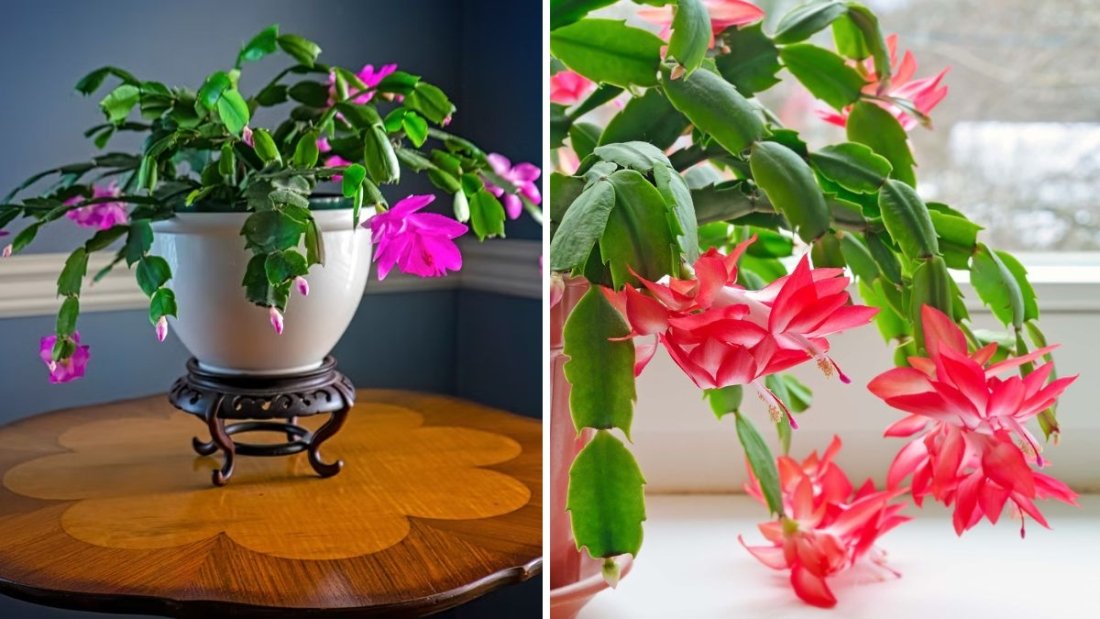
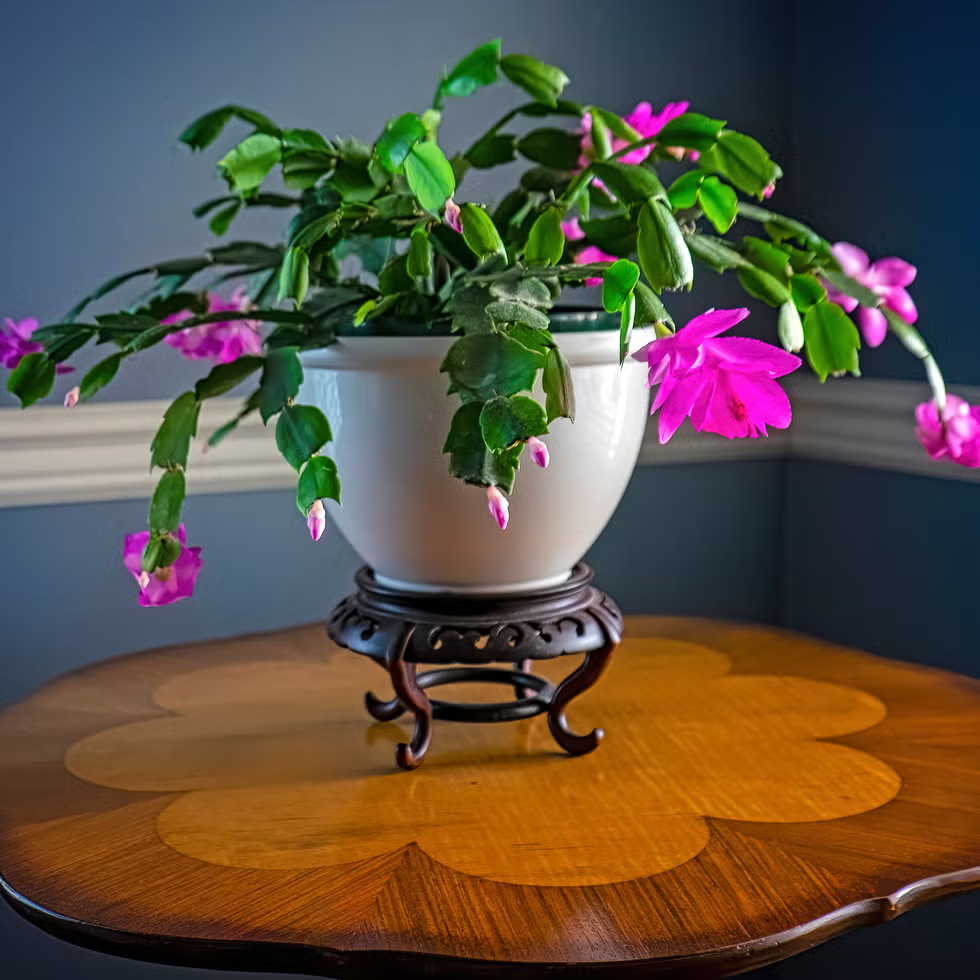
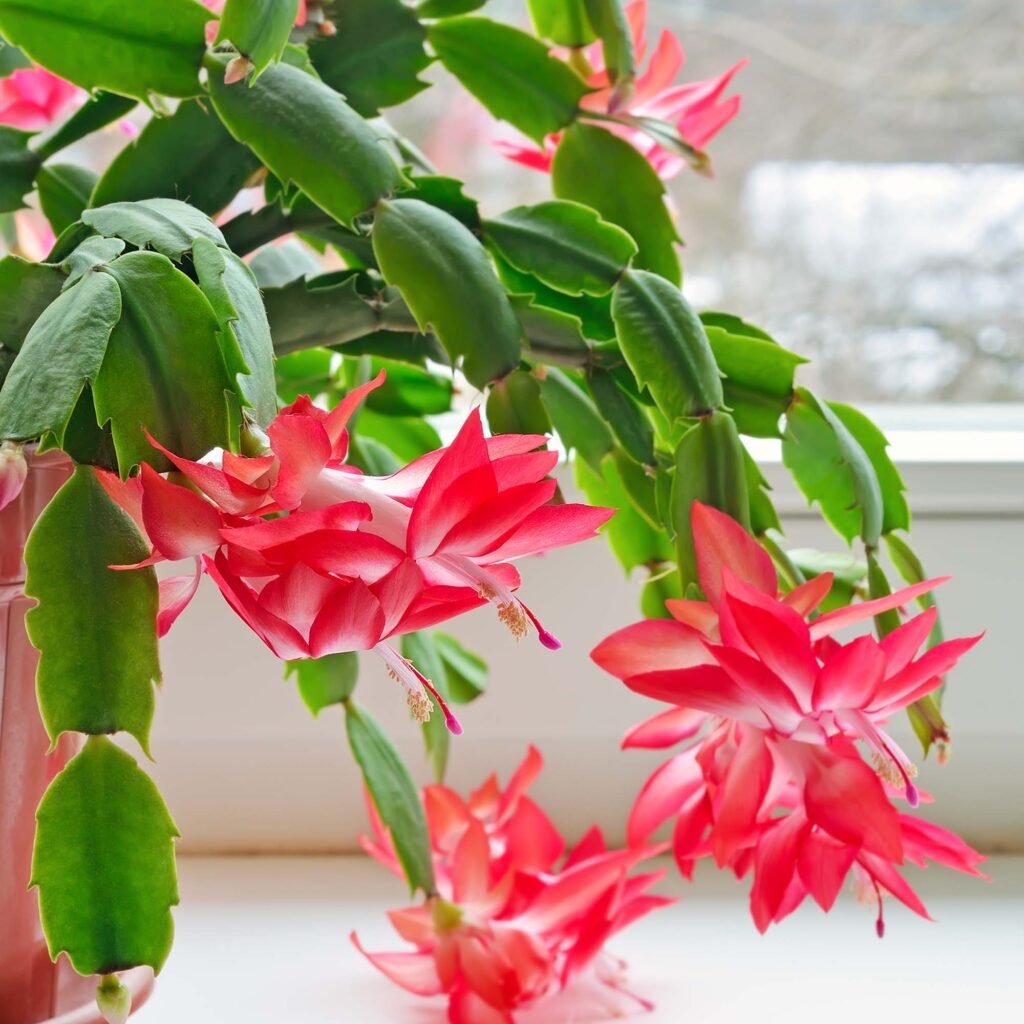
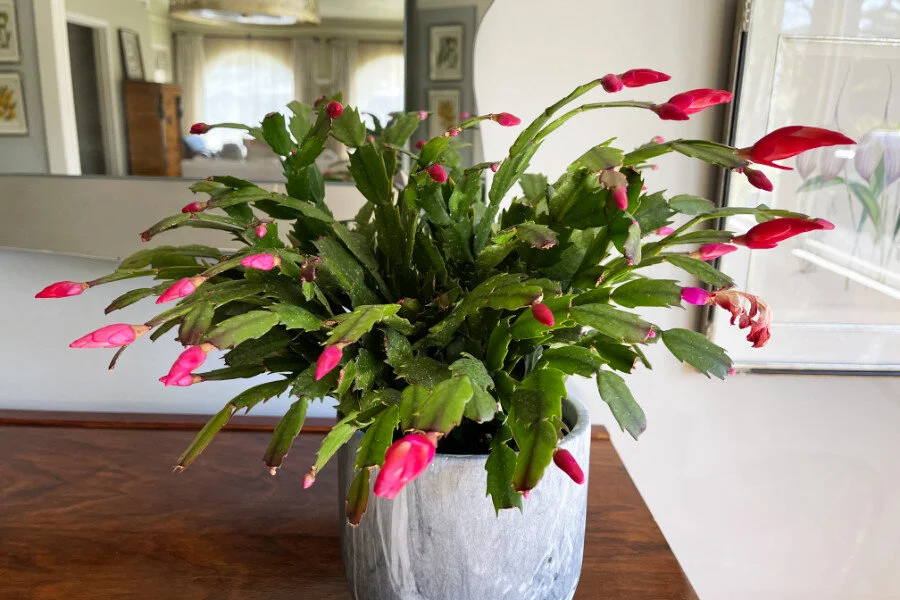
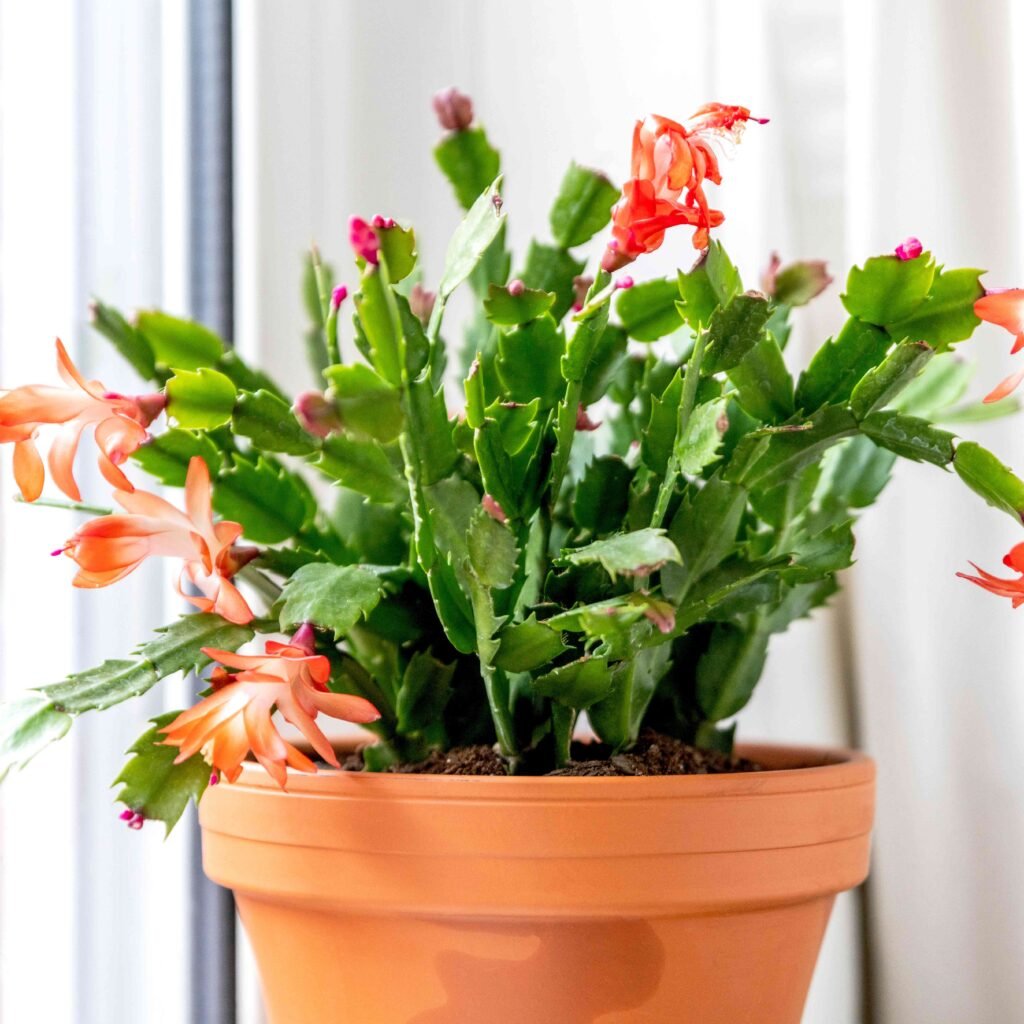
The Christmas cactus (Schlumbergera spp.) is a stunning and festive succulent, cherished for its vibrant blooms during the holiday season. Unlike desert cacti, Christmas cacti thrive in humid, tropical conditions and require a slightly different approach to care. With the right environment, watering, and feeding practices, you can enjoy spectacular flowers year after year. This guide provides all the care tips you need to grow a healthy and blooming Christmas cactus.


Why Christmas Cactus is Special

The Christmas cactus is unique in several ways:

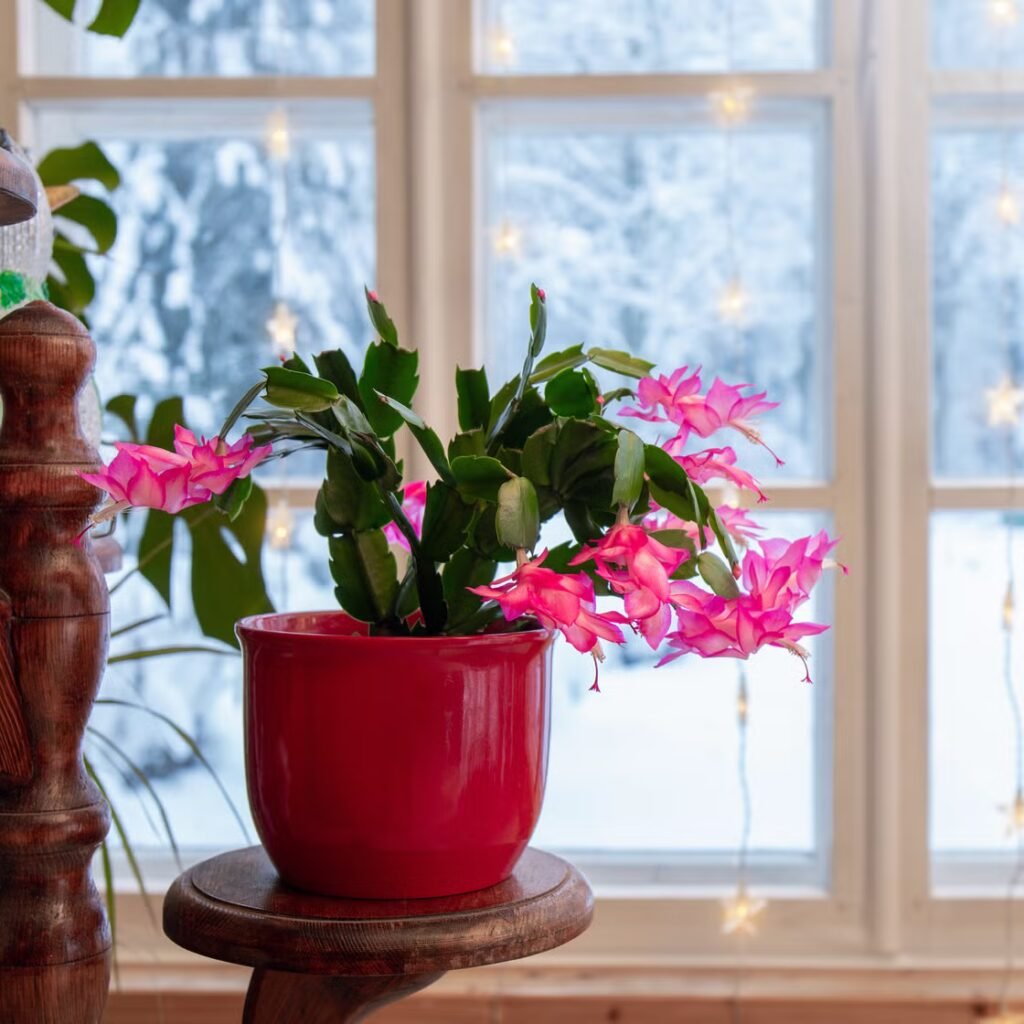
  • Seasonal Blooms: True to its name, it typically flowers during the winter holidays, providing bright pink, red, or white blooms.
  • Epiphytic Nature: Unlike desert cacti, it grows in trees in its natural habitat, which means it prefers indirect light and well-draining soil.
  • Long Lifespan: With proper care, a Christmas cactus can live for decades and be passed down through generations.

Its beauty and low-maintenance nature make it a popular indoor plant and a meaningful holiday gift.


Choosing the Right Christmas Cactus

There are several types of Christmas cacti:

  1. Schlumbergera truncata: The classic Christmas cactus with pointed, saw-tooth leaves. Blooms in late November or December.
  2. Schlumbergera bridgesii: Known for smoother leaves and large, colorful flowers. Often blooms in early winter.
  3. Schlumbergera × buckleyi (Thanksgiving cactus): Blooms slightly earlier, around late November.

When selecting a plant, look for healthy foliage, vibrant leaves without spots, and strong root systems. Avoid plants with yellowing leaves or signs of disease.


Planting and Soil Requirements

Christmas cacti prefer soil that mimics their natural epiphytic environment.

Steps for Proper Planting:

  1. Use well-draining soil: A mix of cactus soil, peat moss, and perlite works best. Avoid garden soil as it can retain too much moisture.
  2. Choose the right pot: Use a pot with drainage holes. Terracotta or ceramic pots are ideal as they allow airflow and prevent root rot.
  3. Repotting: Christmas cacti benefit from repotting every 2–3 years to refresh the soil and provide room for root growth.

Light Requirements

Unlike desert cacti, Christmas cacti prefer indirect, bright light.

  • Indoor Placement: Place near an east-facing or north-facing window for filtered sunlight.
  • Avoid Direct Sunlight: Harsh sunlight can burn leaves and cause fading.
  • Rotate the Plant: Rotate the plant occasionally to ensure even growth.

Proper lighting encourages healthy foliage and abundant flowering.


Watering Guidelines

Watering is crucial for Christmas cactus care. Both overwatering and underwatering can stress the plant.

  • Water Moderately: Allow the top inch of soil to dry before watering again.
  • Reduce Watering in Fall: About 6–8 weeks before blooming, slightly reduce watering to encourage flower bud formation.
  • Use Room Temperature Water: Avoid cold water, which can shock the roots.
  • Humidity Matters: Christmas cacti prefer 50–60% humidity. Mist occasionally or place a humidity tray nearby.

Temperature Requirements

Temperature affects both growth and blooming:

  • Ideal Range: 60–70°F (15–21°C) during the day, slightly cooler at night.
  • Flower Induction: Cooler night temperatures (50–55°F / 10–13°C) for 6–8 weeks help trigger flowering.
  • Avoid Heat Stress: Keep away from heaters or cold drafts, which can damage buds and leaves.

Fertilization

A balanced feeding schedule ensures healthy growth and blooms.

  • Use a Cactus Fertilizer: Low in nitrogen and high in phosphorus encourages flowering.
  • Feed Monthly: During spring and summer, feed every 4 weeks. Reduce fertilization during fall and winter to allow natural blooming cycles.
  • Avoid Over-Fertilizing: Too much nitrogen causes lush foliage at the expense of flowers.

Pruning and Maintenance

Pruning helps maintain shape and encourages branching, leading to more blooms.

Steps for Pruning:

  1. Trim sections of the stems after flowering ends.
  2. Leave at least 2–3 segments per stem for healthy regrowth.
  3. Use sterilized scissors or pruners to avoid infection.

Regular pruning also removes damaged or dead leaves, keeping the plant tidy and healthy.


Propagation Techniques

Christmas cacti are easy to propagate from stem cuttings:

Steps for Propagation:

  1. Take a 2–3 segment cutting from a healthy parent plant.
  2. Allow the cutting to dry for 24 hours to form a callus.
  3. Plant in a moist, well-draining soil mix.
  4. Keep in bright, indirect light and water sparingly.
  5. Roots develop in 2–3 weeks, and new growth will appear within a month.

Propagation is a simple way to expand your collection or share plants with friends.


Encouraging Blooms

Flowering is the most rewarding aspect of Christmas cactus care. To maximize blooms:

  • Follow a Light-Dark Cycle: Reduce light to 12–14 hours of darkness per day for 6–8 weeks before bloom season.
  • Maintain Cool Nights: Nighttime temperatures of 50–55°F (10–13°C) help initiate flower buds.
  • Avoid Stress: Do not move or disturb the plant when buds are forming; sudden changes can cause bud drop.

Common Problems and Solutions

Even with care, Christmas cacti can encounter issues:

  1. Bud Drop: Caused by sudden changes in temperature, light, or watering. Solution: Keep conditions consistent.
  2. Yellowing Leaves: Often a sign of overwatering or poor drainage. Solution: Reduce water and check soil.
  3. Pests: Mealybugs and spider mites may appear. Solution: Remove manually or treat with neem oil.
  4. No Flowers: Often due to insufficient darkness or high nitrogen fertilization. Solution: Adjust light exposure and feeding schedule.

Seasonal Care Updates

Spring and Summer: Focus on growth. Water moderately, provide bright indirect sunlight, and fertilize monthly.

Fall: Reduce watering slightly and provide longer nights (12–14 hours darkness) to induce flower buds.

Winter (Bloom Season): Maintain cooler night temperatures, water sparingly, and enjoy the vibrant flowers. Avoid moving the plant, as stress may cause buds to drop.

Post-Bloom: After flowering, prune lightly and resume normal watering and fertilization to prepare for the next season.


Indoor Display Tips

Christmas cacti make beautiful indoor plants and holiday décor:

  • Place on a windowsill with indirect sunlight.
  • Rotate periodically for even growth.
  • Use decorative pots that complement home décor.
  • Combine with other seasonal plants for a festive indoor garden.

Conclusion

Growing a Christmas cactus is a rewarding experience that combines the beauty of flowers with the charm of a low-maintenance succulent. By understanding its unique needs—proper soil, moderate watering, indirect light, controlled temperatures, and occasional pruning—you can enjoy vibrant blooms year after year.

With patience and consistent care, your Christmas cactus can become a treasured plant that graces your home every holiday season. Whether for gifting or personal enjoyment, this plant’s colorful flowers and lush foliage are a true celebration of nature’s beauty.

By following this complete care guide, you’re now equipped to grow and maintain a healthy, blooming Christmas cactus like a seasoned gardener.

The Secret to Long-Lasting Blooms: Care Tips for Flowers That Stay Vibrant for 30–40 Days

The Secret to Long-Lasting Blooms: Care Tips for Flowers That Stay Vibrant for 30–40 Days

Few things brighten up a home or garden like flowers in full bloom. But nothing is more frustrating than seeing those blooms fade within a few days. What if you could enjoy a flower that stays vibrant and healthy for 30–40 days? In this guide, we’ll explore everything you need to know to care for long-lasting flowers, from planting tips to watering schedules, sunlight requirements, and common issues—complete with real-life updates for optimal results.


Why Some Flowers Last Longer Than Others

Flowers differ significantly in their bloom longevity. While some blooms last only a day or two, certain varieties—like marigolds, zinnias, geraniums, and hibiscus—can maintain their vibrant petals for over a month under the right conditions.

The longevity of a flower depends on:

  • Plant species and variety: Some are naturally long-blooming.
  • Environmental conditions: Sunlight, temperature, and humidity affect bloom duration.
  • Care routine: Proper watering, fertilization, and pruning can extend bloom life.

By understanding these factors, you can maximize the flowering period of your plants and enjoy beautiful, fresh blooms for weeks on end.

Choosing the Right Flower for Long Blooms

When aiming for 30–40 day blooms, choosing the right species is crucial. Some popular long-lasting flowers include:

  1. Marigolds (Tagetes): Known for their bright yellow and orange blooms, marigolds can stay vibrant for over a month. They are hardy and relatively low maintenance.
  2. Zinnias: With their wide range of colors, zinnias are perfect for continuous blooms in sunny locations.
  3. Hibiscus: Tropical hibiscus varieties can produce stunning flowers that last up to 40 days with proper care.
  4. Geraniums: These classic flowers thrive in both pots and gardens, producing consistent blooms.

Selecting a flower suited to your climate and sunlight availability will significantly increase your chances of enjoying long-lasting blooms.


Planting and Soil Preparation

Healthy flowers start with healthy soil. Proper soil preparation ensures strong roots and abundant blooms.

Steps for Optimal Planting:

  1. Choose well-draining soil: Flowers that bloom for long periods require soil that doesn’t retain excess water.
  2. Use organic compost: Enrich the soil with compost or well-rotted manure to provide essential nutrients.
  3. Select the right container: If planting in pots, ensure they have drainage holes. Clay pots are ideal as they allow airflow and prevent waterlogging.
  4. Plant at the correct depth: For most flowering plants, the base of the stem should sit slightly above soil level to avoid stem rot.

Healthy soil sets the foundation for strong, long-lasting blooms.


Watering Tips for Long-Lasting Blooms

Watering is one of the most critical factors in extending flower life. Both overwatering and underwatering can shorten the bloom period.
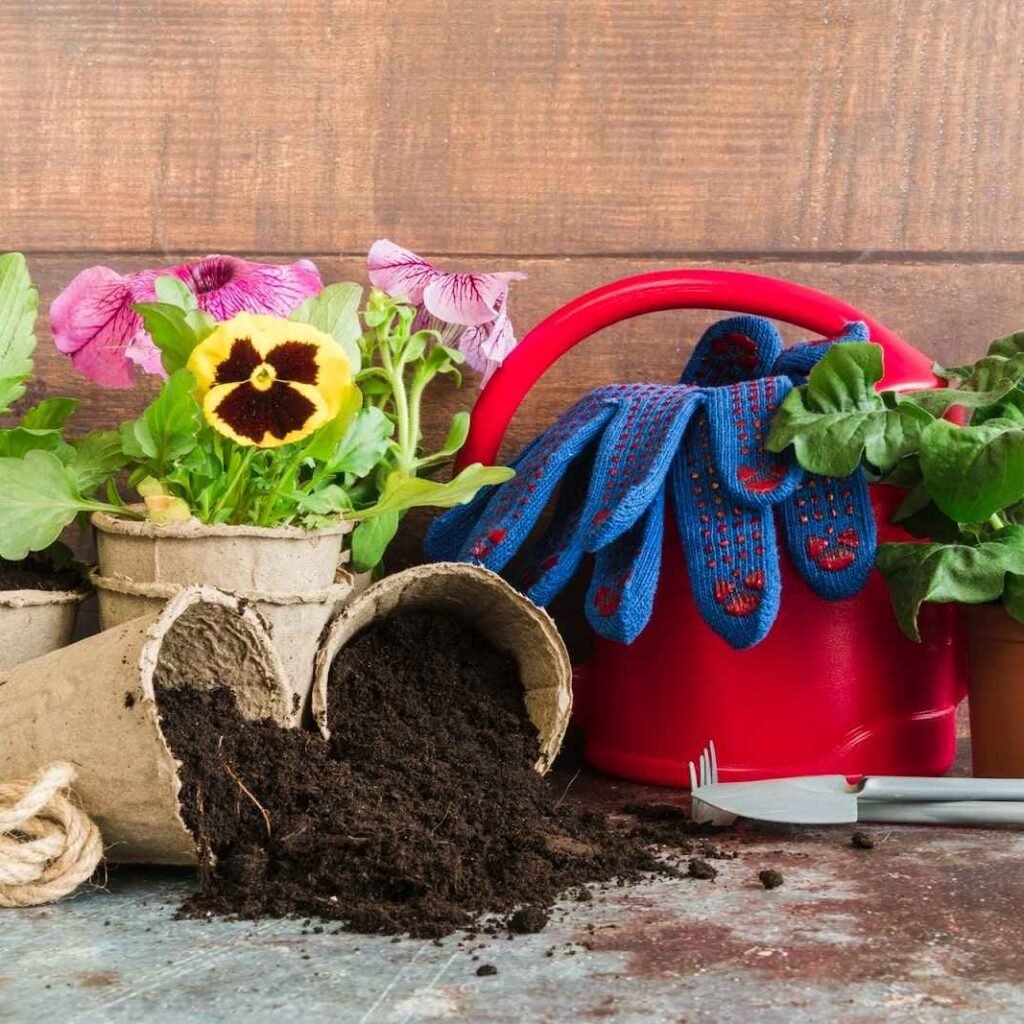
Guidelines for Proper Watering:

  • Consistency is key: Keep the soil slightly moist but never soggy.
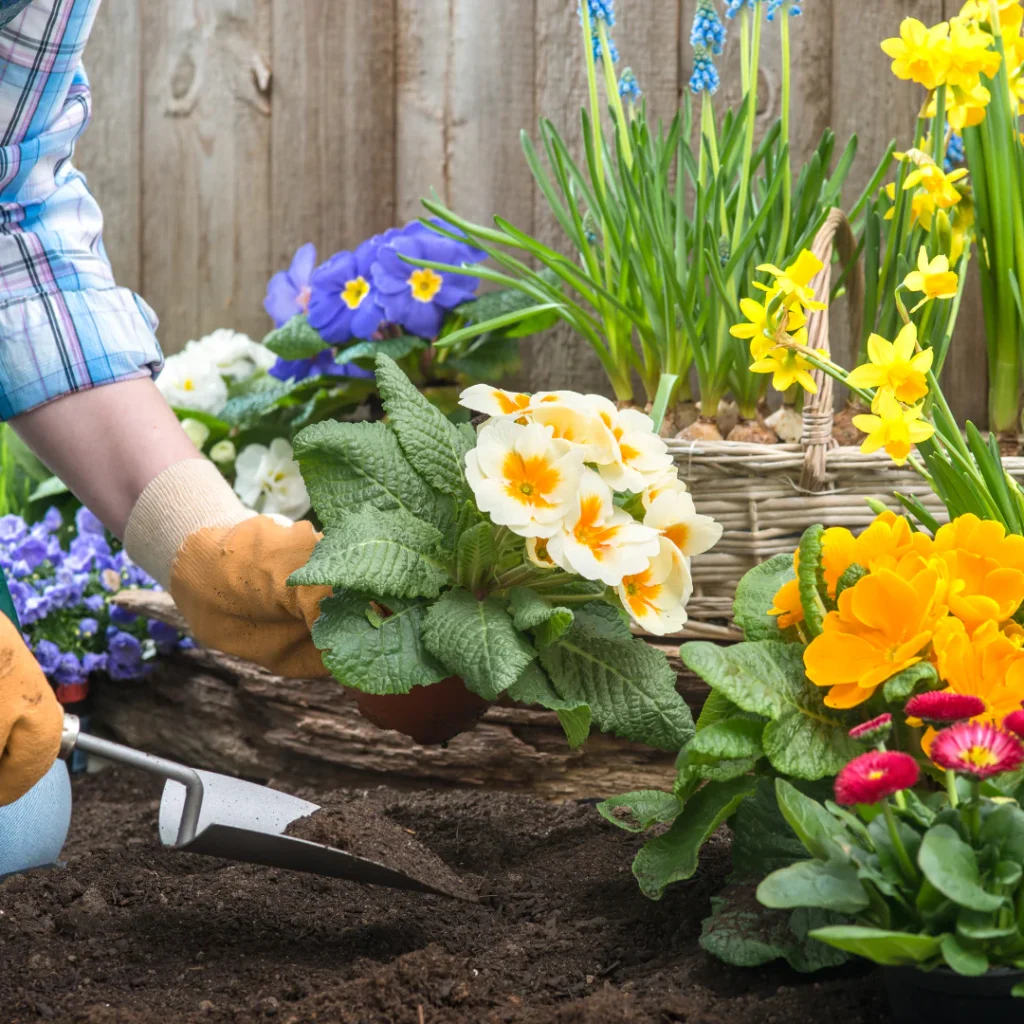
  • Water early in the day: This allows leaves to dry before nightfall, reducing the risk of fungal infections.
  • Adjust according to weather: In hot, dry climates, water more frequently; during rainy periods, reduce watering.
  • Avoid wetting the blooms: Water at the base of the plant to keep flowers dry and prevent premature fading.

Using these watering techniques will help your flowers remain vibrant for weeks.


Sunlight Requirements

Long-lasting flowers need the right amount of sunlight to produce and maintain blooms. Most long-blooming varieties thrive in full to partial sunlight.

  • Full Sun (6–8 hours daily): Ideal for marigolds, zinnias, and hibiscus.
  • Partial Sun (4–6 hours daily): Suitable for geraniums and some hibiscus varieties.
  • Avoid excessive shade: Insufficient sunlight can cause weak stems, poor bloom production, and shorter flower life.

Position your flowers according to their sunlight needs, and rotate pots if necessary to ensure even exposure.


Fertilization for Extended Bloom Life

Regular feeding supports long-lasting blooms. Use a balanced fertilizer to provide essential nutrients for strong stems, vibrant petals, and continuous flowering.

Fertilization Tips:

  • Use bloom-boosting fertilizers: Look for fertilizers high in phosphorus (the middle number in NPK ratios).
  • Feed every 2–3 weeks: Avoid over-fertilizing, which can lead to leaf growth at the expense of flowers.
  • Water after fertilizing: This helps nutrients penetrate the soil and reach the roots efficiently.

Consistent feeding ensures your plants remain healthy and continue to produce flowers for 30–40 days.


Pruning and Deadheading

Pruning and deadheading are essential techniques for long-lasting flowers. Deadheading is the process of removing spent blooms, which encourages the plant to produce new flowers instead of seeds.

Steps for Effective Deadheading:

  1. Use clean, sharp scissors or pruners.
  2. Cut the faded flower at its base, close to the stem.
  3. Remove any damaged or yellowing leaves to improve airflow and reduce disease.

Pruning not only improves the appearance of your plant but also extends its flowering period.


Pest and Disease Management

Long-blooming flowers are more prone to pests due to their extended exposure. Regular inspection and preventive care are crucial.

Common Pests: Aphids, whiteflies, and spider mites.
Solutions:

  • Spray with mild insecticidal soap or neem oil.
  • Remove heavily infested leaves to prevent spread.
  • Encourage beneficial insects like ladybugs.

Common Diseases: Powdery mildew, root rot, and fungal infections.
Prevention Tips:

  • Avoid overhead watering.
  • Ensure good airflow around plants.
  • Use fungicides if necessary for persistent fungal issues.

Real-Life Care Updates for Optimal Flower Longevity

Recent updates from gardeners show that following a simple weekly care routine can significantly extend bloom life:

  • Week 1–2: Focus on acclimating newly planted flowers to sunlight, water lightly, and monitor for stress.
  • Week 3–4: Begin regular fertilization and deadheading. Monitor for pests.
  • Week 5–6: Adjust watering based on soil moisture and environmental conditions. Continue pruning spent blooms.
  • Continuous: Rotate pots for even sunlight exposure, remove yellowing leaves, and maintain a consistent care routine.

By following these updates, many gardeners report flowers remaining vibrant and healthy for 30–40 days, delighting both the eye and the home atmosphere.


Tips for Indoor and Container Gardening

If you are growing long-lasting flowers indoors or in containers:

  • Place pots near sunny windows for 6–8 hours of indirect sunlight.
  • Use lightweight, well-draining potting mix.
  • Rotate pots regularly to ensure even light distribution.
  • Keep indoor humidity moderate; too much moisture can encourage fungal growth.

Indoor container gardening allows you to enjoy these blooms all year round, with the same long-lasting results.


Conclusion

A flower that lasts for 30–40 days is a gardener’s dream. By choosing the right species, preparing the soil carefully, watering consistently, providing optimal sunlight, fertilizing regularly, and practicing pruning and pest management, you can enjoy vibrant blooms for weeks.

With patience and consistent care, your flowers will not only brighten your surroundings but also become a source of joy and relaxation. Whether in your garden, balcony, or home, long-lasting blooms are achievable—and with these tips and updates, you’ll be able to enjoy them like a pro.

Start planting today, follow this guide, and experience the beauty of flowers that truly go the distance.

Master Succulent Propagation: The Complete Guide to Growing Your Succulent Garden Like a Pro

Master Succulent Propagation: The Complete Guide to Growing Your Succulent Garden Like a Pro

Succulents are among the most rewarding plants to grow, thanks to their low maintenance, striking shapes, and adaptability. However, what truly excites plant enthusiasts is propagating them—turning a single plant into a thriving collection. Whether you are a beginner or an experienced gardener, learning how to propagate succulents like a pro can transform your plant hobby into a satisfying, creative, and cost-effective venture. This comprehensive guide will walk you through everything you need to know about succulent propagation, step by step.

Why Propagate Succulents?

Propagating succulents isn’t just about expanding your collection—it’s also about developing patience, understanding plant biology, and experimenting with different methods to find what works best. Propagation allows you to:

  1. Save Money: Instead of buying new plants, you can grow them from your existing collection.
  2. Preserve Rare Varieties: Some succulents are hard to find in nurseries. Propagation ensures you can enjoy and share rare varieties.
  3. Experiment with Creativity: By propagating succulents, you can experiment with arrangements, pot designs, and landscape projects.
  4. Enhance Your Gardening Skills: Propagation teaches you the nuances of plant care, soil types, and watering schedules.

Understanding Succulent Propagation Methods

There are three primary ways to propagate succulents: leaf cuttings, stem cuttings, and offsets/pups. Each method has its unique process and suitability depending on the type of succulent.

1. Leaf Cuttings

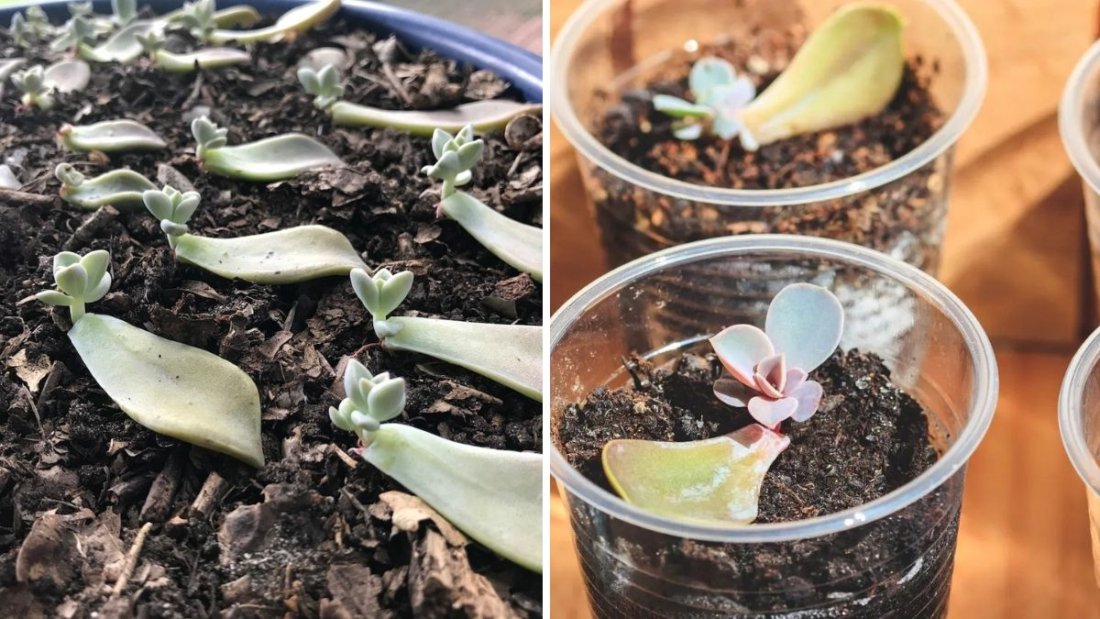
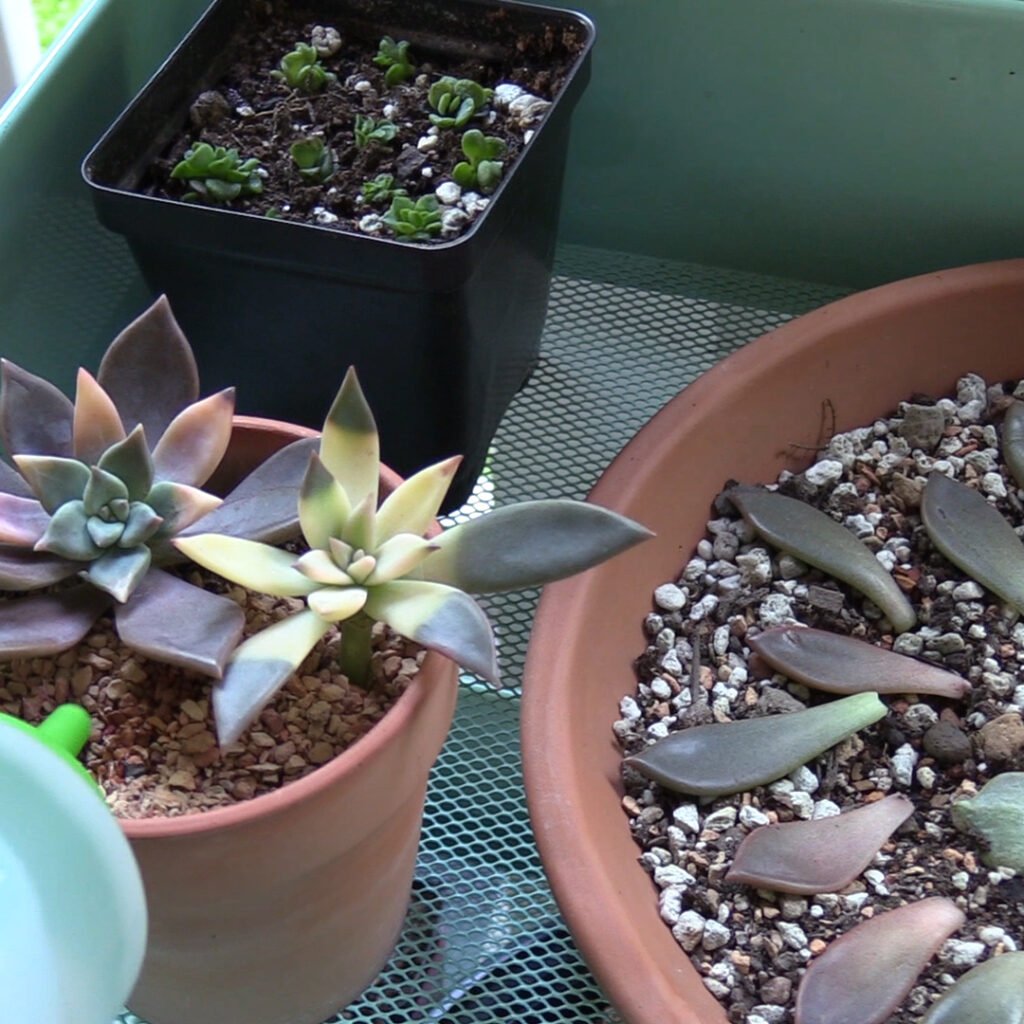
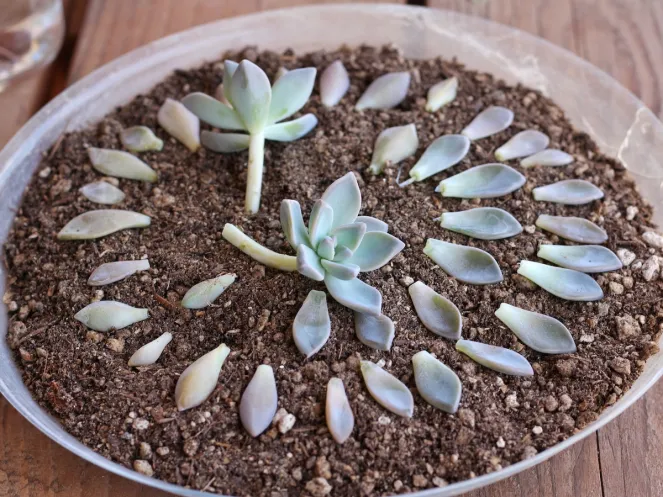
Leaf propagation is one of the easiest and most popular methods. This works best for succulents like Echeveria, Graptopetalum, and Sedum.

Steps:

  1. Gently twist a healthy leaf from the base of the plant, ensuring the entire leaf comes off.
  2. Allow the leaf to dry for a few days until the cut end forms a callus. This helps prevent rotting.
  3. Place the leaf on top of well-draining soil, without burying it.
  4. Mist the leaf lightly every few days. Avoid overwatering.
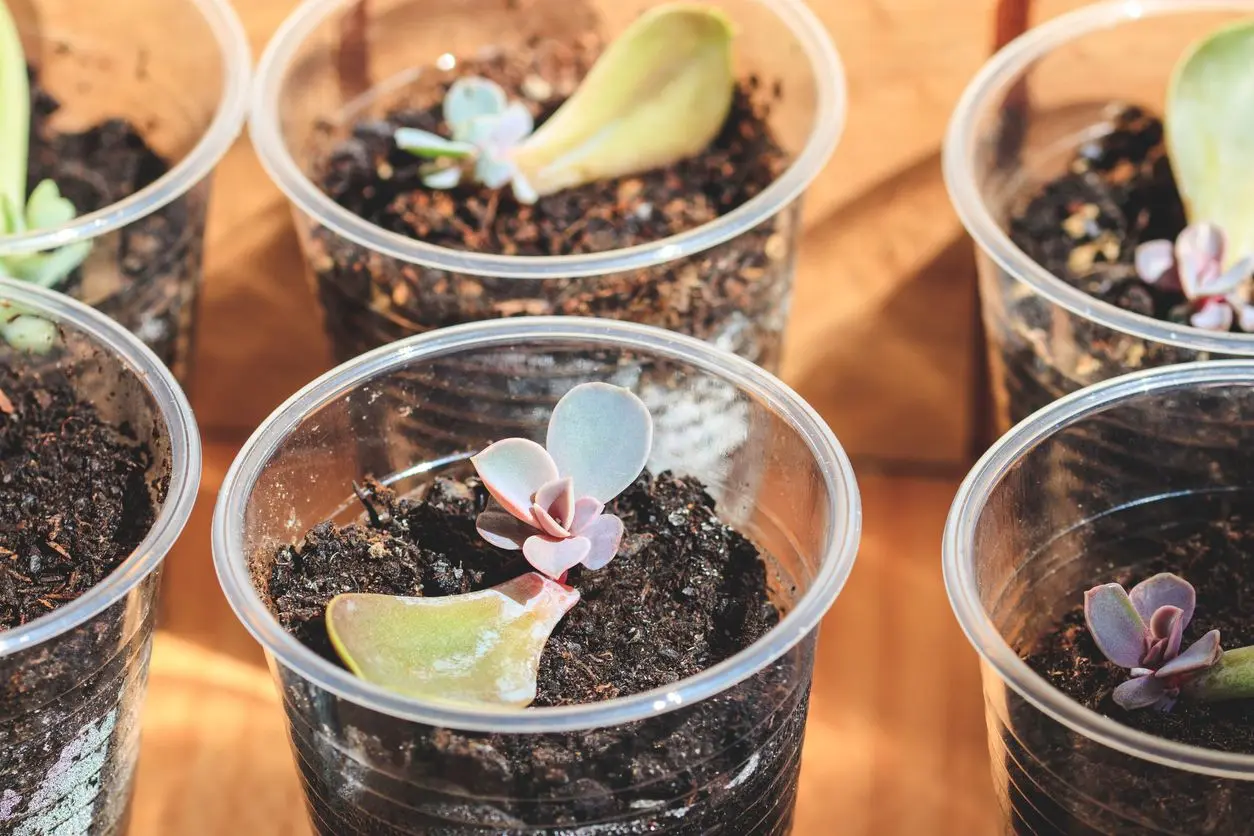
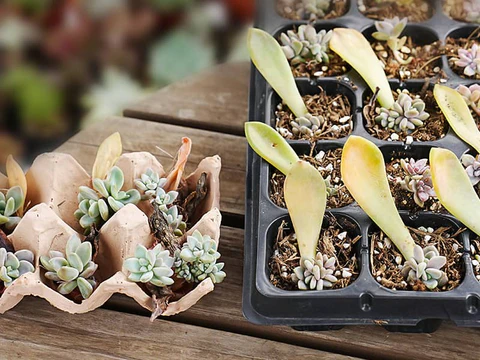
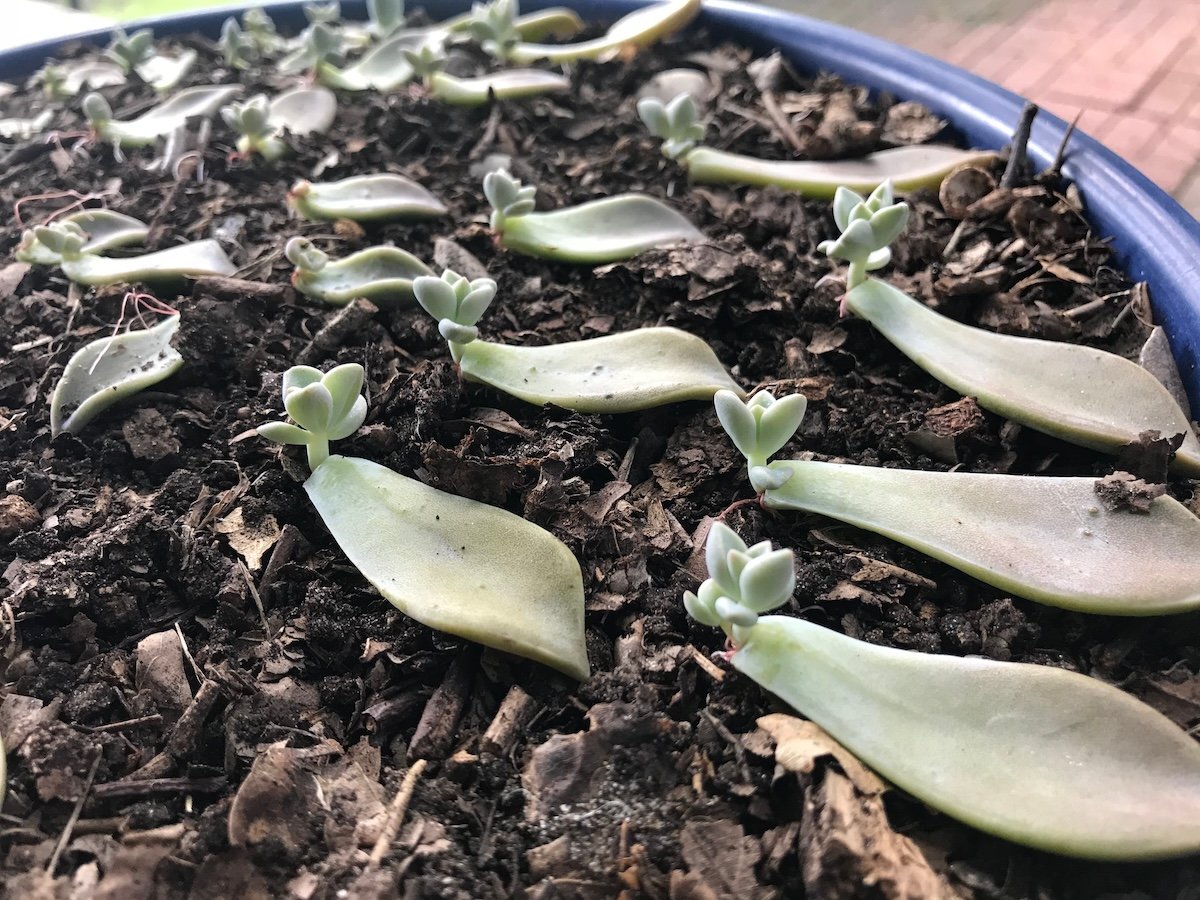
  5. Within a few weeks, roots and tiny baby plants will start to form.

Tips for Success:

  • Use bright, indirect light.
  • Avoid waterlogging; too much moisture can cause the leaf to rot.
  • Be patient—some leaves take longer to sprout than others.

2. Stem Cuttings

Stem propagation works well for succulents like Crassula, Kalanchoe, and Aeonium. It’s particularly effective for plants with long, leggy growth.

Steps:

  1. Cut a healthy stem from the parent plant with a sterilized knife.
  2. Remove the lower leaves to expose a few inches of the stem.
  3. Allow the cutting to callus for several days.
  4. Plant the stem in well-draining soil, and water sparingly.
  5. Roots will begin to form within a few weeks, and new growth will appear at the top.

Tips for Success:

  • Ensure the cutting is healthy and free of pests or disease.
  • Position in bright but indirect sunlight.
  • Avoid overwatering during the initial rooting period.

3. Offsets (Pups)

Some succulents, like Aloe, Haworthia, and Agave, naturally produce offsets, also known as pups. This is the fastest method for propagation.

Steps:

  1. Gently remove the pup from the base of the parent plant, making sure it has some roots attached.
  2. Let the pup dry for a day or two to form a callus.
  3. Plant in a separate pot with well-draining soil.
  4. Water lightly and gradually increase as roots establish.

Tips for Success:

  • Remove any damaged leaves before planting.
  • Avoid planting directly in heavy or water-retentive soil.
  • Ensure proper airflow to prevent fungal infections.

Choosing the Right Soil and Containers

A crucial factor in successful propagation is the soil and container. Succulents require well-draining soil to prevent root rot. A mix of cactus soil, sand, and perlite works best. Avoid regular garden soil as it retains too much moisture.

Containers with drainage holes are essential. Terracotta pots are ideal because they absorb excess moisture and provide airflow. Shallow containers work best for leaf cuttings, while deeper pots support stem cuttings and pups.


Watering and Light Tips

Watering is the trickiest part of succulent propagation. Here’s how to do it correctly:

  • During the Callus Stage: Avoid watering. Let cuttings dry completely.
  • After Planting: Water lightly once roots start forming, usually after 2–4 weeks.
  • Avoid Overwatering: Too much water can cause rot and fungal infections.

Light is equally important:

  • Provide bright, indirect sunlight for new cuttings.
  • Avoid harsh direct sunlight, which can burn tender leaves.
  • Once roots are established, gradually introduce them to more sunlight.

Common Problems and How to Solve Them

Even experienced gardeners face challenges when propagating succulents. Here are some common issues and solutions:

  1. Leaf Rot: Caused by excess water. Solution: Reduce watering, improve soil drainage.
  2. Leggy Growth: Caused by insufficient light. Solution: Move the plant to a brighter area.
  3. Slow Rooting: Some succulents take longer to root. Solution: Be patient and maintain proper humidity and light.
  4. Pests: Aphids, mealybugs, and fungus gnats may attack young plants. Solution: Inspect regularly and use natural insecticides if needed.

Advanced Tips for Pro-Level Propagation

Once you’re comfortable with the basics, you can try some advanced techniques:

  • Grafting: Combine two succulent species for unique shapes and colors.
  • Water Propagation: Some succulents can root in water before being transferred to soil.
  • Propagation Towers: Create vertical succulent arrangements using stacked cuttings.
  • Propagation Journals: Track progress for each plant to understand what works best.

Conclusion

Propagating succulents is both an art and a science. By understanding the different methods, using proper soil and containers, and carefully managing water and light, you can multiply your succulent collection like a pro. Start small with a few cuttings or pups, and as your confidence grows, experiment with new techniques to create a lush, thriving garden. Remember, patience is key—succulents may grow slowly, but the reward is a beautiful, diverse collection you nurtured yourself.

With these tips, tricks, and techniques, you’re ready to propagate succulents like a professional. Whether for your home, garden, or gifts, your succulent propagation skills will ensure that your green thumb shines brightly!

Home Bloom Magic: The Ultimate Beginner’s Guide to Growing Flower Plants at Home (Full Step-by-Step Guide!)

Home Bloom Magic: The Ultimate Beginner’s Guide to Growing Flower Plants at Home (Full Step-by-Step Guide!)

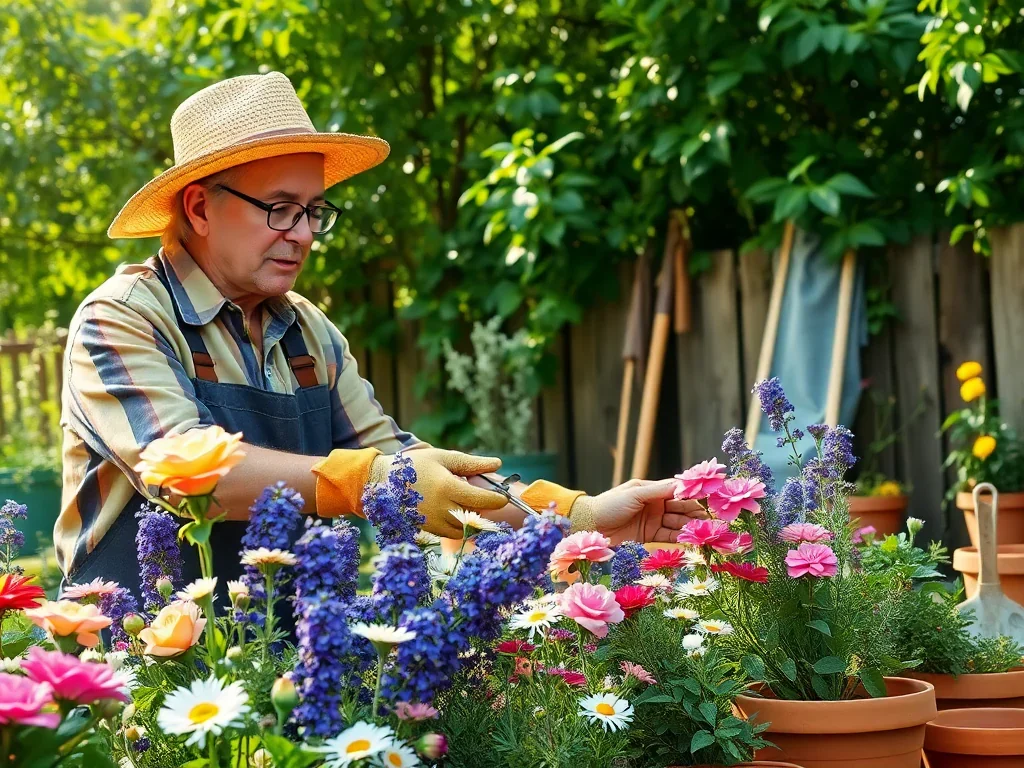
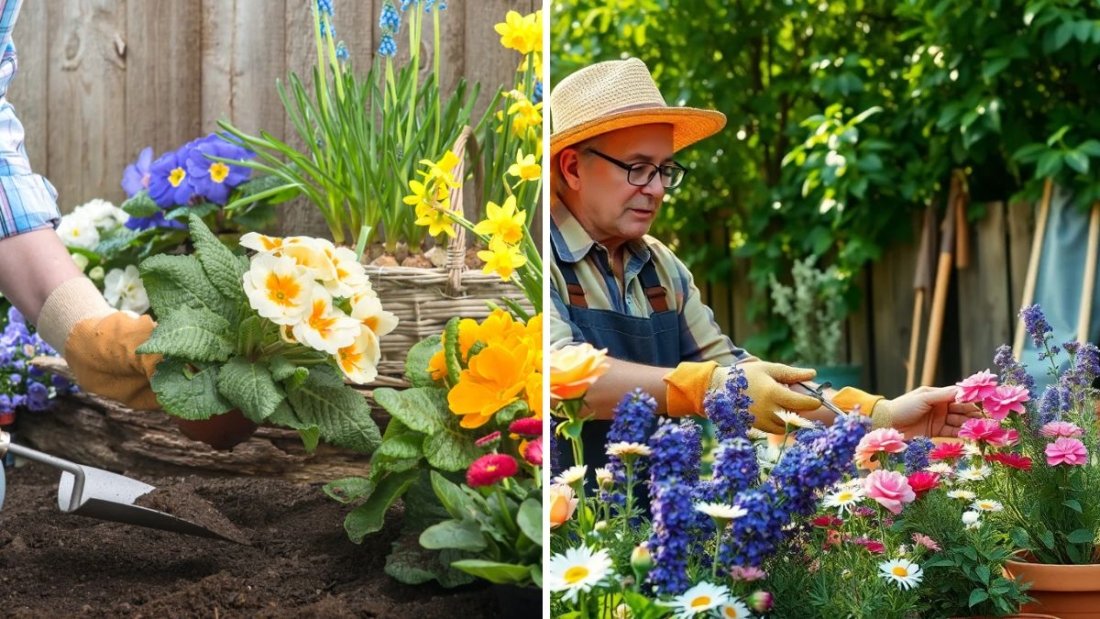
Growing flower plants at home is one of the most rewarding hobbies you can start—whether you’re doing it for beautiful balcony décor, home fragrance, relaxation, or simply the joy of watching something you planted bloom with life. The best part? You don’t need a huge garden, expensive tools, or expert knowledge. With the right guidance, anyone can grow vibrant, healthy flower plants at home—on balconies, windowsills, terraces, or small backyard spaces.

This complete guide walks you through everything you need to know: choosing the right flowers, preparing soil, planting, caring, troubleshooting problems, and ensuring long-lasting blooms.


Why You Should Start Growing Flowers at Home

Before diving into the steps, here’s why home gardeners love growing flowering plants:

  • Instant Beauty – Flowers brighten up your space instantly.
  • Stress Relief – Gardening is scientifically proven to reduce stress.
  • Purifies Air – Many flowering plants improve air quality.
  • Cost-Effective – You can grow dozens of flowers from inexpensive seeds or cuttings.
  • Supports Nature – Flowers attract bees, butterflies, and pollinators.

Now, let’s grow your own mini flower garden!


Step 1: Choose the Right Flower Plants for Home Gardening

Your success starts with choosing plants that suit your space, climate, and sunlight conditions.

For Full Sunlight (5–6 hours daily):

  • Marigold
  • Zinnia
  • Petunia
  • Portulaca
  • Sunflower
  • Verbena
  • Gaillardia

For Partial Sun to Shade:

  • Begonia
  • Impatiens
  • Pansy
  • Hydrangea
  • Kalanchoe

Beginner-Friendly (Low-Maintenance) Choices:

  • Marigold
  • Portulaca
  • Zinnia
  • Kalanchoe
  • Verbena
  • Nasturtium

If you are a beginner, start with Marigold, Zinnia, or Verbena because they grow fast and bloom heavily with minimal care.


Step 2: Choose the Right Pot or Container

Flower plants grow well in almost any container—as long as it has good drainage holes.

Ideal container size:

  • Small flowers: 6–8 inch pot
  • Bushy plants: 10–12 inch pot
  • Spreading flowers: Wide and shallow pot

Best container materials:

  • Plastic pots (lightweight, affordable)
  • Terracotta pots (great airflow)
  • Ceramic pots (decorative but heavy)

Drainage is crucial because stagnant water causes root rot. Add small stones at the bottom for extra drainage.


Step 3: Prepare the Perfect Potting Soil

Flower plants need loose, airy, nutrient-rich soil.

Best potting mix recipe for flowering plants:

  • 40% Garden soil
  • 30% Compost or cow dung manure
  • 20% Cocopeat
  • 10% Perlite or sand

This mix keeps soil:

  • Well-drained
  • Moist but not soggy
  • Rich in nutrients

Add a handful of neem powder or crushed charcoal to protect roots from fungus.


Step 4: Planting Your Flower Plants (Seeds, Seedlings, or Cuttings)

You can grow flowers in three ways:


A. Growing Flowers from Seeds

  1. Fill small cups or seedling trays with potting mix.
  2. Sprinkle seeds lightly—do not bury them deeply.
  3. Mist with water to avoid disturbing seeds.
  4. Keep the tray in indirect light.
  5. Seeds germinate in 5–10 days depending on variety.

Once seedlings have 2–3 true leaves, transplant them into bigger pots.


B. Growing Flowers from Nursery Seedlings

  1. Gently remove the seedling from its polybag.
  2. Place it in the center of the pot.
  3. Fill soil around roots and press lightly.
  4. Water properly and keep in shade for 2 days.

C. Growing Flowers from Cuttings (Kalanchoe, Verbena, Begonia, etc.)

  1. Take a 4–5 inch healthy cutting.
  2. Remove bottom leaves.
  3. Dip in rooting hormone (optional).
  4. Plant in moist, sandy soil mix.
  5. Keep in shade until roots develop in 10–15 days.

Step 5: Watering Your Flower Plants the Right Way

Watering is the key to healthy flowers.

General Watering Rules:

  • Water only when the top 1 inch of soil feels dry.
  • Avoid overwatering—it is the #1 reason flower plants die.
  • Water early morning or evening.
  • Reduce watering in winter.

Plants that love LESS water:

  • Portulaca
  • Verbena
  • Kalanchoe
  • Succulent-type flowering plants

Plants that love MORE water:

  • Petunia
  • Marigold
  • Zinnia
  • Hydrangea

Step 6: Give Proper Sunlight

Most flowering plants need plenty of sunlight to bloom well.

Best light conditions:

  • Summer flowers: full sunlight
  • Winter flowers: mild sunlight
  • Shade-loving flowers: indirect light

If your balcony gets less sun, choose Begonias, Impatiens, or Kalanchoe.


Step 7: Fertilizing for More Flowers

Flower plants bloom heavily when fed well.

Best organic fertilizers for flowering:

  • Compost
  • Cow dung manure
  • Mustard cake fertilizer
  • Banana peel fertilizer
  • Seaweed extract

For boosting heavy blooming:

Use once every 15 days:

  • NPK 0-10-10
  • Bone meal
  • Potash-rich fertilizer

Avoid giving too much nitrogen—it causes leaf growth instead of flowers.


Step 8: Pruning & Pinching for Bushy Growth

To encourage more flowers:

  • Pinch off the top growing tip when the plant is young.
  • Remove dead or dry flowers (deadheading).
  • Cut back long, straggly stems.

This helps the plant produce more branches → more flowers.


Step 9: Protecting from Pests & Diseases

Common pests in flowering plants:

  • Aphids
  • Mealybugs
  • Whiteflies
  • Spider mites

Natural pest control:

  • Neem oil spray (every 10–15 days)
  • Soap water spray
  • Garlic-chili homemade pesticide

Avoid overwatering to prevent fungal infections.


Step 10: Useful Tips for More Blooms

Here are secret tips used by home gardeners:

Rotate pots weekly to give even sunlight
Keep soil loose by gently scratching the top layer
Add potash-rich fertilizer before blooming season
Remove yellow leaves immediately
Avoid using garden soil alone—it becomes hard


Final Thoughts: Your Home Garden Will Bloom Beautifully!

Growing flower plants at home is simpler than it looks. With the right soil, sunlight, watering routine, and a little care, you can turn any small space into a blooming paradise. Watching your plants grow from tiny seeds or small cuttings into vibrant flowers is incredibly satisfying.

Whether it’s a balcony, terrace, windowsill, or backyard—your home garden can become a colorful, joyful space filled with fragrance and life. Just start with one pot, and you’ll soon want to grow more!