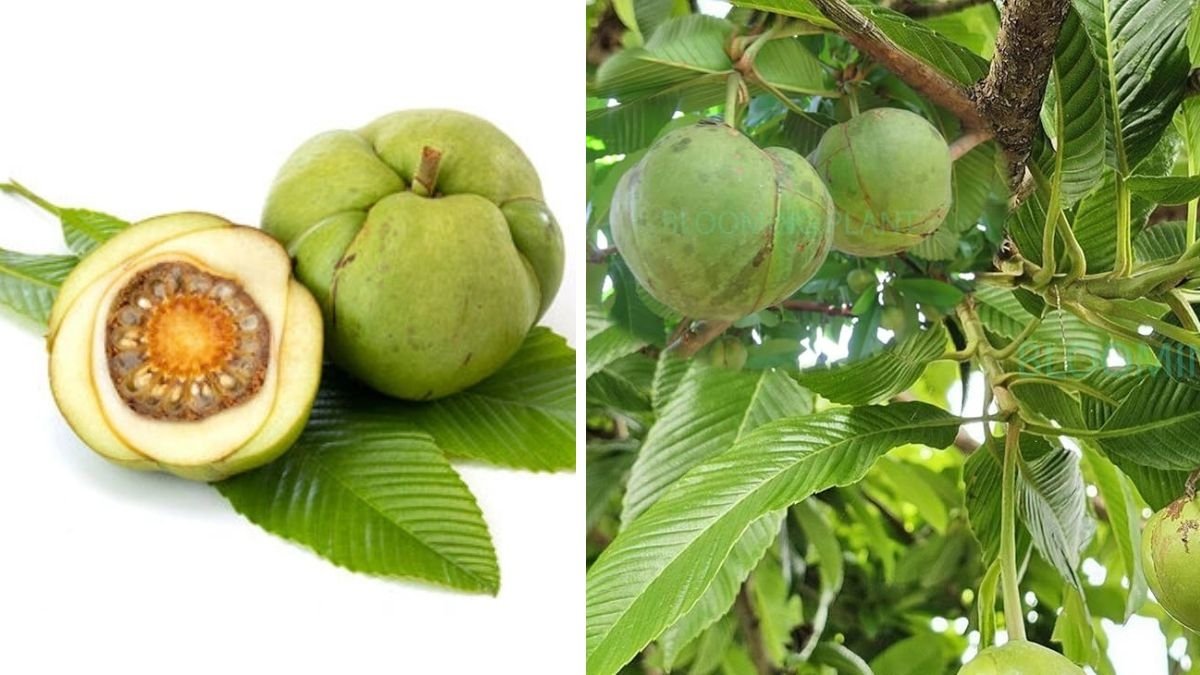
Elephant apple, scientifically known as Dillenia indica, is a unique tropical fruit native to Southeast Asia. Known for its large size, tangy flavor, and medicinal properties, this fruit has been a staple in traditional cuisine and herbal remedies for centuries. Its name—“elephant apple”—comes from its large size and the fact that elephants are known to enjoy eating it.
But when it comes to global production, which country produces the most elephant apples? In this article, we’ll explore the leading producer, why it dominates the market, and the cultural, nutritional, and economic significance of this fascinating fruit.
What is an Elephant Apple?
Elephant apple is a tropical tree that grows in forests and garden orchards. The fruit is:
- Large and round, often 5–10 cm in diameter
- Green when unripe and turns yellowish when mature
- Tart and tangy in flavor, often used in pickles, jams, chutneys, and curries
Beyond its culinary uses, elephant apple has numerous health benefits:

- Rich in vitamins C and A – boosts immunity and eyesight
- Contains antioxidants – combats free radicals
- Supports digestive health due to its high fiber content
- Used in traditional medicine to treat diabetes, inflammation, and skin issues
Elephant Apple Varieties
While there are several varieties, the most commonly cultivated type is the Dillenia indica, prized for its size and nutritional value. There are also wild varieties that grow naturally in forests and are often foraged for local consumption.
Which Country Produces the Most Elephant Apples?
India — The Global Leader in Elephant Apple Production
India is the largest elephant apple producer in the world, particularly in the northeastern and eastern regions of the country. The tree thrives in India’s tropical and subtropical climates, where rainfall is high and soil fertility supports lush growth.
- Major producing states: Assam, Meghalaya, West Bengal, Sikkim, and Arunachal Pradesh
- Production is largely for domestic consumption, although some are exported to neighboring countries.
- India dominates because of favorable climate, fertile soil, and traditional cultivation practices.
India’s northeastern states are particularly well-suited for elephant apple cultivation because the fruit naturally grows in the wild in forested areas. Farmers have increasingly started cultivating it commercially for local markets and processing industries.
Why India Excels in Elephant Apple Production
Several factors make India the largest producer of elephant apples:

1. Ideal Climate
Elephant apple trees thrive in:
- Tropical and subtropical regions
- High annual rainfall (1500–3000 mm)
- Well-drained, slightly acidic soil
- Temperatures ranging between 20°C to 30°C
India’s northeast perfectly fits these requirements, providing a natural advantage.
2. Widespread Cultivation
Traditionally, elephant apples grew in forests and tribal areas. Today, farmers cultivate them in orchards for commercial purposes:
- Backyard gardens
- Smallholder farms
- Commercial orchards
The fruit is harvested seasonally, typically from May to September, depending on the region.
3. Economic Significance
Elephant apples have significant economic value in India:
- Used in pickles, jams, chutneys, and sauces
- Sold fresh in local markets
- Provides employment to rural communities in harvesting and processing
Processing elephant apples into value-added products has created small-scale industries in northeastern India, providing additional income streams for farmers.
4. Cultural Importance
Elephant apples hold cultural significance in many parts of India:
- Used in traditional dishes during festivals
- Considered a natural remedy in Ayurveda and traditional medicine
- Often featured in religious rituals and offerings
This cultural attachment ensures continued cultivation and consumption.

Other Elephant Apple-Producing Countries
While India leads, elephant apples are also found in:
Bhutan
- Grows wild in forested regions
- Used for pickles and chutneys locally
- Limited commercial production
Bangladesh
- Produced mainly in hilly, forested areas
- Consumed fresh or processed locally
Thailand and Myanmar
- Found in tropical forests
- Primarily for local consumption
India surpasses all other countries in terms of production volume due to organized cultivation and favorable natural conditions.
Uses of Elephant Apples
Elephant apples are extremely versatile:
1. Culinary Uses
- Pickles and Chutneys – Tangy flavor adds zest to meals
- Jams and Preserves – Sweet and sour taste works well in spreads
- Curries and Sauces – Often cooked with spices in traditional dishes
- Fresh Consumption – Sliced and salted as a snack
2. Medicinal Uses
- Digestive Aid – High fiber promotes gut health
- Anti-inflammatory – Used in traditional medicine for arthritis
- Diabetes Management – Fruit extract used in some herbal remedies
- Skin Care – Applied in pastes to treat wounds and rashes
3. Ornamental and Environmental Uses
- Elephant apple trees are large and leafy, providing shade
- Help in forest conservation
- Attract wildlife, including birds and elephants, which consume the fruit
Cultivation Practices for Elephant Apples
For those interested in growing elephant apples, here’s a basic overview:

1. Soil and Site Selection
- Well-drained, fertile soil
- Slightly acidic to neutral pH (5.5–7)
- Plant in areas with full sun to partial shade
2. Planting
- Trees can be grown from seeds or saplings
- Space plants 6–8 meters apart for proper growth
- Plant during the rainy season for optimal establishment
3. Watering and Fertilization
- Water regularly, especially during dry periods
- Apply organic compost or nitrogen-rich fertilizer during growth
- Mulching helps retain soil moisture
4. Pest and Disease Management
- Susceptible to fruit flies, aphids, and fungal infections
- Use organic or chemical pest control measures as needed
5. Harvesting
- Fruits are harvested when mature but still firm
- Usually 2–3 fruits per branch are left to ensure proper development
- Handle carefully to avoid bruising
Interesting Facts About Elephant Apples
- Elephants love the fruit, hence the name
- It can grow up to 30 feet tall in the wild
- The tree has beautiful large flowers that bloom in summer
- Fruit is rich in vitamin C, antioxidants, and dietary fiber
Final Answer: Largest Elephant Apple Producer
India is the largest elephant apple producer in the world, with northeastern states like Assam, Meghalaya, and West Bengal leading the way. Favorable climate, fertile soil, cultural significance, and increasing commercial cultivation make India the undisputed leader in elephant apple production.
Conclusion
Elephant apples are more than just a tangy fruit—they are culturally significant, nutritionally rich, and economically important. India’s dominance in global production ensures that the fruit is widely available for culinary, medicinal, and commercial uses.
Whether consumed fresh, pickled, or processed into jams, elephant apples are a true tropical treasure. For gardeners and farmers alike, growing elephant apples offers both a connection to tradition and a path to prosperity.

Leave A Comment