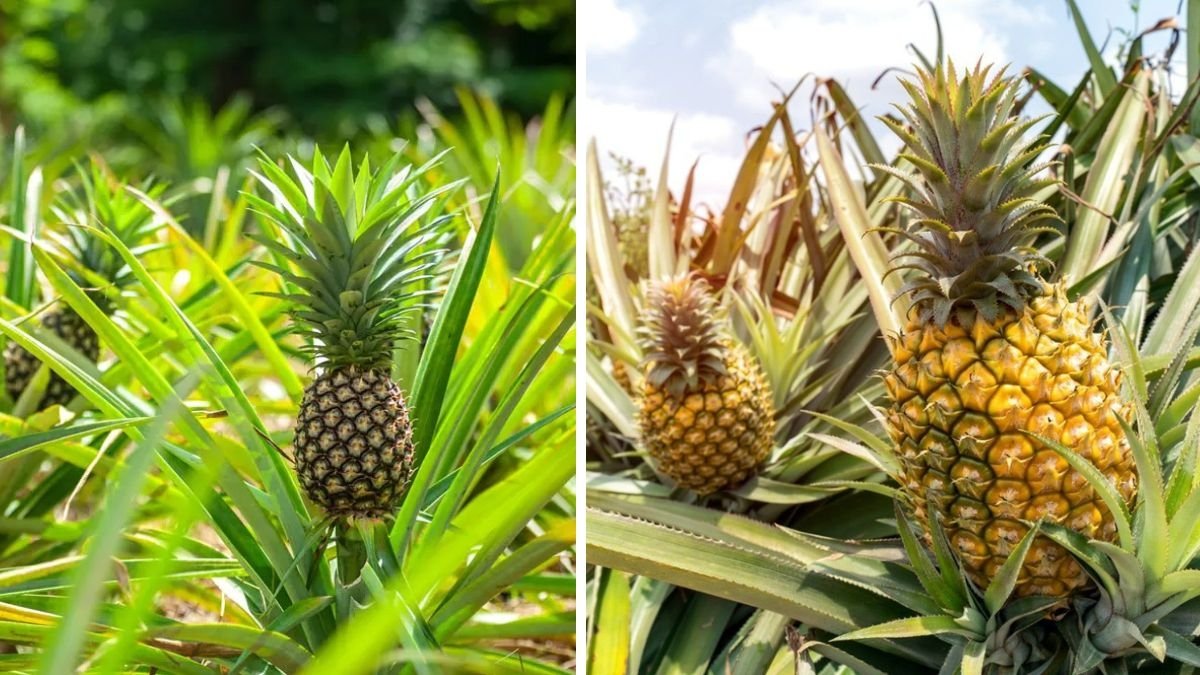
Pineapples are tropical fruits that are as delightful to eat as they are fun to grow. With their sweet, tangy flavor and spiky green crowns, pineapples can add a tropical vibe to your garden or balcony. The best part? Growing pineapples at home is surprisingly easy, even for beginners. With patience and proper care, you can cultivate your very own fresh, juicy pineapples right in your backyard or in a container.
In this complete step-by-step guide, we’ll cover everything you need to know about how to grow a pineapple plant, from selecting the fruit to harvesting your own tropical bounty.
Why Grow Pineapples at Home?
Growing pineapples at home comes with many benefits:
- Freshness and flavor: Homegrown pineapples are sweeter and more aromatic than store-bought ones.
- Cost-effective: Growing your own fruit saves money over time.
- Aesthetic appeal: Pineapple plants have long, spiky green leaves that look great in gardens or pots.
- Sustainable gardening: You control the soil, water, and chemicals used.
- Fun and rewarding: Watching a plant grow from a crown to a fruit is incredibly satisfying.
Understanding the Pineapple Plant
Pineapples belong to the Bromeliaceae family and are native to South America. They are tropical plants that thrive in warm climates, lots of sunlight, and well-draining soil. Pineapples grow from the crown of the fruit, producing a rosette of long, pointed leaves, and eventually a single fruit.
A single pineapple plant typically produces one fruit per year, but the plant can continue producing smaller “ratoon” fruits for several years.

Step 1: Selecting a Healthy Pineapple
The first step is choosing the right pineapple for planting:
- Choose a ripe, fresh fruit: Look for firm, healthy leaves at the top (crown).
- Avoid damaged crowns: Leaves should be green, not brown or dry.
- Check the base: The base should be free of mold or soft spots.
Step 2: Preparing the Pineapple Crown
Once you have a healthy pineapple, the next step is preparing the crown for planting:
- Remove the crown: Twist or cut off the top of the pineapple, leaving about 1 inch of fruit attached.
- Trim the bottom leaves: Remove 2–3 layers of leaves from the base to expose about an inch of stem.
- Dry the crown: Let it dry for 1–2 days to prevent rotting when planted.
Tip: You can also root the crown in water before planting in soil to encourage faster growth.
Step 3: Rooting the Pineapple Crown
Rooting helps the pineapple establish a strong foundation:
- Water method: Place the crown in a glass of water, submerging only the base. Change water every 2–3 days. Roots appear in 2–3 weeks.
- Soil method: Plant the dried crown in well-draining soil and water lightly. Roots will develop in 3–4 weeks.
Step 4: Choosing the Right Soil
Pineapples need well-draining soil to prevent root rot.

- Use a mix of sandy loam and organic compost
- Ensure soil is slightly acidic, with pH 4.5–6.5
- Avoid heavy clay soils
Tip: For pots, use a cactus or succulent mix for optimal drainage.
Step 5: Planting the Pineapple Crown
In the Garden:
- Dig a hole slightly larger than the crown’s base.
- Place the crown in the hole and cover the roots with soil.
- Firm the soil gently around the plant.
- Space multiple plants 30–36 inches apart.
In a Container:
- Use a large pot, at least 12 inches deep and wide
- Add drainage holes
- Fill with well-draining soil mix
- Plant the crown and water lightly
Step 6: Watering Your Pineapple Plant
Pineapples are drought-tolerant but require consistent moisture for optimal growth:
- Water lightly 2–3 times a week
- Avoid waterlogging; standing water can cause root rot
- Reduce watering in cooler months
Tip: Pineapples are slow-growing, so patience is key.
Step 7: Providing Sunlight
Pineapples thrive in full sun:
- 6–8 hours of sunlight daily is ideal
- In hot climates, provide partial shade during peak afternoon heat
- Indoor plants should be near a south-facing window or under grow lights
Step 8: Fertilizing Your Pineapple Plant
Pineapples need nutrients for leaf growth and fruit development:

- Use a balanced fertilizer (10:10:10 NPK) every 6–8 weeks
- For organic gardening, use compost tea or well-rotted manure
- Avoid over-fertilization, which encourages leaf growth over fruit production
Tip: Fertilize more frequently during the growing season (spring and summer).
Step 9: Controlling Pests and Diseases
Pineapples are relatively pest-resistant but may face:
- Mealybugs – Treat with neem oil or insecticidal soap
- Scale insects – Wipe off with alcohol-soaked cotton
- Fungal diseases – Avoid overwatering and ensure proper drainage
Step 10: Flowering and Fruiting
Pineapples are slow growers and take 18–24 months to bear fruit:
- Flowers appear as a purple or pink spike in the center
- Fruit develops from the flower and takes 5–6 months to mature
- Once ripe, the fruit can be harvested when it turns golden yellow and has a sweet aroma
Step 11: Harvesting Pineapples
Harvesting is simple but requires care:
- Twist or cut the fruit gently from the plant
- Avoid damaging surrounding leaves
- Wash and dry the fruit before consumption
Tip: Leave the plant after fruiting to produce new shoots, which can grow the next pineapple.

Step 12: Propagation for Future Plants
Pineapples can be propagated multiple ways:
- From crowns – As detailed above
- Suckers or slips – Small shoots that grow at the base or side of the plant
- Ratoons – Side shoots that appear after harvesting
This allows continuous pineapple cultivation without buying new plants.
Tips for Successful Pineapple Cultivation
- Patience is key – Pineapples take time to mature.
- Proper drainage – Prevents rotting and diseases.
- Sunlight and warmth – Tropical plants need consistent sunlight.
- Regular fertilization – Ensures healthy leaves and fruit.
- Avoid overcrowding – Each plant needs space to grow.
Benefits of Growing Pineapples at Home
- Fresh and chemical-free fruit – No pesticides or preservatives
- Aesthetic appeal – Adds a tropical vibe to your home or garden
- Educational and fun – Great for teaching kids about plant growth
- Health benefits – Rich in vitamin C, manganese, and antioxidants
Fun Facts About Pineapples
- Pineapples are not trees; they grow on short plants close to the ground.
- The plant produces one fruit per plant per year, but multiple plants can provide continuous harvests.
- Pineapple crowns can be used to decorate your home before planting.
- Pineapples were historically a symbol of hospitality and luxury in Europe.
Conclusion
Growing a pineapple plant at home is a rewarding experience that combines patience, care, and a little tropical magic. From preparing the crown to nurturing the plant, providing sunlight, watering properly, and eventually harvesting your sweet fruit, every step is part of a journey that yields delicious results.
Whether you plant it in a garden bed or a decorative pot, a pineapple plant brings beauty, satisfaction, and fresh fruit to your home. By following this step-by-step guide, even a beginner gardener can successfully grow this tropical treasure and enjoy the pride of homegrown pineapples.


Leave A Comment