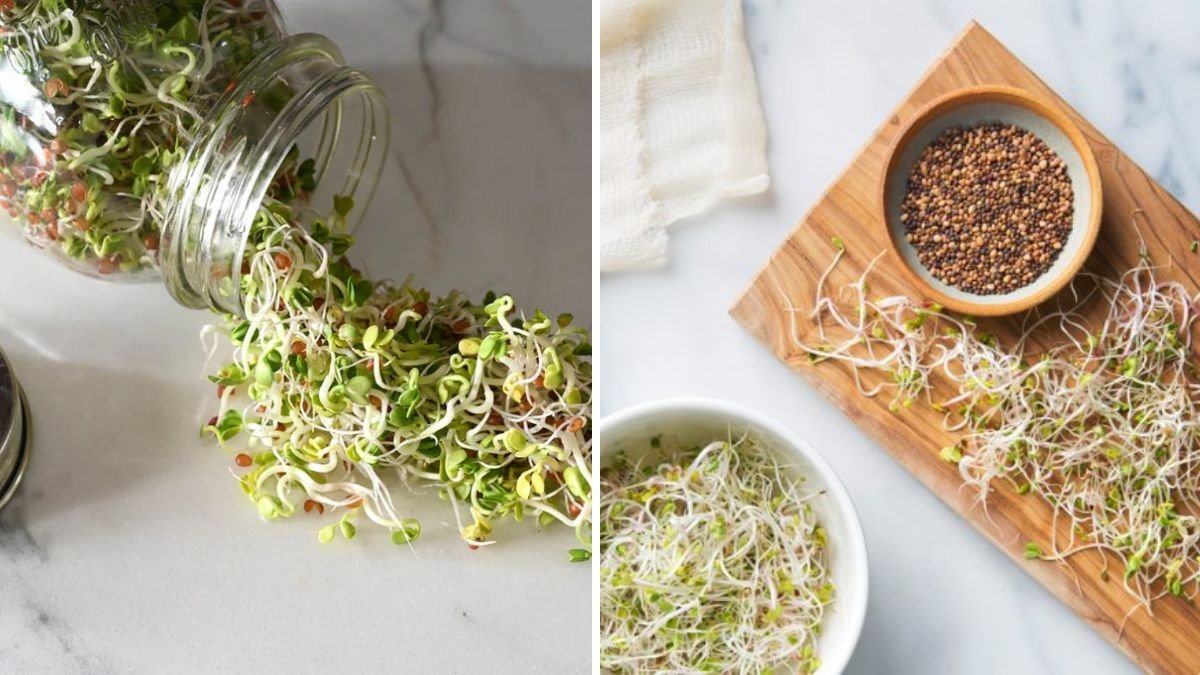
Sprouts are tiny powerhouses of nutrition, packed with vitamins, minerals, enzymes, and protein. They are easy to grow at home and can transform ordinary seeds into fresh, crunchy, and highly nutritious food in just a few days. Whether you want to boost your immunity, improve digestion, or add a fresh twist to salads and meals, making sprouts at home is a cost-effective and rewarding practice. In this guide, we’ll explore how to make the best sprouts using seeds commonly found in your kitchen.
Why Grow Sprouts at Home?
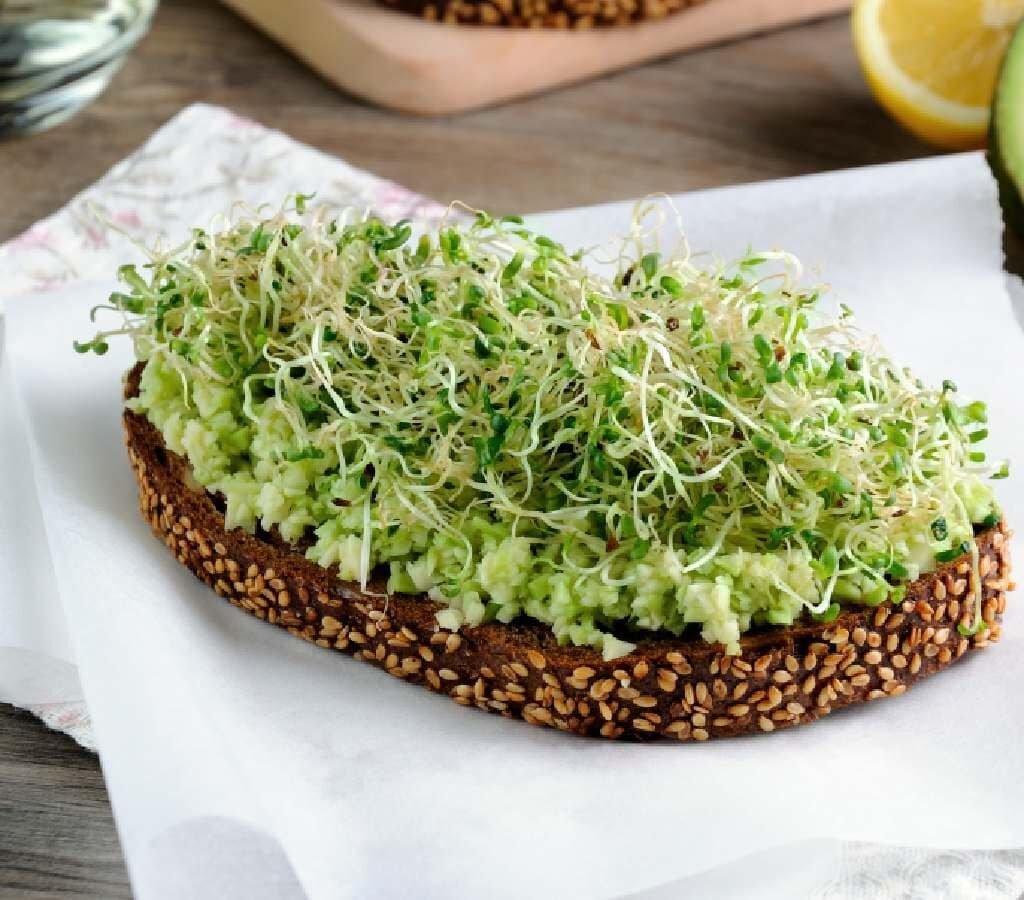
Homegrown sprouts have several benefits that make them superior to store-bought alternatives:
- Freshness: You control the entire process, ensuring sprouts are fresh and free from preservatives.
- Nutrition: Sprouting increases the bioavailability of nutrients, making vitamins and minerals easier for your body to absorb.
- Cost-Effective: You can grow large quantities of sprouts from small amounts of seeds.
- Variety: Experiment with different seeds like mung beans, lentils, chickpeas, radish, alfalfa, or fenugreek.
- Quick Growth: Most sprouts are ready to eat within 3–7 days, making them a fast and healthy food option.
Choosing the Right Seeds
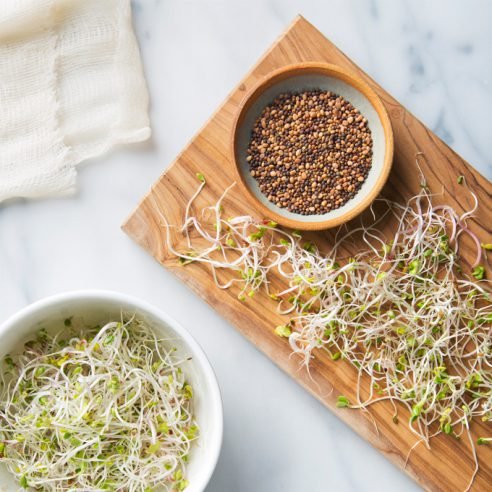
Not all seeds are suitable for sprouting. Only seeds labeled for consumption should be used, as some may be treated with chemicals or may not germinate properly. Popular seeds for home sprouting include:

- Mung Beans: Mild flavor, rich in protein and fiber.
- Lentils: Red or green lentils sprout quickly and are highly nutritious.
- Chickpeas: Take slightly longer to sprout but have a nutty flavor.
- Fenugreek (Methi): Bitter when raw but adds flavor to salads and dishes.
- Alfalfa: Small seeds that sprout quickly with delicate taste.
- Radish: Spicy and crunchy, ideal for garnishes.
Preparing Seeds for Sprouting
Proper preparation ensures faster germination and healthier sprouts.
Steps:
- Select Seeds: Choose fresh, whole seeds without any signs of damage or mold.
- Rinse Thoroughly: Wash seeds in clean water to remove dust or debris.
- Soak Seeds: Place seeds in a bowl with water and soak for 6–12 hours (some seeds like chickpeas may require 12–24 hours). Soaking softens the seed coat and triggers germination.
- Drain Water: After soaking, drain seeds thoroughly using a fine mesh sieve or sprouting jar.
Methods for Sprouting at Home
There are several methods to grow sprouts at home. Choose one depending on your convenience and available tools.

1. Sprouting Jar Method:
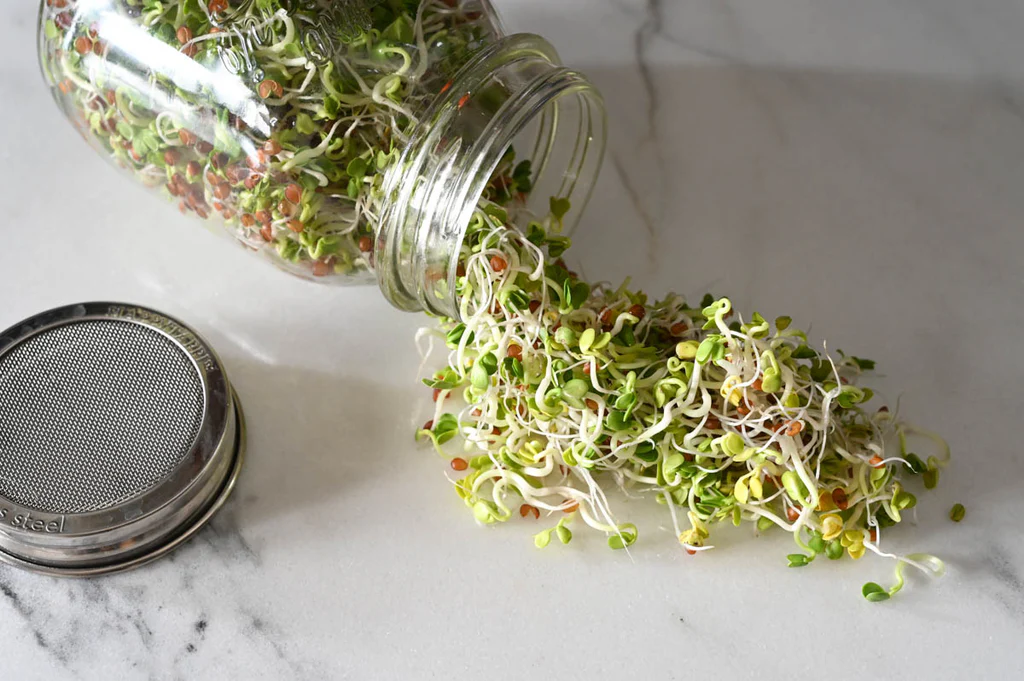
- Use a glass jar with a breathable lid or cheesecloth secured with a rubber band.
- Place soaked seeds in the jar and rinse twice daily with fresh water.
- Keep the jar tilted at an angle to allow excess water to drain and air to circulate.
- Seeds typically sprout within 2–5 days, depending on the variety.
2. Tray Method:
- Spread soaked seeds evenly on a sprouting tray or shallow dish lined with a damp cloth.
- Rinse and drain twice daily, ensuring seeds remain moist but not waterlogged.
- Ideal for larger quantities or small seeds like alfalfa.
3. Soil or Coconut Coir Method (Optional):

- Some seeds can sprout in moist soil or coconut coir for a natural, earthy flavor.
- Keep soil damp and maintain proper light conditions.
- Harvest when sprouts are 1–2 inches long.
Caring for Sprouts
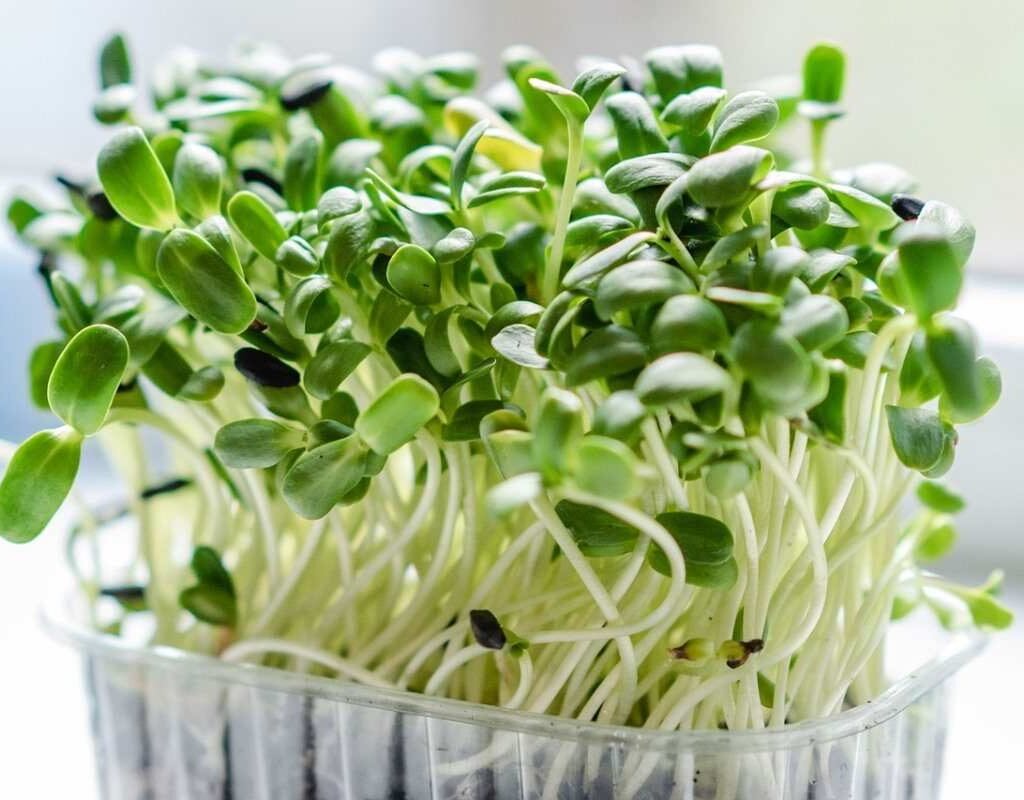
To produce healthy, tasty sprouts, attention to cleanliness and moisture is essential:
- Rinse Regularly: Rinse sprouts 2–3 times daily to prevent mold and bacteria growth.
- Avoid Excess Water: Standing water causes rotting, so always drain thoroughly.
- Keep in Darkness: Most sprouts grow better in dark or indirect light initially. Once they begin to grow, exposure to indirect light helps develop chlorophyll.
- Maintain Temperature: Sprouts thrive in room temperature conditions (20–25°C / 68–77°F). Avoid extreme heat or cold.
Harvesting and Storing Sprouts
Sprouts are typically ready in 3–7 days depending on the seed variety:
- Check Growth: Look for roots about 1–2 inches long and tender green shoots.
- Rinse Well: Wash sprouts thoroughly before consuming to remove seed coats.
- Storage: Keep harvested sprouts in an airtight container in the refrigerator. They can last up to 4–5 days but are best eaten fresh for maximum nutrition.
Using Sprouts in Daily Meals
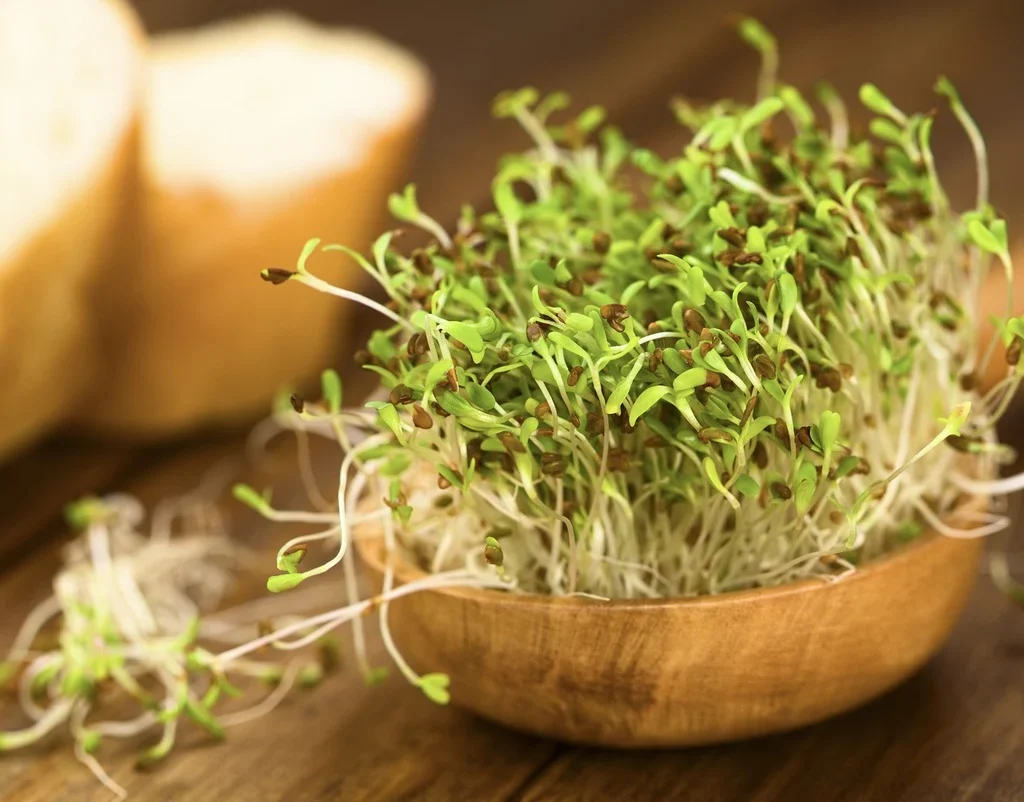
Sprouts are highly versatile and can be incorporated into many dishes:

- Salads: Mix sprouts with fresh vegetables, olive oil, and lemon juice for a healthy salad.
- Sandwiches and Wraps: Add crunchy sprouts for texture and flavor.
- Soups and Stir-Fries: Lightly sauté sprouts for soups or stir-fries while maintaining nutrients.
- Smoothies: Blend tender sprouts like alfalfa or mung beans into green smoothies for a nutrition boost.
- Snacking: Eat sprouts raw with a pinch of salt and pepper as a crunchy snack.
Health Benefits of Sprouts
Sprouts are considered a superfood because of their dense nutritional profile:
- Rich in Protein: Excellent for vegetarians and vegans.
- High in Vitamins: Contain vitamins A, C, K, and B-complex.
- Boost Digestion: Enzymes in sprouts help improve digestion and nutrient absorption.
- Strengthen Immunity: Antioxidants in sprouts protect against cellular damage.
- Support Weight Management: Low in calories and high in fiber, making them filling and nutritious.
Tips for the Best Sprouts
- Use Fresh Seeds: Older seeds may take longer to sprout or fail to germinate.
- Rinse Carefully: Always use clean water and clean containers to prevent bacterial growth.
- Rotate Seeds: Experiment with different seeds to enjoy a variety of flavors and nutrients.
- Sprout Small Quantities: Grow what you can consume in a few days to ensure freshness.
- Avoid Mold: If you notice moldy sprouts, discard them immediately.
Common Mistakes to Avoid
- Overwatering: Can lead to rotting seeds and foul odor.
- Poor Hygiene: Unclean containers can breed bacteria.
- Using Untreated Seeds: Some seeds may be chemically treated and unsafe to eat raw.
- Excess Light: Direct sunlight can dry out sprouts or make them bitter.
Final Thoughts
Growing sprouts at home is a simple, economical, and rewarding way to add fresh nutrition to your diet. With a few easy steps—choosing quality seeds, soaking, sprouting, and proper care—you can turn ordinary kitchen seeds into vibrant, crunchy, and healthy sprouts. Whether eaten raw in salads, blended in smoothies, or lightly cooked in dishes, homegrown sprouts offer unmatched freshness and nutritional benefits.
Sprouts are more than just a healthy food—they are a lifestyle choice. They connect you to the natural growth process, reduce dependence on packaged foods, and provide a fun, engaging way to involve the whole family in healthy eating habits. Start sprouting today, and enjoy a continuous supply of fresh, nutrient-packed greens from the comfort of your home.


Leave A Comment