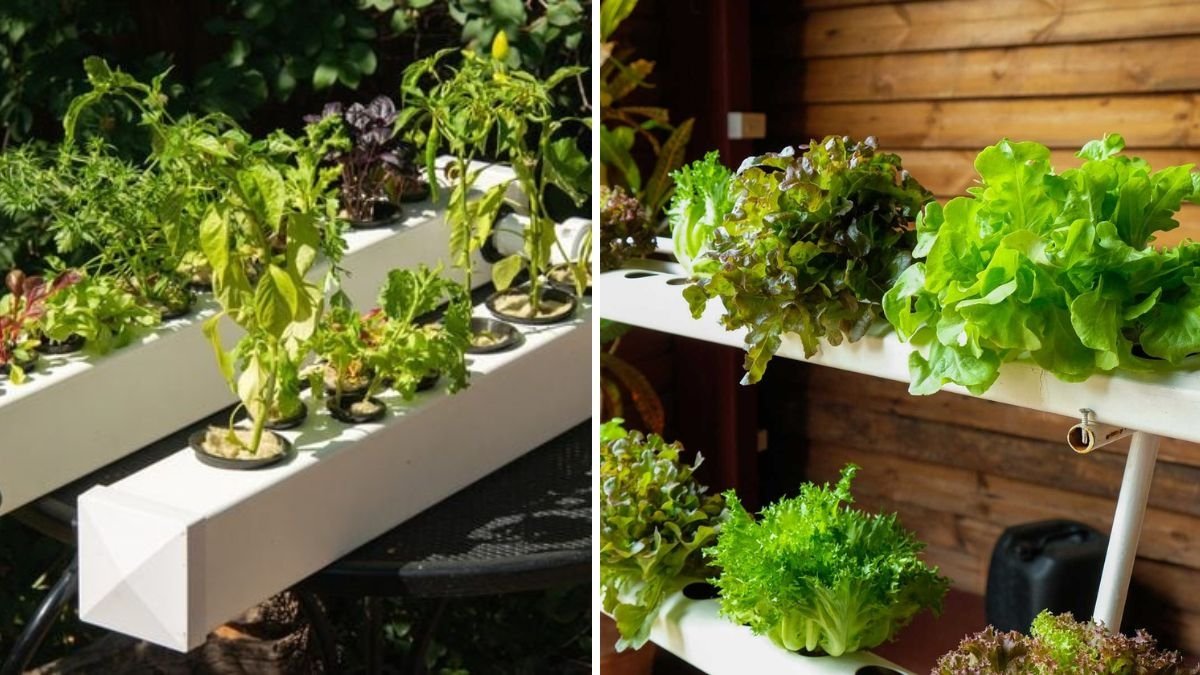
Hydroponics is transforming the way people grow food at home. Instead of relying on soil, hydroponic systems allow plants to grow in nutrient-rich water, producing faster growth, bigger harvests, and healthier plants. Whether you live in an apartment, have limited outdoor space, or simply want a modern and efficient way to garden, hydroponics is the perfect solution.
If you’ve ever wanted to grow fresh herbs, leafy greens, vegetables, or even fruit indoors, this guide will walk you through exactly how to build a hydroponic system at home—from choosing the right design to assembling it step-by-step. Even if you’re a beginner with zero experience, you can easily build a functional, high-yield hydroponic system using simple and affordable materials.
Let’s get started on your journey to a clean, soil-free, and highly productive garden!
What Is Hydroponics and Why Should You Try It?
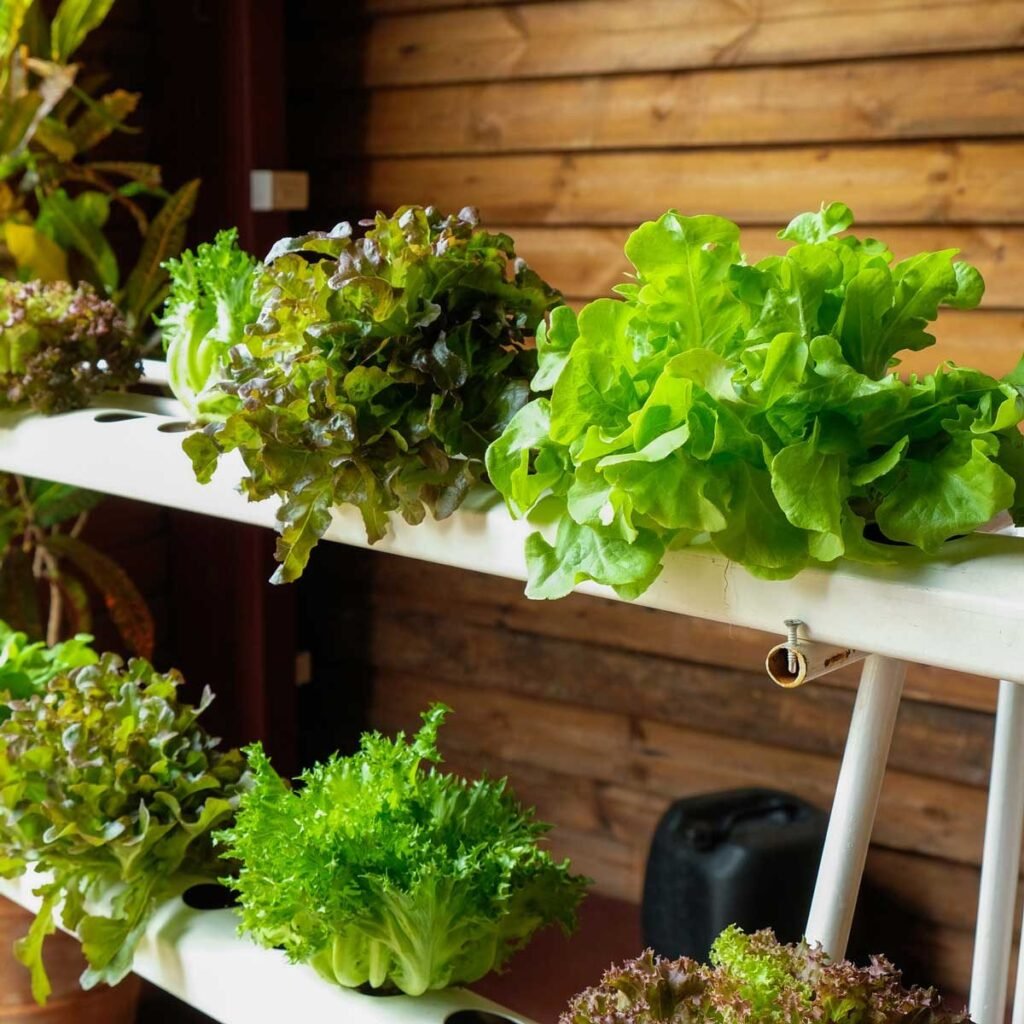
Hydroponics is a method of growing plants in water instead of soil. The water is enriched with essential nutrients and oxygen, allowing plants to absorb everything they need directly through their roots.
Major Benefits of Hydroponics:
Faster Plant Growth
Plants grow 30–50% faster because nutrients are immediately available.
Uses Less Water
Hydroponic systems use up to 90% less water than traditional gardening.
Grow in Small Spaces
Perfect for balconies, kitchens, windowsills, basements, and small apartments.
No Soil Problems
No weeds, no pests hiding in soil, no messy dirt.
Clean, Healthy Plants
Hydroponic plants are cleaner, more nutritious, and pesticide-free.
Hydroponics is efficient, eco-friendly, and surprisingly easy to set up. You just need the right materials and a proper plan.

Choosing the Right Hydroponic System for Beginners
Before building your setup, it’s important to choose a simple and effective system. Here are the best beginner-friendly options:
1. Deep Water Culture (DWC) System
This is the easiest system to build at home.
- Plants sit in net pots
- Roots hang directly in nutrient solution
- An air pump provides oxygen
Ideal for: lettuce, spinach, herbs, strawberries
2. Kratky Method (No Electricity Needed)
This passive hydroponic system requires no pump, making it beginner-friendly and silent.
- Plants grow in jars, buckets, or containers
- Nutrient solution stays still
- Water level drops as roots grow
Ideal for: leafy greens, basil, green onions
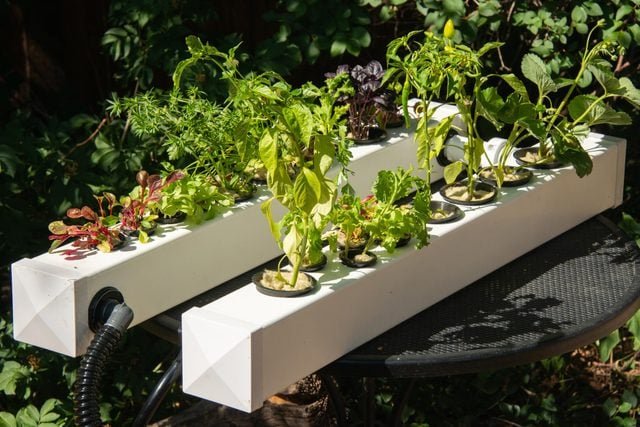
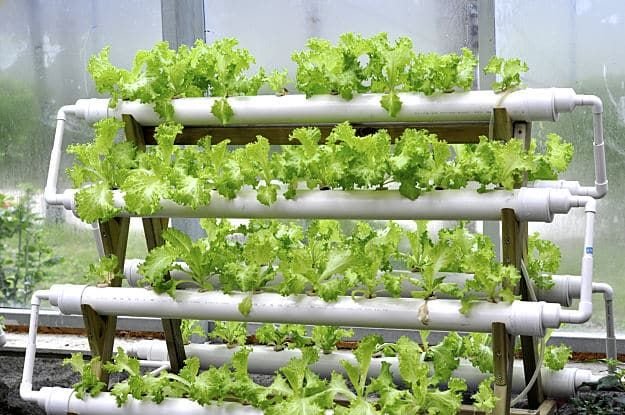
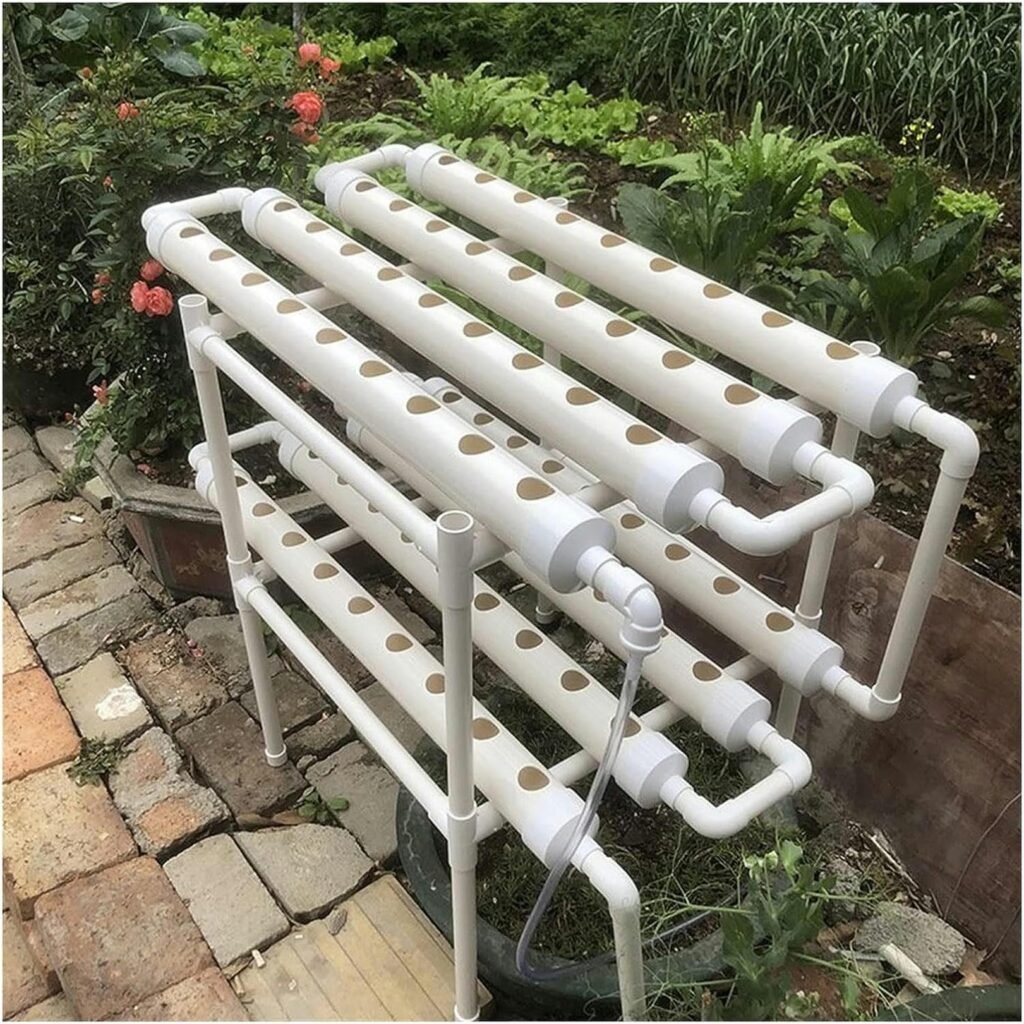
3. Nutrient Film Technique (NFT)
A more advanced system where water flows continuously over roots.
- Best for long-term setups
- Requires a pump and PVC pipes
Ideal for: commercial-style indoor gardening
For this article, we’ll focus on the easiest system to build at home: the Deep Water Culture (DWC) System, along with a simpler version using the Kratky method.
Materials You Need to Build a Home Hydroponic System
Here’s what you need to build a DWC system using a bucket or container:
Tools & Supplies
- 1 plastic bucket or storage container (10–20 liters)
- Net pots (2-inch or 3-inch)
- Hydroponic nutrient solution (liquid fertilizer)
- Air pump + air stone (like aquarium type)
- Flexible air tube
- Growing medium (clay pebbles, coco chips, or rockwool)
- Drill or sharp cutter to make holes
- pH meter or pH strips
- Measuring cup
These materials are inexpensive and available online or in gardening shops.

How to Build a DWC Hydroponic System at Home (Step-by-Step)
Follow these simple steps to create a strong and long-lasting hydroponic setup.
Step 1: Prepare the Container
Choose a dark-colored bucket or box. Light causes algae, so avoid transparent containers.
If using a lid:
- Draw circles using net pot size
- Drill or cut holes so net pots fit snugly
You can usually fit 3–6 plants depending on container size.
Step 2: Install the Air Pump
Plants need oxygen in the water to prevent root rot.
- Place the air pump outside the container
- Attach the air tube
- Connect tube to the air stone
- Place air stone inside the bucket
This will constantly oxygenate the nutrient solution.
Step 3: Add Nutrient Solution
Fill the container about 70% with water.
Add:
- Hydroponic nutrients according to the label
- Mix well until dissolved
- Adjust pH to 5.5–6.5 (ideal for most plants)
pH too high? Add a little lemon juice.
pH too low? Add a few drops of baking soda.
Step 4: Prepare Your Plants
You can start with:

- Seedlings in rockwool
- Rooted cuttings
- Small nursery plants washed free of soil
Place the seedling inside the net pot and fill around it with clay pebbles to keep it upright.
Step 5: Place Net Pots into the Lid
Make sure:
- Bottom of net pot touches the water slightly
- Roots should grow into the nutrient solution naturally
- Water level can be adjusted weekly
Turn on the air pump.
Your hydroponic system is officially running!
How to Build a Hydroponic System Without Electricity (Kratky Method)
If you want an even simpler method, try the Kratky technique.
You Need:
- A jar, bottle, or container
- Net pot
- Nutrient solution
- Clay pebbles
- Seedling
Steps:
- Fill container with nutrient water.
- Insert net pot with seedling.
- Leave an air gap of 2–3 cm for oxygen.
- Do not refill water until plant harvest.
This method is best for leafy greens and herbs.
Which Plants Grow Best in Hydroponic Systems?
Hydroponics can grow almost anything, but some plants perform exceptionally well:
Easy Plants:
- Lettuce
- Spinach
- Kale
- Basil
- Mint
- Coriander
- Green onions
Intermediate:
- Tomatoes
- Peppers
- Cucumbers
- Strawberries
Advanced:
- Melons
- Root vegetables
Start with easy crops for guaranteed success.
Hydroponic System Maintenance Tips
To keep your system healthy and productive, follow these basic care instructions:
1. Check pH Regularly
Ideal range: 5.5–6.5
Incorrect pH can stop nutrient absorption.

2. Change Nutrient Water Every 2 Weeks
Fresh nutrients = faster growth and clean roots.
3. Keep Roots Oxygenated
Make sure the air pump runs 24/7 in DWC systems.
4. Keep the System Clean
Algae and bacteria can spread quickly. Clean containers with mild soap every month.
5. Provide Adequate Light
If growing indoors:
- Use LED grow lights
- Keep them 8–12 inches above plants
- Provide 12–14 hours of light daily
Troubleshooting Common Hydroponic Problems
Yellow Leaves
Cause: Nutrient deficiency
Fix: Add fresh nutrients or adjust pH.
Slimy Roots (Root Rot)
Cause: Low oxygen
Fix: Increase aeration and clean water.
Algae Growth
Cause: Too much light in water
Fix: Use dark containers and keep roots shaded.
Slow Growth
Cause: Weak nutrients or low light
Fix: Increase nutrient concentration or improve lighting.
Why Hydroponics Is Perfect for Modern Homes
As cities become more crowded and outdoor space becomes limited, hydroponics offers a smart and sustainable way to grow fresh food. It combines science, creativity, and convenience—making gardening possible for anyone, anywhere.
You can turn a:

- Kitchen countertop
- Balcony
- Window corner
- Spare shelf
- Small room
…into a thriving mini-garden that produces fresh vegetables year-round.
And the satisfaction of eating food you grew yourself—clean, organic, and pesticide-free—is unmatched.
Final Thoughts
Building a hydroponic system at home is one of the most rewarding and exciting projects for plant lovers. Whether you choose a simple Kratky jar setup or a more advanced Deep Water Culture system, hydroponics gives you the power to grow fresh food without soil, messy tools, or constant maintenance.
Once you set it up, the system practically runs on its own—and the results are fast, healthy, and impressive. This modern gardening method is perfect for beginners, families, students, or anyone dreaming of a green, productive home.

Leave A Comment