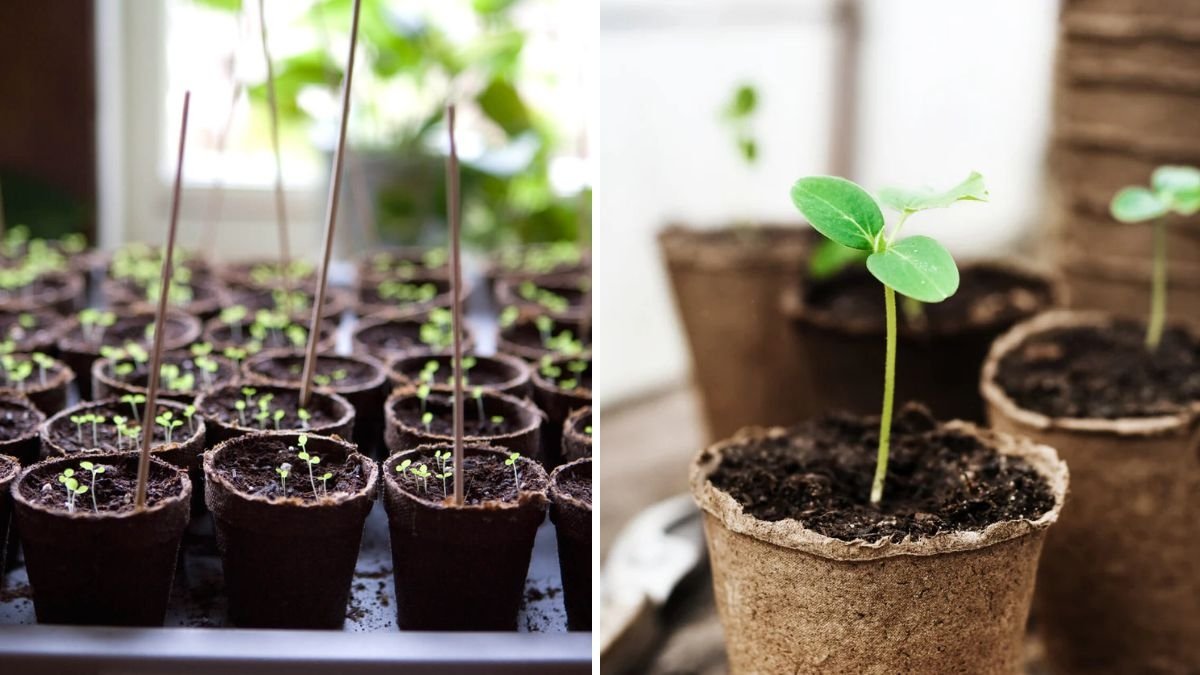
Growing flowers from seeds is one of the most rewarding experiences for home gardeners. Whether you have a small balcony, a terrace garden, or even just a sunny window, you can easily grow beautiful flowering plants right at home. Starting flowers from seeds gives you stronger plants, more variety, and the joy of witnessing the entire life cycle—from seed to sprout to full bloom.
In this complete 1200-word guide, you will learn exactly how to grow flower seeds at home using simple materials. This includes seed selection, soil preparation, sowing techniques, watering, transplanting, care, updates on seed growth stages, and solutions for common problems. Whether you’re a beginner or an experienced gardener, this guide will help you grow healthy, vibrant flowering plants from scratch.
1. Why Grow Flowers from Seeds?
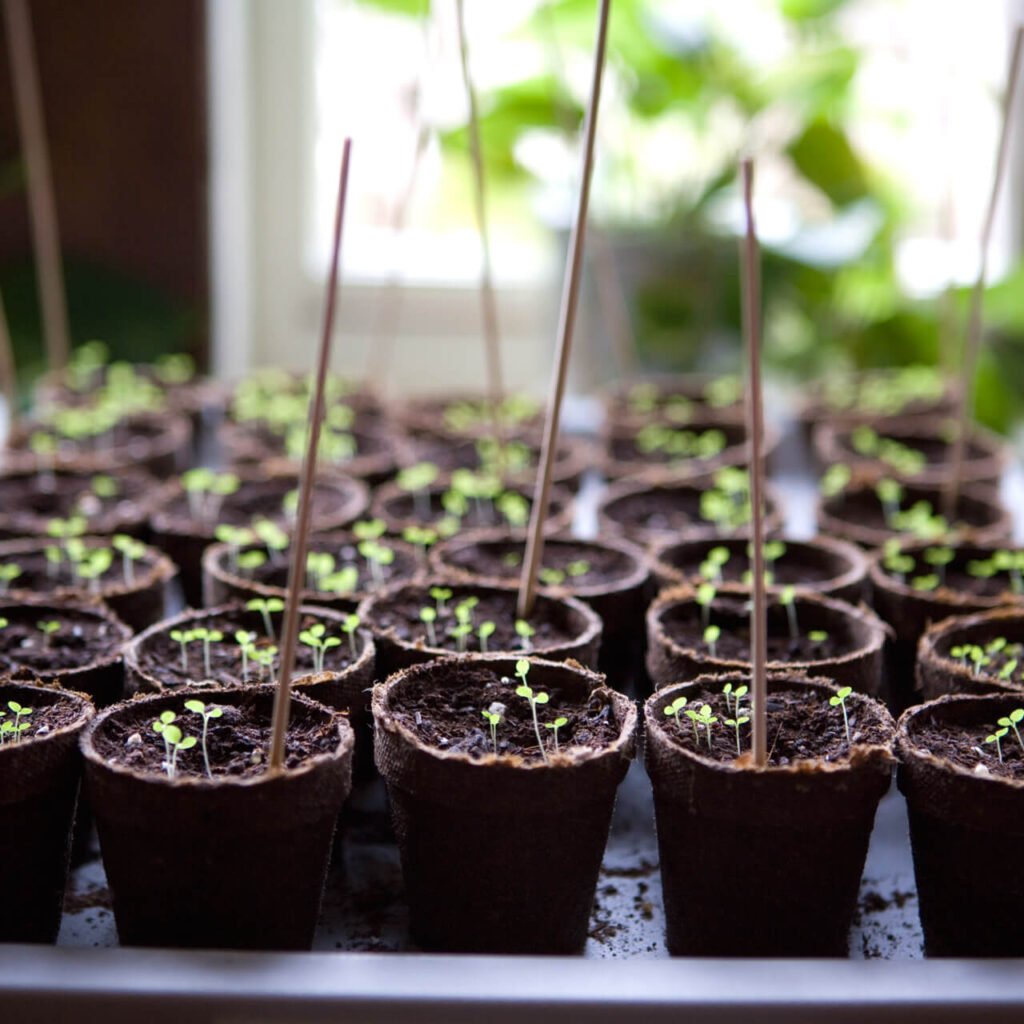
Growing flowers from seeds offers many benefits:
Wide Variety to Choose From
You can grow marigolds, zinnias, sunflowers, cosmos, petunias, vinca, pansies, portulaca, and many more.
Cost-Effective
Seed packets are inexpensive and can produce dozens of plants.
Stronger Plants
Seed-grown plants often adapt better to your home environment.
Satisfying Experience
Watching seeds sprout and grow is extremely rewarding.
2. Choosing the Best Flower Seeds for Home Gardening
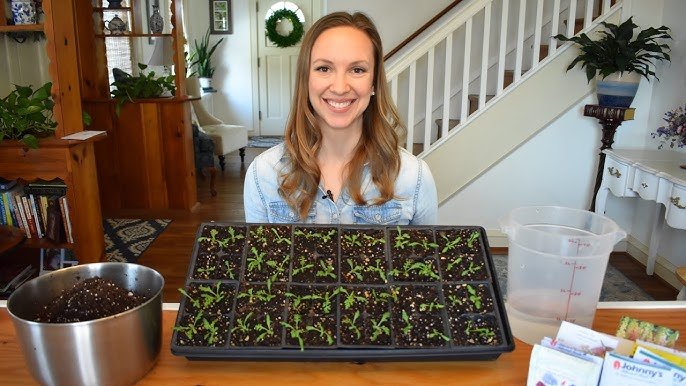
Selecting the right seeds increases your success rate.
Easiest Flowers to Grow from Seeds:
- Marigold
- Zinnia
- Cosmos
- Sunflower
- Portulaca
- Gomphrena
- Petunia
- Chrysanthemum (from cuttings and some varieties from seeds)
For Shady Areas:
- Begonias
- Impatiens
Warm-Season Flowers:
- Marigold
- Zinnia
- Sunflower
- Portulaca
Cool-Season Flowers:
- Petunia
- Pansy
- Dahlia (from tubers and seeds)
Choose seeds based on your climate and season.
3. Preparing the Perfect Soil Mix for Seed Germination
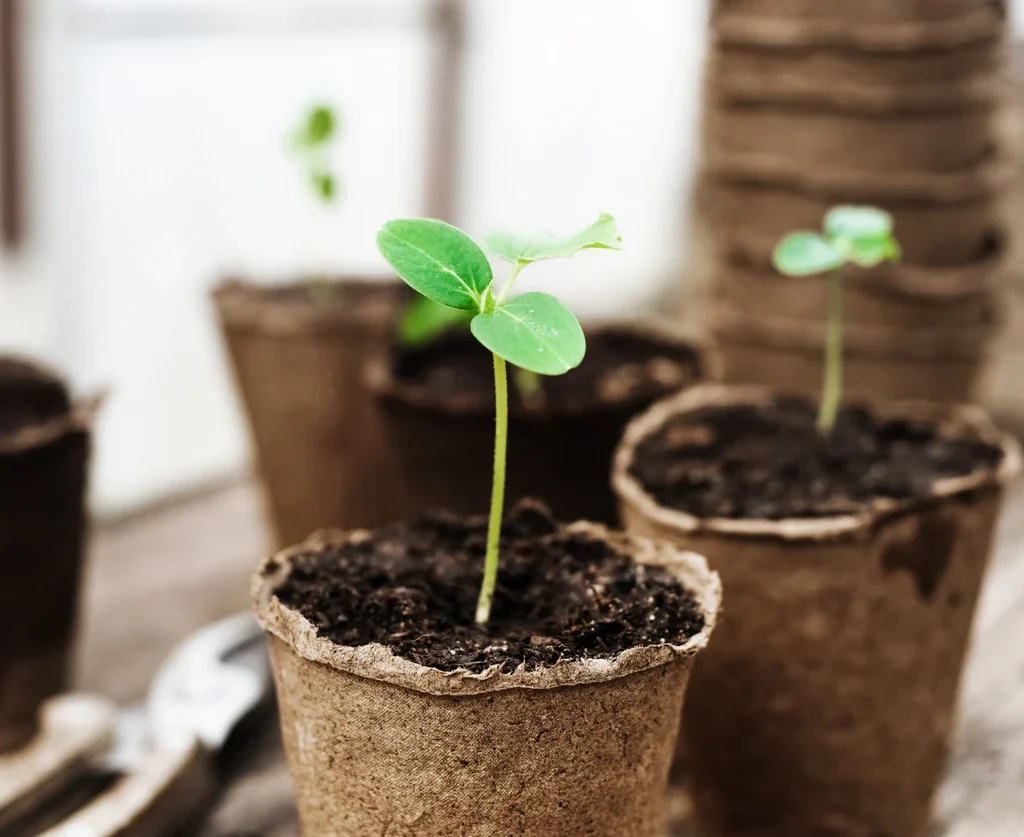
Seeds need soft, airy, and moisture-retentive soil.
Best Seed Starting Mix:
- 40% cocopeat
- 30% vermicompost
- 20% garden soil
- 10% sand or perlite
Why This Mix Works:
Cocopeat helps retain moisture
Vermicompost provides nutrients
Sand/perlite improves drainage
Soft texture helps seeds sprout easily
Avoid heavy clay soil—it suffocates the seeds and slows germination.
4. Choosing Seed Trays or Containers
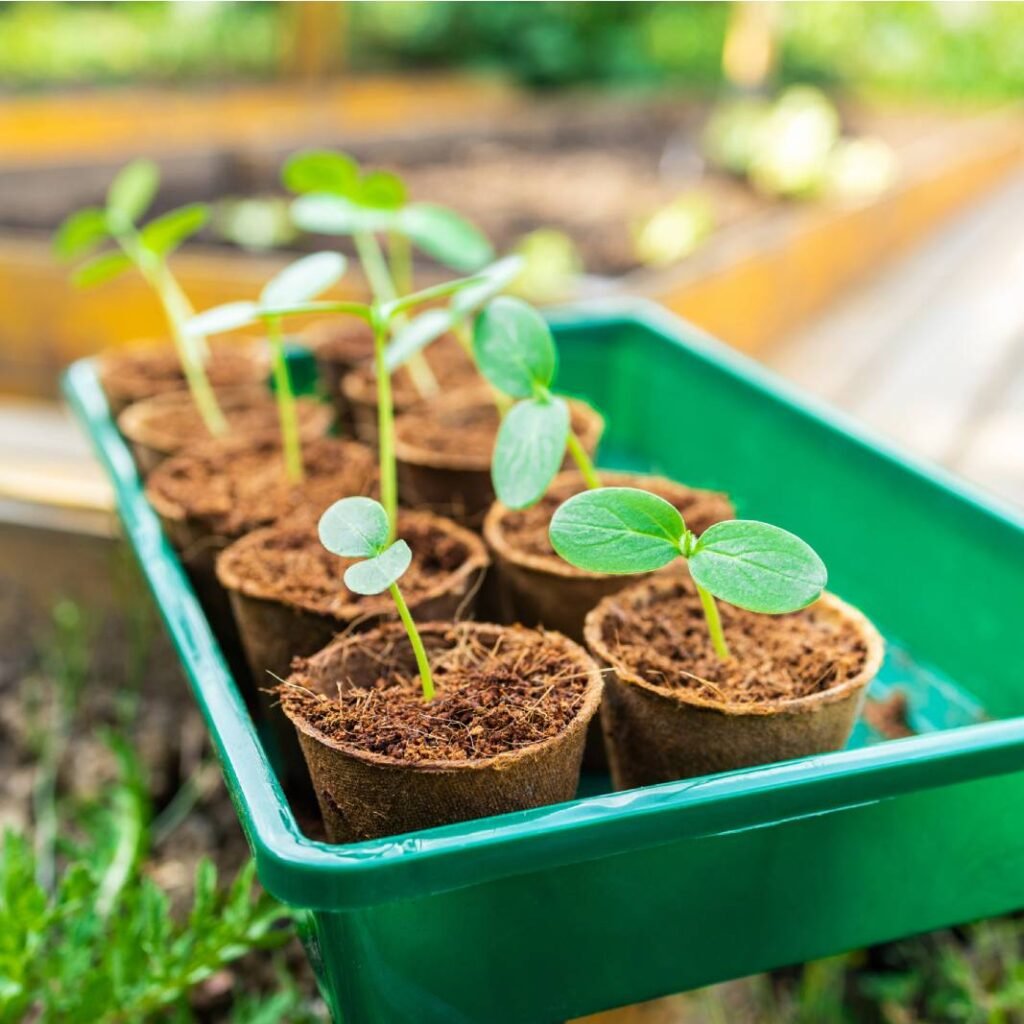
You can use:
Seedling trays
Small pots
Plastic cups (with holes)
Recycled containers
Ice cube trays
Egg cartons
The key requirement:
Good drainage holes at the bottom.
5. How to Sow Flower Seeds Correctly
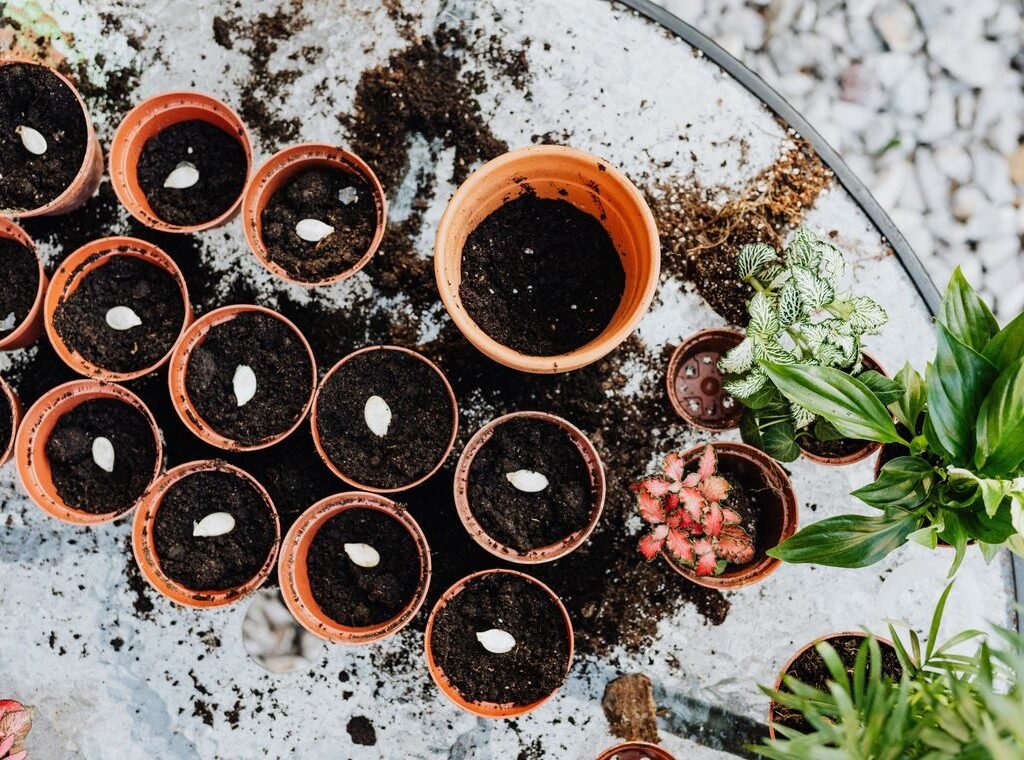
Different seeds require different sowing depths.

General Rule:
- Large seeds → Sow ½ inch deep
- Medium seeds → Sow ¼ inch deep
- Tiny seeds → Sprinkle on soil and do NOT cover completely
Step-by-Step Sowing Process:
- Fill your tray/pot with the seed mix.
- Tap gently to remove air gaps.
- Sprinkle seeds evenly.
- Cover lightly with a thin layer of soil (except tiny seeds).
- Spray water gently using a spray bottle.
- Place tray in bright but indirect sunlight.
Germination Time (Approx):
| Flower | Days to Germinate |
|---|---|
| Marigold | 4–7 days |
| Zinnia | 5–10 days |
| Petunia | 7–14 days |
| Cosmos | 4–7 days |
| Sunflower | 3–5 days |
| Pansy | 10–20 days |
6. Watering Flower Seeds the Right Way
Seedlings are delicate—overwatering kills them.
Best Watering Tips:
Always use a spray bottle
Keep soil moist but never soggy
Avoid pouring water directly—it displaces seeds
Check moisture daily
Reduce watering once seedlings develop leaves
7. Light Requirements for Seed Germination
Different flowers have different needs, but general rules are:
Before Germination:
Bright indirect light is best.
After Germination:
Seedlings need 4–6 hours of sunlight daily.
If seedlings become tall and weak (leggy), they need more light.
8. Transplanting Seedlings (FULL UPDATE STAGE)
Once seedlings grow 3–4 true leaves, they are ready for transplantation.
When to Transplant:
Usually 15–25 days after sowing, depending on the variety.
Transplanting Steps:
- Choose 8–10 inch pots for most flowering plants.
- Fill with rich potting mix:
- 50% garden soil
- 30% compost
- 20% cocopeat
- Make a small hole.
- Gently lift the seedling using a small stick or spoon.
- Place it in the hole and cover it with soil.
- Water lightly.
- Keep in shade for 2–3 days until seedlings settle.
After that, place in full sunlight depending on the flower type.
9. Fertilizing Flower Plants for Heavy Blooms
Flowering plants need nutrients to produce vibrant blooms.
Best Organic Fertilizers:
- Vermicompost
- Cow dung compost
- Mustard cake liquid
- Banana peel fertilizer
- Seaweed extract
- Epsom salt (magnesium booster)
Fertilizing Schedule:
After Transplanting:
Add compost every 15–20 days.
Before Flowering:
Use phosphorus-rich fertilizers like bone meal or banana fertilizer.
During Flowering:
Liquid fertilizers work best—apply weekly.
10. Care Tips for Strong, Healthy Flowering Plants
Provide 4–6 hours of sunlight daily (more for heat-loving flowers)
Water only when top soil feels dry
Remove yellow or dead leaves
Pinch top growth to make bushy plants
Use stakes for tall flowers like sunflowers
Avoid overfertilizing—leads to leaves only
11. COMMON PROBLEMS & SOLUTIONS (FULL UPDATE GUIDE)
1. Seeds not germinating
Reason: Old seeds, too much water, no light
Solution: Use fresh seeds, keep soil moist, provide warmth.
2. Seedlings falling or dying (Damping off disease)
Solution:

- Do not overwater
- Ensure good air circulation
- Sterilize soil before sowing
- Spray diluted neem oil
3. Leggy seedlings (Tall, thin)
Cause: Insufficient light
Fix: Move to sunny area or use grow lights.
4. Yellow leaves
Reason: Lack of nutrients or overwatering
Fix: Add compost and reduce watering.
5. No flowers even after plant grows big
Reason: Too much nitrogen, low sunlight
Fix: Use phosphorus-potassium fertilizers, keep in sunlight.
12. Growth Stages (FULL UPDATES)
Stage 1: Seed Germination (Day 1–10)
Seeds sprout and produce baby leaves (cotyledons).
Stage 2: Seedling Growth (Day 10–25)
True leaves appear and roots strengthen.
Stage 3: Transplanting (Day 15–30)
Plants move to larger pots and start canopy growth.
Stage 4: Vegetative Growth (Day 30–45)
Plant becomes bushy, needs pruning and fertilizing.
Stage 5: Bud Formation (Day 45–60)
This stage needs phosphorus-rich food and full sun.

Stage 6: Flowering Stage (Day 60 onwards)
Beautiful blooms appear—continuous feeding maintains flower production.
13. Pro Tips for Maximum Blooms
Always sow seeds in soft germination mix
Do not overcrowd seedlings
Pinch top growth to make plants bushy
Remove first few buds to strengthen growth
Provide full sunlight for blooming varieties
Keep plants pest-free with weekly neem oil spray
Conclusion
Growing flower seeds at home is simple, exciting, and incredibly satisfying. With the right soil mix, proper sowing method, adequate sunlight, and consistent care, you can enjoy vibrant and abundant blooms throughout the season. Whether you’re gardening for beauty, hobby, or positivity, starting flowers from seeds is the best way to fill your home garden with colors and fragrance.

Leave A Comment