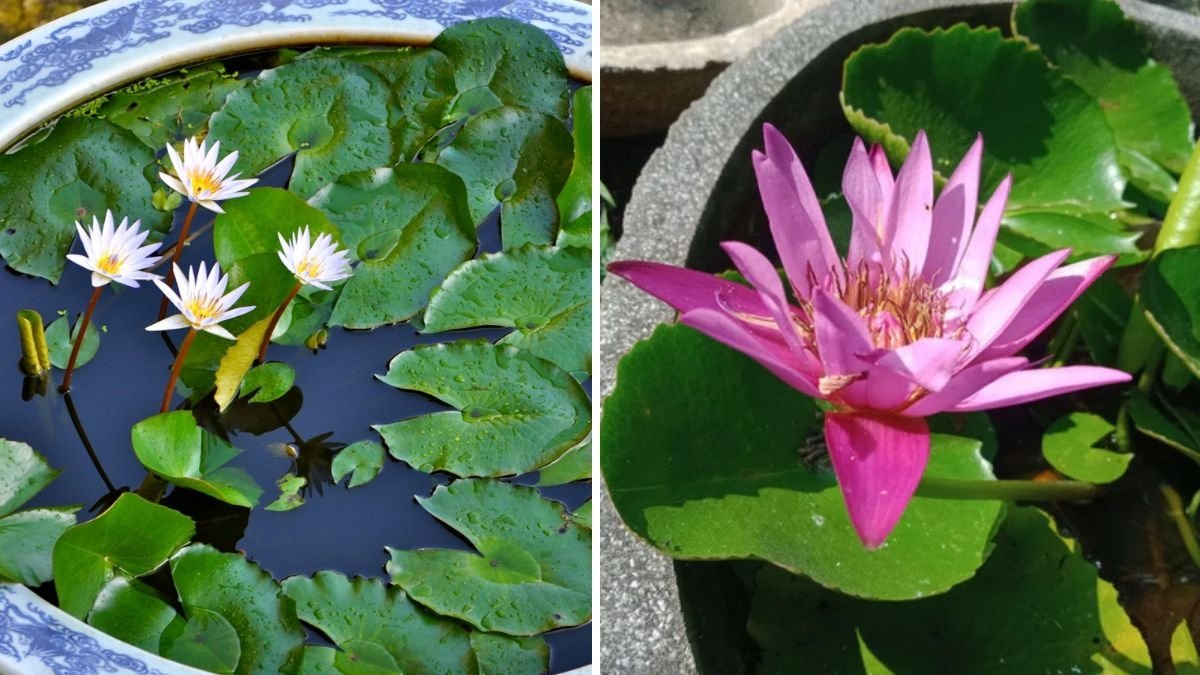
The lotus is one of the most beautiful, sacred, and calming plants you can grow at home. Many people assume it needs a large pond or plenty of space, but the truth is—you can grow stunning lotus flowers right on your balcony, terrace, or small garden using simple containers. Lotus plants are surprisingly easy to grow when you understand their basic needs: sunlight, still water, nutrient-rich soil, and a properly sized container.
In this complete step-by-step guide, you will learn everything about growing lotus at home—from selecting rhizomes, preparing soil, setting up containers, planting, caring, and encouraging flowering. Whether you’re a beginner or have some gardening experience, this guide will help you successfully grow your own beautiful lotus blooms.
1. Why Grow Lotus at Home?
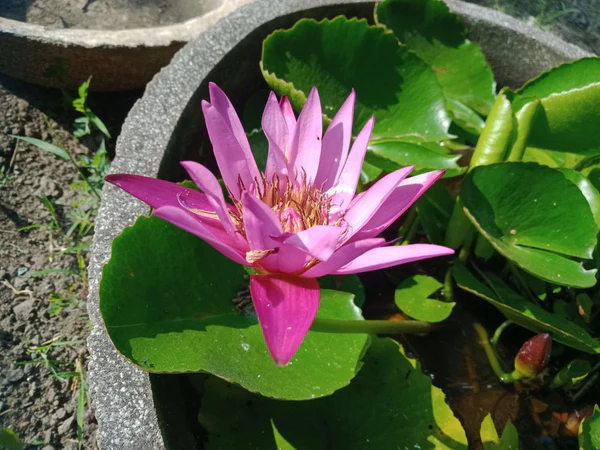
Growing lotus at home offers more benefits than just beauty.
Stunning Flowers
Lotus blooms are elegant, vibrant, and instantly uplift any space.
Easy to Grow in Containers
You don’t need a pond—lotus thrives in tubs, buckets, barrels, and even large plastic bowls.
Low Maintenance
Once established, lotus needs very little care.
Air-Purifying & Positive Energy Plant
Lotus is considered a symbol of purity, peace, and prosperity.
Edible & Medicinal Parts
Seeds, roots, and petals are often used in food and traditional remedies.
2. Choosing the Right Lotus Variety for Home Growing
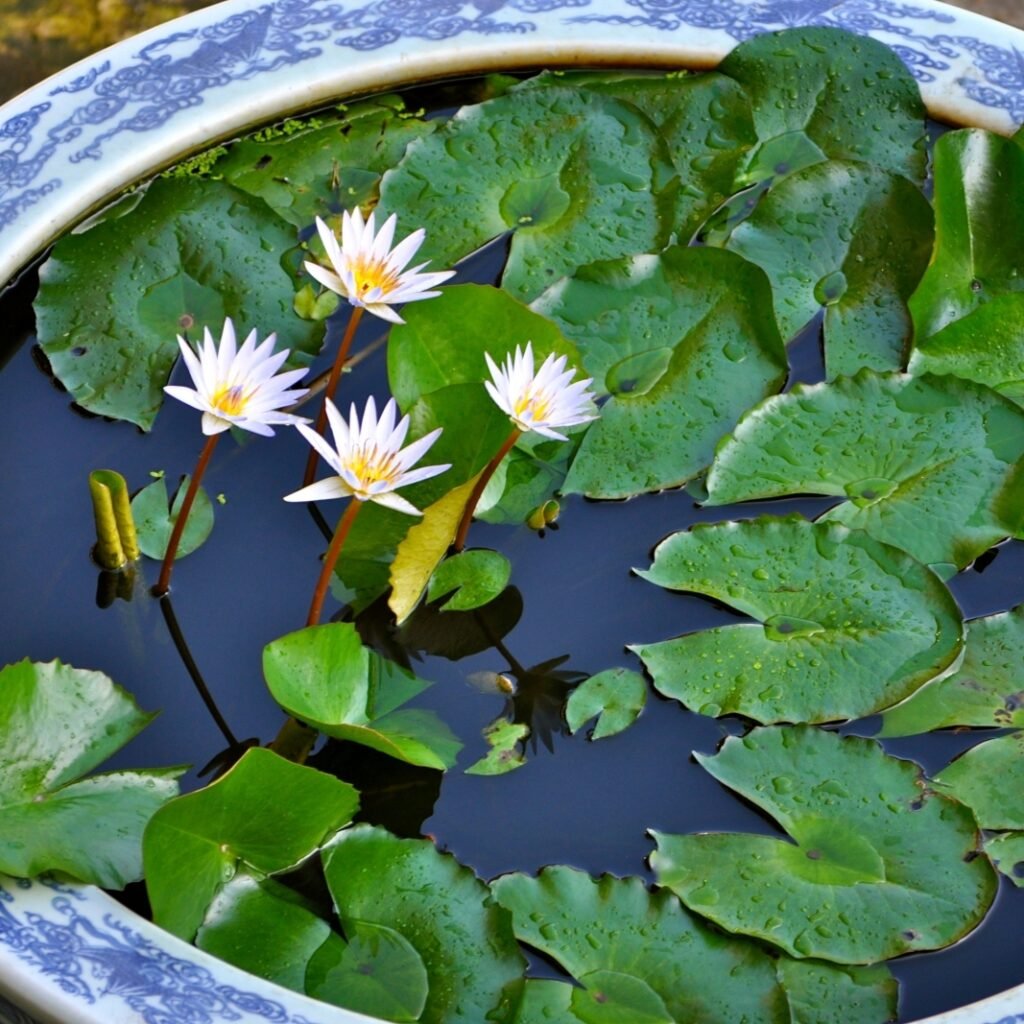
Selecting the right type is essential because lotus plants vary greatly in size.
Mini & Dwarf Varieties (Best for Pots):
- Momo Botan
- Pigmy Red
- White Fairy
- Baby Doll Lotus
These produce flowers even in small pots.
Medium Varieties:
Need medium-sized tubs

- Chawan Basu
- Red Sacred Lotus
Large Varieties:
Best for big ponds
- Nelumbo nucifera
- Giant Sacred Lotus
For home gardeners, dwarf or medium lotus are ideal.
3. What You Need to Grow Lotus at Home
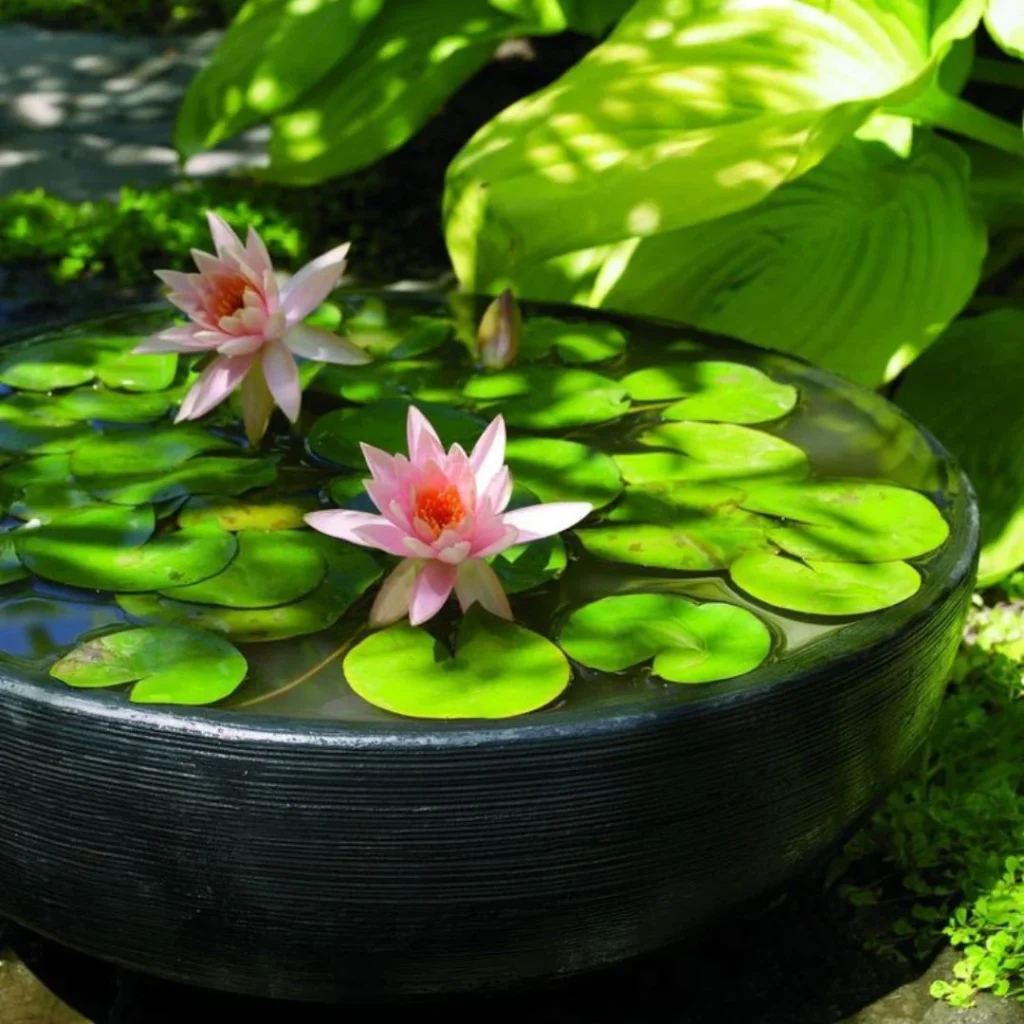
Growing lotus is simple. You need:
Container
A wide and shallow container works best.
Recommended size:
- Depth: 10–15 inches
- Width: 18–24 inches
Avoid containers with drainage holes—lotus needs water to stay.
Soil
Lotus grows best in heavy, clay-like soil.
Best soil mix:
- 70% clay or garden soil
- 20% decomposed cow dung
- 10% sand
Avoid:
Potting mix
Cocopeat
Compost-only soils
These will float and make the water dirty.
Lotus Rhizome (Root)
Buy a healthy rhizome with at least:
- 2–3 growing tips
- Firm, unbroken body
Water
Use clean water. Rainwater or stored tank water is ideal.
4. Preparing the Container
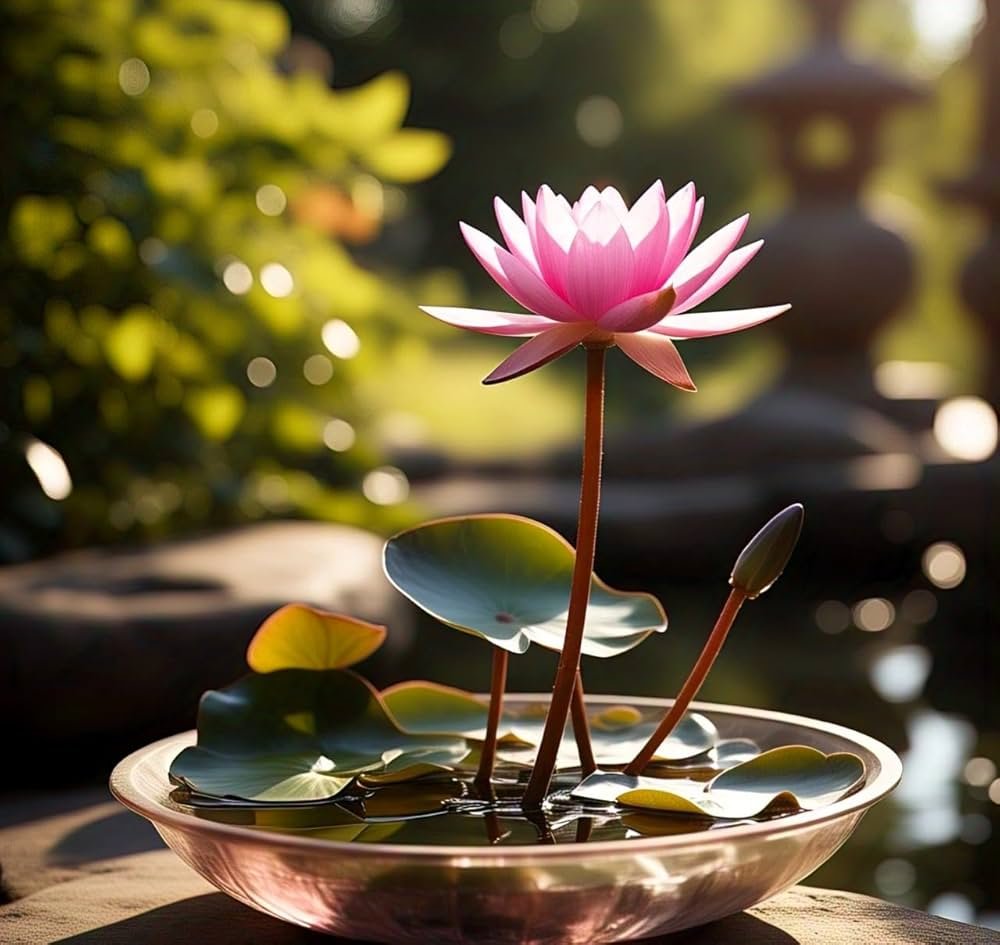
Before planting lotus, setup is important.

Steps:
- Choose a wide container (no drainage hole).
- Add 4–5 inches of heavy soil at the bottom.
- Mix cow dung manure into the soil.
- Gently flatten the soil to remove air pockets.
- Slowly add water until the soil becomes muddy and submerged by 2–3 inches of water.
Let the setup settle for 24 hours before planting the rhizome.
5. How to Plant Lotus Rhizome Correctly
This is the most important step to ensure the lotus grows well.
Step-by-Step Planting Process:
- Place the rhizome horizontally on the soil surface.
- Slightly press it into the mud—but do not bury the growing tips.
- Cover only the middle portion of the rhizome lightly with soil.
- Ensure the growing tips remain outside and are not damaged.
- Add water so the rhizome stays under 3–4 inches of water.
Important Tips:
Never forcefully insert the rhizome into the soil.
Growing tips are delicate—avoid touching them.
Keep water still—no fountains or pumps.
6. Best Growing Conditions for Lotus
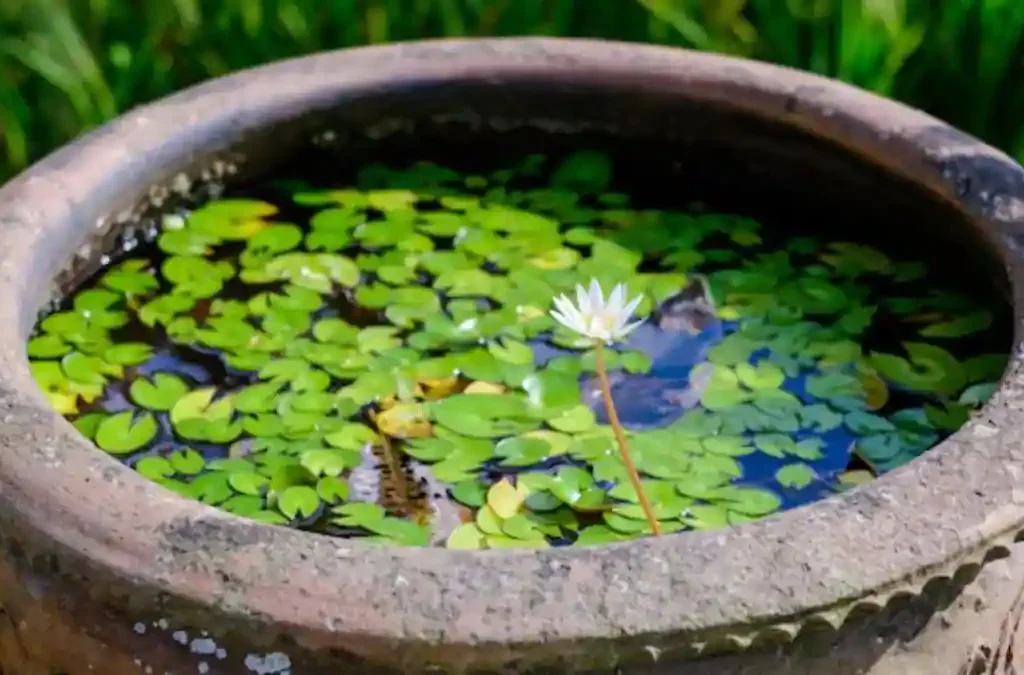
Lotus loves warm weather and bright sunlight.
Sunlight Requirement
Lotus needs 6–8 hours of direct sunlight daily.
More sunlight = more flowers.
Temperature
Ideal temperature: 25–35°C
Lotus thrives in summer.
Water Level Maintenance
Keep water level between 4–8 inches, depending on plant height.
Water Quality
- Use clean, pesticide-free water
- Avoid chlorinated tap water (let it sit 24 hours to remove chlorine)
7. Lotus Care: How to Maintain Healthy Growth
Once lotus is planted, it needs minimal care.
Fertilizing Lotus
Lotus is a heavy feeder, mainly during active growing months.
Do not fertilize immediately after planting.
Start feeding after 4–6 weeks when leaves float on water.
Best fertilizers:

- Cow dung compost balls
- Slow-release tablets
- Organic pond fertilizer
Frequency:
Every 20–25 days during growing season.
Water Maintenance
- Keep water clean
- Add fresh water once a week
- Remove fallen leaves to prevent rotting
Leaf Management
Lotus leaves come in three stages:
- Underwater leaves
- Floating leaves
- Aerial leaves (upright leaves)
More aerial leaves = higher chances of flowering.
8. Promoting Flowering in Lotus
To encourage blooming:
Ensure full sunlight
Lotus won’t flower in shade.
Use a wide container
The wider the container, the more space for roots, leading to more blooms.
Fertilize during active growth
Lack of nutrients reduces flowers.
Maintain warm water
Lotus flowers more in warm weather.
Avoid moving the pot
Lotus dislikes disturbance during bud formation.
9. Common Problems and Solutions
Even though lotus is easy to grow, beginners may face a few issues.
1. Rhizome rotting
Reason:

- Over-buried rhizome
- Damaged growing tips
- Cold water
Solution:
Plant correctly and grow only in warm seasons.
2. Leaves turning yellow
Reason:
- Lack of nutrients
- Low sunlight
Fix:
Add fertilizer & ensure minimum 6 hours sunlight.
3. Water turning green or dirty
Reason:
Algae growth.
Fix:
- Add little freshwater weekly
- Keep container in sunlight
- Do not over-fertilize
4. No flowers even after 3–4 months
Reason:
- Small container
- Insufficient sun
- Poor soil
- Weak rhizome
Fix:
Upgrade pot size, improve sunlight, add organic fertilizer.
10. Harvesting Lotus Seeds & Roots (Optional)
If you grow large lotus varieties, you can harvest:
Seeds
Use dry seed pods for decorative or planting purposes.
Roots (Kamal Kakdi)
Edible roots are tasty and nutritious.
However, dwarf varieties are mainly for flowers, not edible parts.

11. Growing Lotus from Seeds (Optional Method)
Growing lotus from seeds takes longer but is interesting.
Steps:
- File the seed coat slightly to expose inner layer.
- Soak in warm water.
- Seeds swell and sprout in 4–7 days.
- Transfer seedlings to soil with shallow water.
- Slowly increase water level as plants grow.
This method takes 6–12 months to flower, so rhizome growing is faster.
12. Seasonal Care for Lotus
Summer:
Peak growth—lots of leaves and flowers.
Monsoon:
Normal growth. Replace water frequently.
Winter:
Lotus goes dormant.
- Stop fertilizing
- Keep rhizome in container
- Allow leaves to die naturally
- Reduce water level slightly
Next summer, the lotus will sprout again.
Conclusion
Growing lotus at home is a peaceful, rewarding experience. With the right container, proper soil, warm sunlight, and simple care, anyone can enjoy beautiful lotus blooms in their home garden. Whether you place them on your balcony, terrace, or backyard, lotus plants add beauty, positivity, and charm to your surroundings.
If you want, I can also create:

Leave A Comment