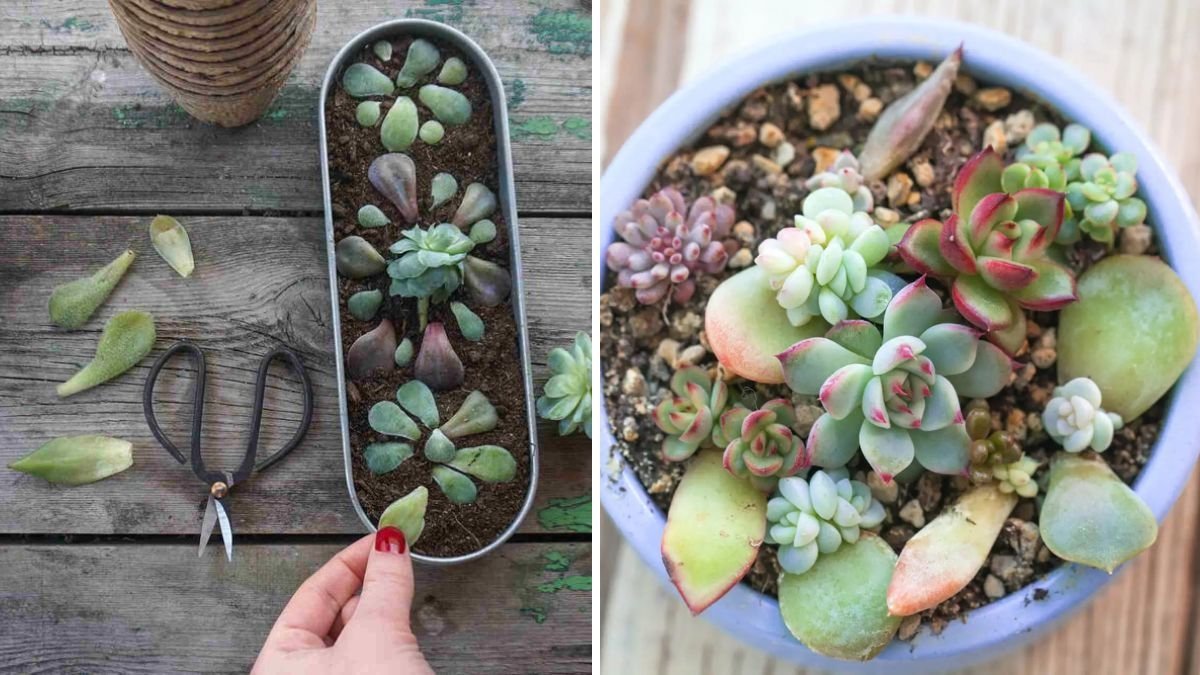
Succulents are among the most popular plants for indoor and outdoor gardens due to their low-maintenance nature, unique shapes, and vibrant colors. One of the best things about succulents is that they are extremely easy to propagate, allowing gardeners to multiply their collection quickly and inexpensively. Propagation is perfect for beginners, enthusiasts, or anyone looking to expand their green space. This guide will take you through everything you need to know to propagate succulents fast and easy, from selecting the right cuttings to caring for new plants.
Why Propagate Succulents?
- Cost-Effective: Multiply your plants without buying new ones.
- Fast Growth: Succulents root quickly under the right conditions.
- Easy for Beginners: Minimal equipment and simple techniques are needed.
- Versatile Decor: Propagated succulents can be used for pots, terrariums, or vertical gardens.
- Gift Idea: Share plants with friends and family once propagation is successful.
Tip: With proper care, a single succulent can give rise to dozens of new plants in a few months.
Materials Needed for Propagation
- Healthy parent succulent plant
- Sharp, sterilized knife or scissors
- Small pots or trays with drainage holes
- Well-draining succulent soil mix (sand, perlite, or cactus mix)
- Watering can or spray bottle
- Optional: rooting hormone or powdered charcoal
- Optional: labels for different types of succulents
Update Tip: Use gloves for spiny or thorny varieties to protect your hands.
Step 1: Choosing the Right Succulent for Propagation
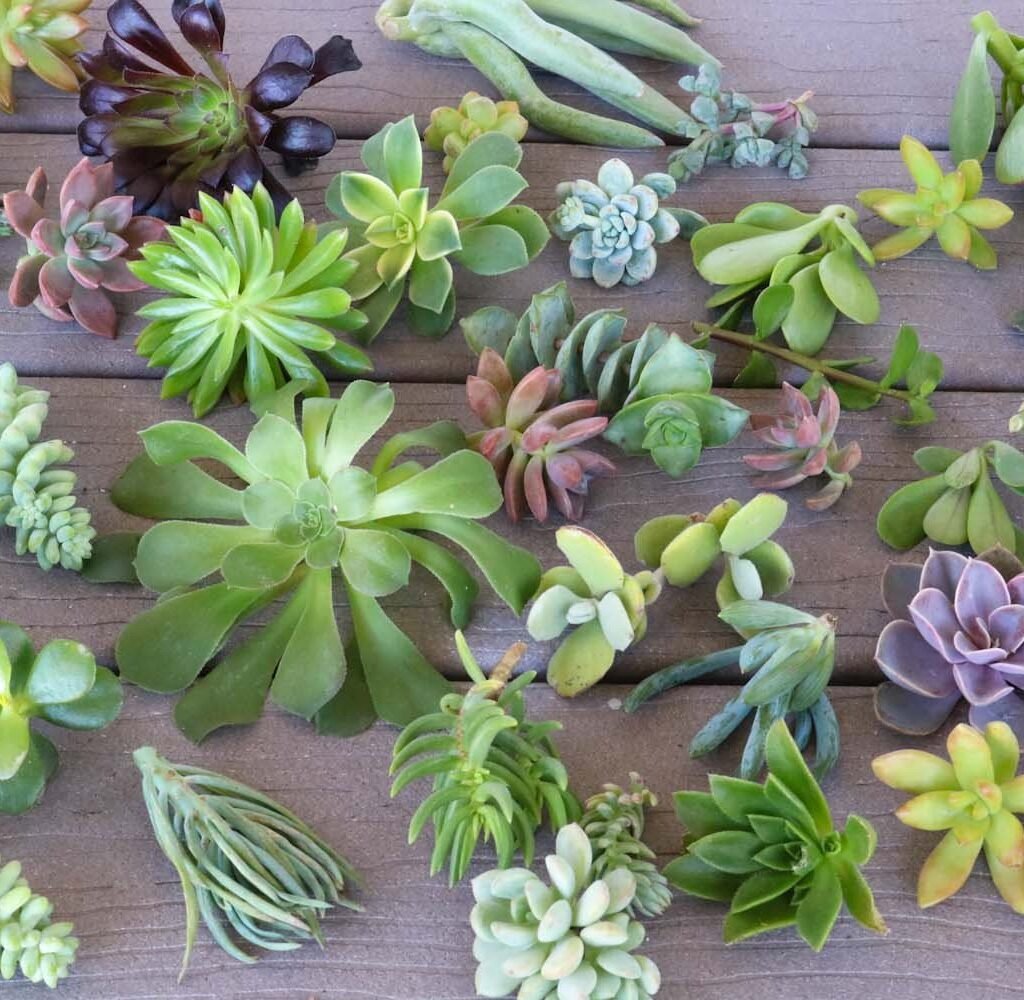
- Select healthy, mature plants free from pests or diseases.
- Leaf, stem, and offsets (pups) are the most common parts for propagation.
- Avoid weak, stressed, or damaged plants as cuttings may fail.
Tip: Fast-growing succulent varieties like Echeveria, Sedum, and Crassula root easily and are ideal for beginners.

Step 2: Methods of Succulent Propagation
A. Leaf Cuttings
- Gently twist or cut a healthy leaf from the parent plant.
- Ensure the leaf is intact, with no tears.
- Allow the leaf to callus for 2–3 days in a dry, shaded area.
- Place the leaf on top of well-draining soil; do not bury it.
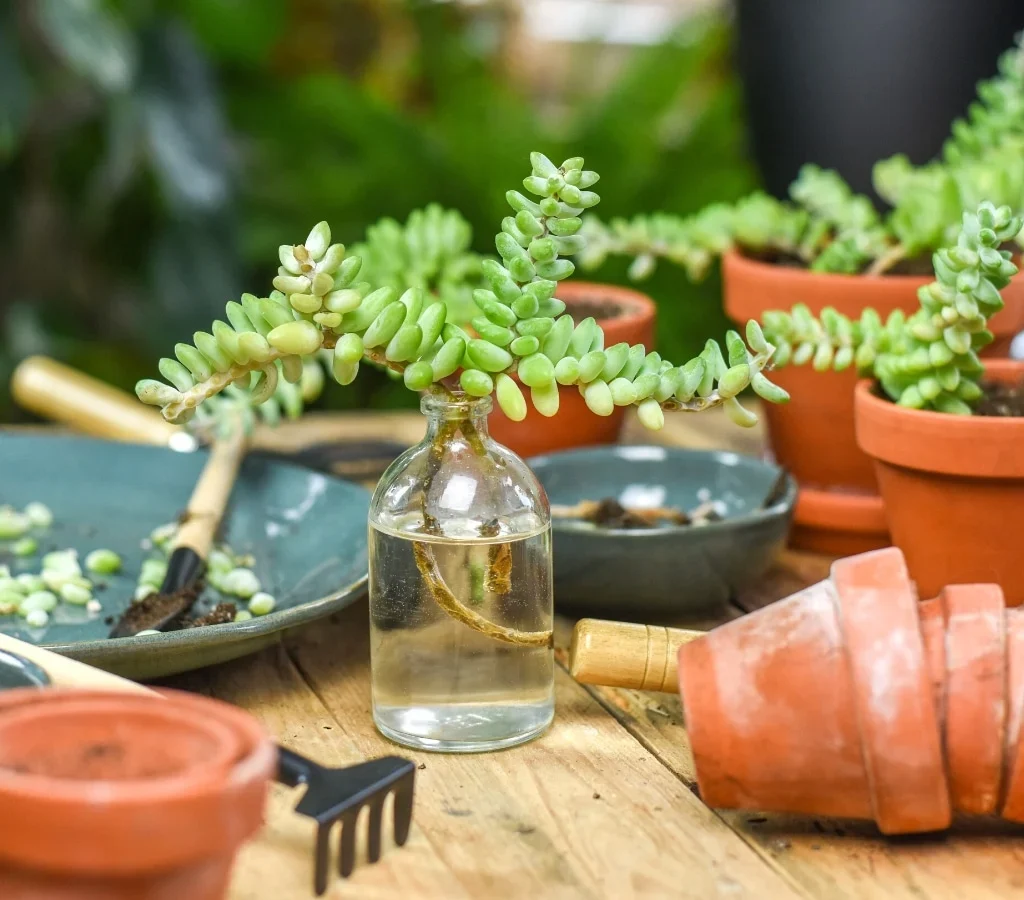
B. Stem Cuttings
- Cut a healthy stem (3–6 inches) using sterilized scissors.
- Remove the lower leaves to expose a portion of the stem.
- Allow the cutting to dry and callus for 3–5 days before planting.
C. Offsets or Pups
- Many succulents produce small offsets at the base.
- Gently separate the offset with roots attached.
- Plant in fresh soil immediately or let small roots dry slightly.
Update Tip: Callusing prevents rot and increases the success rate for all propagation methods.

Step 3: Preparing the Potting Medium
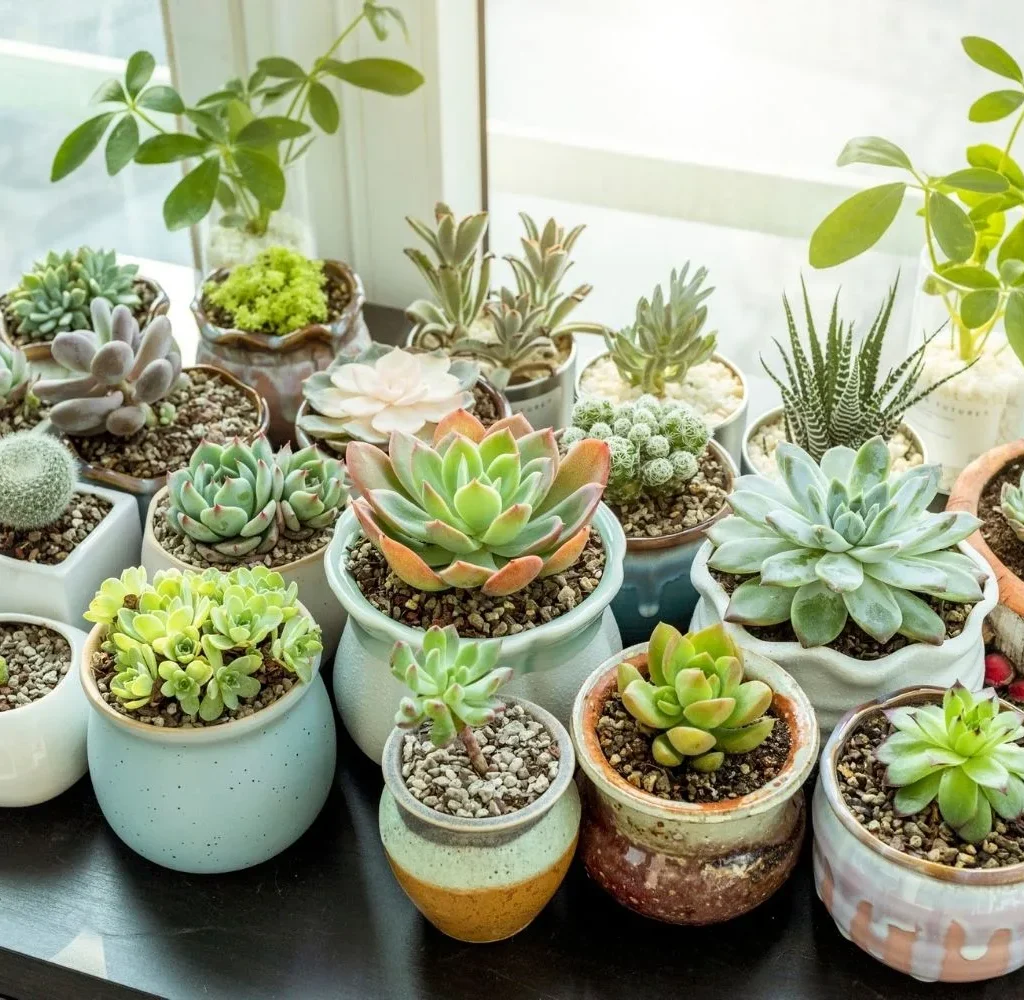
- Use a well-draining succulent or cactus mix.
- You can make your own by mixing potting soil with sand, perlite, or pumice in equal parts.
- Fill pots or trays with the soil, leaving enough space for cuttings or offsets.
Tip: Avoid dense or moisture-retaining soils, as succulents are highly susceptible to rot.
Step 4: Planting the Cuttings
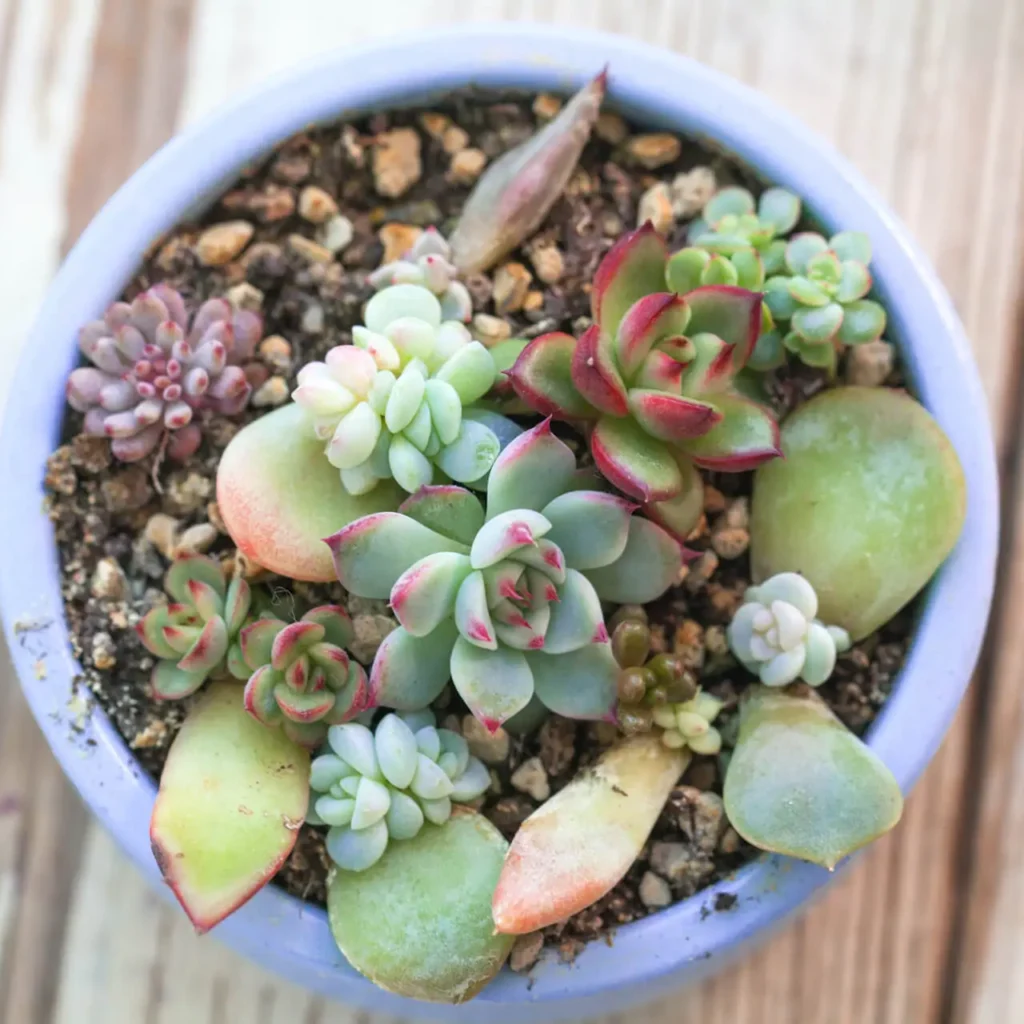
- Leaf cuttings: Place on top of soil; do not bury. Roots will grow from the base.
- Stem cuttings: Insert 1–2 inches into soil; firm gently.
- Offsets: Plant at the same depth as the parent plant.
- Keep the newly planted cuttings in a bright, indirect sunlight location.
Update Tip: Avoid direct sunlight until the cuttings are established to prevent sunburn.
Step 5: Watering and Care During Propagation
- Water sparingly; overwatering is the main cause of failure.
- Mist lightly every few days or when soil is completely dry.
- Stem cuttings may be watered lightly after 7–10 days, once roots start forming.
- Leaf cuttings do not require water initially; they absorb moisture from the air.
Tip: Ensure good airflow around cuttings to prevent mold and fungal growth.
Step 6: Encouraging Fast Root Growth
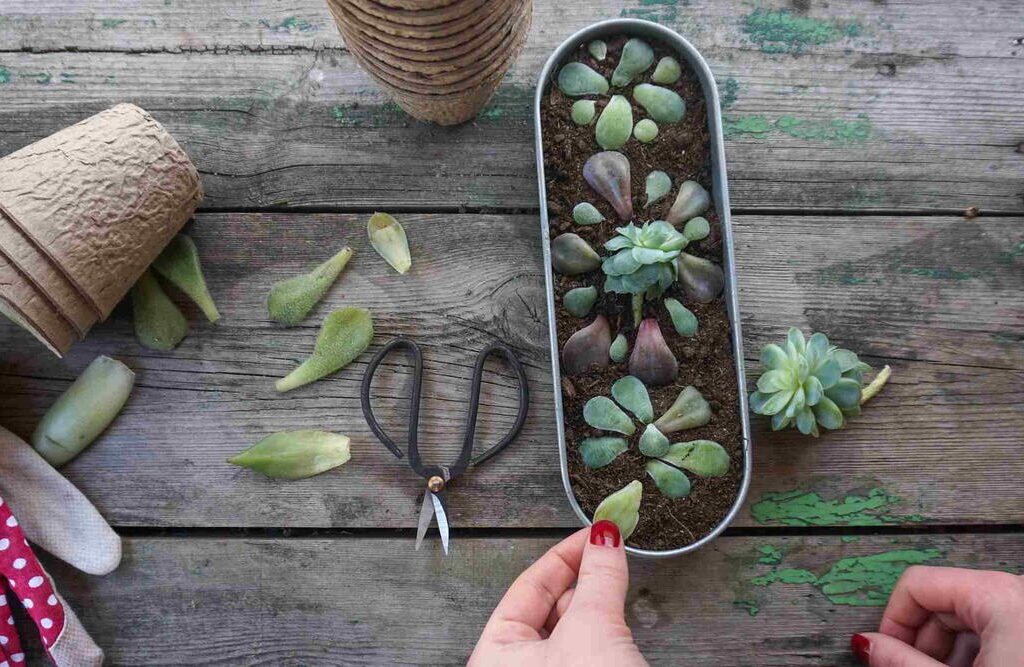
- Rooting usually occurs in 2–4 weeks, depending on succulent type and environment.
- Maintain bright, indirect light and warm temperatures (20–25°C / 68–77°F).
- Using a rooting hormone can accelerate root formation.
- Avoid disturbing cuttings during the initial rooting phase.
Update Tip: Once small roots appear, reduce humidity gradually to acclimate the plant to normal conditions.

Step 7: Transplanting New Succulents
- Once roots are established, transplant cuttings into individual pots with well-draining soil.
- Water lightly after transplanting to settle the soil.
- Gradually introduce the plant to direct sunlight, increasing exposure over a few days.
Tip: Use slightly larger pots than the cutting to give roots space to expand but avoid oversized pots, which may retain excess moisture.
Step 8: Fertilizing Propagated Succulents
- Fertilize after 3–4 weeks once the plant is established.
- Use a diluted, balanced fertilizer (low nitrogen) to promote growth without softening stems.
- Fertilize every 4–6 weeks during the growing season (spring and summer).
Tip: Avoid fertilizing during winter when succulents are dormant.
Step 9: Common Problems and Troubleshooting
- Cuttings Rotting: Usually due to overwatering or poor drainage.
- Solution: Reduce watering, repot in dry, well-draining soil.
- Leaves Drying Out or Shriveling: Caused by underwatering or extreme heat.
- Solution: Mist lightly or water once the soil is dry.
- Slow Growth: May result from insufficient light or nutrients.
- Solution: Move cuttings to brighter areas and fertilize gently.
- Pests: Mealybugs or aphids may appear.
- Solution: Wipe leaves with alcohol or use neem oil spray.
Update Tip: Early intervention prevents minor issues from becoming serious.
Step 10: Advantages of Propagating Succulents
- Cost-Effective: Expand your plant collection without purchasing new plants.
- Fast and Easy: Many succulents root in just a few weeks.
- Versatile: Use propagated succulents for pots, terrariums, or gifts.
- Low Maintenance: Perfect for beginners or busy individuals.
- Eco-Friendly: Share cuttings with friends and family or create new plant arrangements.
Tip: Succulent propagation is an excellent way to experiment with creative garden designs like vertical gardens, mixed pots, or decorative arrangements.

Conclusion
Propagating succulents is a fast, easy, and rewarding process that allows gardeners to multiply their plants quickly while creating a thriving indoor or outdoor garden. By selecting healthy leaves, stems, or offsets, using well-draining soil, maintaining proper humidity, and providing bright, indirect light, you can enjoy successful propagation in just a few weeks.
Whether you are a beginner or an experienced gardener, this method ensures healthy, vibrant new plants for your home or garden. With patience, consistent care, and the right techniques, you can create a lush succulent collection, decorate your space creatively, and even share plants with friends and family.

Leave A Comment