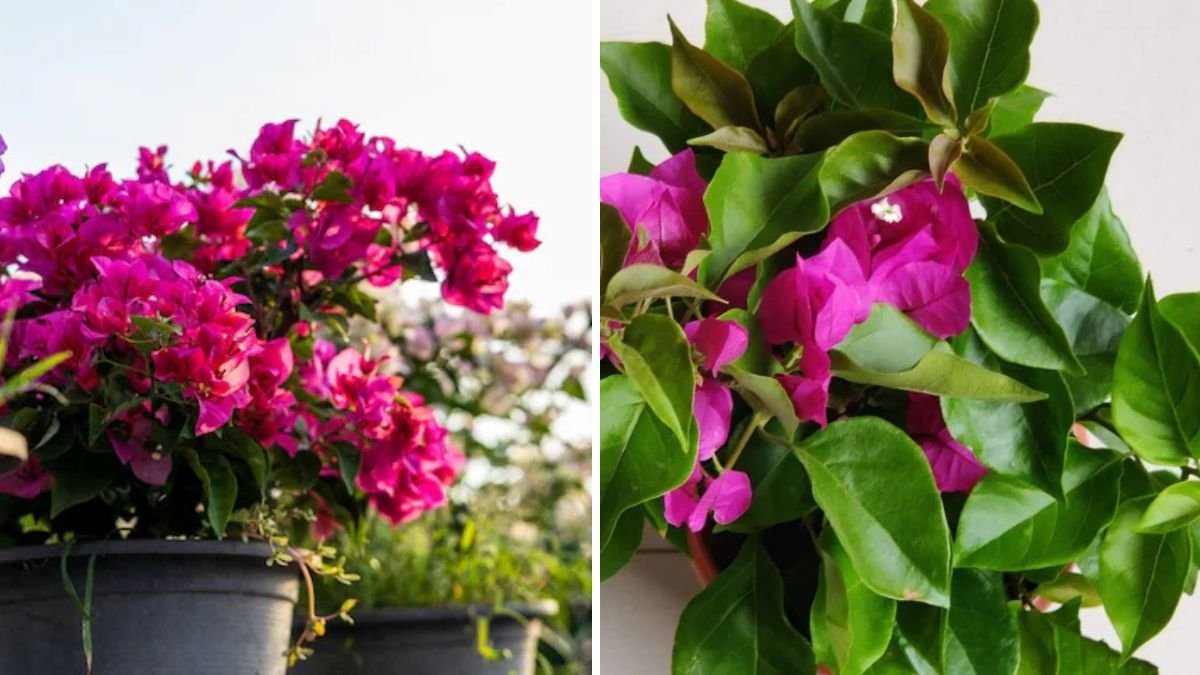
Bougainvillea is a stunning flowering plant celebrated for its vibrant bracts and ability to transform gardens, balconies, and terraces with color. While buying mature plants is an option, propagating Bougainvillea from cuttings is an easy, cost-effective, and rewarding method to multiply these beauties. With the right techniques, you can quickly grow healthy Bougainvillea plants that will bloom year after year. This guide provides step-by-step instructions, tips, and troubleshooting advice for successful propagation.
Why Propagate Bougainvillea from Cuttings?
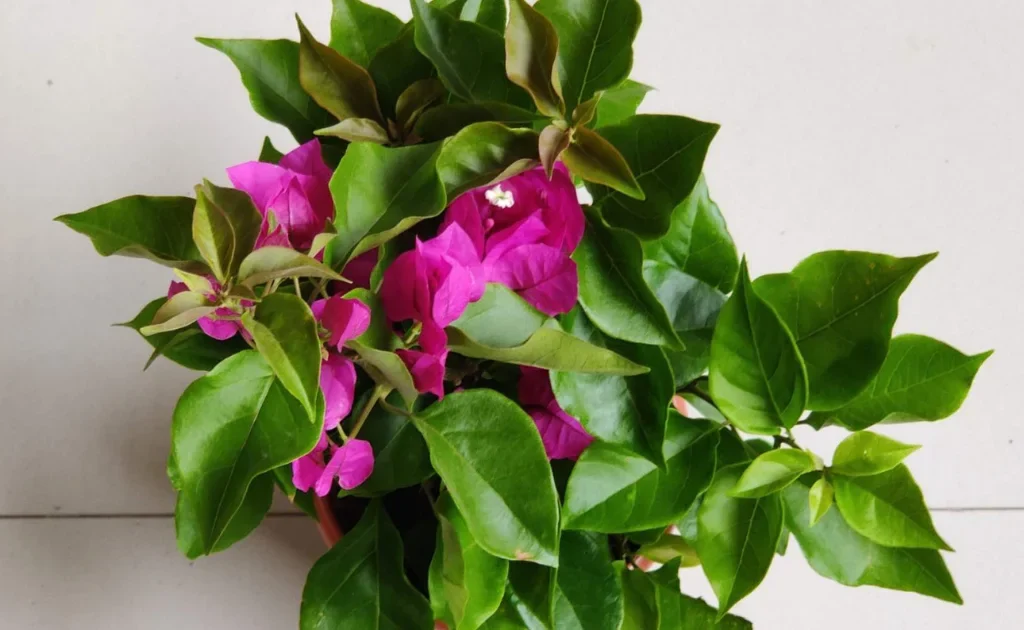
- Cost-Effective: Multiply plants without buying new ones.
- Fast Growth: Bougainvillea cuttings root and grow quickly under ideal conditions.
- Maintain Plant Traits: Cuttings produce genetically identical plants, keeping the same bract color and growth habit.
- Easy for Beginners: With proper care, even novice gardeners can succeed.
- Decorative Potential: Propagating cuttings allows you to create vibrant hedges, trellises, or potted arrangements.
Tip: Bougainvillea grows well in containers, making it ideal for patios, terraces, and balconies.
Materials Needed for Propagation
- Healthy Bougainvillea plant (source for cuttings)
- Sharp, sterilized pruning shears
- Rooting hormone (optional but recommended)
- Small pots or containers with drainage holes
- Well-draining soil (sandy soil, garden soil, and compost mix)
- Watering can or spray bottle
- Clear plastic bag or propagator (optional for humidity)
Update Tip: Choose mature stems for cuttings, ideally woody but not too old, to ensure faster rooting.
Step 1: Choosing and Preparing Cuttings
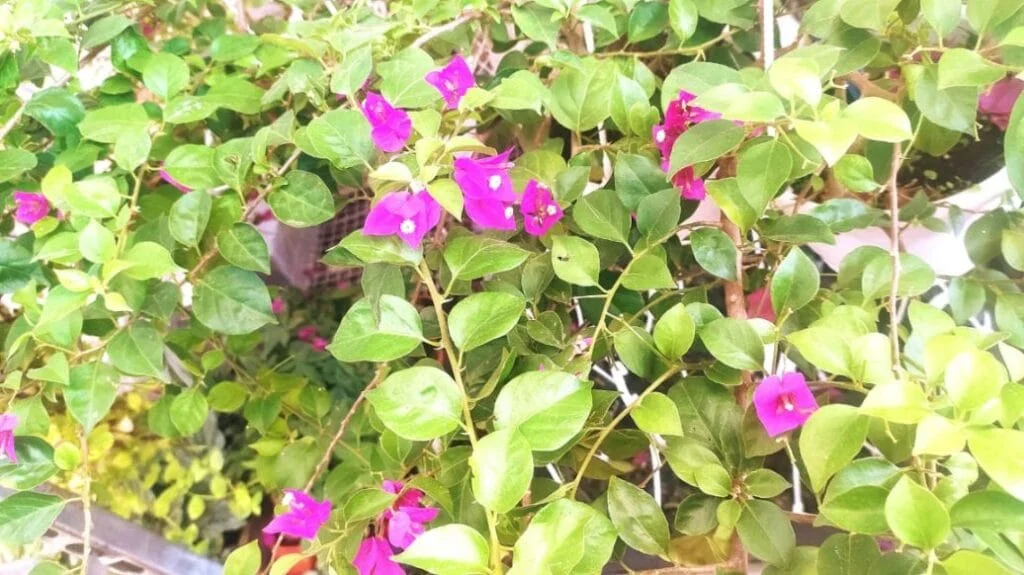
- Select healthy, disease-free stems that are semi-hardwood (mature but flexible).
- Take cuttings 6–8 inches long, making a clean cut just below a leaf node.
- Remove leaves from the bottom half of the cutting to reduce water loss and promote root growth.
- Optional: Dip the cut end in rooting hormone to increase the chances of successful rooting.
Tip: Avoid cuttings from very young shoots, as they may rot before rooting, and avoid old woody stems, which root slowly.
Step 2: Preparing the Potting Medium
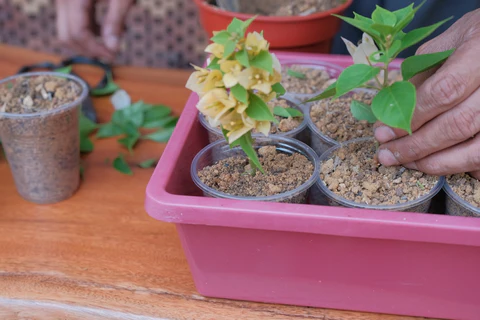
- Use a well-draining soil mix: equal parts sandy soil, compost, and perlite or coarse sand.
- Fill pots with soil, leaving space for the cutting.
- Moisten the soil slightly, but it should not be soggy, as excessive moisture can cause rotting.
Update Tip: Adding a thin layer of gravel at the bottom of the pot improves drainage and prevents water accumulation.
Step 3: Planting the Cuttings
- Make a small hole in the soil and insert the cutting 2–3 inches deep.
- Firmly press the soil around the base to eliminate air pockets.
- Place the cutting in a bright, indirect light location.
- Water lightly after planting to settle the soil.
Tip: Avoid direct sunlight at this stage, as it may stress the cutting and hinder rooting.
Step 4: Maintaining Proper Humidity and Temperature
- Cover the pot with a clear plastic bag or use a propagator to maintain high humidity, which encourages root growth.
- Keep the soil consistently moist but not soggy.
- Ideal temperature for rooting is 20–30°C (68–86°F).
Update Tip: Remove the plastic cover occasionally to allow air circulation and prevent mold or fungal growth.
Step 5: Watering and Care During Rooting
- Mist cuttings daily to maintain humidity.
- Water lightly when the top inch of soil dries out.
- Avoid overwatering, as Bougainvillea is prone to stem and root rot.
Tip: Watering from the base is ideal, as it reduces the risk of fungal infection on leaves and stems.
Step 6: Encouraging Root Growth
- Bougainvillea cuttings typically root in 3–6 weeks, depending on environmental conditions and stem maturity.
- Gentle tugging after a few weeks can indicate root formation; resistance means roots are developing.
- Fertilization is not necessary until the roots establish fully.
Update Tip: Using rooting hormone significantly improves the success rate and accelerates root formation.
Step 7: Transplanting Rooted Cuttings
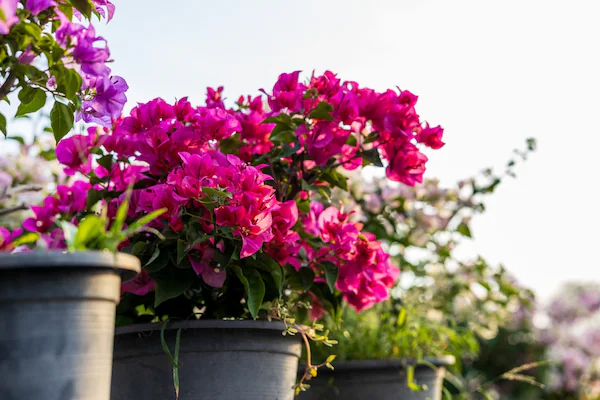
- Once roots are well-established, carefully transplant the cutting into a larger pot or garden bed.
- Use well-draining soil enriched with compost for healthy growth.
- Water lightly after transplanting and gradually introduce the plant to more sunlight.
- Avoid fertilizing immediately; wait 2–3 weeks until the plant adjusts to its new environment.
Tip: Harden off plants by gradually increasing sunlight exposure to prevent leaf burn.
Step 8: Fertilizing Bougainvillea for Fast Growth
- Use a balanced fertilizer (NPK 10:10:10) every 4–6 weeks for young plants.
- Once mature, apply a phosphorus-rich fertilizer to encourage flowering and vibrant bracts.
- Avoid excessive nitrogen, which promotes leafy growth at the expense of flowers.
Update Tip: Fertilize early in the growing season for optimal bloom production.
Step 9: Pruning and Training
- Prune young Bougainvillea to encourage branching and create a bushier plant.
- Remove dead, weak, or diseased stems regularly to maintain plant health.
- Train plants on trellises or fences if growing climbers.
Tip: Light pruning also stimulates flower production, giving more vibrant bracts during bloom.
Step 10: Common Problems and Troubleshooting
- Cutting Fails to Root: Often due to overwatering or low temperatures.
- Solution: Adjust watering, maintain warmth, and use rooting hormone.
- Yellow Leaves: Caused by excessive moisture or nutrient deficiency.
- Solution: Improve drainage and apply light fertilizer after rooting.
- Stem Rot or Mold: Caused by high humidity without ventilation.
- Solution: Ensure proper air circulation and remove affected parts.
- Pests: Aphids or mealybugs may appear.
- Solution: Spray with neem oil or insecticidal soap.
Update Tip: Early detection of problems increases success rates and keeps young plants healthy.
Advantages of Propagating Bougainvillea from Cuttings
- Cost-Effective: Create multiple plants from one parent.
- Fast Growth: Semi-hardwood cuttings root quickly and develop into flowering plants in months.
- Genetic Consistency: Keeps the same flower color and growth habit.
- Versatile Gardening: Perfect for pots, hedges, climbers, and garden beds.
- Decorative Potential: Enhances outdoor and indoor spaces with vibrant colors.
Conclusion
Propagating Bougainvillea from cuttings is a fast, easy, and rewarding way to multiply these stunning plants. By selecting healthy stems, using well-draining soil, maintaining proper humidity, and providing adequate light and care, you can grow vibrant, flowering Bougainvillea plants that add color and charm to your garden.
Whether you are a beginner or an experienced gardener, this method allows you to expand your garden, save money, and enjoy faster growth. With patience, attention to watering, fertilization, and pruning, your propagated Bougainvillea will thrive, giving you lush foliage and spectacular bracts for years to come.


Leave A Comment