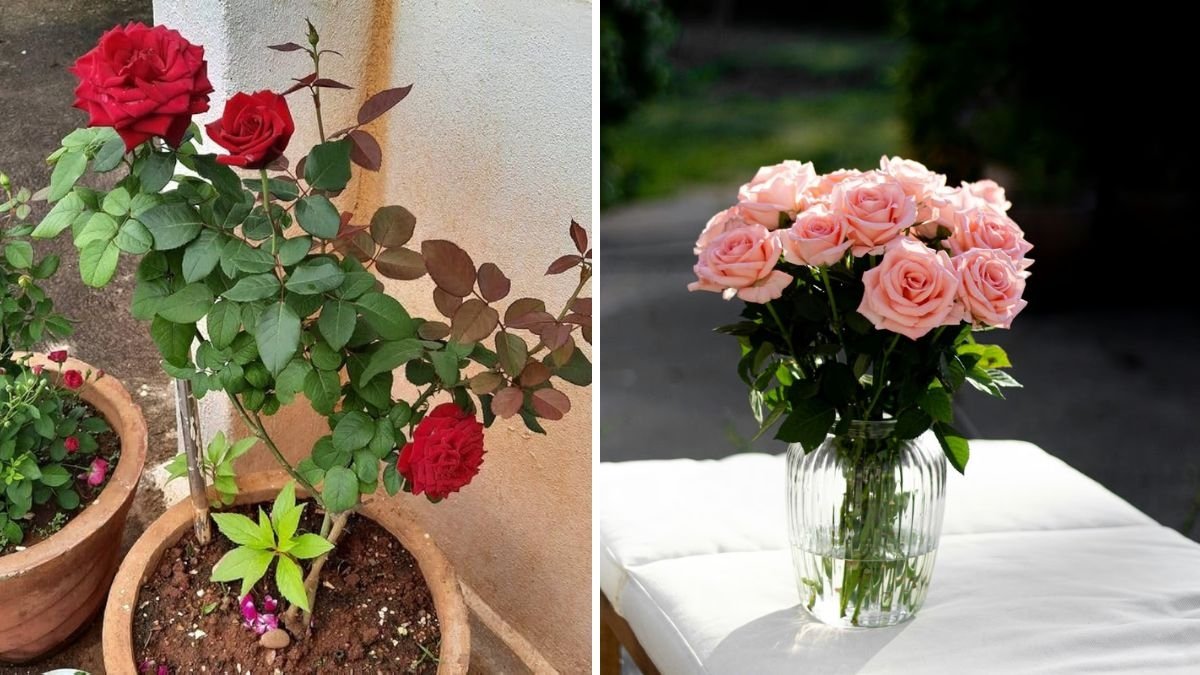
Roses are the queens of the garden—elegant, fragrant, and captivating. Every gardener dreams of a rose bush overflowing with vibrant blooms. But achieving prolific flowering requires more than just watering and sunlight; it demands a strategic approach to care. Imagine getting 500% more flowers on your rose plants! In this comprehensive guide, we’ll reveal expert tips, updates, and techniques that can transform your rose garden into a floral paradise.
Why Your Roses May Not Be Blooming
Before we explore the steps to boost flowering, it’s important to understand why roses sometimes underperform:
- Insufficient Pruning: Old, dead, or weak stems reduce flower production.
- Nutrient Deficiency: Roses are heavy feeders; lacking essential nutrients stunts bloom formation.
- Poor Sunlight: Roses need at least 6–8 hours of sunlight daily to produce abundant flowers.
- Overwatering or Underwatering: Both extremes can stress the plant and prevent blooms.
- Pests and Diseases: Aphids, fungal infections, and mites damage stems and buds.
Once you address these common issues, your rose plants will be ready to flourish.
Step 1: Choose the Right Varieties

Some rose varieties naturally produce more blooms than others. Selecting high-flowering types gives you a head start:
- Floribunda Roses: Known for cluster blooms and continuous flowering.
- Hybrid Tea Roses: Large, showy flowers ideal for bouquets.
- Climbing Roses: Produce long stems with multiple blooms, perfect for trellises.
- Shrub Roses: Hardy, low-maintenance, and consistently blooming.
Choosing the right variety ensures that your efforts yield maximum flowers.
Step 2: Proper Planting and Soil Preparation
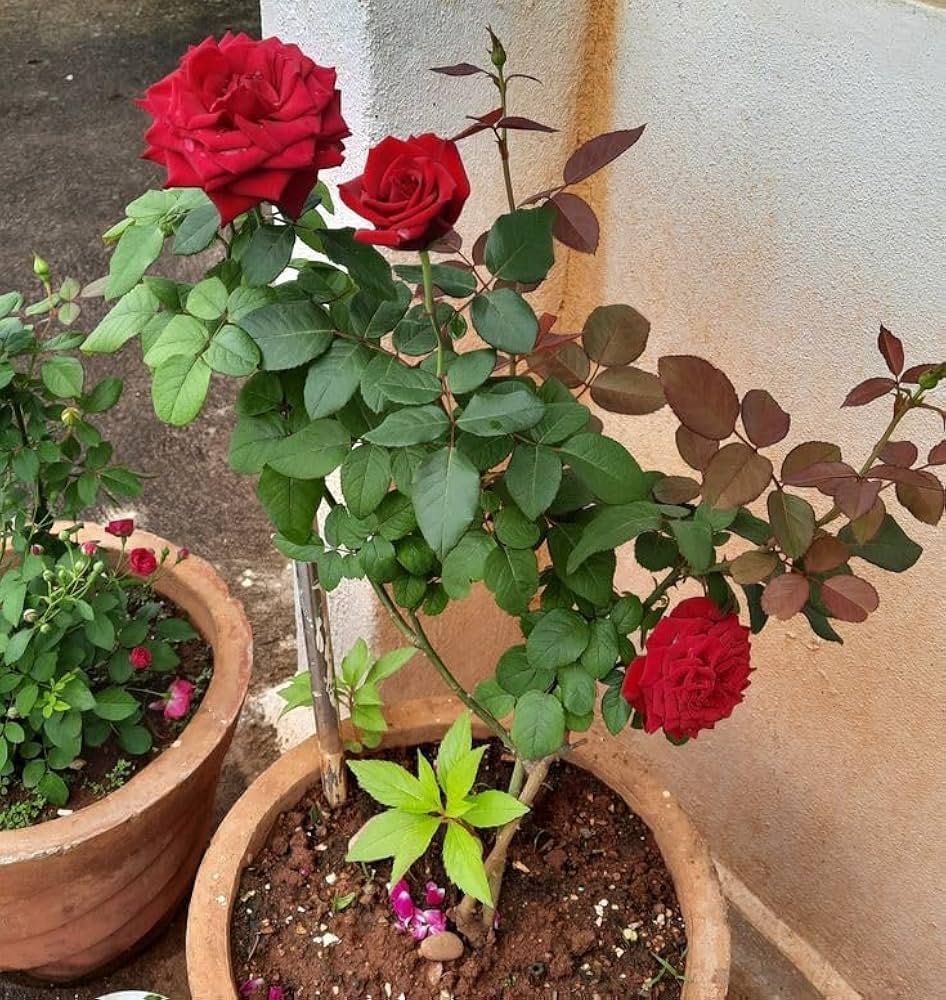
Healthy soil is the foundation of abundant blooms.

Steps for Optimal Soil:
- Well-Draining Soil: Roses hate waterlogged roots. Add sand or perlite for better drainage.
- Rich in Organic Matter: Mix compost, manure, or leaf mold to provide essential nutrients.
- Correct pH: Roses prefer slightly acidic soil (pH 6–6.5). Test and amend soil as needed.
- Planting Depth: Dig a hole twice the size of the root ball and plant so that the graft union is just above soil level.
Healthy roots equal healthy flowers.
Step 3: Pruning for Maximum Blooms
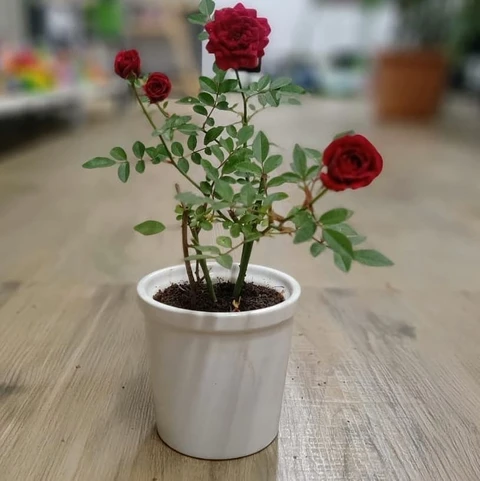
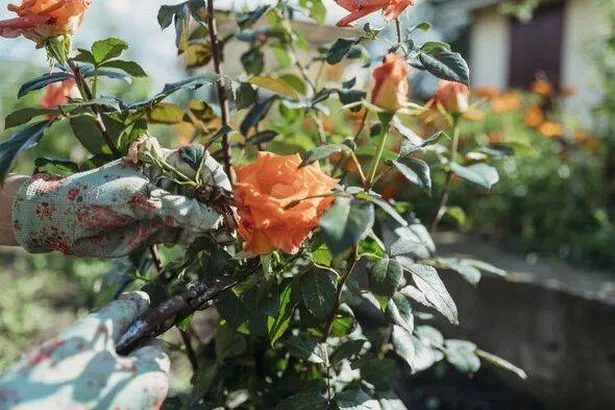
Pruning is crucial to increase flower production. It stimulates new growth, removes old or diseased stems, and shapes the plant.
Pruning Tips:
- Prune in late winter or early spring before new growth starts.
- Remove dead, damaged, or weak stems.
- Cut back 1/3 of the plant to encourage branching.
- Always make cuts at a 45-degree angle, just above outward-facing buds.
Regular pruning encourages multiple stems to produce flowers, dramatically increasing bloom numbers.
Step 4: Fertilization for Flower Power
Roses are heavy feeders, and their flowering depends on proper nutrition.

Fertilization Tips:
- Use a balanced rose fertilizer (NPK 10:10:10 or 12:12:12) for overall growth.
- Apply bloom-boosting fertilizer high in phosphorus (middle number in NPK ratio) to encourage flowering.
- Feed every 3–4 weeks during the growing season.
- Supplement with organic fertilizers like compost tea or well-rotted manure for continuous nutrient supply.
Consistent feeding ensures your roses have the energy to produce 500% more flowers.
Step 5: Watering Correctly
Watering is often overlooked but plays a vital role in flower development.
- Deep Watering: Water at the base to reach deep roots, once or twice a week depending on climate.
- Avoid Wetting Foliage: Wet leaves can lead to fungal infections like black spot or powdery mildew.
- Mulching: Apply a 2–3 inch layer of mulch around the base to retain moisture and regulate soil temperature.
Well-watered plants bloom more profusely than stressed, dry ones.
Step 6: Sunlight and Placement
Roses need full sun to produce abundant blooms.
- Ensure at least 6–8 hours of sunlight daily.
- Avoid planting near tall trees or structures that cast shade.
- Rotate potted roses to provide even sunlight exposure.
More sun equals more energy for flowers.

Step 7: Deadheading and Maintenance

Deadheading—removing spent blooms—encourages your rose bush to produce more flowers.
Deadheading Tips:
- Use clean, sharp scissors or pruners.
- Cut just above the first set of 5 leaves below the spent bloom.
- Remove yellowing or damaged leaves to improve airflow and reduce disease risk.
Regular maintenance ensures continuous blooming throughout the season.
Step 8: Controlling Pests and Diseases
Healthy plants produce more flowers. Keeping pests and diseases under control is essential:
- Common Pests: Aphids, spider mites, thrips. Treat with neem oil, insecticidal soap, or natural predators like ladybugs.
- Common Diseases: Black spot, powdery mildew, rust. Remove infected leaves, improve air circulation, and apply fungicide if needed.
- Preventive Care: Avoid overhead watering, space plants for airflow, and maintain cleanliness around the rose beds.
A pest-free, disease-free plant can focus its energy on flowering.
Step 9: Seasonal Care Updates
Spring: Focus on pruning, fertilizing, and establishing healthy growth.
Summer: Regular watering, deadheading, and pest control.
Fall: Gradually reduce fertilization and water slightly less to prepare for dormancy.
Winter: Protect from frost and extreme cold; minimal watering until growth resumes.

Following seasonal updates ensures maximum blooms each year.
Step 10: Advanced Tips for Super Bloom
For gardeners aiming for extraordinary results:
- Use Foliar Feeding: Spray a diluted fertilizer solution on leaves to boost nutrient absorption.
- Apply Seaweed Extracts: Improves root development and flower production.
- Encourage Side Shoots: Pinch tips of stems to promote branching and multiple blooms.
- Regular Observation: Track plant health and respond quickly to stress signs.
These advanced techniques can multiply your flowers and create a spectacular rose display.
Conclusion
Getting 500% more flowers on your rose plants isn’t just a dream—it’s achievable with consistent care and strategic techniques. By selecting high-flowering varieties, preparing the soil, pruning correctly, feeding appropriately, watering intelligently, and managing pests and diseases, you can transform your rose garden into a blooming paradise.
Remember, roses respond to attention. Deadheading spent blooms, providing adequate sunlight, and following seasonal updates all contribute to extraordinary flowering. With patience and dedication, your rose plants will reward you with vibrant, abundant flowers that captivate and inspire.
Start applying these tips today and watch your rose garden flourish beyond your expectations!


Leave A Comment