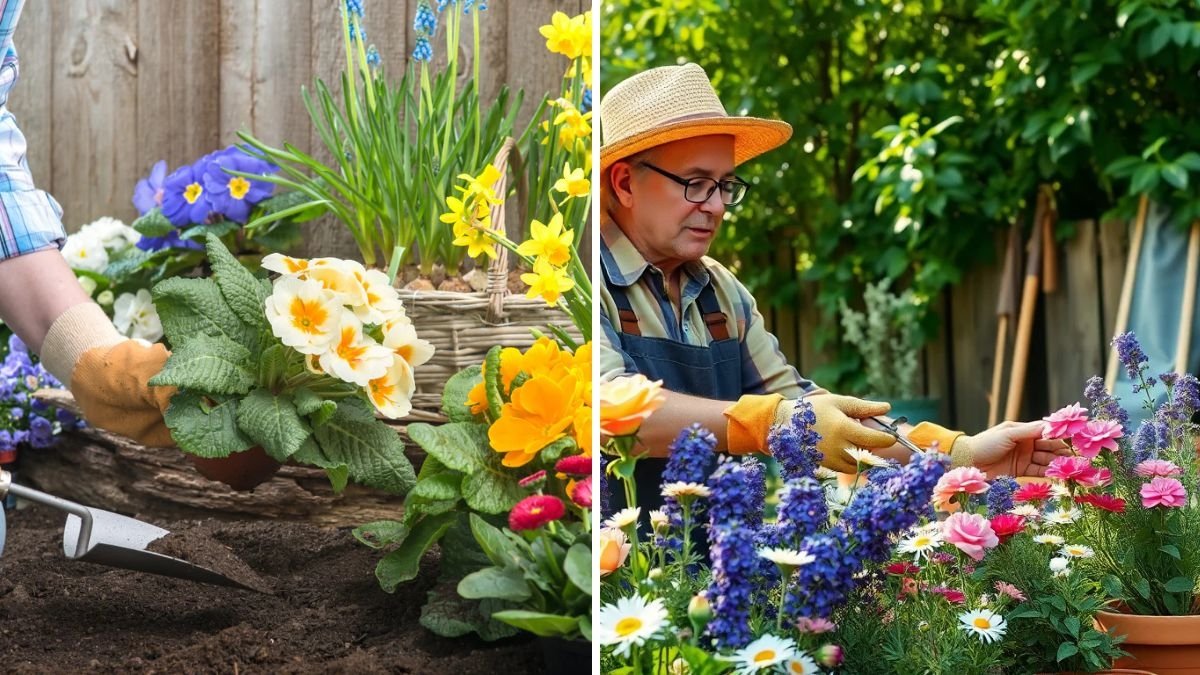
Few things brighten up a home or garden like flowers in full bloom. But nothing is more frustrating than seeing those blooms fade within a few days. What if you could enjoy a flower that stays vibrant and healthy for 30–40 days? In this guide, we’ll explore everything you need to know to care for long-lasting flowers, from planting tips to watering schedules, sunlight requirements, and common issues—complete with real-life updates for optimal results.
Why Some Flowers Last Longer Than Others
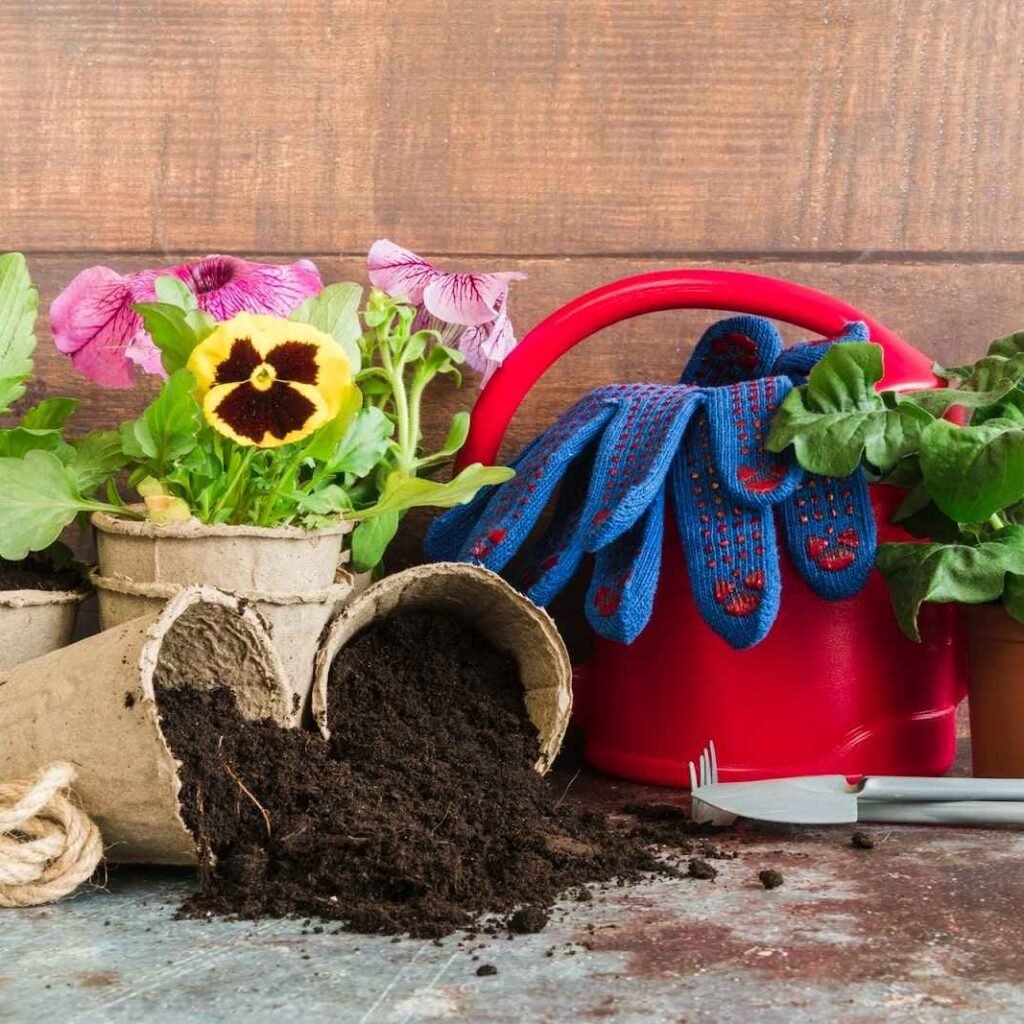
Flowers differ significantly in their bloom longevity. While some blooms last only a day or two, certain varieties—like marigolds, zinnias, geraniums, and hibiscus—can maintain their vibrant petals for over a month under the right conditions.
The longevity of a flower depends on:
- Plant species and variety: Some are naturally long-blooming.
- Environmental conditions: Sunlight, temperature, and humidity affect bloom duration.
- Care routine: Proper watering, fertilization, and pruning can extend bloom life.
By understanding these factors, you can maximize the flowering period of your plants and enjoy beautiful, fresh blooms for weeks on end.
Choosing the Right Flower for Long Blooms
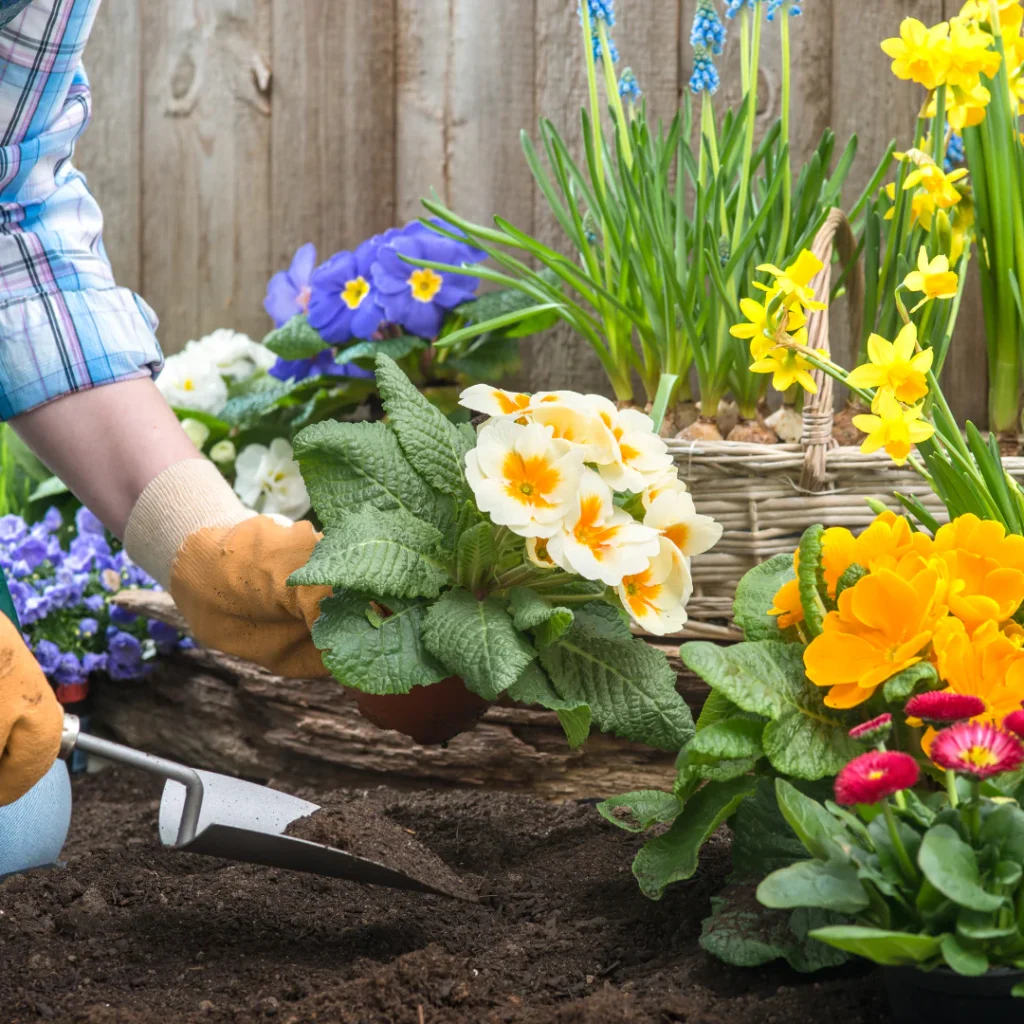
When aiming for 30–40 day blooms, choosing the right species is crucial. Some popular long-lasting flowers include:
- Marigolds (Tagetes): Known for their bright yellow and orange blooms, marigolds can stay vibrant for over a month. They are hardy and relatively low maintenance.
- Zinnias: With their wide range of colors, zinnias are perfect for continuous blooms in sunny locations.
- Hibiscus: Tropical hibiscus varieties can produce stunning flowers that last up to 40 days with proper care.
- Geraniums: These classic flowers thrive in both pots and gardens, producing consistent blooms.
Selecting a flower suited to your climate and sunlight availability will significantly increase your chances of enjoying long-lasting blooms.
Planting and Soil Preparation
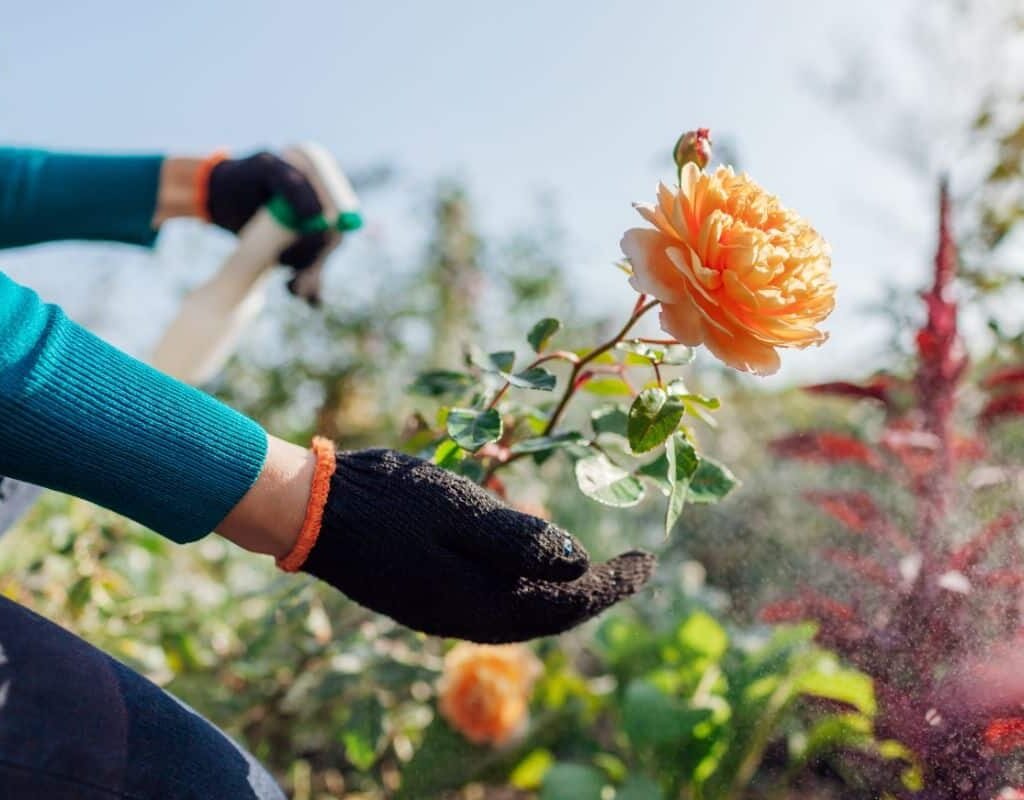
Healthy flowers start with healthy soil. Proper soil preparation ensures strong roots and abundant blooms.
Steps for Optimal Planting:
- Choose well-draining soil: Flowers that bloom for long periods require soil that doesn’t retain excess water.
- Use organic compost: Enrich the soil with compost or well-rotted manure to provide essential nutrients.
- Select the right container: If planting in pots, ensure they have drainage holes. Clay pots are ideal as they allow airflow and prevent waterlogging.
- Plant at the correct depth: For most flowering plants, the base of the stem should sit slightly above soil level to avoid stem rot.
Healthy soil sets the foundation for strong, long-lasting blooms.
Watering Tips for Long-Lasting Blooms
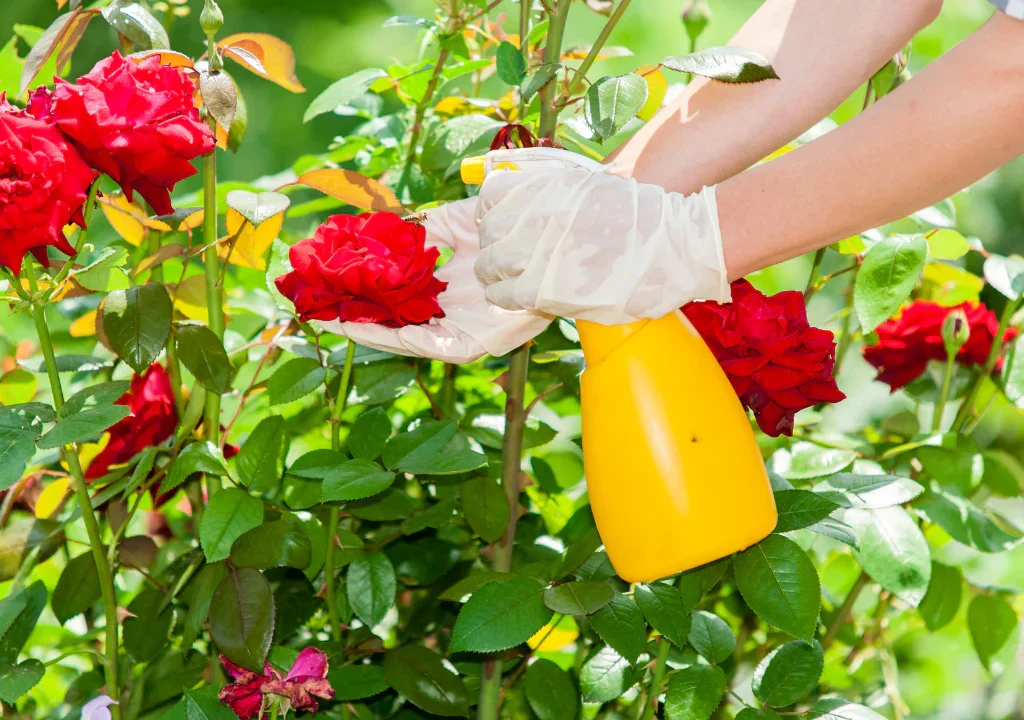
Watering is one of the most critical factors in extending flower life. Both overwatering and underwatering can shorten the bloom period.
Guidelines for Proper Watering:
- Consistency is key: Keep the soil slightly moist but never soggy.
- Water early in the day: This allows leaves to dry before nightfall, reducing the risk of fungal infections.
- Adjust according to weather: In hot, dry climates, water more frequently; during rainy periods, reduce watering.
- Avoid wetting the blooms: Water at the base of the plant to keep flowers dry and prevent premature fading.
Using these watering techniques will help your flowers remain vibrant for weeks.

Sunlight Requirements
Long-lasting flowers need the right amount of sunlight to produce and maintain blooms. Most long-blooming varieties thrive in full to partial sunlight.
- Full Sun (6–8 hours daily): Ideal for marigolds, zinnias, and hibiscus.
- Partial Sun (4–6 hours daily): Suitable for geraniums and some hibiscus varieties.
- Avoid excessive shade: Insufficient sunlight can cause weak stems, poor bloom production, and shorter flower life.
Position your flowers according to their sunlight needs, and rotate pots if necessary to ensure even exposure.
Fertilization for Extended Bloom Life
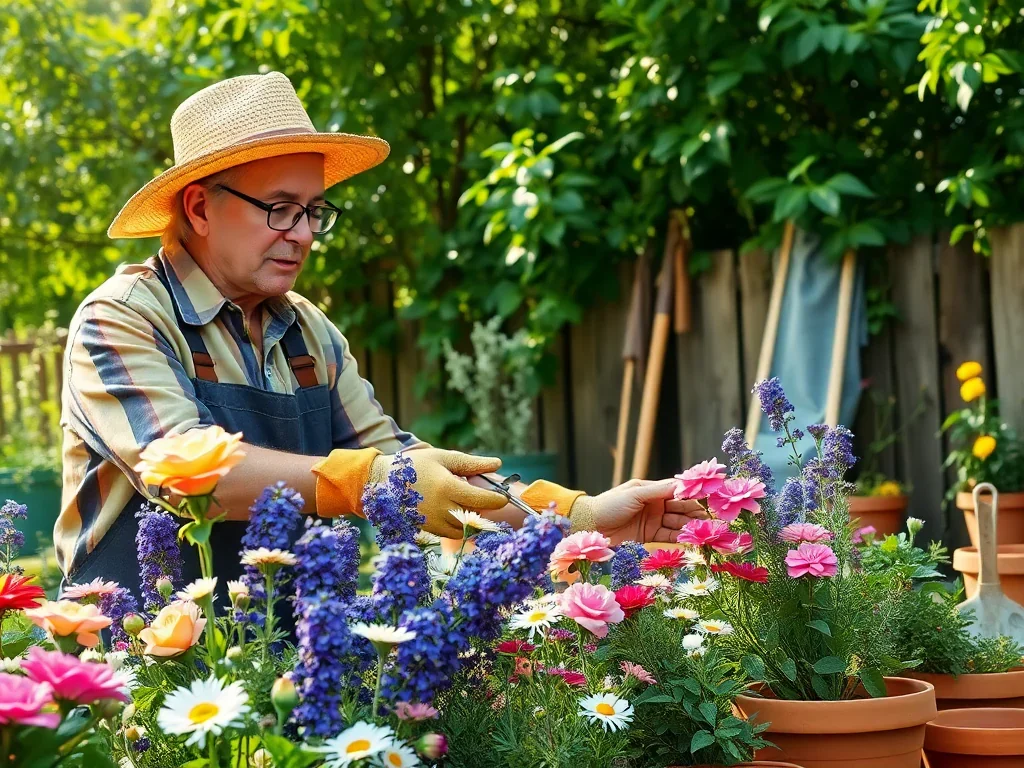
Regular feeding supports long-lasting blooms. Use a balanced fertilizer to provide essential nutrients for strong stems, vibrant petals, and continuous flowering.
Fertilization Tips:
- Use bloom-boosting fertilizers: Look for fertilizers high in phosphorus (the middle number in NPK ratios).
- Feed every 2–3 weeks: Avoid over-fertilizing, which can lead to leaf growth at the expense of flowers.
- Water after fertilizing: This helps nutrients penetrate the soil and reach the roots efficiently.
Consistent feeding ensures your plants remain healthy and continue to produce flowers for 30–40 days.
Pruning and Deadheading
Pruning and deadheading are essential techniques for long-lasting flowers. Deadheading is the process of removing spent blooms, which encourages the plant to produce new flowers instead of seeds.
Steps for Effective Deadheading:
- Use clean, sharp scissors or pruners.
- Cut the faded flower at its base, close to the stem.
- Remove any damaged or yellowing leaves to improve airflow and reduce disease.
Pruning not only improves the appearance of your plant but also extends its flowering period.
Pest and Disease Management
Long-blooming flowers are more prone to pests due to their extended exposure. Regular inspection and preventive care are crucial.
Common Pests: Aphids, whiteflies, and spider mites.
Solutions:
- Spray with mild insecticidal soap or neem oil.
- Remove heavily infested leaves to prevent spread.
- Encourage beneficial insects like ladybugs.
Common Diseases: Powdery mildew, root rot, and fungal infections.
Prevention Tips:
- Avoid overhead watering.
- Ensure good airflow around plants.
- Use fungicides if necessary for persistent fungal issues.
Real-Life Care Updates for Optimal Flower Longevity
Recent updates from gardeners show that following a simple weekly care routine can significantly extend bloom life:

- Week 1–2: Focus on acclimating newly planted flowers to sunlight, water lightly, and monitor for stress.
- Week 3–4: Begin regular fertilization and deadheading. Monitor for pests.
- Week 5–6: Adjust watering based on soil moisture and environmental conditions. Continue pruning spent blooms.
- Continuous: Rotate pots for even sunlight exposure, remove yellowing leaves, and maintain a consistent care routine.
By following these updates, many gardeners report flowers remaining vibrant and healthy for 30–40 days, delighting both the eye and the home atmosphere.
Tips for Indoor and Container Gardening
If you are growing long-lasting flowers indoors or in containers:
- Place pots near sunny windows for 6–8 hours of indirect sunlight.
- Use lightweight, well-draining potting mix.
- Rotate pots regularly to ensure even light distribution.
- Keep indoor humidity moderate; too much moisture can encourage fungal growth.
Indoor container gardening allows you to enjoy these blooms all year round, with the same long-lasting results.
Conclusion
A flower that lasts for 30–40 days is a gardener’s dream. By choosing the right species, preparing the soil carefully, watering consistently, providing optimal sunlight, fertilizing regularly, and practicing pruning and pest management, you can enjoy vibrant blooms for weeks.
With patience and consistent care, your flowers will not only brighten your surroundings but also become a source of joy and relaxation. Whether in your garden, balcony, or home, long-lasting blooms are achievable—and with these tips and updates, you’ll be able to enjoy them like a pro.
Start planting today, follow this guide, and experience the beauty of flowers that truly go the distance.


Leave A Comment