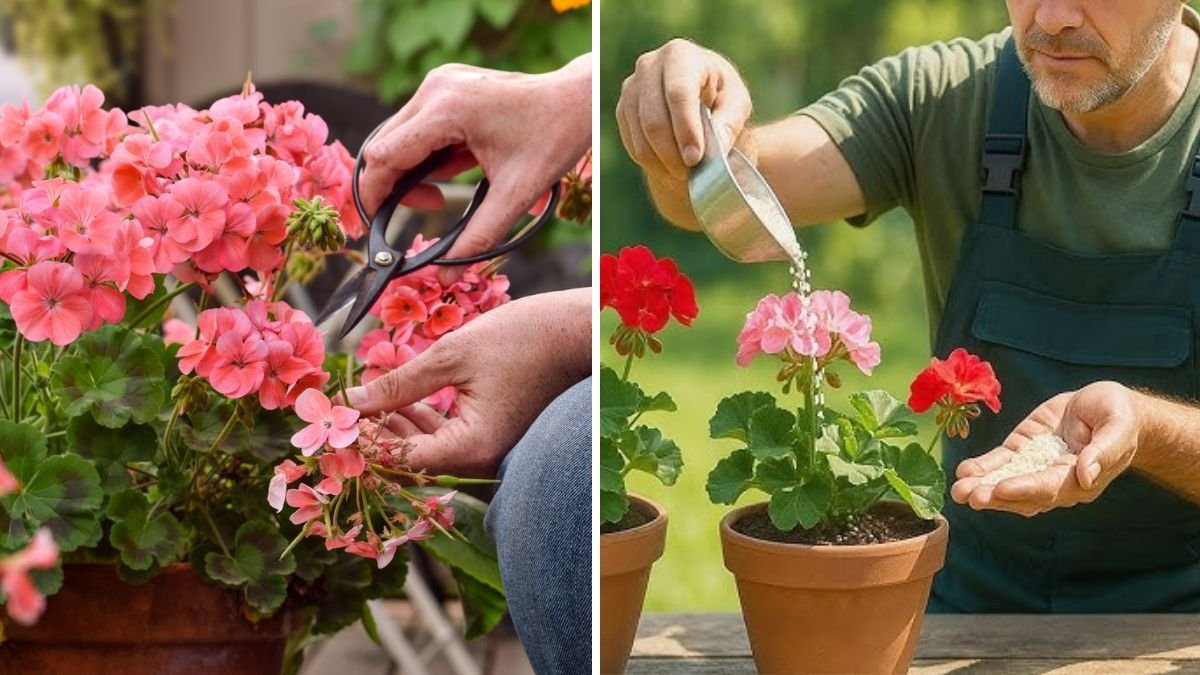
Growing flower plants at home is one of the most rewarding hobbies you can start—whether you’re doing it for beautiful balcony décor, home fragrance, relaxation, or simply the joy of watching something you planted bloom with life. The best part? You don’t need a huge garden, expensive tools, or expert knowledge. With the right guidance, anyone can grow vibrant, healthy flower plants at home—on balconies, windowsills, terraces, or small backyard spaces.
This complete guide walks you through everything you need to know: choosing the right flowers, preparing soil, planting, caring, troubleshooting problems, and ensuring long-lasting blooms.
Why You Should Start Growing Flowers at Home
Before diving into the steps, here’s why home gardeners love growing flowering plants:
- Instant Beauty – Flowers brighten up your space instantly.
- Stress Relief – Gardening is scientifically proven to reduce stress.
- Purifies Air – Many flowering plants improve air quality.
- Cost-Effective – You can grow dozens of flowers from inexpensive seeds or cuttings.
- Supports Nature – Flowers attract bees, butterflies, and pollinators.
Now, let’s grow your own mini flower garden!
Step 1: Choose the Right Flower Plants for Home Gardening
Your success starts with choosing plants that suit your space, climate, and sunlight conditions.
For Full Sunlight (5–6 hours daily):
- Marigold
- Zinnia
- Petunia
- Portulaca
- Sunflower
- Verbena
- Gaillardia
For Partial Sun to Shade:
- Begonia
- Impatiens
- Pansy
- Hydrangea
- Kalanchoe
Beginner-Friendly (Low-Maintenance) Choices:
- Marigold
- Portulaca
- Zinnia
- Kalanchoe
- Verbena
- Nasturtium
If you are a beginner, start with Marigold, Zinnia, or Verbena because they grow fast and bloom heavily with minimal care.
Step 2: Choose the Right Pot or Container
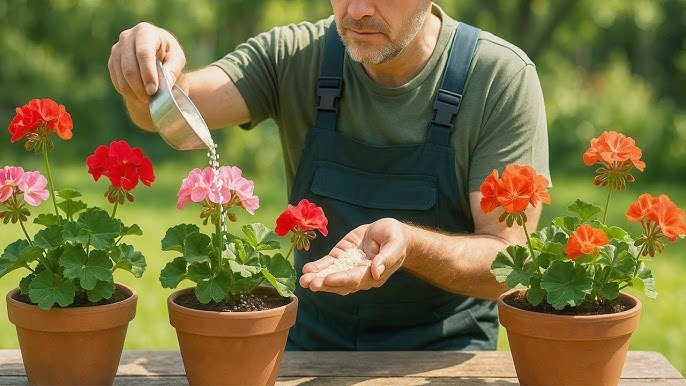
Flower plants grow well in almost any container—as long as it has good drainage holes.
Ideal container size:
- Small flowers: 6–8 inch pot
- Bushy plants: 10–12 inch pot
- Spreading flowers: Wide and shallow pot
Best container materials:
- Plastic pots (lightweight, affordable)
- Terracotta pots (great airflow)
- Ceramic pots (decorative but heavy)
Drainage is crucial because stagnant water causes root rot. Add small stones at the bottom for extra drainage.
Step 3: Prepare the Perfect Potting Soil
Flower plants need loose, airy, nutrient-rich soil.
Best potting mix recipe for flowering plants:
- 40% Garden soil
- 30% Compost or cow dung manure
- 20% Cocopeat
- 10% Perlite or sand
This mix keeps soil:
- Well-drained
- Moist but not soggy
- Rich in nutrients
Add a handful of neem powder or crushed charcoal to protect roots from fungus.
Step 4: Planting Your Flower Plants (Seeds, Seedlings, or Cuttings)
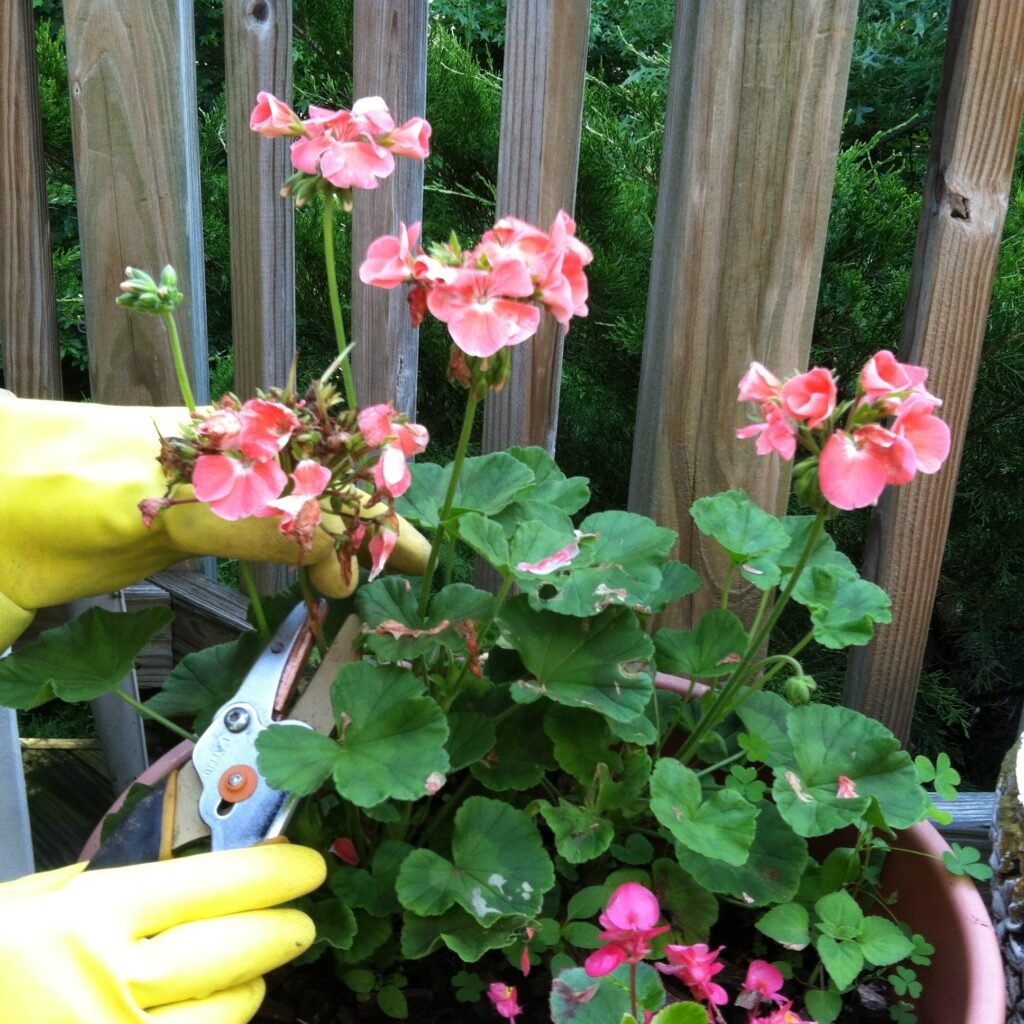
You can grow flowers in three ways:
A. Growing Flowers from Seeds
- Fill small cups or seedling trays with potting mix.
- Sprinkle seeds lightly—do not bury them deeply.
- Mist with water to avoid disturbing seeds.
- Keep the tray in indirect light.
- Seeds germinate in 5–10 days depending on variety.
Once seedlings have 2–3 true leaves, transplant them into bigger pots.
B. Growing Flowers from Nursery Seedlings
- Gently remove the seedling from its polybag.
- Place it in the center of the pot.
- Fill soil around roots and press lightly.
- Water properly and keep in shade for 2 days.
C. Growing Flowers from Cuttings (Kalanchoe, Verbena, Begonia, etc.)
- Take a 4–5 inch healthy cutting.
- Remove bottom leaves.
- Dip in rooting hormone (optional).
- Plant in moist, sandy soil mix.
- Keep in shade until roots develop in 10–15 days.
Step 5: Watering Your Flower Plants the Right Way
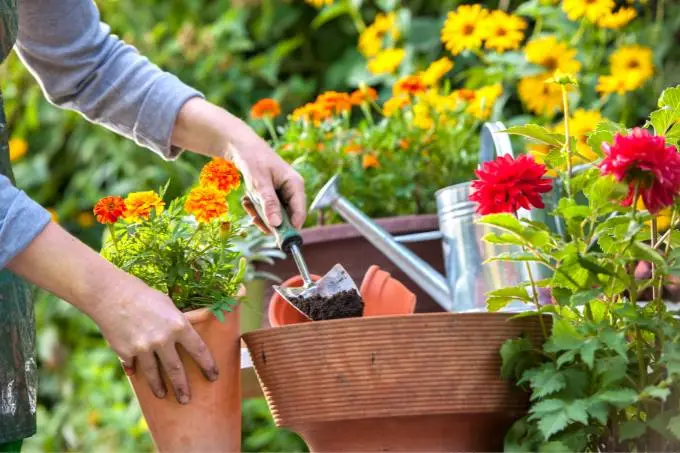
Watering is the key to healthy flowers.
General Watering Rules:
- Water only when the top 1 inch of soil feels dry.
- Avoid overwatering—it is the #1 reason flower plants die.
- Water early morning or evening.
- Reduce watering in winter.
Plants that love LESS water:
- Portulaca
- Verbena
- Kalanchoe
- Succulent-type flowering plants
Plants that love MORE water:
- Petunia
- Marigold
- Zinnia
- Hydrangea
Step 6: Give Proper Sunlight
Most flowering plants need plenty of sunlight to bloom well.
Best light conditions:
- Summer flowers: full sunlight
- Winter flowers: mild sunlight
- Shade-loving flowers: indirect light
If your balcony gets less sun, choose Begonias, Impatiens, or Kalanchoe.
Step 7: Fertilizing for More Flowers
Flower plants bloom heavily when fed well.
Best organic fertilizers for flowering:
- Compost
- Cow dung manure
- Mustard cake fertilizer
- Banana peel fertilizer
- Seaweed extract
For boosting heavy blooming:
Use once every 15 days:
- NPK 0-10-10
- Bone meal
- Potash-rich fertilizer
Avoid giving too much nitrogen—it causes leaf growth instead of flowers.
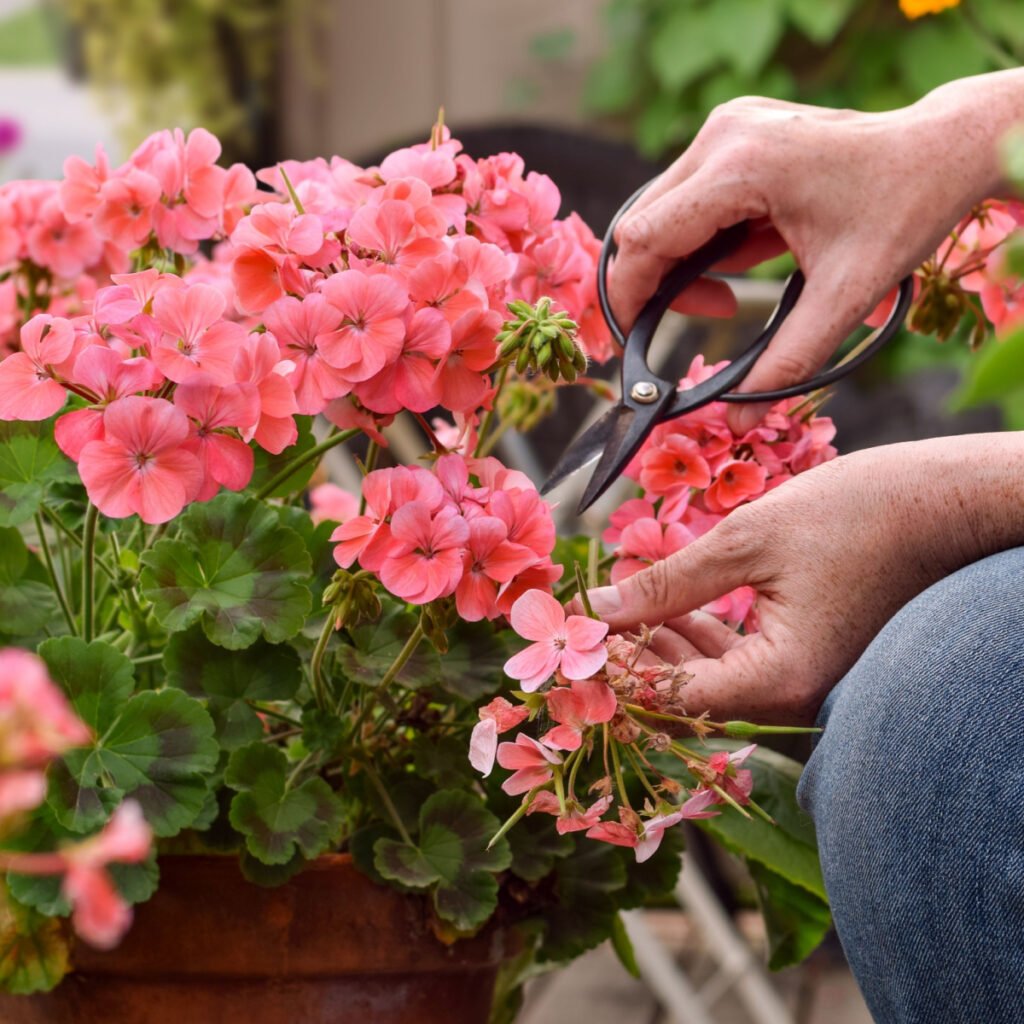
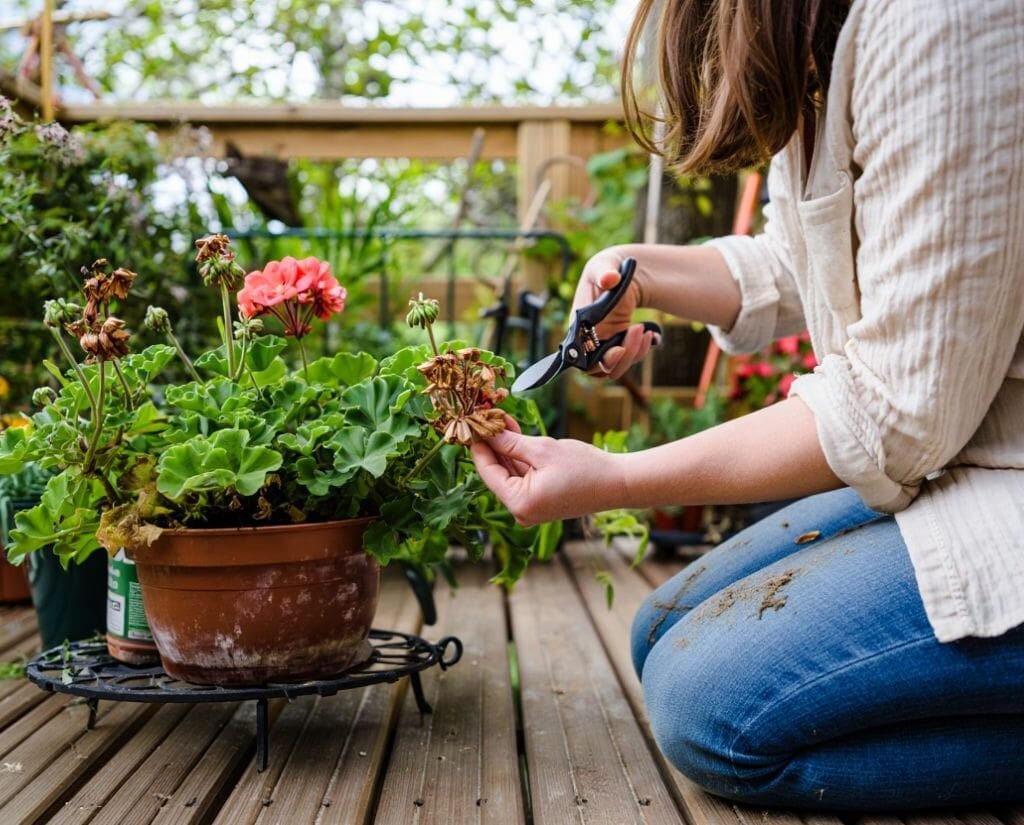
Step 8: Pruning & Pinching for Bushy Growth
To encourage more flowers:

- Pinch off the top growing tip when the plant is young.
- Remove dead or dry flowers (deadheading).
- Cut back long, straggly stems.
This helps the plant produce more branches → more flowers.
Step 9: Protecting from Pests & Diseases
Common pests in flowering plants:
- Aphids
- Mealybugs
- Whiteflies
- Spider mites
Natural pest control:
- Neem oil spray (every 10–15 days)
- Soap water spray
- Garlic-chili homemade pesticide
Avoid overwatering to prevent fungal infections.
Step 10: Useful Tips for More Blooms
Here are secret tips used by home gardeners:
Rotate pots weekly to give even sunlight
Keep soil loose by gently scratching the top layer
Add potash-rich fertilizer before blooming season
Remove yellow leaves immediately
Avoid using garden soil alone—it becomes hard
Final Thoughts: Your Home Garden Will Bloom Beautifully!
Growing flower plants at home is simpler than it looks. With the right soil, sunlight, watering routine, and a little care, you can turn any small space into a blooming paradise. Watching your plants grow from tiny seeds or small cuttings into vibrant flowers is incredibly satisfying.
Whether it’s a balcony, terrace, windowsill, or backyard—your home garden can become a colorful, joyful space filled with fragrance and life. Just start with one pot, and you’ll soon want to grow more!

Leave A Comment