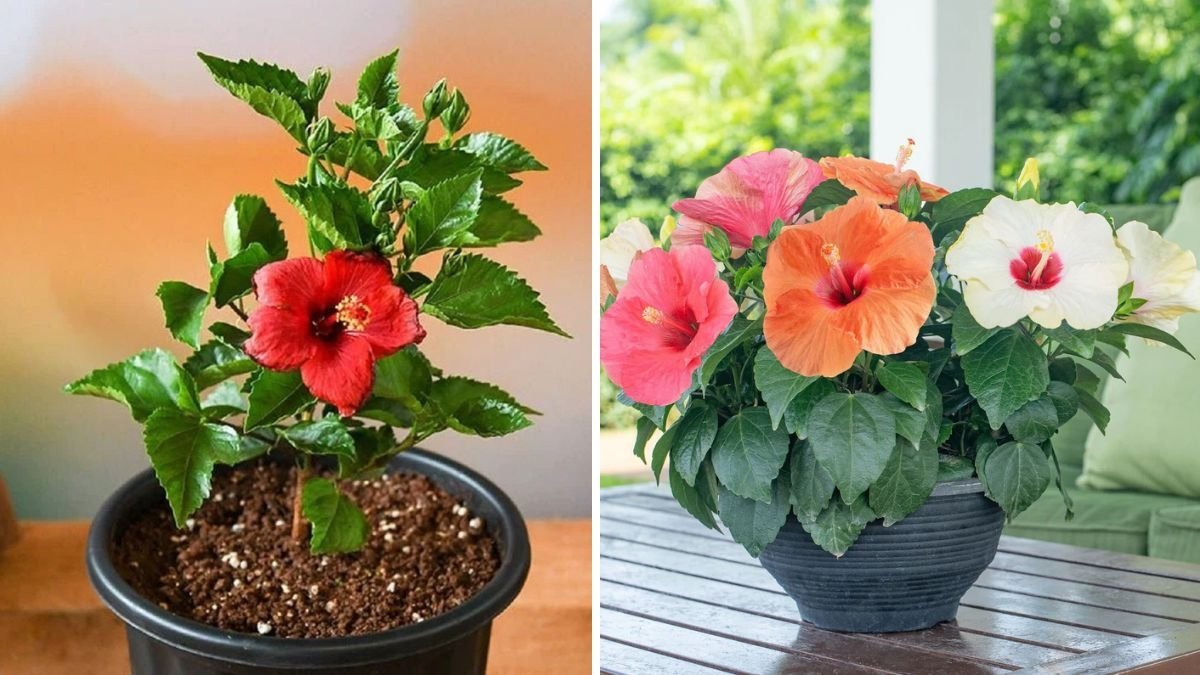
Hibiscus is one of the most stunning and diverse flowering plants in home gardens. From giant dinner-plate blooms to compact double-flowered varieties, hibiscus comes in thousands of colors and shapes. But did you know you can create your own unique hybrid hibiscus at home?
Yes! You can cross two hibiscus plants, create hybrid seeds, grow them, and enjoy completely new flowers—colors and patterns that nature hasn’t made yet but you will!
This complete guide teaches you, step-by-step, how to make hybrid hibiscus or hibiscus seeds at home, including full updates from pollination to seed harvest. Perfect for beginners and gardening enthusiasts!
Let’s begin your journey into hibiscus hybridization.
What Is a Hybrid Hibiscus?
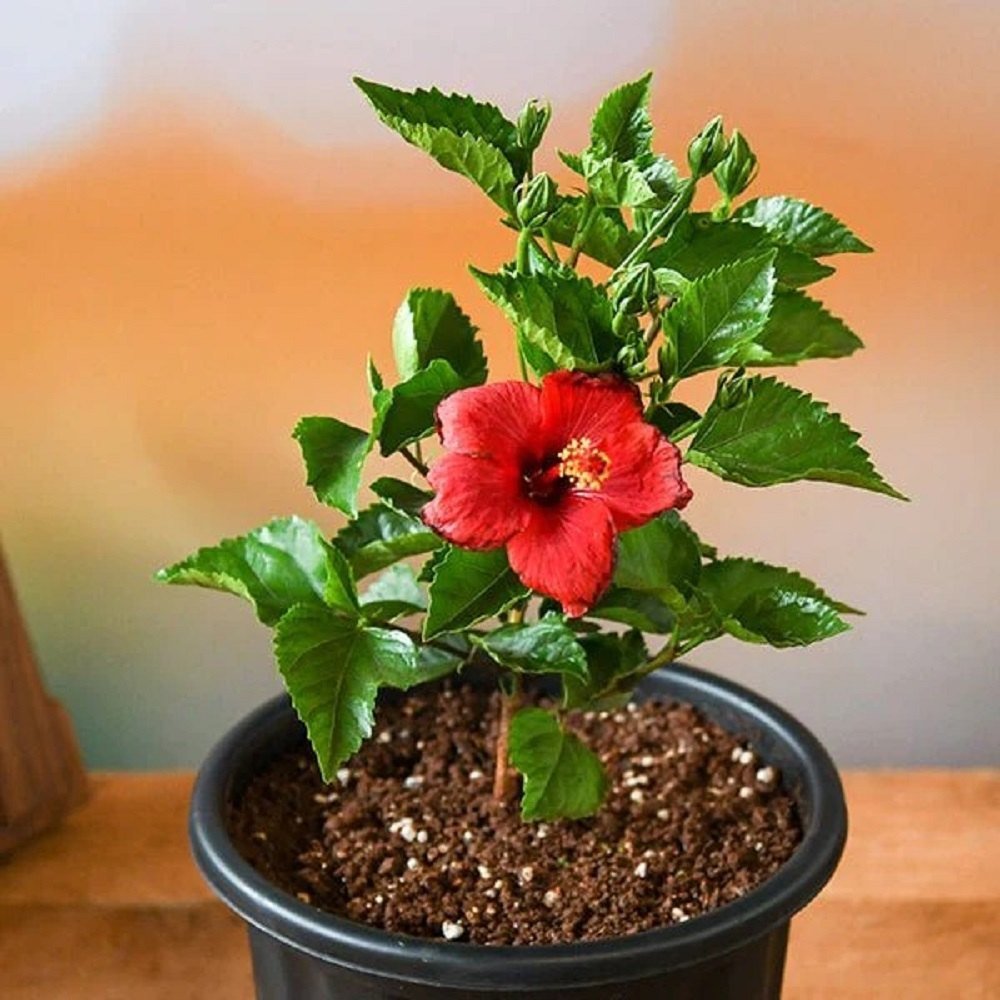
A hybrid hibiscus is created when pollen from one hibiscus flower (male parent) is transferred to another hibiscus flower (female parent).
The seeds produced from this cross grow into plants with mixed traits.
You can create hybrids with:
New color combinations
Bigger flowers
Double petals
Different patterns or stripes
More compact plant structure
Better heat tolerance
Most hybrid hibiscus varieties around the world are created by simple hand pollination—something anyone can do at home!
What You Need Before Making Hybrid Hibiscus
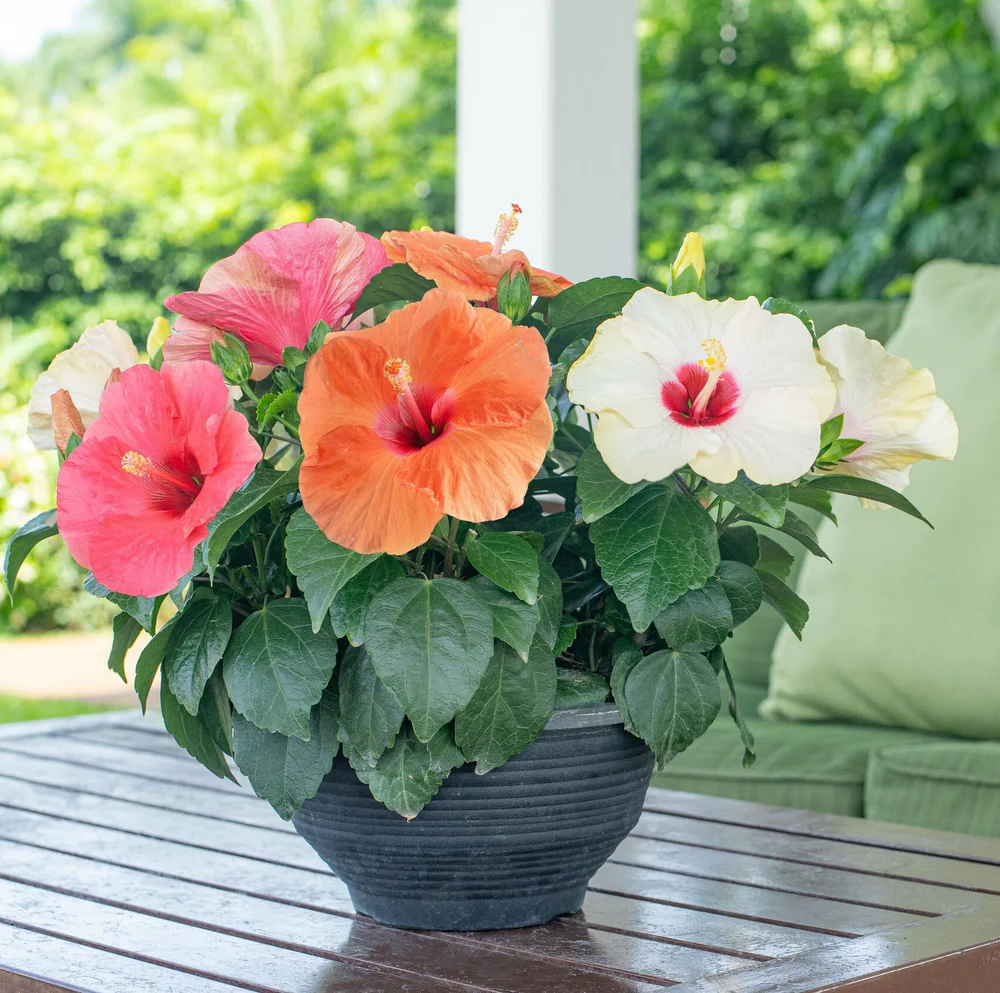
To create hibiscus seeds, you need:
Two Healthy Hibiscus Plants
- Choose two different varieties
- Pick plants that bloom actively
- Make sure they are pest-free and well-fed
These will be your Parent A and Parent B.
Basic Tools
- A soft paintbrush or earbud
- Small scissors or tweezers
- Paper tags / small slips
- A pen or marker
- A small mesh bag or clean paper bag
That’s it—very simple and beginner-friendly!
Choosing Parent Flowers
This step decides the future look of your hybrid flower. Choose wisely!
Female Parent (Mother)
Select a flower with:
- Strong plant growth
- Plenty of buds
- Good resistance to heat/pests
Male Parent (Father)
Choose a flower with:
- Beautiful color or pattern
- Larger bloom size
- Unique shape (double, fringed, ruffled)
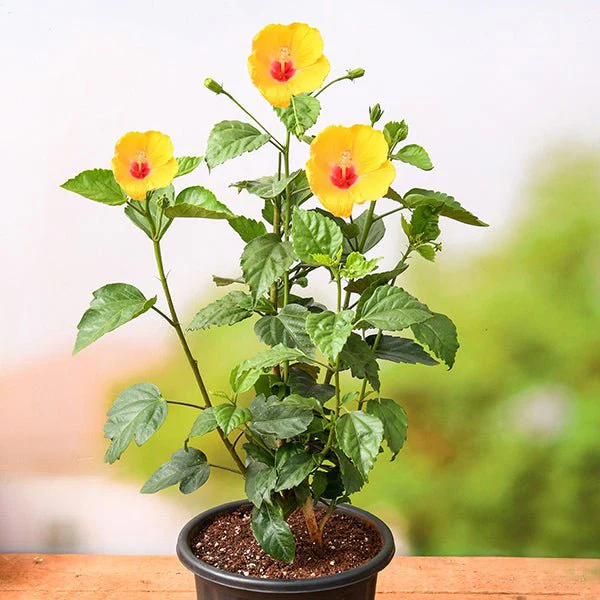
Example:
You like the color of one hibiscus but the size of another.
When you cross them → you may get large flowers with unique colors.
How Hibiscus Pollination Works
Each hibiscus flower has:
- Stigma → female part (tip of the pistil)
- Pollen → male part (yellow powder on the stamens)
Creating hybrids means placing pollen from Parent A onto the stigma of Parent B.
Mother plant = the one that forms the seed pod.
Step-by-Step: How to Make Hybrid Hibiscus Seeds at Home
Below is the complete, easy, and foolproof method.
Step 1: Prepare the Female Flower (Mother Flower)
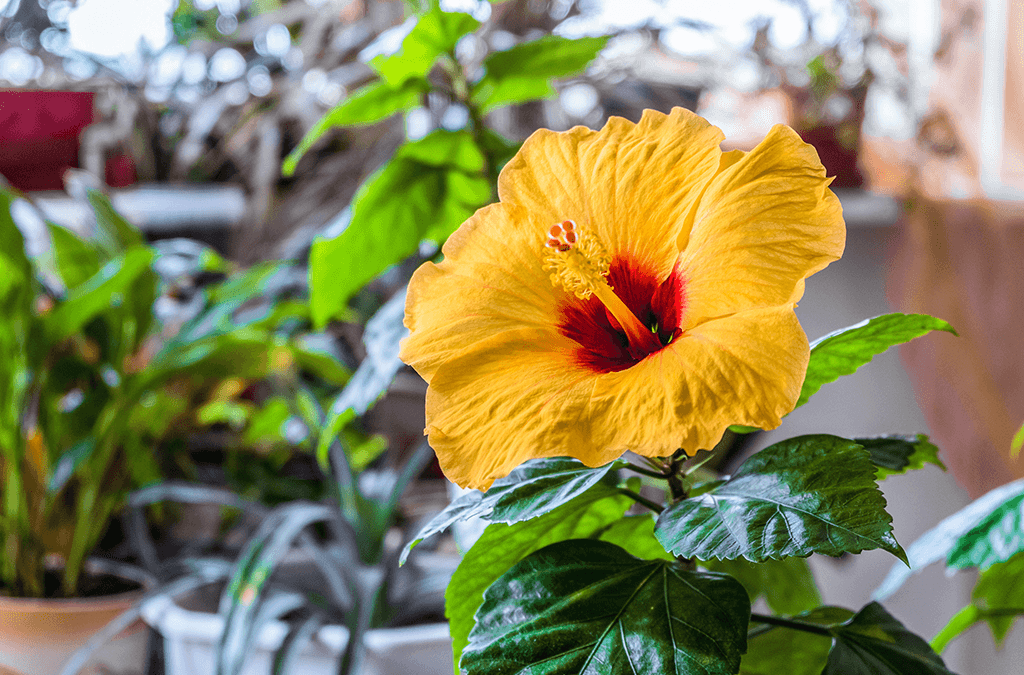
Choose a fresh flower that will open the next morning.
At evening or early night:
- Carefully remove all the stamens (the pollen-carrying part) using small scissors
- Make sure you do NOT touch or damage the stigma
- This prevents self-pollination
Now your flower is ready for hybridization.
Tag it with a small paper note:
“Mother: Variety Name – Date”
Step 2: Collect Pollen from the Male Flower
Early in the morning (between 6–9 AM):
- Select a freshly opened flower from the father plant
- Using a brush or earbud, collect yellow pollen
- You can also remove the entire stamen and use it directly
Pollen should look fresh, dry, and powdery.
Step 3: Apply Pollen to the Female Flower
Now gently:
- Touch the brush or stamen to the sticky stigma of the mother flower
- Apply pollen thoroughly
- Make sure the stigma tip gets coated
This is the moment when the hybrid is created!
Step 4: Protect the Pollinated Flower
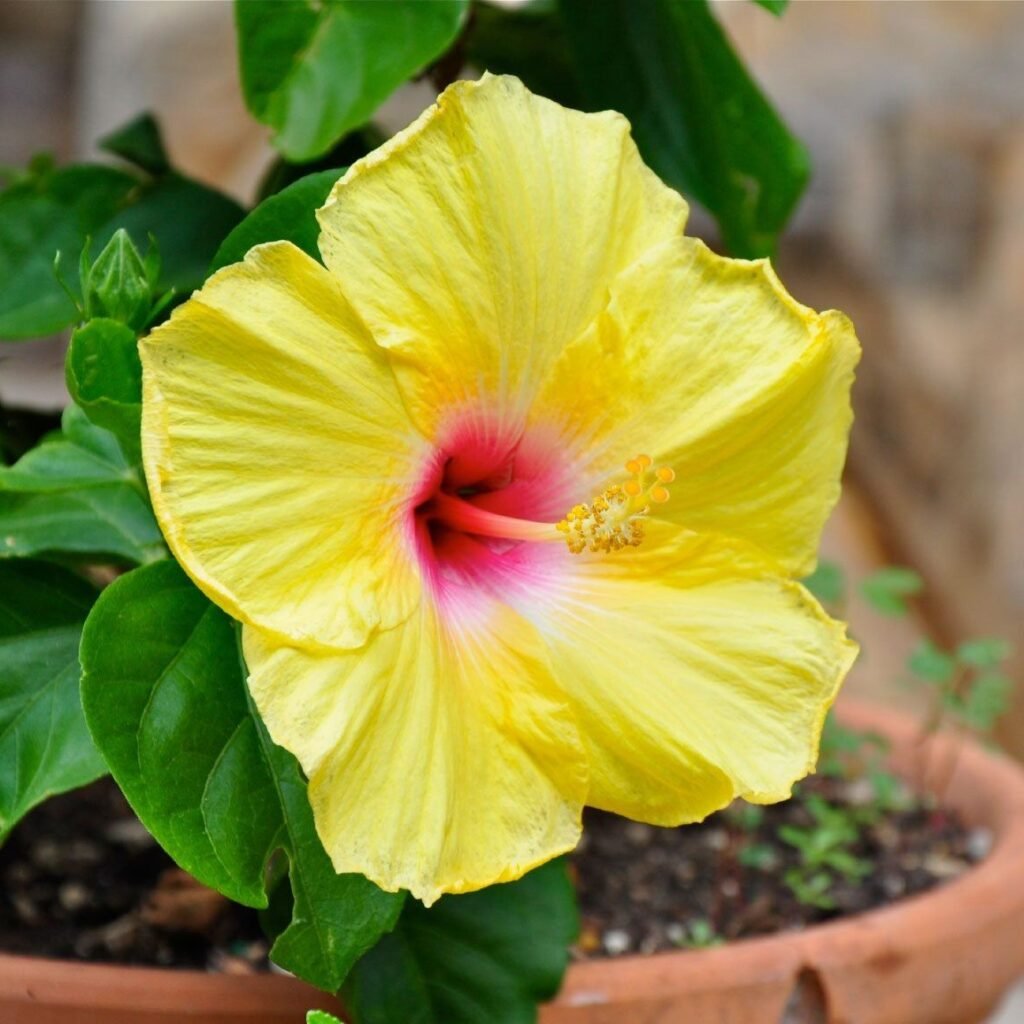
To prevent bees, ants, or wind from disturbing the pollination:
- Cover the flower lightly with a mesh bag
- Tie gently with a thread or rubber band
Tag the plant again:
“Father: Variety Name – Date of Pollination”
This helps you keep track of the hybrid.
Step 5: Wait for Seed Pod Formation
This stage takes patience!
If pollination is successful:
- The flower will wilt
- But instead of falling off
- The base of the flower (ovary) begins to swell
This is your seed pod!
If the flower falls off → pollination did NOT work.
Try again with timing adjustments.
FULL UPDATES: Seed Development Timeline
Here is the exact timeline from pollination to seed collection.
Week 1: Pollinated Flower Wilts
- Flower dries
- Petals fall off naturally
- The swollen base remains
DO NOT touch the pod.
Week 2–3: Seed Pod Grows Larger
- Pod becomes firm
- Shape becomes round or oval
- Color remains green
Water the plant normally.
Week 4–5: Pod Matures
- Skin becomes lighter green
- Surface starts drying
- Small cracks may appear
This is a sign of seed maturity.
Week 6–7: Pod Dries Completely
- Turns brown and dry
- Cracks open naturally
- Seeds inside turn dark brown or black
Your hybrid seeds are ready!
Collect gently in a clean tray or bowl.
How to Store Hibiscus Seeds
- Dry them for 24–48 hours in shade
- Store in a paper envelope
- Label the hybrid combination
- Keep in a cool, dry place
Seeds stay viable for 1–2 years.
Growing Hybrid Hibiscus Seeds
Once you have your seeds, it’s time to grow the new hybrid baby plants!
Best Soil Mix
- 50% cocopeat
- 30% compost
- 20% sand
Sowing
- Sow seeds 0.5 cm deep
- Keep moist
- Germination takes 10–25 days
Seedling Care
- Provide bright light
- Do not overwater
- Transplant when 4–5 true leaves appear
When Will the Hybrid Bloom?
Hybrid hibiscus plants take:
- 6–12 months to grow well
- 9–18 months to show first bloom
The first flower you see will be:
YOUR CREATION.
A flower that did not exist before.
A brand-new hybrid variety made by you!
This moment is magical for every hibiscus lover.
Tips for Successful Hybridization
Choose fresh, healthy flowers
Pollinate early morning
Use dry pollen
Avoid rainy/windy days
Protect the pollinated flower
Tag properly to avoid confusion
Be patient during pod development
Pollinate multiple flowers to increase success chances
Common Problems & Solutions
Flower Falls After Pollination
Cause: Wrong timing
Fix: Pollinate early morning when stigma is sticky
Pod Turns Yellow Early
Cause: Overwatering or fungal infection
Fix: Reduce watering, improve airflow
Seeds Are Pale or Soft
Cause: Pod harvested too early
Fix: Always wait for pod to dry fully
No Seeds Inside
Cause: Incomplete pollination
Fix: Apply pollen more thoroughly next time
Final Thoughts
Creating hybrid hibiscus at home is one of the most exciting and rewarding gardening projects. With just a little effort, you can produce completely new flower varieties that combine the beauty, color, and traits of both parent plants.
From selecting parents to hand-pollinating, watching the seed pod form, and finally growing a plant that blooms with your own unique flower—this journey is magical and unforgettable.
Hybridization teaches patience, creativity, and the joy of discovering something new every time.
So pick your favorite hibiscus flowers, grab a brush, and start creating your own stunning hybrids at home!

Leave A Comment