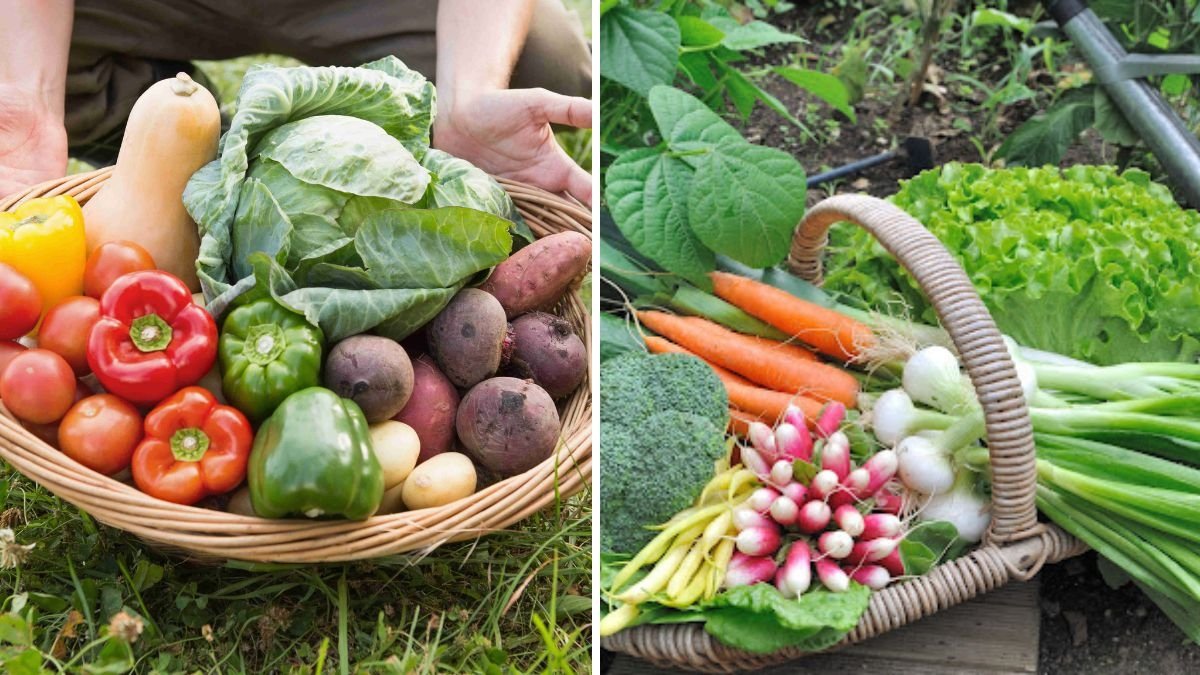
Growing vegetables at home doesn’t always require a backyard or a large farming space. With the right containers, soil mix, and seasonal planning, you can harvest fresh vegetables right from your balcony, terrace, or even a sunny window corner! Whether you’re dealing with scorching summer heat or the unpredictable rainy season, container gardening gives you control and flexibility.
In this complete guide, you’ll learn the best vegetables for summer and monsoon, the ideal container size, soil mix recipes, watering schedules, pest control tips, and full updates for every growth stage. Let’s get started!
Why Grow Vegetables in Containers?
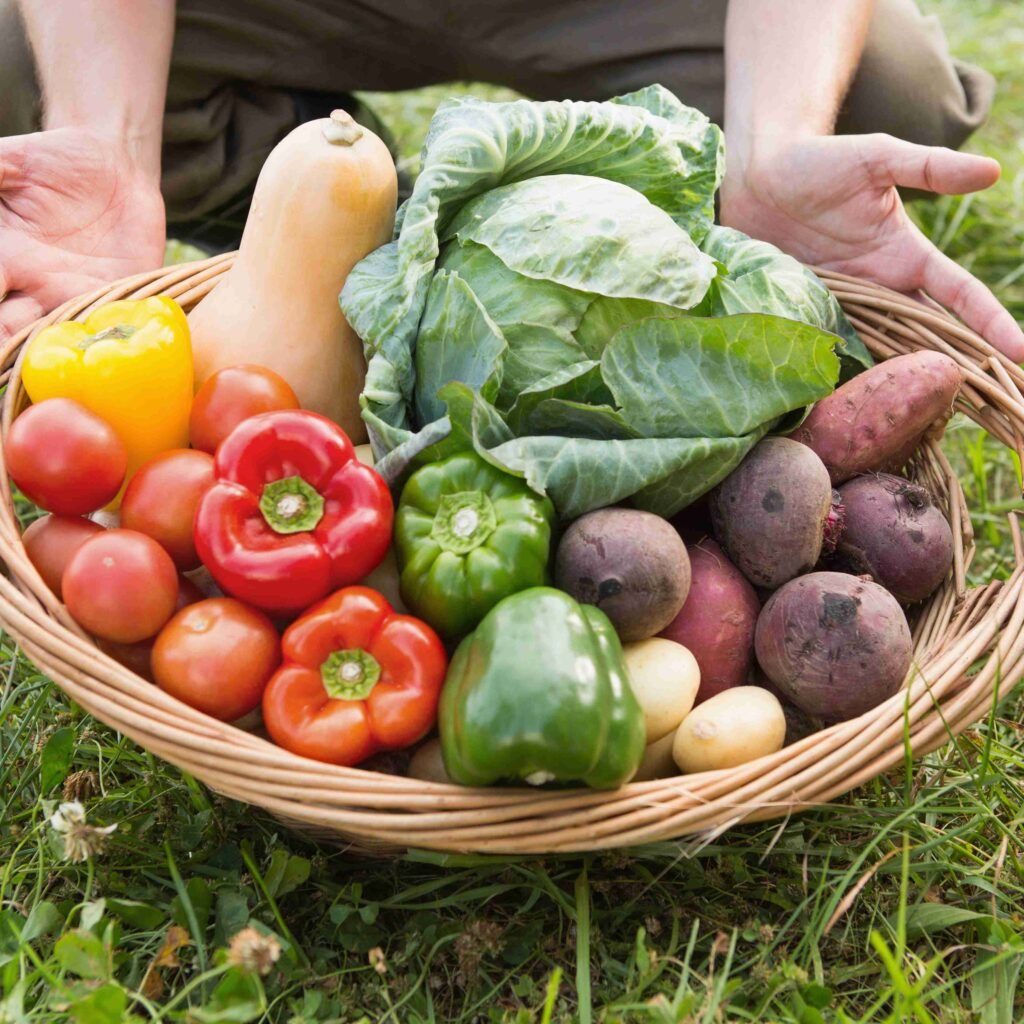
Container gardening is becoming increasingly popular because it’s:
- Space-friendly – Perfect for balconies and terraces
- Portable – Move plants as per sunlight and weather
- Clean and manageable – No digging or heavy tools
- Pest-resistant – Easy to isolate plants during infestations
- Beginner-friendly – Less soil, more control
Plus, harvesting vegetables grown with your own hands is one of the most satisfying experiences ever!
BEST VEGETABLES FOR SUMMER (HOT SEASON)
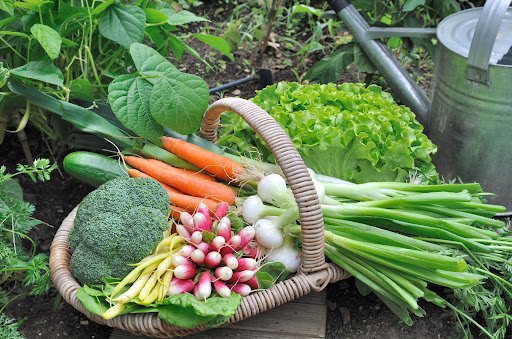
Summer can be harsh, but many vegetables LOVE the heat. These are perfect for May–July:
- Okra/Lady Finger
- Tomatoes
- Chillies
- Brinjals/Eggplants
- Cucumbers
- Bottle gourd, Bitter gourd, Ridge gourd
- Beans
- Spinach (heat-tolerant varieties)
BEST VEGETABLES FOR RAINY SEASON (MONSOON)
When the rain arrives, some crops grow exceptionally well:
- Leafy greens (spinach, amaranthus, methi)
- Cucurbits (gourds)
- Beans
- Green chillies
- Coriander
- Tomatoes (with care to avoid fungal issues)
- Turmeric & ginger
Choosing the Right Containers
Different vegetables need different space. Here’s a guide:
Small containers (6–8 inches)
- Methi
- Coriander
- Spinach
- Spring onions
Medium containers (10–12 inches)
- Chillies
- Tomatoes (cherry type)
- Brinjals
- Beans
Large containers (15–18 inches or grow bags 20–30L)
- All gourds
- Cucumbers
- Bush tomatoes
- Big-size eggplants
Tip: Always use containers with drainage holes. Excess water during monsoon can cause root rot.
Perfect Soil Mix for Summer & Monsoon Vegetables
A good soil mix ensures healthy roots and faster growth. Use this recipe:
Grow Bag Soil Mix (Best All-Season):
- 40% garden soil
- 30% compost (cow dung/vermicompost)
- 20% cocopeat
- 10% sand or perlite
For SUMMER:
Add neem cake powder to prevent soil pests.
For MONSOON:
Mix in fungicide solutions like Trichoderma (organic) to prevent fungal attacks.
Watering Schedule
During Summer:
- Water early morning & again in evening if soil feels dry.
- Mulch the soil with dry leaves to retain moisture.
- Avoid watering during peak heat hours (12–4 PM).
During Monsoon:
- Water ONLY when the top layer feels dry.
- Keep containers slightly elevated so water drains out easily.
- Avoid wetting leaves—reduces fungal risk.
Full Updates: Seed to Harvest Guide
Below is a week-by-week growth update you can follow for most container vegetables:
Week 1: Sowing the Seeds
- Choose quality seeds.
- Moisten soil lightly before sowing.
- Sow seeds 0.5–1 cm deep depending on type.
- Keep the container in bright shade until germination.
Germination usually starts within 3–7 days.
Week 2: Seedlings Appear
- Move seedlings to a sunny spot with 4–6 hours of light.
- Mist the soil, don’t overwater.
- Start giving mild nutrition:
- 1 spoon seaweed liquid in 1 liter of water (optional).
Week 3–4: Early Growth Stage
- Plants are now 3–6 inches tall.
- Thin overcrowded seedlings.
- Add a handful of compost around each plant.
- For summer: give shade net during extreme heat.
- For monsoon: keep plants sheltered from heavy rains.
Week 5–7: Vegetative Growth Boost
- Plants start growing vigorously.
- Support climbing vegetables with a trellis.
- Give fertilizer every 10–12 days:
- Compost
- Banana peel fertilizer
- Neem cake mix
- Watch for pests like aphids, mealybugs, and caterpillars.
Organic pest control:
- Spray neem oil every 7–10 days.
- For fungus in monsoon, use buttermilk or baking soda spray.
Week 8–10: Flowering Stage
- Plants need more sunlight during this stage.
- Do NOT overwater—flower drop may occur.
- Add potassium-rich fertilizer:
- Wood ash (1 tbsp per plant)
- Banana peel tea
Hand pollination helps in gourds and cucumbers when bees are less active.
Week 10–14: Fruit Formation
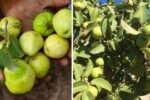
- Small fruits begin to appear.
- Keep plants tied to support.
- Add compost once more.
- Remove yellow or diseased leaves.
Summer Note: Plants may dry faster—check soil twice a day.
Monsoon Note: Avoid waterlogging at all costs.
Week 14 Onwards: Harvest Time!
Depending on the vegetable:
- Leafy greens: 20–30 days
- Chillies & tomatoes: 60–80 days
- Gourds: 70–90 days
- Eggplant: 75–100 days
Harvest regularly to encourage more production.
There’s nothing more exciting than cooking with vegetables you’ve grown yourself!
Common Pests & Easy Organic Solutions
Aphids
Spray neem oil + soap water once a week.
Mealybugs
Wipe with cotton dipped in alcohol.
Caterpillars
Handpick or use organic Bt spray.
Fungal infections (monsoon)
Use baking soda spray:
- 1 tsp baking soda
- 1 liter water
- Few drops of soap
Spray every 5–7 days.
Tips for Success in SUMMER
- Use light-colored containers to keep root zones cool.
- Water twice daily.
- Apply mulch.
- Provide shade net during peak heat.
Tips for Success in MONSOON
- Keep containers elevated.
- Ensure maximum drainage holes.
- Avoid overhead watering.
- Use organic fungicides weekly.
Final Thoughts
Growing vegetables in containers is one of the easiest, healthiest, and most fulfilling hobbies you can practice at home. With the right container, soil mix, and seasonal adjustments, you can enjoy fresh, chemical-free vegetables all year round—whether it’s blazing hot or pouring rain!

Leave A Comment