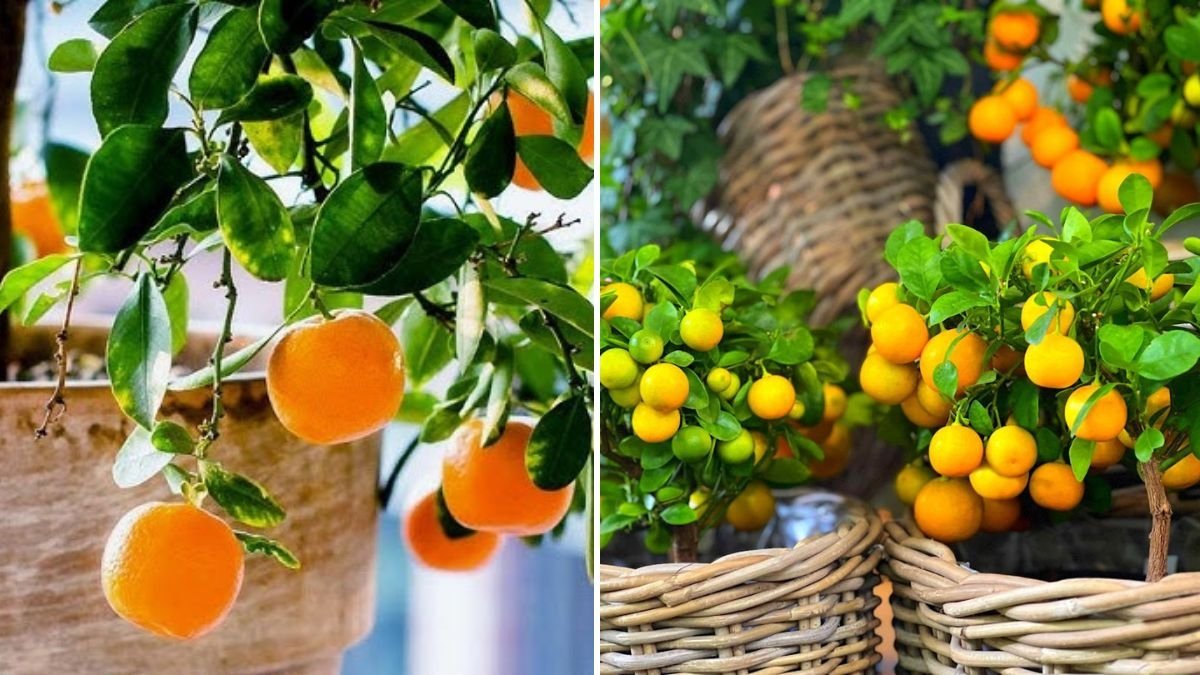
Growing citrus fruits at home is one of the most rewarding gardening experiences. The fresh fragrance of blossoms, the glossy evergreen leaves, and the satisfaction of picking juicy fruits straight from your own garden make citrus gardening truly special. Whether you have a large backyard, a terrace garden, or even a small balcony, you can grow citrus plants successfully with proper care and planning.
In this guide, we’ll walk through how to grow and harvest five different kinds of citrus fruits—from lemons and oranges to kumquats and limes. You’ll discover the best varieties to choose, the ideal growing conditions, pruning techniques, watering rules, fertilizing schedules, and harvesting tips. By the end, you’ll be ready to enjoy your own citrus paradise.
Why Grow Citrus Fruits at Home?
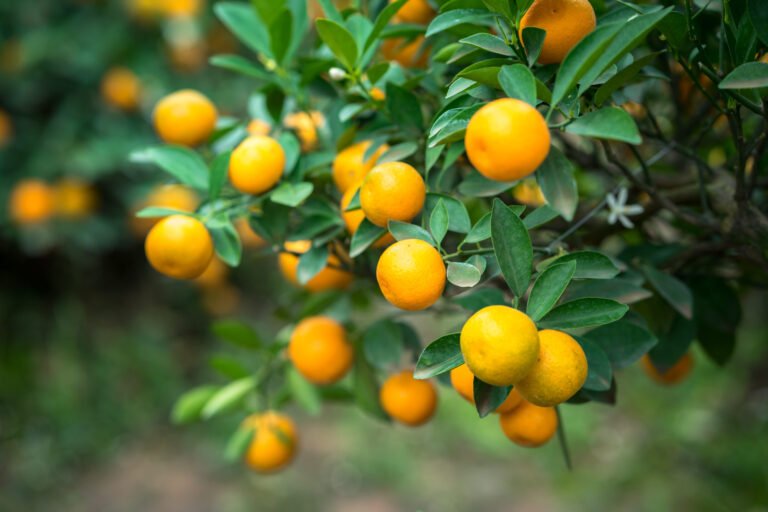
Citrus plants are not only beautiful but also highly practical. Here’s why they make a great addition to your home garden:
- Fresh, chemical-free fruit supply
- Long-living, productive trees
- Attractive fragrance and ornamental value
- Rich in vitamin C and antioxidants
- Low maintenance once established
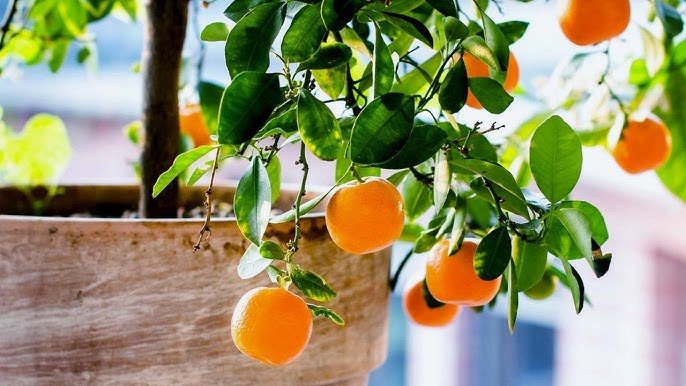
Even better, many citrus varieties can thrive in pots, making them perfect for home growers.
Best Climate for Citrus Growing
Citrus plants love:
- Warm temperatures
- Bright sunlight
- Well-drained soil
The ideal temperature range is:
- 15°C to 35°C
They dislike frost and cold winds, so in cooler areas, protect the plants or move potted citrus indoors during winter.
General Soil and Container Requirements
Citrus trees grow best in loose, rich, and well-draining soil.

Best Soil Mix:
- 40% garden soil
- 30% compost or aged manure
- 20% cocopeat
- 10% sand or perlite
If growing in pots, choose containers with drainage holes and at least:
- 12–18 inches depth for young plants
- 25–30 inches for mature trees
Top 5 Citrus Fruits You Can Grow and Harvest
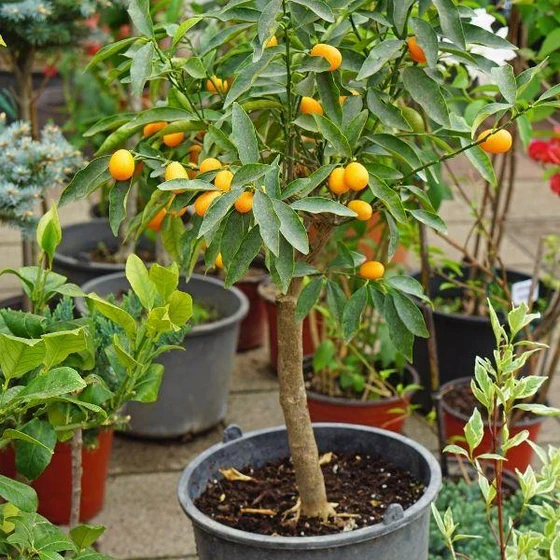
1. Lemon
Lemons are one of the easiest citrus fruits to grow. They grow quickly, produce early, and adapt well to containers.
Light Requirement:
6–8 hours of direct sunlight.
Watering:
Water deeply when the topsoil dries, but avoid soggy soil.
Fertilizing:
Use nitrogen-rich fertilizer every 30–40 days for strong foliage and fruiting.
Harvesting:
Lemons are ready when they turn fully yellow and feel slightly soft when squeezed.
Tip:
Remove thorns and prune weak branches to improve airflow and fruit production.

2. Orange
Orange trees take time but reward you with delicious, sweet fruits.
Best Varieties for Home Growing:
- Nagpur Orange
- Valencia
- Blood Orange
- Washington Navel
Sunlight:
Minimum 7 hours daily.
Care Needs:
Deep watering twice a week during summer and once a week during winter.
Harvesting:
Color alone doesn’t show ripeness—taste tests are best. Once sweet, harvest gently to avoid branch damage.
3. Sweet Lime (Mosambi)
Sweet lime is popular for refreshing juices and is perfect for warm regions.
Ideal Conditions:
Thrives in tropical and subtropical climates.
Feeding Schedule:
- Apply compost every 3 months.
- Use liquid fertilizer or banana peel fertilizer during the growing season.
Fruit Ripening:
Sweet lime fruits remain firm even when ripe, but their skin slightly softens and smell becomes citrusy.
4. Tangerine (Kinnow / Mandarin)
Tangerines are smaller, sweeter, and easier to peel than oranges. They produce heavily once mature.
Growing Tips:
- Prune regularly to maintain shape.
- Mulch soil to retain moisture.
Flower to Fruit Timeline:
It takes 7–10 months after bloom for tangerines to ripen.
Harvesting:
Pick when fruits turn bright orange and detach easily with a gentle twist.
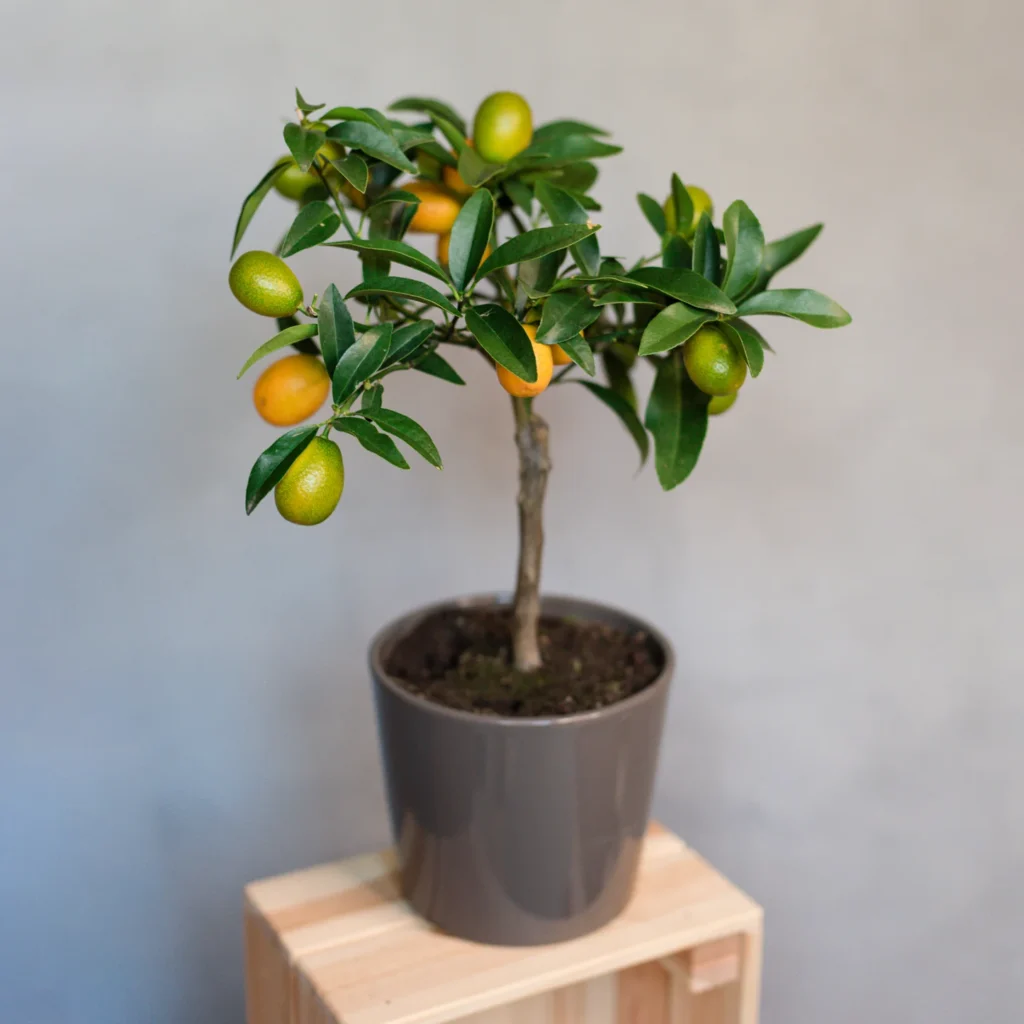
5. Kumquat
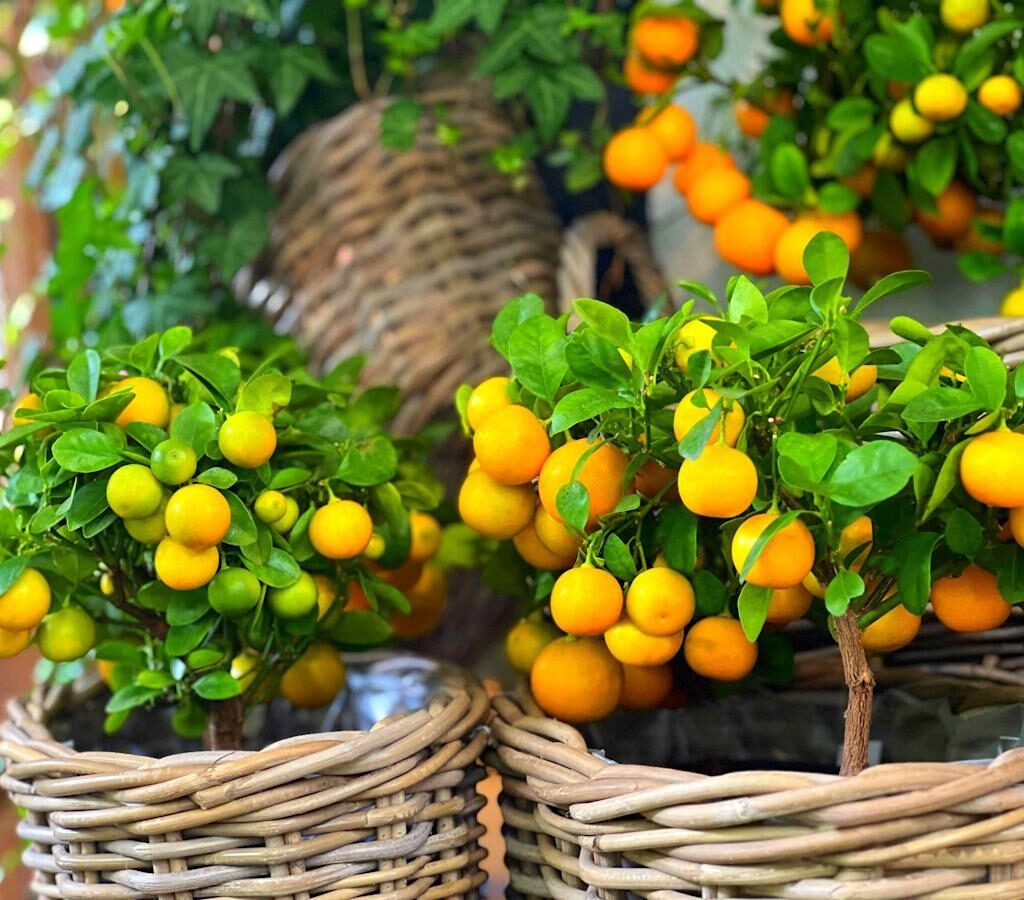
Kumquats are unique because you can eat them whole—skin and all! They are compact, making them perfect for small spaces.
Light:
Full sun is essential.
Water and Fertilizer:
Moderate water and monthly feeding during growth.

Harvest Time:
Pick when the peel becomes orange and slightly glossy. The fruit should feel firm.
Essential Citrus Care Tips
Growing citrus isn’t complicated, but a few key practices ensure success:
Watering Rule
Citrus plants prefer deep watering rather than frequent light watering.
- Water when the top 2–3 inches of soil feel dry.
- Avoid waterlogging, as citrus roots rot easily.
Pruning for Shape and Health
Prune:
- Suckers from the base
- Dead or diseased branches
- Branches growing inward
This improves airflow, sunlight penetration, and fruit yield.
Pollination
Citrus flowers are self-pollinating, but planting multiple citrus plants or allowing bees access increases production.
Common Pests and Natural Remedies
| Pest | Solution |
|---|---|
| Aphids | Spray neem oil every 10–15 days |
| Mealybugs | Use soap water spray |
| Fruit flies | Hang yellow sticky traps |
| Leaf miner | Neem and pheromone traps |
Regular inspection keeps plants healthy and safe.
Signs Your Citrus Tree Needs Attention
| Symptom | Meaning |
|---|---|
| Yellow leaves | Lack of nitrogen |
| Dropping flowers | Overwatering or heat stress |
| Small fruits | Poor nutrition or pruning required |
Correcting issues early saves the harvest.

When and How to Harvest
Most citrus fruits are harvested:
- Winter to early summer, depending on variety.
Never pull fruits aggressively. Use pruning scissors or gently twist to detach.
Storing Homegrown Citrus
- Store at room temperature for 1–2 weeks.
- Refrigerate for longer freshness.
- Or juice and freeze for later use.
Conclusion
Harvesting five different kinds of citrus fruits from your own garden is not only possible—it’s deeply satisfying. With patience, sunlight, and consistent care, anyone can build a thriving citrus collection at home. Whether you’re growing lemon in a pot or nurturing a full orange tree in your backyard, citrus gardening connects you to nature in the most refreshing way.
Soon, you’ll enjoy the taste of fresh, juicy, homegrown citrus—straight from your garden to your table!

Leave A Comment