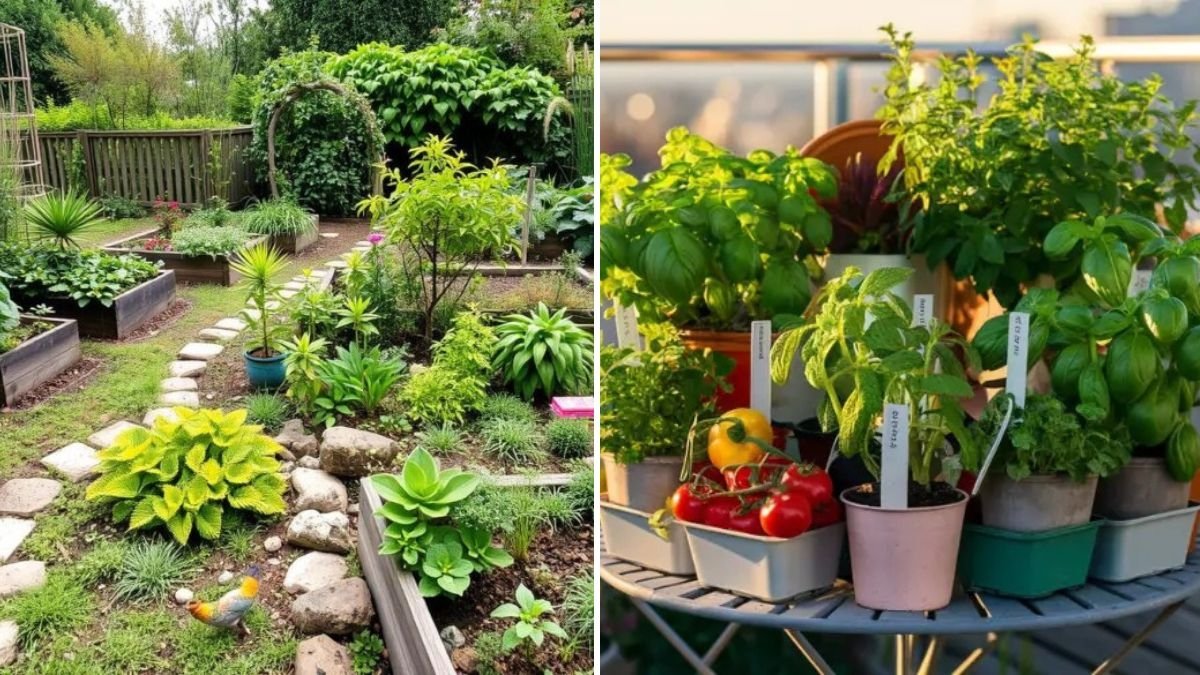
Starting a garden doesn’t require a large yard or a lot of money. Even if you live in an apartment or have limited outdoor space, container gardening allows you to enjoy the beauty of plants, grow your own herbs and vegetables, and create a refreshing green oasis—without spending much. With a little creativity and smart planning, you can build a thriving garden using inexpensive materials and beginner-friendly techniques.
Whether you’re a student, a new gardener, or just someone trying to keep costs low, this guide will show you exactly how to start container gardening on a budget. You’ll learn where to find affordable containers, how to save money on soil, which plants give the best value, and simple hacks to build a beautiful garden without overspending.
Why Container Gardening Is Perfect for Budget Gardeners
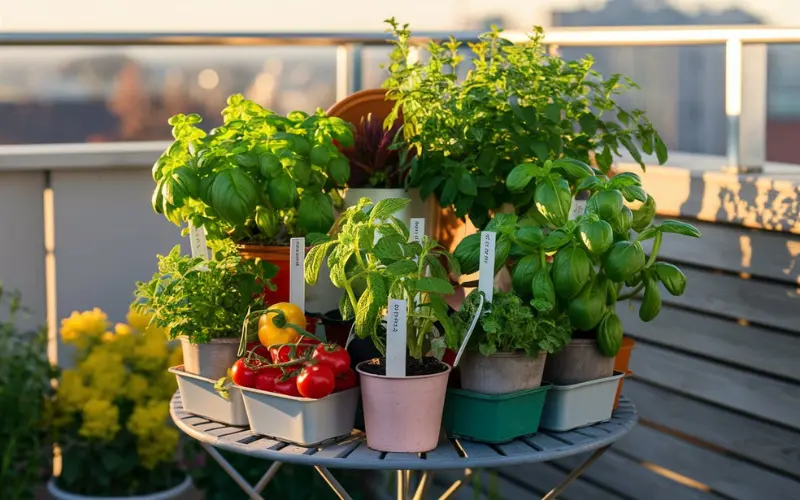
Container gardening is one of the most cost-effective ways to begin gardening for several reasons:
Grow anywhere
A balcony, windowsill, terrace, patio, or even a sunny indoor corner works.
Low maintenance
Containers are easy to water, move, and manage.
Flexible
Grow flowers, herbs, vegetables, or even small fruit trees.
Ideal for beginners
Less intimidating than digging a traditional garden bed.
Affordable
You can reuse household items, propagate plants, and buy only what you need.
If you’re trying to keep costs low, container gardening is truly the most beginner-friendly option.
1. Choose Budget-Friendly Containers
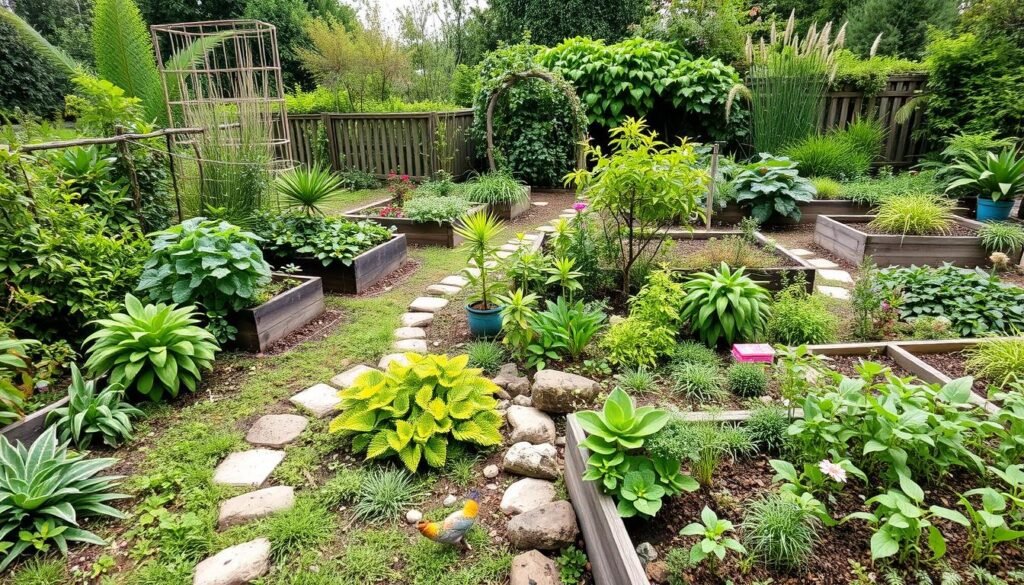
Containers are often the most expensive part of gardening, but they don’t have to be. Many everyday items can be reused or repurposed into perfectly functional plant pots.
Use what you already have
Before buying anything, look around your home for items like:
- Plastic buckets
- Old mugs or bowls
- Paint cans
- Food-grade plastic jars
- Broken storage boxes
- Old baskets (line with plastic)
As long as it can hold soil and has drainage holes, it can be used.
Affordable Container Options
If you need to purchase containers, look for:
Plastic pots
Lightweight, durable, and extremely budget-friendly.
Grow bags
Cheap, easy to store, and available in multiple sizes—perfect for tomatoes, potatoes, and flowers.
Clay pots (second-hand)
Local nurseries often sell damaged or slightly chipped pots at discounted rates.
Recycled containers
Many grocery stores or small shops discard large plastic cans or crates you can request for free.
DIY Container Ideas
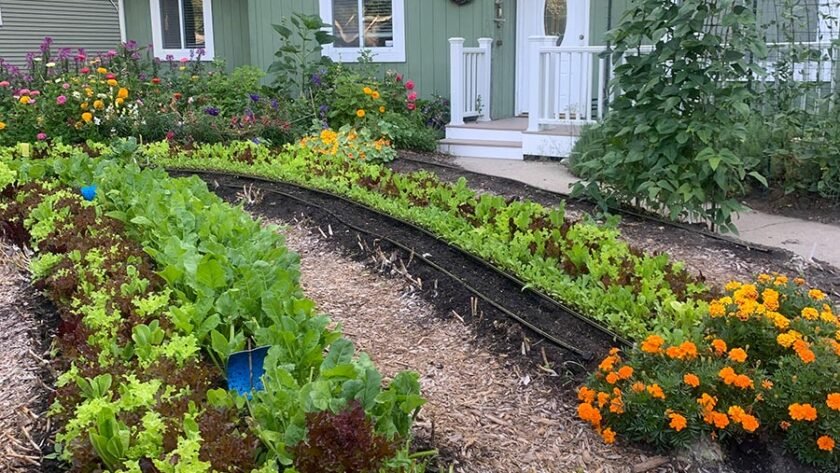
You can create your own stylish pots with minimal effort:
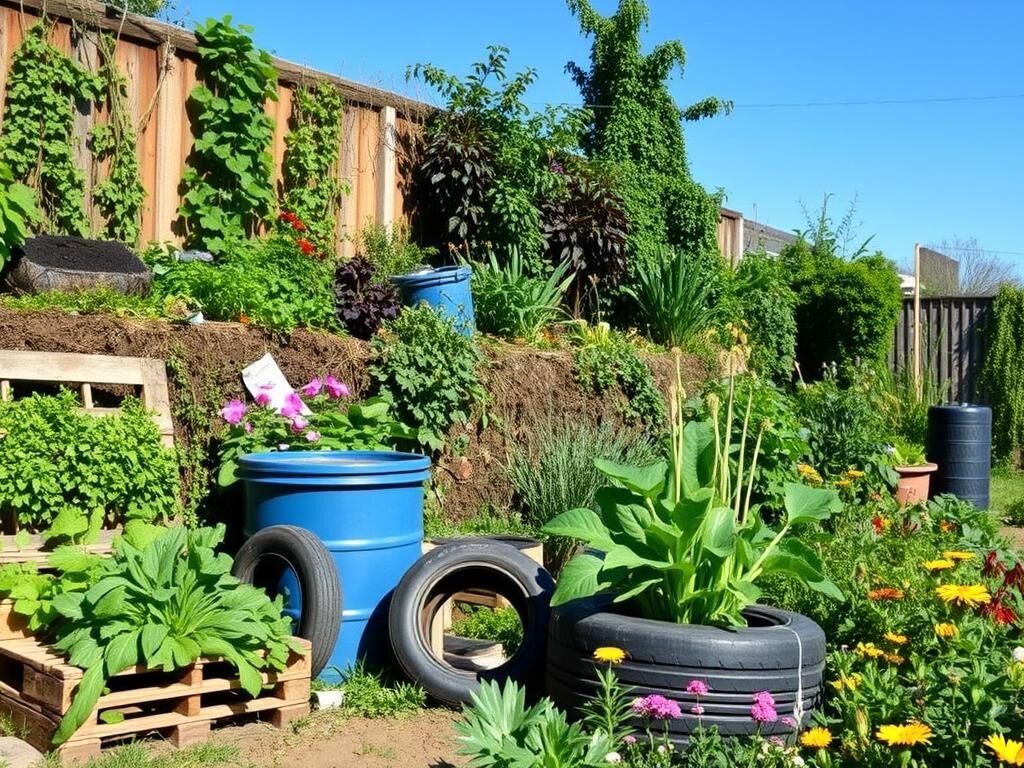
- Decorate tin cans using paint
- Cut old water bottles into planters
- Convert broken buckets by drilling holes at the bottom
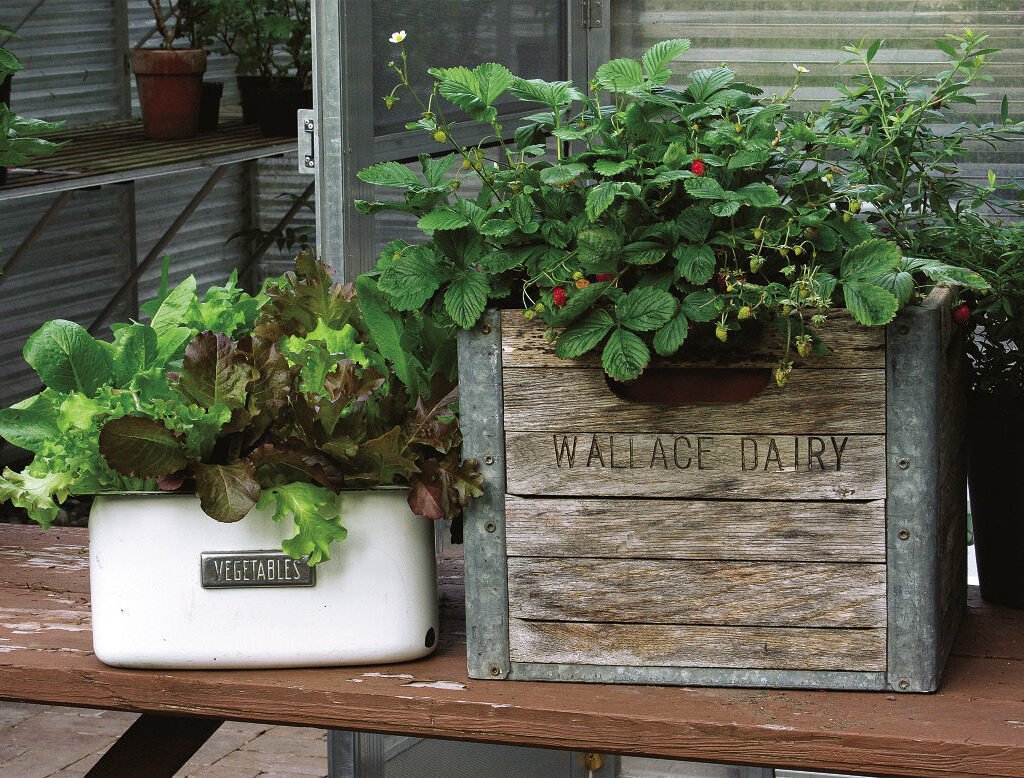
- Build wooden planters from leftover planks or crates
The key is to focus on functionality; aesthetics can be improved later with paint, wrappers, or fabric.
2. Save Money on Potting Soil
Good-quality soil is the foundation of healthy plants, but it can also be expensive. Thankfully, you can reduce cost significantly with a few smart choices.
Make your own potting mix
A simple and affordable DIY mix includes:
- 40% garden soil
- 40% compost
- 20% sand or cocopeat
This mix drains well, supports root development, and keeps nutrients available.
Use compost to reduce fertilizer costs
Compost is nature’s free fertilizer, and you can make it at home.
How to make compost easily:
- Use kitchen scraps like vegetable peels, eggshells, tea leaves, and coffee grounds.
- Add dry leaves, shredded paper, or cocopeat to balance moisture.
- Let it decompose in a bucket or container.
In 6–8 weeks, you’ll have rich compost that improves soil health and saves money on store-bought fertilizers.
Reuse old potting soil
If you already have soil from old pots:
- Remove old roots
- Mix in fresh compost
- Add cocopeat for moisture retention
- Add perlite or sand to improve drainage
This revitalizes the soil and saves money.
3. Choose Low-Cost, Easy-to-Grow Plants
Some plants thrive with minimal care and don’t need expensive fertilizers, making them ideal for budget gardeners.
Best budget-friendly plants for beginners
Herbs
- Mint
- Basil
- Coriander (cilantro)
- Curry leaves
- Lemongrass
These grow quickly and can be used in cooking—saving money on groceries!
Leafy greens
- Spinach
- Lettuce
- Fenugreek (methi)
- Kale
- Swiss chard
Leafy greens grow fast and can be harvested multiple times.
Vegetables
- Cherry tomatoes
- Chilies
- Okra
- Beans
- Radish
These can grow in small containers and yield well.
Flowering plants
- Marigold
- Petunia
- Zinnia
- Portulaca
- Sunflowers (dwarf varieties)
Flowers help attract pollinators and add beauty to your space.
4. Start Your Plants from Seeds or Cuttings
Buying fully grown plants can be expensive, but seeds and cuttings are extremely budget-friendly.
Growing from seeds
Seeds cost only a fraction of what you’d pay for nursery plants.
Tips for successful seed-starting:
- Use trays, egg cartons, or yogurt cups
- Don’t bury seeds too deep
- Keep the soil moist
- Provide partial sunlight until seedlings develop
Use kitchen scraps to grow new plants
Some vegetables can regenerate from scraps:
- Grow green onions from the white roots
- Regrow lettuce from the base
- Plant garlic cloves to grow garlic greens
- Use sprouted potatoes to grow new plants
This gives you free plants without buying seeds.
Propagate plants from cuttings
Cuttings can be taken from:
- Mint
- Basil
- Pothos
- Hibiscus
- Rosemary
- Coleus
Just place them in water for a few days until roots form. Then pot them in soil.
This method saves money and multiplies your plant collection quickly.
5. Water Efficiently to Reduce Waste
Watering is essential, but wasteful watering leads to higher bills and weaker plants.
Smart water-saving tips
- Water early morning or late evening
- Use a watering can instead of a pipe
- Mulch the soil to prevent evaporation
- Group plants with similar watering needs
- Use a tray under pots to reuse excess water
Create a DIY self-watering setup
You can make a simple self-watering system with:
- Plastic bottles
- Cotton wicks
- Recycled containers
These systems ensure plants get consistent moisture without overspending.
6. Use Natural, Cheap Fertilizers
You don’t need expensive chemical fertilizers to keep your plants growing. Natural options are cheap and effective.
DIY fertilizers you can make at home
- Banana peel water for potassium
- Eggshell powder for calcium
- Rice water for overall plant growth
- Diluted cow dung or vermicompost tea
- Epsom salt (occasionally for magnesium)
These help maintain healthy growth without costing much.
7. Make Your Garden Look Beautiful—Affordably
A pretty garden doesn’t require expensive décor.
Affordable decoration ideas
- Paint old containers for a fresh look
- Use fairy lights for ambiance
- Hang pots with jute rope
- Build a vertical garden using old shoe racks or crates
- Add pebble or stone borders
- Use reclaimed wood to build shelves
These small touches create a cozy garden atmosphere without spending much.
8. Avoid Common Beginner Mistakes
To keep costs low, avoid mistakes that lead to plant loss or wasted materials.
Common mistakes in budget container gardening:
- Choosing the wrong pot size
- Overwatering
- Using poor-quality soil
- Growing plants without enough sunlight
- Buying too many plants at once
Start small, observe your plants, and expand gradually.
Final Thoughts
Starting container gardening on a budget is entirely possible—even with limited space and resources. By reusing containers, making your own soil and compost, choosing affordable plants, growing from seeds or cuttings, and following cost-saving watering techniques, you can create a beautiful and productive garden without overspending.
Your balcony or home can become a green, peaceful space filled with herbs, vegetables, and flowers—all grown in creative DIY containers and nurtured with simple, budget-friendly methods.

Leave A Comment