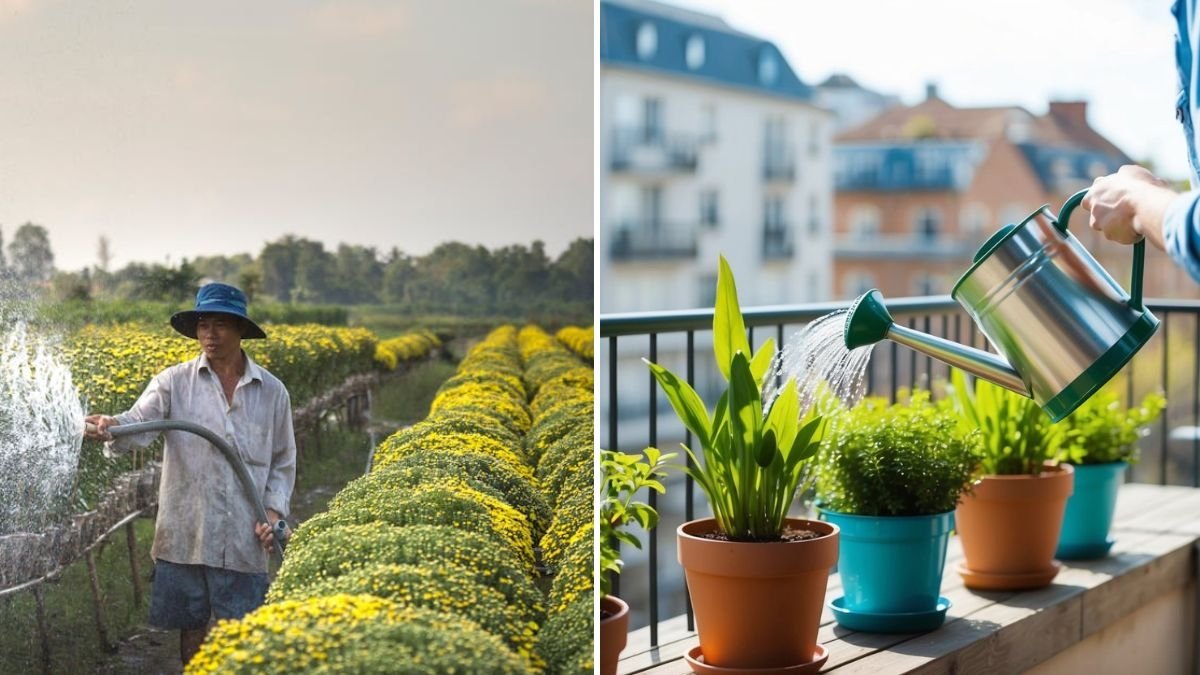
Watering balcony plants may seem like a simple task — just pour water and walk away. But when you’re gardening in containers, especially in the limited space of a balcony, watering becomes one of the most important (and most misunderstood) aspects of plant care. Overwatering, underwatering, inconsistent watering, and poor drainage are among the most common reasons plants struggle in balcony gardens.
Efficient watering is about giving plants exactly what they need — not too much, not too little — while conserving water and reducing maintenance time. In this comprehensive 1200-word guide, you’ll learn five highly effective watering strategies to help your balcony plants thrive effortlessly.
1. Understand Your Balcony’s Microclimate Before Watering
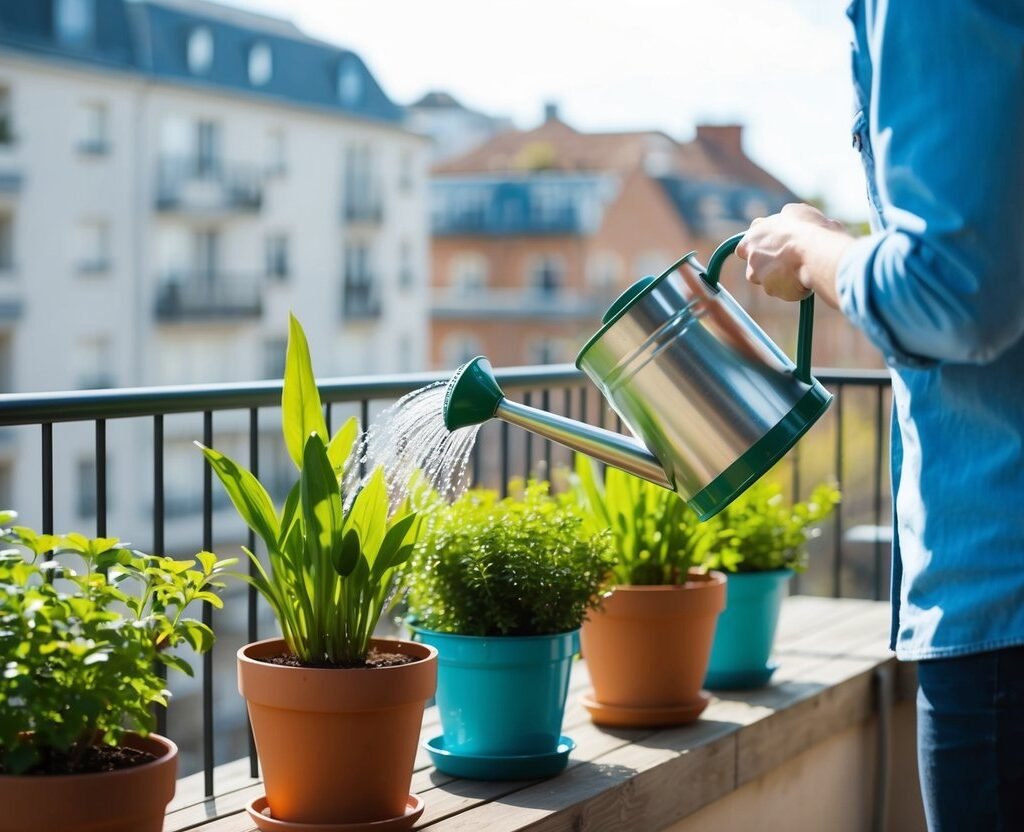
Every balcony has its own unique microclimate. This includes factors such as sunlight exposure, temperature, wind level, and humidity — all of which directly influence how often and how much you should water your plants.
Why Microclimate Matters
- A south-facing balcony dries out soil quickly.
- A shaded or north-facing balcony keeps soil moist for longer.
- High-rise balconies receive stronger winds that cause faster evaporation.
- Covered balconies may trap humidity and reduce water needs.
How to Assess Your Balcony’s Environment
- Track sunlight hours for a few days.
- Observe wind patterns — are your plants exposed or protected?
- Check soil drying rates in different areas of the balcony.
- Note the season — plants need more water in summer and much less in monsoon/humid months.
Smart Tip
Place plants with similar watering needs together. This prevents overwatering shade-loving species or underwatering sun-loving ones.
2. Choose the Right Containers and Soil for Efficient Water Use
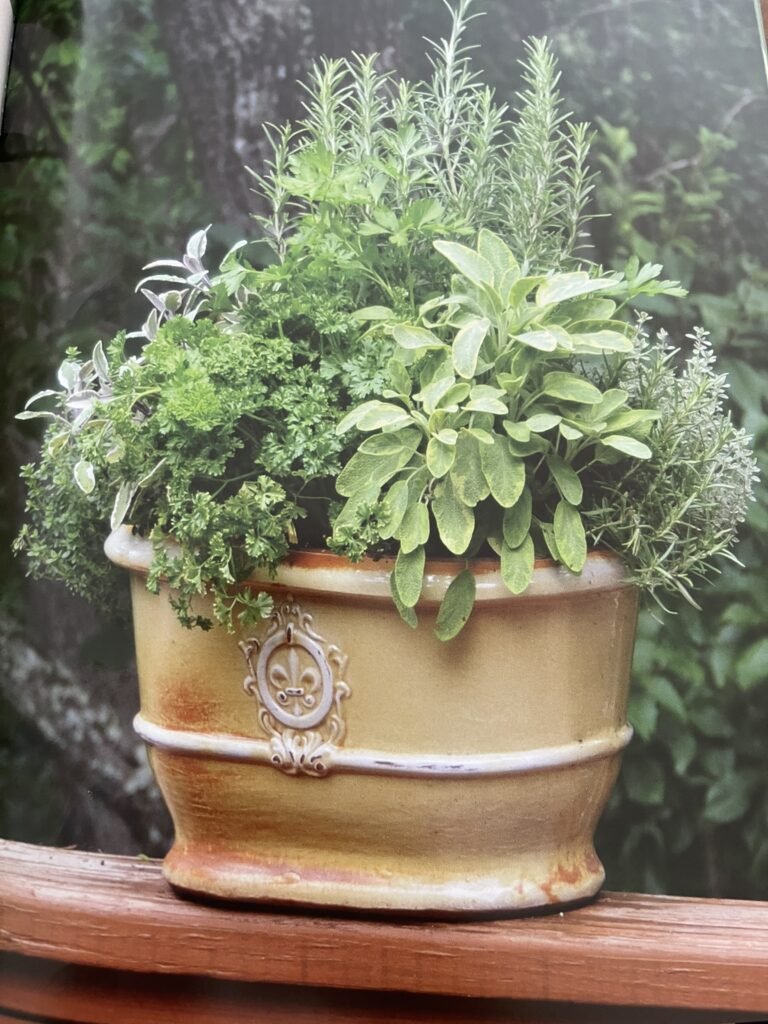
Efficient watering isn’t just about how you water — it starts with the right containers and soil setup. Both play a major role in how well your balcony garden retains moisture without becoming waterlogged.
Select the Right Containers
- Terracotta pots: Breathable but dry out quickly — perfect for succulents.
- Plastic/Resin pots: Retain moisture longer — suitable for herbs and vegetables.
- Fabric grow bags: Excellent aeration, prevent overwatering, ideal for most edible plants.
- Self-watering containers: Great for busy gardeners and consistent moisture lovers.
Always Use Pots with Drainage Holes
This is non-negotiable.
No matter how careful you are, stagnant water at the bottom leads to:
- root rot
- fungal growth
- pest infestations
- nutrient deficiency
Use the Correct Soil Mix
Balcony plants thrive in light, airy, well-draining soil.
Avoid garden soil, which becomes compact in containers.

Ideal Soil Mix for Balcony Plants
- 50% high-quality potting mix
- 20% compost
- 20% cocopeat
- 10% perlite or sand
This mix holds enough moisture while allowing excess water to drain away efficiently.
Smart Tip
Mulch the top layer with dried leaves, coco chips, or rice husk. Mulching reduces evaporation by 50%, keeping the soil moist for much longer.
3. Water Deeply, Not Frequently — The Golden Rule of Efficient Watering
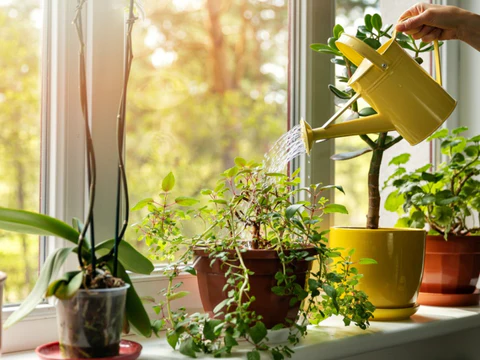
One of the biggest mistakes balcony gardeners make is watering too lightly but too often. Shallow watering encourages shallow roots, making plants weak and more dependent on daily watering.
Why Deep Watering Works Better
- Encourages strong, deep root growth
- Helps plants withstand heat and wind
- Reduces watering frequency
- Keeps soil evenly moist
How to Water Deeply
- Water slowly until it starts draining from the bottom.
- Allow the soil to absorb water fully before watering again.
- For large pots, water in stages — pour a little, let it soak, then pour again.
How Often Should You Water?
It depends on the plant and your climate.
General Guide
- Succulents: Once every 10–14 days
- Herbs: Every 1–3 days
- Leafy greens: Daily or every alternate day
- Flowering plants: 2–3 days depending on heat
Smart Tip
Stick your finger 1–2 inches into the soil — if it feels dry, water; if moist, wait. This simple method prevents 90% of overwatering problems.
4. Use Smarter Watering Techniques for Efficiency and Convenience
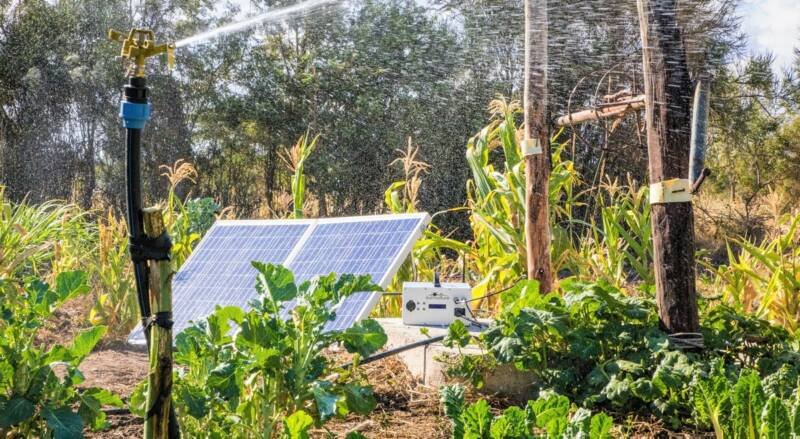
Balcony gardening doesn’t mean you must manually water each plant every day. There are several clever techniques and tools that save time, prevent water waste, and ensure consistent hydration.
A. Self-Watering Pots
These containers have a water reservoir at the bottom. Plants take up water as needed through capillary action.

Best for:
- Tomatoes
- Basil
- Indoor plants
- Busy gardeners
B. Drip Irrigation for Balconies
Yes, drip systems aren’t just for large gardens! Compact balcony kits are available and easy to install.
Benefits:
- Delivers water directly to roots
- Saves up to 60% water
- Extremely convenient
- Prevents leaf diseases caused by wet foliage
C. DIY Bottle Watering
A simple inverted water bottle can slowly release water into the soil.
Good for:
- When you’re on vacation
- Water-thirsty plants
D. Pebble Trays
Place pots on trays filled with pebbles and water. As water evaporates, humidity increases around the plants.
Useful for:

- Ferns
- Calatheas
- Peace lilies
E. Water from the Base
Instead of watering from the top, place the pot in a tub of water for 10–15 minutes. The soil absorbs exactly what it needs.
Perfect for:
- Seedlings
- Indoor plants
- Overwater-prone species
5. Water at the Right Time and Adjust Seasonally
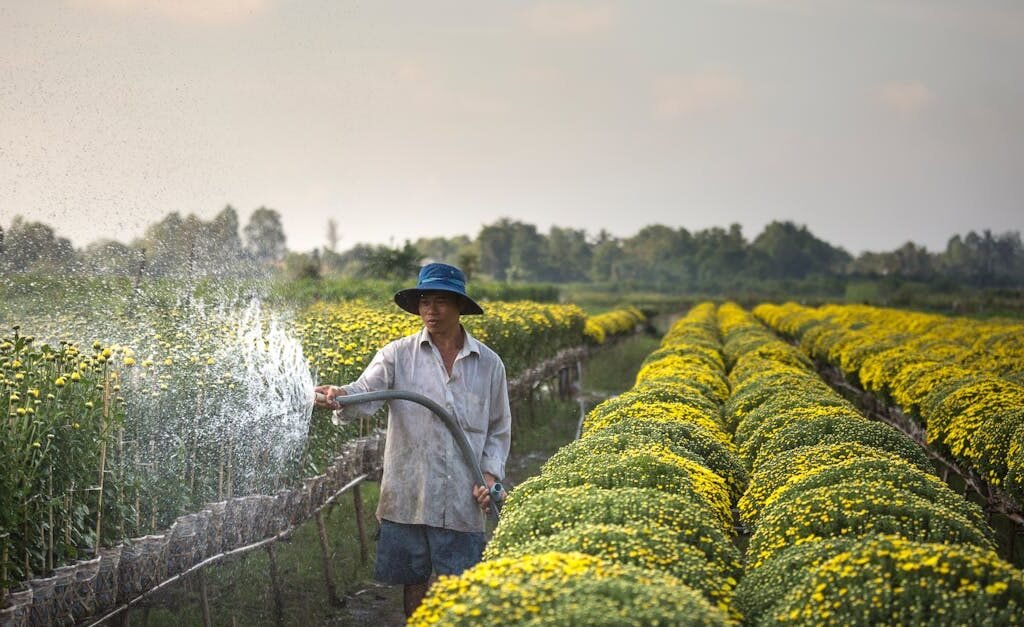
Even if you water the right amount, timing and seasonal changes can make a huge difference.
Best Time to Water Balcony Plants
Early morning (6 AM – 9 AM) is ideal.
Why?
- Plants absorb water best in the morning
- Temperatures are lower, reducing evaporation
- Leaves dry quickly, preventing fungal issues
If you cannot water in the morning, late afternoon is the second-best option.
How Your Watering Needs Change with Seasons
Summer
- Fast evaporation
- Water more frequently
- Mulch becomes essential
- Shade nets may help prevent heat stress
Monsoon
- Reduce watering dramatically
- Watch for fungal infections
- Ensure pots drain properly
Winter
- Plants grow slowly → need less water
- Water only when the soil feels dry
- Avoid watering in the evening (cold soil = root damage)
Smart Tip
Lift your pots occasionally. Light pot = dry soil, heavy pot = moist soil. This trick works especially well for large containers.
Bonus Tips: Making Your Watering Routine Even More Efficient
1. Group Plants with Similar Needs
This reduces the chances of overwatering one plant while underwatering another.

2. Use Mulch Generously
Coco chips, straw, pebbles, or dried leaves reduce evaporation significantly.
3. Choose Drought-Tolerant Plants
If you’re busy or travel often:
- Portulaca
- Jade plant
- ZZ plant
- Aloe vera
- Sedum
These survive with minimal watering.
4. Avoid Wetting Leaves
Wet leaves encourage fungus, especially in low-light balconies.
Always water the soil directly.
5. Keep Tools Handy
A small watering can, moisture meter, or spray bottle makes consistent care easier.
Final Thoughts
Efficient watering is the secret to a healthy, thriving balcony garden. With the right soil, smart containers, proper watering techniques, and seasonal adjustments, you can maintain beautiful plants without wasting water or spending too much time.
Remember: plants in balcony containers depend entirely on you for moisture, so learning how to water correctly is one of the most important skills for any urban gardener.

Whether your balcony gets full sun, partial shade, or low light, these watering tips will help your plants grow stronger, greener, and happier than ever.

Leave A Comment