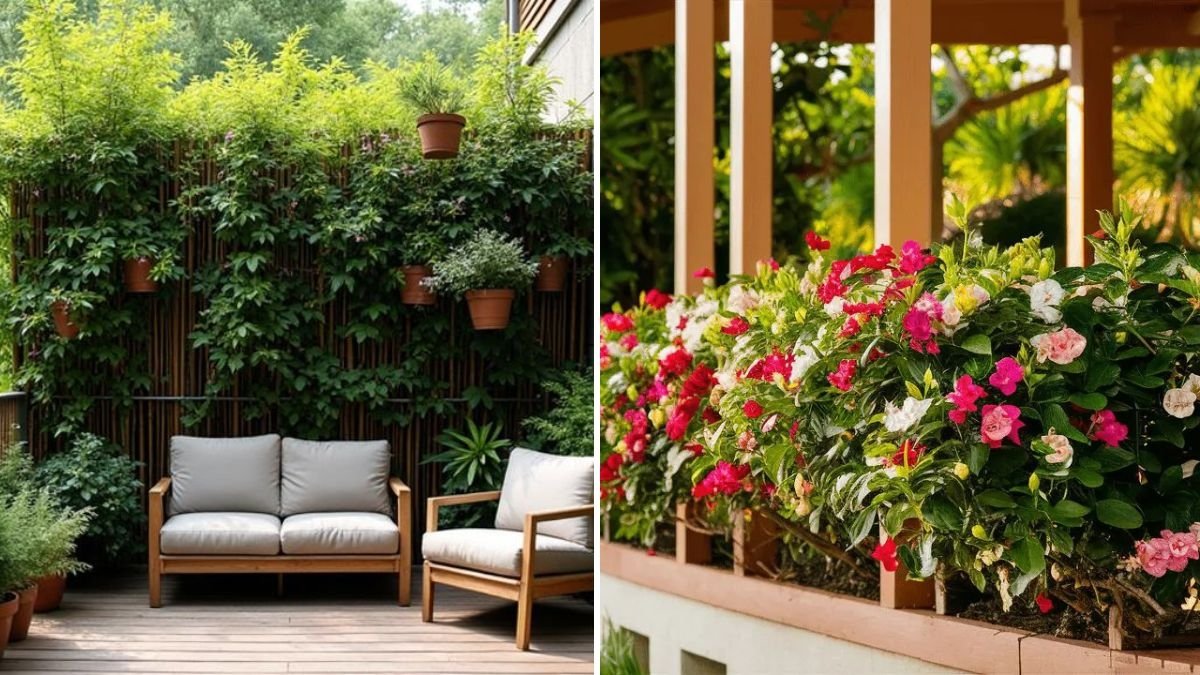
Balconies are personal sanctuaries—your morning tea corner, your mini garden, your place to breathe fresh air away from the busy world. But when neighbouring buildings overlook your space or balconies are too close to yours, privacy becomes a challenge. The simplest and most natural solution? Balcony plants.
Plants create a soft, green shield that not only protects your privacy but also makes your balcony serene, fresh, and visually appealing. Whether you want full coverage or just a partial screen, there are many creative ways to use plants as privacy barriers.
This guide explains how to create privacy with balcony plants, the best plant choices, design tips, and smart tricks to build a private, peaceful balcony—no matter how small your space is.
Why Use Plants for Balcony Privacy?
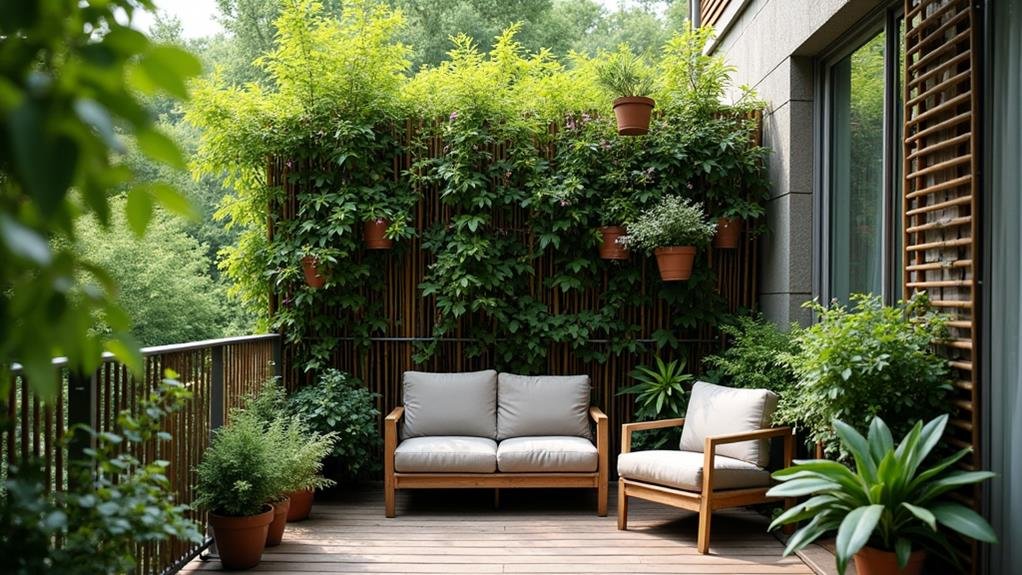
Before diving into the how-to, it’s worth understanding why plants are such a popular privacy solution.
1. Natural and Aesthetic
Plants bring beauty and calmness into your living space. Instead of metal screens or thick curtains, green walls and pots create a soothing, organic environment.
2. Better Air Quality
Plants act like natural air filters, reducing dust and pollutants—perfect for urban homes.
3. Noise and Wind Reduction
Thick foliage helps soften outside noise and blocks harsh winds, making your balcony more comfortable.
4. Flexible and Customizable
You can choose tall plants, climbers, dense shrubs, vertical gardens, or even hanging planters depending on your privacy needs.
5. Budget-Friendly
With clever planning, you can create full privacy using inexpensive pots and fast-growing plants.
Step-by-Step Guide: How to Create Privacy with Balcony Plants
Let’s break down the process so you can design a beautiful and private balcony using plants.
Step 1: Assess Your Balcony’s Privacy Needs
Different balconies have different privacy concerns. Start by identifying the type of coverage you require.
● Direct Front Privacy
If your balcony faces another building directly, choose:

- Tall plants
- Dense shrubs
- Vertical green walls
● Side Privacy
If neighbours can see you from the sides, install:
- Trellises with climbing plants
- Tall narrow planters placed at the edges
● Overhead Privacy
For balconies overlooked by upper floors:
- Use pergolas with climbers
- Hang trailing plants from a top grid
Understanding your specific privacy requirement helps you choose the right plants and arrangement.
Step 2: Choose the Right Plants for Privacy
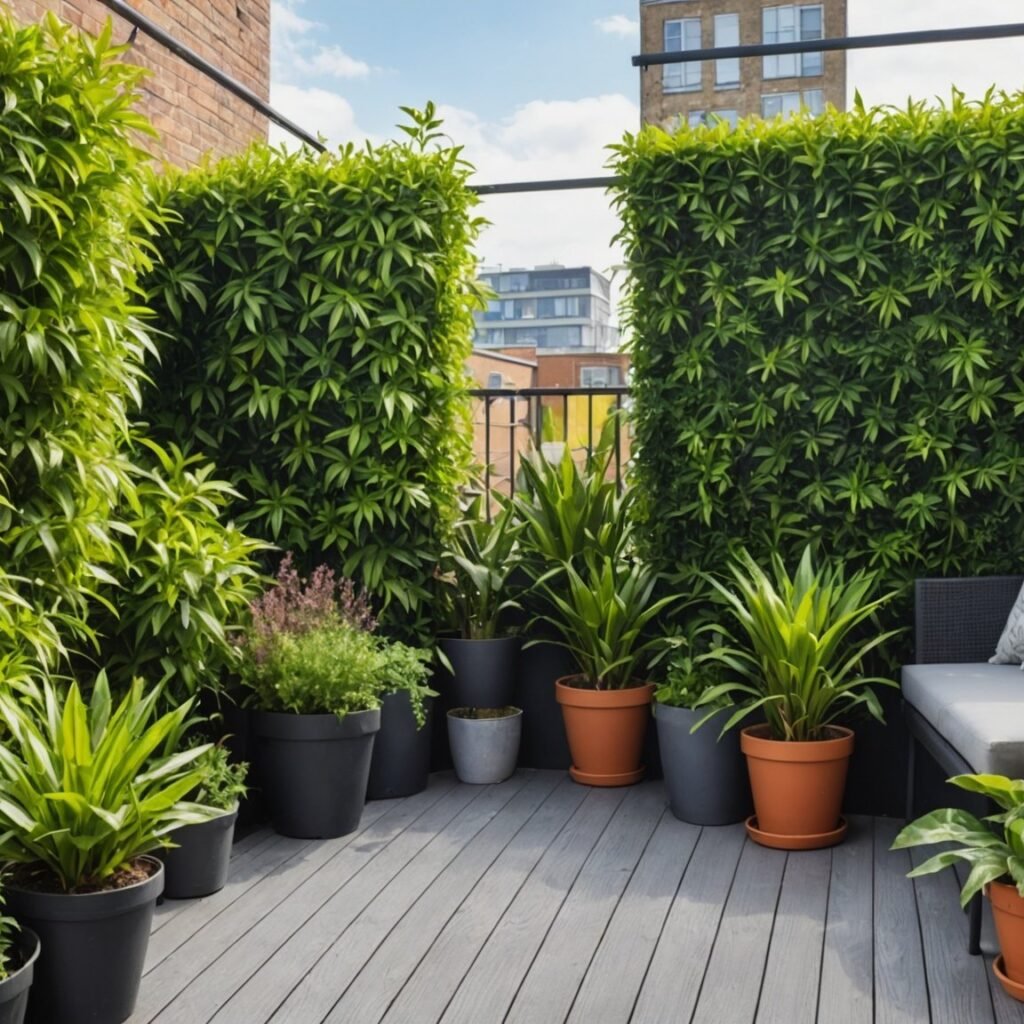
Not all plants work well for privacy. You need plants that are tall, dense, fast-growing, or structured for natural screening.
Below are the best types of balcony plants for privacy.
1. Tall Bamboo (Clumping Variety)
Bamboo is one of the most popular plants for privacy due to its height and dense foliage.
Benefits:
- Grows fast
- Stays lush year-round
- Creates immediate privacy
- Rustles beautifully in the wind
Growing Tips:
- Choose clumping bamboo, not running bamboo
- Use large, deep pots
- Water regularly but avoid waterlogging
2. Areca Palm
Elegant, tropical, and airy, Areca palms are perfect for side and front privacy.
Benefits:
- Soft fronds filter light
- Grows well in pots
- Suitable for partial shade
- Creates a resort-like look
Growing Tips:
- Keep soil slightly moist
- Place in bright indirect light
- Trim dry fronds
3. Money Plant (Pothos) on Trellis
If you want a green wall without tall pots, climbing plants like pothos are excellent.

Benefits:
- Very low maintenance
- Fast-growing
- Creates a thick vertical curtain
- Thrives in indirect sunlight
Growing Tips:
- Give it a trellis or net to climb
- Prune regularly to make it bushier
4. Hedging Plants (Duranta, Ficus, Privet)
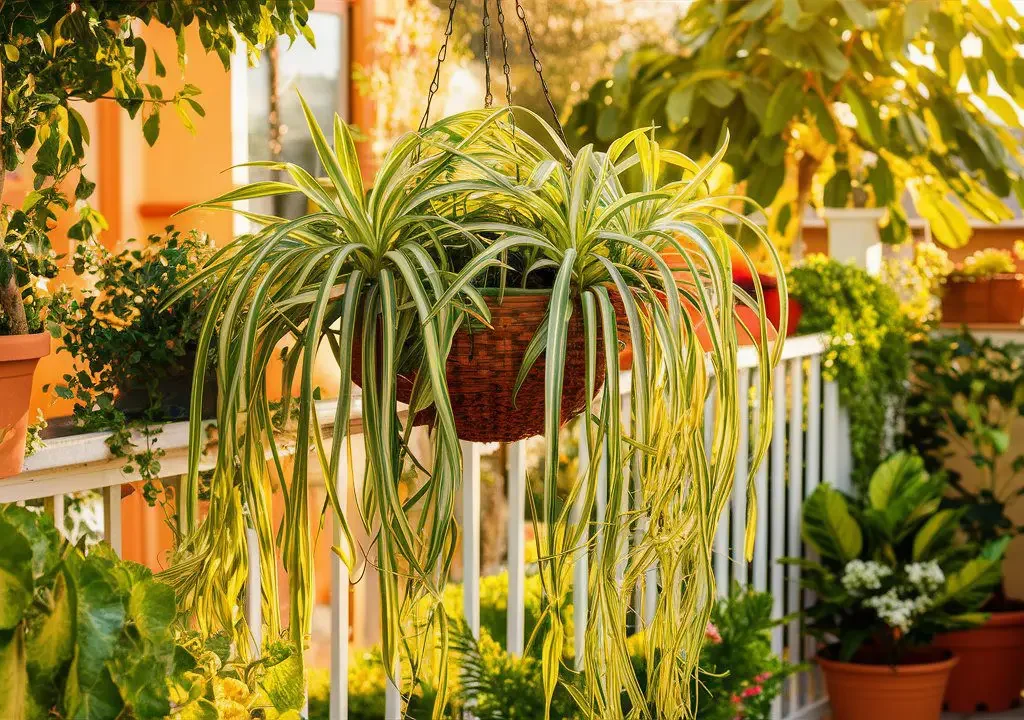
Shrub-style plants form dense foliage and make perfect natural partitions.
Benefits:
- Highly customizable shapes
- Can be pruned to maintain height
- Suitable for long balconies
Growing Tips:
- Use rectangular planters
- Trim monthly for compact form
5. Bamboo Palm or Rhapis Palm
These palms grow slowly but make beautiful, long-term privacy screens.
Benefits:
- Elegant layered foliage
- Great for shaded balconies
- Hardy and long-lasting
6. Bougainvillea on Trellis
If you want privacy plus color, bougainvillea is perfect.
Benefits:
- Bright blooms
- Fast-growing in sunny balconies
- Creates vibrant natural coverage
Growing Tips:
- Needs strong sunlight
- Water sparingly
- Add a sturdy support for climbing
7. Creeping Fig or Jasmine
These climbers form dense green walls with minimal space.
Benefits:

- Thick foliage
- Beautiful fragrance (jasmine)
- Excellent for vertical privacy
8. Snake Plant or Tall Succulents
Good for balconies with strong wind exposure.
Benefits:
- Very hardy
- Doesn’t topple easily
- Needs minimal care
Step 3: Use the Right Containers and Supports
How you arrange your balcony plants affects the privacy outcome just as much as the plants themselves.
● Tall Planters for Maximum Coverage
Using tall pots adds extra height instantly.
Materials:
- Fiberglass
- Plastic
- Lightweight concrete
- Wooden planters
● Vertical Trellises
Attach trellises to:
- Balcony railing
- Walls
- Pots
Great for climbers like jasmine, bougainvillea, or pothos.
● Planter Boxes
Long rectangular boxes help create a continuous privacy line.
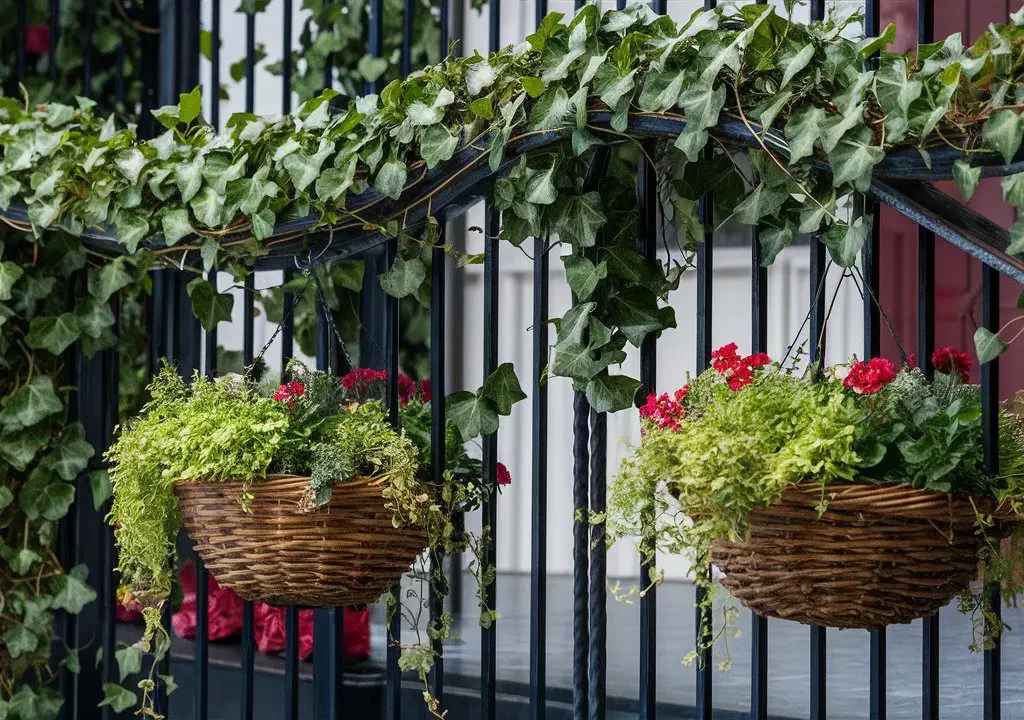
● Hanging Baskets and Rail Planters
Use them to cover gaps at eye level.
● Movable Plant Screens
Place plants on stands or wheels so you can shift them depending on sunlight or privacy needs.
Step 4: Arrange Plants for Maximum Privacy
The arrangement determines how effective your green privacy screen will be.
1. Layering Technique
Use plants of different heights to create a multi-level barrier:

- Tall bamboo or palms at the back
- Medium shrubs in the middle
- Trailing plants or small pots at the front
This creates full coverage and visual depth.
2. Build a Living Wall
Vertical gardens save space and provide full privacy without blocking balcony floor area.
3. Group Tall Plants Together
Cluster tall species to create stronger visual barriers.
4. Place Plants Strategically
Identify the most exposed areas:
- Directly facing neighbours
- Near railings
- Toward open buildings
Then place the densest plants there.
5. Fill Gaps with Climbers
If you notice small gaps after arranging tall plants, climbers or hanging plants can cover them easily.
Step 5: Maintain Your Balcony Privacy Plants
Healthy plants = thicker foliage = better privacy.
Watering
- Windy balconies dry out quickly
- Use a mulch layer to retain moisture
- Water early morning or evening
Fertilizing
Feed your plants every 3–4 weeks using:
- Vermicompost
- Organic liquid fertilizers
- Seaweed extract
Pruning
- Trim palms and bamboo for shape
- Prune shrubs to maintain density
- Pinch climbers to encourage branching
Pest Control
Use natural solutions like:
- Neem oil spray
- Soap water
- Garlic-chili spray
Healthy foliage remains dense and private.
Creative Ideas to Boost Balcony Privacy with Plants
Here are some stylish design ideas to elevate your balcony privacy setup:
● Create a Tropical Privacy Wall
Combine:

- Areca palms
- Banana plants
- Calatheas
This adds height and lushness.
● Green Curtain with Creepers
Install a string trellis from top to bottom and grow:
- Money plant
- Sweet potato vine
- Morning glory
● Mix Decorative Screens with Plants
Use bamboo screens, jute blinds, or lattice panels and let plants grow around them.
● Use Colorful Flowering Privacy Plants
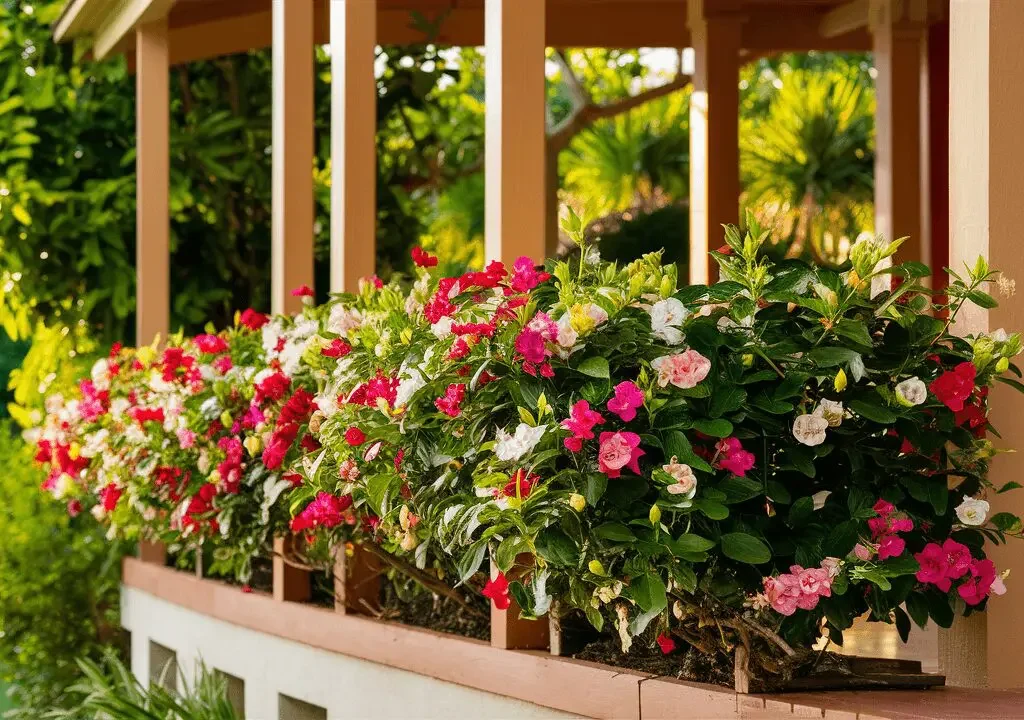
Bougainvillea, hibiscus, and mandevilla add color and coverage.
● Hang Planters for Extra Layers
Trailing plants create a soft privacy curtain.
Final Thoughts
Creating privacy with balcony plants is not just practical—it transforms your space into a natural, calming retreat. With the right mix of tall plants, climbers, shrubs, and clever arrangement techniques, you can enjoy a fully private balcony without heavy screens or expensive installations.
Whether you want a dense green wall, a tropical corner, or a colourful flowering curtain, there is a plant combination perfect for your balcony. Start with simple planters, choose fast-growing species, and adjust your arrangement until you get the ideal level of privacy and beauty.

Leave A Comment