Balcony gardening is an incredible way to bring nature into your living space, especially in cities where outdoor areas are limited. But if your balcony is located on a high floor or faces an open direction, it may be much windier than a typical garden. Strong winds can break stems, dry out soil rapidly, and stress delicate plants. The good news? Many plants thrive even in windy conditions—some are naturally sturdy, some have flexible stems, and others form compact shapes that resist wind damage.
In this guide, you’ll discover the five best plants for windy balconies, along with practical tips on how to grow, protect, and maintain them. Whether you want greenery, flowers, herbs, or a low-maintenance setup, these plants will withstand breezy environments and still flourish beautifully.
Why Wind Matters in Balcony Gardening
Before exploring the plant list, it’s essential to understand how wind affects balcony gardens. Wind can be both beneficial and challenging.
Benefits of Wind
- Promotes airflow and reduces fungal issues
- Helps strengthen stems naturally
- Keeps pests like aphids and whiteflies away
- Provides gentle cooling in hot climates
Challenges of Wind
- Increases evaporation, causing soil to dry quickly
- Breaks tall, brittle stems
- Uproots plants in lightweight containers
- Scorches leaves during hot, dry winds
- Makes temperature fluctuate dramatically
Choosing wind-resistant plants is the first and most important step in creating a thriving balcony garden that can handle breezy conditions.
1. Lavender (Lavandula) – Hardy, Fragrant, and Wind-Resistant
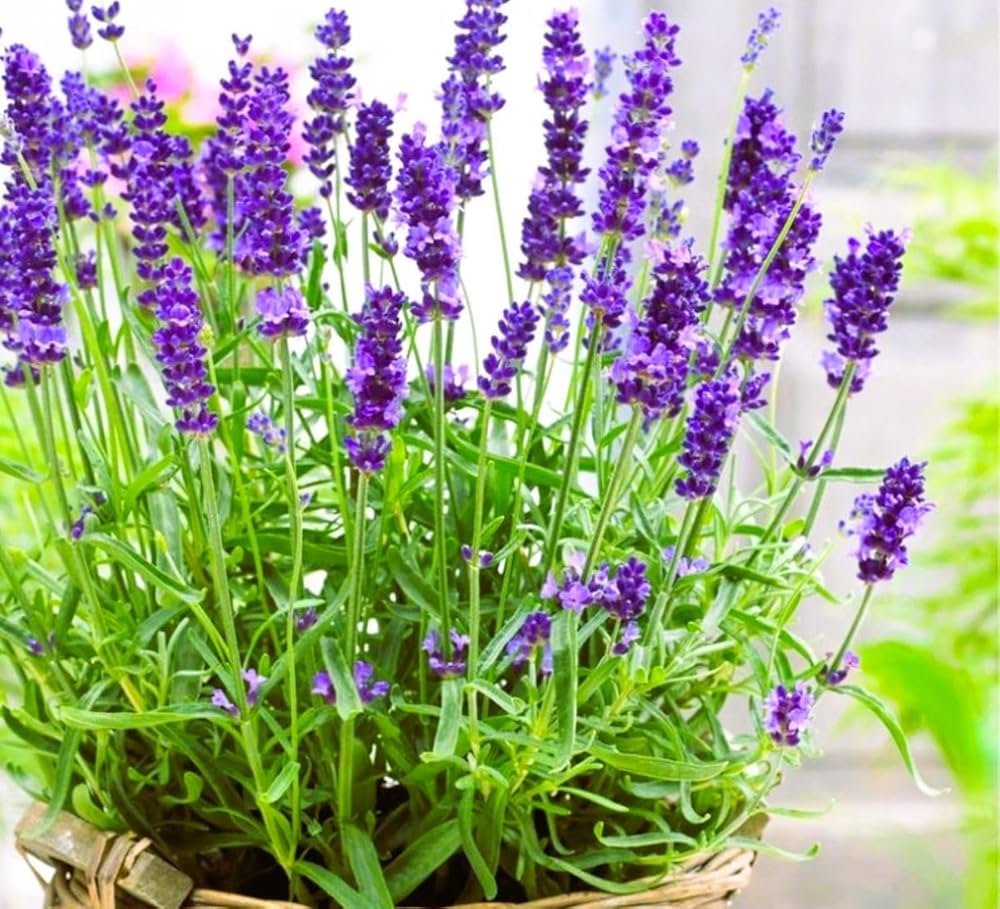
Lavender is one of the best plants you can grow on a windy balcony. Naturally adapted to Mediterranean climates, it thrives in breezy, well-ventilated environments.

Why Lavender Works Well
- Has flexible stems that don’t snap easily
- Tolerates dry conditions and strong airflow
- Prefers full sun, common on wind-exposed balconies
- Gives off a calming fragrance and attracts pollinators
Growing Tips
- Use a wide, well-draining pot
- Water sparingly; lavender hates overwatering
- Place in an area with at least 6 hours of sunlight
- Trim lightly after flowering to maintain shape
Lavender also makes your balcony smell incredible and adds a touch of Mediterranean charm.
2. Snake Plant (Sansevieria) – Tough, Compact, and Almost Indestructible
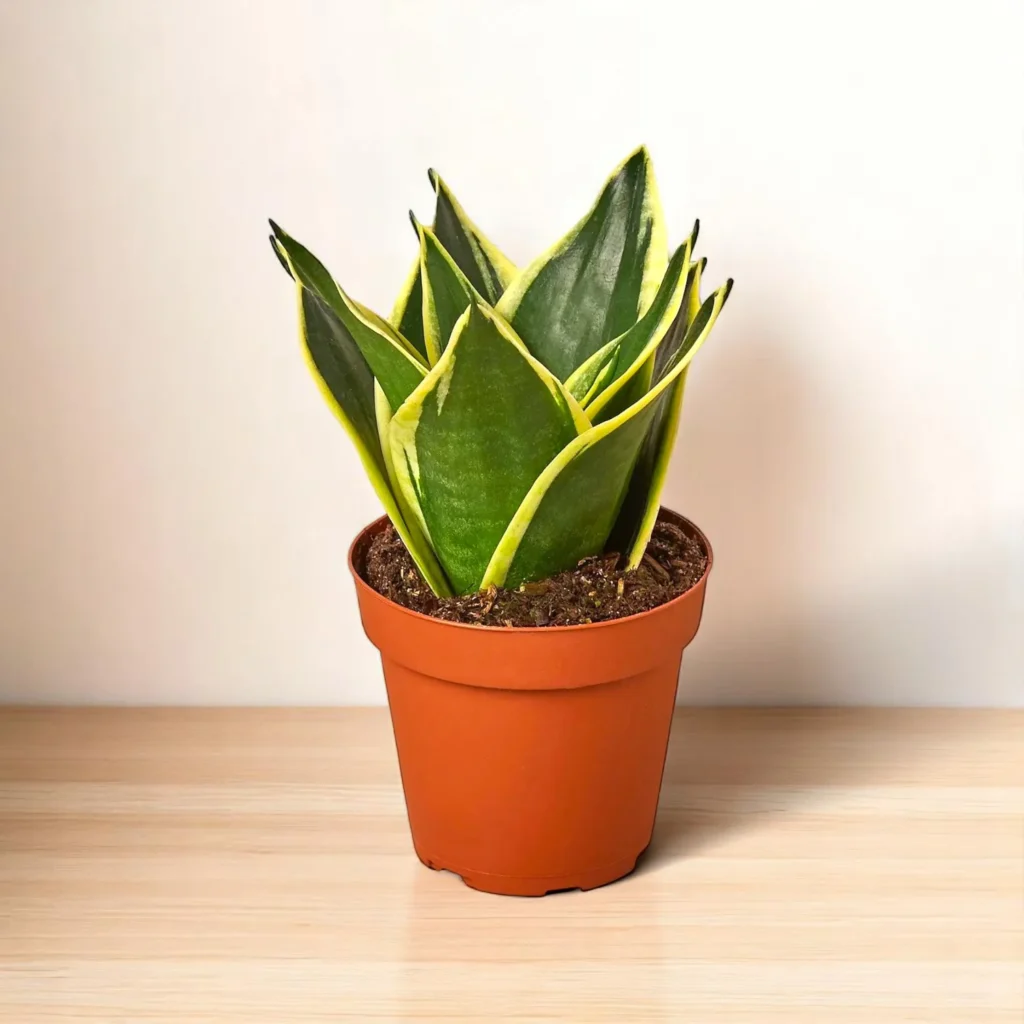
The snake plant is known for its ability to survive harsh indoor and outdoor conditions, including strong wind. Its upright, sturdy leaves don’t bend or snap easily, making it ideal for exposed balconies.
Why Snake Plant Is Ideal for Windy Spots
- Tough leaves that withstand pressure
- Doesn’t topple easily when planted in a wide pot
- Tolerates sun, shade, and fluctuating weather
- Extremely low-maintenance and drought-resistant
Growing Tips
- Use a heavy-bottom pot to avoid tipping
- Water only when the soil is completely dry
- Keep in light shade during peak summer heat
- Wipe leaves occasionally to keep them shining
Snake plants are also excellent air purifiers, adding both beauty and wellbeing to your balcony.
3. Rosemary (Rosmarinus officinalis) – Fragrant Herb that Loves Wind
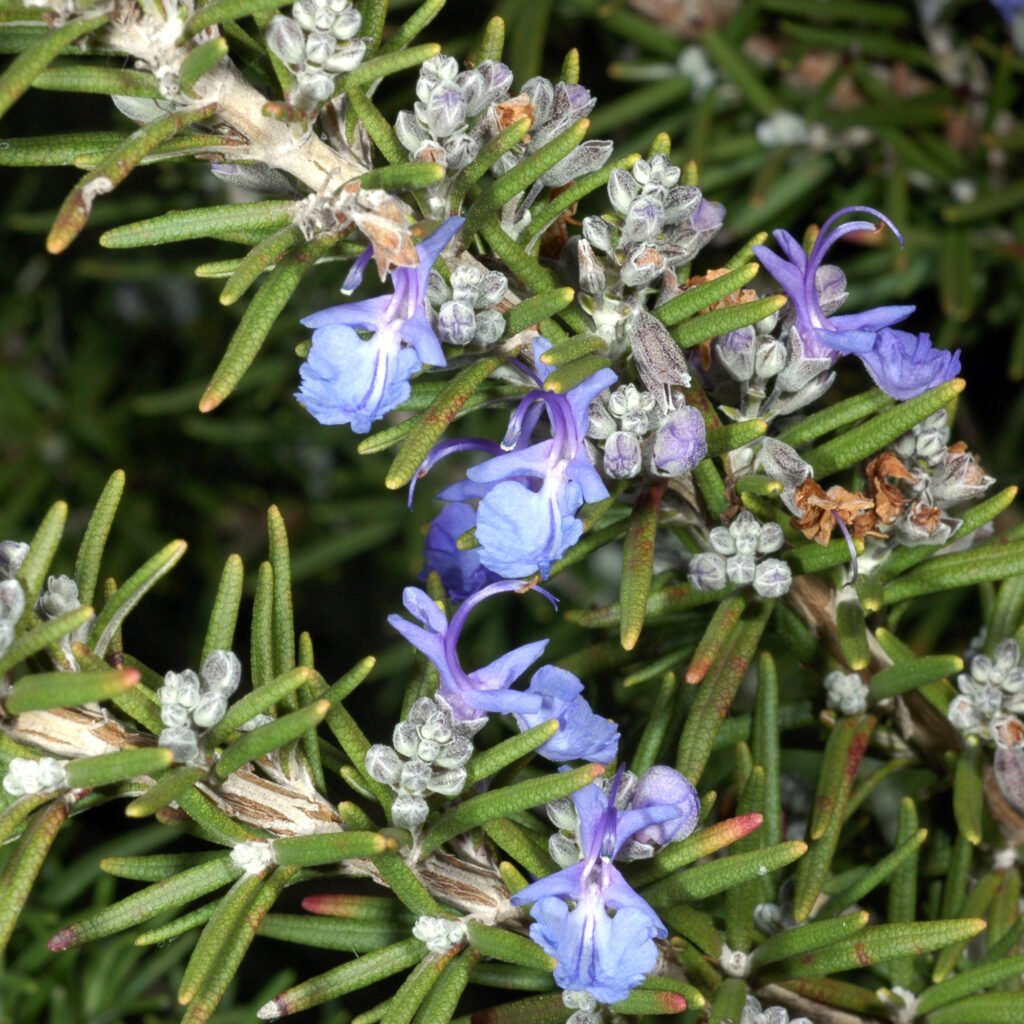
Rosemary is a powerful herb that thrives in windy, sunny climates. Its needle-like leaves and woody stems naturally endure harsh airflow.
Why Rosemary Thrives in Wind
- Adapted to rugged coastal environments
- Wind helps prevent fungal diseases
- Compact growth makes it highly stable
- Adds wonderful fragrance and culinary value
Growing Tips
- Place rosemary in full sun for 6–8 hours daily
- Use a terracotta or heavy pot for stability
- Water lightly and allow the soil to dry between sessions
- Prune regularly to promote bushy growth
Whether you use it for cooking or decoration, rosemary is an all-around winner for windy balconies.

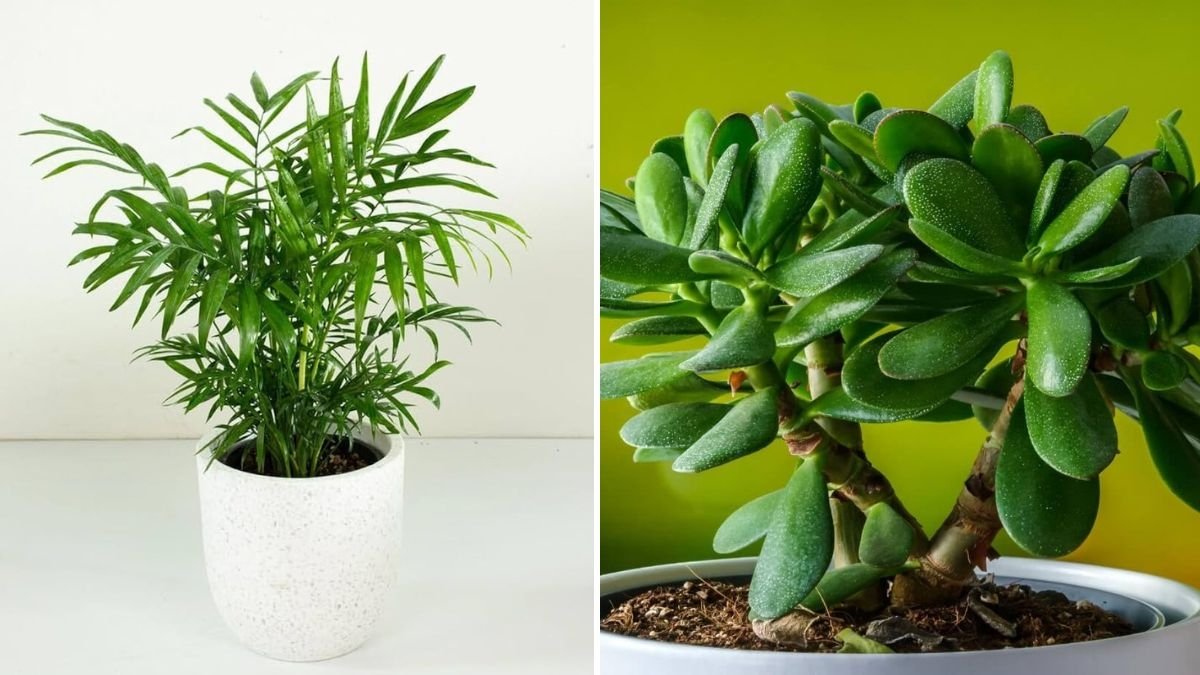
4. Jade Plant (Crassula ovata) – A Sturdy Succulent Perfect for Breezy Conditions
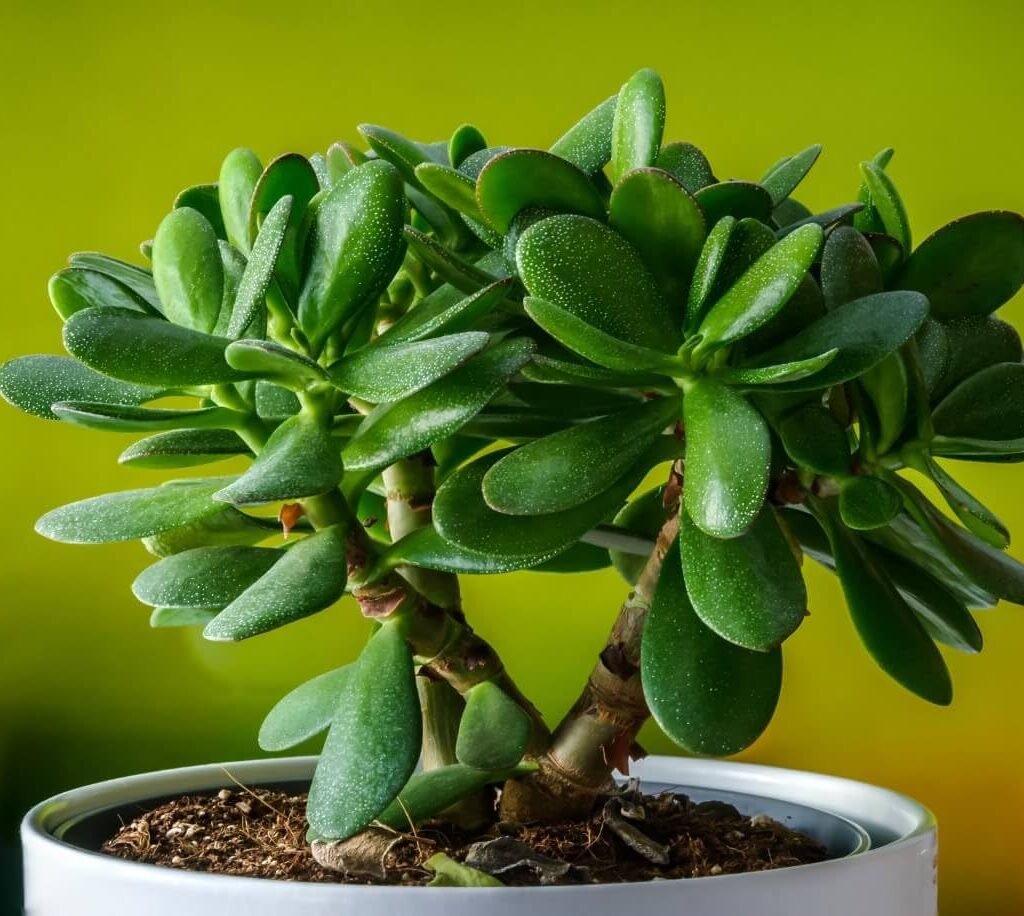
Succulents love sun, airflow, and dryness—all typical in windy balcony conditions. The jade plant is especially well suited because it has thick stems and fleshy leaves that store water, making it resilient.
Why Jade Plant Is Great for Windy Balconies
- Wind rarely damages its strong, woody structure
- Thrives in sun and doesn’t require frequent watering
- Compact shape reduces risk of toppling
- Adds a unique, sculptural look to your balcony
Growing Tips
- Use well-draining succulent soil
- Place in a bright or sunny corner
- Water deeply but infrequently
- Protect from cold, harsh winter winds if temperatures drop significantly
Jade plants also bring positive energy according to feng shui, making them a stylish and symbolic addition.
5. Bamboo Palm (Chamaedorea seifrizii) – Flexible and Elegant for Windy Corners
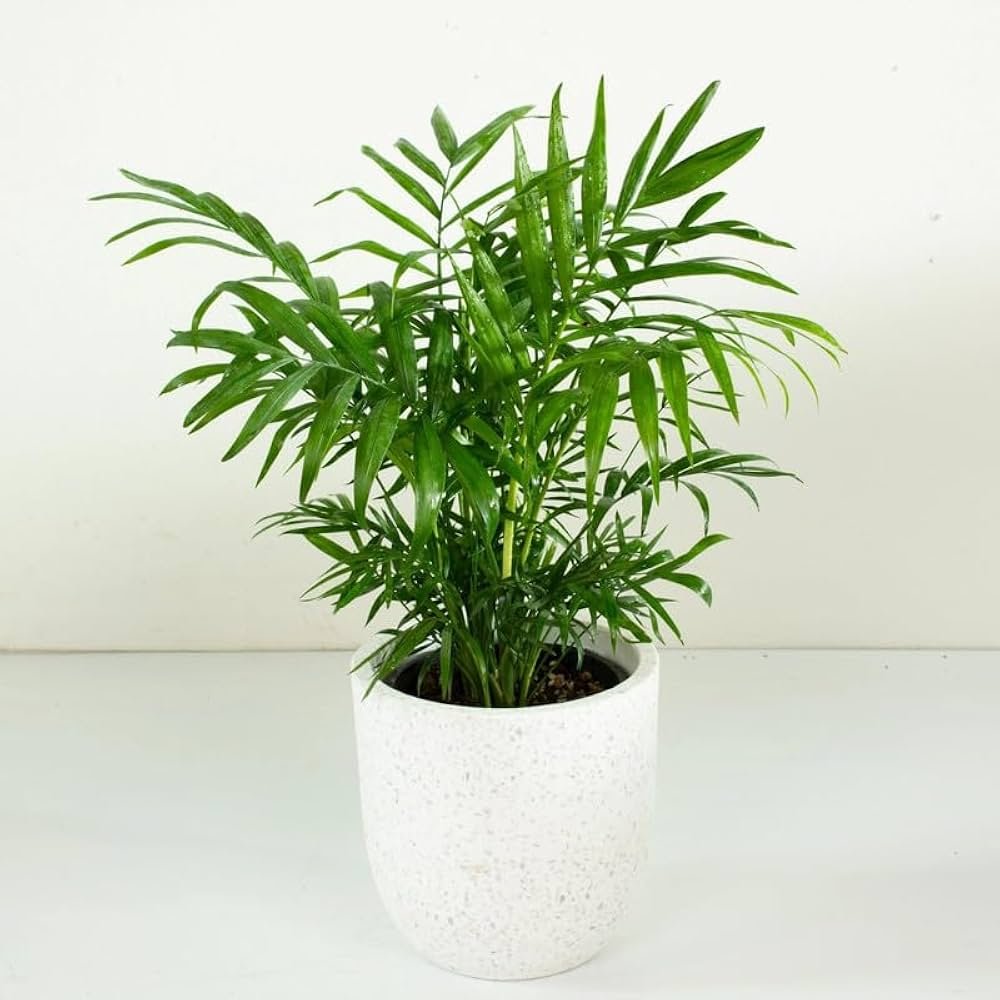
The bamboo palm is known for its graceful, arching fronds that bend rather than break in strong winds. It’s one of the few palms that performs well on balconies.
Why Bamboo Palm Works in Breezy Areas
- Flexible stems that sway without damage
- Tolerates partial shade, making it versatile
- Creates a natural windbreak when planted in a group
- Adds height and tropical beauty to your balcony
Growing Tips
- Use a deep pot to anchor the roots
- Water moderately, keeping soil slightly moist
- Mist leaves occasionally in hot weather
- Trim dry or damaged fronds for neat growth
A bamboo palm or a group of them can help shield other plants from excessive wind while enhancing the aesthetics of your balcony.
Bonus Plants That Also Thrive on Windy Balconies
If you want more options, these plants are also great performers in strong winds:

- Aloe vera
- Portulaca (Moss rose)
- Geraniums
- Agave
- Sedum
- Yucca
- Boxwood shrubs (dwarf variety)
All these plants have either flexible stems, compact structures, or drought-loving characteristics that help them survive windy environments.
Tips to Protect Plants on Windy Balconies
Even wind-resistant plants need some protection in extreme conditions. Incorporate these simple strategies:
1. Use Heavy Pots
Terracotta, ceramic, or weighted plastic pots help plants stay stable.
2. Secure Pots to Railings or Walls
Use brackets, clips, or pot holders to prevent toppling.
3. Install Windbreaks
Options include:

- Bamboo screens
- Trellises
- Tall plants grouped together
- Fabric privacy screens
These reduce the wind’s intensity without blocking airflow entirely.
4. Keep Plants Well-Hydrated
Wind dries soil faster. Use:
- Mulch
- Coco chips
- Pebbles
These retain moisture and protect the roots.
5. Choose Compact or Low-Growing Varieties
Plants with a naturally low center of gravity are less likely to topple or break.
Final Thoughts
Windy balconies don’t have to limit your gardening options—in fact, they can become vibrant, breezy green retreats with the right plants. Lavender, snake plant, rosemary, jade plant, and bamboo palm are all hardy, beautiful options that flourish even in strong winds. With the addition of protective techniques like windbreaks and weighted pots, you can confidently grow a flourishing balcony garden that stands strong in every season.


Leave A Comment