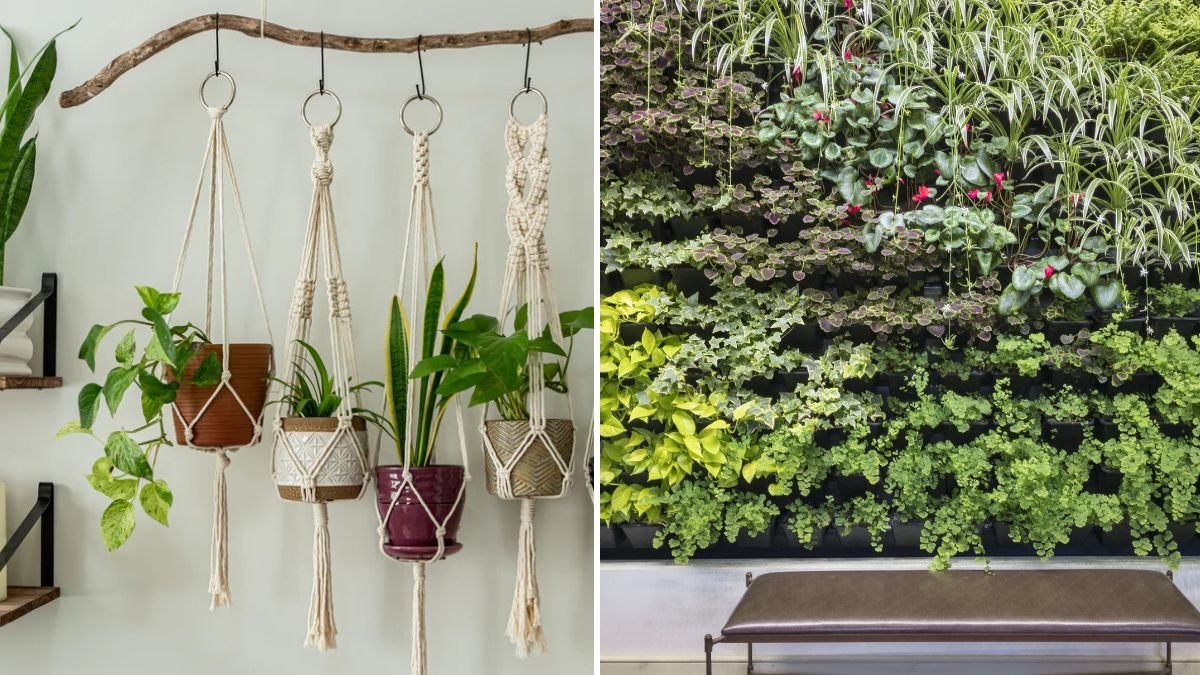
Creating a lush, green space in a small home, compact balcony, or tight urban apartment is easier than you think. Even if you don’t have ground space for traditional gardening, a garden wall—also known as a vertical garden—lets you grow herbs, flowers, succulents, and even vegetables without sacrificing floor area. Whether you live in a studio apartment or a high-rise flat, a garden wall can bring nature right into your living environment, improve air quality, and enhance your décor.
In this 1200-word guide, you’ll discover five brilliant, space-saving ways to build a garden wall, using materials ranging from old racks to wooden pallets. These ideas are practical, budget-friendly, and perfect for anyone who wants to maximize green space in a small area.
1. Use a Wooden Pallet to Build a Rustic Vertical Garden
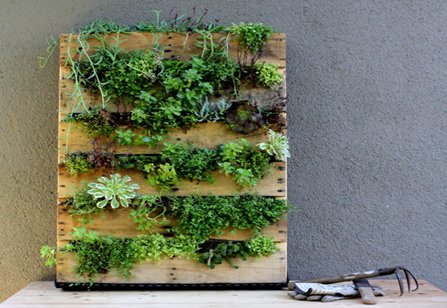
Wooden pallets are one of the most budget-friendly and effective structures for building instant garden walls. They’re easy to find, easy to customize, and strong enough to hold multiple plant pots.
Why Pallets Work Great for Small Spaces
- They add vertical height without taking up floor space.
- The slats naturally create compartments for plant pots.
- Pallets can be repurposed, keeping your project eco-friendly.
How to Build It
- Choose the right pallet – Preferably untreated wood and in good condition.
- Sand and paint (optional) – A coat of outdoor paint or varnish enhances its life.
- Add landscaping fabric – Staple it to the back to hold soil securely.
- Fill with soil – Add potting mix between slats if planting directly.
- Mount or lean – Lean it against a wall, or use sturdy hooks to mount it.
Best Plants for Pallet Gardens
- Leafy greens like lettuce
- Trailing plants such as ivy or pothos
- Succulents
- Herbs like basil, mint, and parsley
Wooden pallet garden walls give your small space a farmhouse charm while keeping your plants beautifully organized.
2. Hang Wall-Mounted Planters for a Modern Green Wall
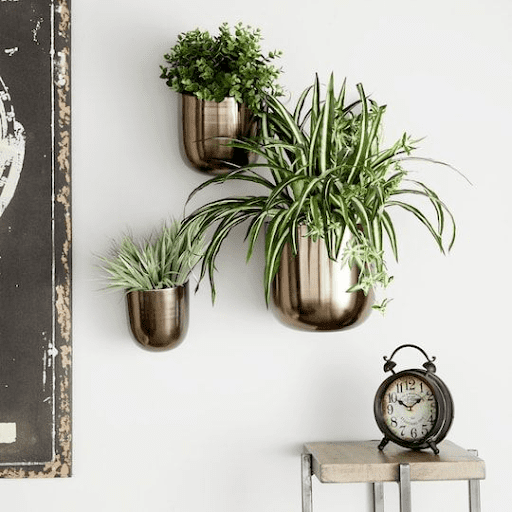
If you want a sleek and minimalistic look, wall-mounted planters are the perfect solution. They work beautifully in balconies, indoor living rooms, or narrow corridors.
Why Choose Wall-Mounted Planters?
- They create a clean, structured look.
- They save maximum floor space.
- You can arrange them like art for a stylish statement.
Types of Wall-Mounted Planters
- Ceramic pots with wall hooks
- Metal containers for a modern aesthetic
- Terracotta pots for a classic look
- Pocket planters made of breathable fabric
Installation Tips
- Use corrosion-resistant nails or wall plugs.
- Ensure the wall structure can support the weight of soil and water.
- Arrange the planters in geometric patterns—rows, grids, or zig-zags—for visual appeal.
Plants That Thrive in Wall-Mounted Planters
- Ferns
- Spider plants
- Hoya
- Small flowering plants
This type of garden wall turns your space into a vertical botanical gallery.
3. Create a Garden Wall Using Vertical Shelving Units
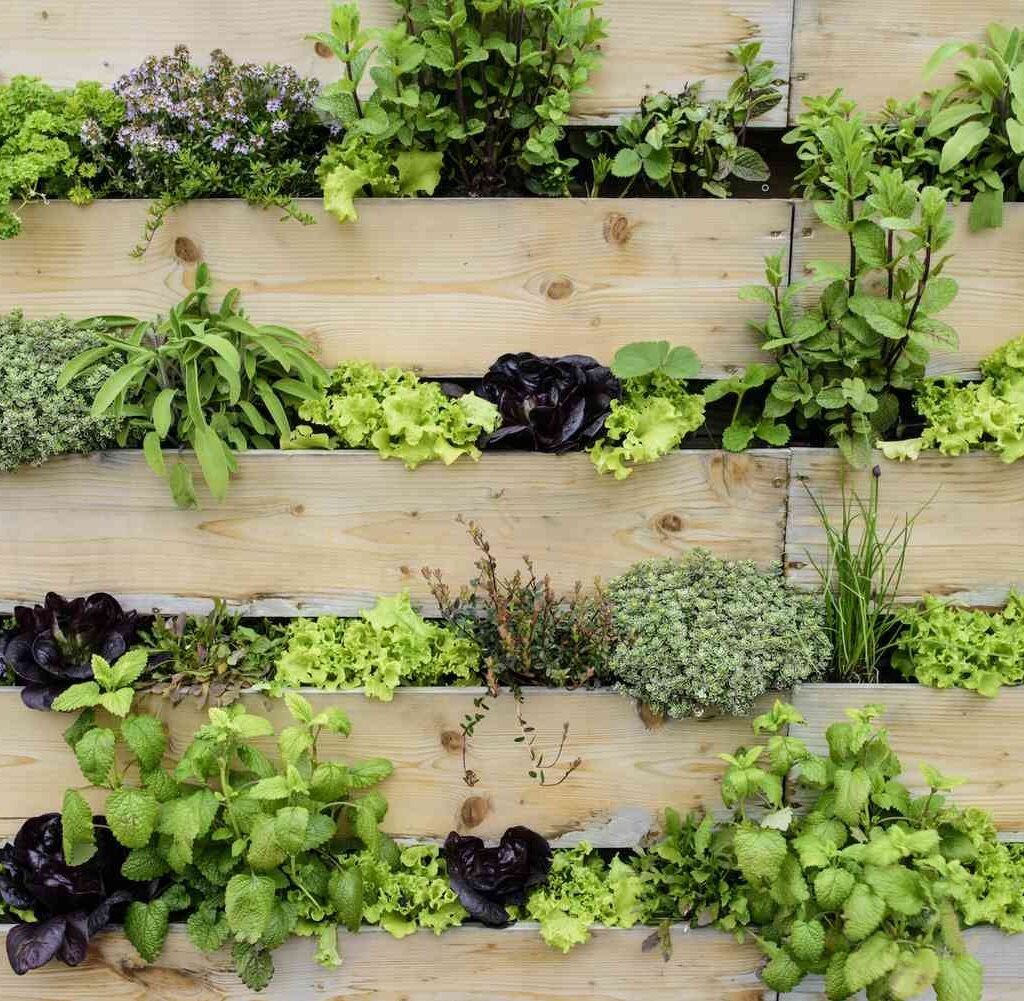
If you want your garden wall to be flexible and easy to move, vertical shelves are an excellent choice. They are one of the easiest methods to get started with a vertical garden.
Why Shelving Units Are Great
- No installation required—just place and use.
- Perfect for renters who cannot drill walls.
- Allows mix-and-match pot arrangements.
Types of Shelving Options
- Ladder-style shelves
- Metal wire racks
- Bamboo shelves
- Reclaimed wooden shelves
How to Set Up the Garden Wall
- Choose a shelf that fits your balcony or indoor space.
- Arrange plants based on their sunlight needs—sun lovers on top, shade lovers below.
- Use waterproof trays or liners to prevent water damage.
- Add decorative items like lanterns or fairy lights for aesthetics.
Plants to Display
- Succulents
- Small herbs
- Ornamental grasses
- Mini roses or dwarf flowering plants
Shelving units let you grow a large number of plants without making your space feel cramped.

4. Build a Garden Wall with Hanging Pots and Macramé Holders
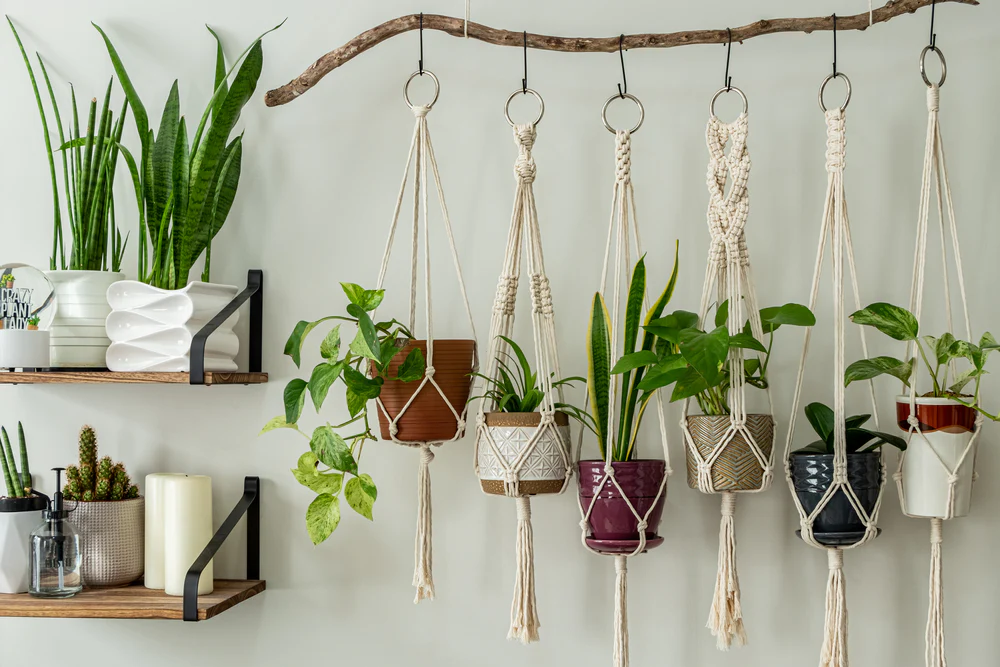
This idea blends gardening with home décor. Hanging pots look elegant, bohemian, and vibrant—perfect for apartments or balconies with limited ledge space.
Why Hanging Planters Work Well in Small Spaces
- They make use of ceiling and railing space.
- They allow light to reach plants from all angles.
- They add visual height and dimension to your area.
Materials You Can Use
- Macramé plant hangers
- Metal or wooden rings
- Rope and hooks
- Hanging ceramic or plastic pots
Tips for Using Hanging Pots
- Ensure hooks are securely fixed and weight-tested.
- Hang plants at varying heights to create depth.
- Use light potting soil to avoid unnecessary weight.
Best Plants for Hanging Walls
- String of pearls
- Tradescantia
- Money plant (pothos)
- Hanging ferns like Boston fern
- Mini trailing tomatoes (for edible décor!)
Hanging vertical gardens add charm and personality while keeping your space green and uncluttered.
5. Make a Living Wall Using Climbing Plants and a Trellis
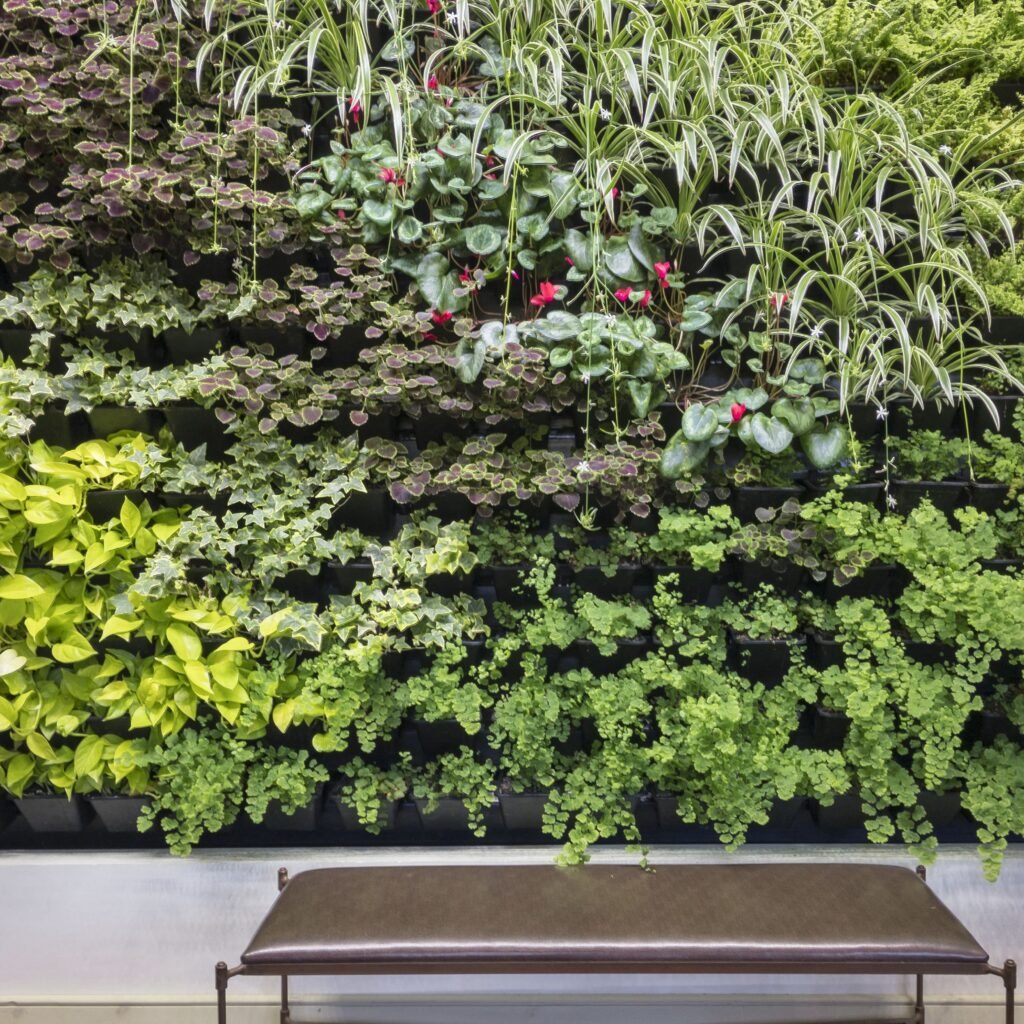
If you want a dramatic garden wall that feels lush and full, climbing plants are the best choice. With the help of a trellis, grill, or wire frame, you can transform a plain wall into a green paradise.
Why Trellis Walls Are Ideal
- They’re excellent for balconies with railings.
- Climbing plants naturally cover vertical space.
- They create shade and privacy.
What You Need
- Wooden or metal trellis
- Balcony railing or fixed wall hooks
- Fast-growing climbers
- Lightweight potting mix
How to Build It
- Attach the trellis to the wall or rail using zip ties or hooks.
- Place pots at the base of the trellis.
- Plant your climbing variety and gently train the vine upward.
- Trim periodically to maintain shape and thickness.
Plants Perfect for Garden Wall Trellises
- Money plant
- English ivy
- Jasmine
- Morning glory
- Climbing roses
A trellis-style garden wall is both functional and beautiful, offering greenery and natural privacy.

Final Tips for Making the Most of Your Garden Wall
Here are a few last pointers to keep your vertical garden thriving:
1. Use Lightweight Soil
Choose potting soil instead of garden soil to reduce weight.
2. Pick the Right Spot
Most plants love bright indirect light, so place your garden wall accordingly.
3. Water Carefully
Vertical gardens may dry out faster—use a watering can with a long spout or a drip system.

4. Mix Plants with Similar Needs
Combine plants that require similar light, water, and soil conditions.
5. Add Personal Touches
Decorative stones, fairy lights, or small garden accessories can bring your garden wall to life.
Conclusion
Even the smallest corner of your home has the potential to bloom with creativity. A garden wall is not just a space-saving solution—it’s a piece of living art. With these five ideas, you can transform any small balcony, narrow corridor, or unused wall into a lush vertical oasis.
Whether you prefer rustic pallet designs, modern wall-mounted planters, or a romantic climbing trellis, there’s a perfect garden wall option for your space. Start small, stay consistent, and enjoy the satisfaction of building your own green sanctuary.


Leave A Comment