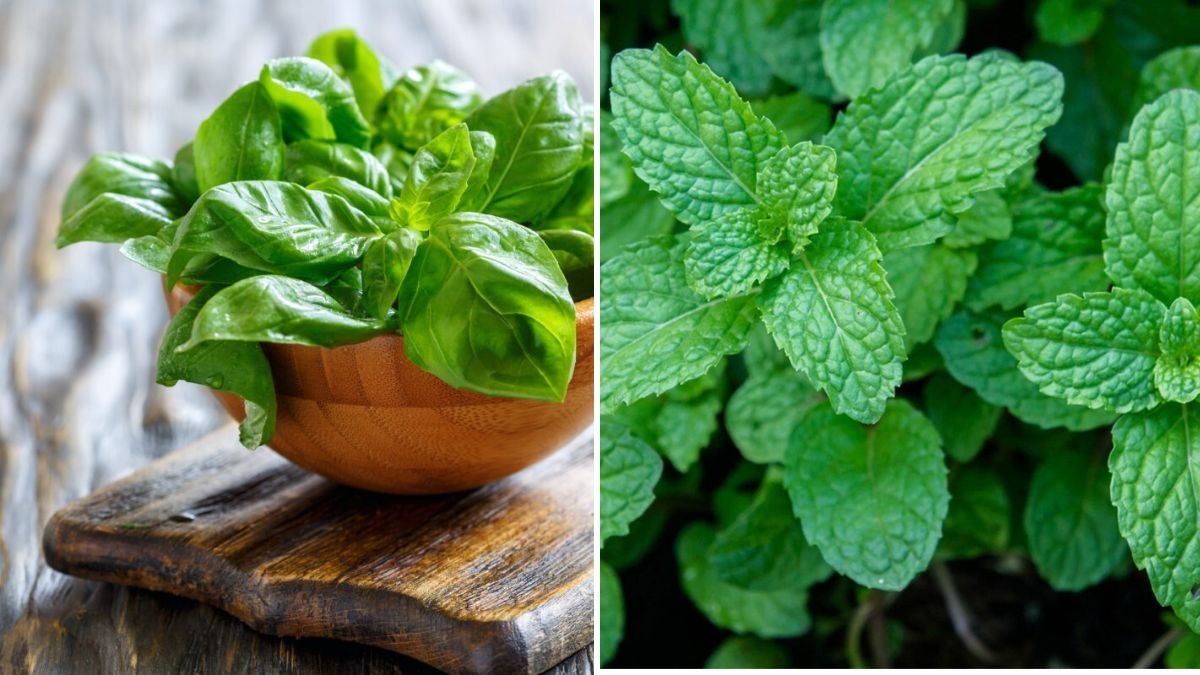
Growing herbs from kitchen scraps is one of the easiest, cheapest, and most rewarding ways to start your own indoor garden. Instead of throwing away leftover stems or roots, you can transform them into thriving herb plants that continue producing fresh flavor for your meals. Whether you live in a small apartment, have no outdoor space, or simply want to save money on grocery herbs, this method is perfect for you.
In this guide, you’ll learn how to regrow six popular herbs from scraps you already have at home. Each one is beginner-friendly, requires minimal supplies, and grows well indoors year-round.
Why Regrow Herbs from Kitchen Scraps?
Before we dive into the herbs you can regrow, here are a few reasons why this gardening method is becoming so popular:
1. It’s Budget-Friendly
Fresh herbs can be expensive, especially when purchased regularly. Regrowing them from scraps gives you an endless supply at no additional cost.
2. Zero Waste Gardening
Instead of tossing herb stems and roots into the trash, you can repurpose them and reduce waste.
3. Beginner-Friendly
Even if you’ve never gardened before, regrowing herbs from scraps is simple and requires little maintenance.
4. Perfect for Small Spaces
You only need jars, glasses, or small pots—ideal for apartments or homes with limited space.
5. Year-Round Freshness
Indoor growing means you’re not dependent on the weather. You can enjoy fresh herbs in any season.

What You’ll Need to Get Started
Most kitchen scrap herbs require the same simple setup:
- A glass or jar
- Clean water
- Sharp scissors
- Small pots with drainage holes (for transplanting)
- Potting soil
- Sunny windowsill or grow light
Now let’s explore six herbs that grow perfectly from your kitchen scraps.
1. Basil – One of the Easiest Herbs to Regrow
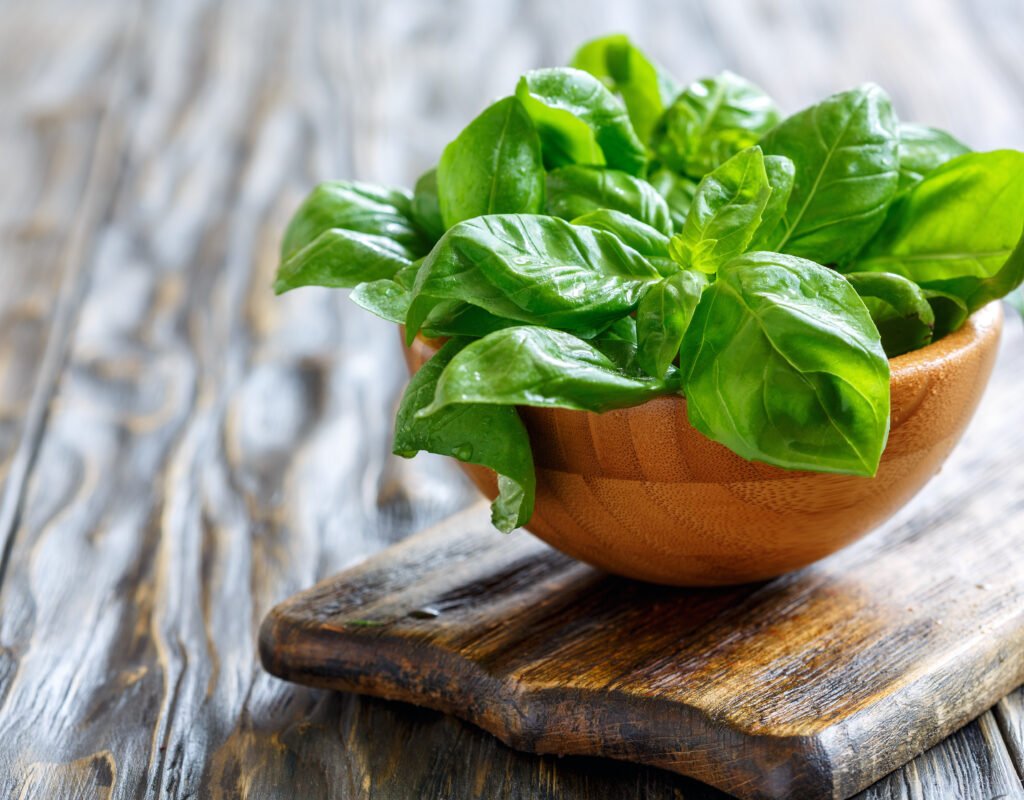
Basil is a popular kitchen herb that regrows exceptionally well from scraps. All you need is a few healthy stems.
How to Regrow Basil from Scraps
- Take a stem cutting about 4–6 inches long.
- Remove the lower leaves, leaving only the top ones.
- Place the stem in a jar of water, ensuring leaves aren’t submerged.
- Put it in a bright spot but away from direct harsh sunlight.
- Change the water every 2–3 days.
In about 1–2 weeks, you’ll notice roots forming. Once the roots are at least 2 inches long, transfer the basil to a pot filled with well-draining soil.
Why Basil Regrows So Well
Basil is naturally fast-growing, and with regular pinching, it continues producing fresh leaves for months.
2. Mint – The Herb That Practically Grows Itself
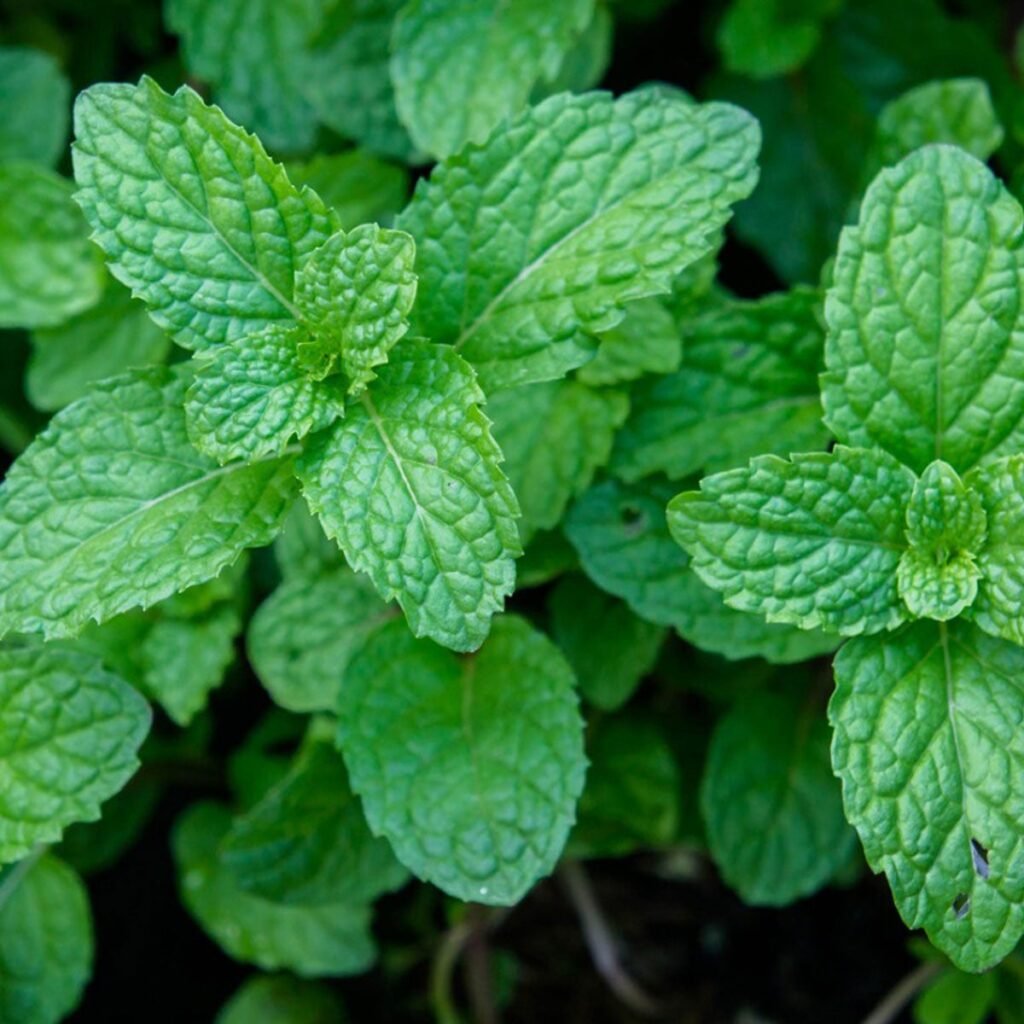
Mint is one of the hardiest herbs around. It grows aggressively outdoors and equally well indoors from simple scraps.
How to Regrow Mint from Scraps
- Choose fresh, healthy mint stems (3–5 inches long).
- Remove the leaves from the lower half.
- Place stems in a glass of water.
- Keep it in partial sunlight to prevent leaf burn.
- Change the water regularly to prevent mold.
Mint roots extremely fast—sometimes in as little as 3–5 days. Once rooted, transplant to a pot.
Important Note
Mint spreads rapidly, so always grow it in its own container to prevent it from taking over.

3. Cilantro (Coriander) – Easy to Regrow If You Use Stems with Roots
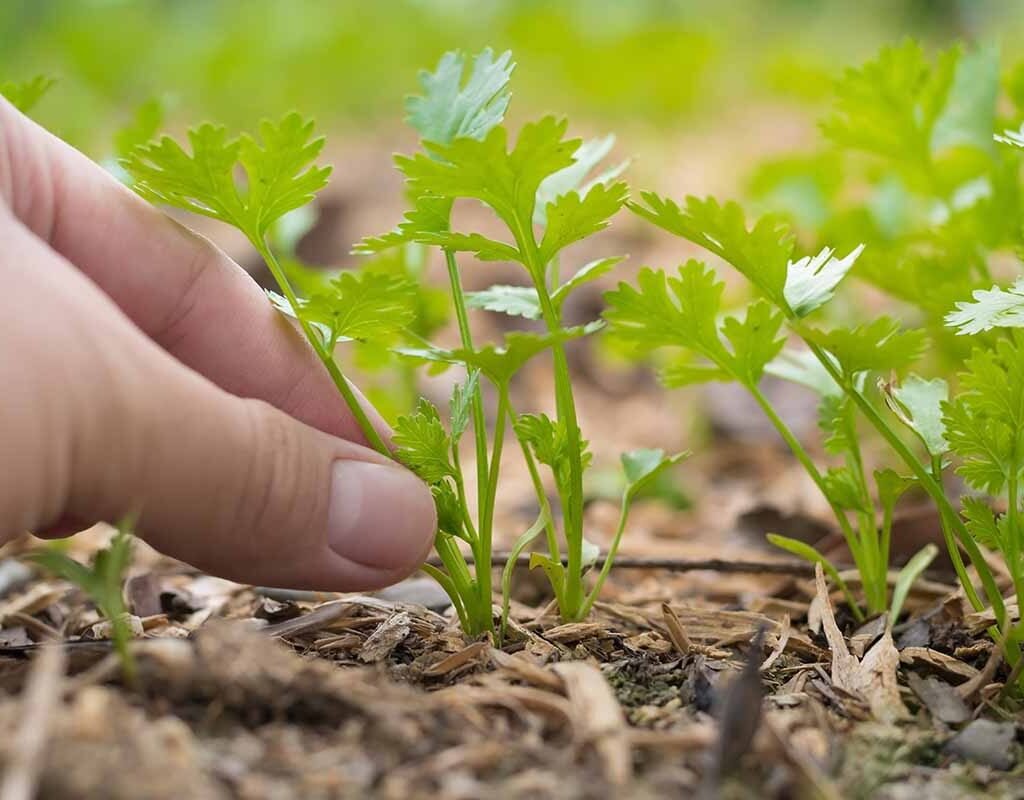
Cilantro can be a bit tricky to grow from seeds, but regrowing from stems is surprisingly simple.
How to Regrow Cilantro from Scraps
- Use stems with the root base still attached (often available in grocery bunches).
- Place the roots in a shallow container of water.
- Keep it in a sunny spot, preferably a windowsill.
- Replace the water every 2–3 days.
New leaves will begin to appear within a week. After 10–14 days, transfer it to soil for stronger growth.
Pro Tip
Cilantro prefers cooler temperatures and partial sunlight. Too much heat makes it bolt quickly.
4. Green Onions (Spring Onions) – The Fastest Growing Kitchen Scrap Herb
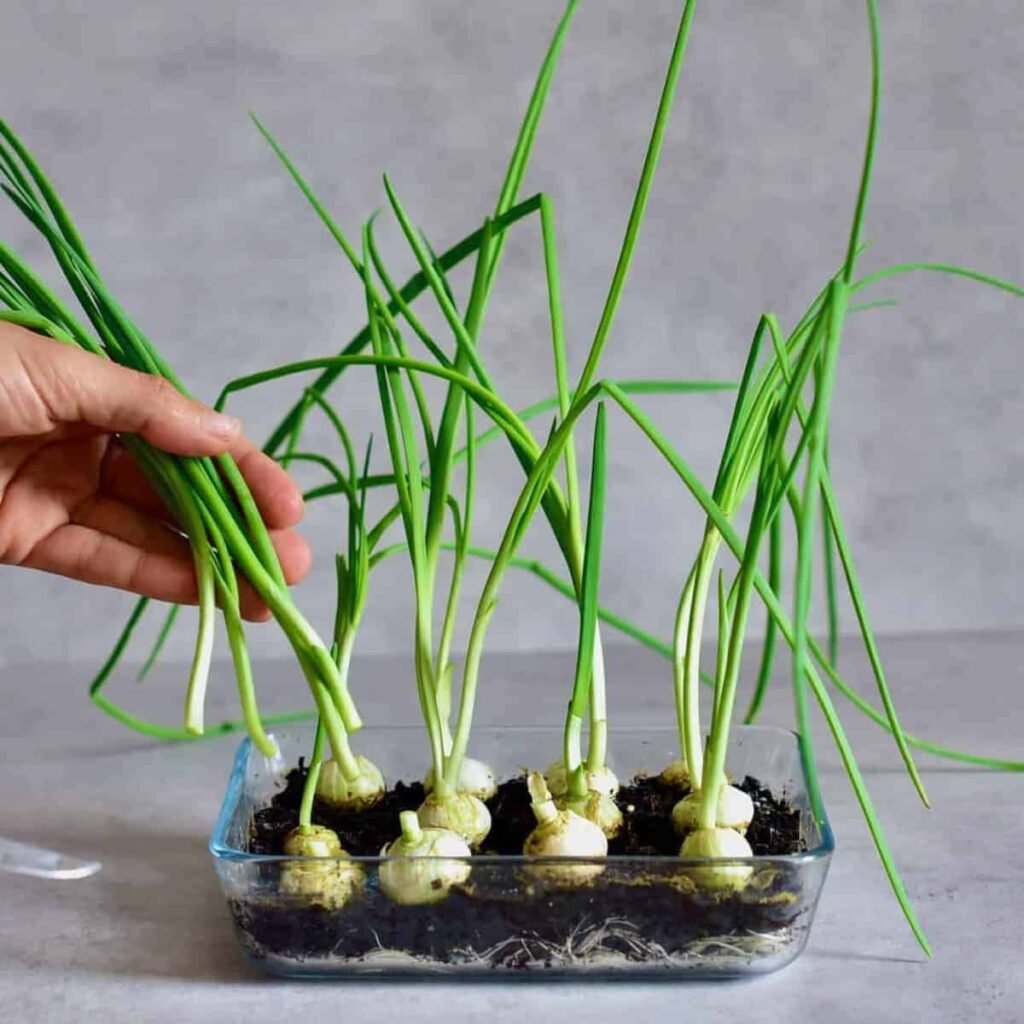
Green onions are probably the easiest and quickest herb to regrow. They can regrow their green tops almost endlessly.
How to Regrow Green Onions
- Save the white bulbs with the tiny roots intact.
- Place them in a glass with enough water to cover the roots but not the entire bulb.
- Leave the jar near a sunny window.
- Change water every two days.
You’ll see new green shoots in just 24–48 hours. They can grow several inches in a week. You can harvest and regrow them repeatedly.
Why They’re Perfect for Beginners
No special soil or conditions required—just water and light.
5. Lemongrass – A Fragrant Herb That Regrows Beautifully
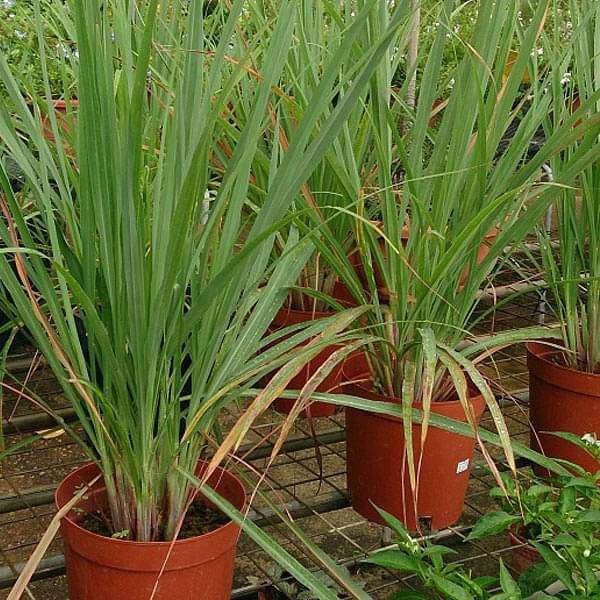
Lemongrass, used in Asian cuisine and teas, is incredibly easy to regrow from stalks.
How to Regrow Lemongrass from Scraps
- Use the lower end of the stalk with its base intact.
- Place it in a jar with about 1–2 inches of water.
- Put the jar in a warm, sunny place.
- Change the water every few days.
Within one week, the stalk will begin to sprout new leaves. Roots follow shortly after. When the roots are a few inches long, move the lemongrass into soil.

Growth Benefit
Lemongrass grows into a tall, bushy plant that thrives indoors or outdoors in warm climates.
6. Rosemary – A Slow Starter but Long-Lasting Herb
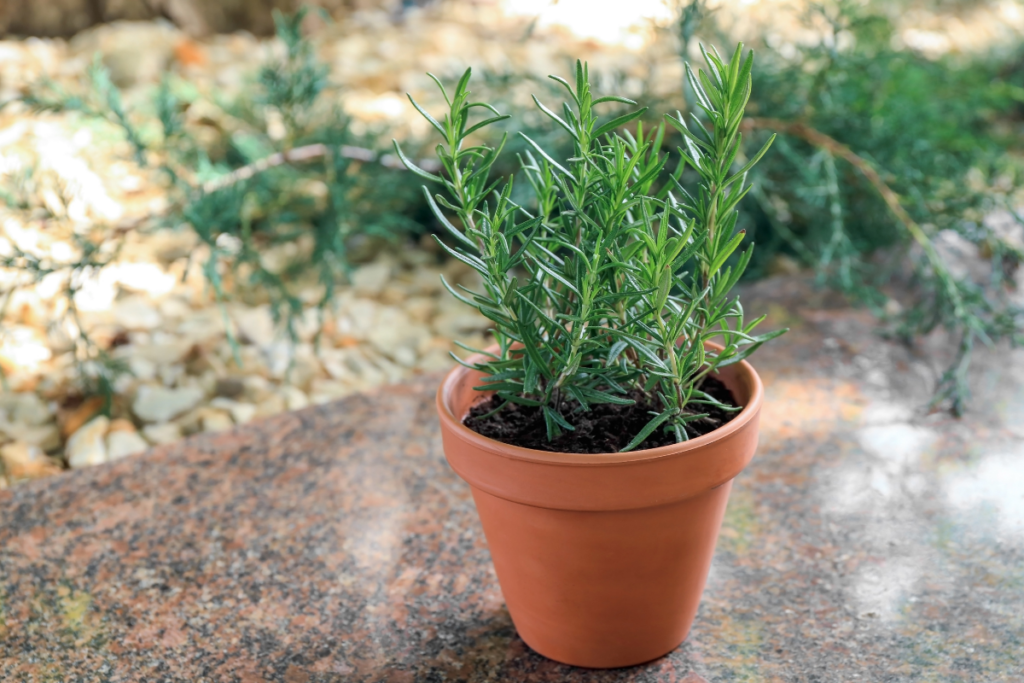
Rosemary is slightly slower to regrow than basil or mint, but once it establishes roots, it becomes a hardy, long-lasting plant.
How to Regrow Rosemary from Scraps
- Cut a healthy rosemary stem about 4–6 inches long.
- Strip off lower leaves, leaving only the top portion.
- Dip the cut end in rooting hormone (optional but helpful).
- Place the stem in water and keep it in a warm spot.
- Change water every few days.
Rosemary may take 2–4 weeks to develop roots, but it’s worth the wait. Once rooted, transfer it to well-draining soil.
Why Rosemary Is Worth Regrowing
It’s a perennial herb and lasts for years with proper care.
Tips for Successfully Growing Herbs from Kitchen Scraps
To ensure your herbs thrive indoors, follow these simple tips:
1. Provide Adequate Light
Place your herbs near a south-facing or east-facing window. If indoor light is limited, use a low-cost LED grow light.
2. Maintain the Right Water Levels
Never let water become murky—fresh water prevents bacteria that may rot the stems.
3. Transfer to Soil at the Right Time
Once roots reach 1–2 inches long, move the herb to potting soil to encourage fuller growth.

4. Use Well-Draining Pots
Excess moisture can kill herb roots. Pots with drainage holes are a must.
5. Harvest Properly
Snip stems above a leaf node to encourage branching and fuller plants.
6. Avoid Overcrowding
Give each herb its own space to prevent nutrient competition and fungal issues.
Benefits of Growing Herbs Indoors from Scraps
Here are some valuable advantages you’ll enjoy:
Fresh Herbs Anytime
You no longer need to run to the store for a handful of basil or mint.
Improves Air Quality
Herbs add oxygen and a fresh scent to your kitchen or living space.
Educational and Fun
It’s a great project for kids and beginners who want to learn about plant growth.
Sustainable Lifestyle
Regrowing herbs helps reduce your carbon footprint and encourages greener living.

Final Thoughts: Start Your Zero-Cost Herb Garden Today
Regrowing herbs from kitchen scraps is a simple, eco-friendly, and inexpensive way to enjoy a continuous supply of fresh flavors at home. Whether you’re new to gardening or a seasoned grower, these six herbs—basil, mint, cilantro, green onions, lemongrass, and rosemary—offer a wonderful starting point.
With just a few jars, some water, and a sunny spot, you can transform your leftover stems into thriving herb plants that will enhance your meals and brighten your living space all year long.

Leave A Comment