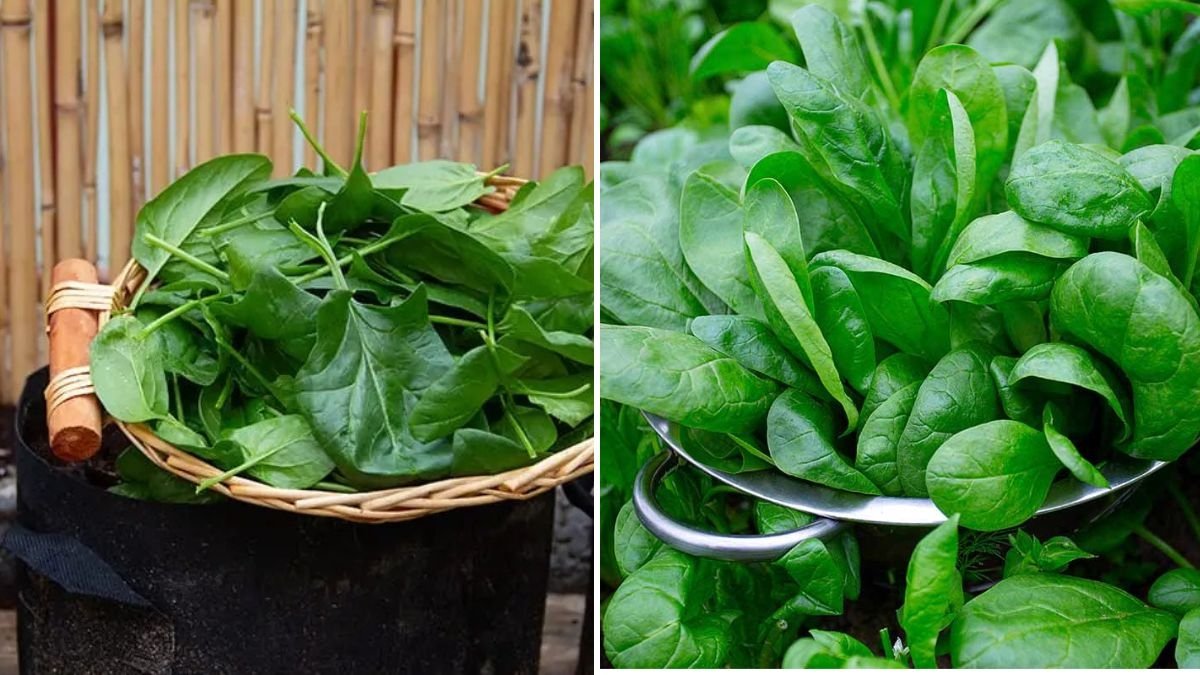
Growing spinach year-round in containers is one of the easiest and most rewarding gardening projects you can start—no backyard required. Whether you live in an apartment, have limited space, or simply want a continuous harvest of fresh, nutrient-packed greens, container-grown spinach is the perfect solution. This leafy green thrives in pots, responds well to regular harvesting, and adapts beautifully to a wide range of climates when grown with the right techniques.
In this guide, you’ll learn everything you need to grow spinach successfully throughout all seasons—summer, winter, and everything in between.
Why Grow Spinach in Containers?
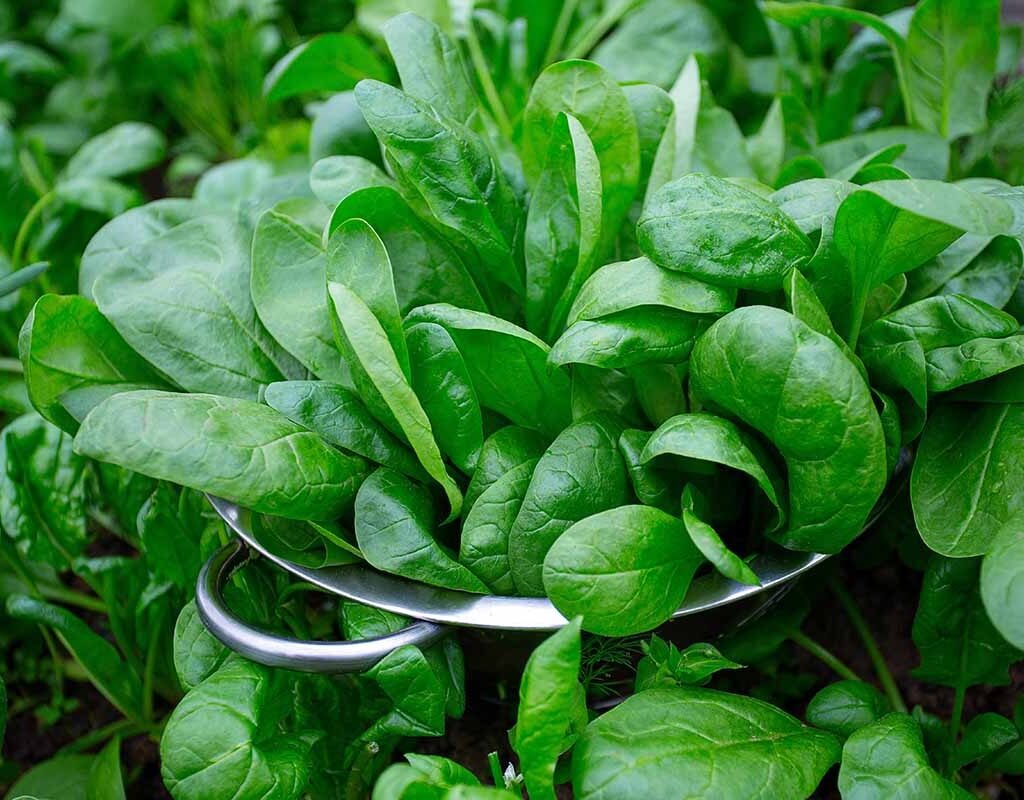
Container gardening offers a number of advantages that make spinach especially easy to manage:
1. Pest and Disease Control
Growing spinach in pots keeps it off the ground, which reduces exposure to soil-borne diseases and pests like snails, slugs, and leaf miners.
2. Space-Saving
Even if you only have a balcony, terrace, or window ledge, you can grow spinach. Containers allow you to maximize small spaces efficiently.
3. Mobility
You can move pots to control sunlight exposure, protect the plants from extreme temperatures, or bring them indoors if the weather becomes unsuitable.
4. Ideal Soil Management
Spinach has specific soil preferences. Using containers allows you to create the perfect soil conditions every time—no guessing.

Best Spinach Varieties for Year-Round Container Growing
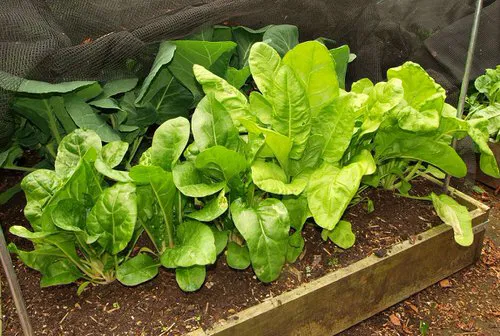
While most spinach grows well in containers, some varieties are better suited for different seasons:
For Hot Weather (Summer):
- Malabar Spinach (Basella alba) – Heat-tolerant climbing spinach.
- New Zealand Spinach – Thrives in warm climates.
- Bloomsdale Long Standing – Slow to bolt.
For Cold Weather (Winter):
- Giant Winter Spinach – Extremely cold hardy.
- Tyee Spinach – Performs well even in low temperatures.
- Indian Summer Spinach – Known for resilience in cooler conditions.
For All Seasons:
- Baby Leaf Spinach Mixes
- Regiment Spinach
- Space Spinach
Choosing the right variety helps you maintain a year-round harvest without gaps.
Choosing the Right Container
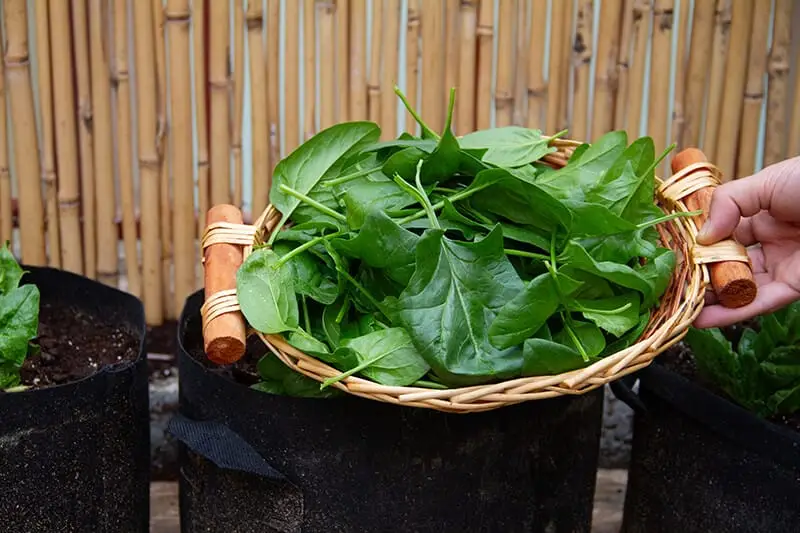
Spinach is a shallow-rooted plant, so it doesn’t require deep pots. However, choosing the right size and material enhances growth.
Container Requirements
- Minimum depth: 6–8 inches
- Minimum width: 10–12 inches
- Material: Plastic, ceramic, terracotta, fabric grow bags
- Drainage: Ensure at least 4–5 drainage holes
Fabric grow bags work exceptionally well because they provide excellent aeration and prevent root rot.
Growing in Small Spaces
If you’re limited on room, consider:
- Window boxes
- Vertical planters
- Hanging grow bags
These keep your spinach healthy without taking up much space.
Preparing the Perfect Potting Mix
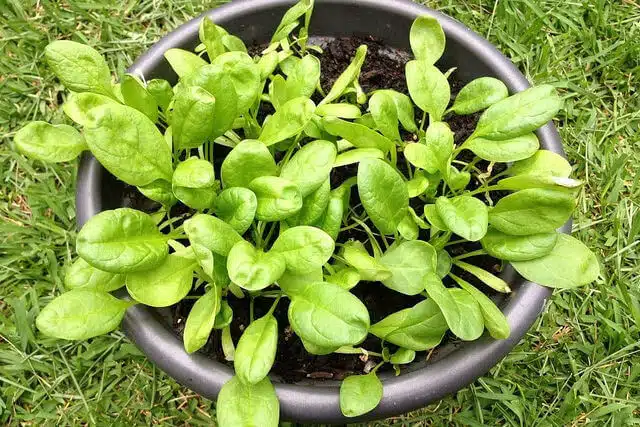
Spinach thrives in well-draining, nutrient-rich soil.

Recommended Potting Mix Recipe
- 40% coco peat or peat moss
- 30% compost or well-rotted manure
- 20% garden soil
- 10% perlite or sand
Optional Additives:
- A handful of neem cake powder to prevent pests
- A slow-release organic fertilizer like bone meal or vermicompost
Spinach prefers slightly acidic to neutral soil (pH 6.0–7.0). Most commercial potting mixes fall in this range.
Planting Spinach in Containers
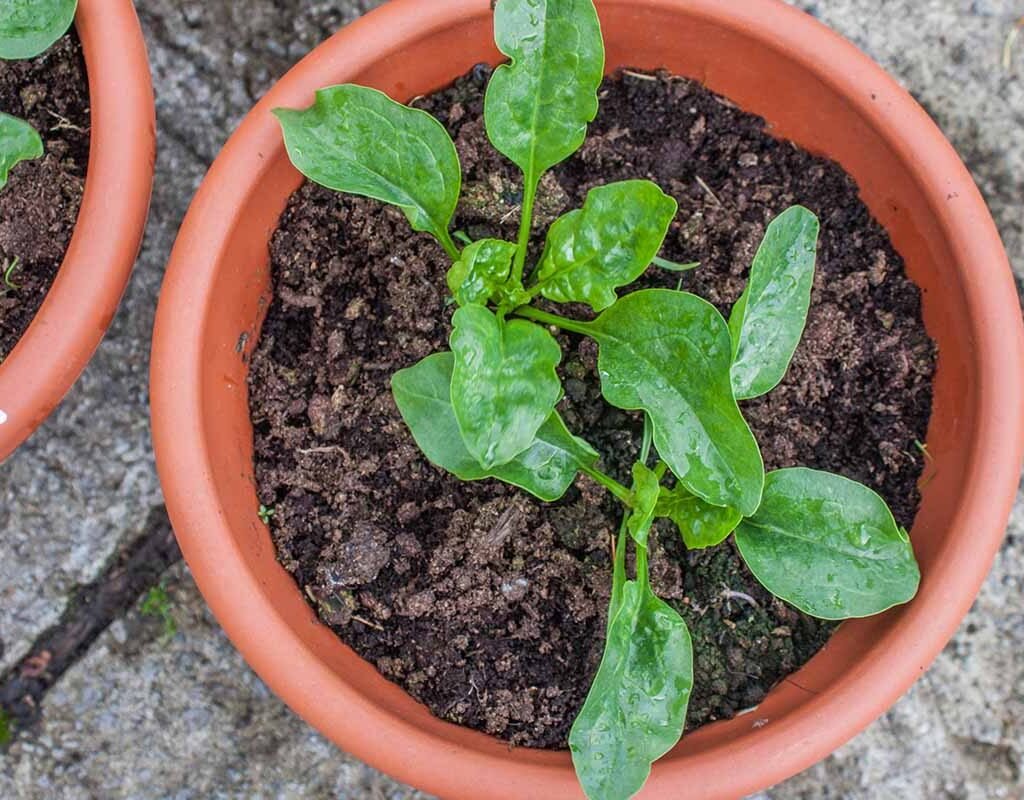
You can grow spinach from seeds or transplants, but seeds are cheaper and surprisingly fast.
How to Plant Seeds
- Fill the container with potting mix, leaving 1–2 inches at the top.
- Scatter the seeds evenly or plant them in rows.
- Cover lightly with soil (¼ inch deep).
- Water gently with a spray bottle.
- Keep the soil consistently moist until germination.
Spinach seeds usually germinate within 7–14 days depending on temperature.
Spacing Requirements
- If growing full-size leaves: 3–4 inches apart
- For baby spinach: you can sow densely
Avoid overcrowding as it causes slow growth and increases disease risk.
Optimal Light Conditions for Year-Round Growth
Spinach loves sunlight but not extreme heat.
Light Guidelines by Season
Spring / Autumn:
- 4–6 hours of direct sunlight is ideal.
Winter:

- 5–8 hours of sunlight if possible.
- If indoors, consider using a grow light for 6–8 hours daily.
Summer:
- Provide morning sun and afternoon shade.
- Protect plants from harsh midday rays to prevent bolting.
If your area gets intense sunlight, consider placing a shade cloth over the plants during peak heat.
Watering Spinach the Right Way
Spinach prefers consistently moist soil, but not waterlogging.
Watering Tips
- Water when the top inch of soil feels dry.
- Avoid wetting the leaves to prevent fungal issues.
- Ensure drainage holes are functioning properly.
In summer, watering may be needed daily, while winter watering may be reduced to 2–3 times a week.
Fertilizing Spinach in Containers
Since spinach is a leafy vegetable, it thrives on nitrogen-rich fertilizers.
Best Organic Fertilizers for Spinach
- Vermicompost
- Compost tea
- Fish emulsion
- Seaweed extract
- Mustard cake solution
Feeding Schedule
- Apply compost every 3 weeks.
- Use liquid fertilizers every 10–14 days.
Avoid over-fertilizing, which can make leaves bitter.
Temperature and Seasonal Care
Spinach prefers cool weather, but with proper care, it can grow all year.

Ideal Temperature Range:
- 10°C to 24°C (50°F to 75°F)
Summer Tips
- Choose heat-tolerant varieties.
- Grow in partial shade.
- Keep soil moist and cool with mulch.
Winter Tips
- Spinach is frost-tolerant.
- Move containers to sunny spots.
- Cover with frost cloth if temperatures drop below freezing for long periods.
Common Pests and Problems
Container-grown spinach experiences fewer issues, but you may still encounter:
Pests:
- Aphids
- Leaf miners
- Spider mites
Solutions:
- Spray neem oil weekly.
- Use sticky traps.
- Remove affected leaves immediately.
Diseases:
- Downy mildew
- Fusarium wilt
Avoid overhead watering and maintain good airflow around containers.
How to Harvest Spinach for Continuous Year-Round Supply
The key is to harvest spinach the right way so your plant keeps producing.
When to Harvest
- Baby spinach: 25–30 days
- Full-sized spinach: 40–50 days
How to Harvest Properly
- Use scissors to cut outer leaves first.
- Leave the central growth intact.
- Never harvest more than one-third of the plant at a time.
Regular harvesting encourages fresh new growth and keeps plants compact.
Regenerating and Replanting for a Constant Supply
Spinach has a short lifecycle but you can maintain continuous harvest by:
Succession Planting
Sow new seeds every 2–3 weeks so you always have plants at different growth stages.
Rejuvenating Soil
After each cycle:

- Remove old roots
- Mix in compost
- Rest the soil for 1 week before replanting
Final Tips for Successful Year-Round Spinach Growing
- Choose the right variety for each season.
- Use good-quality potting mix and containers with proper drainage.
- Protect plants from extreme heat or cold.
- Water consistently, but don’t overwater.
- Harvest regularly to encourage growth.
With these simple yet effective methods, you’ll have a steady supply of fresh, homegrown spinach every month of the year—right from your balcony or windowsill.

Leave A Comment