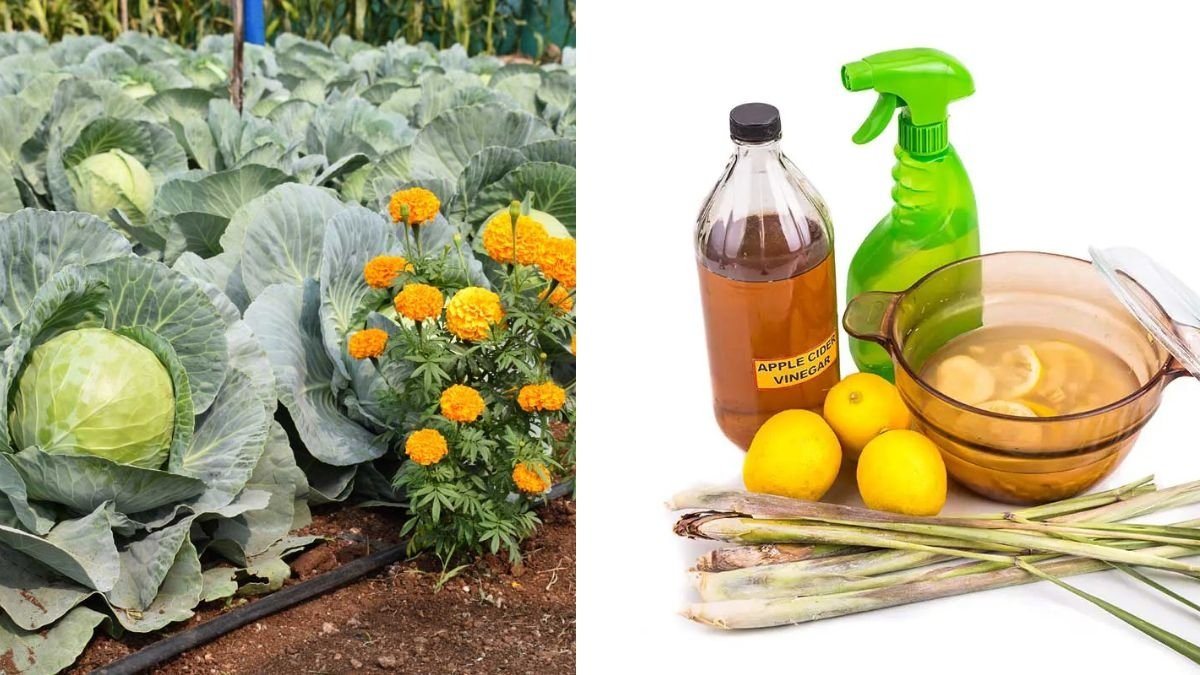
Companion planting is one of the oldest and most reliable gardening techniques for keeping plants healthy, boosting yield, and—most importantly—repelling harmful insects naturally. Long before chemical pesticides existed, farmers used the natural relationships between plants to protect crops and maintain garden balance. Today, this ancient wisdom is making a strong comeback as more gardeners shift toward eco-friendly and sustainable growing methods.
If you’ve ever wondered how to keep pests away without spraying chemicals all over your plants, companion planting is one of the easiest and most effective solutions. This approach uses the scents, chemicals, root structures, and growth habits of certain plants to deter insects, attract beneficial predators, and create a more resilient garden ecosystem.
In this comprehensive guide, we’ll explore five powerful companion planting secrets that naturally keep bugs away, protect your crops, and help your garden thrive—without a single drop of harmful pesticide. Whether you’re a beginner or a seasoned gardener, these techniques will transform the way you grow and care for your plants.
1. Strong-Scented Herbs: Nature’s Built-In Bug Repellents
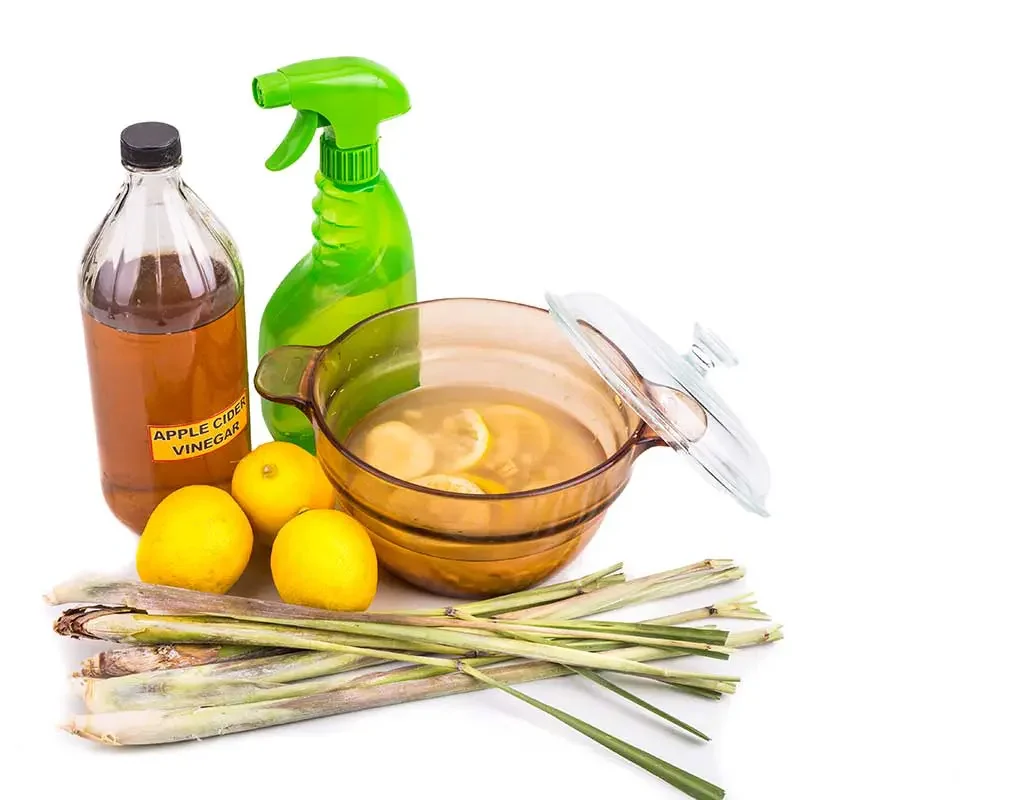
One of the most effective companion planting secrets is using strongly aromatic herbs. These herbs produce essential oils and compounds that confuse, repel, or distract harmful insects from your main crops.
Why It Works
Insects rely heavily on scent to locate plants they want to feed on. Strong fragrances interfere with their ability to recognize host plants.
Best Herbs for Repelling Bugs
- Basil: Repels flies, mosquitoes, thrips, and tomato hornworms.
- Mint: Drives away ants, aphids, and flea beetles.
- Rosemary: Deters cabbage moths, carrot flies, and slugs.
- Thyme: Repels whiteflies and hornworms.
- Sage: Keeps snails, beetles, and cabbage moths away.
Where to Plant Them
- Around vegetable beds, especially tomatoes, peppers, and cabbage-family crops
- Along pathways and borders
- In between rows of vegetables
- Near doorways and patios to keep insects away from outdoor spaces
Bonus Tip: Plant basil with tomatoes—not only for pest control but also because it improves tomato flavor and growth!

2. Trap Crops: Lure Pests Away from Your Veggies
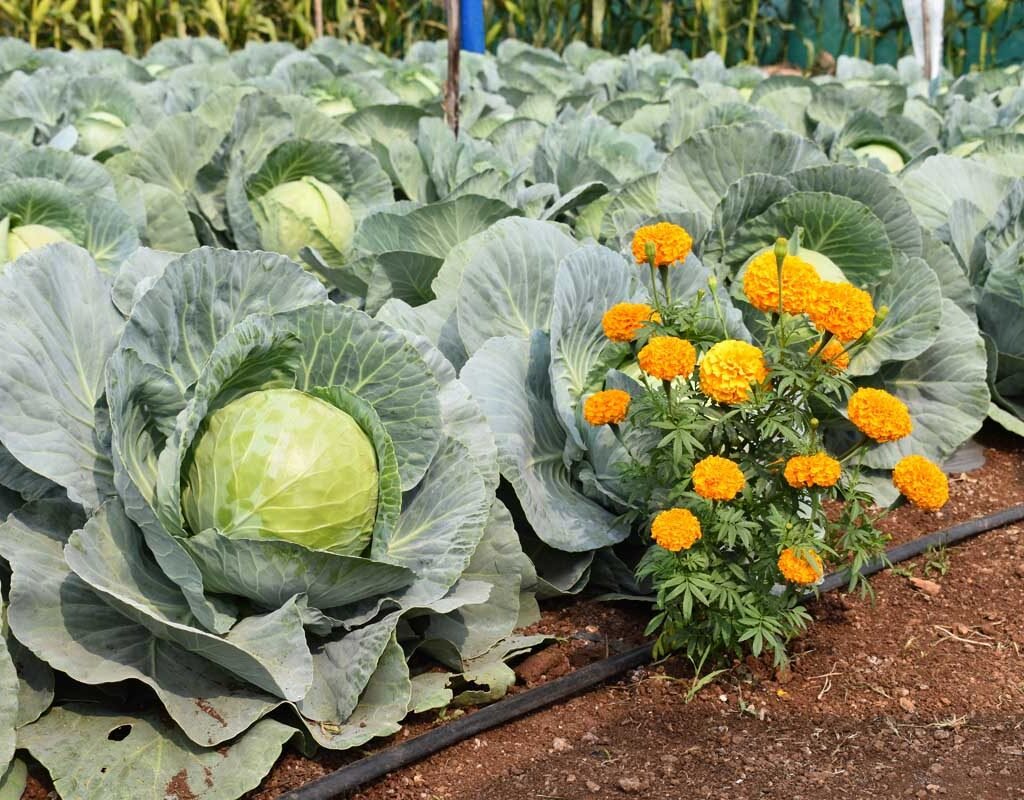
This is one of the most powerful and least-known companion planting secrets. Trap cropping involves planting a “sacrificial plant” that pests prefer more than your main crops. These trap plants draw insects away, making them easier to manage or remove.
Why It Works
Certain insects are irresistibly attracted to specific plants. By giving pests a more appealing target, you protect your valuable crops.
Best Trap Crops and What They Protect
- Nasturtium: Attracts aphids, whiteflies, and cabbage moths away from cabbages, broccoli, and cucumbers.
- Mustard Greens: Draws flea beetles away from lettuce and kale.
- Radish: Lures root maggots away from carrots and turnips.
- Marigolds: Attracts slugs and snails (they love munching on the petals).
- Sunflowers: Distract leaf-footed bugs and stink bugs from tomatoes and peppers.
How to Use Trap Crops Properly
- Plant them along the garden edges or in corners.
- Never let them get overcrowded near main crops.
- Check them regularly and remove pests manually if needed.
- Replace trap plants once heavily damaged.
Trap crops act like decoys—they take the beating so your vegetables don’t.
3. Flower Power: Attract Predatory Insects That Eat Pests
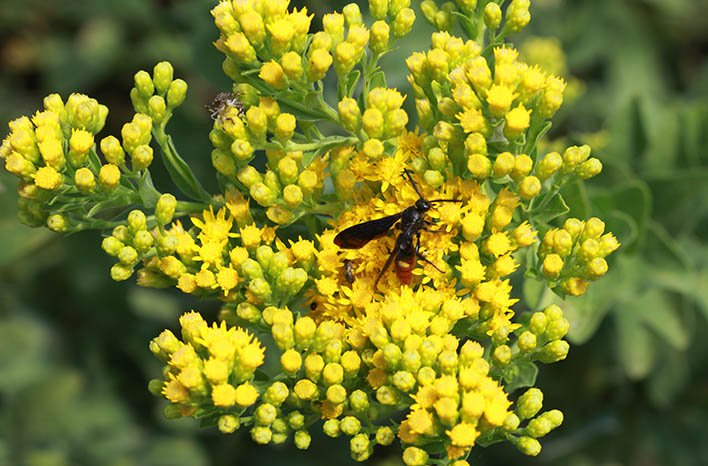
Many gardeners focus on repelling pests, but a powerful secret is attracting beneficial insects that prey on them. Flowers play a crucial role in drawing helpful predators like ladybugs, lacewings, hoverflies, parasitoid wasps, and predatory beetles.
How Flowers Help
- Their nectar provides food for beneficial insects.
- Their colors attract predators searching for insects to feed on.
- Some flowers produce scents that repel harmful bugs while encouraging beneficial ones.
Best Flowers for Attracting Good Bugs
- Marigolds: Attract ladybugs and deter nematodes.
- Zinnias: Attract butterflies and beneficial predatory wasps.
- Alyssum: Loved by hoverflies (whose larvae eat aphids).
- Bachelor’s Button: Attracts pollinators and predatory beetles.
- Calendula: Attracts lacewings and repels whiteflies.
Where to Plant Flowers
- Intermixed with vegetable beds
- Around fruit trees
- Along edges of gardens and borders
- Scattered in rows between crops
A garden filled with flowers is not just beautiful—it’s a battlefield where beneficial insects help protect your plants.
4. Root Pairings: Underground Allies for Pest Control
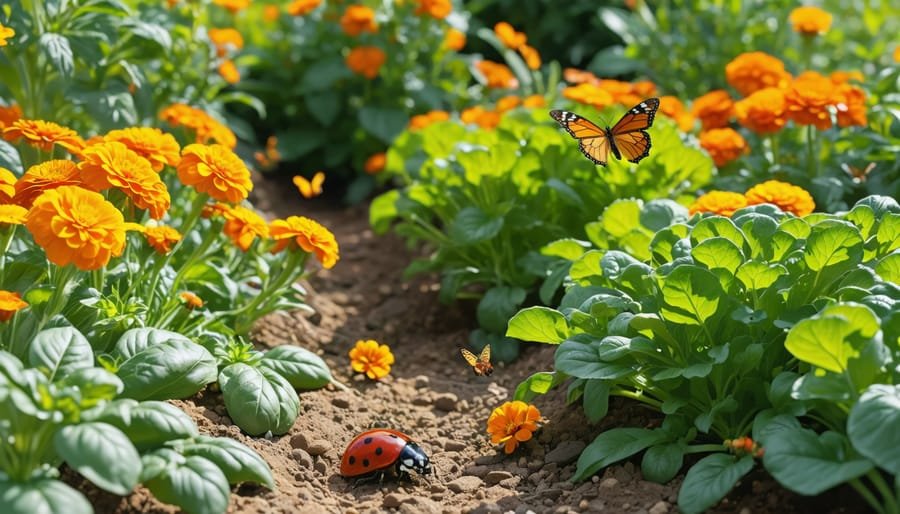
Companion planting isn’t only about what happens above the soil. Many plants work together underground by releasing natural chemicals from their roots that repel pests and protect nearby crops.

Why This Works
Some plants exude substances from their roots that alter soil biology or discourage pests from feeding or laying eggs.
Powerful Root-Level Companion Planting Pairs
- Garlic + Roses: Garlic repels aphids and spider mites that target roses.
- Onions + Carrots: Onions repel carrot flies, while carrots deter onion flies (a perfect mutual defense!)
- Marigolds + Tomatoes: Marigold roots release thiophenes, which repel nematodes that damage tomato roots.
- Chives + Strawberries: Chives keep aphids away and improve berry health.
- Leeks + Celery: Leeks repel carrot flies, and celery repels white cabbage moths.
How to Use Root Pairings
- Plant these combinations in the same bed or alternating rows.
- Make sure spacing is adequate so roots do not compete for nutrients.
- Use rotating root-companion pairs each season to maintain soil health.
This unseen underground teamwork makes plants more resilient and resistant to pests.
5. The Decoy Scent Strategy: Confuse and Distract Harmful Insects
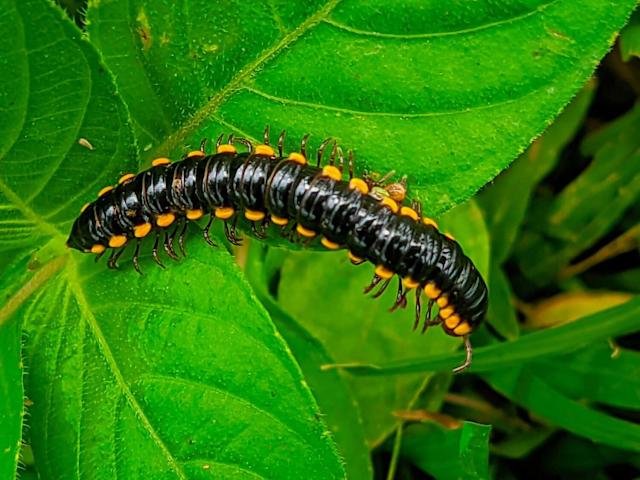
One of the least-known but incredibly effective secrets is using strong-smelling plants to disguise the scent of more vulnerable ones. This technique uses “scent masking” to make it harder for insects to locate their preferred host plants.
How It Works
Many pests use scent trails to find food. If the garden is full of strong, competing smells, insects get confused and cannot locate their target plants easily.
Best Plants for Scent Masking
- Lavender: Repels moths, fleas, and flies.
- Oregano: Strong aromatic oils disrupt insect navigation.
- Coriander (Cilantro): Repels spider mites and aphids.
- Dill: Confuses pests while attracting beneficial wasps.
- Fennel: Strongly scented, repels slugs and aphids (best planted at a distance, not right next to other crops).
How to Apply This Strategy
- Plant aromatic herbs around vegetable beds.
- Create herb borders along the garden perimeter.
- Mix herbs directly with vulnerable crops like lettuce, beans, cabbage, and tomatoes.
This technique creates a “scent cloud” around the garden, making it much harder for pests to zero in on specific plants.
Extra Companion Planting Tips for Maximum Pest Protection
These simple habits help enhance the effectiveness of your companion planting efforts:

Rotate Your Crops Each Season
Prevents pest build-up in the soil.
Avoid Monoculture Rows
Mixing plants confuses pests and reduces widespread infestation.
Add Mulch
Mulch discourages soil-borne pests and keeps plants healthy.
Water Properly
Overwatered plants attract more pests and disease.
Keep the Garden Clean
Remove dead leaves and insect-infested plant parts.
Encourage Birds
They naturally consume caterpillars and beetles.

Companion planting works best as part of a holistic garden care system.
Final Thoughts: Let Nature Protect Your Garden
Companion planting is a simple, powerful way to protect your plants without chemical pesticides. By using herbs, trap crops, flowers, root allies, and scent-masking plants, you can create a garden ecosystem that naturally keeps harmful insects away.
These five companion planting secrets not only repel pests but also:
- Improve soil health
- Boost plant growth
- Increase harvests
- Support pollinators
- Create a more balanced environment
When plants support each other, your entire garden becomes stronger and more resilient.
Whether you’re growing tomatoes, cucumbers, herbs, flowers, or fruit trees, companion planting helps ensure you enjoy a vibrant, pest-free garden—naturally and sustainably.
If you’d like, I can create an SEO description, Pinterest pin text, or social media captions to go with this article!


Leave A Comment